In this guide (7)
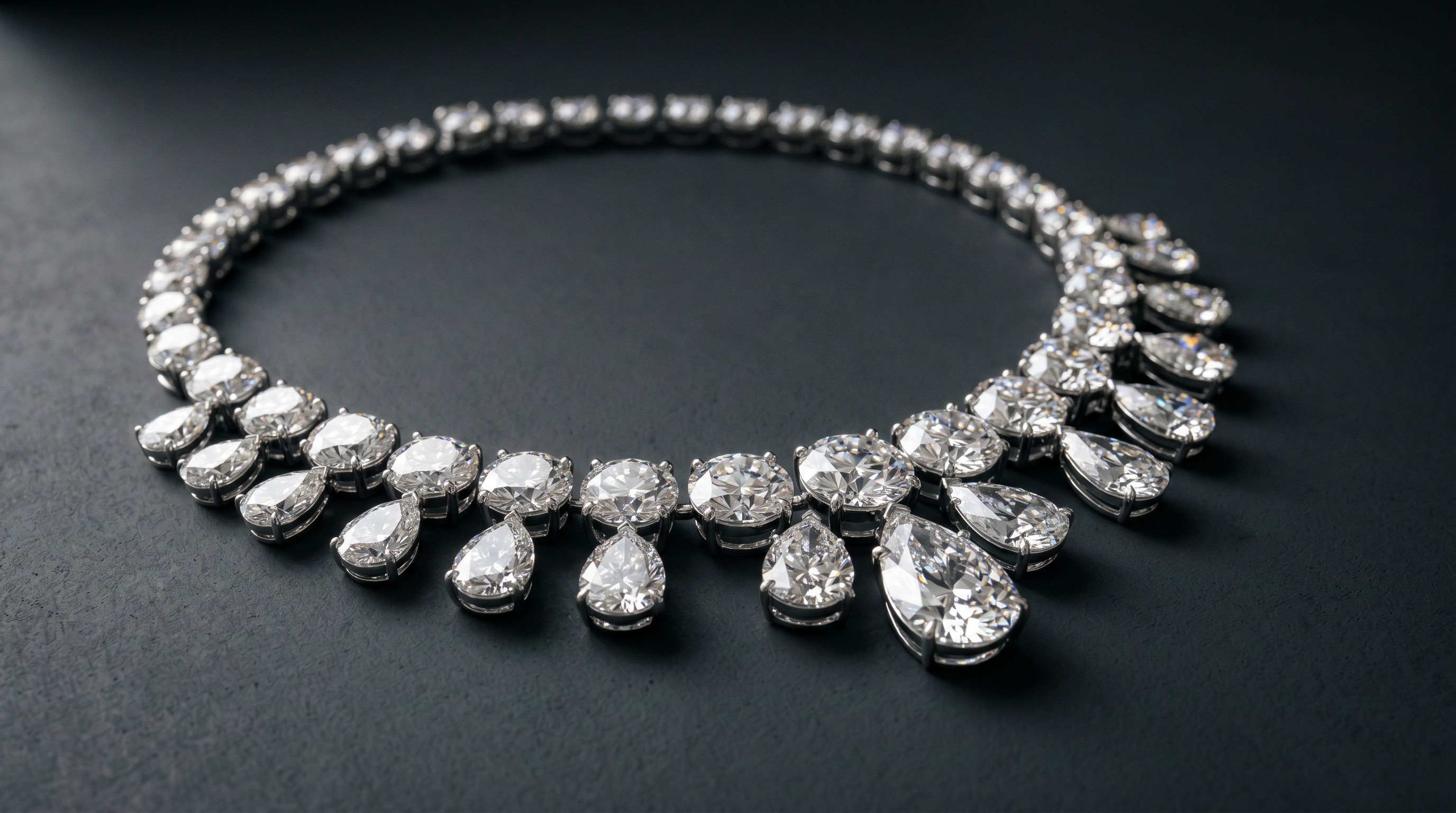
A Graff piece is valued mainly on its diamonds, their size, colour, clarity and cut, and on proof that it is Graff: the signature and number on the piece, and the certificates for its stones. This guide shows how to recognise a genuine Graff piece and what decides its value.
Send a photograph of the piece, its signature and its certificates for a free value inspection, with no obligation.
A diamond house since 1960
Laurence Graff founded the business in London in 1960. The house became known for handling some of the most important diamonds of recent decades, and for cutting and setting its stones itself. Alongside its high jewellery, Graff makes signature collections that are easier to recognise and come to the second-hand market more often.
- 1960 Founded in London
- Growth into high jewellery
- Signature collections
- Today
The designs to know
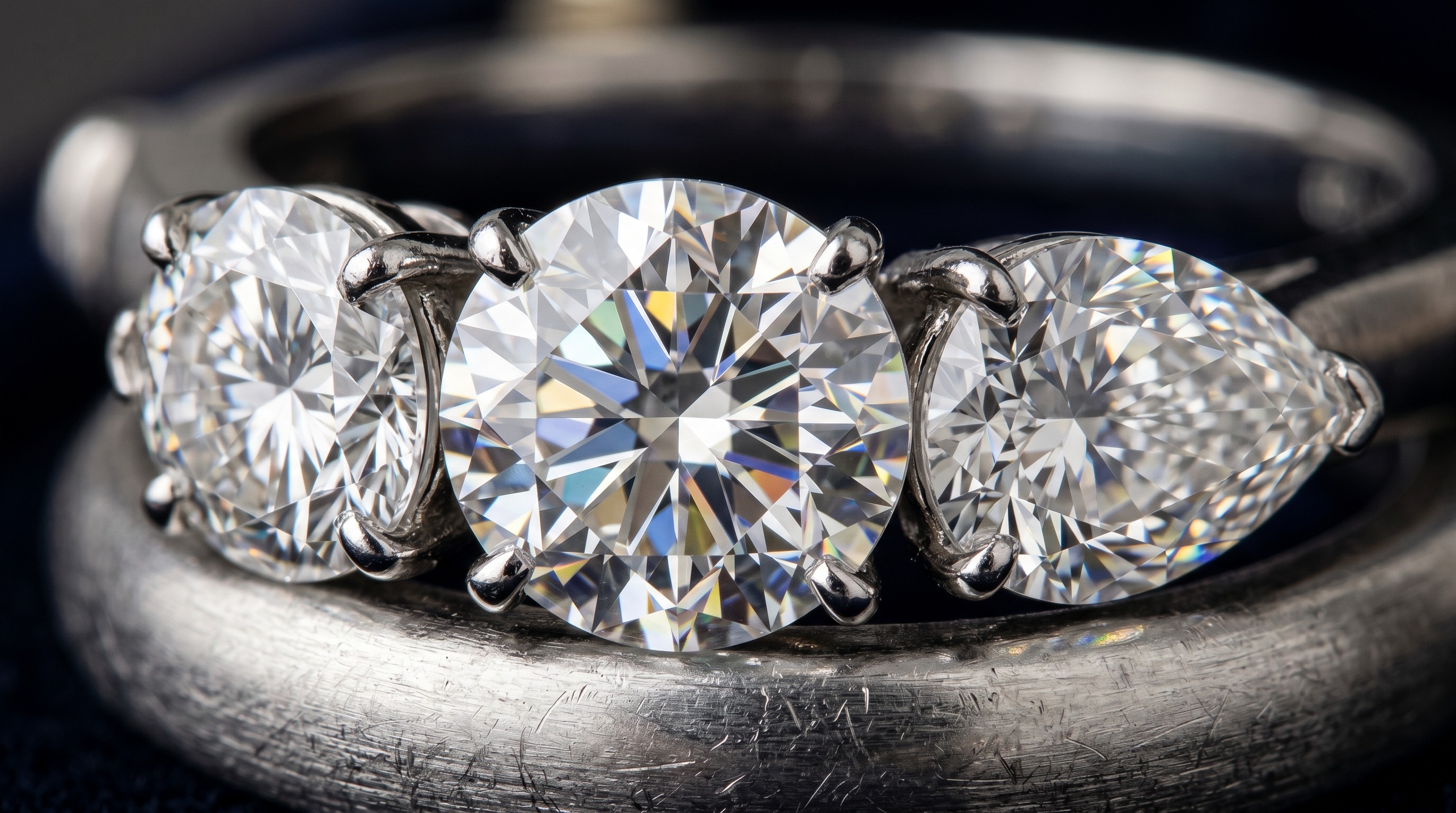
- Diamond solitaires and bands. The core of Graff, in platinum and gold.
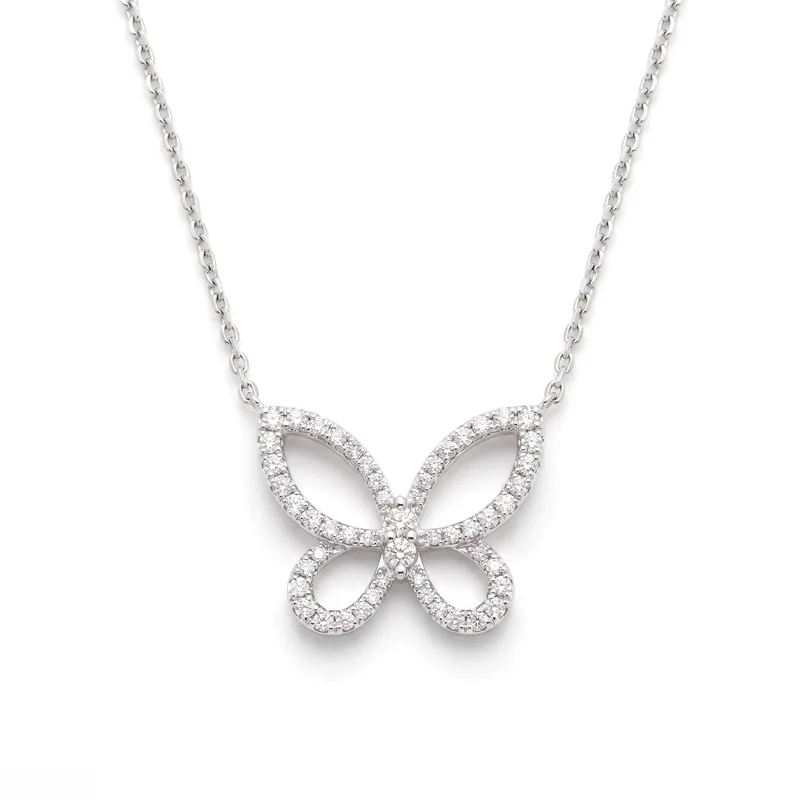
- Butterfly. Diamond butterflies on pendants, earrings and rings.
- Icon. A signature collection with its own motif.
- Tilda’s Bow. A bow motif in diamonds.
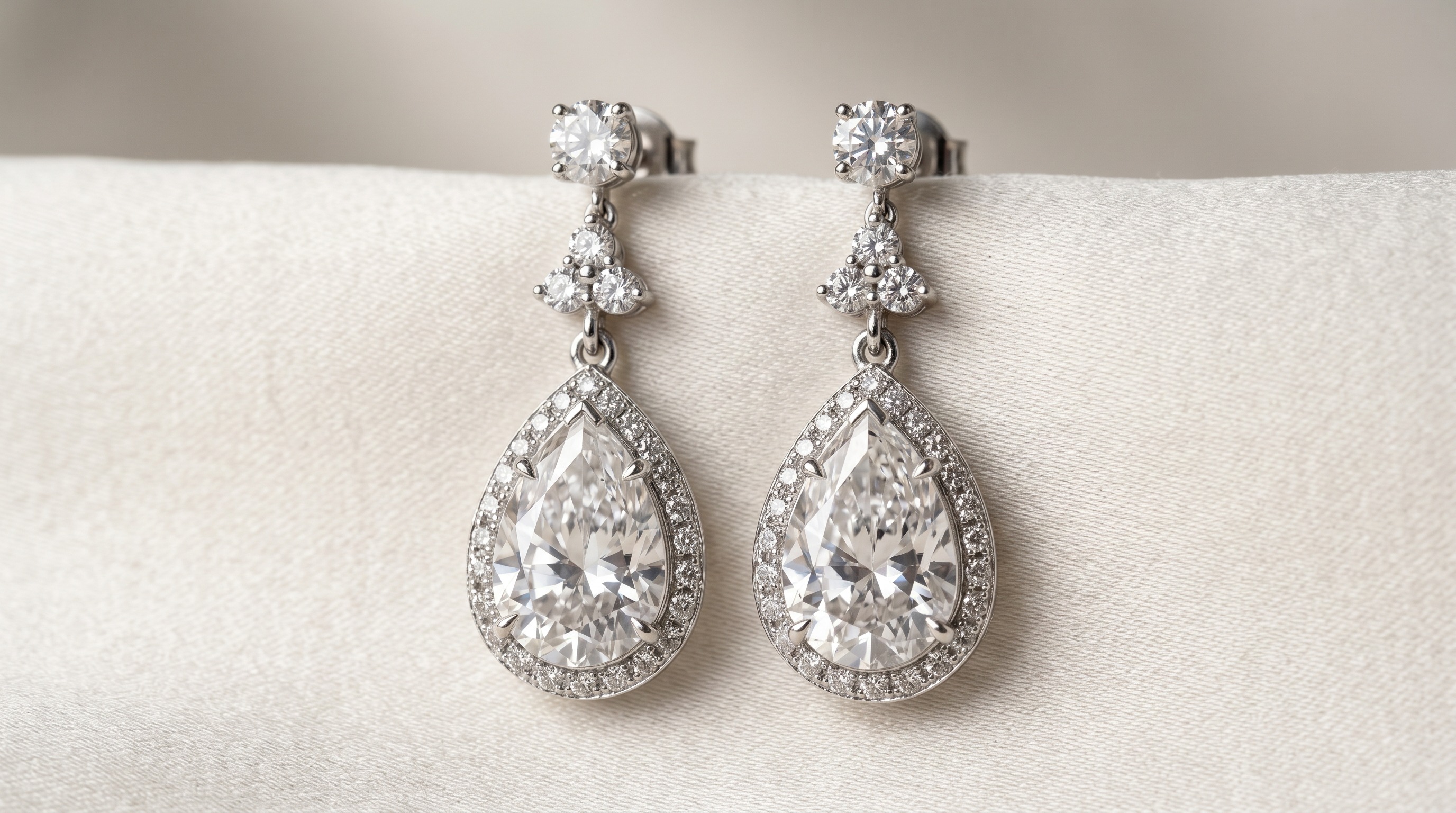
- High jewellery. Necklaces and earrings set with important stones.
- Solitaire
Selling Graff jewellery?
Free valuation from your photographs. Paid the same day after inspection.
- Free insured FedEx collection
- Insured to £10,000
- No obligation
How to tell a genuine Graff piece
For every house we buy, see how we check designer jewellery.
- The signature and number The signature and number "GRAFF" and a piece number, usually inside a ring shank or on the back.
- The metal mark PT950 for platinum, 750 for gold.
- Certificates Important diamonds come with a grading report, often GIA, and a Graff certificate.
- The inscription Many Graff diamonds carry a tiny laser inscription on the girdle: the report number, often with "GRAFF". It is visible only under magnification and should match the report.
Checked yours? Send a photo of the signature, number and any certificate for a free, honest check.
Red flags
- A signature or number that is shallow, crooked or missing.
- A certificate whose number does not match the inscription on the stone.
- Diamonds that look glassy, dull or uneven against each other.
- Rough settings, uneven claws or a poor finish on the back.
- Papers or a box that look better than the piece.
Certificates: why they matter
For a diamond piece, the grading report is often as important as the signature. It records the stone’s size, colour, clarity and cut, and its number should match the inscription on the girdle. A Graff certificate supports the piece as Graff. If you have lost the papers, we can still assess the stones, but please tell us what you had.
What is my Graff jewellery worth?
A Graff piece is valued on its diamonds (their size, colour, clarity and cut), any coloured stones, the design and collection, the metal, its condition, whether you have the certificates, box and receipt, and current demand. We never publish figures, because two Graff pieces that look alike can hold very different stones. No certificates? We can still inspect it.
- Diamonds
- Coloured stones
- Design
- Metal
- Condition
- Certificates
- Demand
How selling works
- Send photographs of the piece from the front, the signature and number, and every certificate.
- Free value inspection We reply within one working day with an estimate, subject to inspection. If our offer differs, you can decline and we return it at our cost.
- Paid the same day after inspection by bank transfer, in Mayfair, at our Braintree office, by post or by free collection.
Insured up to £10,000 per parcel when you send to us. For important pieces, we can also sell on consignment for you.