Speak to a specialist · 01376 334 482
Speak to a specialist01376 334 482Mon to Fri, 9am to 5pmGet my offer
Guides

Where to Sell Antiques in the UK: Dealers, Auctions, Online and Antique Centres

An honest comparison of the five ways to sell antiques, which suits which piece, and how to sell online without listing anything yourself.

  • Free insured FedEx collection
  • Insured to £10,000
  • Paid the same day after inspection
  • 5/5 on Google
In this guide (6)
  1. The five ways to sell antiques in the UK
  2. Which route suits your antique?
  3. Selling antiques online
  4. Before you sell any antique
  5. Sources
  6. Questions

Updated 12 November 2026 · 6 min read · By the Mozeris specialists

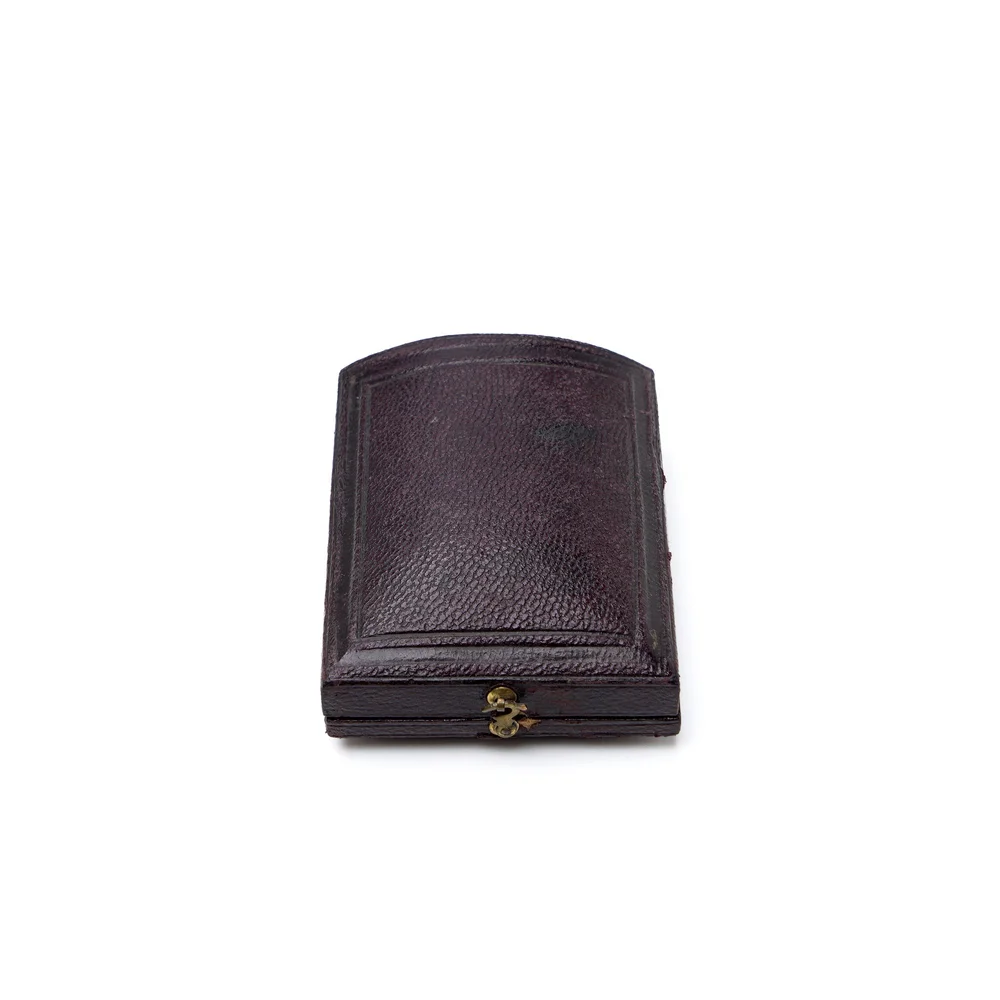
Victorian leather pendant and locket box

Quick answer. Sell antique jewellery, silver, watches, coins, boxes and objets to a specialist buyer; rare pieces at auction; furniture locally; lower-value items on general marketplaces.

  • Most antiques marketplace websites accept dealers only, not private sellers.
  • A specialist values from photographs and buys outright, with no seller's fees.
  • Auction suits rare pieces if you can wait and accept commission.
  • Do not clean or repair anything before it is valued.

The five ways to sell antiques in the UK

There are five main routes, and each suits different pieces and different sellers. The right one depends on what you have, how quickly you want to be paid, and how much of the work you want to do yourself.

RouteHow it worksBest forTrade-offs
Specialist buyer or dealerValues your piece, often from photographs, and buys it outrightJewellery, silver, watches, coins, boxes and objets; anyone who wants a quick, certain saleAn outright offer rather than a retail price; choose a specialist in your type of antique
Auction houseCatalogues your piece and offers it to bidders on a sale dayRare and important pieces, single-owner collections, items with strong competitionSeller's commission and fees; weeks or months to the sale and payment; no sale if the reserve is not met
Antiques marketplace websitesDealers list stock for buyers to browseTrade dealers with stock to sellMost accept dealers only, not private sellers, so private sellers usually reach them by selling to a dealer
General marketplaces (eBay, Facebook Marketplace, Etsy for vintage)You list, sell and post the item yourselfLower-value pieces and sellers happy to handle buyersListing work, fees, payment and postage risks, and meeting strangers
Antique centres and shopsDealers rent space and sell to visitors; many also buyLocal sales of furniture and decorative piecesYou sell to a dealer there, who needs room to resell

Which route suits your antique?

  • Jewellery, silver, watches and coins: a specialist buyer who values hallmarks, makers, stones and movements, not only the metal.
  • Boxes, objets, bronzes and porcelain: a dealer in fine antiques, or auction for exceptional pieces.
  • Furniture and large items: a local dealer, antique centre or regional auction, because collection and transport matter.
  • A whole house or collection: auction or several specialists, one for each type of item.
  • Everyday and low-value pieces: general marketplaces or a local antique centre.

Rare pieces with strong collector interest can do well at auction if you can wait. For most jewellery, silver and small antiques, a specialist's outright offer is quicker and has no seller's fees. See also dealer or auction?

Have one to sell?

Sell to a specialist

Free valuation from your photographs. Paid the same day after inspection.

  • Free insured FedEx collection
  • Insured to £10,000
  • No obligation
Sell antiques

Selling antiques online

Selling online no longer means listing it yourself. With a specialist buyer you send photographs, receive a valuation, and post the piece insured only if you accept the offer.

  1. Photograph it. The whole piece from several sides, then any marks, signatures, labels or damage close up, in daylight on a plain background.
  2. Get a free valuation. Send the photos with anything you know about its history. A specialist replies, usually within one working day.
  3. Send it insured. Book a free insured FedEx collection or post it by Royal Mail Special Delivery.
  4. Be paid. The piece is inspected and you are paid the same day by bank transfer, or it is returned at no cost if you decline.

If you list on a general marketplace yourself, keep payment and posting safe: read how to sell jewellery safely.

Before you sell any antique

  • Do not clean, polish or repair it. Cleaning can remove patina, damage gilding and lower value.
  • Keep boxes, papers and provenance. Receipts, letters and family history help a buyer and the price.
  • Get more than one opinion on anything you think may be valuable.
  • Check legal restrictions. Most items containing elephant ivory cannot be sold in the UK without a registered exemption (GOV.UK).
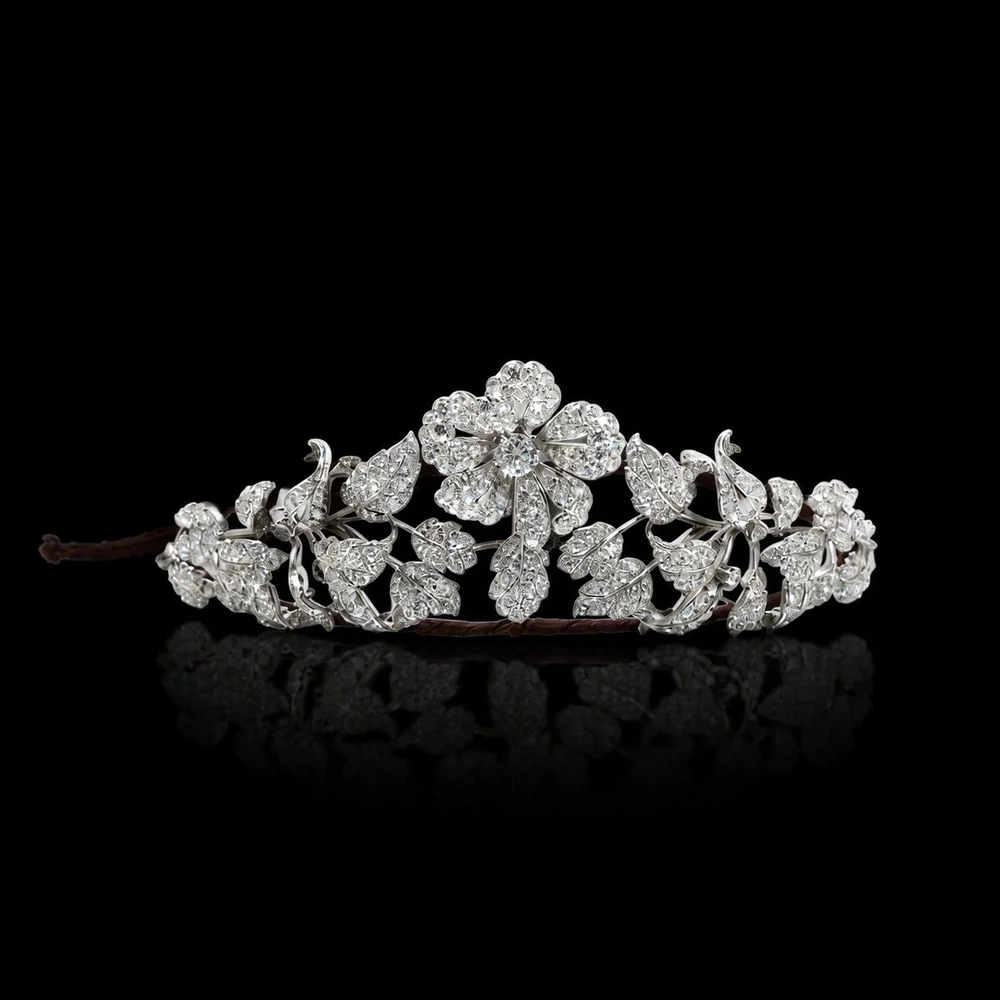
Edwardian platinum and old cut diamond garland tiara
An Edwardian platinum and diamond tiara from our collection. Period, maker and workmanship are valued, not only materials.

We are dealers in fine antiques, so period pieces are bought as antiques, not melted. We buy antique jewellery and watches, silver and objets de vertu, jewellery boxes, gold seals, vesta cases and snuff boxes, bronzes, porcelain and desk accessories, by post from anywhere in the UK or by appointment in Mayfair and Braintree. See what we buy.

Sources

Have one to sell?

A free valuation from your photographs

Tell us what you have and add a few clear photos. A specialist replies within one working day.

  • Free insured FedEx collectionFrom your door, anywhere in the UK
  • Insured to £10,000On its way to us
  • Paid the same dayAfter inspection, by bank transfer

Send photos of your antiques

Free valuation. A specialist replies within one working day. No obligation.

  • The whole piece, from two sides
  • Any marks, signatures or labels
  • Any damage or repairs

We use your details only to answer this enquiry. Privacy policy.

Questions

Questions

Where can I sell antiques in the UK?

Sell antique jewellery, silver, watches, coins, boxes and objets to a specialist buyer who values the maker and period, often from photographs. Rare pieces can go to an auction house, furniture to a local dealer or antique centre, and lower-value items on general marketplaces. Choose the route by the type of antique.

How can I sell antiques online?

Photograph the piece and its marks, and send the photos to a specialist buyer for a free valuation. If you accept, send it by insured collection or Royal Mail Special Delivery and be paid after inspection. Listing it yourself on a general marketplace means handling buyers, payment and postage.

What are the best antique selling sites in the UK?

It depends on who is selling. The main UK antiques marketplace websites list dealers' stock and most do not accept private sellers. Private owners usually sell to a dealer or specialist buyer, use an online auction, or list lower-value pieces on general marketplaces such as eBay, Facebook Marketplace or Etsy for vintage items.

Are there online platforms to sell antiques easily?

The easiest online route for a private seller is a specialist buyer who values from photographs and buys outright: there is nothing to list and no buyers to manage. General marketplaces are open to everyone but take more work, and most dedicated antiques marketplace websites are for trade dealers only.

Is it better to sell antiques to a dealer or at auction?

A dealer gives a fixed offer and pays quickly, with no seller's fees or risk of the piece going unsold. An auction can achieve more for rare pieces with strong competition, but takes weeks or months and charges commission. A free dealer valuation is a useful benchmark before consigning to auction.

Do antique shops buy items from the public?

Many do. Antique shops and dealers in antique centres buy from private sellers, because private homes are where good pieces come from. Shops buy what they can resell to their own customers, so a specialist in your type of antique will usually value it most fully.

Can private sellers list on antiques marketplace websites?

Usually not. The large UK antiques marketplace websites are subscription services for antiques businesses, and at least one states that it does not accept private sellers. Private owners normally sell to a dealer, who may then list the piece, or use a general marketplace.

What antiques do you buy?

We buy antique and period jewellery, watches and pocket watches, silver and objets de vertu, antique jewellery and watch boxes, gold seals, vesta cases and snuff boxes, bronzes and figurines, porcelain and desk accessories, by post from anywhere in the UK or by appointment. Not sure about a piece? Send a photo and ask.

Prefer to talk?

Not sure what you have? Ask us.

Tell us about it or attach a few photos. They go straight to a specialist, who starts on your valuation and replies within one working day.

Ready when you are

Get an instant offer for gold and silver, or send photos of anything else for a free valuation.