Guide · Jewellery

How to Clean Jewellery: Diamonds, Platinum, Gold, Antique and Costume

A dealer's guide to cleaning and storing jewellery: what each metal and gem can take, how to clean diamond, platinum and high-carat gold, and why antique, marcasite and costume pieces need a lighter touch.

By the Mozeris specialistsUpdated 3 min read

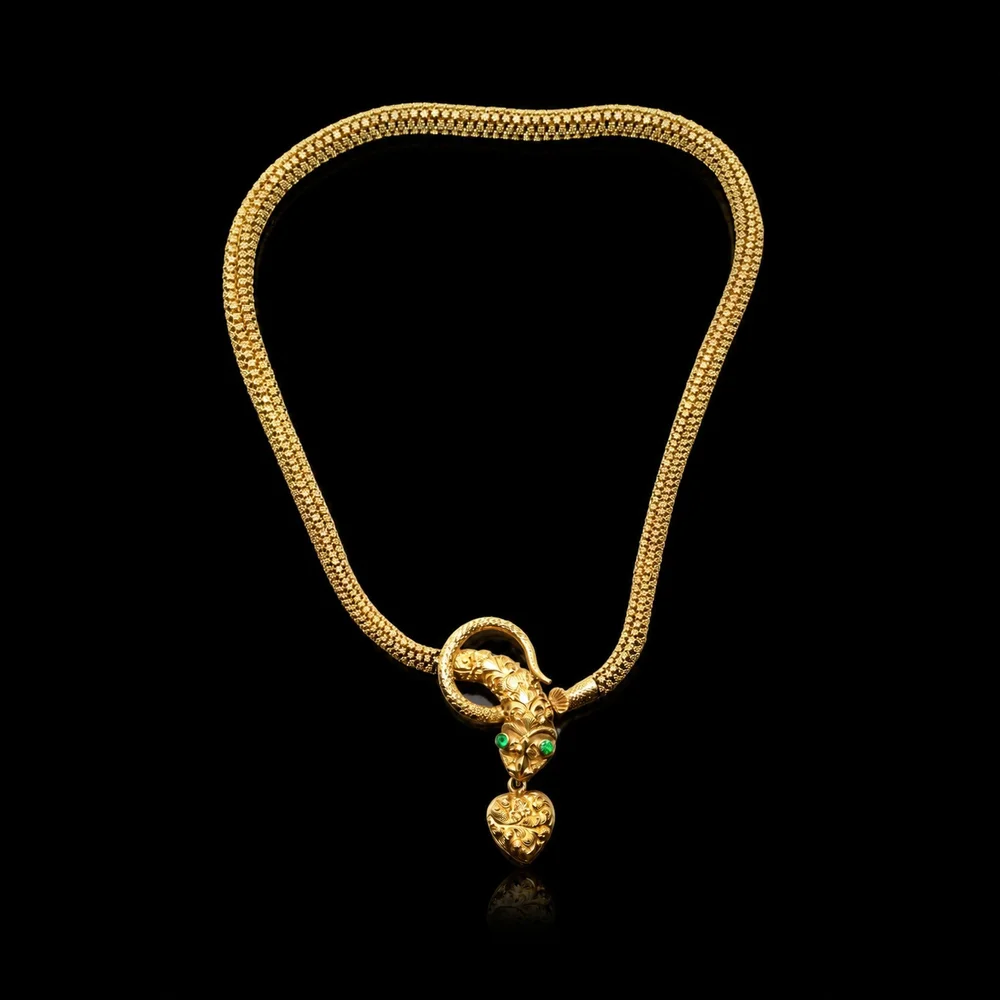
Georgian 22KT gold snake necklace with a heart locket, from our collection
A Georgian 22KT gold snake necklace with a heart locket, from our collection

The short answer

Soak the ring for a few minutes in warm water with a little washing-up liquid, then brush gently behind and around the diamond with a soft toothbrush, rinse in a bowl rather than over a sink, and dry with a lint-free cloth. Clean diamonds without fractures or fillings can also go in an ultrasonic cleaner.

  • Warm water, mild soap and a soft toothbrush clean most fine jewellery.
  • Never soak opal, pearl, emerald, marcasite, costume or foil-backed antique pieces.
  • Platinum does not tarnish; it gains a patina a jeweller can polish.

How to clean jewellery safely: the basics

Most fine jewellery needs only warm water, a little mild washing-up liquid and a soft toothbrush. What changes is how much water and agitation each material can take (GIA).

  1. Check what it is

    Identify the metal and the stones first: some gems and settings must not get wet.

  2. Soak briefly

    Warm, not hot, soapy water for a few minutes, only for pieces that can take it.

  3. Brush gently

    A soft toothbrush behind the stones, where grease and soap collect.

  4. Rinse in a bowl

    Never over an open drain.

  5. Dry at once

    A lint-free cloth, then leave to air dry fully before storing.

MaterialSoapy waterUltrasonic or steam
Diamond, ruby, sapphire (no fractures or fillings)YesYes
EmeraldBriefly, lukewarmNo (emerald guide)
Opal, pearl, turquoise, coral, amberWipe onlyNo
Glass-filled ruby, fracture-filled diamondBrieflyNo
Marcasite, costume, foil-backed settingsNo: dry or barely damp clothNo

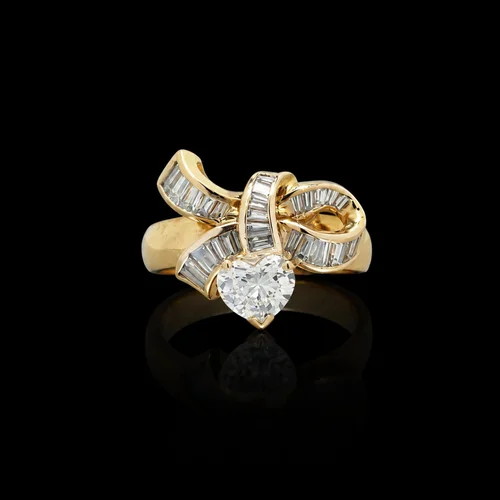
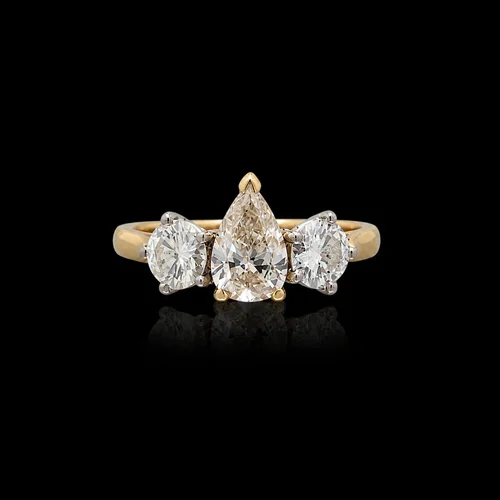
Diamond rings in stock

Shop all 125

Platinum, white gold and high-carat gold
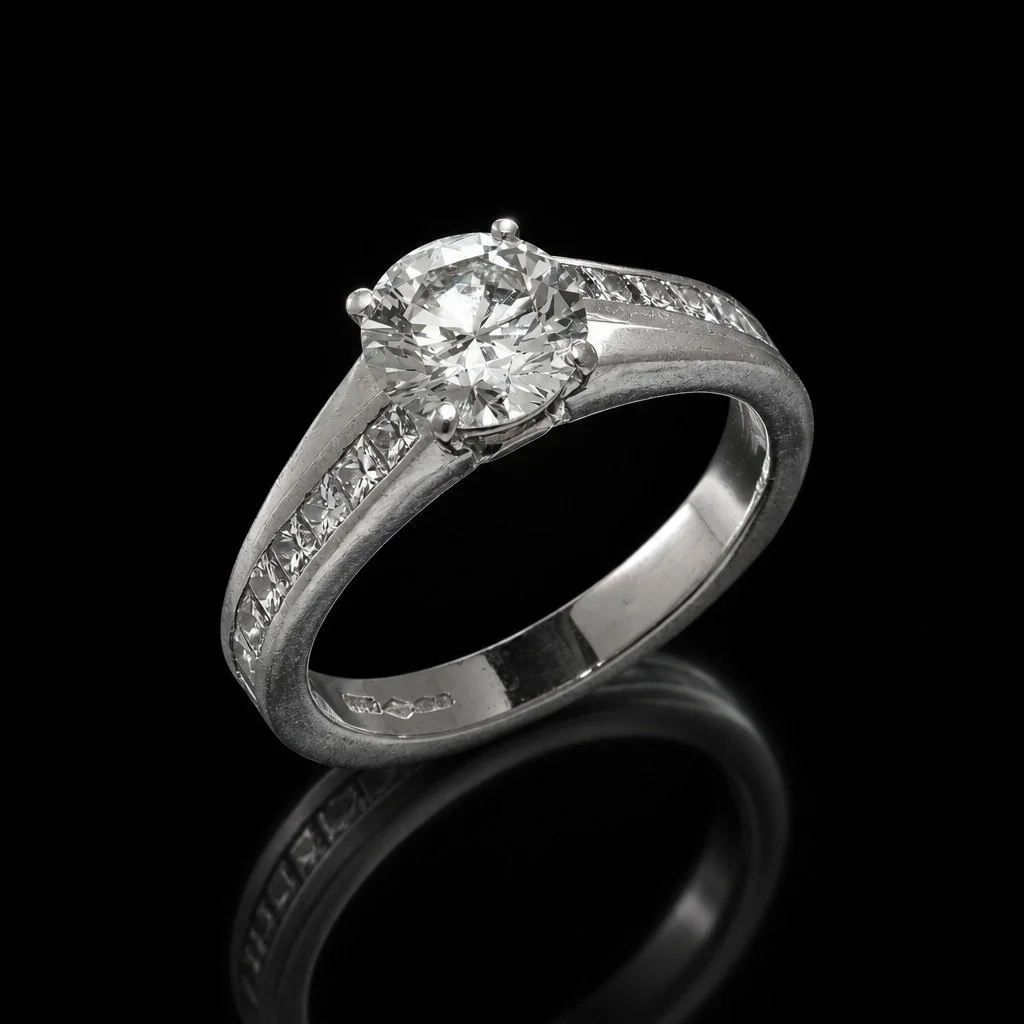
Platinum diamond solitaire ring with a 1.60 ct round brilliant, from our collection
A platinum diamond solitaire ring

Platinum

Platinum does not tarnish. It gains a soft patina of fine scratches, which a jeweller can polish away. Clean it like a diamond ring (caring for your engagement ring).

Not sure if yours is platinum? See platinum or white gold.
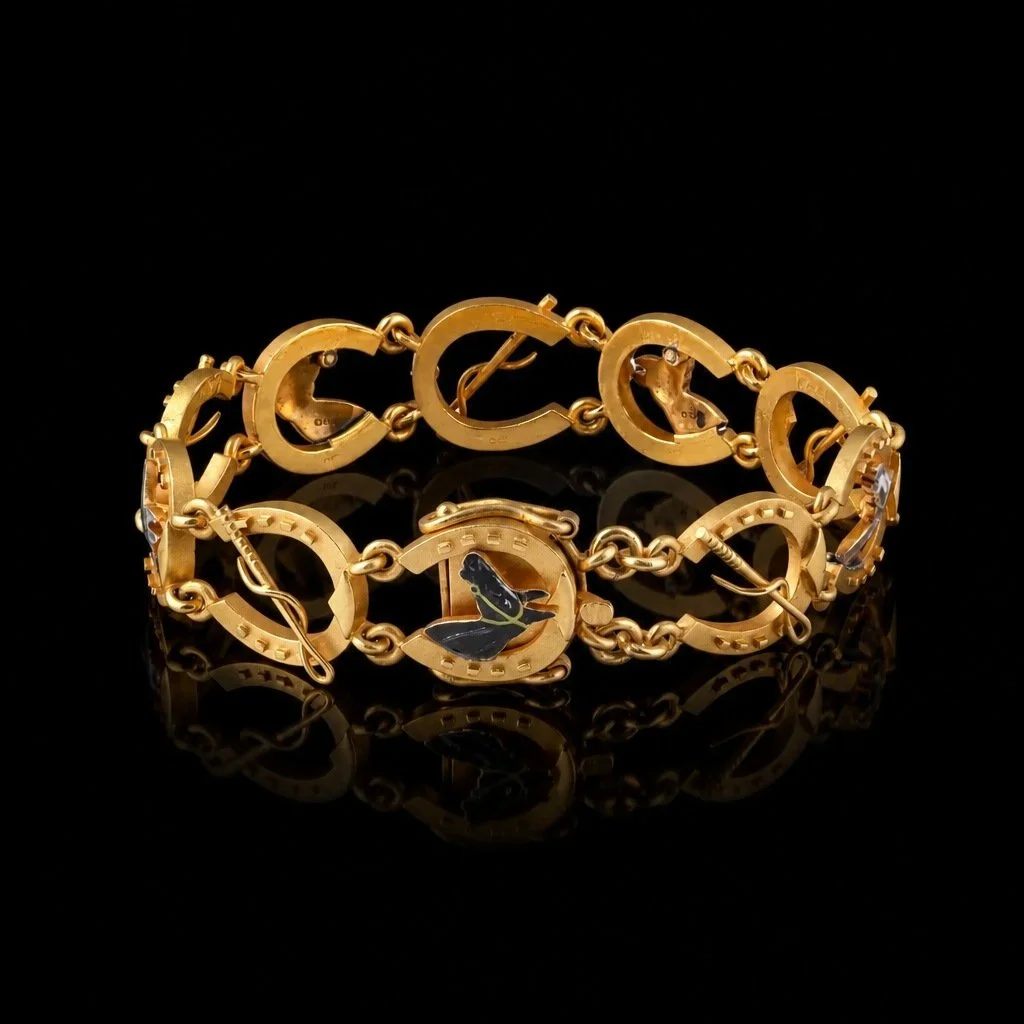
Victorian 22KT gold horse motif bracelet, Birmingham 1899, from our collection
A Victorian 22KT gold bracelet, Birmingham 1899

22KT gold

High-carat gold is soft. Wash it in mild soapy water, dry it with a soft cloth, and never use abrasive cloths or toothpaste. Our Victorian 22KT gold bracelet of 1899 shows the rich colour careful cleaning keeps.

For signed pieces, see caring for designer gold jewellery.

Antique and vintage jewellery
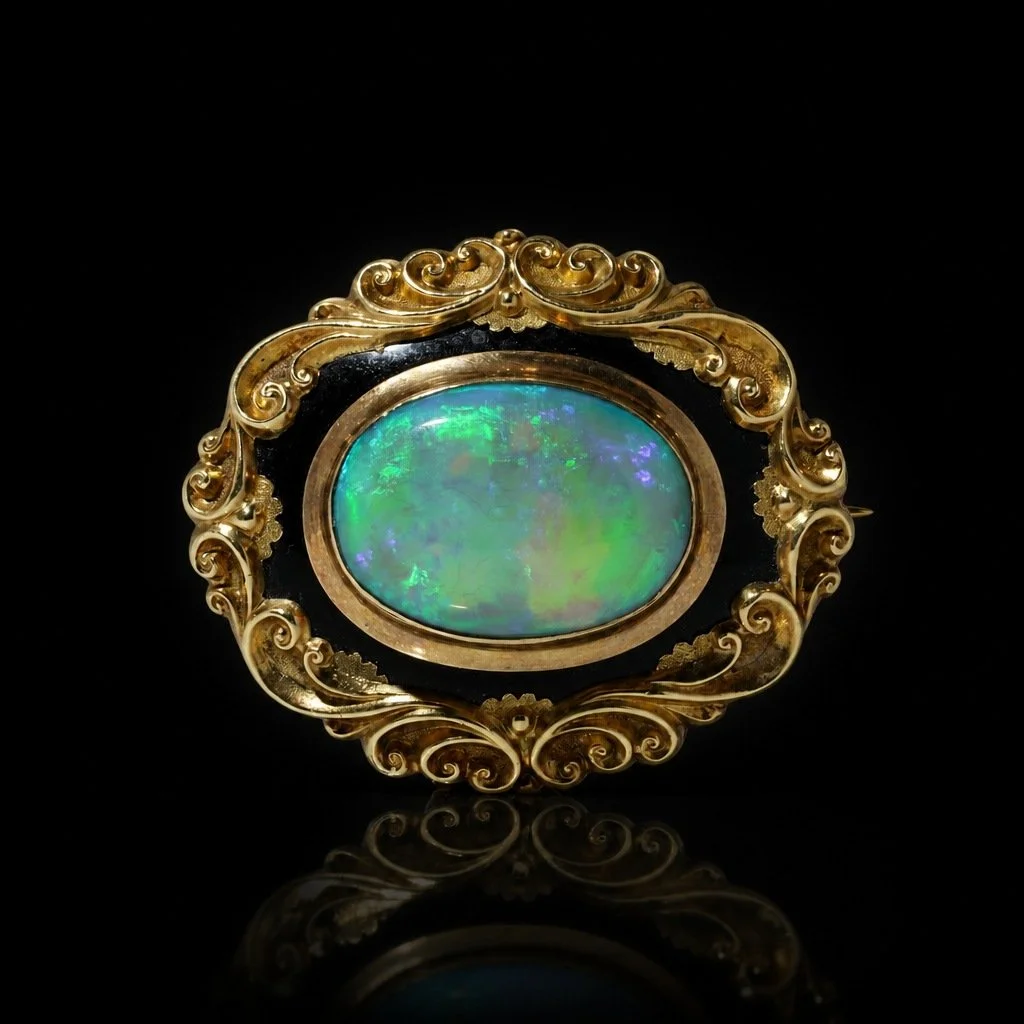
Victorian 9KT gold brooch with an oval opal on black enamel, from our collection
A Victorian opal and enamel brooch

Less is more

Antique pieces often combine soft stones, enamel, old glue and fragile settings. A soft dry brush is usually enough. Never wet a Georgian closed-back setting: water ruins the foil behind the stones (ruby guide).

Polishing wheels and dips remove patina and can wear away hallmarks, which date a piece.

  • Storage: separate soft pouches; silver with anti-tarnish strips; pearls in fabric, not plastic.
  • Restringing: pearl and bead necklaces should be restrung when the silk stretches or discolours.
  • Check claws: have settings checked by a jeweller every year or two.

Victorian jewellery in stock

Shop all 80
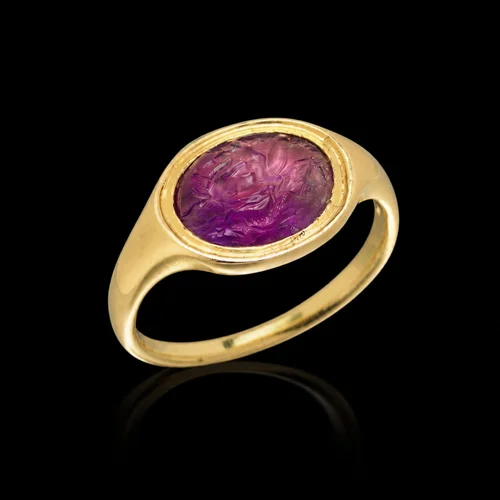
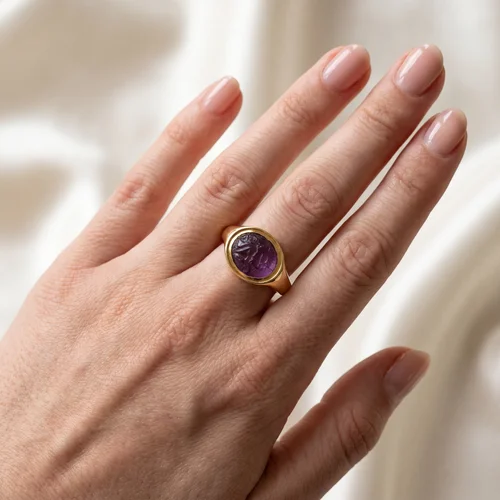
Marcasite and costume jewellery

Marcasite is pyrite set or glued in silver (marcasite jewellery); costume jewellery is plated base metal with glued stones (is my costume jewellery real?). Neither should be soaked. Use a dry brush on stones, a silver cloth on silver, and a barely damp cloth on plated metal, then dry at once.

Before you sell or value a piece

Do not clean or polish antique jewellery before it is valued: dirt is harmless, but over-cleaning can remove patina and hallmark detail that help date and value a piece.

Free valuation

Send us photos of your jewellery as it is, and we will tell you what it is worth, free and with no obligation. Request a free valuation.

Sources

Questions

How do you clean a diamond ring?

Soak the ring for a few minutes in warm water with a little washing-up liquid, then brush gently behind and around the diamond with a soft toothbrush, rinse in a bowl rather than over a sink, and dry with a lint-free cloth. Clean diamonds without fractures or fillings can also go in an ultrasonic cleaner.

How do you clean and polish a platinum ring?

Clean platinum in warm soapy water with a soft brush, then dry and buff it with a soft cloth. Platinum does not tarnish, but it develops a soft grey patina of fine scratches over time. A jeweller can polish it back to a bright finish; avoid abrasive pastes at home, which leave uneven marks.

Does platinum tarnish?

No. Platinum does not tarnish or change colour, because it does not react with air or water. With wear it develops a satin-like patina from tiny scratches, which some people like and others have polished away. White gold, by contrast, is usually rhodium plated and can turn slightly yellow as the plating wears.

How do you clean 22KT gold jewellery?

Wash 22KT gold in warm water with mild soap, using a very soft brush in the crevices, then rinse and pat dry with a soft cloth. 22KT gold is soft and scratches easily, so avoid abrasive cloths, toothpaste and silver dips. Store pieces separately so they do not rub against each other.

Should you clean antique jewellery?

Gently, and sometimes not at all. A soft brush and a dry or barely damp cloth are usually enough. Never wet Georgian closed-back settings, which may hold foil behind the stones, and avoid ultrasonic cleaners, dips and polishing wheels, which can loosen stones, remove patina and wear away hallmarks. Ask a specialist first.

How should antique jewellery be stored?

Store each piece separately in a soft pouch or a lined box compartment so harder stones cannot scratch softer metal and gems. Keep silver with anti-tarnish strips, pearls away from airtight plastic, and everything away from damp, heat and direct sunlight. Lay chains and necklaces flat to avoid knots.

Does vintage jewellery tarnish?

Silver, silver-gilt and base metal vintage jewellery tarnishes as it reacts with sulphur in the air. Low-carat gold, such as 9KT, can darken slightly because of the copper and silver in its alloy, while 18KT and 22KT gold and platinum stay bright. Plated costume pieces lose colour where the plating wears through.

How do you clean marcasite jewellery?

Marcasite jewellery is small pyrite stones set or glued in silver, so never soak it. Brush the stones with a soft, dry brush, polish the silver carefully with a silver cloth, and wipe with a barely damp cloth if needed, then dry at once. Avoid baking soda pastes and dips, which can scratch, loosen or dull the stones.

Does marcasite jewellery tarnish?

The silver in marcasite jewellery tarnishes like any sterling silver, and the pyrite stones can lose their shine if they get wet or are stored in damp conditions. Regular gentle polishing of the silver with a cloth and dry storage keep marcasite bright. Missing stones can be replaced by a jeweller.

How do you clean costume jewellery?

Wipe costume jewellery with a soft cloth barely dampened with water and a drop of mild soap, then dry it straight away, using a cotton bud around stones. Never soak it: water loosens glued stones and damages the foil behind rhinestones. Avoid silver dips and abrasive polishes, which strip the plating.

Does costume jewellery tarnish, and which kinds tarnish least?

Most costume jewellery tarnishes in time, because it is plated base metal and the plating wears through. Rhodium plated pieces and stainless steel tarnish least, and thick gold plating lasts longer than thin. Keep costume jewellery dry, away from perfume and lotions, and store it in sealed bags.

What is Victorian polish jewellery?

Victorian polish is a style of Indian fashion jewellery with a dark, antiqued finish on brass or copper alloy, set with stones and imitation pearls in ornate designs inspired by 19th century jewellery. It is costume jewellery, not gold, so clean it with a dry soft cloth and keep it away from water and perfume.

How do you clean pinchbeck jewellery?

Pinchbeck is a copper and zinc alloy made to imitate gold, invented by the London clockmaker Christopher Pinchbeck around 1720. Clean it with a dry, soft cloth only. Avoid water, metal polish, dips and abrasive cloths, which wear away the original surface and patina. Store it dry, away from damp.

How do you clean filigree jewellery?

Clean filigree with a soft brush, such as a baby toothbrush, dipped in warm water with a drop of mild soap, working gently along the fine wires. Rinse, then dry thoroughly with a hairdryer on a cool setting so no water stays in the openwork. Avoid ultrasonic cleaners, which can loosen old solder joints.