 Sell with us
Sell pendant: lockets, crosses and gem pendants valued by a dealer
Sell a pendant or locket to a dealer in antique and vintage jewellery, with or without its chain. Send photographs of the front, the back and the inside of any locket for a free valuation, with a reply within one working day.
Rated 5/5 on Google · Insured to £10,000 · Paid the same day after inspection
Lockets, crosses and gem-set pendants
We buy gold and silver lockets, oval, round, heart and book-shaped; crosses and crucifixes; diamond solitaire and cluster pendants; coloured stone drops; cameo and intaglio pendants; enamel and portrait miniature pendants; and Edwardian lavaliers and negligee pendants in platinum. Victorian lockets with engraved, star-set or applied decoration, and those with turquoise or seed pearl work, are of particular interest. A locket or pendant is assessed on its decoration, its date and its maker as well as its metal and stones.
How a pendant is assessed
The bale, the loop from which a pendant hangs, is examined first, since it wears thin and is often replaced. On a locket we check that the hinge is tight, that the two halves close flush, and that the inner rims and glazed covers are present. Many Victorian lockets have gold back and front panels with other parts in base metal, marked or unmarked, and this is established at inspection. On gem pendants we look at the stone, the setting and any signs that the piece began as a brooch or an earring.
Contents, inscriptions and what to tell us
Lockets often hold photographs or a lock of hair. Remove anything you wish to keep before sending. Engraved initials, dates and dedications are part of an antique locket's history and do not prevent a sale. Tell us the height of the pendant including the bale, whether the chain is original, and whether there is a compartment at the back. A pendant sent with its period chain is valued as one piece and as two, so you can sell either or both.
What we buy
- Gold and silver lockets
- Crosses and crucifixes
- Diamond solitaire and cluster pendants
- Sapphire, ruby, emerald and opal pendants
- Cameo and intaglio pendants
- Enamel and portrait miniature pendants
- Edwardian lavaliers and drop pendants
- Pendants with or without a chain
Photographs that help
- The pendant front on, hanging or laid flat, in daylight
- The back, including the bale and any marks on it
- A locket opened fully, showing both inner compartments
- The pendant beside a ruler, and the clasp of any chain
Related
- 4,000+customers
- 5/5on Google reviews
- £10,000insured per parcel
- Same daypayment after inspection
- 10+ yearsin business
Three steps, all from home
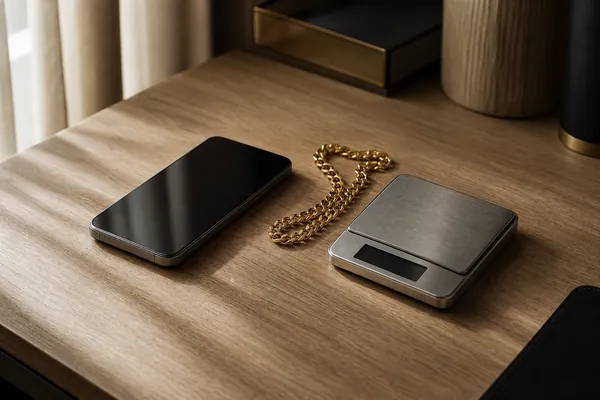
Get your offer
An instant offer for gold and silver, or a free valuation from photos within one working day.
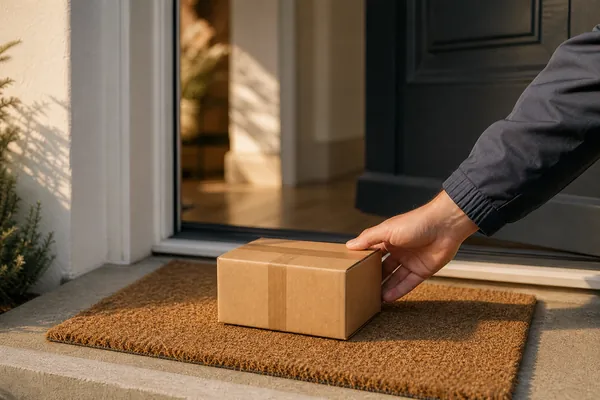
Send it free and insured
A FedEx courier collects from your door, or post it by Royal Mail Special Delivery. Insured to £10,000.
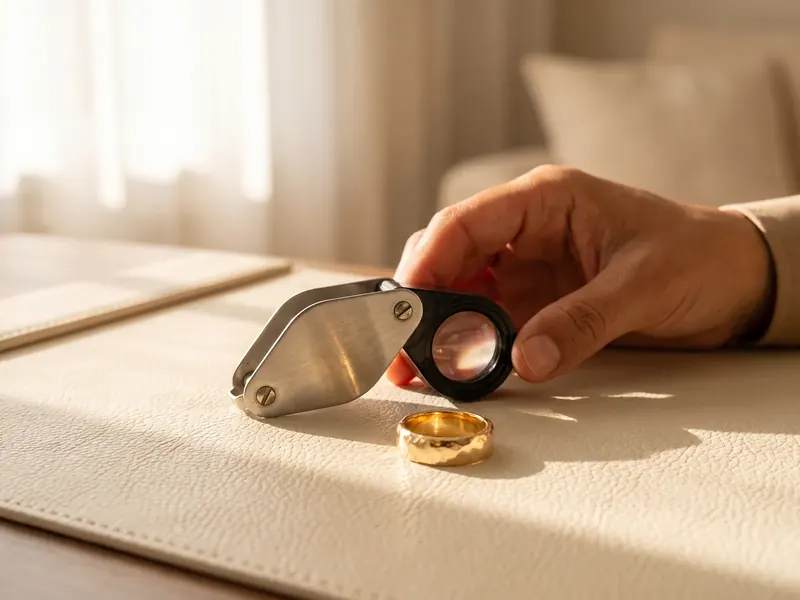
Paid the same day
We inspect it on arrival, confirm your offer and pay by bank transfer the same day. Change your mind and it comes back free.
Questions about selling pendants
Do you buy lockets that are engraved or still hold a photograph?
Yes. Engraved initials and dedications are normal on lockets and are no obstacle. Take out any photograph or keepsake you wish to keep before posting. Glazed compartments with their rims and covers in place are preferable to empty frames, so leave the fittings themselves where they are.
My locket is stamped B&F. What does that mean?
B&F stands for back and front. It means that the back and front panels are gold while other parts, such as the inner rims, are another metal, a standard Victorian and Edwardian construction, particularly for large lockets. These lockets are bought for their design and condition. Photograph the stamp, which usually sits on the inner rim or the bale.
Is a gold cross or crucifix bought as jewellery?
Yes. Plain and engraved gold crosses, gem-set crosses, Victorian crosses with seed pearls or turquoise, and crucifixes with a cast figure are bought as jewels. Period, workmanship and the presence of a hallmark or maker's mark are assessed. Tell us the height and whether the cross is hollow or solid, and photograph both sides.
The loop my pendant hangs from is worn through. Can it still be sold?
Yes. The bale takes all the wear from the chain and is the part that most often fails. A worn or broken bale is a straightforward repair, and a replaced bale is simply noted in the valuation. Send the pendant with the broken loop if you have it, as it sometimes carries the only mark.
Should I send the chain with the pendant?
Send it if you are happy to sell it. A chain of the same period and colour of gold as the pendant is valued with it, and a modern chain is valued separately. If you prefer to keep the chain, send the pendant alone. Parcels go by free insured FedEx collection or Royal Mail Special Delivery with the postage refunded.
Ready when you are
Get an instant offer for gold and silver, or send photos of anything else for a free valuation.