Part of: Sell designer jewellery
Does Designer Jewellery Hold Its Value?
Whether a designer piece holds its value comes down to five things: the maker, a recognisable design, the materials, the condition and the papers. Pieces from collections that are still made and recognised everywhere, such as the Cartier Love or Van Cleef Alhambra, are the easiest to sell. A free value inspection tells you where yours sits.
Want to know where yours sits?
Free, no obligation, returned at our cost if you decline.
- Read our Google reviews (opens Google)
- Free, no obligation
- A reply within one working day
- Paid the same day after inspection
The five factors
- The maker. Signed by a recognised house.
- The design. A recognisable line, still made or well documented.
- The materials. Gold or platinum, and the stones.
- The condition. No damage, no heavy polishing, original parts.
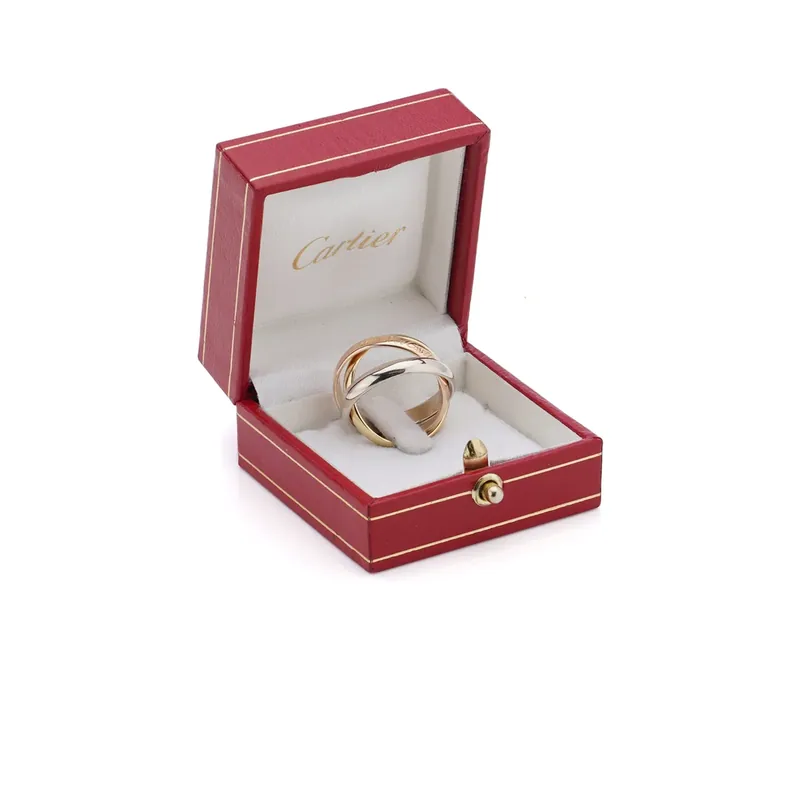
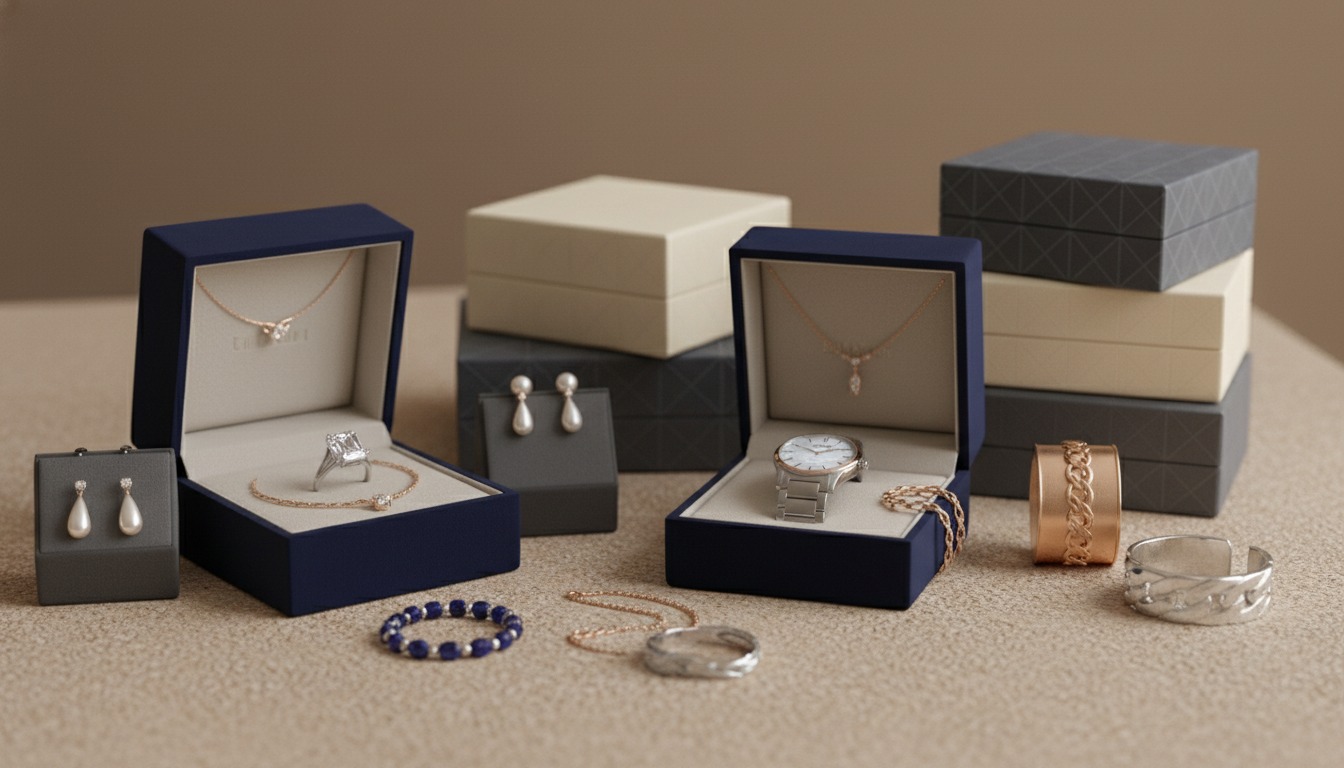
- The papers. Box, certificate and receipt.
- 1One factor per rung
- 2No figures
Designs buyers recognise
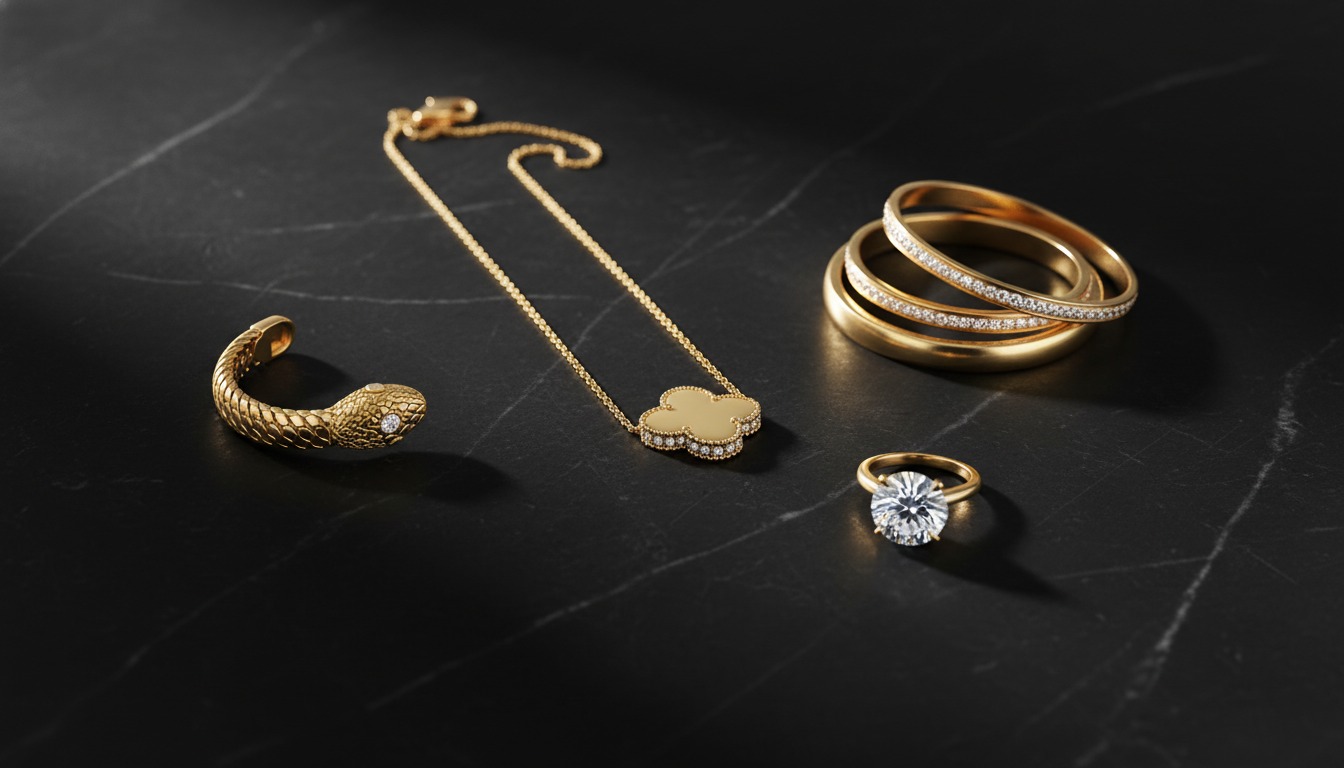
Some designs are recognised by almost every buyer: the Cartier Love and Trinity, Van Cleef & Arpels Alhambra, Bvlgari Serpenti, Tiffany’s classic lines. Recognition makes a piece easier to sell, but the five factors still decide each piece’s value. Our brand guides cover each in detail.
Check yours
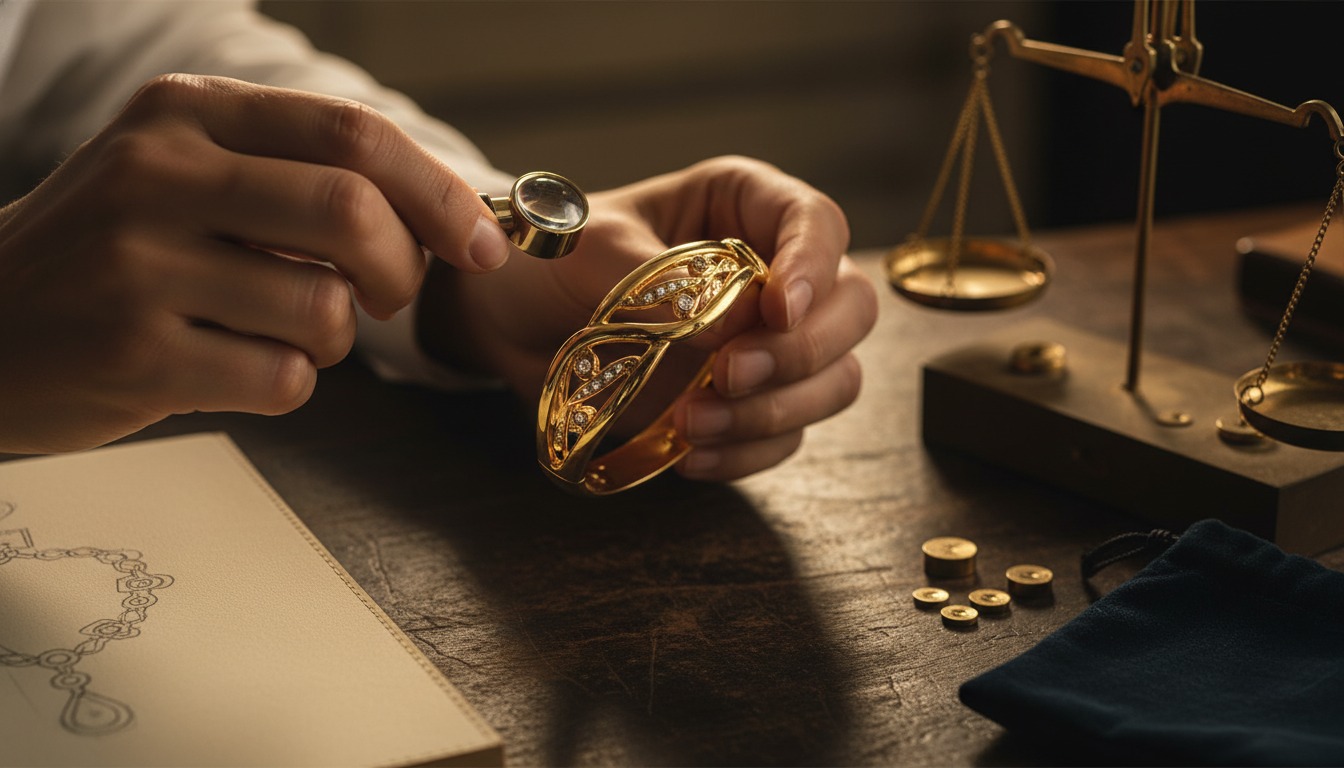
A designer piece is only valued as one once it is confirmed genuine: signature, serial, marks and the quality of making, checked together.
For every house we buy, see how we check designer jewellery.
- 1Signature
- 2Serial
- 3Marks
- 4Finish
0 of 4 checked
1Signature
The house signature.
2Serial
A serial number where the piece has one.
3Marks
Metal and national marks.
4Quality of making
Checked together with the other three.
Not sure about yours? Send photos for a free, honest check and an estimate.
Free, no obligation, returned at our cost if you decline.
Dealer or auction?
Auction can suit rare, important pieces, with fees, a wait and no certainty; a specialist dealer gives a firm offer after inspection and pays the same day. Our dealer vs auction guide compares the two honestly.
- 1Dealer
- 2Auction, linking to the comparison guide
What is my designer jewellery worth?
Whether your piece holds its value comes down to the maker, the design, the materials and stones, its condition and whether you have the papers. Two pieces from the same house can differ a great deal. No papers? We still buy it. We never publish figures.
Free, no obligation, and returned at our cost if you decline.
Read our Google reviews (opens Google)
- Maker
- Design
- Materials
- Condition
- Papers
How selling works
- 1
Send photographs
of the piece, its signature and marks, and any box or papers.
- 2
Free value inspection
We reply within one working day with an estimate, subject to inspection. If our offer differs, you can decline and we return it at our cost.
- 3
Paid the same day after inspection
by bank transfer or in cash, in Mayfair, at our Braintree office, by post or by free collection.
Insured up to £10,000 per parcel when you send to us. For important pieces, we can also sell on consignment for you.
Questions people ask
Does designer jewellery hold its value?
It comes down to the maker, the design, the materials, the condition and the papers. Signed pieces from recognised collections that are still made are the easiest to sell; unsigned, damaged or fashion-led pieces hold less. Every piece is valued on its own merits, so a free value inspection tells you where yours sits.
Does it need its box and papers?
No. Many genuine designer pieces have lost their box or certificate, and we buy them all the same. We check the piece itself: the signature, serial, marks and workmanship. A matching certificate supports the value, but its absence never stops a sale.
Which designer jewellery is easiest to sell?
Signed pieces from recognised collections that are still made, such as the Cartier Love, Van Cleef & Arpels Alhambra or Bvlgari Serpenti, in good condition and ideally with their papers. Recognition helps a buyer, but condition and completeness still decide the value of each piece.
Is designer jewellery a good investment?
We cannot give investment advice. What we can say is how a piece is valued when you sell it: on the maker, design, materials, condition and papers, and on what that piece sells for at the time. Buy what you love to wear; if you later sell, we will value it fairly.
How do I sell designer jewellery for the best price?
Keep the box, papers and receipt; do not polish or repair the piece first; and sell to a buyer who checks it in person. Send clear photographs of the piece and its marks for a free value inspection, then compare. We pay the same day after inspection, by bank transfer or in cash.
What if I decline your offer?
Then you keep your piece, and if you sent it, we return it at our cost. The estimate is free, and there is no obligation at any stage. You can use it to compare with other buyers or an auction house before you decide.
Related guides
Want to know where your piece sits?
Send a photograph and its marks for a free value inspection, with no obligation.
Free, no obligation, returned at our cost if you decline.
For jewellery in general, see jewellery resale value.
Thinking of selling? Find out how to sell designer jewellery with a free valuation from photographs.
Related guide: Chopard Ice Cube.