
Do You Pay Tax When You Sell Gold in the UK?
For most people selling jewellery or UK gold coins, the answer is no. But gold bars and foreign coins can be different. Here's a plain-English guide to when Capital Gains Tax applies — and when it doesn't.
Thinking of Selling Gold? Get a Free Valuation First
Send us a photo of your gold and we'll tell you what it's worth — and flag anything tax-relevant — free, with no obligation. Our specialists reply within one working day.
It's the question that stops many people from selling: "If I sell my gold, will the taxman take a cut?" The reassuring news is that for the great majority of private sellers — someone selling inherited jewellery, a few sovereigns, or unwanted gold pieces — the answer is usually no tax to pay at all. But the rules genuinely differ depending on what form your gold takes, so it's worth understanding where you stand.
The tax that matters: Capital Gains Tax
When you sell gold in the UK, the tax in question is Capital Gains Tax (CGT) — a tax on the profit (the "gain"), not on the total sale price. You only pay on the increase in value since you acquired the gold, and only if your total gains for the year exceed the annual exempt amount (£3,000 for 2026). Crucially, several common forms of gold are exempt from CGT altogether.
What's tax-free, and what isn't
| Type of gold | CGT position |
|---|---|
| UK gold sovereigns (post-1837) | Exempt — UK legal tender, no CGT on any profit |
| Gold Britannia coins | Exempt — UK legal tender, no CGT |
| Queen's Beasts & other Royal Mint legal-tender coins | Exempt — no CGT |
| Personal gold jewellery | Usually exempt — treated as a "chattel"; gain is tax-free if you sell the item for £6,000 or less |
| Gold bars / bullion | CGT may apply on gains above the £3,000 annual allowance |
| Foreign coins (Krugerrand, Maple Leaf, Eagle) | CGT may apply — not UK legal tender |
| Sovereigns minted before 1837 | Not legal tender — CGT may apply |

Selling jewellery: the "chattels" rule
Most people selling gold are selling jewellery — and here a helpful rule applies. Jewellery counts as a "chattel" (a personal possession), and the gain on a chattel is exempt from CGT if you sell the item for £6,000 or less. Since most individual pieces of gold jewellery sell below that figure, the great majority of jewellery sales carry no CGT at all. For higher-value single items, a gain may be chargeable, and special rules taper the calculation just above £6,000.
What about gold bars and Krugerrands?
Gold bars and non-UK coins such as Krugerrands, Maple Leafs and American Eagles are not UK legal tender, so any profit is potentially chargeable to CGT — but only on the gain, and only above your £3,000 annual allowance. In practice, spreading sales across tax years and using your allowance can keep many sales tax-free. This is exactly the kind of thing to confirm with an accountant for larger holdings.
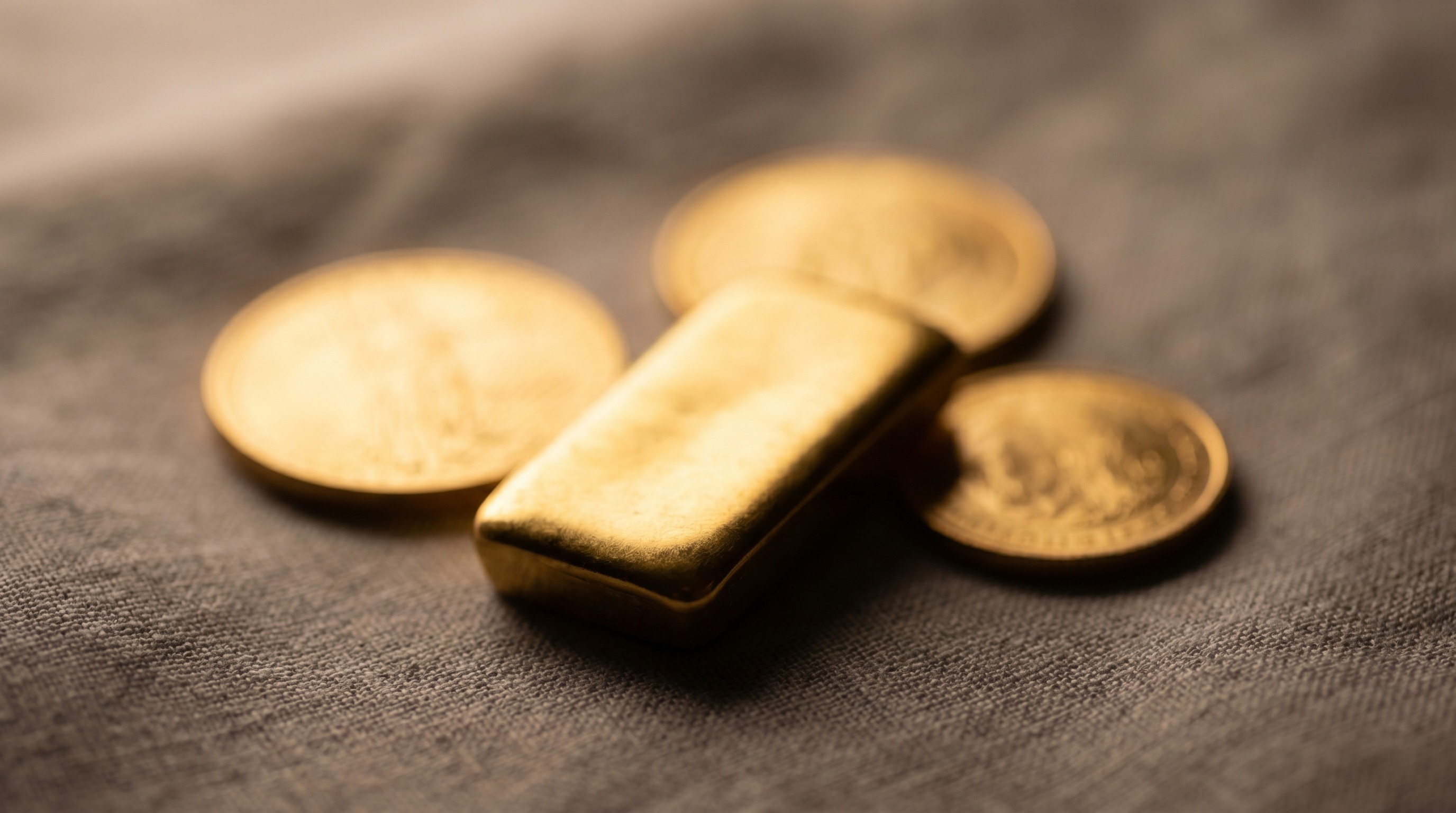
Whatever you're selling, the first step is knowing what it's worth. Check today's metal value on our live gold price page, see what a sale really nets in how much do I get when I sell gold, and when you're ready we buy directly via sell your gold.
Find Out What Your Gold Is Worth
Send photographs of your gold and we'll give you an honest, no-obligation valuation against today's market.
⚠️ Strictly by appointment only — no walk-ins at either showroom.
Frequently Asked Questions
Tax on selling gold in the UK — the questions we're asked most.
Do I pay tax when I sell gold jewellery in the UK?
Usually no. Gold jewellery is treated as a personal possession ("chattel"), and the gain is exempt from Capital Gains Tax if you sell the item for £6,000 or less — which covers most individual pieces. Higher-value single items may be chargeable. This is general guidance; confirm your position with HMRC or an accountant.
Are gold sovereigns and Britannias tax-free to sell?
Yes. Gold sovereigns minted from 1837 onwards and gold Britannias are UK legal tender, so any profit on selling them is exempt from Capital Gains Tax — with no limit and no need to report it.
Do I pay Capital Gains Tax on gold bars or Krugerrands?
Potentially. Gold bars and foreign coins like Krugerrands are not UK legal tender, so any gain may be subject to CGT — but only on the profit, and only above your annual exempt amount (£3,000 for 2026).
How much gold can I sell before paying tax?
For chargeable gold (bars, foreign coins), you can realise gains up to the annual exempt amount (£3,000 in 2026) tax-free each year. UK legal-tender coins are exempt entirely. There's no VAT on investment-grade gold either. For specifics, speak to a tax professional.
Will you deduct any tax when you buy my gold?
No. We pay you the agreed amount in full — any Capital Gains Tax that may apply is a matter between you and HMRC, not something a buyer withholds. We're happy to explain what's typically relevant, but we don't give formal tax advice.
Send Us Your Gold Photographs
Attach photos of your coins, bars or jewellery. We'll respond within one working day.