Part of: Sell your Boodles Dunthorne jewellery
Boodles Jewellery: A Collector Guide
Boodles is a British family jeweller that traces its history to Liverpool in 1798, trading for many years as Boodle and Dunthorne. It is best known for diamond jewellery, above all the Raindance design. Pieces are signed "Boodles", or "B&D" on older work, and carry a full UK hallmark. This guide shows how to recognise, date and value them.
Thinking of selling Boodles?
Free, no obligation, returned at our cost if you decline.
- Read our Google reviews (opens Google)
- Free, no obligation
- A reply within one working day
- Paid the same day after inspection
From Liverpool, 1798
Boodles began as a jeweller’s shop in Liverpool in 1798 and traded as Boodle and Dunthorne. In the early twentieth century it joined with the Wainwright family’s business, and in 1926 it moved into Boodles House on Lord Street, Liverpool. The Wainwright family still runs it today, with shops across Britain.
- 1798Liverpool shop
- Boodle and Dunthorne
- Wainwright family
- 1926Boodles House, Lord Street
- Today
The collections to know
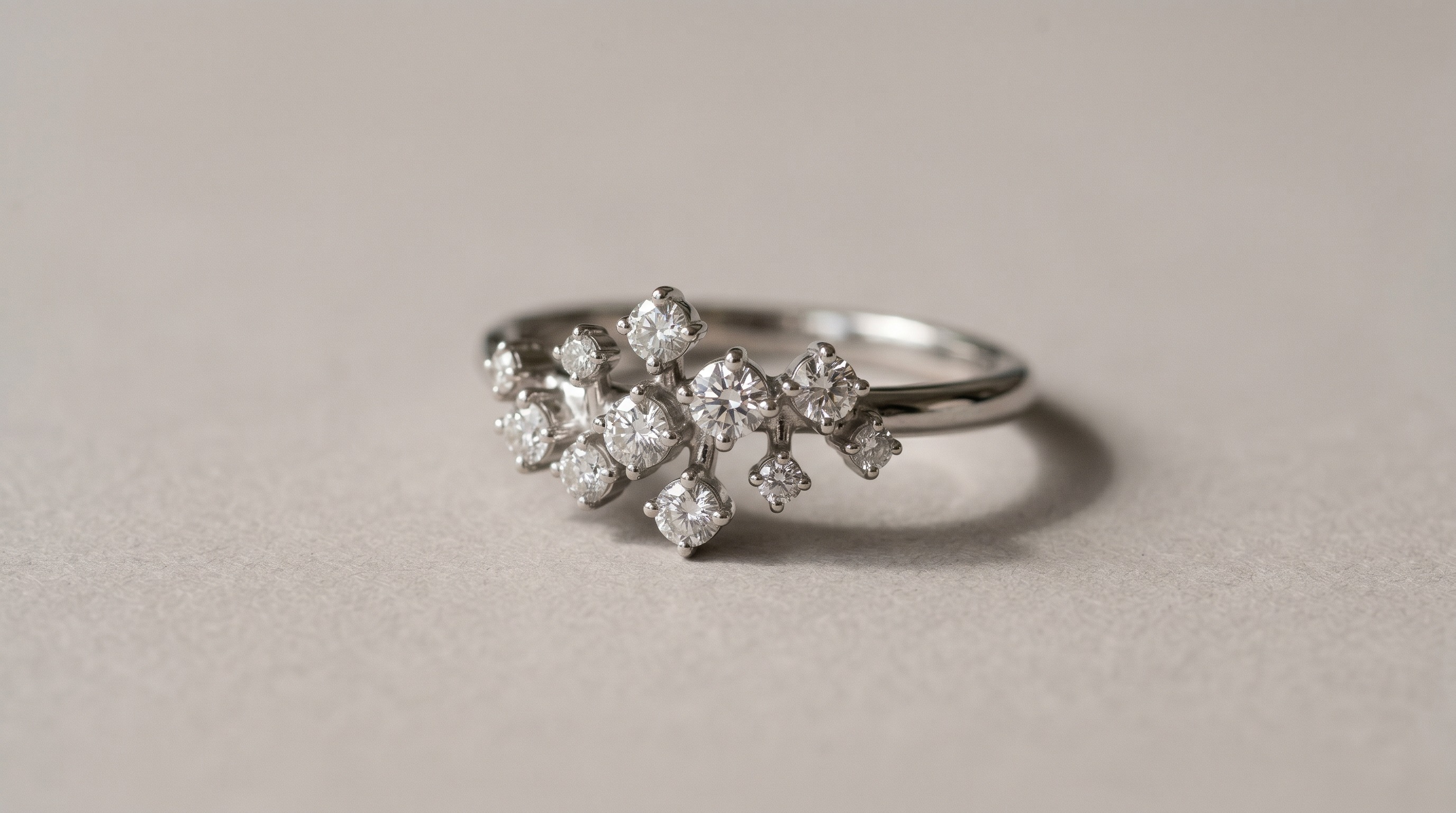
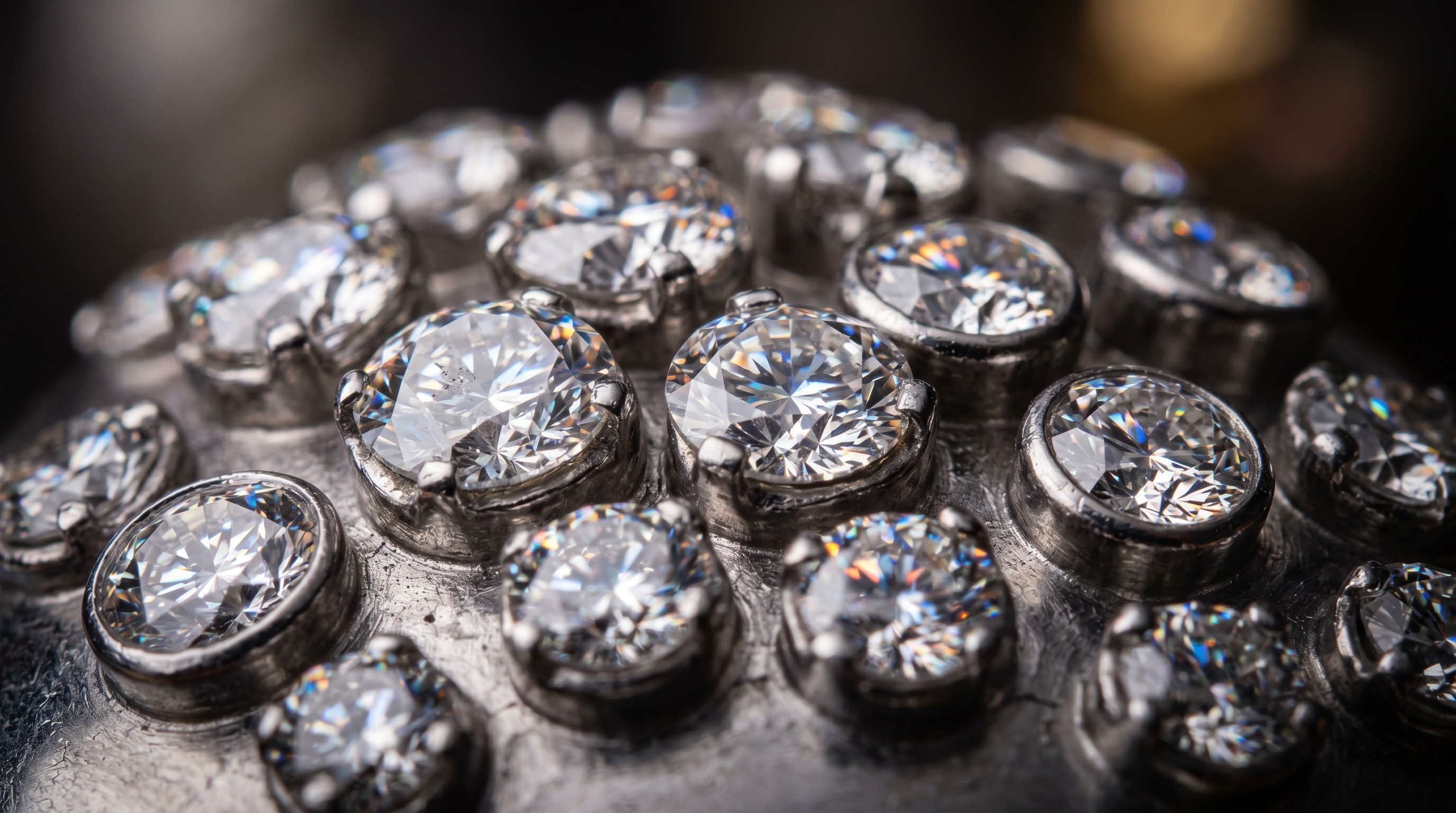
- Raindance. Round diamonds clustered in a design inspired by raindrops, as rings, earrings, pendants and bracelets.
- Blossom. A feminine, flower-inspired line.
- The Knot. A classic knot motif, including bangles.
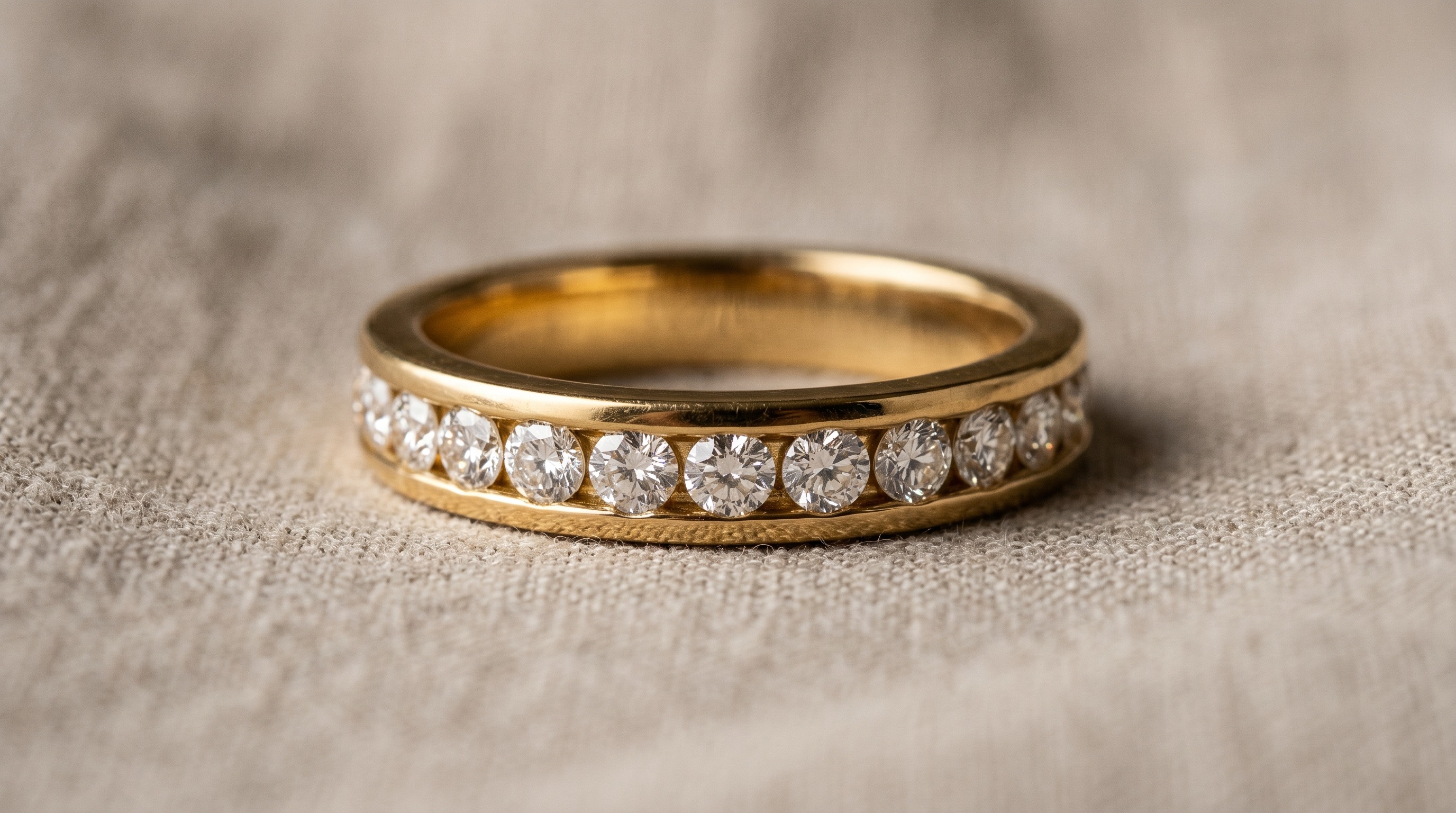
- Diamond rings. Engagement rings, eternity and wedding bands.
- Older Boodle & Dunthorne jewellery. Signed rings, brooches and bracelets, often in fitted cases.
- Raindance
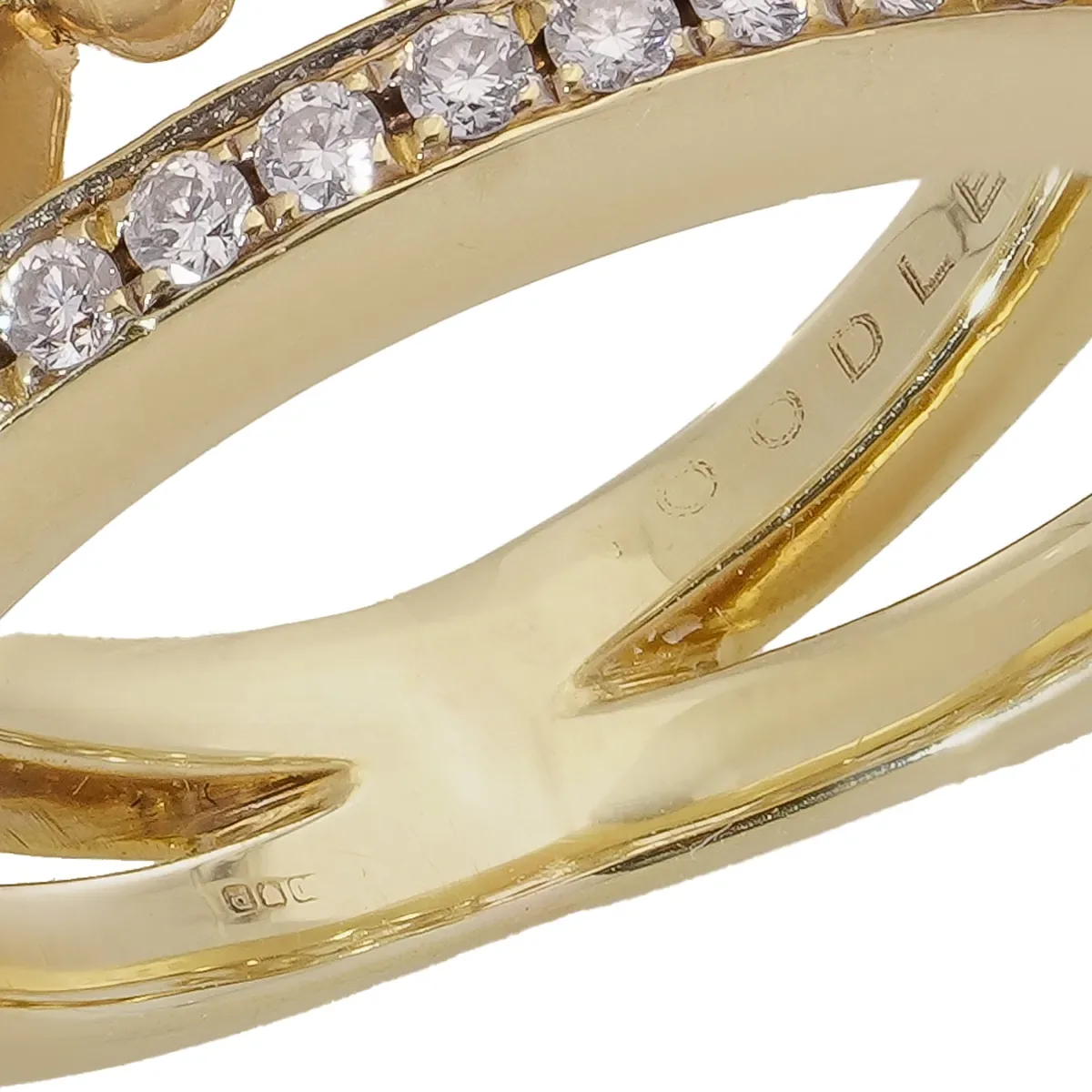
Boodles or B&D? Dating by name and hallmark
The name on the piece is the first clue. Older work is often signed "B&D" or carries a Boodle and Dunthorne sponsor’s mark; more recent pieces are signed "Boodles". The UK hallmark then gives the year: the date letter in its shield, with 950 for platinum or 750 for 18KT gold, and the assay office mark.
- 1Maker’s mark
- 2Gold standard (18 or 750)
- 3London leopard’s head
- 4Date letter
How to tell a genuine Boodles piece
For every house we buy, see how we check designer jewellery.
- 1Signature
- 2Platinum or gold mark
- 3Assay office mark
- 4Date letter
0 of 5 checked
1The signature
The signature "Boodles" or "B&D", cleanly engraved, usually inside the shank.
2The hallmark
A full UK hallmark that agrees with the style of the piece.
3The diamonds
Bright, well matched, and set evenly and securely.
4The finish
Smooth claws and a back finished as carefully as the front.
5Papers
Any certificate or receipt should match the piece.
Red flags
- A signature that is shallow, crooked or misspelt.
- No UK hallmark on a piece sold in Britain.
- A date letter that does not fit the style.
- Cloudy, chipped or poorly matched diamonds.
- Rough claws or an unfinished back.
- Papers that do not match the piece.
What is my Boodles jewellery worth?
A Boodles piece is valued mainly on its diamonds (their size, colour, clarity and cut), then on the design and collection, the metal, its condition, whether you have the certificate, box and receipt, and current demand. Raindance is the most recognised design. We never publish figures, because two Boodles rings that look alike can hold very different stones.
Free, no obligation, and returned at our cost if you decline.
Read our Google reviews (opens Google)
- Diamonds
- Design
- Metal
- Condition
- Papers
- Demand
How selling works
- 1
Send photographs
of the piece, the signature, the hallmark and any certificate.
- 2
Free value inspection
We reply within one working day with an estimate, subject to inspection. If our offer differs, you can decline and we return it at our cost.
- 3
Paid the same day after inspection
by bank transfer or in cash, in Mayfair, at our Braintree office, by post or by free collection.
Insured up to £10,000 per parcel when you send to us.
Questions people ask
What is Boodles jewellery known for?
Boodles, a British family jeweller founded in Liverpool in 1798 and long known as Boodle and Dunthorne, is best known for diamond jewellery. Its signature design is Raindance, with diamonds clustered like raindrops, alongside Blossom, The Knot, engagement and eternity rings, and bespoke commissions. The Wainwright family still runs the business today.
How do I identify a genuine Boodles piece?
Look for "Boodles", or "B&D" on older pieces, cleanly engraved inside the shank, and a full UK hallmark: 950 or 750, the assay office mark and a date letter that suits the style. The diamonds should be bright and evenly set. Send clear photographs of the signature and hallmark and we will check them, free.
Where can I sell Boodles jewellery?
To a buyer who checks the signature, hallmark and diamonds in person before paying. We buy Boodles directly: a free value inspection from photographs, then an appointment in Mayfair or at our Braintree office, Special Delivery post or free collection. You are paid the same day after inspection, by bank transfer or in cash.
How do I date my Boodles or B&D jewellery?
Read the UK hallmark: the date letter in its shield gives the year, with the assay office mark and 950 or 750 for the metal. A "B&D" signature or Boodle and Dunthorne sponsor’s mark points to older work. Send a close photograph of the marks and we will date the piece for you, free.
How much is my Boodles jewellery worth?
It depends mainly on the diamonds, their size, colour, clarity and cut, and then on the design, metal, condition and whether you have the certificate, box and receipt, together with current demand. We do not publish prices. Send photographs of the piece, its marks and any certificate for a free value inspection.
Do I need the certificate to sell a Boodles ring?
It helps, because it records the diamond’s grades and supports the value, but it is not essential. Many Boodles rings come to us without papers, and we assess the diamonds and the piece ourselves. For stones without a laboratory certificate, our figures are careful estimates, not laboratory certified.
Related guides
Selling Boodles jewellery?
Send a photograph of the piece, its signature and its hallmark for a free value inspection, with no obligation.
Free, no obligation, returned at our cost if you decline.