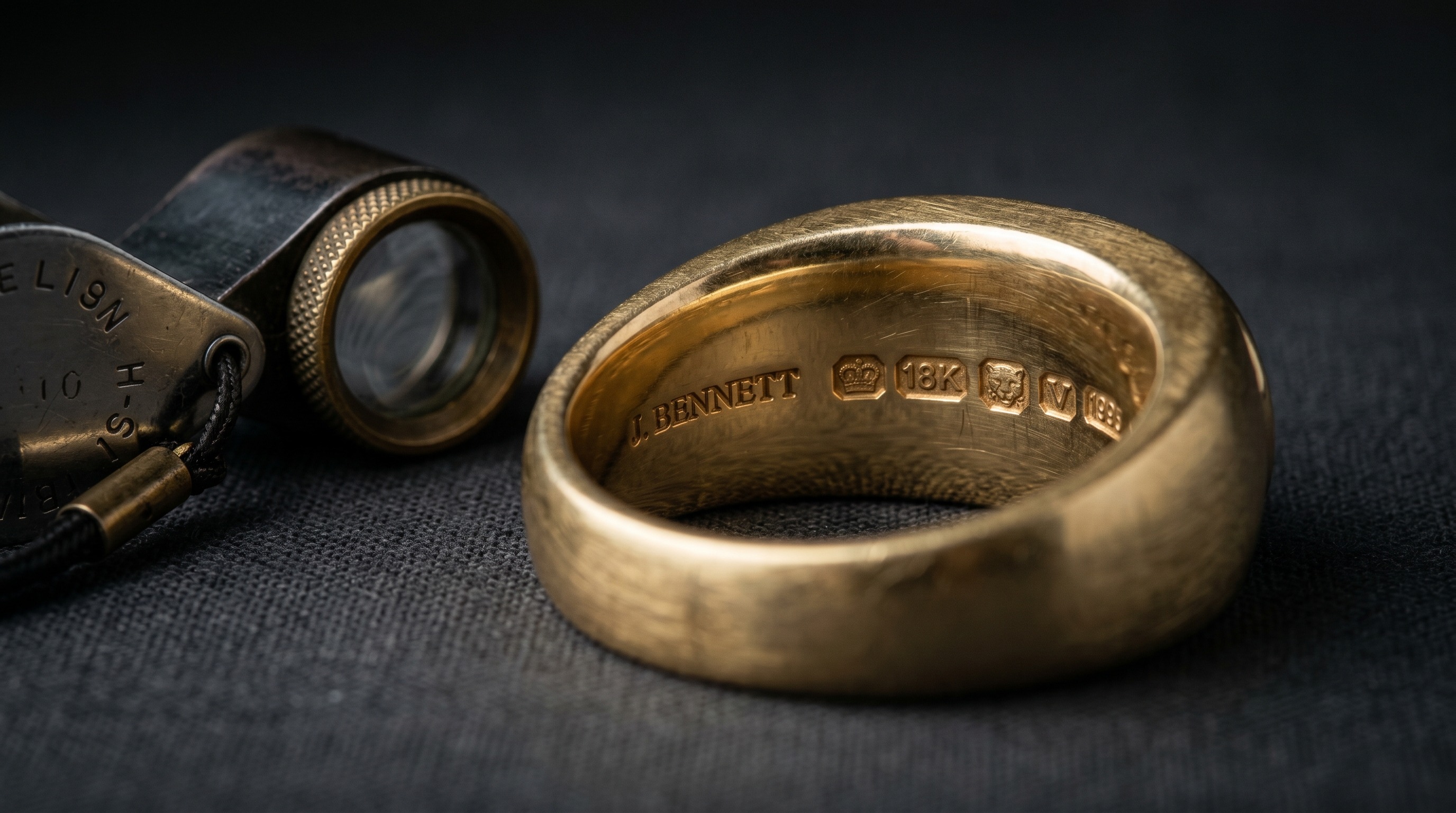
Hallmarks vs Maker's Marks
They sit side by side, but they mean different things. This UK guide explains how to read the hallmark and the maker's mark — to date your jewellery and identify who made it.
Not Sure What Your Marks Mean?
Send a close-up photo of the marks and we'll identify the metal, the date and the maker — free, no obligation. We reply within one working day.
Turn a piece of jewellery over and you'll often find a row of tiny stamps. Some are the official hallmark; one is the maker's mark. Knowing the difference lets you confirm the metal, date the piece and — crucially — identify who made it, which is where designer value lives.
What is a hallmark?
A hallmark is the official, legally-required guarantee of precious-metal purity, applied by an Assay Office (in the UK: London, Birmingham, Sheffield, Edinburgh). A full British hallmark typically shows the sponsor's (maker's) mark, the standard / fineness mark (e.g. 375 for 9ct, 750 for 18ct, 950 for platinum), the assay-office town mark, and a date letter that pins down the year. The hallmark proves the metal and dates the piece — but doesn't, by itself, name the designer.
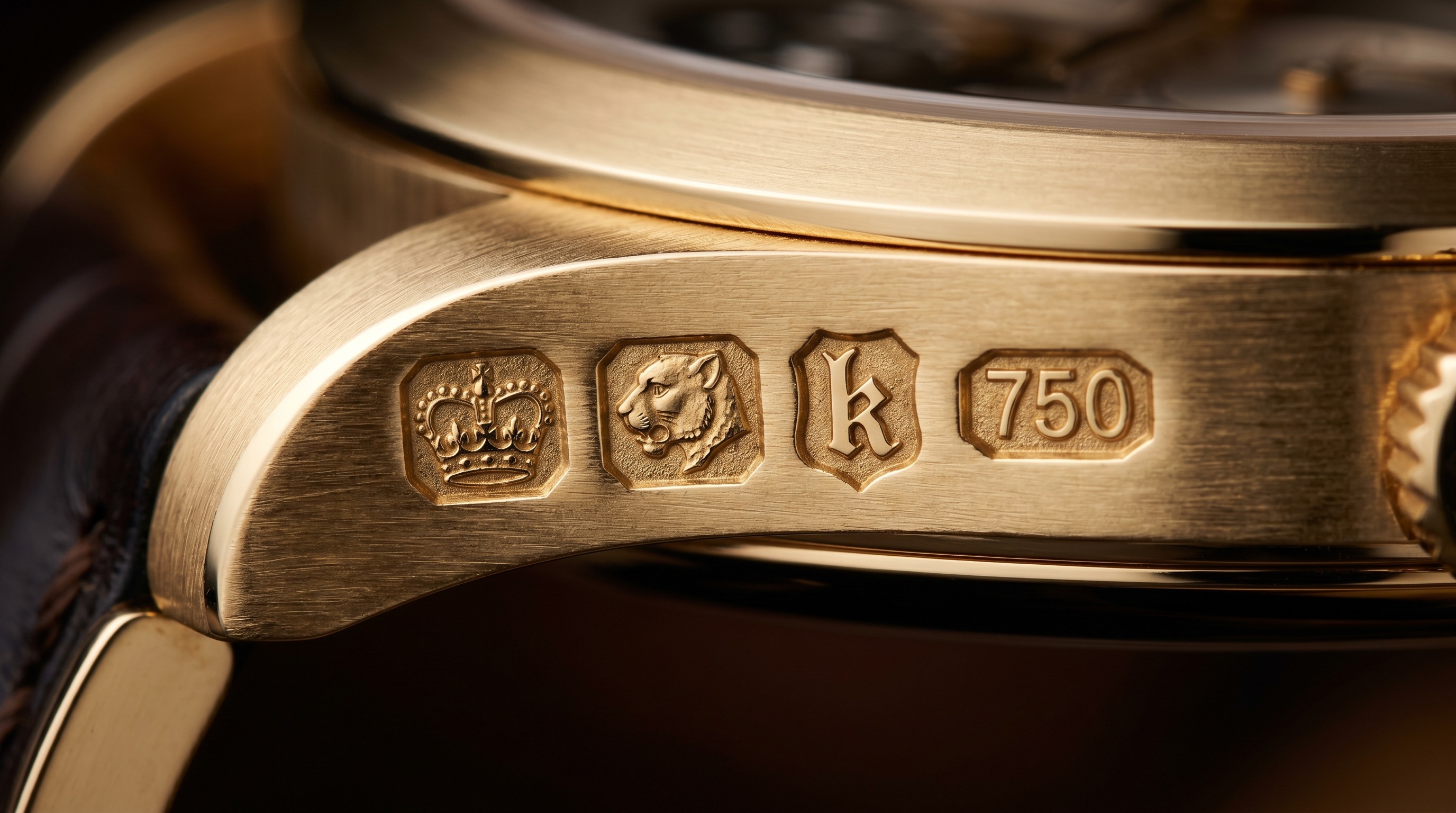
What is a maker's mark?
The maker's mark (or sponsor's mark) is the registered initials of the maker or company — and on designer jewellery it's joined by the brand signature (Cartier, Tiffany & Co., Bulgari) and often a serial number. This is what turns "18ct gold" into a sought-after designer piece. Imported and foreign pieces may carry different marks (e.g. French eagle's-head for 18ct, control marks), which we read too.
How to read your piece
Standard mark
375 / 585 / 750 (9/14/18ct) or 950 platinum — the metal purity.
Assay & date
Town mark plus a date letter — where and when it was hallmarked.
Maker / sponsor
Registered initials of the maker or firm.
Signature & serial
Brand name and number — the designer identifier.
Why the marks matter for value
The marks move a piece between value tiers:
Indicative only — a clear signature can transform value. Send a close-up of the marks for a free read.
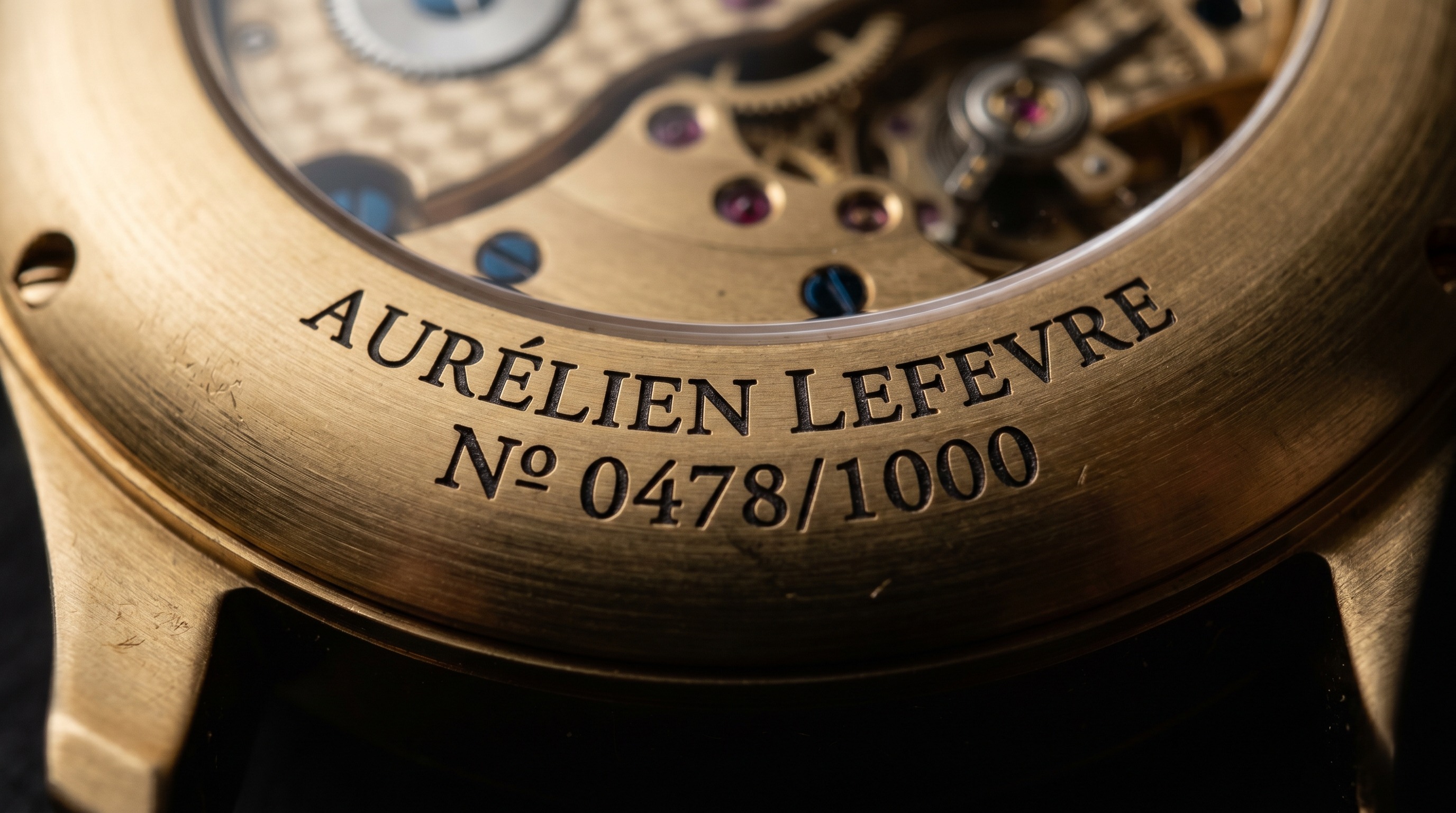
We Read The Marks
- Metal — purity from the standard mark.
- Date — year from the date letter.
- Origin — UK assay or foreign control marks.
- Maker — sponsor's mark and signature.
- Authenticity — marks consistent with the maker.
Send a clear photo of the marks — we'll tell you what you have.
Identify the maker — our guides
Once you've found a signature, these guides show what to expect from the maker and what drives its value:
Identify Your Marks
Send a close-up photo of the marks — we'll identify the metal, date and maker, free and with no obligation.
⚠️ Strictly by appointment only — no walk-ins at either showroom.
Frequently Asked Questions
Hallmarks and maker's marks — common questions.
What's the difference between a hallmark and a maker's mark?
A hallmark is the official guarantee of metal purity (with assay and date marks); the maker's mark identifies who made it. On designer pieces a brand signature joins them.
How do I tell what carat my gold is?
Read the standard mark — 375 is 9ct, 585 is 14ct, 750 is 18ct, 916 is 22ct; platinum is usually 950. Send a photo and we'll confirm.
Can I date my jewellery from the marks?
Yes — UK hallmarks include a date letter that pins the year, and assay-office marks show where it was tested.
My piece has no hallmark — is it fake?
Not necessarily — small or foreign items may be unhallmarked, and old pieces can be worn. We can test the metal and assess it.
Does a maker's mark mean it's designer?
A maker's mark identifies the maker; a recognised brand signature (e.g. Cartier) adds designer value. We can tell which you have.
Can you identify marks on WhatsApp?
Yes. Message +44 7494 214652 with a close-up of the marks and we'll reply, usually within a working day.
Send Us Your Photographs
Attach a close-up of the marks inside or on the back of your piece. We'll respond within one working day.