 Sell with us
Sell brooch: a specialist valuation for antique and diamond brooches
Sell a brooch to a dealer who values the period and the workmanship, from Victorian diamond stars to Art Deco plaques, cameos, enamels and stick pins. Send photographs of the front and the back for a free valuation within one working day.
Rated 5/5 on Google · Insured to £10,000 · Paid the same day after inspection
The brooches we buy
We buy Georgian and Victorian diamond sprays, stars and crescents; mourning and memorial brooches with hairwork; shell and hardstone cameos; enamel and micromosaic brooches; Edwardian bar brooches; Art Deco plaque and double clip brooches; mid-century gold animal and flower brooches; and stick pins. A brooch is rarely resized or reworked in the way a ring is, so it often survives close to the state in which it left the workshop. Because we resell, a brooch with good design is valued as a jewel and not for its metal alone.
How a brooch is assessed from the back
The back of a brooch tells us more than the front. A plain C-shaped catch and a pin that extends past the edge indicate a nineteenth century date; a roller safety catch belongs to the twentieth century. Silver-fronted, gold-backed diamond settings are typical before about 1900, and platinum after. We look for signs of conversion, such as a brooch made from a pendant or a hat ornament, for lead solder repairs, and for maker's marks, patent numbers and French or Austrian assay marks on the pin.
Cameos, enamel and what to tell us
With a cameo, tell us whether it is shell, hardstone, lava or coral if you know, and hold it to the light to check for hairline cracks. With enamel, mention any chips or areas that have been repainted, as restoration shows clearly under magnification. For a diamond brooch, say whether there is a detachable pin fitting, a pendant loop or a fitted case with a screwdriver. Stick pins are bought singly and in groups. Every offer is subject to inspection.
What we buy
- Victorian diamond stars, crescents and sprays
- Art Deco plaque and double clip brooches
- Shell and hardstone cameos
- Enamel and micromosaic brooches
- Edwardian bar brooches
- Mourning and memorial brooches
- Stick pins and tie pins
- Signed mid-century gold brooches
Photographs that help
- The front of the brooch, straight on, in daylight
- The whole of the back, showing the pin, hinge and catch
- A close view of any marks on the pin, the catch or the frame
- A side view for depth, plus any fitted case
Related
- 4,000+customers
- 5/5on Google reviews
- £10,000insured per parcel
- Same daypayment after inspection
- 10+ yearsin business
Three steps, all from home
Get your offer
An instant offer for gold and silver, or a free valuation from photos within one working day.
Send it free and insured
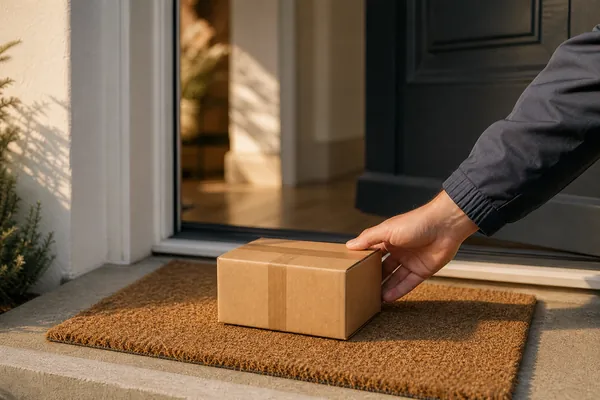
A FedEx courier collects from your door, or post it by Royal Mail Special Delivery. Insured to £10,000.
Paid the same day
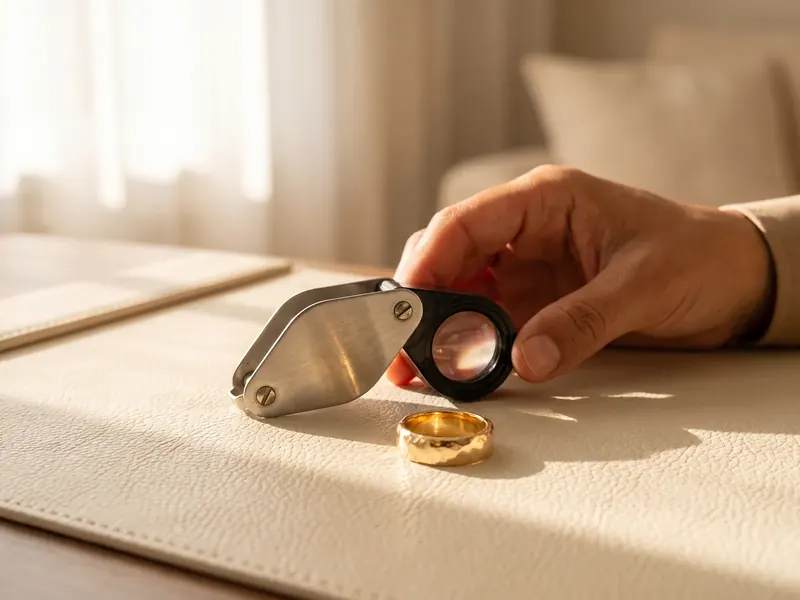
We inspect it on arrival, confirm your offer and pay by bank transfer the same day. Change your mind and it comes back free.
Questions about selling brooches
How do I tell how old my brooch is?
Look at the back. A simple C catch with a long pin points to the nineteenth century, a tube hinge is early, and a rotating safety catch dates from the twentieth century. Silver settings over gold backs are typical of Georgian and Victorian diamond work. Photograph the back and we give you a date with the valuation.
Do you buy cameo brooches?
Yes. Shell, hardstone, lava and coral cameos are all bought. The quality of the carving, the subject, the depth of relief and the mount decide the assessment. Hardstone cameos cut in agate or onyx, and finely carved shell portraits in gold frames, are of particular interest. Photograph the cameo in profile as well as from the front.
The pin is bent or the catch is broken. Will you still buy the brooch?
Yes. Pins, hinges and catches are the working parts of a brooch and are routinely repaired or replaced. A replaced pin is noted in the valuation. Do not attempt a repair with glue or household solder, since both damage the surrounding metal and enamel. Send the brooch as it is, with any loose parts.
Is a brooch that converts to a pendant or hair ornament of interest?
Yes. Many nineteenth century diamond brooches were made with interchangeable fittings: a brooch pin, a pendant loop, a hair comb or a tiara frame, kept in a fitted case with a small screwdriver. Send every fitting and the case if they survive. A complete set of fittings is assessed with the jewel.
Do you buy stick pins and bar brooches?
Yes. Stick pins with gem-set, enamel, carved or reverse intaglio crystal terminals are bought singly and as collections, and so are Victorian and Edwardian bar brooches in gold and platinum. Sporting subjects, signed examples and pins in their original retailer's cases are noted individually. Lay a group out in a row and photograph it together.
Ready when you are
Get an instant offer for gold and silver, or send photos of anything else for a free valuation.