Where to Sell Gold Jewellery in the UK
Dealers, jewellers, pawnbrokers, postal buyers, auction houses and online: how each one prices your gold, who pays the most for what, and how to sell without being short-changed.
Where should you sell gold jewellery in the UK? It depends on what you have:
- Plain or broken gold: the buyer with the best published per-gram rate for your carat, net of any fees.
- Antique, signed or gem-set pieces: a specialist dealer or auction house that values them as jewellery.
- Every option takes a margin, in the rate, a commission, fees or loan interest. Ask where.
- Red flags: no per-gram rate, no weight, pressure to decide, no free return.
In this article
Your options at a glance
There are seven usual places to sell gold jewellery in the UK. They price in different ways, and that is what decides who pays the most for your piece.
| Where | How they price | Speed | Best for |
|---|---|---|---|
| Specialist gold and jewellery buyer | A per-gram rate for each carat, plus a separate jewellery value for antique, signed or gem-set pieces. | Often same day | Most gold jewellery, from broken chains to signed pieces |
| High-street jeweller | Usually a per-gram scrap rate. Some offer more as credit against a new purchase. | Same day | Small amounts of scrap, or part exchange |
| Pawnbroker | Lends against the gold, or buys it outright at a per-gram rate. | Same day | A short-term loan when you want the piece back |
| Cash-for-gold by post | Weighs and tests what you send, then makes an offer. | Days, including post | Only if the firm publishes its rates and returns rejected gold free |
| Auction house | Sells to the highest bidder; the seller pays commission and fees. | Weeks to months | Important antique and signed pieces |
| Online marketplace | You set the price and sell it yourself; the platform charges fees. | Varies | People happy to photograph, post and handle buyers |
| Refiner or bullion dealer | Assays and pays for the fine gold content. | Days to weeks | Larger lots of scrap, bars and bullion coins |
Every option takes its margin somewhere: in the per-gram rate, in a commission, in fees or in loan interest. The question is where, and how clearly you are told.
How each option works, and what to watch
Specialist gold and jewellery buyers
Dealers who buy gold and jewellery every day, and resell the best pieces as jewellery.
A good one tests the metal, weighs it in front of you or reports the weight, and tells you whether the offer is for the gold or for the piece.
Watch for: buyers who will not quote a per-gram rate.
High-street jewellers
Convenient and quick. Many buy gold mainly to send for refining, so they pay a scrap rate, and some offer more as credit in the shop.
Ask for: the cash figure and the credit figure separately.
Pawnbrokers
A pawn is a loan secured on your item, regulated by the Financial Conduct Authority. Agreements usually run six or seven months, with a 14-day right to withdraw and the right to repay early.
Useful if you want the piece back. Selling outright? Compare their buying rate like any other offer. See pawnbrokers in Essex and London.
Source: National Pawnbrokers Association
Cash-for-gold postal firms
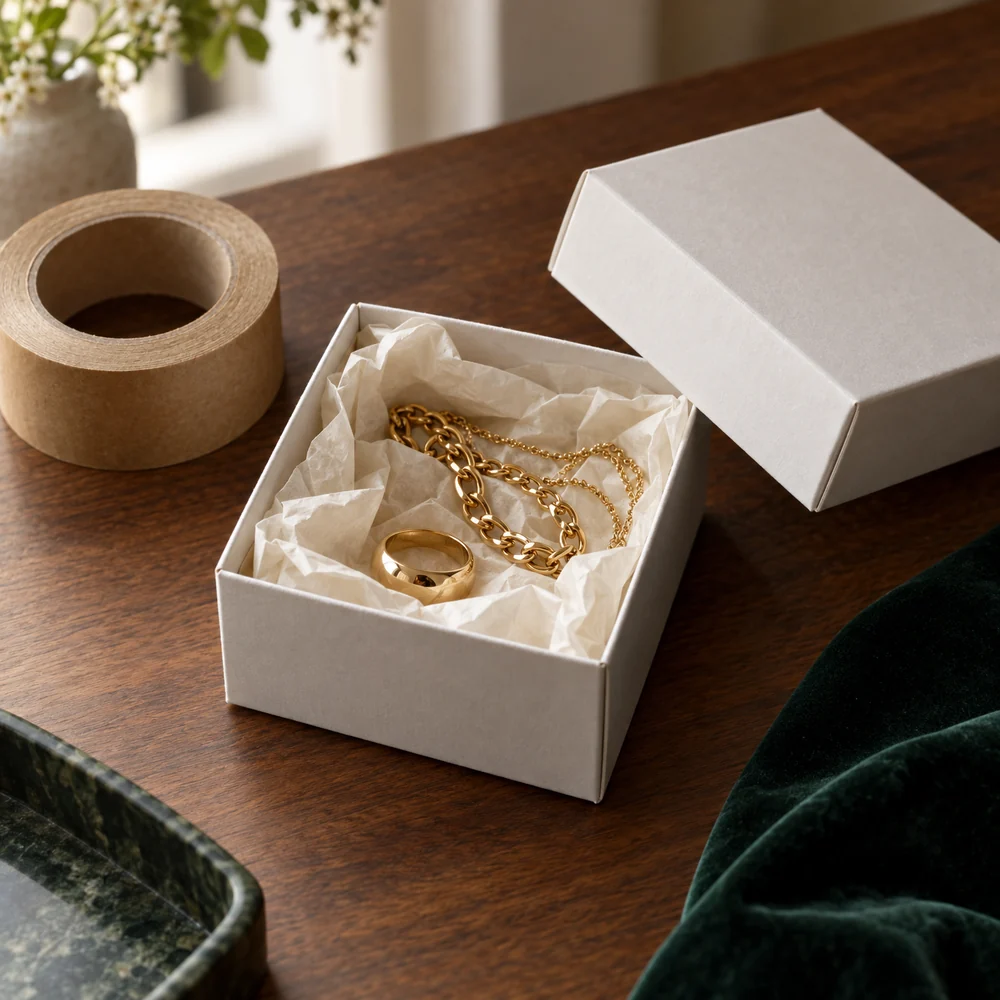
Send your gold in a pack and receive an offer. In January 2010 the Office of Fair Trading opened an inquiry after concerns that some firms denied customers the right to reject an offer and get their gold back. Which? had called their offers "shockingly bad value".
The model can work, but only with a published rate, insured postage and a free, insured return if you say no.
Auction houses
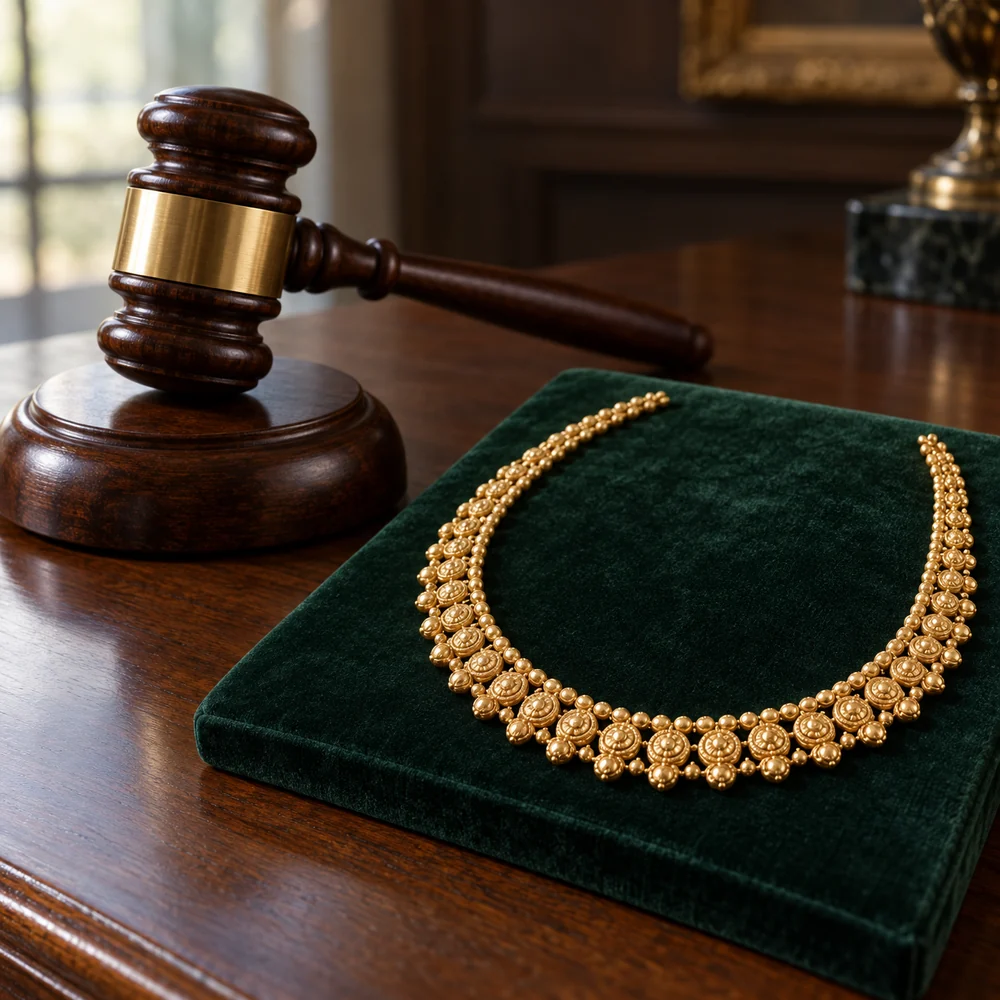
The right place for an important antique or signed piece that collectors will compete for.
The seller pays a commission on the hammer price, often with VAT and fees for photography or insurance, and is paid after the sale once the buyer has paid. For plain gold, the fees and the wait rarely make sense. See dealer or auction.
Online marketplaces
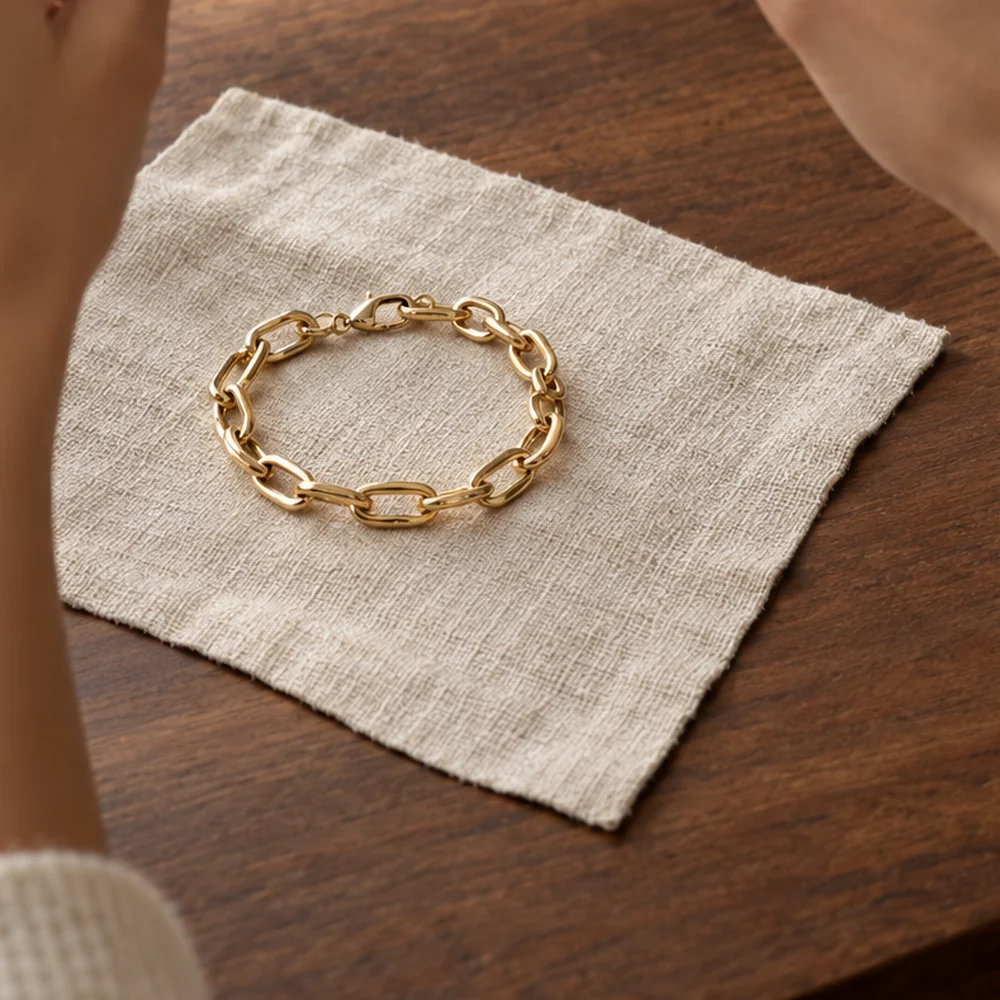
You set your own price, but you do the work: photographs, descriptions, insured postage, returns, and the risk of a buyer who claims the parcel arrived empty.
Platform and payment fees come off the sale.
Refiners and bullion dealers
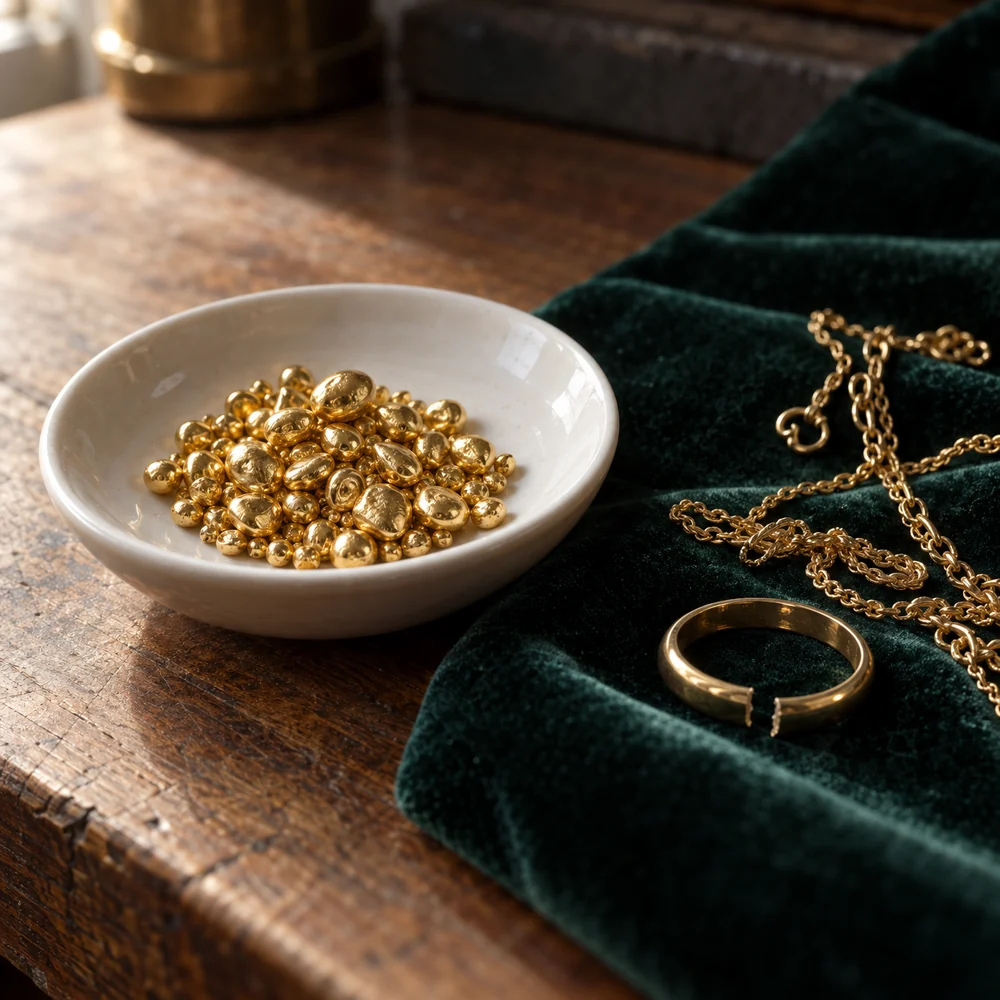
They pay on the assayed fine gold, which suits larger lots, bars and bullion coins.
For a few rings and chains, minimum lot sizes and charges usually rule them out. Selling coins? See selling gold sovereigns.
Who pays the most for gold in the UK?
It depends on what you are selling, and the honest answer has two halves.
| What you are selling | Who usually pays the most |
|---|---|
| Plain or broken gold | The buyer with the highest per-gram rate for your carat, after any fees, postage or testing charges. Compare the net figure, not the headline. |
| Antique, signed or gem-set | Whoever can resell it as jewellery: a specialist dealer or, for important pieces, an auction house. A scrap buyer pays for the metal only. |
Start with the gold value. This is the live price of the gold content by carat; a scrap offer will be below it, and a piece with value as jewellery can be above it.
Loading the live gold price…
Enter the weight of the gold only. This is the value of the gold at the spot price, not an offer.
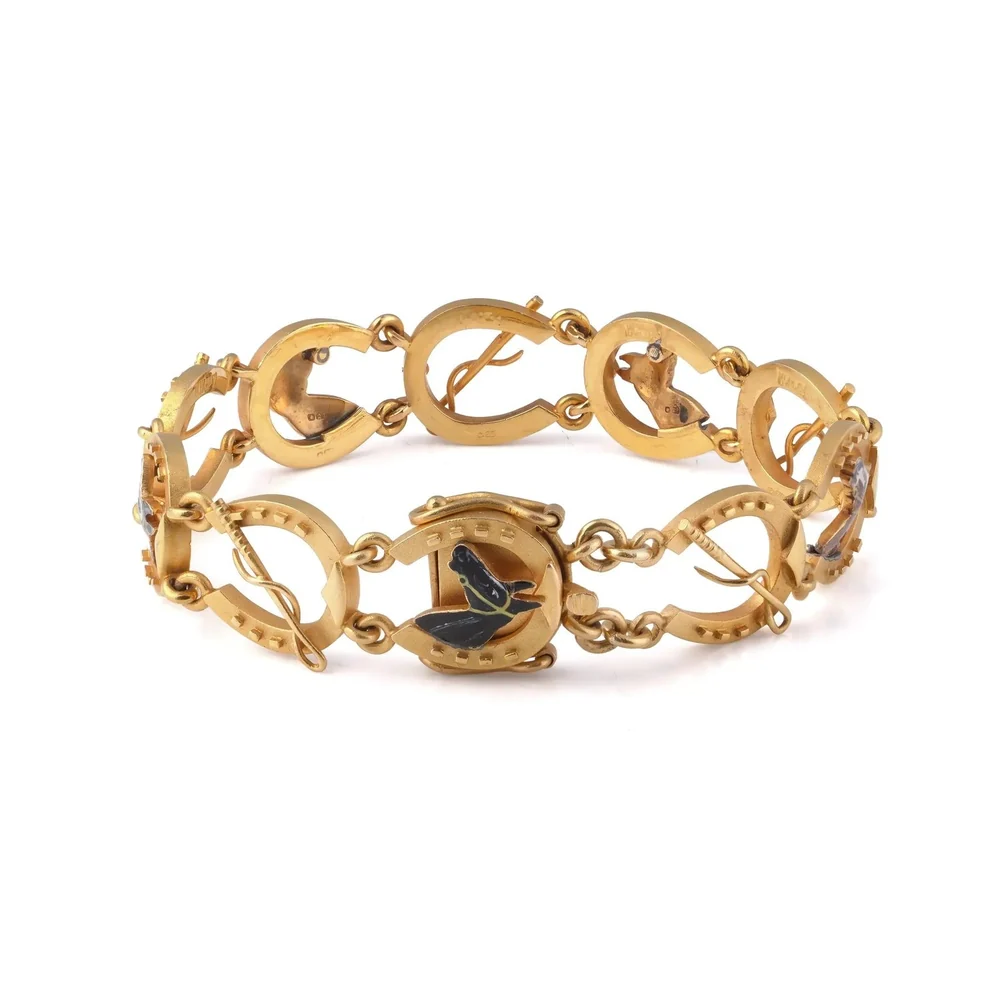
What a specialist looks at beyond the weight
- Date and design. They count: a Victorian bracelet like this one is valued as jewellery.
- The maker. A signature such as Cartier adds value beyond the gold.
- Hallmarks. They tell a buyer the carat and the date.
- Condition. Design and condition count as well as weight.
More in gold hallmarks explained and how to tell if gold is real.
Red flags when selling gold
- No per-gram rate, or a rate that applies to 24ct only when you are selling 9ct.
- An offer as one number, with no weight and no carat.
- Pressure to accept on the spot, or an offer that drops when you hesitate.
- A postal service with no free, insured return if you decline.
- Stones prised out, or the piece cut or tested destructively, before you agree to sell.
- No address, no phone number, or no named business behind the website.
More in how to sell gold safely online and instant cash for gold: what to watch.
Checklist before you sell
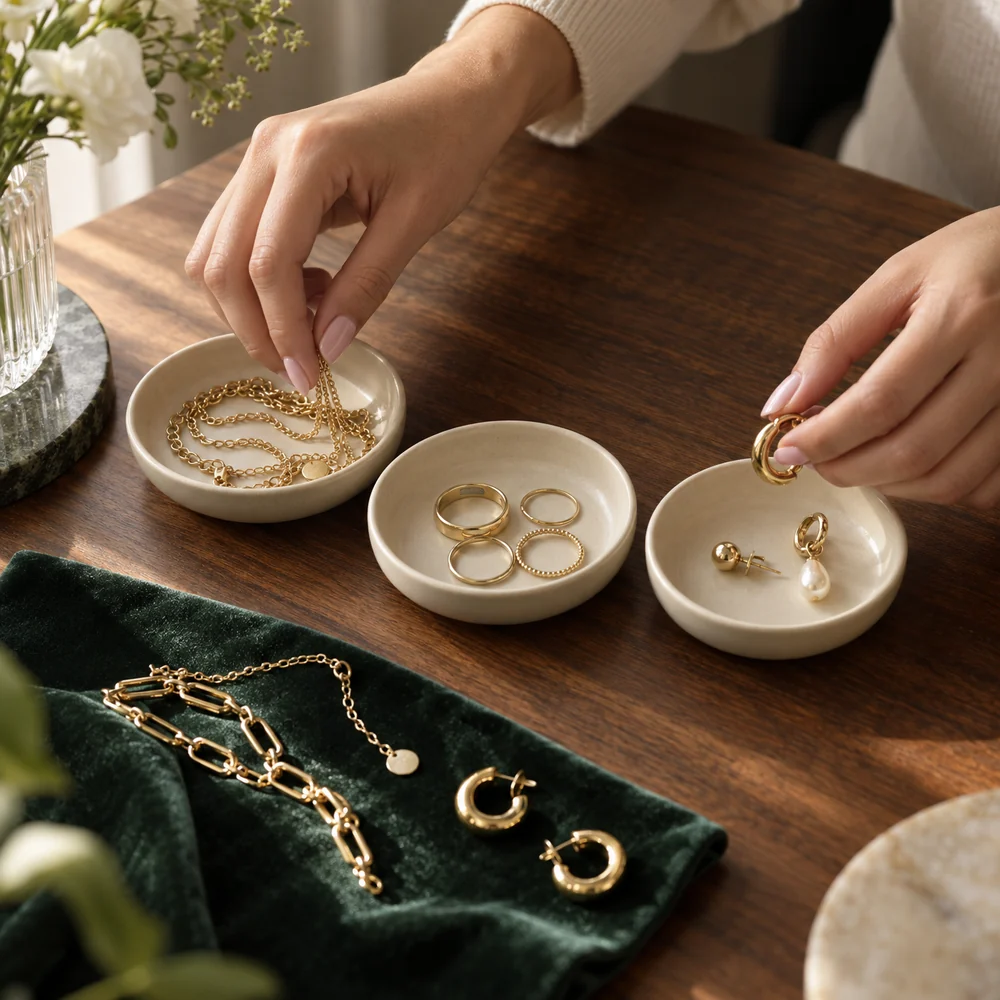
Do this at home before you visit any buyer. It tells you what you have, and what it is worth as gold, so you can judge every offer.
Sort by carat, weigh each group, and set aside anything signed, antique or gem-set.
- Sort by carat
Look for 375 (9ct), 585 (14ct), 750 (18ct) or 916 (22ct). Keep unmarked pieces separate for testing.
- Weigh each group
A kitchen scale reading to 0.1 g is fine for a first check.
- Set aside anything special
Signed, antique or gem-set pieces need a jewellery valuation, not a scrap price. See selling antique jewellery.
- Check the gold value
Use the calculator above or our gold price calculator, so you know the ceiling for a scrap offer.
- Get two or three quotes in writing
With the weight, the carat and the rate. Compare the net figure.
- Bring photo ID
Reputable buyers check identity under anti-money-laundering rules, above all on larger sales. See selling gold without ID.
Get a free quote for your gold jewellery
Selling gold near you: London, Essex or by post
By appointment at 47 Maddox Street, W1S 2PG, near Bond Street. Valuation and payment the same day.
By appointment at our Braintree showroom. See sell gold in Braintree.
Fully insured postage or collection. If you decline our offer, your gold comes back insured at our cost.
Local guides: where to sell gold in Essex, the best place to sell gold near you and selling gold by post.
Selling your gold jewellery with Mozeris
We buy gold jewellery directly, and we look at every piece as jewellery before we look at it as metal.
- Send photos
Use the form below, WhatsApp 07494 214652 or our free valuation form. Include the hallmarks.
- Get an offer
Usually within 24 hours. We tell you whether we are paying for the gold or for the piece, and why. No obligation.
- Bring it or post it
Mayfair or Braintree by appointment, or insured post. We XRF test and weigh every piece before we confirm the offer.
- Get paid
Bank transfer the same day you accept.
Our per-gram rates are published on the scrap gold price page. Call 01376 334482, or see broken gold, designer jewellery and inherited gold.
Request your free gold valuation
- For plain gold, compare published per-gram rates for your carat, net of fees.
- For antique, signed or gem-set pieces, get a valuation as jewellery before any scrap price.
- Insist on the weight, the carat and the rate in writing, and a free return if you post.
- Mozeris: Mayfair and Braintree by appointment, insured post, same-day bank transfer.
Questions we are asked
Where is the best place to sell gold jewellery in the UK?
For plain or broken gold, a buyer who publishes a per-gram rate for each carat, tests in front of you or reports the weight, and pays the same day. For antique, signed or gem-set pieces, a specialist dealer or auction house that values the piece as jewellery.
Who pays the most for gold in the UK?
For scrap, whoever offers the highest per-gram rate for your carat after fees and postage. For antique, signed or gem-set jewellery, a buyer who can resell it as jewellery usually pays more than any scrap buyer.
Is it better to sell gold to a jeweller or a pawnbroker?
Both usually pay a per-gram scrap rate when buying outright, so compare their written offers. A pawnbroker can also lend against the gold if you want it back later.
Are postal gold buyers safe?
Choose one that publishes its rates, insures the postage both ways and returns your gold free if you decline. In 2010 the Office of Fair Trading looked into firms that denied customers the right to reject an offer.
Should I sell gold jewellery at auction?
For important antique or signed pieces, it can be worth it. For plain gold, the seller's commission, fees and the wait for payment usually make a direct sale better.
How do I avoid being ripped off when selling gold?
Know the carat and weight before you go, check today's gold price, get two or three written quotes with the rate shown, and never sell under pressure.
Do I need ID to sell gold in the UK?
Expect to be asked. Reputable buyers check identity under anti-money-laundering rules, above all on larger sales and cash payments.
Do I pay tax when I sell gold jewellery?
GOV.UK says Capital Gains Tax may be due on a gain when a personal possession sells for £6,000 or more. British sovereigns and Britannias are legal tender and exempt.
Selling gold jewellery?
Send photos for a free, no-obligation offer. We buy directly, value every piece as jewellery first, and pay by bank transfer the same day you accept.
- We buy directly
- Free valuation from photos
- Appointments in Mayfair and Braintree
- Insured postage or collection
New pieces reach our list first: join the Mozeris list.