Part of: Sell designer jewellery
Sell to a Dealer or at Auction?
Both routes can be right. Auction can suit rare, important or very collectable pieces, where competitive bidding may push the price up, but it brings seller’s fees, a wait and no certainty of a sale. A specialist dealer gives a firm price, checked in person, and pays the same day. This guide compares the two honestly so you can choose.
Want a firm offer to compare?
Free, no obligation, returned at our cost if you decline.
- Read our Google reviews (opens Google)
- Free, no obligation
- A reply within one working day
- Paid the same day after inspection
How auction works
You consign the piece; the auction house catalogues and photographs it, gives an estimate, and offers it in a sale, often weeks or months away. If it sells, you receive the hammer price minus the seller’s commission and any other charges, usually some weeks after the sale. If it does not sell, it comes back to you, sometimes with charges.
- Consign
- Catalogue
- Sale date
- Hammer
- Settlement
How selling to a dealer works
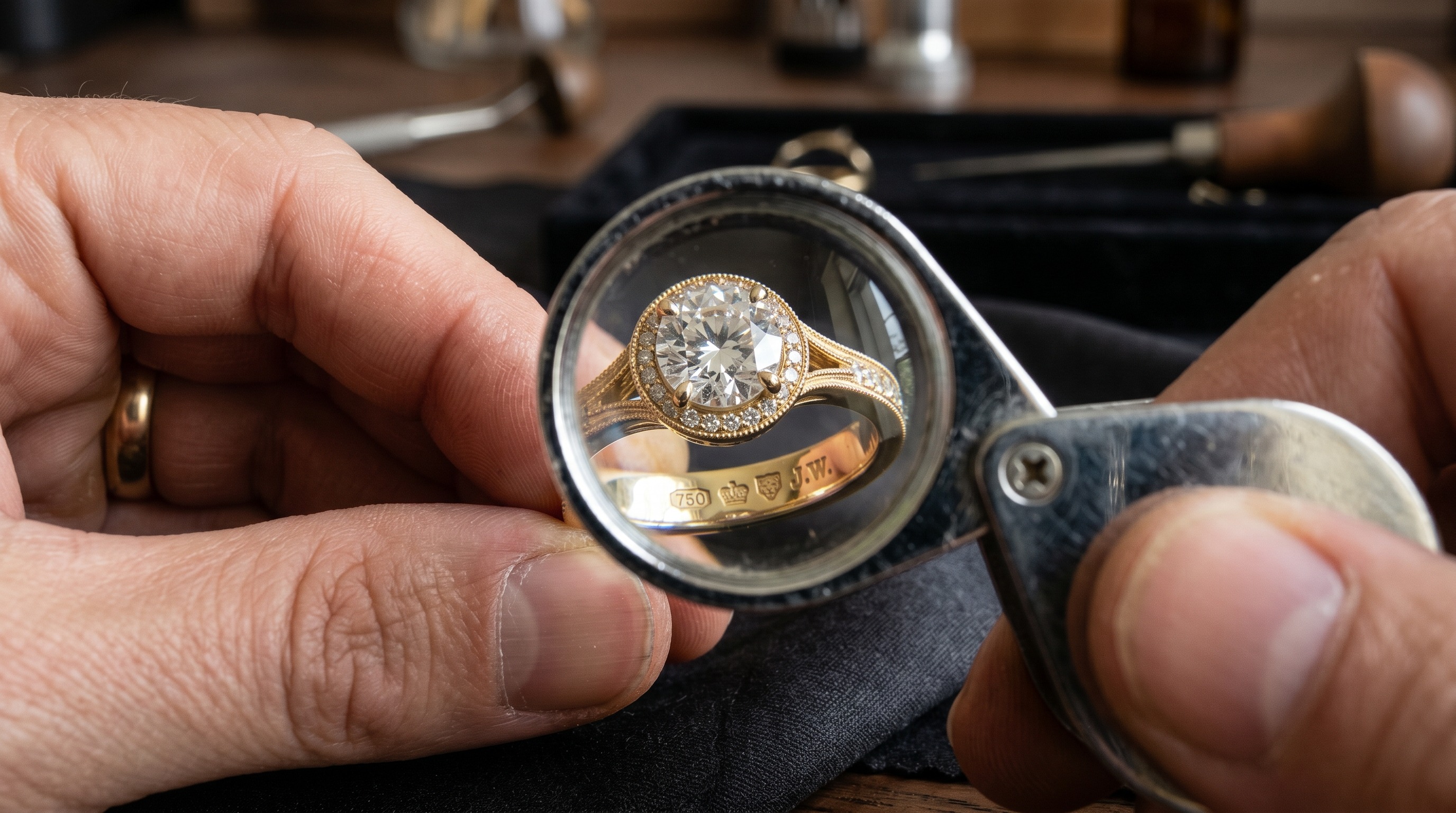
You send photographs for a free estimate, then the dealer inspects the piece and makes a firm offer. If you accept, you are paid there and then; if you decline, you keep it. There is no commission to deduct, no wait for a sale date and nothing public about the sale.
Side by side
- Price
- Dealer
- Firm offer after inspection
- Auction
- Estimate; final price unknown
- Fees
- Dealer
- None to you
- Auction
- Seller’s commission and charges
- Speed
- Dealer
- Paid the same day
- Auction
- Weeks to months
- Certainty
- Dealer
- Accept or decline
- Auction
- May not sell
- Privacy
- Dealer
- Private
- Auction
- Publicly catalogued
- 1Five rows
- 2Ticks
- 3Notes
- 4No figures
When auction may be better
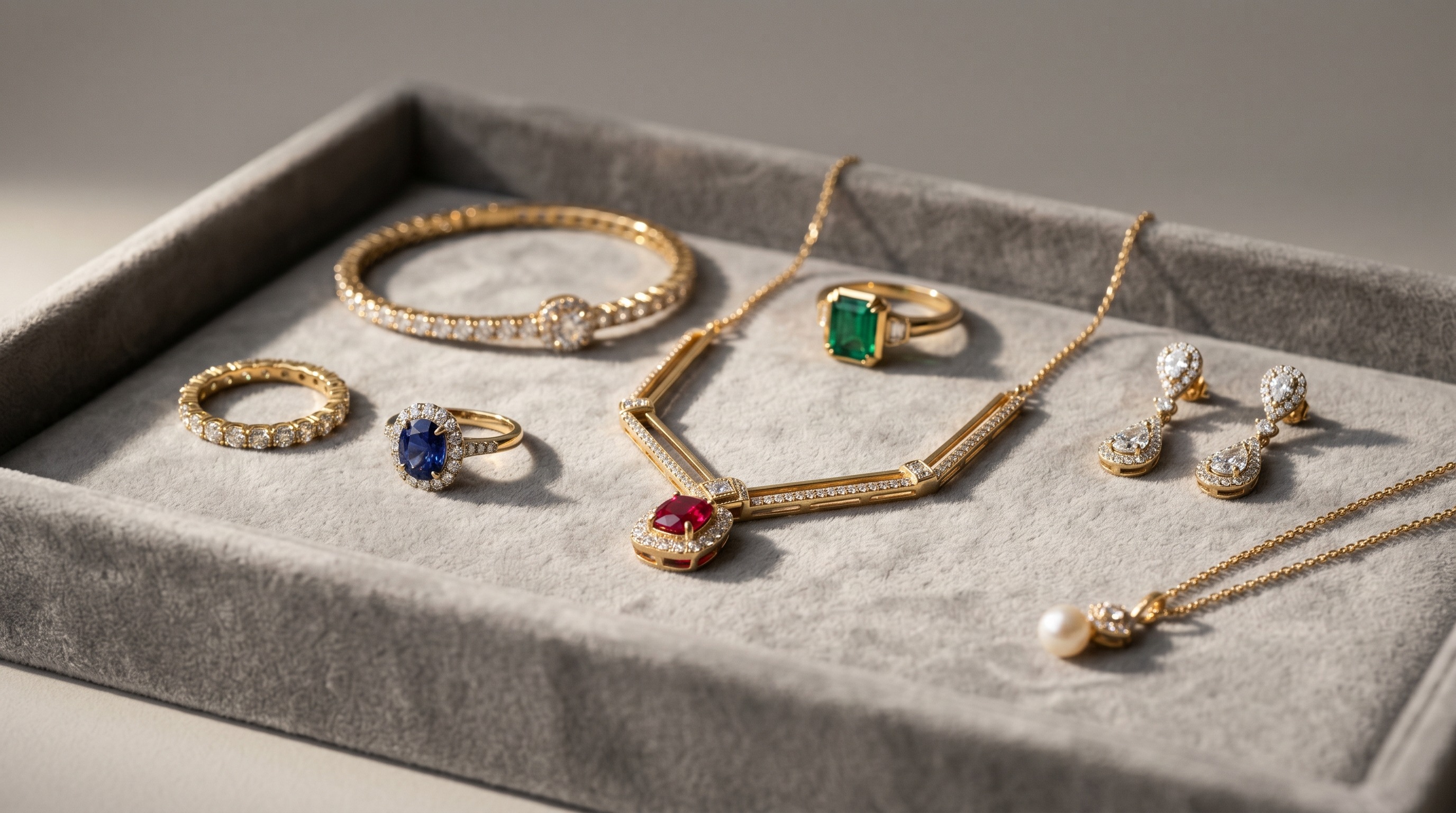
For a rare, important or highly collectable piece, a signed period jewel with documented history, competitive bidding can sometimes achieve more than any single buyer would offer. If you have a piece like that, we will tell you so honestly, and we can also sell important pieces on consignment for you, as an alternative to an auction house.
Check yours first
Whichever route you choose, know what you have. A clear signature, serial and marks, and any box or certificate, help both a dealer and an auction house. Our guides show what to check for each house.
For every house we buy, see how we check designer jewellery.
- 1Signature
- 2Serial
- 3Marks
- 4Papers
0 of 3 checked
1Signature
A clear signature.
2Serial and marks
A clear serial and metal marks.
3Box or certificate
Any you have; both a dealer and an auction house use them.
Not sure what you have? Send photos for a free, honest check and an estimate, with no obligation.
Free, no obligation, returned at our cost if you decline.
What would a dealer offer for my piece?
Whether a piece holds its value comes down to the maker and design, the materials and stones, the condition, whether you have the box and papers, and current demand. You can get a free estimate from photographs to compare with any auction estimate, and decide with both in front of you. No box or papers? We still buy it. We never publish figures.
Free, no obligation, and returned at our cost if you decline.
Read our Google reviews (opens Google)
- Maker and design
- Materials
- Condition
- Papers
- Demand
How selling works
- 1
Send photographs
of the piece, its signature and marks, and any box or papers.
- 2
Free value inspection
We reply within one working day with an estimate, subject to inspection. If our offer differs, you can decline and we return it at our cost.
- 3
Paid the same day after inspection
by bank transfer or in cash, in Mayfair, at our Braintree office, by post or by free collection.
Insured up to £10,000 per parcel when you send to us. For important pieces, we can also sell on consignment for you.
Questions people ask
Is it better to sell jewellery to a dealer or at auction?
It depends on the piece and on what matters to you. Auction can suit rare, important or very collectable jewels, but brings fees, a wait and no certainty. A dealer gives a firm offer after inspection and pays the same day. Getting a free dealer estimate first lets you compare before you decide.
What if I decline your offer?
Then you keep your piece. If you sent it, we return it to you at our cost, and there is nothing to pay. You can decline at any stage, before or after inspection, and use the estimate to compare with an auction house or another buyer. The estimate itself is always free.
What are auction fees on jewellery?
Auction houses usually deduct a seller’s commission from the hammer price, and may charge for insurance, photography or unsold lots. Rates vary between houses and with the value of the piece, so ask each house for its terms in writing before you consign. A direct sale to us carries no fees.
How fast can a dealer pay?
We pay the same day after inspection, once you accept our offer, by bank transfer or in cash. At a Mayfair or Braintree appointment that happens while you are with us. A piece sent by post or collected by FedEx is inspected on arrival and paid for that day.
Do you sell on consignment?
Yes, for important pieces we can sell on consignment for you, as an alternative to auction or an outright sale. We will talk you through how it works for your piece. Send photographs first and we will tell you honestly which route we think suits it best.
Can I get a dealer estimate and an auction estimate?
Yes, and it is a sensible thing to do. Our estimate from photographs is free and carries no obligation, so you can compare it with an auction house’s estimate and their fees. Choose the route that suits you, with both figures in front of you.
Related guides
Want a firm figure to compare?
Send a photograph of your piece for a free estimate, with no obligation.
Free, no obligation, returned at our cost if you decline.