Guide · Sell gold sovereigns

How to Sell a Coin Collection in the UK Without Being Ripped Off

A dealer's guide to selling coins: sorting a collection, what buyers pay for, the best route for each kind of coin, and the mistakes that cost sellers money.

By the Mozeris specialistsUpdated 4 min read

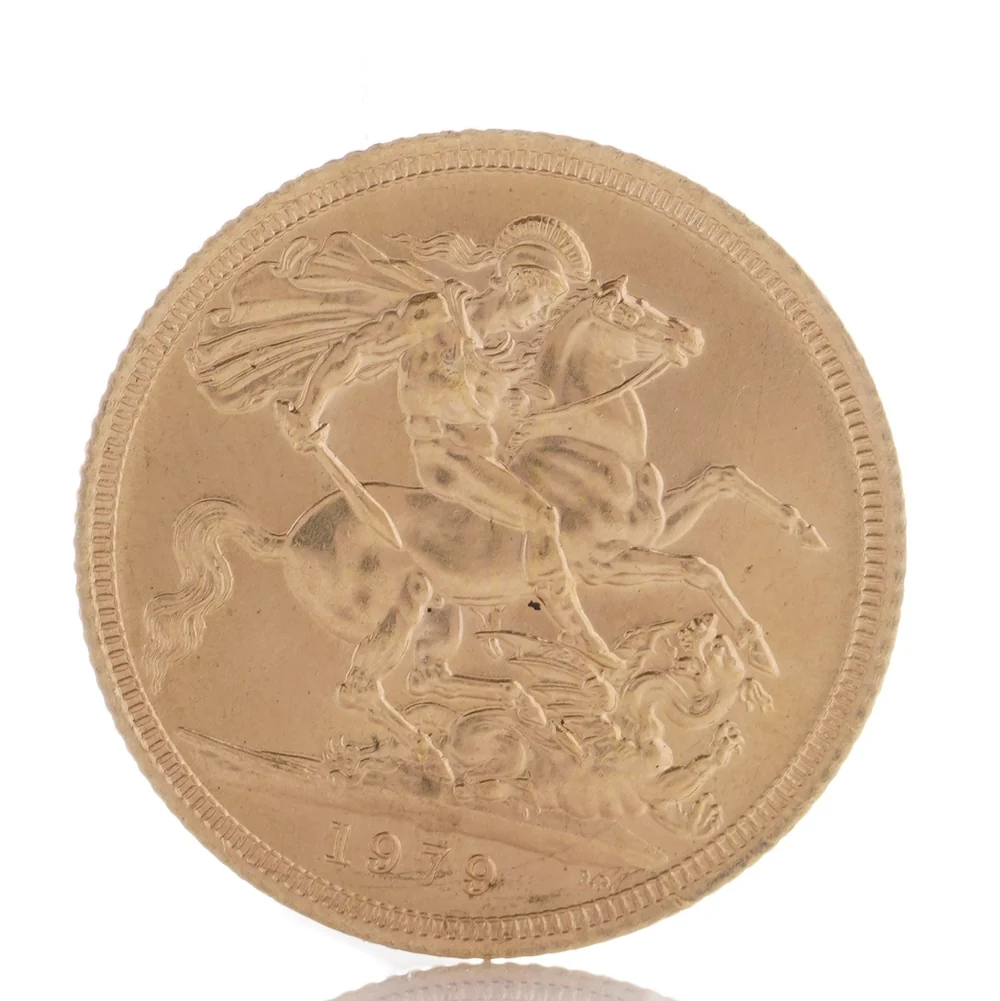
The reverse of a 1979 gold sovereign: Pistrucci's St George on horseback slaying the dragon, with the date below the ground line
A 1979 gold sovereign, from our collection

The short answer

Sort it first: gold coins, British silver dated 1946 or earlier, proofs and cased sets, then base-metal and foreign coins. Photograph both sides of anything gold, silver or unusual and get valuations from a specialist who values rare coins individually. We give free valuations from photos, and we pay the same day by bank transfer after inspection.
  • Sort the collection by metal first: gold, pre-1947 silver, proofs, then everything else.
  • Never clean coins before selling; keep proofs in their cases with certificates.
  • Get a written offer, ask how it was worked out, and compare more than one buyer.

What is the best way to sell a coin collection?

Sort it first: gold coins, British silver dated 1946 or earlier, proofs and cased sets, then base-metal and foreign coins. Photograph both sides of anything gold, silver or unusual and get valuations from a specialist who values rare coins individually. We give free valuations from photos, and we pay the same day by bank transfer after inspection.

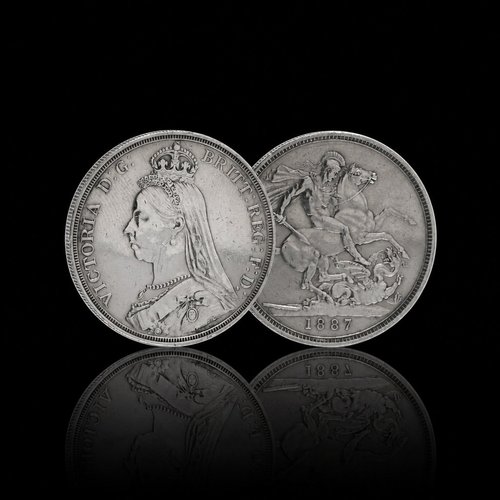
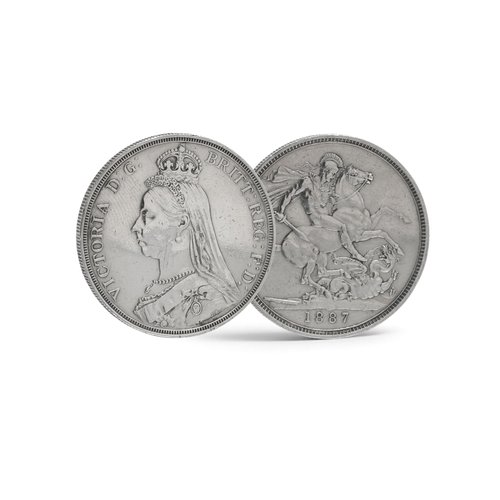
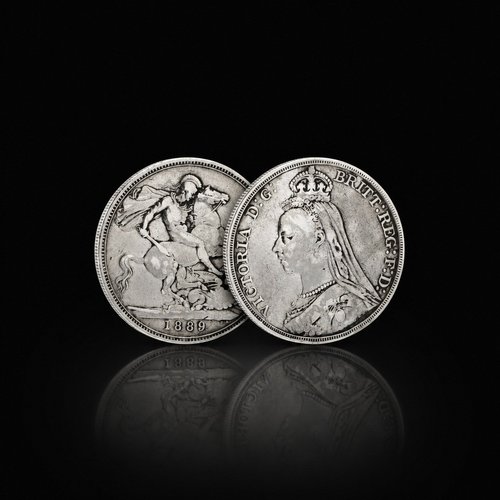
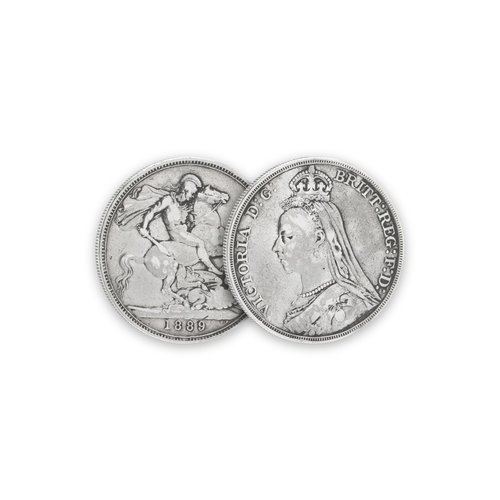
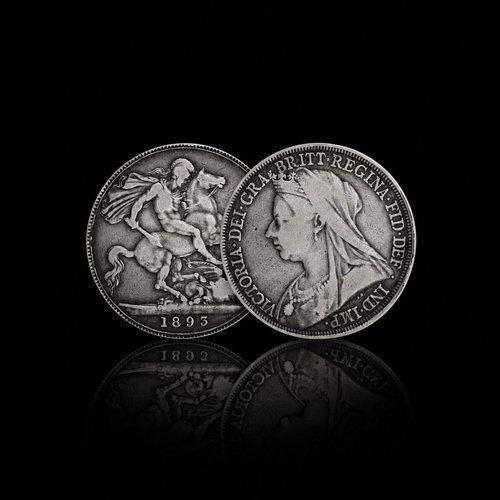
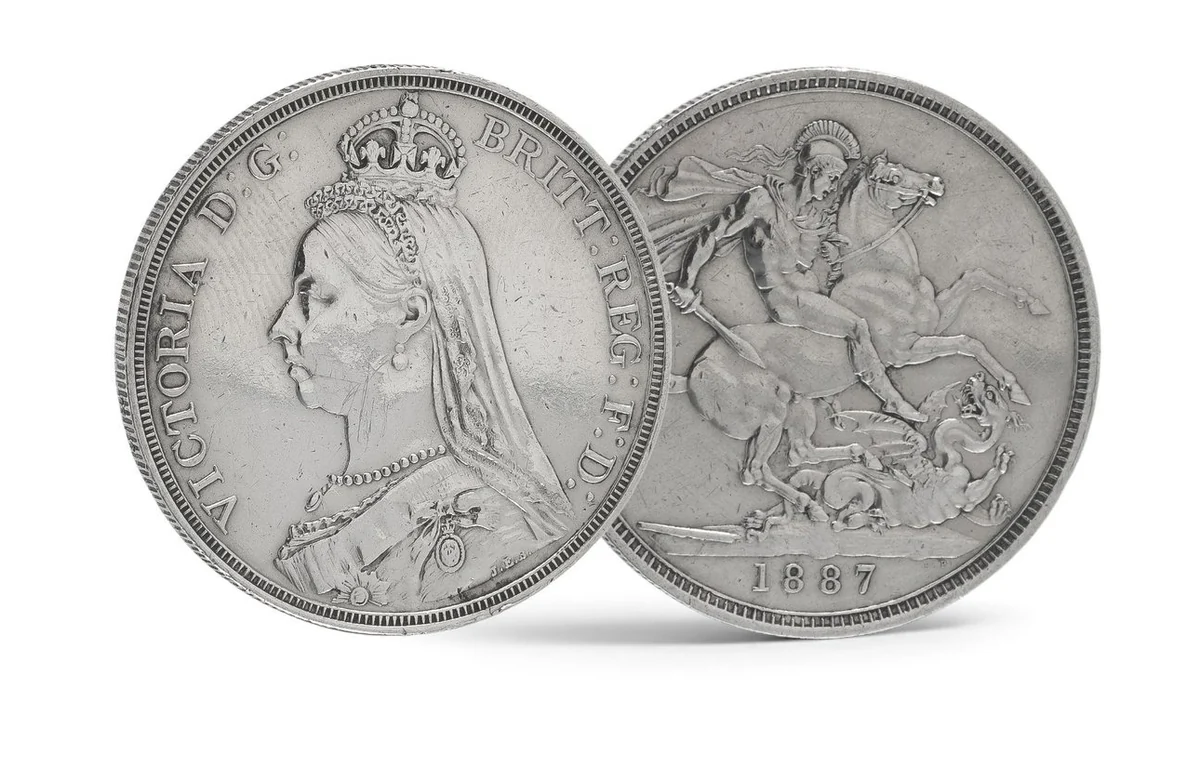
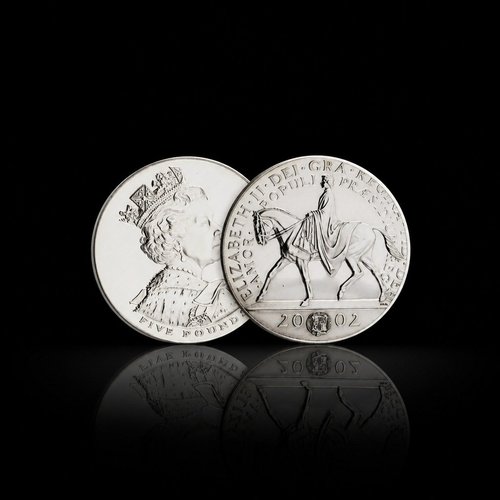
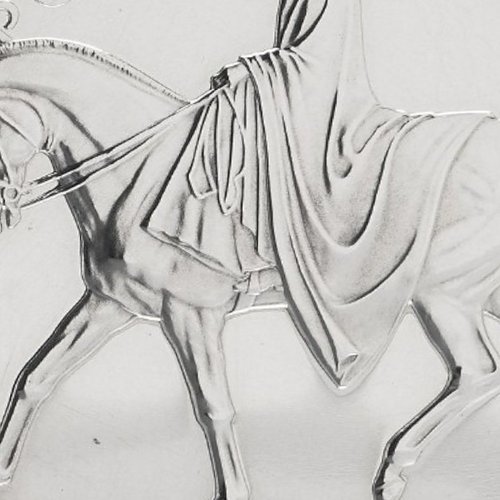
Both sides of an 1887 Queen Victoria Jubilee head silver crown: the crowned portrait and St George slaying the dragon
An 1887 Victoria silver crown, from our collection

Silver first

British silver coins dated 1946 or earlier always carry silver value; those to 1919 are sterling.

How do I sell coins without getting ripped off?

Know what you have before you sell: check dates against the silver cut-offs and rare dates against mintage lists. Get a written offer, ask whether coins were priced individually or by weight, and compare more than one buyer. Be wary of anyone who will not explain an offer or wants to buy everything unseen.

British coins in stock

Shop all 10
Where can I sell old coins in the UK?

Coin dealers, bullion dealers, auction houses and some antique and jewellery buyers buy old coins. Dealers and specialist buyers pay promptly; auctions can suit rare coins but take time and charge fees. We buy coins from anywhere in the UK by insured post, free collection, or appointment in Mayfair or Braintree.

Send us photos for a free valuation

Is it worth selling gold coins?

Gold coins always carry gold value, so they are the easiest coins to sell, and sovereigns and Britannias are free of Capital Gains Tax. Rare dates, proofs and coins in fine condition sell for more than their gold. Keep proofs in their cases and send photos of both sides for a free valuation.
The reverse of a 1979 gold sovereign: Pistrucci's St George on horseback slaying the dragon, with the date below the ground line
A 1979 gold sovereign, from our collection

Sovereigns

Every sovereign is 22KT gold, and dates, mint marks and condition decide whether it is worth more than its gold.

Can you sell silver coins for their silver?

Yes. Worn, common pre-1947 British silver coins and bullion coins are bought for their silver content. Rare dates, proofs and coins in fine condition are worth more to collectors, so have a batch checked before it is sold by weight. Coins from 1947 onwards contain no silver.

Should I clean old coins before selling?

No. Cleaning or polishing removes a coin's original surface and leaves scratches that collectors see at once, which lowers the value of any coin with collector interest. Leave coins exactly as they are, hold them by the edge, and keep them in their envelopes, albums or cases.

Can I sell rare 50p and two pound coins?

Yes, but check the mintage first: most commemorative 50p and two pound coins were struck in millions and are worth face value, and online asking prices often run far above real sales. Genuinely low-mintage coins and errors sell to collectors and dealers. Our rarest UK coins page ranks every design.

Does the Royal Mint buy back coins?

The Royal Mint runs a bullion buy-back service for some of its own bullion products, but it does not buy back collector coins, proof sets or old circulating coins at the price paid. Collector coins are sold through dealers, auctions or private buyers instead.

Do pawnbrokers buy coins?

Pawnbrokers mainly lend against gold and silver coins, charging interest until you repay, and some buy them for their metal. They rarely value collector rarity. Selling to a coin specialist usually gives a better result for rare dates, proofs and sets, and avoids interest.

Is selling coins taxable?

UK legal tender coins, such as sovereigns and Britannias, are free of Capital Gains Tax. Other coins are personal possessions, exempt from Capital Gains Tax below the chattels limit for each coin or set; larger gains can be taxable. Our tax guide explains the rules, and an accountant can advise on large collections.

Should I sell coins on eBay or to a dealer?

Online marketplaces can reach collectors, but you handle photos, postage, fees, returns and the risk of buyer fraud, and listings are crowded with inflated asking prices. A dealer gives one offer for the whole collection and pays promptly. Many sellers use a dealer for the bulk and auction one or two rarities.
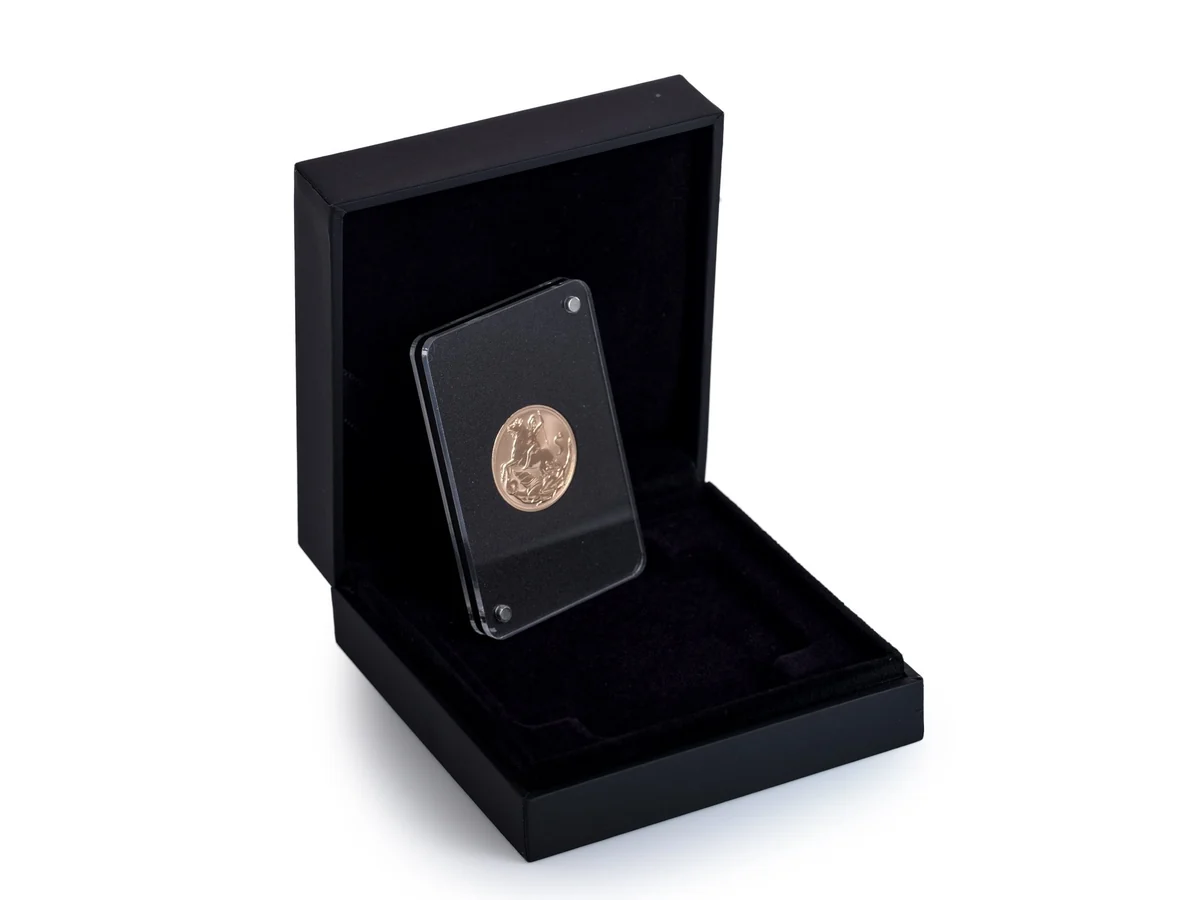
A 2017 reverse proof gold sovereign, Gibraltar issue, in its capsule inside an open black presentation case
A proof gold sovereign in its capsule and case, from our collection

Proofs and sets

Proof coins and sets sell best in their original cases with certificates.

How do I sell my coins to Mozeris?

Send photos of both sides of the gold, silver and unusual coins, and an overview of the rest, for a free valuation. Then post them by Royal Mail Special Delivery, book our free insured FedEx collection or visit by appointment. We check everything, confirm the offer, and we pay the same day by bank transfer after inspection.
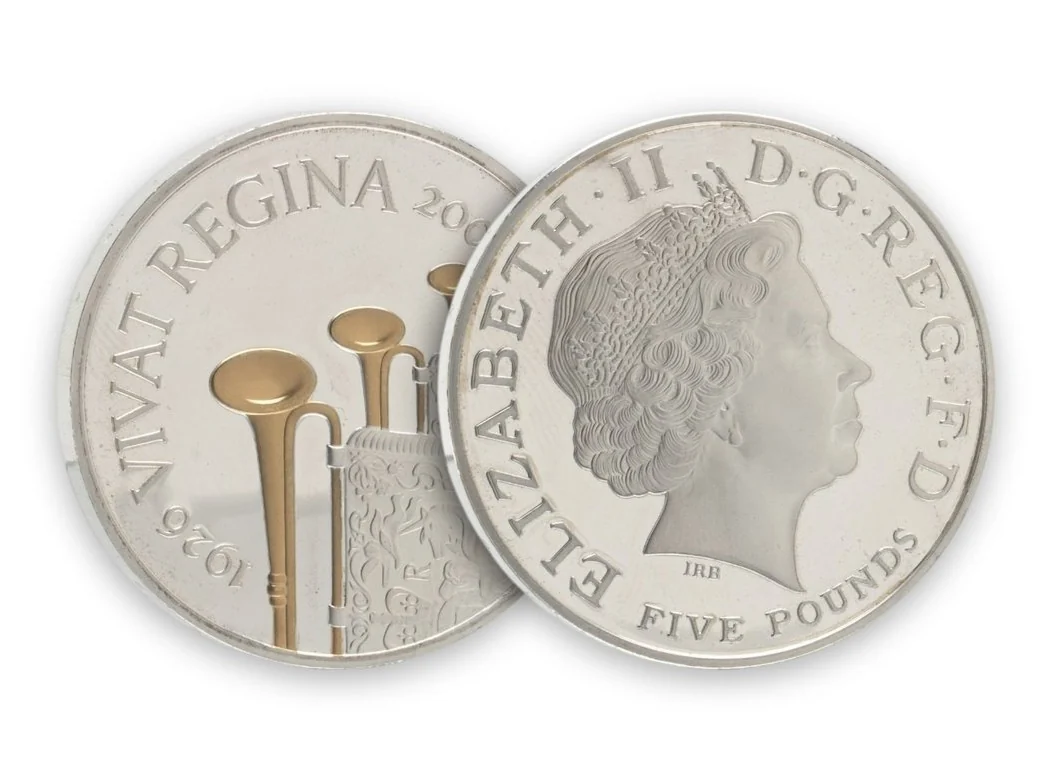
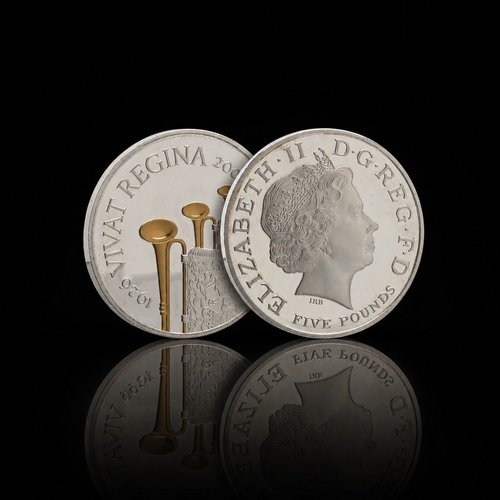
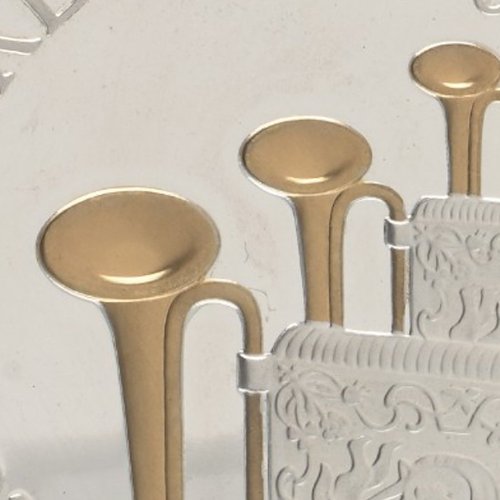
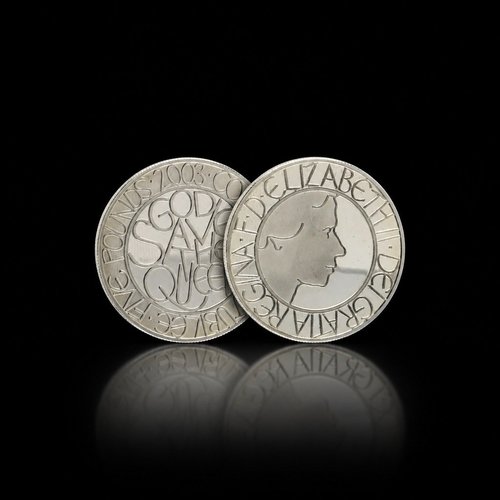
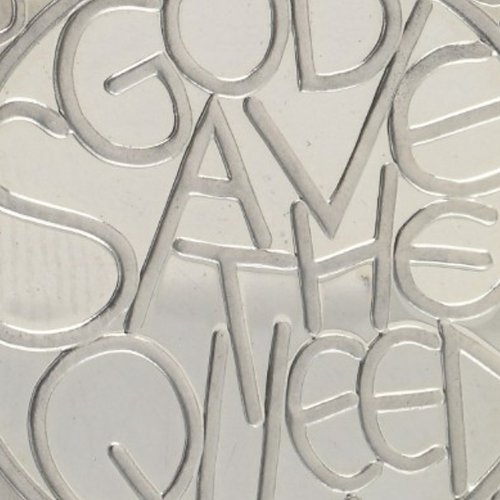
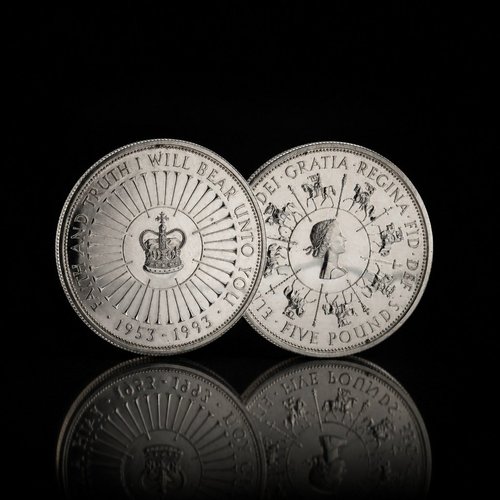
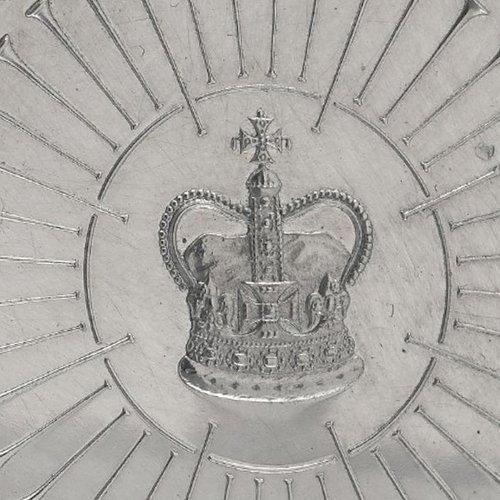
Both sides of a 2006 silver piedfort proof five pound coin with gold-plated trumpets on the reverse
A 2006 silver piedfort proof five pound coin, from our collection

Silver proofs

Silver proofs and piedforts carry silver value as well as collector value.

Free valuation

Every piece is different. Send us a few photos and we will tell you what yours is worth, free and with no obligation. Request a free valuation.

Request a free valuation

Sources

Questions

What is the best way to sell a coin collection?

Sort it first: gold coins, British silver dated 1946 or earlier, proofs and cased sets, then base-metal and foreign coins. Photograph both sides of anything gold, silver or unusual and get valuations from a specialist who values rare coins individually. We give free valuations from photos, and we pay the same day by bank transfer after inspection.

How do I sell coins without getting ripped off?

Know what you have before you sell: check dates against the silver cut-offs and rare dates against mintage lists. Get a written offer, ask whether coins were priced individually or by weight, and compare more than one buyer. Be wary of anyone who will not explain an offer or wants to buy everything unseen.

Where can I sell old coins in the UK?

Coin dealers, bullion dealers, auction houses and some antique and jewellery buyers buy old coins. Dealers and specialist buyers pay promptly; auctions can suit rare coins but take time and charge fees. We buy coins from anywhere in the UK by insured post, free collection, or appointment in Mayfair or Braintree.

Is it worth selling gold coins?

Gold coins always carry gold value, so they are the easiest coins to sell, and sovereigns and Britannias are free of Capital Gains Tax. Rare dates, proofs and coins in fine condition sell for more than their gold. Keep proofs in their cases and send photos of both sides for a free valuation.

Can you sell silver coins for their silver?

Yes. Worn, common pre-1947 British silver coins and bullion coins are bought for their silver content. Rare dates, proofs and coins in fine condition are worth more to collectors, so have a batch checked before it is sold by weight. Coins from 1947 onwards contain no silver.

Should I clean old coins before selling?

No. Cleaning or polishing removes a coin's original surface and leaves scratches that collectors see at once, which lowers the value of any coin with collector interest. Leave coins exactly as they are, hold them by the edge, and keep them in their envelopes, albums or cases.

Can I sell rare 50p and two pound coins?

Yes, but check the mintage first: most commemorative 50p and two pound coins were struck in millions and are worth face value, and online asking prices often run far above real sales. Genuinely low-mintage coins and errors sell to collectors and dealers. Our rarest UK coins page ranks every design.

Does the Royal Mint buy back coins?

The Royal Mint runs a bullion buy-back service for some of its own bullion products, but it does not buy back collector coins, proof sets or old circulating coins at the price paid. Collector coins are sold through dealers, auctions or private buyers instead.

Do pawnbrokers buy coins?

Pawnbrokers mainly lend against gold and silver coins, charging interest until you repay, and some buy them for their metal. They rarely value collector rarity. Selling to a coin specialist usually gives a better result for rare dates, proofs and sets, and avoids interest.

Is selling coins taxable?

UK legal tender coins, such as sovereigns and Britannias, are free of Capital Gains Tax. Other coins are personal possessions, exempt from Capital Gains Tax below the chattels limit for each coin or set; larger gains can be taxable. Our tax guide explains the rules, and an accountant can advise on large collections.

Should I sell coins on eBay or to a dealer?

Online marketplaces can reach collectors, but you handle photos, postage, fees, returns and the risk of buyer fraud, and listings are crowded with inflated asking prices. A dealer gives one offer for the whole collection and pays promptly. Many sellers use a dealer for the bulk and auction one or two rarities.

How do I sell my coins to Mozeris?

Send photos of both sides of the gold, silver and unusual coins, and an overview of the rest, for a free valuation. Then post them by Royal Mail Special Delivery, book our free insured FedEx collection or visit by appointment. We check everything, confirm the offer, and we pay the same day by bank transfer after inspection.

Can I sell error coins?

Yes, if the error is genuine and recorded, such as the undated 20p or the 1983 NEW PENCE 2p. Many coins sold online as errors are ordinary variations or damage. A specialist can confirm a coin before you sell it, and significant errors are sometimes graded first.

Do rare coins actually sell?

Genuinely rare coins in good condition sell readily to collectors and dealers. What does not sell at the hoped-for price is the common coin advertised as rare online. Check mintage figures and condition before setting a price or accepting an offer.

How do I sell gold Britannia coins?

Gold Britannias sell like sovereigns: photograph both sides, keep proofs in their capsules and cases, and send the photos for a free valuation. As UK legal tender they are free of Capital Gains Tax. We buy gold and silver Britannias of every date, bullion and proof, and pay the same day by bank transfer.

Can silver coins be sold for scrap?

Yes. Worn, common British silver coins dated 1946 or earlier, and silver bullion coins, are bought for their silver content. Coins from 1947 onwards contain no silver and are worth nothing as scrap. Check for rare dates and proofs before selling a batch by weight, because those are worth more to collectors.

Where can I sell gold coins locally in the UK?

You can sell gold coins to us from anywhere in the UK: send photos for a free valuation, then post them by Royal Mail Special Delivery, book a free insured FedEx collection, or visit our Mayfair or Braintree office by appointment. We pay the same day by bank transfer, never in cash.

How do I sell coins and jewellery online safely?

Use an established buyer with a UK address and reviews, get a written valuation from photos first, send items by insured, tracked post or a booked courier, and make sure payment is by bank transfer once you accept the offer. Never send items to a buyer who will not say how the offer was worked out.