How much is my pocket watch worth?
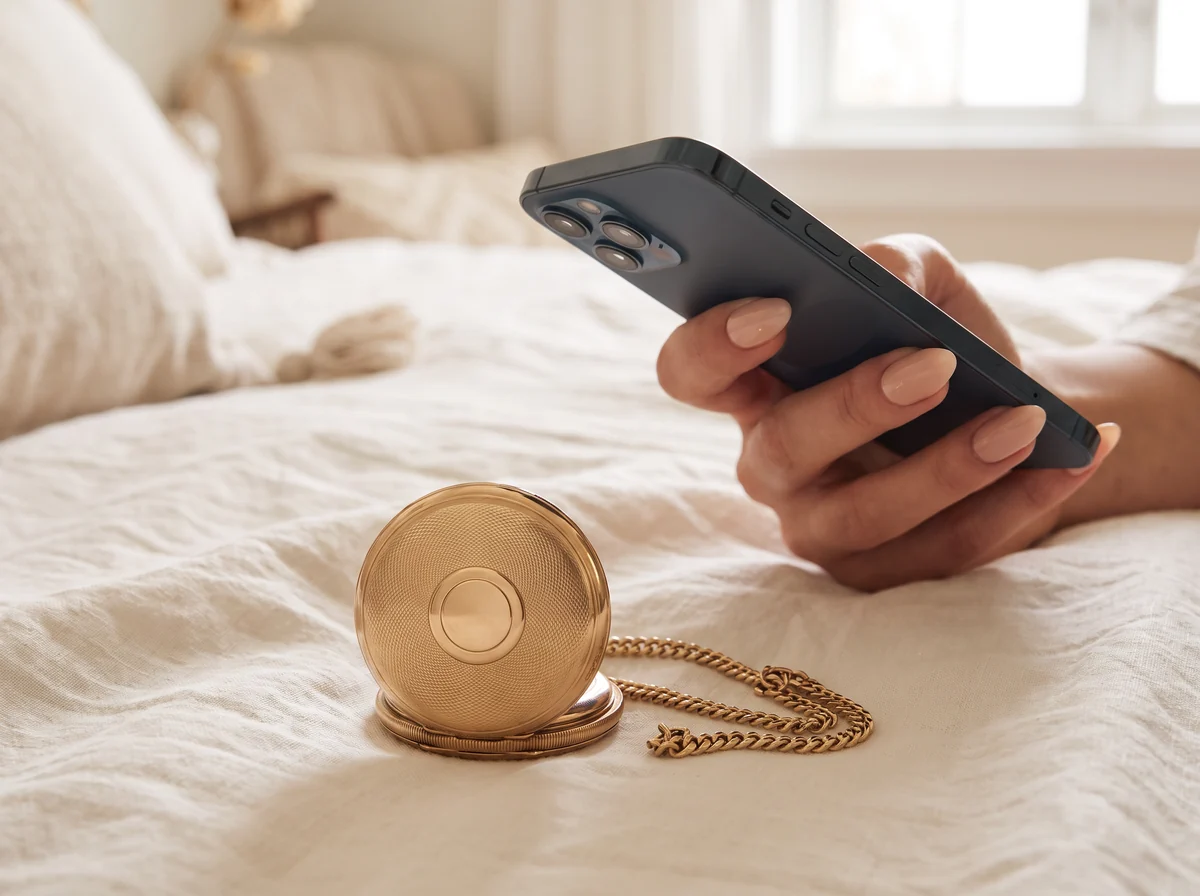
It depends on the maker, the movement, any complication, the case, the condition and originality, and any chain, box or papers, judged against recent sales. We do not publish prices. Send a few photographs for a free value inspection within one working day.
Is an old pocket watch automatically valuable?
No. Age alone does not make a watch valuable. A fine 1920s watch by a great maker can be worth more than an ordinary 18th-century silver watch. The maker, movement and condition matter most. Ask us if you would like to know more about your own piece.
Which pocket watch makers are most valuable?
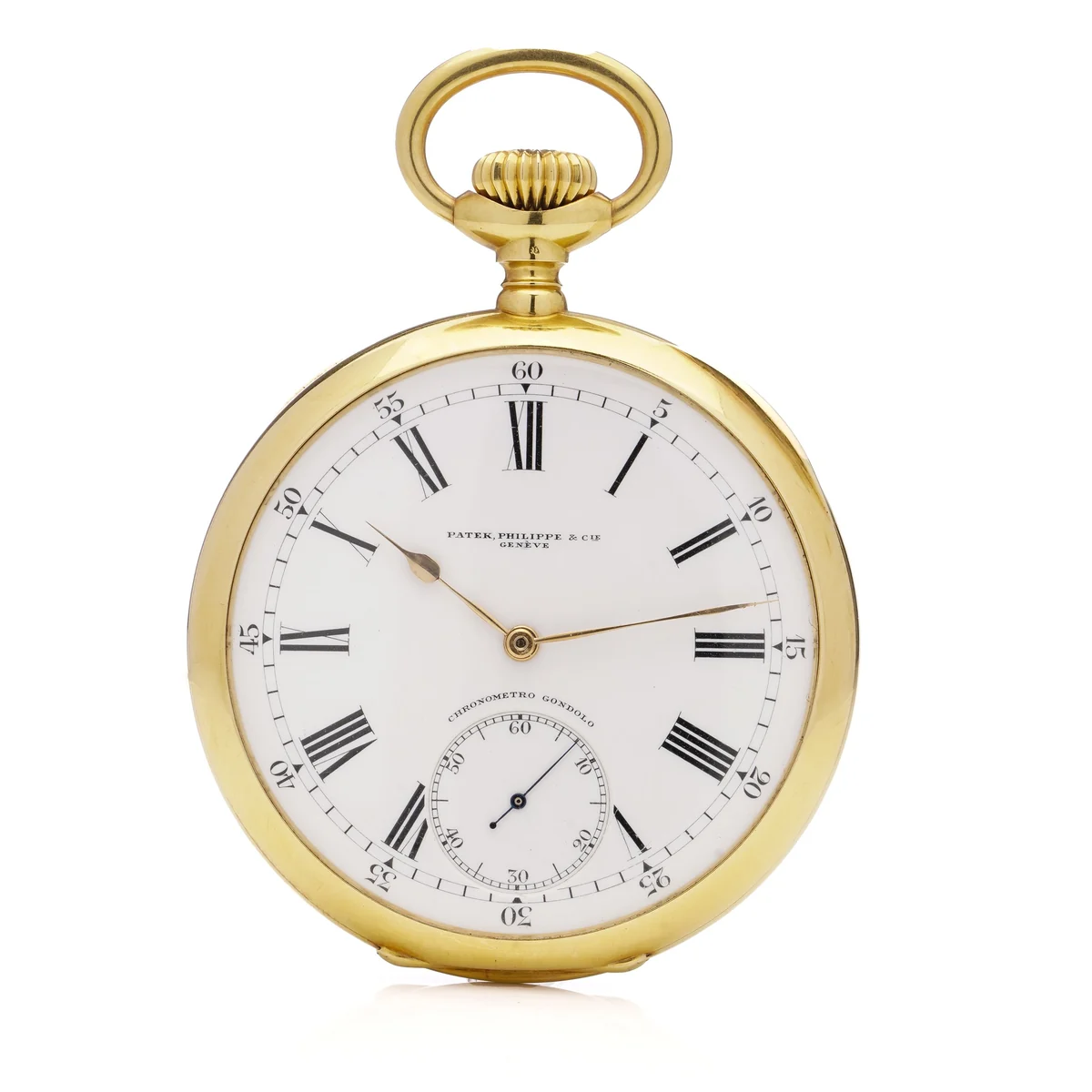
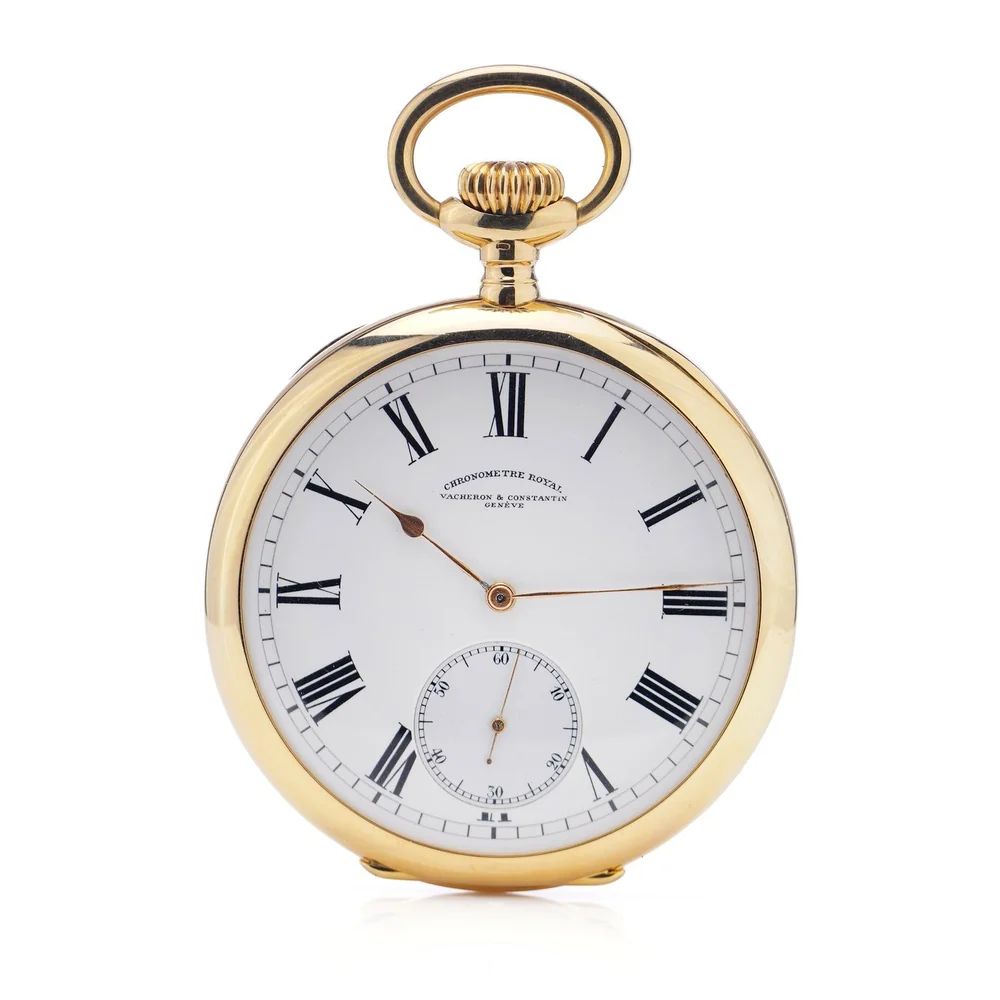
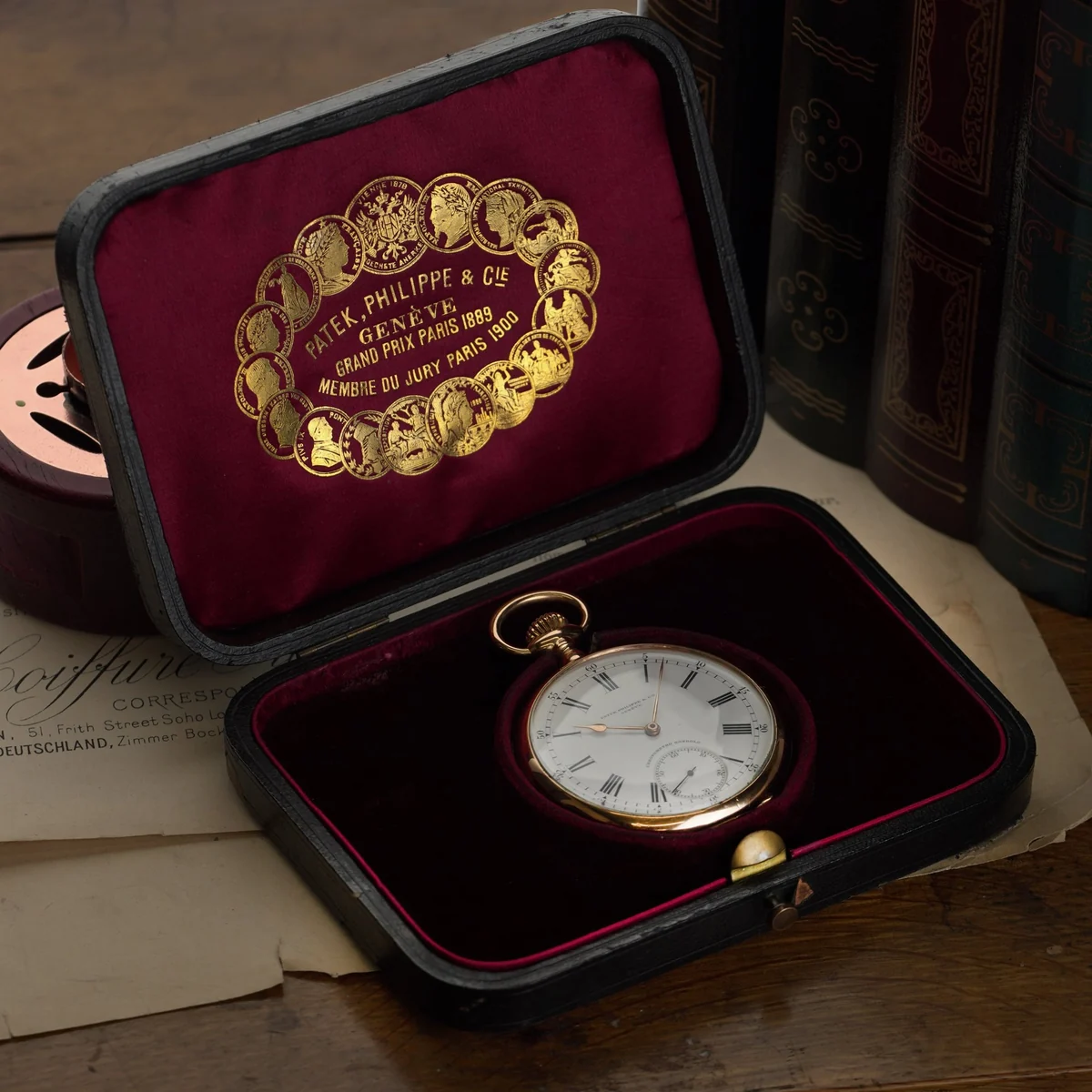
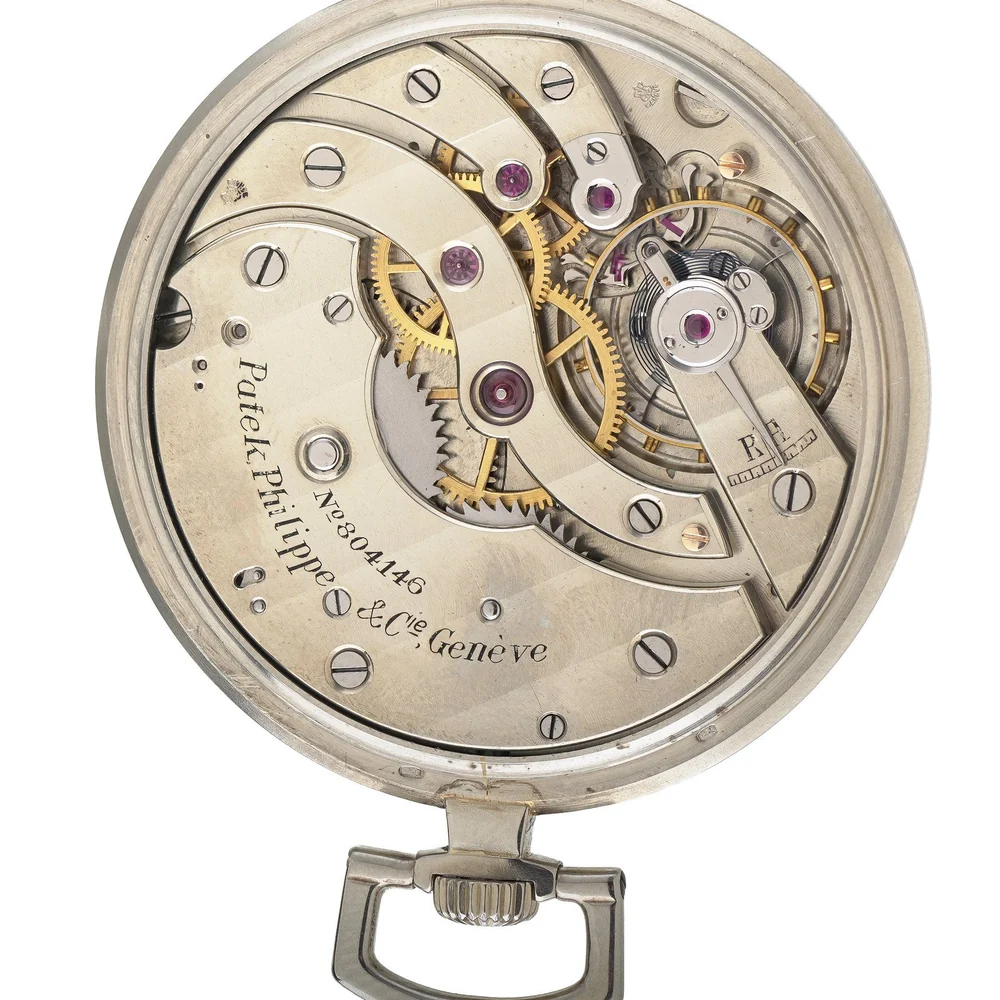
Watches by great makers such as Patek Philippe, Vacheron Constantin and Breguet, and fine English makers such as Dent and Frodsham, are those most asked for, especially with complications. Each watch is still valued on its own merits. Send a clear photograph and we will tell you honestly what we see.
Does a watch need to run to be valued?
No. Many pocket watches have not run for years and are valued on the maker, movement, case and condition. Please do not have it repaired before we see it. We can look at yours from photographs, with no obligation at all.
What is a married pocket watch?
A watch whose case and movement did not start life together. It counts against value. We check that the case, movement and dial belong together. A short message with two or three photographs is all it takes to start. If you have one, send photographs and we will tell you more, free.
Where can I sell a pocket watch?
To a buyer who reads the movement and marks in person. We buy pocket watches directly: a free value inspection from photographs, then an appointment in Mayfair or at our Braintree office, post or free collection. You are paid the same day after inspection.
When was the pocket watch invented?
Spring-driven portable clocks appeared in Italy and Germany in the late 15th century, and Peter Henlein, a locksmith in Nuremberg, was making small clock-watches by about 1510. Watches were worn as pendants until the 1670s, when men began carrying them in waistcoat pockets after Charles II brought the waistcoat into fashion.
When did pocket watches stop needing a key?
Adrien Philippe, later a partner in Patek Philippe, invented the stem-wind and stem-set movement in 1842, and the first keyless watches were shown at the Great Exhibition in London in 1851. Key-wound watches remained common for decades after, so a key-wound watch is often, but not always, older.
What are pocket watches made of?
Cases were made of gold, silver, gold filled or rolled gold, and base metals such as nickel or gunmetal. A hallmark or carat stamp marks solid gold or silver. Inside, the movement is brass, often gilded or nickel plated, with steel parts and jewel bearings of ruby or synthetic ruby to reduce wear.
What is a gold filled pocket watch?
A gold filled case has a thick layer of gold bonded to a base metal core, usually brass. American cases are often stamped Warranted 20 Years or 25 Years, the period the gold layer was expected to last. It looks like gold but is worth much less than a solid gold case, which carries a hallmark or fineness stamp.
What is a verge pocket watch?
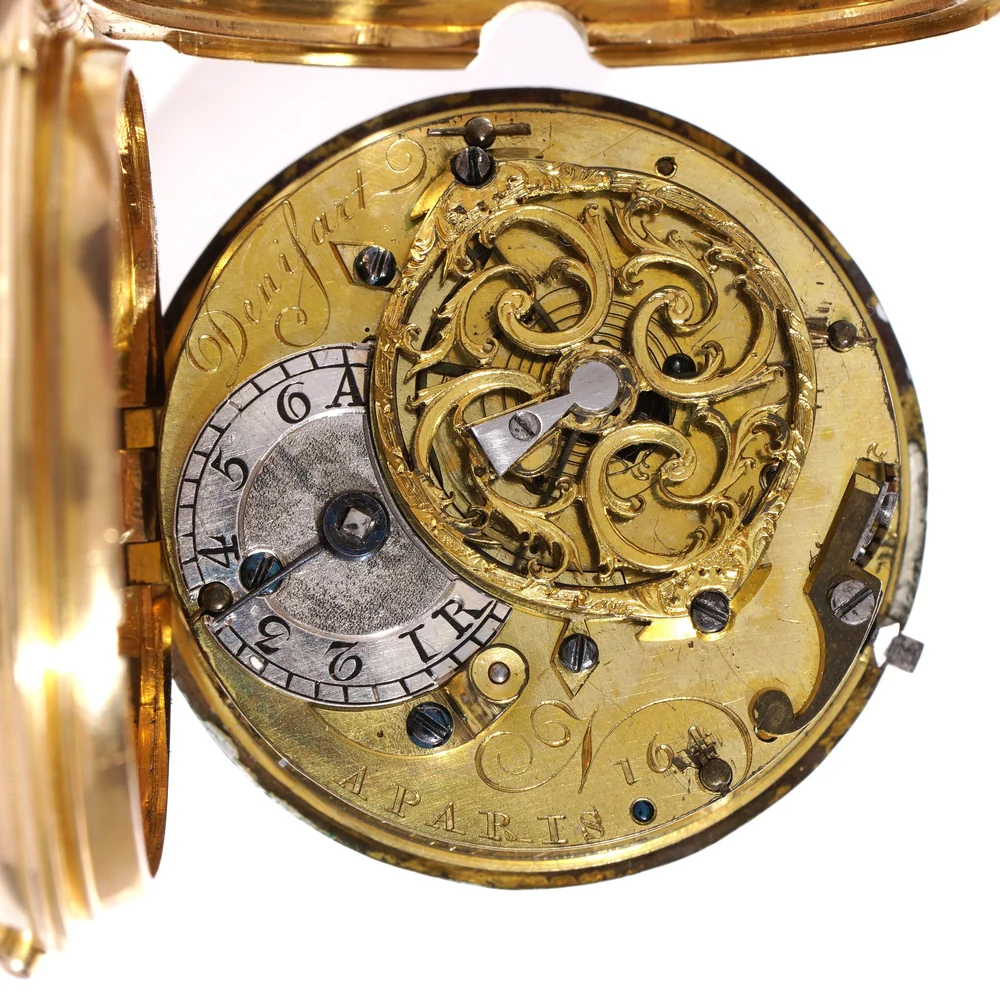
A verge watch uses the verge escapement, the oldest type, in which a crown wheel pushes against two pallets on the balance staff. It was used in pocket watches from the 16th century until the lever escapement replaced it in the 19th century, and English verge watches were often paired with a fusee chain.
Are Hampden pocket watches valuable?
Some are. Hampden made American pocket watches, first in Springfield, Massachusetts, and later in Canton, Ohio, as Dueber-Hampden. High-grade railroad models and gold-cased watches interest collectors most. In 1930 the company's machinery was sold to the Soviet Union and became the First Moscow Watch Factory.
Are Westclox pocket watches worth anything?
Most are worth little. Westclox made inexpensive American pocket watches such as the Pocket Ben and the Scotty in very large numbers, with simple pin-lever movements and base metal cases. Collectors buy unusual dials, character watches and examples in their original boxes, but ordinary ones sell for small sums.
Are silver pocket watches valuable?
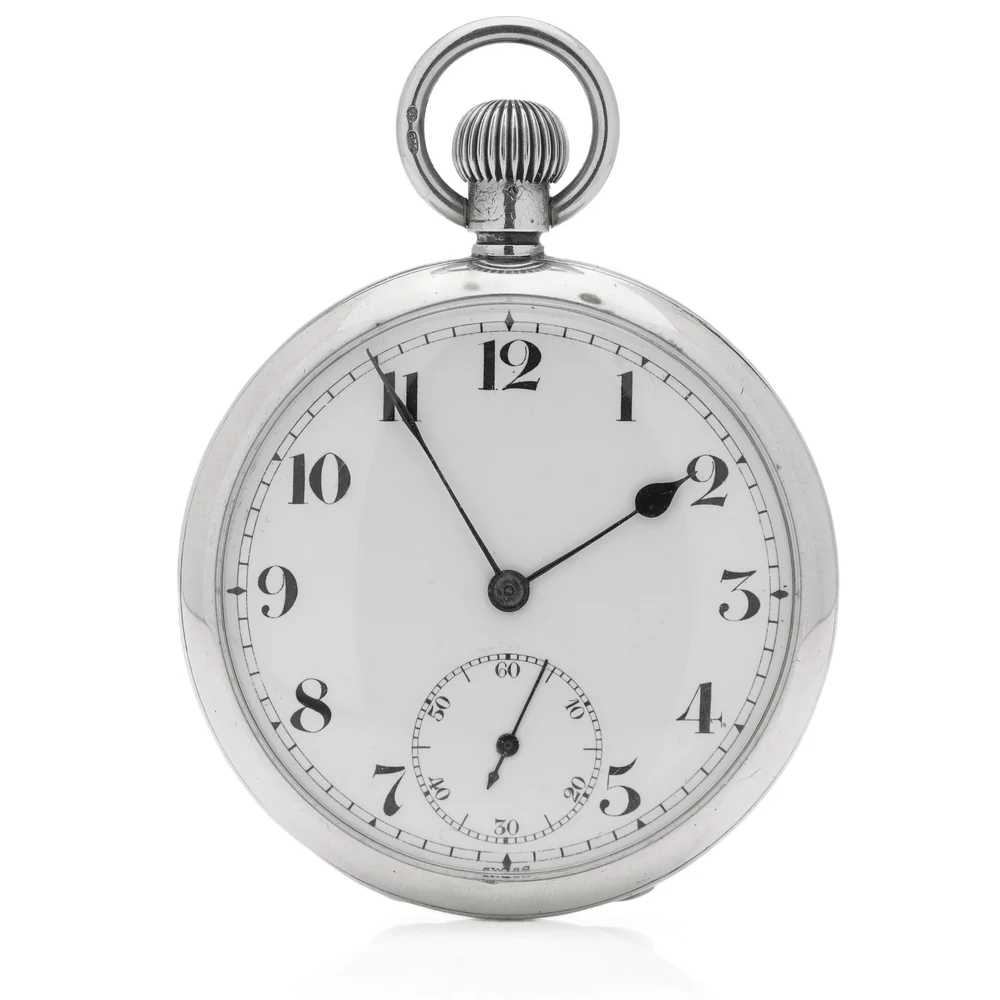
A hallmarked silver pocket watch is worth more than a plated or base metal one, but the movement and maker usually matter more than the silver itself. English silver watches with fine lever movements, Swiss repeaters and chronographs, and watches by known makers are collected. Ordinary silver watches are common.
What is a pocket watch?
A pocket watch is a watch made to be carried in a pocket rather than worn on the wrist, usually on a chain attached to a waistcoat. Pocket watches were the standard men's watch from the late 17th century until wristwatches took over after the First World War. Cases can be open face or hunter, with a protective lid.
How do I find the value of a pocket watch?
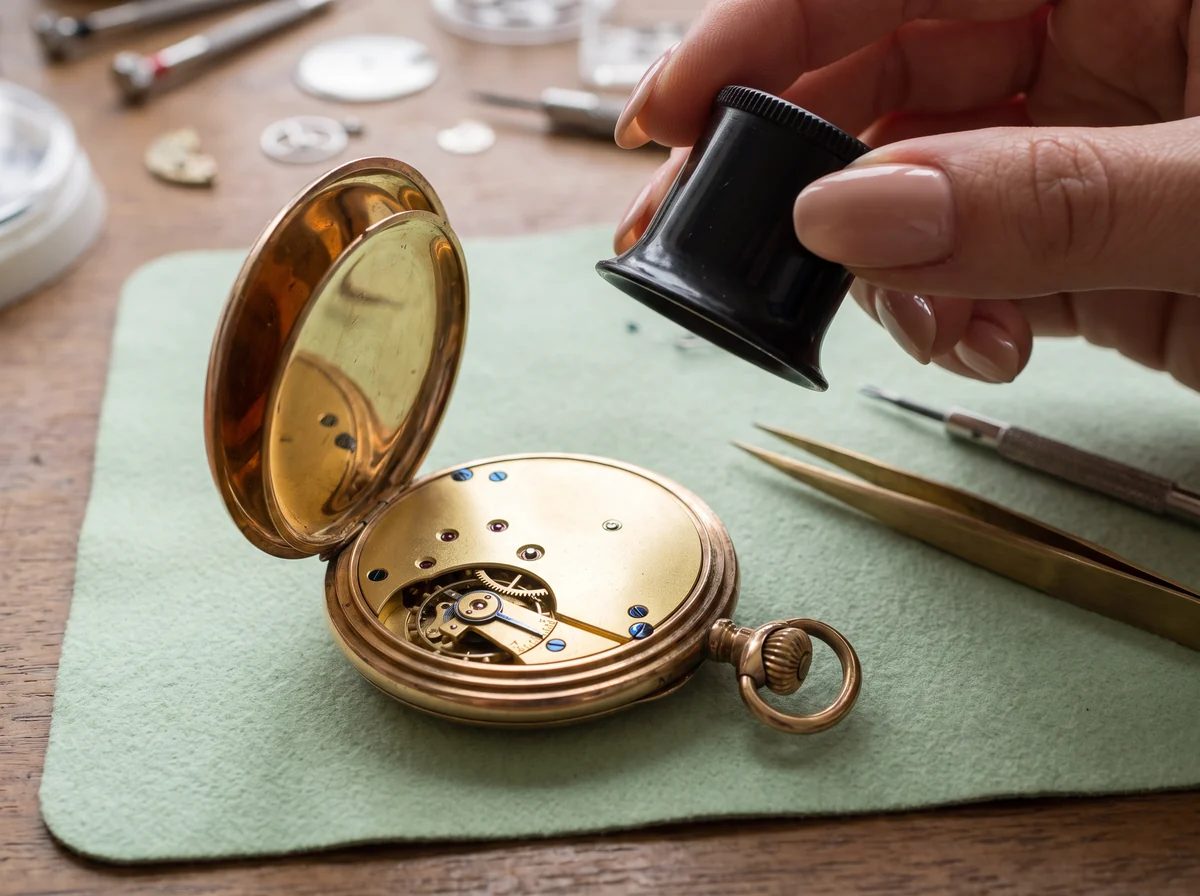
Open the back and record the hallmarks or carat stamp, the maker's name on the movement and its serial number, then note any complication such as a repeater, chronograph or calendar. Check the dial for cracks and whether it runs. Send photographs of all of these for a free valuation from a specialist.
What is the difference between a full hunter and a half hunter?
A full hunter has a solid hinged lid that covers the dial completely. A half hunter has a lid with a small central window, often with the hours on its edge, so the time can be read with the lid closed. An open face watch has no lid. Our case guide explains each style in detail.
What is a vintage fob watch?
A fob watch is a small watch worn hanging from a brooch, chain or ribbon, typically by women or by nurses, rather than carried in a pocket. Victorian and Edwardian ladies' fob watches often have engraved or enamelled gold or silver cases. Our fob and ladies' pendant watch guide covers them in detail.
Can a pocket watch be converted into a wristwatch?
It can be, by fitting the movement into a wristwatch case or adding lugs to the pocket case, and many were converted in the 1920s. A conversion destroys the watch's originality, so collectors value converted watches far below original ones. Keep a valuable pocket watch as it is.
What are Art Deco pocket watches?
Art Deco pocket watches, made from about the 1920s to the 1930s, are slim, often in white gold, platinum or engine-turned cases, with geometric numerals and clean dials. Dress pocket watches by Patek Philippe, Vacheron Constantin, Audemars Piguet and Cartier from this period are especially collected.
Are quartz pocket watches valuable?
Rarely. Quartz pocket watches, made from the 1970s onwards, are mostly mass-produced and have little resale value unless the case is solid gold or silver, which carries a hallmark. Mechanical antique pocket watches from known makers, with signed movements and fine cases, are the ones collectors seek.
Are 24KT gold pocket watches real?
Very rarely. Pure 24KT gold is too soft for a watch case that is opened and handled, so antique gold pocket watches are almost always 9, 14, 15 or 18 carat, hallmarked or stamped accordingly. A watch marked 24K is usually gold plated or gold coloured. Check the hallmark inside the case back.
How do I tell if a pocket watch is sterling silver?
Look inside the case back for a hallmark. British sterling silver cases carry a lion passant, an assay office mark and a date letter; Swiss and Continental cases are often stamped 0.925, 0.935 or 0.800 with a Swiss assay mark. Words such as silveroid or nickel mean the case is base metal.
Are musical pocket watches collectable?
Yes. Musical pocket watches, which play a tune from a small pinned cylinder or disc, were made in Switzerland from the late 18th century and are collected, especially in gold or enamelled cases and in working order. They differ from repeaters, which chime the time on gongs. Have one checked before winding.
Is an engraved pocket watch less valuable?
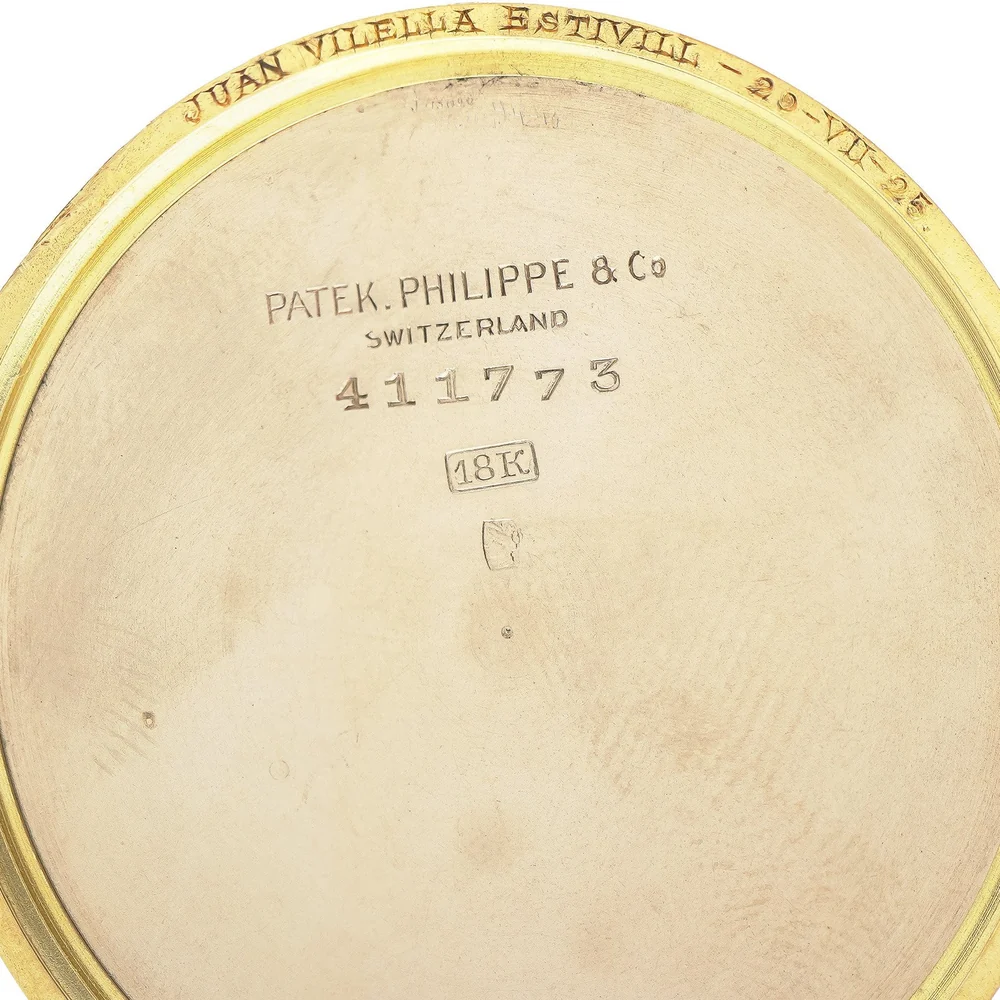
Not necessarily. Presentation engravings from employers, regiments or railways, with names and dates, add history and can interest collectors, especially with provenance. Later personal initials or messages matter less. Never have old engraving polished off, as that removes metal and lowers value more than the engraving does.
Are pocket watches still used?
Yes, though rarely every day. Pocket watches are worn with formal and wedding dress, collected, and carried by people who prefer them to wristwatches. New mechanical and quartz pocket watches are still made, while antique ones remain the main interest for collectors.
Did pocket watches exist in medieval times?
No. The earliest portable spring-driven clocks appeared in the late 15th century, and small watches worn as pendants date from the early 16th century, when Peter Henlein of Nuremberg was making them. Men began carrying watches in pockets from the 1670s.
When did pocket watches become common?
Pocket watches were luxuries until the 19th century. Industrial production, led in America by the Waltham company's interchangeable parts from 1857, made them affordable to working people by the late 1800s, and railways made accurate watches essential. Wristwatches overtook them after the First World War.
Do pocket watches need to be wound?
Antique mechanical pocket watches do, usually once a day: by turning the crown on stem-wind watches, or with a key on older key-wind watches. A full wind typically runs the watch for about a day and a half. Modern quartz pocket watches use a battery instead.
Do pocket watches have alarms?
A few do. Alarm pocket watches, which ring a small bell or gong at a set time, were made from the 17th century onwards and are collected as complications. Most pocket watches have no alarm. Repeaters, which chime the time on demand, are a different complication.
What is a cylinder pocket watch?
A cylinder pocket watch uses the cylinder escapement, invented by Thomas Tompion in 1695 and perfected by George Graham in 1726. It replaced the verge in many watches and was used in large numbers in inexpensive French and Swiss pocket watches from the mid-19th to the 20th century. Lever watches are usually higher grade.
Are 24 carat gold pocket watches real?
Very rarely. Pure 24 carat gold is too soft for a watch case that is opened and handled, so antique gold pocket watches are almost always 9, 14, 15 or 18 carat, hallmarked or stamped accordingly. A watch marked 24K is usually gold plated or gold coloured. Check the hallmark inside the case back.