Part of: Gold hallmarks and stamps decoded
To spot fake gold, start with the marks: a number such as 750 or 585 is only the maker’s claim, while a full UK hallmark is proof from an independent assay office. Then look for plating marks such as GP, GF or HGE, wear that shows a different metal underneath, green or black marks on the skin, and strong pull from a magnet. A professional acid test settles it.
Not sure your gold is real?
Free, no obligation, returned at our cost if you decline.
- Read our Google reviews (opens Google)
- Free, no obligation
- A reply within one working day
- Paid the same day after inspection
What do gold stamps like 750, 585 and 916 mean?
Gold purity is stamped as parts per thousand of pure gold. These are the genuine standards:
- 375
- Carat
- 9 carat
- Pure gold
- 37.5%
- 585
- Carat
- 14 carat
- Pure gold
- 58.5%
- 583
- Carat
- 14 carat (Soviet and older European standard)
- Pure gold
- 58.3%
- 750
- Carat
- 18 carat
- Pure gold
- 75%
- 916
- Carat
- 22 carat
- Pure gold
- 91.6%
- 990 or 999
- Carat
- 24 carat
- Pure gold
- 99% and above
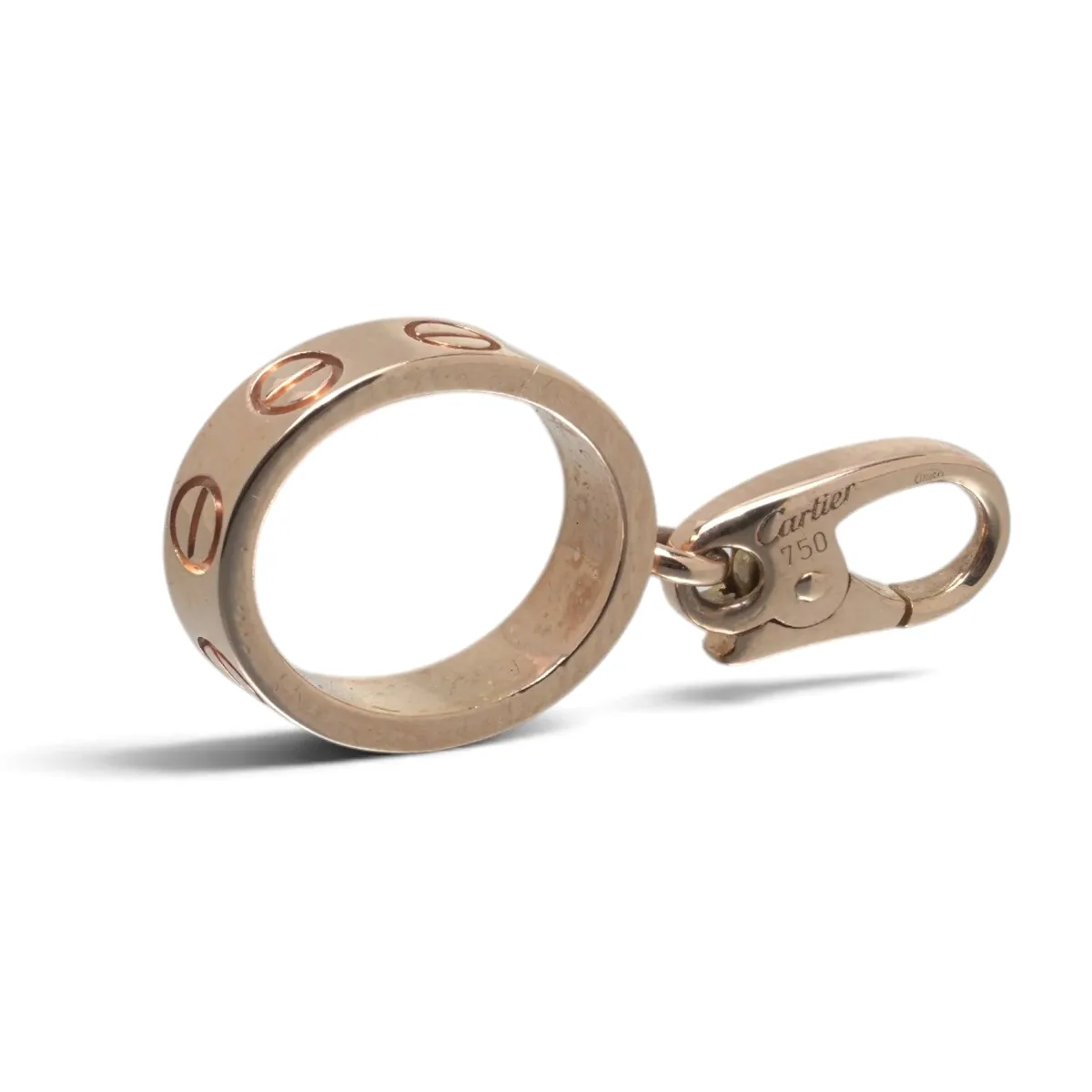
A stamp tells you what the maker claims, nothing more. Anyone can punch "750" or "18K" into plated brass, and fake 750 and 916 stamps are common. Look at the whole piece, not just the number.
Can a hallmark be fake?
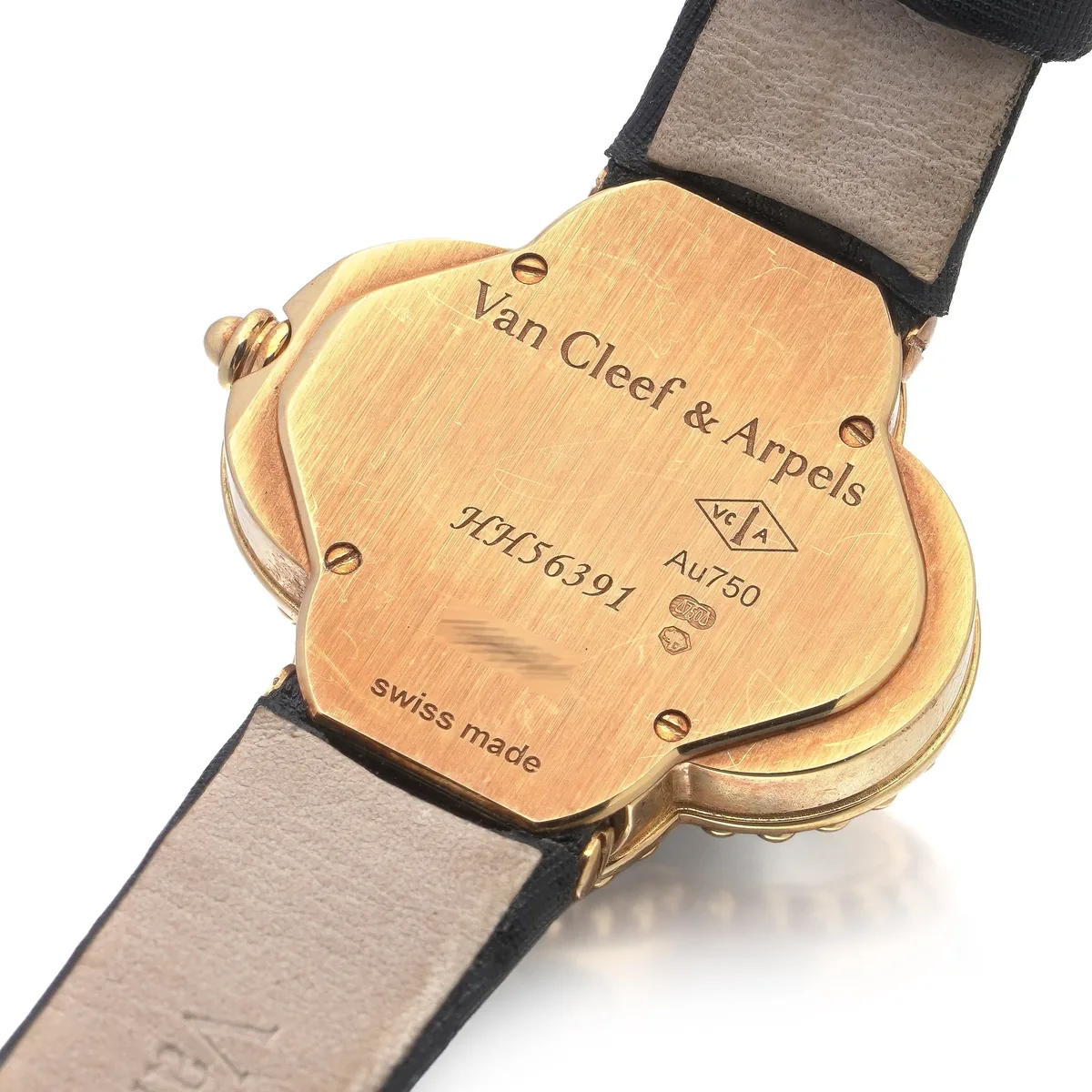
A UK hallmark is struck by an assay office after the metal has been tested, so it is far stronger evidence than a maker’s stamp. A full UK hallmark has a sponsor’s (maker’s) mark, the fineness number, the assay office mark (the leopard’s head for London, the anchor for Birmingham, the rose for Sheffield, the castle for Edinburgh) and, usually, a date letter.
Counterfeit hallmarks do exist. Warning signs: marks that are blurred or shallow, letters of uneven size, an assay office mark that does not match its shape, or a "hallmark" on a piece made of a metal that should not carry it. If in doubt, an assay office or a dealer can check it.
Marks that mean plated, not solid
These marks are honest, but they mean the gold is only a surface layer:
- GP or GEP: gold plated or gold electroplated.
- HGE or HGP: heavy gold electroplate.
- GF or a fraction such as 1/20 12K GF: gold filled, a thick bonded layer over base metal.
- RGP: rolled gold plate.
- 18K GE or 18K HGE: an 18 carat colour plated onto base metal, not solid 18 carat.
Signs of fake gold you can see
- Wear. A different colour, often silver-grey or coppery, showing at edges, clasps and the back of rings.
- Skin marks. Green or black marks on the skin after wearing.
- Flaking or bubbling of the surface.
- The colour. A brassy, overly bright yellow that does not match the stamped carat.
- The clasp. A solid gold chain with a base-metal clasp, or the other way round, is a warning.
Home checks and their limits
- The magnet test. Gold is not magnetic. Strong pull means iron or steel inside. No pull does not prove gold, because many base metals are not magnetic either.
- Look under a loupe at the marks: genuine marks are crisp and deep.
- Avoid scratch and acid tests at home. They damage the piece and are easy to misread.
The tests a professional uses
0 of 3 checked
1Acid testing on a touchstone
A small streak of the metal on a black stone is tested with acids of known strength.
2Assay office analysis
An assay office can analyse the exact metal content and hallmark the piece.
3Specific gravity
Comparing the piece in air and in water shows whether it is gold right through.
Not sure your gold is real? Send clear photographs of the piece and its marks for a free, honest check.
Free, no obligation, returned at our cost if you decline.
What makes gold jewellery valuable?
For genuine gold, the carat and the marks come first, then the maker or designer, the age and style, any gemstones, the condition and any box or papers. We never publish figures; every piece is different.
Free, no obligation, and returned at our cost if you decline.
Read our Google reviews (opens Google)
- Carat and marks
- Maker
- Age and style
- Gemstones
- Condition
- Box and papers
How selling works
- 1
Send photographs
of the piece and close-ups of every mark.
- 2
Free value inspection
We reply within one working day with an estimate, subject to inspection. If our offer differs, you can decline and we return it at our cost.
- 3
Paid the same day after inspection
by bank transfer or in cash, in Mayfair, at our Braintree office, by post or by free collection.
Questions people ask
Can a 750 gold stamp be fake?
Yes. 750 is a maker’s stamp, and fake 750 stamps on plated base metal are common. A full UK hallmark from an assay office, or a professional acid test, confirms the gold.
Is 583 gold fake?
No. 583 is a genuine 14 carat standard, used in the Soviet Union and in older European gold. It means 58.3% pure gold.
What does 18K GE mean?
Gold electroplate: an 18 carat colour plated onto base metal. The piece is not solid 18 carat gold.
Does a magnet tell you if gold is real?
Only in one direction. Gold is not magnetic, so strong pull means a base metal inside. No pull does not prove gold.
How can I tell if my gold ring is real?
Check the inside for a hallmark or stamp, look for wear showing a different metal, and watch for green marks on the skin. A jeweller can confirm it with an acid test.
What does a UK hallmark look like?
A row of small marks: the maker’s mark, the fineness number, the assay office mark and usually a date letter.
Related guides
Want your gold checked?
Send a few photographs and we will tell you what it is and what it is worth, free.
Free, no obligation, returned at our cost if you decline.