
Inherited Jewellery: What It's Worth & What To Do
Inheriting jewellery brings questions at a difficult time — what is it, what is it worth, and what should you do with it? This calm, practical UK guide takes you through every step, without pressure.
Inherited jewellery carries memory as well as value, and there is no rush to decide anything. This guide is here to help you understand what you have and your options — to keep, re-wear, remodel or sell — calmly and on your own terms.
First steps: what to do (and not do)
Before anything else, a few gentle rules protect both the value and the meaning of what you have inherited:
- Do not clean or polish antique pieces. Patina is part of their value, and aggressive cleaning can do real harm — leave it to a specialist.
- Do not alter or break anything up until you know what it is. An intact antique or signed piece is often worth far more than its parts.
- Document everything. Photograph each piece, note any boxes, papers or family history, and keep them together.
- Store it safely and take your time. There is no deadline on a thoughtful decision.
How to identify what you have
You can learn a surprising amount yourself before seeing a specialist. Look for hallmarks — the small stamped marks that, in the UK, can tell you the metal, the assay office and often the exact year. Look for maker's marks or signatures (a designer name changes everything). Note the style and era, and the kinds of stones. Our hallmark guides walk you through the marks step by step: identifying silver hallmarks, gold hallmarks explained, and more broadly how to tell if jewellery is worth money.
Sentimental vs sellable: your four options
Keep
Some pieces are simply to be kept and treasured. If it means something and you would wear or hold it, that is reason enough.
Re-wear
An old-fashioned piece can be brought back to life with a clean, a service and a new way of wearing it — a brooch as a pendant, say.
Remodel
Stones and gold from a piece you would not wear can be reset into something you will — keeping the meaning, changing the form.
Sell
If a piece holds no sentiment, selling it sensibly can fund something meaningful, or be shared among family.
These are not all-or-nothing. Many families keep one or two pieces, remodel another, and sell the rest — and that is a perfectly good outcome. The right answer is whatever sits well with you.

How Mozeris Helps — Without Pressure
We handle inherited collections sensitively, at your pace, with honesty about what each piece is:
- Honest identification — We tell you what you have — era, maker, stones and condition — even on pieces we would not buy.
- Clear valuations — We explain what each piece is worth and which kind of valuation you actually need.
- No pressure to sell — Keep, remodel or sell — the choice is entirely yours, and there is never any push.
- Discretion — Sensitive, private appointments in Mayfair or Essex, in your own time.
If you only want to know what something is, that is fine too — we are happy to help.
Getting the right kind of valuation
This is the part that confuses most people: there is no single "value". The figure depends entirely on its purpose:
Probate value
The open-market value at the date of death, for the estate and HMRC. Usually the lowest of the three.
Insurance value
The retail replacement cost — what it would cost to buy new today. The highest figure, for cover, not selling.
Sale value
What a buyer will actually pay now. The figure that matters if you decide to sell.
Make sure any valuation states which of these it is. For probate in particular, our overview of how experts calculate value may help, and you can always ask us which valuation you need.
Selling sensitively and fairly
If you do decide to sell, do it through someone who treats both you and the jewellery with respect — who identifies pieces honestly, values antique and designer items as more than scrap, and never rushes you. Avoid quick cash-for-gold operations for anything that might be antique, signed or set with good stones; they price the metal and miss the rest. The pieces below are the kind of inherited antique jewellery we handle every week:


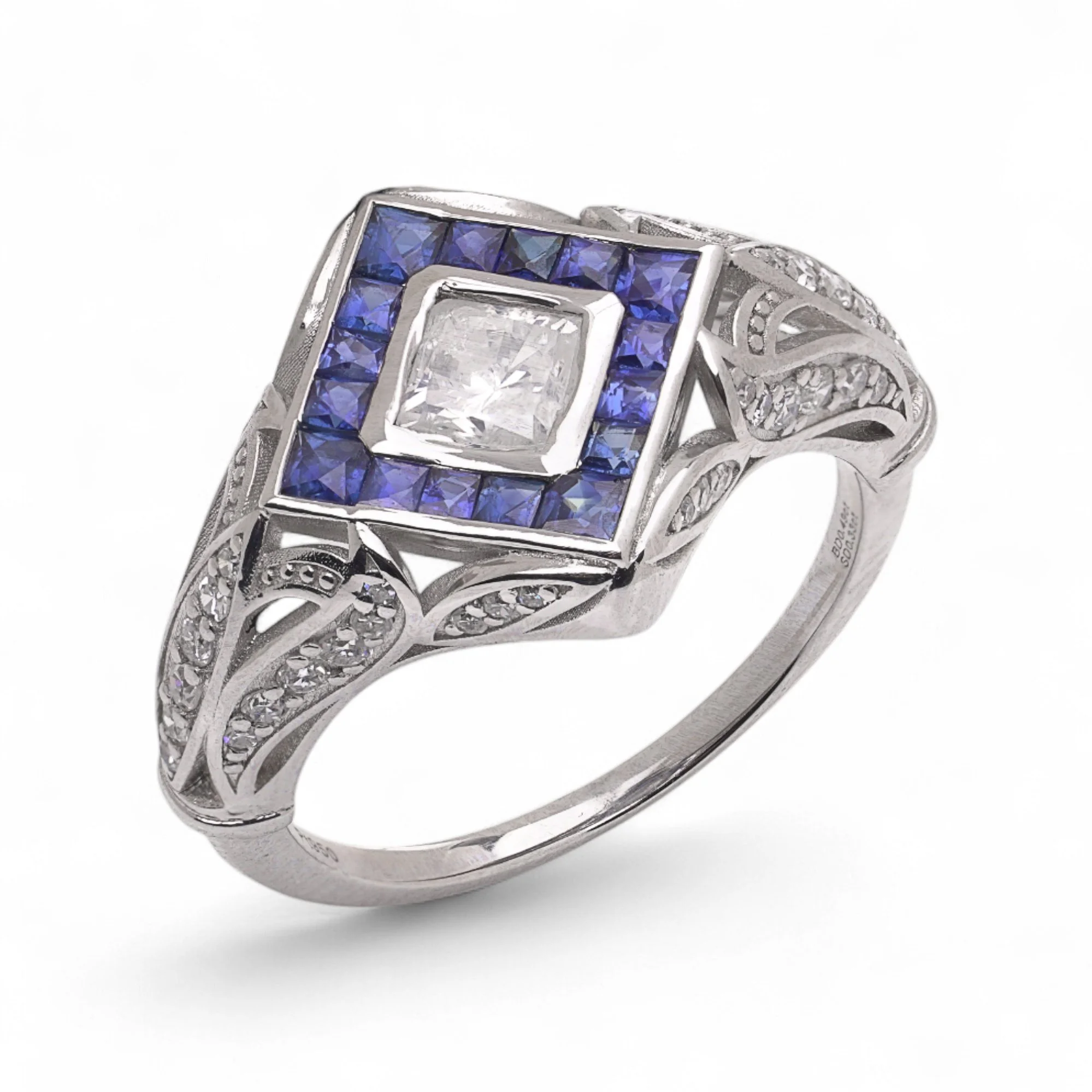
Whatever you decide, you are welcome to start simply by finding out what you have — explore our Victorian and Edwardian collections to see comparable pieces, or send us photographs for a calm, no-obligation opinion.
Explore Further
Frequently Asked Questions
What to do with inherited jewellery in the UK.
What should I do first with inherited jewellery?
Do not clean, alter or break anything up, and do not rush. Photograph and document each piece, keep any boxes and papers together, store it safely, and get an honest identification before making any decisions.
How do I find out what inherited jewellery is worth?
Start by looking for hallmarks and maker's marks, which reveal the metal, age and any designer. Then get a specialist valuation — and be clear whether you need a probate, insurance or sale value, as the figures differ significantly.
What is the difference between probate, insurance and sale value?
Probate value is the open-market value at the date of death for the estate; insurance value is the retail cost to replace the item new (the highest figure); sale value is what a buyer will actually pay now. Always check which a valuation states.
Should I keep, remodel or sell inherited jewellery?
It is entirely personal. Keep pieces that hold meaning, re-wear or remodel those you would enjoy in a new form, and sell only what holds no sentiment. Many families do a mix — and there is no wrong choice.
How do I sell inherited jewellery without being taken advantage of?
Use a specialist who identifies pieces honestly, values antique and designer items as more than scrap, and never pressures you. Avoid cash-for-gold services for anything potentially antique, signed or finely set, as they price only the metal.