UK Hallmark Authority · Three Castles in a Row
The Newcastle Assay Office: Complete Guide
The Newcastle Assay Office marked silver for north-east England until it closed in 1884. Its town mark is three separate castles, not Edinburgh's single three-towered castle. A full Newcastle hallmark shows the maker's mark, the three castles, the lion passant, a date letter and a duty mark.
Reviewed by Faustas Svencionis, Mozeris Fine Antiques, since 2015 · Updated October 2026
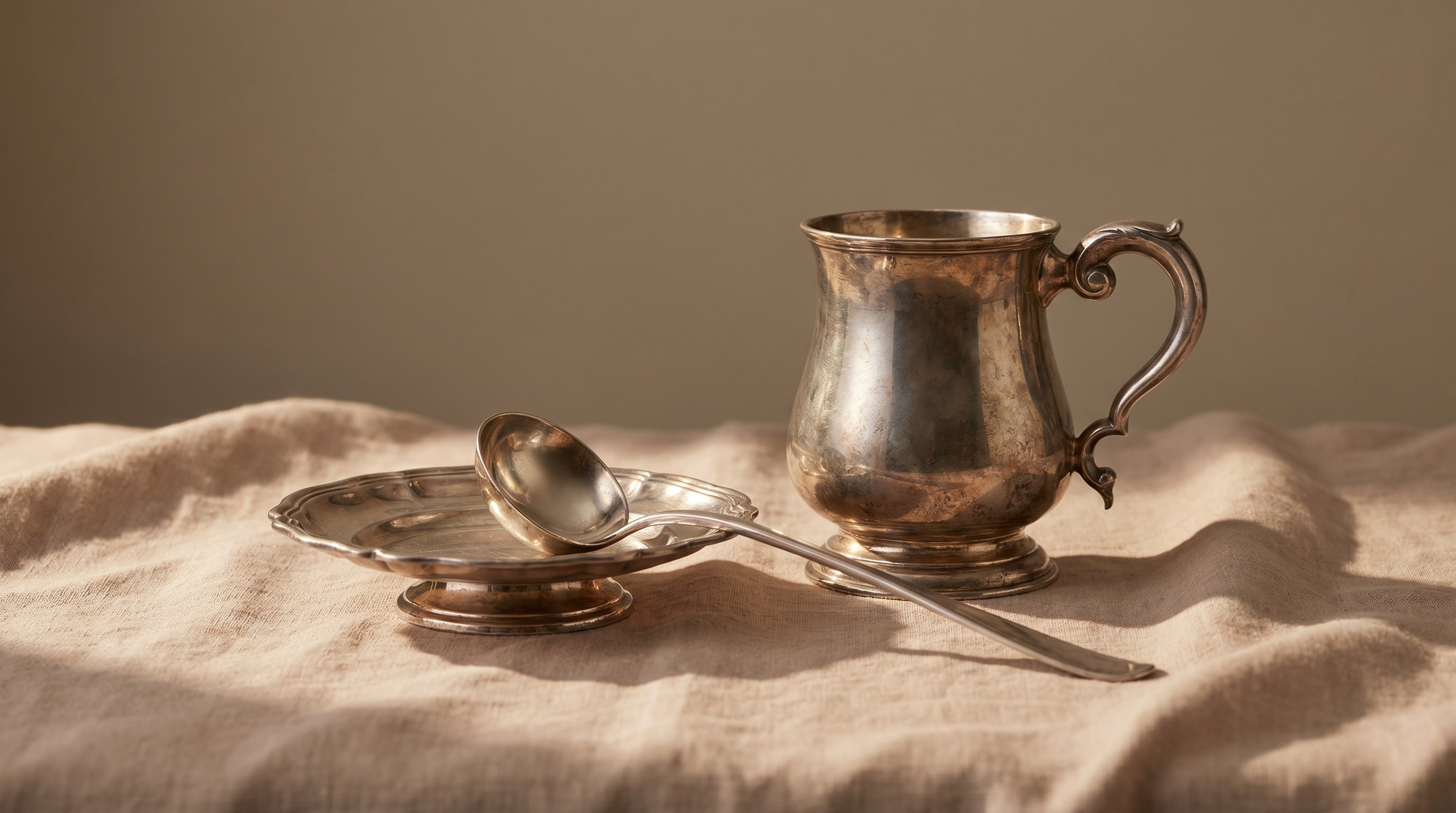
A specialist's guide to the Newcastle Assay Office: the three separate castles town mark, its 1884 closure, key date letters, notable Newcastle and north-east England silversmiths and why collectors seek Newcastle silver today.
Got Newcastle-Marked Silver? We'll Identify and Value It Free
Newcastle silver is a closed set; nothing new since 1884. A collector's item in its own right. Send photos and we'll identify the date, maker and value with no obligation.
The Newcastle Assay Office served the north-east of England for over two centuries, providing a local hallmarking authority for silversmiths from Tyneside, Wearside, County Durham and Northumberland. Its closure in 1884 followed decades of declining volume as the major industrial centres of Birmingham and Sheffield dominated British silversmithing. Newcastle's town mark (three separate castles in a row, taken from the city's arms) is one of the most immediately recognisable in British hallmarking. Newcastle silver is now actively collected, and the three-castles mark is a guarantee that the piece dates before 1884.
A Brief History
The Newcastle Assay Office served north-east England until its closure in 1884.
Newcastle goldsmiths operated under a formal guild charter from at least 1423. The Goldsmiths' Company of Newcastle received its constituting ordinances in that year and exercised hallmarking authority over silver made and sold in the north-east. Date letters were adopted from around 1658: later than London but earlier than Birmingham and Sheffield.
Newcastle's silver trade was dominated by a small number of prolific family partnerships, the Mitchison, Ramsey, Beilby, Robertson and Langlands dynasties collectively account for much of the surviving Newcastle silver. The trade peaked in the late Georgian period (1780s to 1820s) before Birmingham's cheaper production undercut provincial makers. By the 1870s the Newcastle assay office was effectively dormant. It closed formally in 1884.
How to Read a Full Newcastle Hallmark
Read a Newcastle hallmark as the maker's mark, the three castles, the lion passant, the date letter and, from 1784, the duty mark.
| Mark | What it tells you |
|---|---|
| Maker's mark | The silversmith's registered initials. |
| Three castles | Three separate castles in a row: Newcastle (not Edinburgh's one castle). |
| Lion passant | Sterling (.925). |
| Date letter | The year of assay, from around 1658. |
| Duty mark | A sovereign's head, 1784 to 1884. |
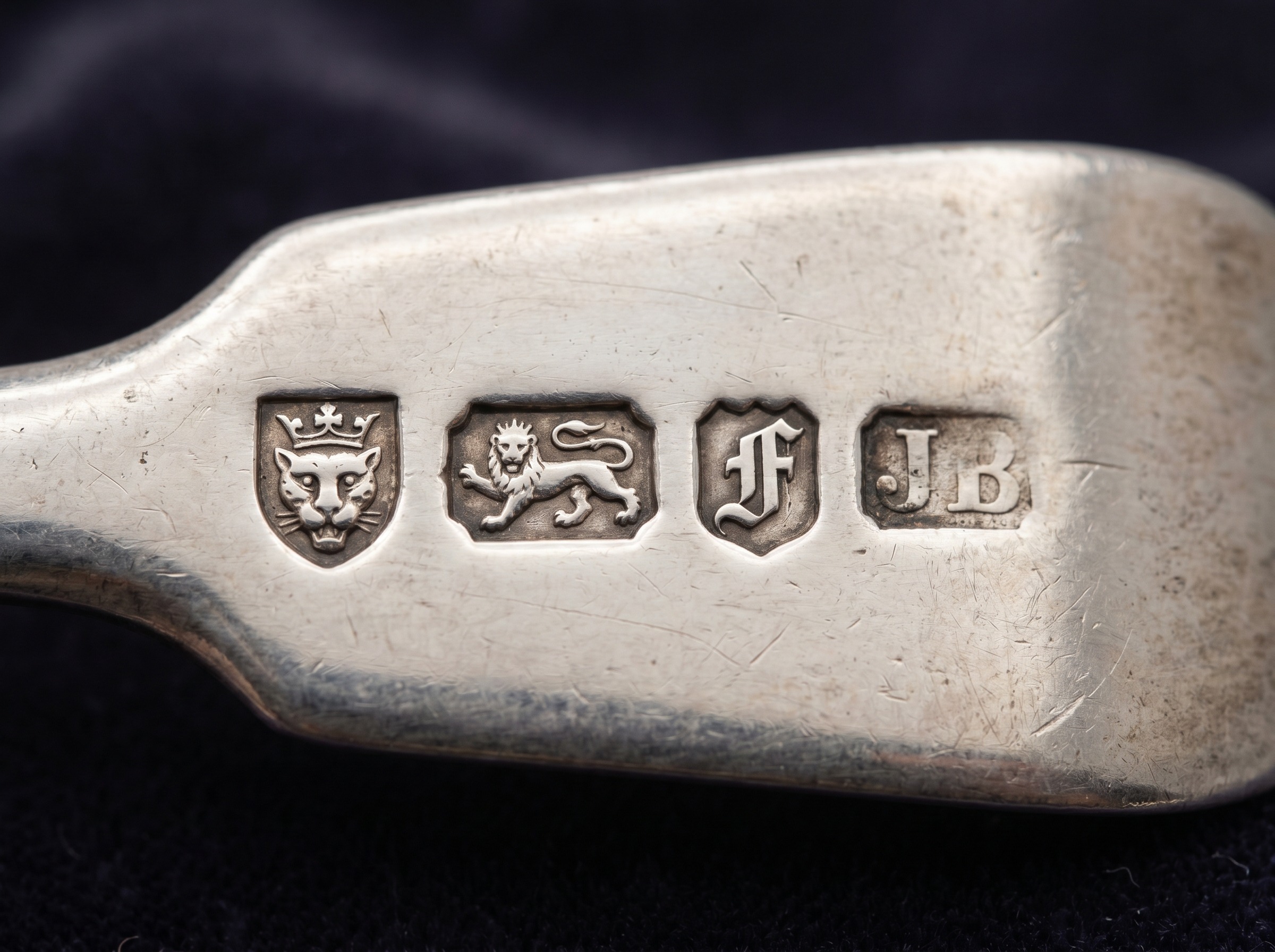
The Newcastle sequence follows the standard English format, with one distinctive quirk in the town mark. From left to right:
- Maker's mark: the silversmith's registered initials.
- Town mark: three separate castles in a horizontal row, each in its own small punch or in a single horizontal shield. This is the key distinguishing feature: three distinct towers, not one multi-towered castle (Edinburgh).
- Standard mark: a lion passant (sterling .925).
- Date letter: a single letter in a shaped shield, used from around 1658.
- Duty mark (1784 to 1884): a sovereign's head, present on all pieces from 1784 to closure.
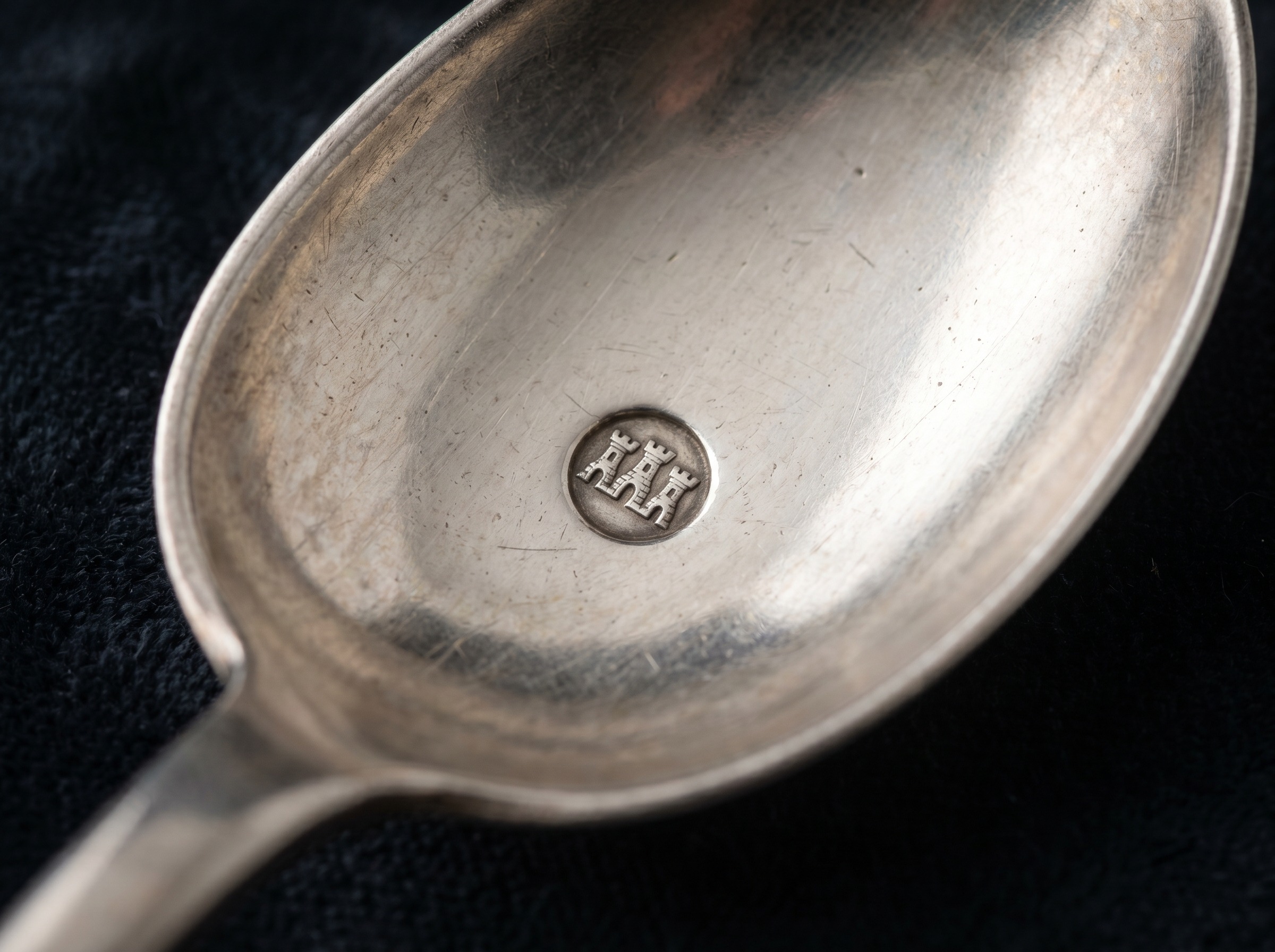
"Three separate towers in a row: Newcastle. One three-towered castle: Edinburgh. Never confuse them."
Three Castles vs Edinburgh's Castle: The Critical Difference
Three separate castles in a row mean Newcastle; one three-towered castle means Edinburgh.
This is the most common identification error with Newcastle silver. Both Newcastle and Edinburgh use castle imagery, but they are entirely different:
- Newcastle: three separate castle/tower punches in a row (three individual towers, horizontal).
- Edinburgh: one three-towered castle in a single shield (a single building with three turrets, vertical).
On worn pieces the distinction can blur, but the key is whether you see a single building or three separate structures. The Newcastle castles tend to be simple tower shapes; Edinburgh's castle is more architecturally detailed.
Date Letters
Newcastle date letters run from around 1658 to the closure in 1884.
Newcastle began using date letters from approximately 1658, running through standard cyclical sequences. The cycles are less perfectly documented than London's, and some early Newcastle pieces carry incomplete mark sequences. From 1720 the system is consistent. The final cycle ran 1864 to 1883, using letters A through T before the closure in 1884. A piece with one of the final few date letters (R, S or T) represents some of the last Newcastle silver ever assayed.
Collector Premium
Because Newcastle closed in 1884 and made less silver than London or Birmingham, collectors seek Newcastle-marked pieces.
Newcastle silver is keenly collected for the same compound reasons as York and Chester: closed set plus limited original volume. Newcastle was more productive than York but less so than Birmingham or London. In practice, fine Georgian Newcastle silver, particularly by the recognised family partnerships, is the most sought after, especially mugs, tankards and flatware with strong north-east provenance. Ecclesiastical Newcastle silver is particularly prized.
Notable Newcastle Silversmiths
- John Langlands: the pre-eminent Newcastle maker of the later 18th century. His partnership pieces are the most collected Newcastle silver.
- John Langlands & John Robertson: long-running partnership, prolific output, high-quality Georgian domestic silver.
- John Robertson (solo): continuing the tradition after the partnership dissolved.
- Kirkup family: important early Newcastle dynasty spanning the 17th and 18th centuries.
- Robert Makepeace & Richard Carter: 18th century partnership.
- Beilby family: primarily known as engravers on glass, but associated with Newcastle silver trade.
- David Crawford, Francis Batty, Isaac Cookson: recognised 18th century Newcastle makers.
What Newcastle Silver Looks Like
Newcastle assayed the full domestic range through the 18th and early 19th centuries:
- Mugs and tankards: Newcastle is particularly associated with baluster mugs and tankards; the north-east drinking culture generated strong demand.
- Flatware: Newcastle fiddle and Old English pattern flatware is regularly found; often made in smaller services than London equivalents.
- Tea and coffee silver: teapots, cream jugs, sugar bowls and small tea services form the bulk of Newcastle domestic silver.
- Salvers and waiters: circular and shaped salvers in the Georgian style.
- Ecclesiastical plate: communion sets for north-east churches, sometimes with good documented provenance.
Pitfalls
The common Newcastle pitfall is confusing the three castles with the Edinburgh castle.
- Edinburgh confusion: as above, always check whether you see one castle or three separate towers.
- Incomplete early marks: Newcastle pieces before c.1720 may carry fewer than the full four marks. This does not indicate a problem with the piece; it reflects the standards of the period.
- Added marks and duty forgery: occasionally encountered on north-east provincial work. The depth and sequence of the marks, combined with the metalwork style, are the best checks.
- Confusing Newcastle with Chester: both use castle imagery but Chester uses wheatsheaves and a sword, not individual castle towers. Once you know both marks, confusion is unlikely.
What We Look For When Newcastle-Marked Silver Arrives
When Newcastle-marked silver arrives we check that the town mark shows three separate castles, then read the date letter and duty mark.
Then we look at the maker, including the Langlands and Robertson families, and at condition.
Got Newcastle-Hallmarked Silver to Sell?
Active buyer of Newcastle-assayed silver: Georgian mugs and tankards, flatware, tea silver, ecclesiastical plate and all pieces by Langlands, Robertson, Kirkup and other Newcastle makers. By appointment in Mayfair or by free FedEx collection. Same-day payment.
- Send photosUse the form on this page, or email them to us.
- A specialist reviews itMaker, marks, age and condition.
- Free estimate by emailWithin one working day.
- You decidePaid once agreed. No obligation.
Four ways to sell: Mayfair (by appointment), Braintree (by appointment), Royal Mail Special Delivery, free FedEx collection.
Free valuation
Request a free valuation
Send us a few photos of your Newcastle silver. A specialist looks at every request personally and replies by email with an estimate within one working day. There is no obligation to sell.
What to photograph
- The whole piece. The whole piece, from the front and the side.
- The underside. The base or reverse, where the marks usually are.
- The hallmarks, close up. Every mark in the group, in focus, including the maker's mark.
Prefer email? Send photos to info@mozerisfineantiques.com or call 01376 334 482.
Ways to sell
- Mayfair (by appointment)
- Braintree (by appointment)
- Royal Mail Special Delivery
- Free FedEx collection
We buy directly, with payment once you accept our offer, and we can also sell for you by consignment or in our own auctions.
Related Reading
Frequently Asked Questions
What is the Newcastle Assay Office hallmark?
How do I tell Newcastle from Edinburgh?
When did the Newcastle Assay Office close?
Who were the main Newcastle silversmiths?
What premium does Newcastle silver carry?
Will you tell me what my Newcastle silver is worth?
Selling Newcastle-Hallmarked Silver?
Active buyer. Mayfair showroom by appointment or free FedEx collection. Same-day payment.
Strictly by appointment only: no walk-ins at either location.
Items we buy
Antique Silver We Specialise In
Click any category for our specialist buying guide, then send photos for a free valuation. We also have a full Sell Your Silver overview.