Antique Silver Guides · Mozeris Fine Antiques
Antique Silver Match Strikers
An antique silver match striker is a small footed silver pot with a ribbed band to strike a match against, a piece of late-Victorian smoking silver. Most are Birmingham or Chester marked; figural and novelty strikers shaped as animals, boots or barrels are the ones collectors look for.
Updated October 2026
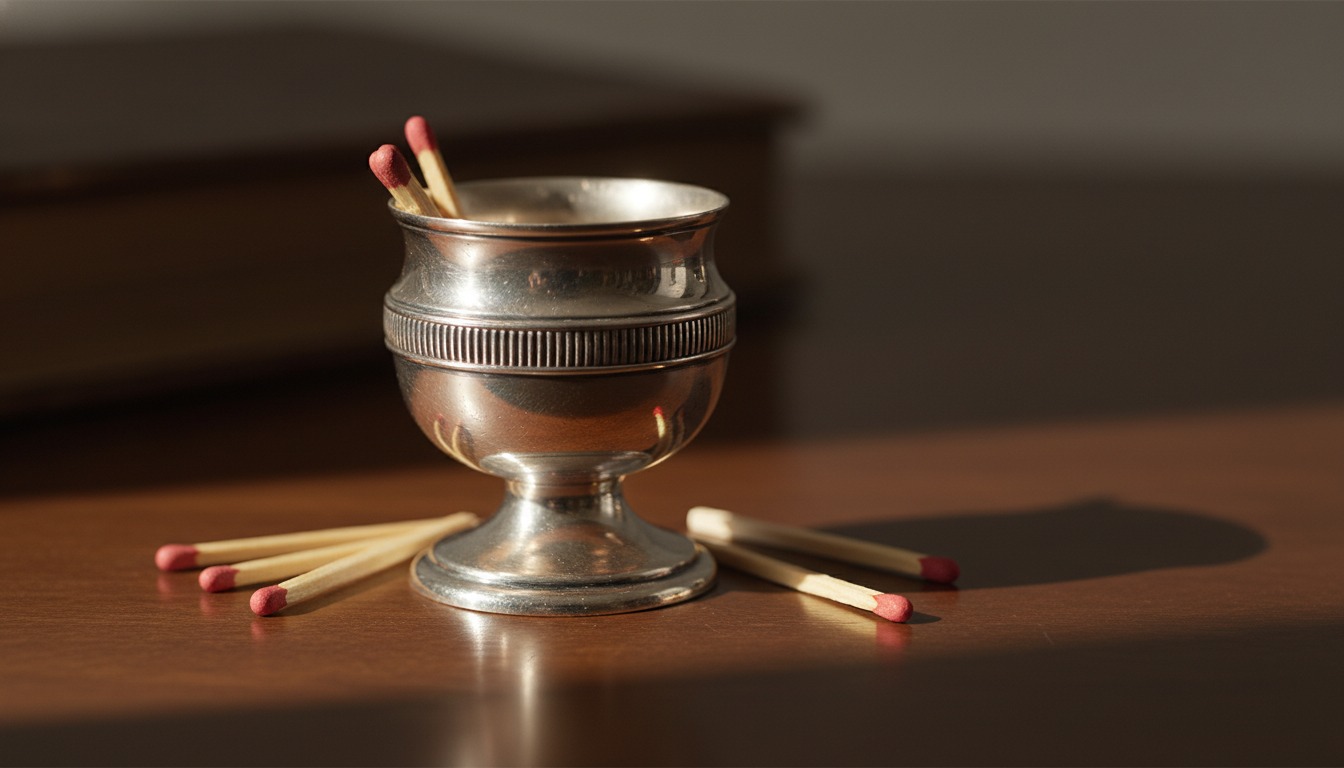
The table match striker, a small footed silver pot with a ribbed band to strike a match against, is a charming and often novelty piece of late-Victorian smoking silver. A guide to identifying, dating, valuing and selling antique silver match strikers and vesta holders in the UK.
What Is Your Silver Match Striker Worth?
Send a photo, including the marks on the base, and we'll value it free, with no obligation. We reply within one working day.
Where the pocket vesta case held matches on the move, the table match striker held them at home: a little silver pot, often raised on feet, with a ribbed or knurled band around it to strike a match alight. Many are charming novelties, and good named-maker or figural examples are a lively, collectable corner of smoking silver.
Silver match strikers: what they are
A silver match striker is a little silver pot, often on feet, with a ribbed or knurled band for striking matches at home.
A match striker (or table striker) is a small silver vessel holding matches, with a ribbed, knurled or roughened striking surface on the body or base to ignite them. Forms range from plain footed pots to novelties shaped as animals, barrels or boots. Closely related is the combined vesta holder / striker for the table. Most are late-Victorian to Edwardian, Birmingham or Chester marked. (For the pocket version, see our vesta cases guide.) Browse our silver collection.
"Novelty is everything here: a figural silver striker (a pig, a boot, a barrel) by a good maker far outvalues a plain pot."
What collectors look for
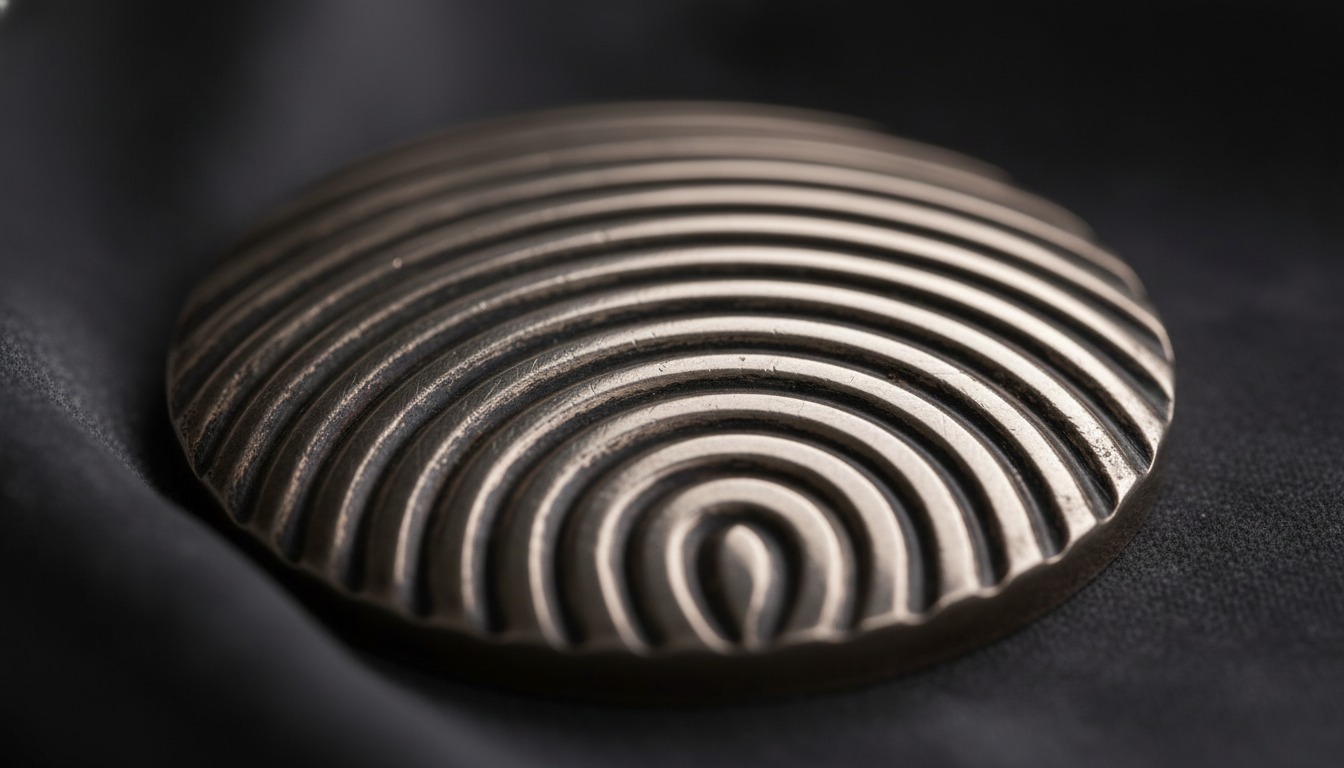
Collectors of match strikers look for novelty and figural forms first, then a named maker and an intact striking band.
- Novelty formsAnimals, boots, barrels and figural strikers are keenly collected.
- Named makersNoted Birmingham and Chester makers, or quality retailers, add value.
- ConditionIntact ribbed striking band, no splits or heavy denting, clear hallmarks.
- Weight & qualityHeavier, well-cast pieces over thin, light spun examples.
What are antique silver match strikers worth?
Every piece is valued individually. These are the things we look at:
What drives value
- NoveltyFigural and animal forms (a pig, a boot, a barrel), against plain pots.
- MakerNoted Birmingham and Chester makers.
- ConditionAn intact striking band, with no splits or heavy dents.
- Weight and qualityWell-cast, heavier pieces, against thin spun ones. Many are loaded.
- Sterling or platePlated (EPNS) strikers have decorative value only.
Every piece is different. Send us a few photos and we will tell you what your match striker is worth, free and with no obligation. Get a free valuation
What Determines Value
The value of a silver match striker is decided by novelty, the maker, condition, weight and whether it is sterling or plate.
The factors we assess on a silver match striker:
- Novelty: Figural and animal forms over plain pots.
- Maker: Noted Birmingham/Chester makers add value.
- Condition: Intact striking band, no splits or heavy dents.
- Weight & quality: Well-cast, heavier pieces over thin spun.
- Marks: Clear, complete hallmarks on the base.
- Loading: Many are weighted; affects scrap, not collector value.
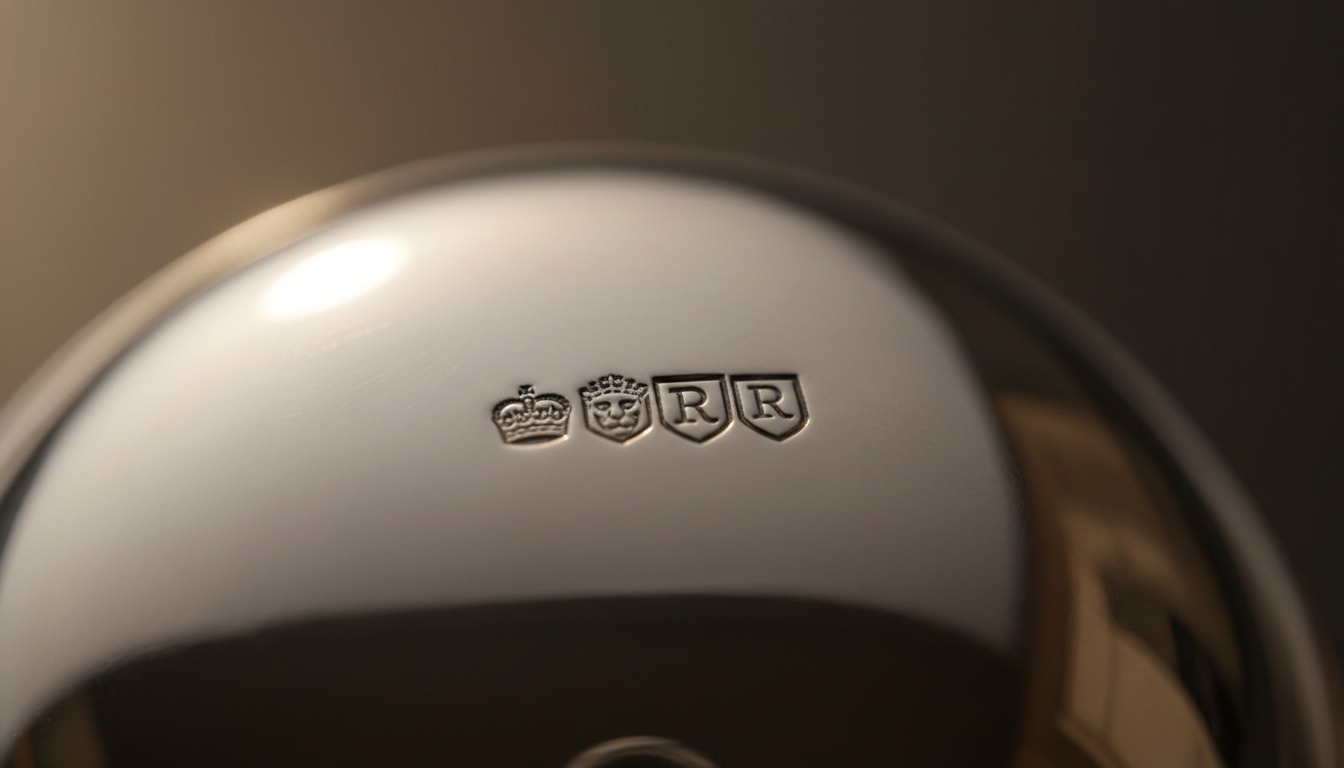
Marks are on the base. Look for the lion passant for sterling. Plate is marked EPNS.
What We Look For When a Match Striker Arrives
When a match striker arrives we turn it over and read the marks on the base, and check whether the base is loaded, since many strikers are thin silver over a filled base.
Then we check the striking band, look for splits and heavy dents, and note the form: figural and novelty strikers are valued very differently from plain pots.
How selling works
- Send photosUse the form on this page, or email them to us.
- A specialist reviews itMaker, marks, age and condition.
- Free estimate by emailWithin one working day.
- You decidePaid once agreed. No obligation.
Free valuation
Request a free valuation
Send us a few photos of your match striker. A specialist looks at every request personally and replies by email with an estimate within one working day. There is no obligation to sell.
What to photograph
- The whole piece. The striker from the side, showing the striking band.
- The underside. The base, including any loading.
- The hallmarks, close up. On the base.
Prefer email? Send photos to [email protected] or call 01376 334 482.
Ways to sell
- Mayfair (by appointment)
- Braintree (by appointment)
- Royal Mail Special Delivery
- Free FedEx collection
We buy directly, with payment once you accept our offer, and we can also sell for you by consignment or in our own auctions.
How to identify and date your match striker
Turn the striker over and look on the base for the lion passant, the town mark, the date letter and the maker's mark.
| Mark | What it tells you |
|---|---|
| Maker's mark | The initials of the maker or firm, in a shield. |
| Lion passant | The English mark for sterling silver. |
| Town mark | The assay office: leopard's head for London, anchor for Birmingham. |
| Date letter | The year of assay. The letter style and shield change with each cycle. |
Turn it over and look on the base for the lion passant (sterling), town mark, date letter and maker's mark; most are marked at the Birmingham Assay Office (the anchor) or the Chester Assay Office. Note many strikers are weighted/loaded (thin silver over a filled base) so they're light on scrap silver; plated examples stamped EPNS are worth far less.
See our EPNS vs sterling silver guide. The date letter dates it. Use our how to read silver hallmarks guide. Form and maker drive value far more than weight.
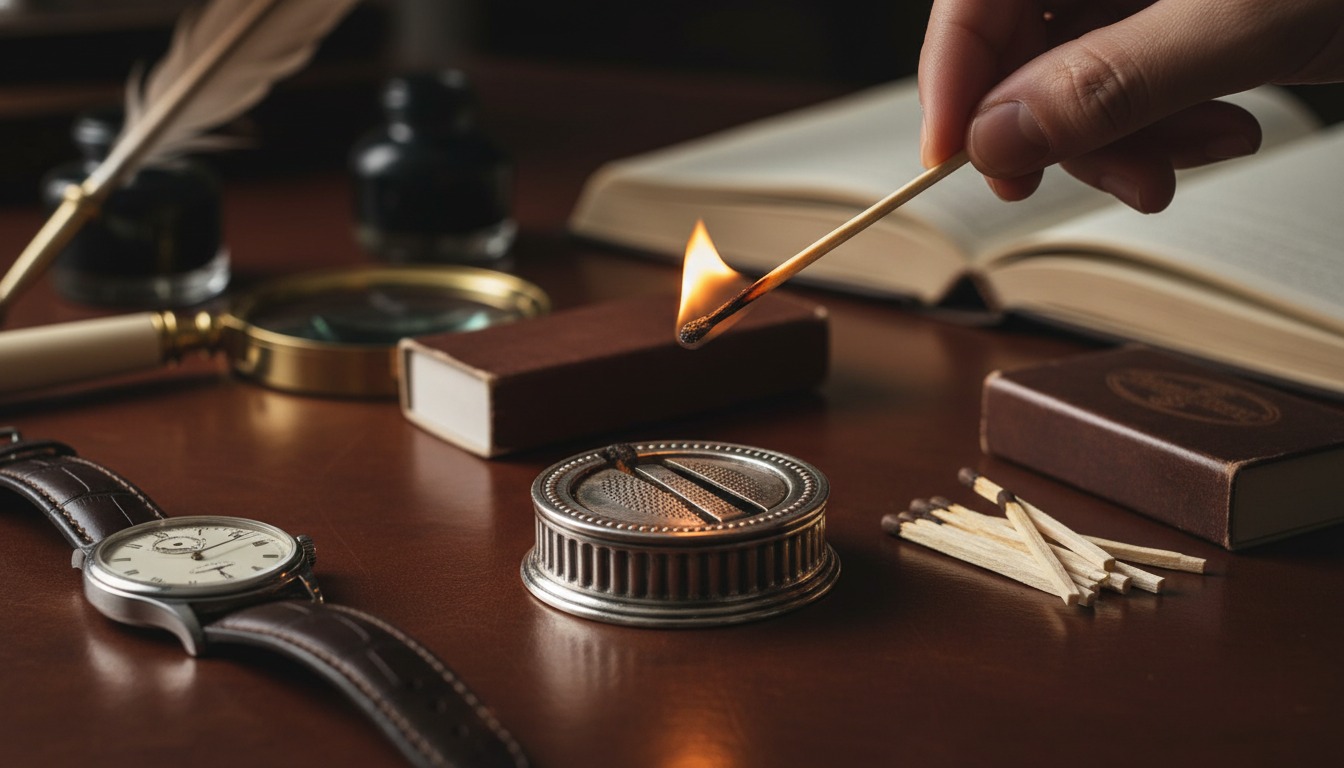
Match strikers sit with the smoking and small silver. See our guides to vesta cases, cigar cases and browse our silver for sale. When you're ready to sell, visit sell your silver.
Sterling or plate?
Sterling silver
- Lion passant: the English sterling mark
- A town mark, a date letter and a maker's mark
- Valued as antique silver: maker, date, form and condition
Silver plate (EPNS)
- Stamped EPNS or A1, with no lion passant or date letter.
- The marks often imitate hallmarks, so check each one
- Worth far less: decorative value only
Value Your Match Striker
Send photographs of the striker and the marks on the base, and we'll give you an honest, no-obligation valuation.
Strictly by appointment only: no walk-ins at either office.
Frequently Asked Questions
Antique silver match strikers: common questions.
What is a silver match striker?
How much is an antique silver match striker worth?
What is the difference between a match striker and a vesta case?
Why is mine so light?
How do I tell sterling from plate?
Where can I sell an antique silver match striker in the UK?
Send Us Your Photographs
Attach photos of the match striker and the marks on the base. We'll respond within one working day.
Sell Your Antique Silver Match Striker
We buy antique sterling silver match strikers and table vesta holders (plain, novelty and figural by named makers) valued as antique silver, not as scrap. Free valuation, no obligation.
Thinking of selling? Find out how to sell your silver with a free valuation from photographs.