Antique Silver Snuff Boxes
Pocket-sized treasures of the Georgian and Victorian age — finely engine-turned, gilt-lined and often by celebrated makers. A guide to identifying, dating and valuing antique silver snuff boxes.
Not Sure What Your Snuff Box Is Worth?
Send a photo — including the marks inside the lid — and we'll value it free, with no obligation. We reply within one working day.
In the 18th and 19th centuries, taking snuff was a social ritual, and the box that held it was a small statement of taste. Made to be admired and handed round, antique silver snuff boxes survive in great variety — and the finest, by named makers and in crisp condition, are eagerly collected today.
What to look for
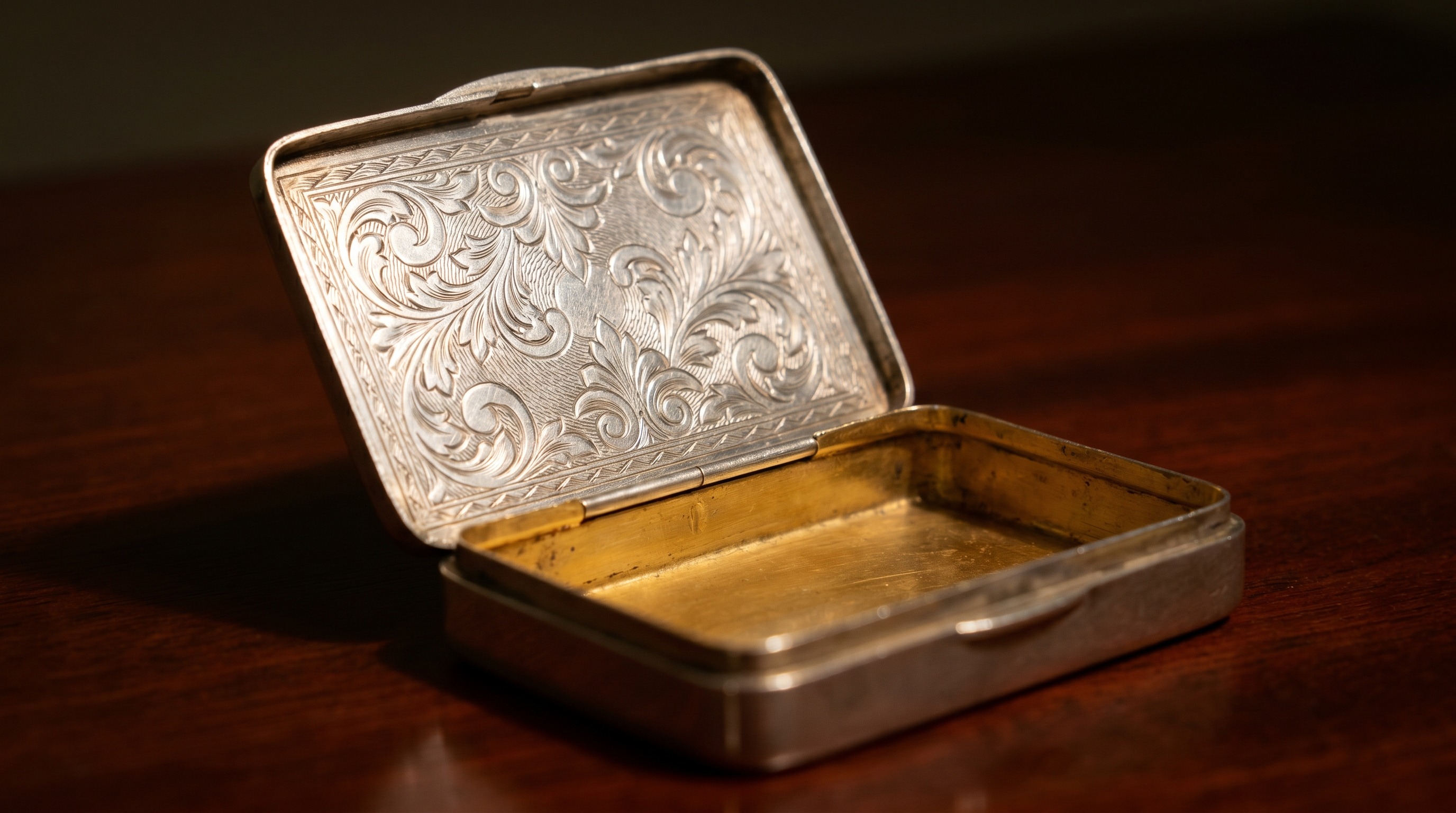
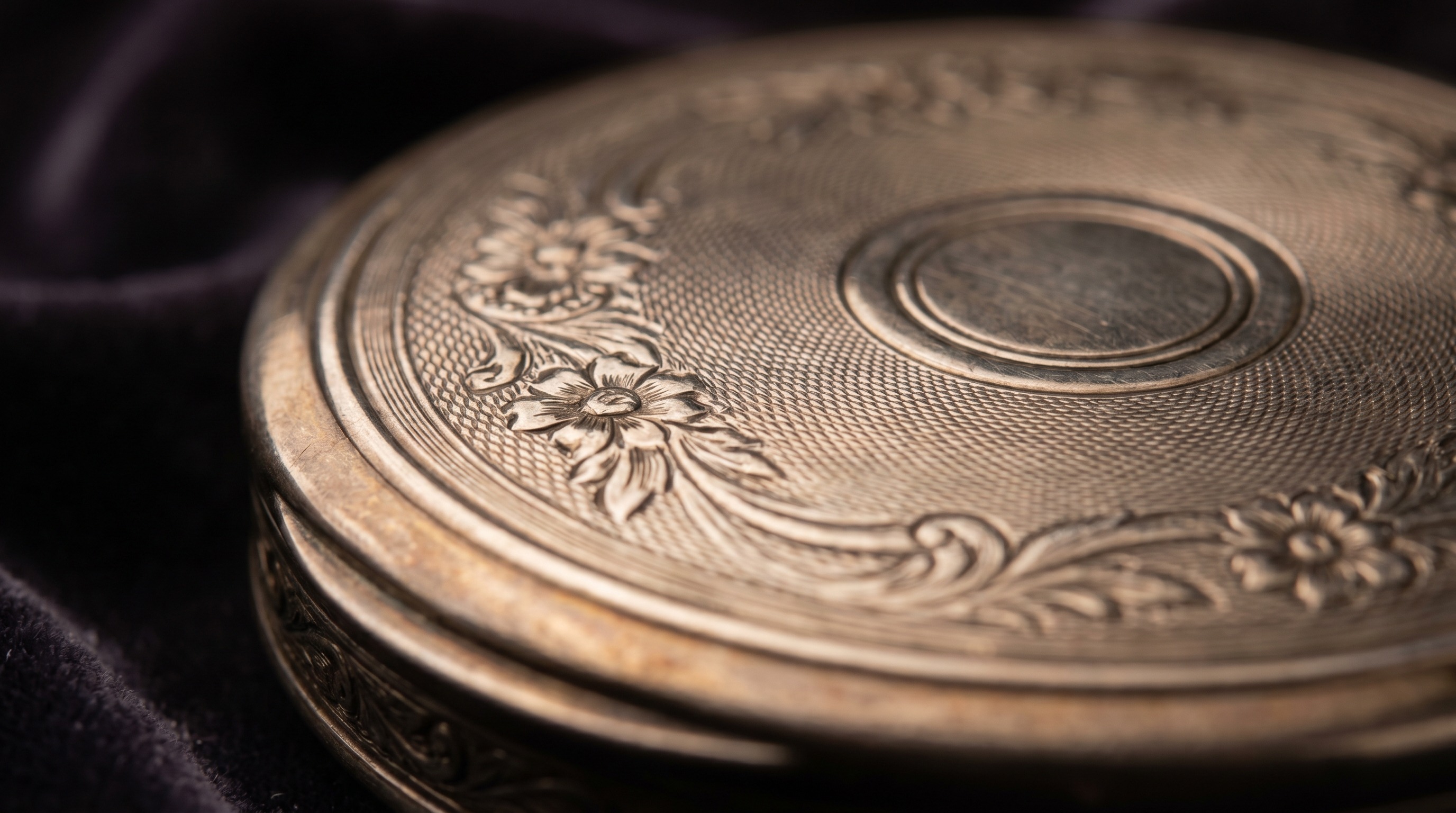
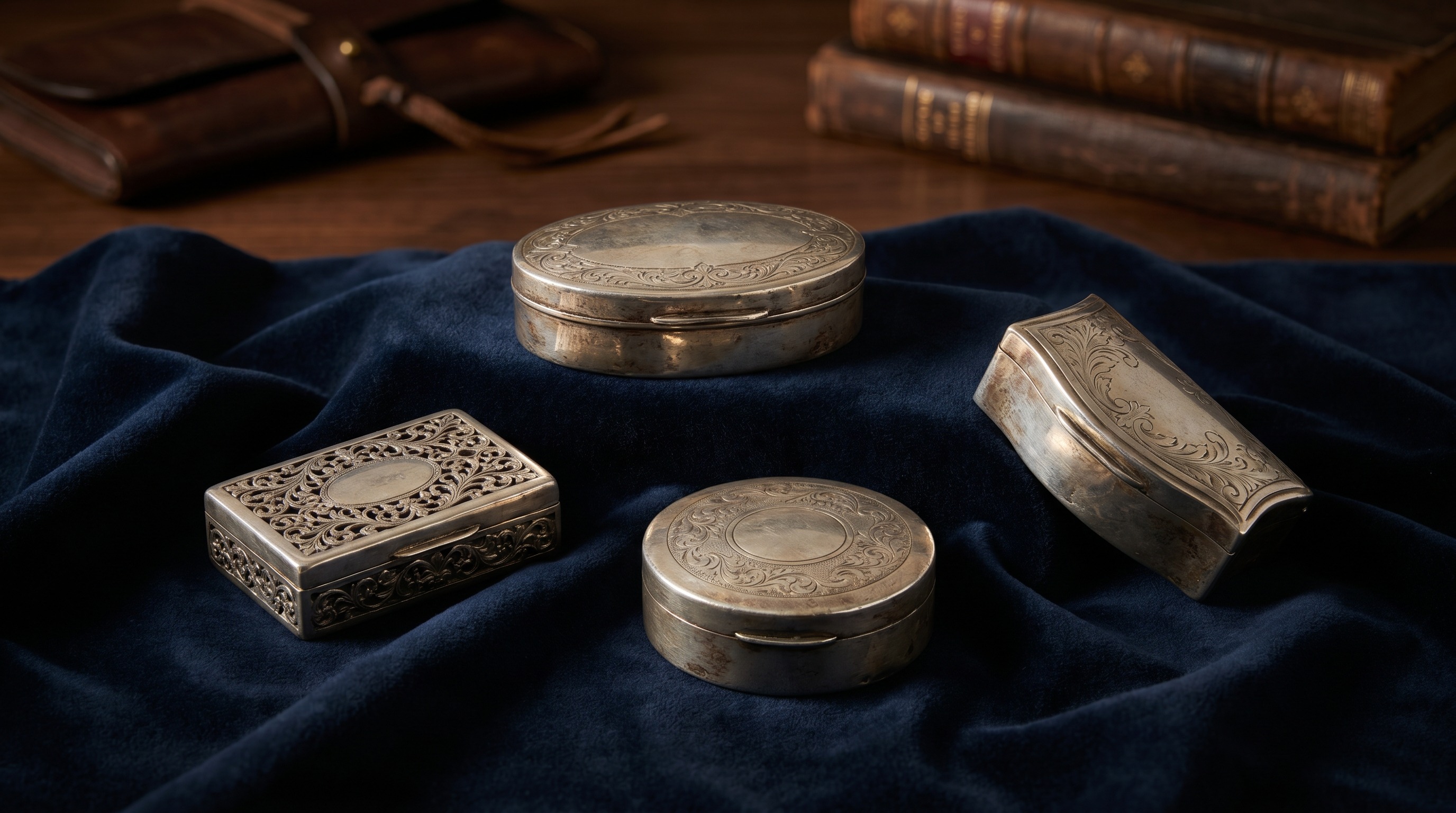
A silver snuff box is a small hinged box, usually with a gilded interior (the gilt protected the silver from the snuff). Lids are often engine-turned (machine-engraved with fine repeating patterns), engraved with crests, or cast with scenes. Two prized types stand out: the "castle-top" box (with a relief view of a building or landmark) and the table snuff box (larger, for passing round). Birmingham makers such as Nathaniel Mills are especially sought after.
Types collectors look for
Castle-top boxes
Relief scenes of landmarks (abbeys, castles). The most desirable and valuable, especially by Nathaniel Mills.
Engine-turned boxes
Crisp machine-engraved patterns, often with a cartouche for a crest. Classic Georgian/Victorian form.
Table snuff boxes
Larger boxes meant to be passed round; good weight and presence add value.
Novelty & cast
Figural, shell or scene-cast lids. Quality of casting and condition drive value.
What Determines Value
The factors we assess on a silver snuff box:
- Maker — Nathaniel Mills and other named Birmingham/London makers command strong premiums.
- Type — Castle-top and fine cast boxes over plain engine-turned.
- Date — Georgian and early Victorian most collected; the hallmark dates it.
- Condition — Crisp engraving, tight hinge, no dents, splits or worn-through gilding.
- Gilt interior — Original, intact gilding is expected and adds appeal.
- Quality & weight — Heavier-gauge, finely worked silver.
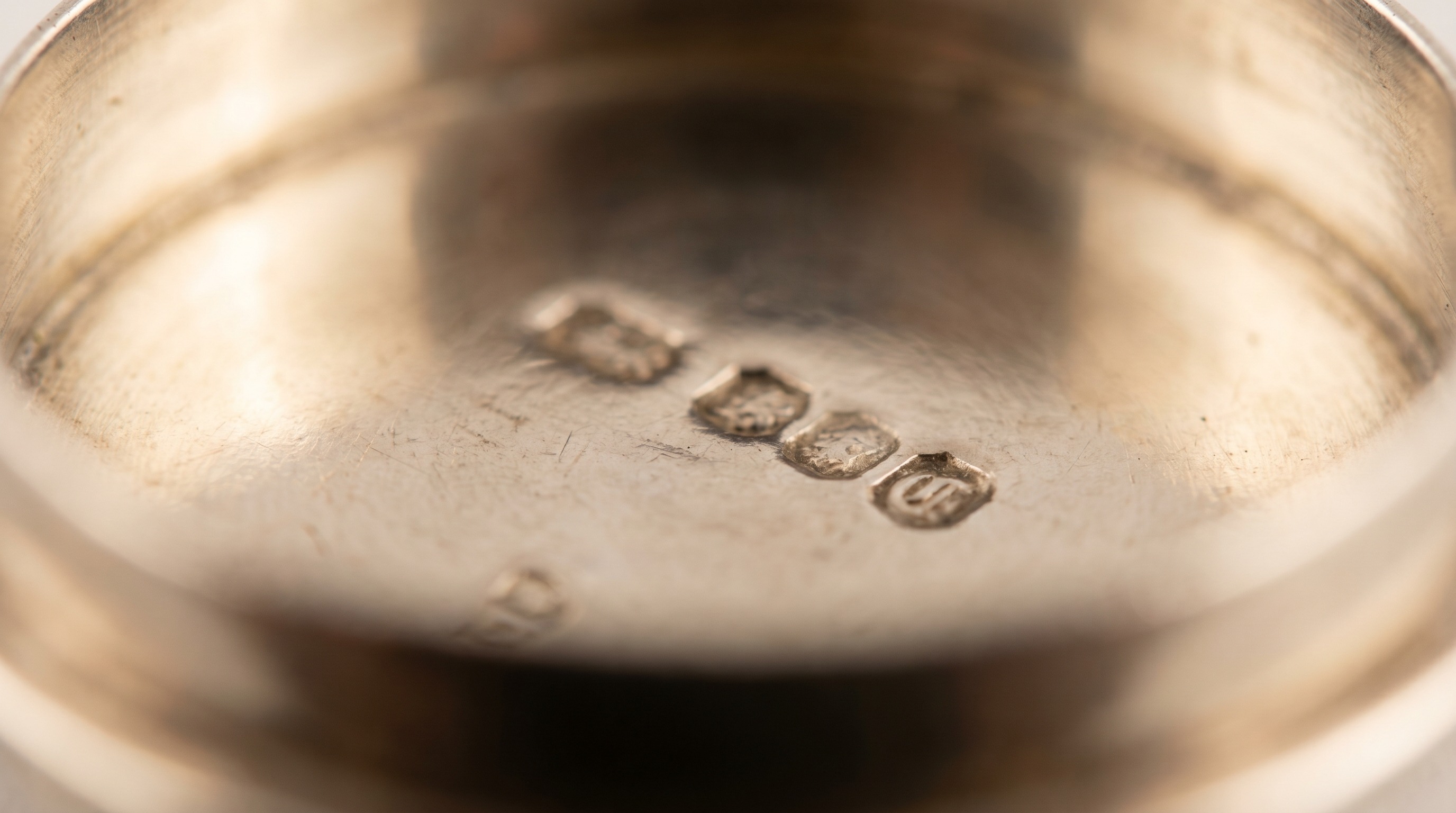
Marks are usually inside the lid and base — find the lion passant for sterling.
Sterling, maker and "castle-top"
Confirm sterling first — the lion passant inside the box; EPNS means plate. Then the maker's mark matters more here than with most silver: a Nathaniel Mills castle-top can be worth many times a plain box of the same weight. The engine-turning relates to engine turning, and our silver hallmark guide helps you read the marks.
Related small silver: our vinaigrettes and card cases guides, and your vesta cases page. Sell via sell your silver.
Value Your Snuff Box
Send photographs of the box and the marks inside, and we'll give you an honest, no-obligation valuation.
⚠️ Strictly by appointment only — no walk-ins at either showroom.
Frequently Asked Questions
Antique silver snuff boxes — common questions.
Are antique silver snuff boxes valuable?
The best are. Castle-top boxes and pieces by named makers like Nathaniel Mills, in crisp condition, command strong prices well above their silver weight. Plain or damaged boxes are more modest but still saleable.
What is a "castle-top" snuff box?
One with a high-relief engraved or cast scene of a building or landmark (an abbey, castle or cathedral) on the lid. These are the most sought-after and valuable type.
Why is the inside gold-coloured?
The interior is gilded (gold-plated) to protect the silver from the snuff. An original, intact gilt interior is normal and adds to the appeal.
How do I find the maker and date?
Look for the hallmark inside the lid and base — the maker's initials, assay office mark and a date letter. Send a clear photo of the marks and we'll identify them.
Does a dent or worn engraving matter?
Yes. Crisp engraving, a tight hinge and an undented box are worth most. Dents, splits and worn gilding reduce value, though a good maker still carries weight.
Send Us Your Snuff Box Photographs
Attach photos of the box and the marks inside. We'll respond within one working day.