Antique Silver Guides · Mozeris Fine Antiques
Antique Silver Punch & Rose Bowls
An antique silver punch bowl is a large, deep and heavy bowl made to mix and serve punch at 18th-century gatherings; the Victorian and Edwardian rose bowl, often a presentation or sporting trophy, has a wire grille for flowers. Weight, maker, date and fine engraving decide value.
Updated October 2026
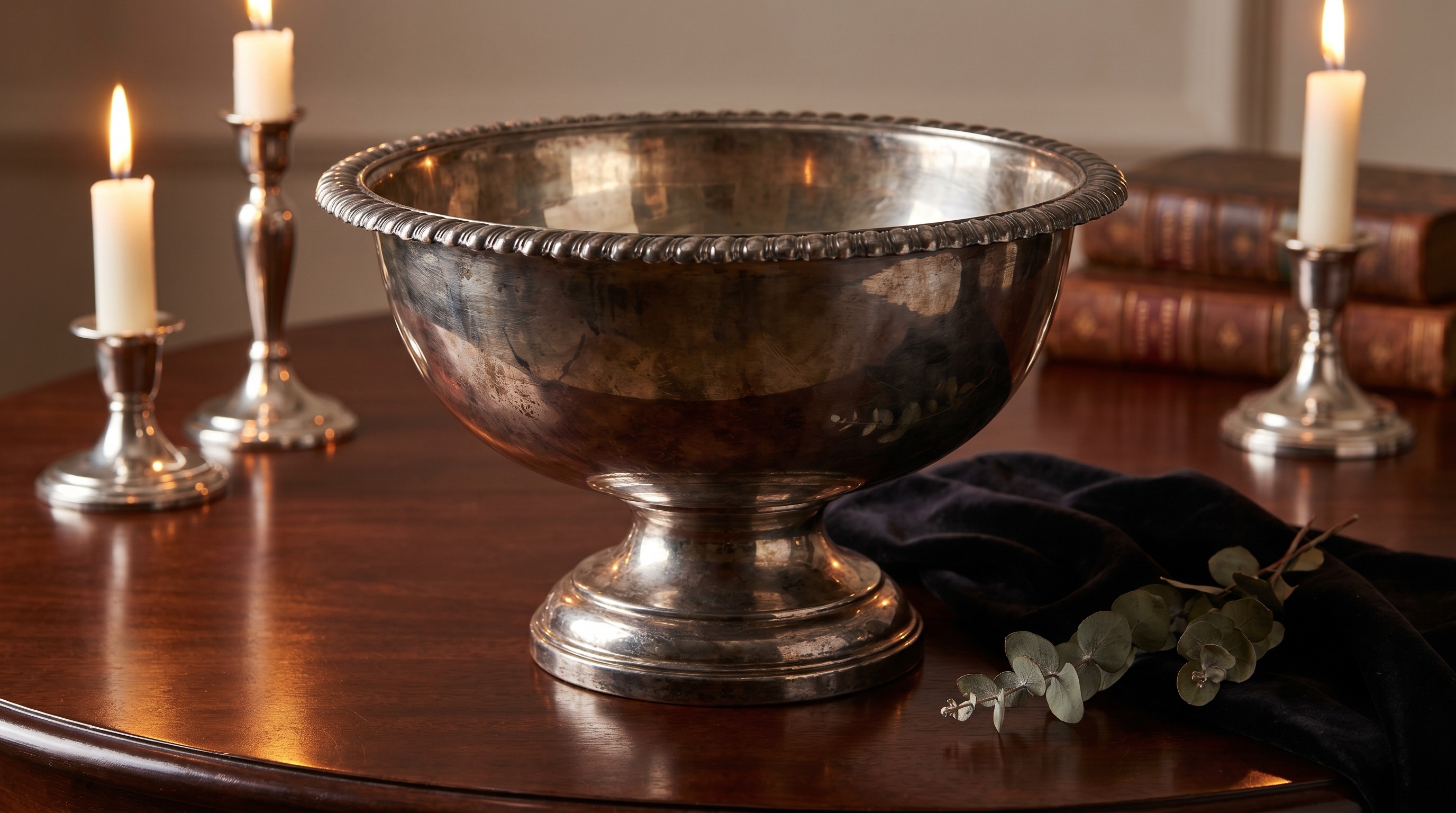
Large, weighty and handsome: the silver punch bowl and its later cousin the rose bowl are statement pieces, often presentation or sporting trophies. A guide to identifying, dating, valuing and selling antique silver punch and rose bowls in the UK.
Are antique silver bowls worth anything?
Sterling silver bowls are worth their silver and often more: Georgian and Victorian fruit bowls, rose bowls, punch bowls and pierced dishes by known makers are collected, as are Arts and Crafts bowls. Plated bowls, marked EPNS, are worth much less. Check underneath and on the rim for hallmarks.
What Is Your Silver Punch or Rose Bowl Worth?
Send a photo, including the marks on the base, and we'll value it free, with no obligation. We reply within one working day.
A silver punch bowl is one of the boldest pieces of domestic silver, large, deep and heavy, made to mix and serve punch at 18th-century gatherings. The Victorian and Edwardian rose bowl, often a presentation or sporting trophy with a wire grille for flowers, carries the form on. Both are weighty pieces, and the best by named makers are highly valued.
Silver punch & rose bowls: what they are
A silver punch bowl is a large, deep serving bowl for punch; a rose bowl is a similar bowl, often with a wire grille to hold flowers.
A punch bowl is a large, deep silver bowl, usually on a spreading foot, sometimes with drop ring handles, for serving punch. The Monteith is a related 17th/18th-century form with a notched (often detachable) rim for suspending wine-glass feet to cool in iced water.
The rose bowl is the later, often squatter bowl: frequently a presentation or sporting trophy, engraved with inscriptions and fitted with a wire grille for flowers. Weight, maker and date drive value; see our silver collection.
"These are heavy pieces: strong silver weight plus a good maker or fine engraving is what makes a bowl valuable."
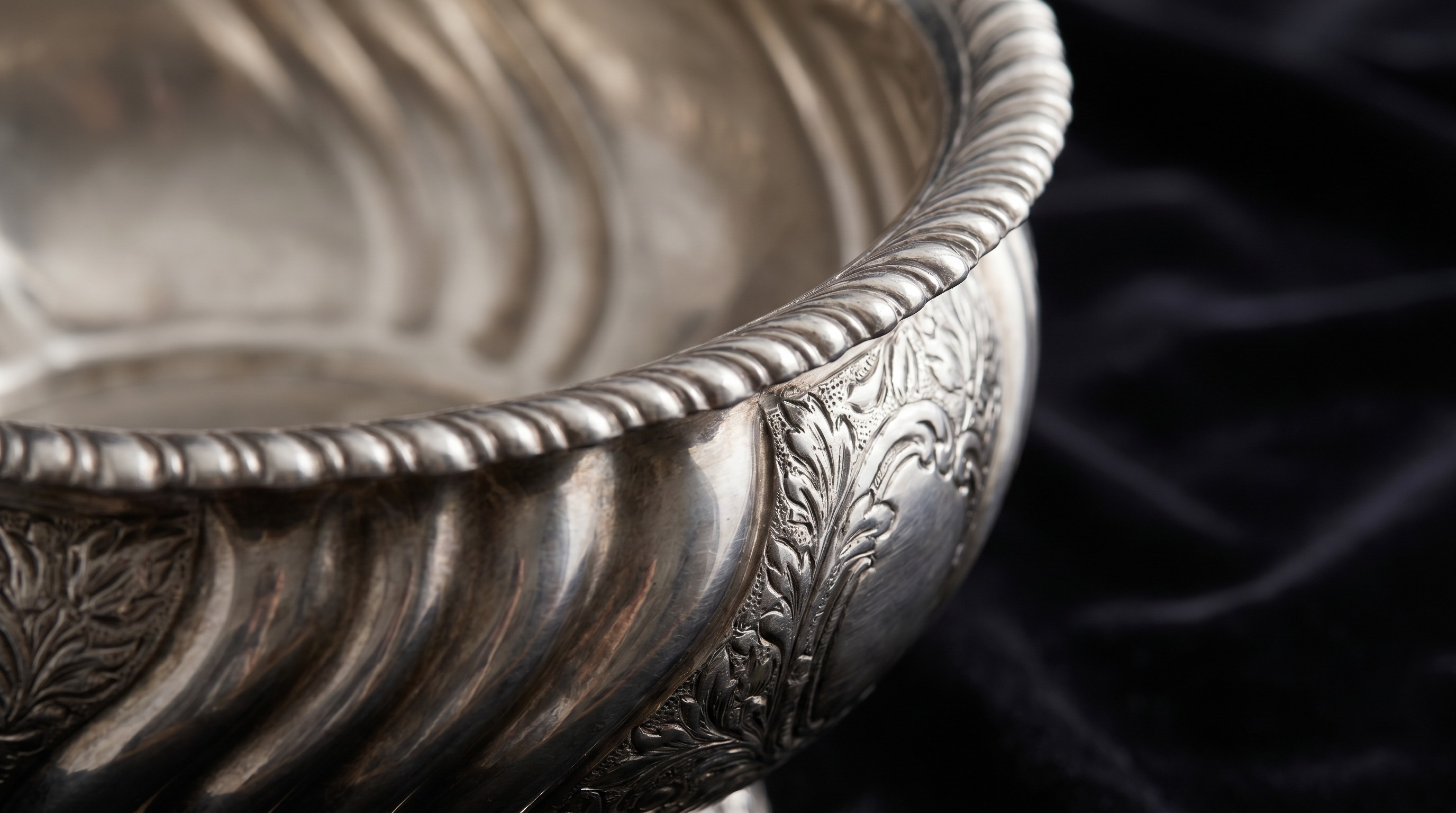
What collectors look for
Collectors of punch and rose bowls look for heavy silver, a noted maker, a Georgian date or a Monteith form, and fine engraving.
- WeightLarge bowls carry significant silver; heavy gauge lifts both metal and collector value.
- Named makersPaul Storr, the great Georgian makers and noted Victorian firms are keenly collected.
- Monteith formEarly Monteith bowls with notched rims are scarce and especially collected.
- Engraving & provenanceFine armorials or a notable presentation/sporting inscription can add real interest.
What are antique silver punch & rose bowls worth?
Every piece is valued individually. These are the things we look at:
What drives value
- WeightHeavy, thick-gauge silver.
- MakerPaul Storr, the great Georgian makers and noted Victorian firms.
- Date and formGeorgian punch bowls and Monteiths are the most prized.
- EngravingFine armorials or notable presentation inscriptions.
- Sterling or platePlated (EPNS) bowls have decorative value only.
Every piece is different. Send us a few photos and we will tell you what your bowl is worth, free and with no obligation. Get a free valuation
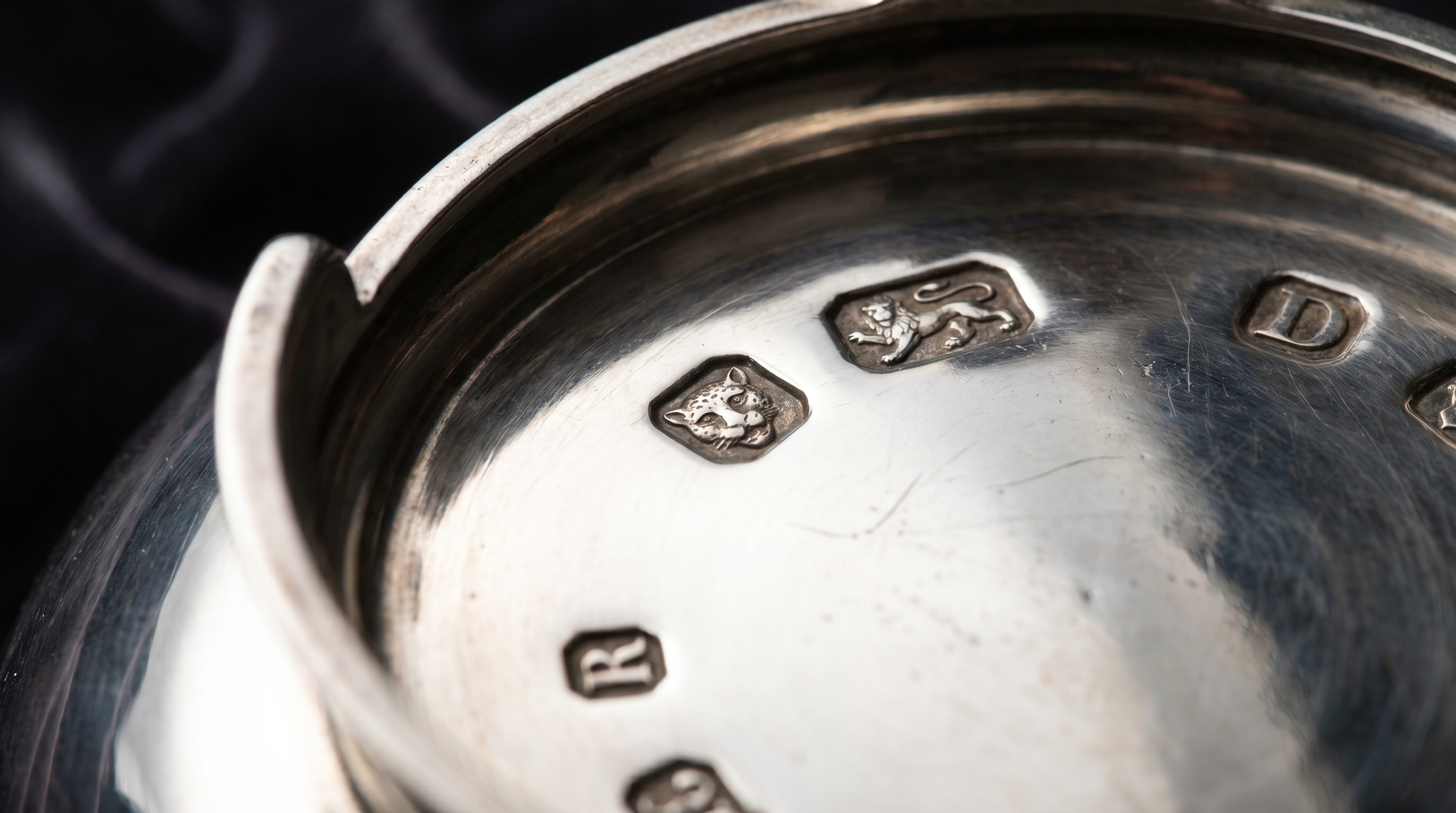
What Determines Value
The value of a silver punch or rose bowl is decided by weight, maker, date and form, engraving, marks and condition.
The factors we assess on a silver punch or rose bowl:
- Weight: Heavy, thick-gauge silver lifts value markedly.
- Maker: Storr and noted makers over unmarked pieces.
- Date & form: Georgian punch bowls and Monteiths most prized.
- Engraving: Fine armorials or notable presentation inscriptions.
- Marks: Clear, complete hallmarks on the base.
- Condition: No splits, dents, repairs or erased crests.
Marks are on the base. Look for the lion passant for sterling. Plate is marked EPNS.
What We Look For When a Bowl Arrives
When a punch or rose bowl arrives we turn it over and read the marks on the base, then note the weight, because these are heavy pieces.
Then we look at the engraving, whether an armorial or a presentation inscription, check the rim and foot for splits and dents, and note any grille.
How selling works
- Send photosUse the form on this page, or email them to us.
- A specialist reviews itMaker, marks, age and condition.
- Free estimate by emailWithin one working day.
- You decidePaid once agreed. No obligation.
Free valuation
Request a free valuation
Send us a few photos of your bowl. A specialist looks at every request personally and replies by email with an estimate within one working day. There is no obligation to sell.
What to photograph
- The whole piece. The bowl from the side.
- The underside. The base of the bowl.
- The hallmarks, close up. On the base, near the foot rim.
Prefer email? Send photos to [email protected] or call 01376 334 482.
Ways to sell
- Mayfair (by appointment)
- Braintree (by appointment)
- Royal Mail Special Delivery
- Free FedEx collection
We buy directly, with payment once you accept our offer, and we can also sell for you by consignment or in our own auctions.
How to identify and date your bowl
Turn the bowl over and look on the base for the lion passant, the town mark, the date letter and the maker's mark.
| Mark | What it tells you |
|---|---|
| Maker's mark | The initials of the maker or firm, in a shield. |
| Lion passant | The English mark for sterling silver. |
| Town mark | The assay office: leopard's head for London, anchor for Birmingham. |
| Date letter | The year of assay. The letter style and shield change with each cycle. |
Turn it over and look on the base for the lion passant (sterling), town mark, date letter and maker's mark. Plated bowls stamped EPNS are worth far less. See our EPNS vs sterling silver guide. The date letter dates it. Use our how to read silver hallmarks guide. As bowls are heavy, the weight of silver counts, but maker, date and condition decide the rest. Our silver price valuation guide explains how silver is valued.
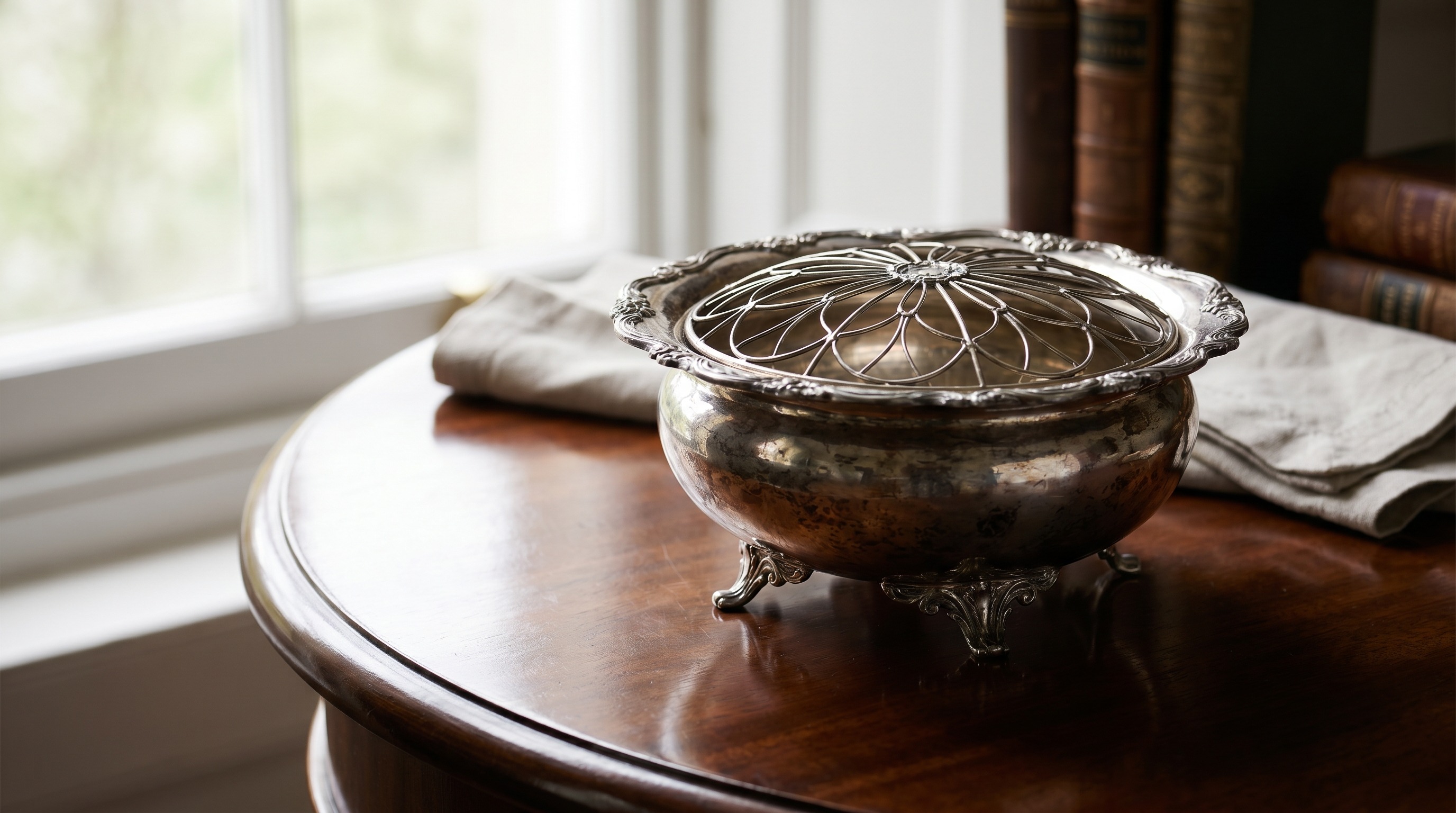
These belong with the grandest table and presentation silver. See our guides to soup tureens, Paul Storr silver and browse our silver for sale. When you're ready to sell, visit sell your silver.
Sterling or plate?
Sterling silver
- Lion passant: the English sterling mark
- A town mark, a date letter and a maker's mark
- Valued as antique silver: maker, date, form and condition
Silver plate (EPNS)
- Stamped EPNS or A1, with no lion passant or date letter.
- The marks often imitate hallmarks, so check each one
- Worth far less: decorative value only
Value Your Punch or Rose Bowl
Send photographs of the bowl and the marks on the base, and we'll give you an honest, no-obligation valuation.
Strictly by appointment only: no walk-ins at either office.
Frequently Asked Questions
Antique silver punch and rose bowls: common questions.
What is a silver punch bowl?
What is a silver rose bowl?
How much is an antique silver punch or rose bowl worth?
What is a Monteith?
How do I tell sterling from plate?
Where can I sell an antique silver bowl in the UK?
Are silver vases weighted?
Are antique silver butter and candy dishes collected?
Are vintage Tiffany silver vases sterling?
Send Us Your Photographs
Attach photos of the bowl and the marks on the base. We'll respond within one working day.
Sell Your Antique Silver Punch or Rose Bowl
We buy antique sterling silver punch bowls, Monteiths and rose bowls (Georgian, named makers and presentation pieces) valued as antique silver, not as scrap. Free valuation, no obligation.
Thinking of selling? Find out how to sell your silver with a free valuation from photographs.