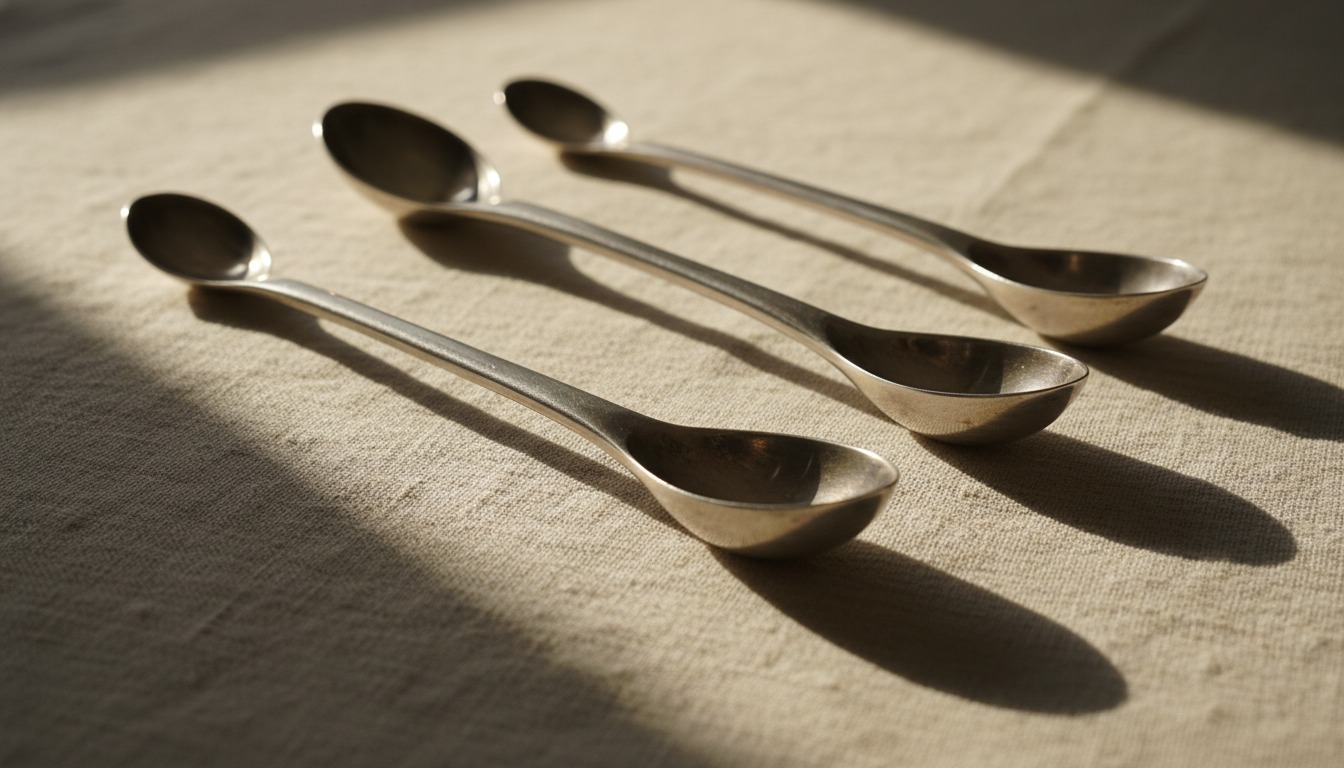
Antique Silver Marrow Scoops
A true Georgian table tool — the long, slender silver marrow scoop drew the prized marrow from a roasted bone. Elegant, tactile and very collectable. A guide to identifying, dating, valuing and selling antique silver marrow scoops in the UK.
What Is Your Silver Marrow Scoop Worth?
Send a photo — including the marks on the stem — and we'll value it free, with no obligation. We reply within one working day.
Bone marrow was a Georgian delicacy, and the silver marrow scoop was the elegant tool to extract it — a long, slender implement with a narrow channelled bowl at each end, one wider than the other for different bones. Simple, tactile and steeped in dining history, marrow scoops are a much-loved corner of Georgian table silver.
Silver marrow scoops: what they are
A marrow scoop is a slim silver implement, typically double-ended with two channels of differing width, used to scoop marrow from a roasted bone. Some are single-ended, or combined with a spoon (a marrow spoon). Most date from the Georgian period (mid-18th to early-19th century); they follow flatware patterns (Old English, Hanoverian) and carry the maker's mark and date letter. Named makers, early date and crisp marks lift value. Browse our silver collection.
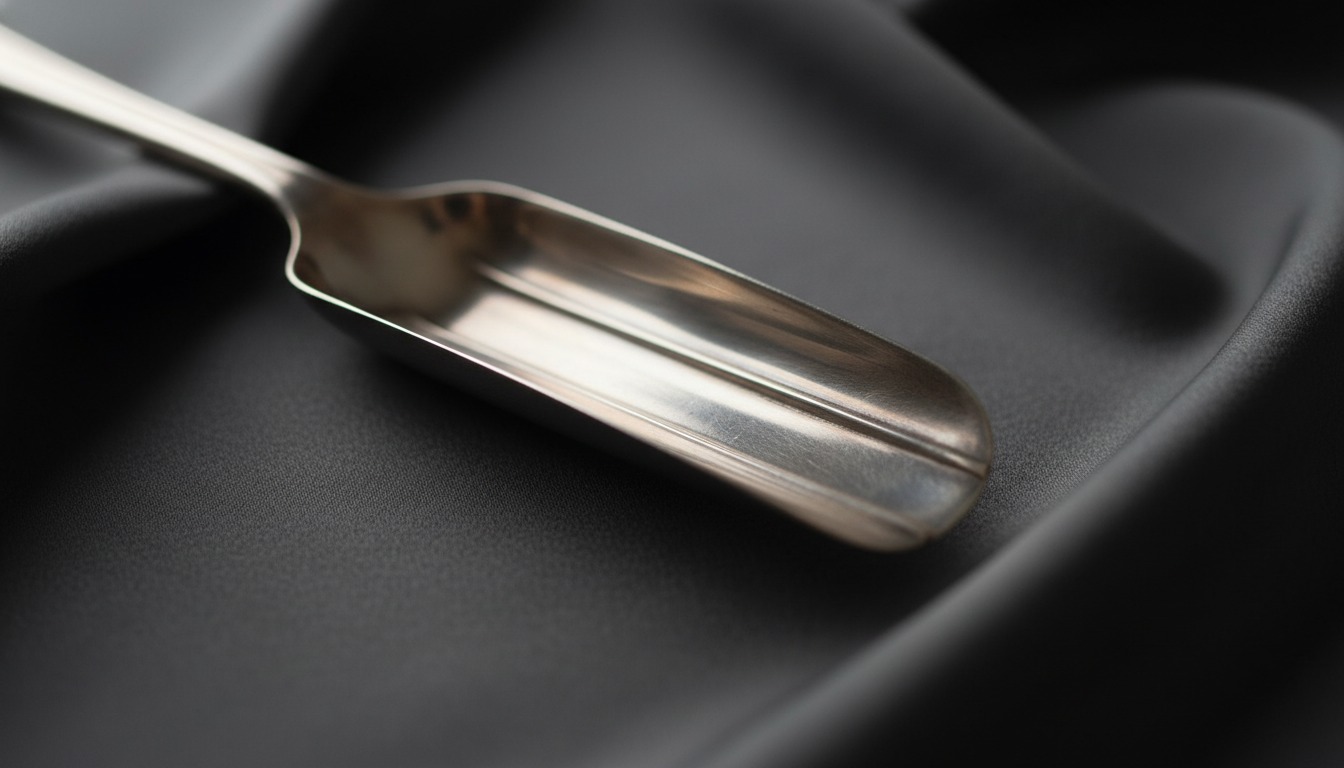
What collectors look for
Early date
Georgian examples (1740s–1820s) are most collected; the hallmark dates the piece.
Named makers
Hester Bateman and noted Georgian spoon-makers carry a premium; check the marks.
Crisp marks
Clear, complete hallmarks and crisp pattern; bright-cut or crested examples add interest.
Condition
No splits to the thin channel, unbent stem, no erased crests or repairs.
What are antique silver marrow scoops worth?
Valued on date and maker more than weight, so the range is steady but modest:
Indicative only — your scoop depends on date, maker, pattern and condition. Send a photo for a free, accurate valuation.
What Determines Value
The factors we assess on a silver marrow scoop:
- Date — Georgian examples most collected.
- Maker — Bateman and noted spoon-makers over unmarked.
- Form — Double-ended over single; marrow-spoon variants.
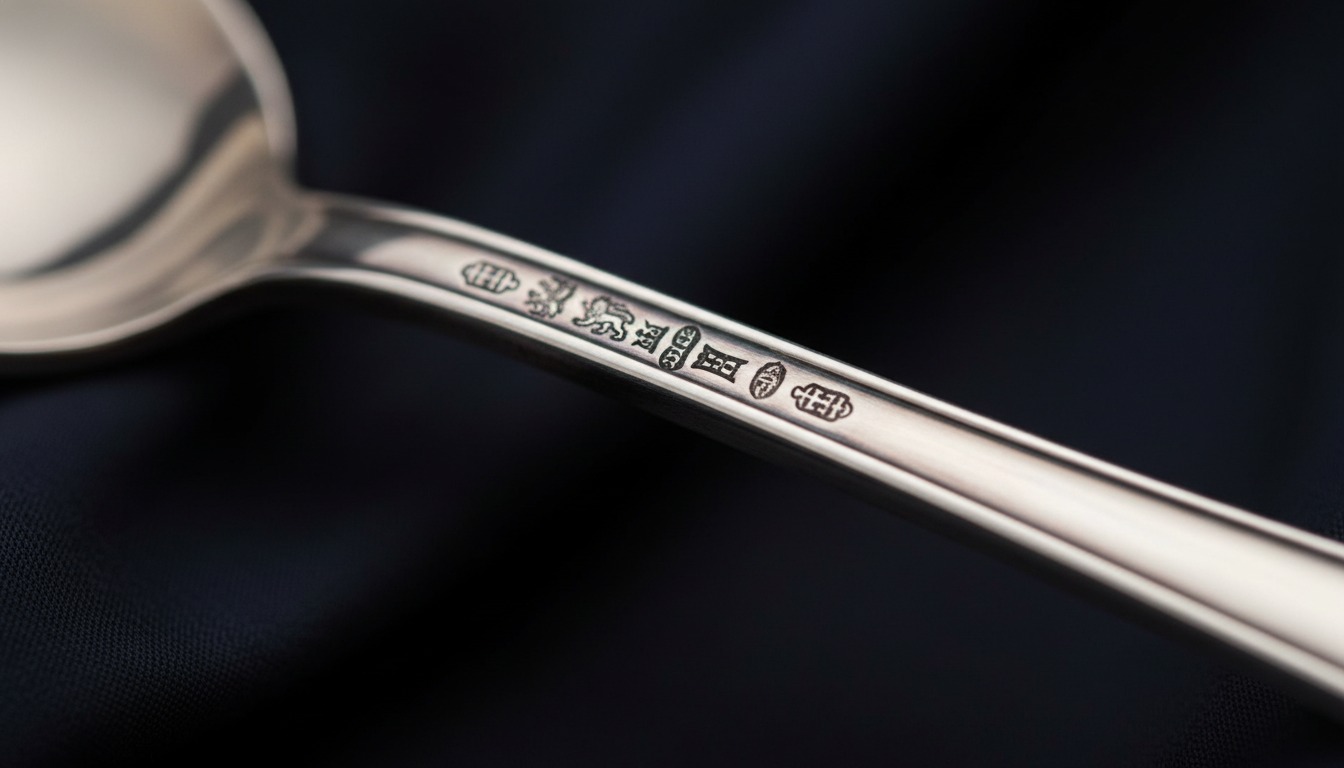
- Marks — Clear, complete hallmarks on the stem.
- Crest — A period crest can add interest.
- Condition — No splits, bends, repairs or erased crests.
Marks are on the stem — look for the lion passant for sterling. Plate is marked EPNS.
How to identify and date your marrow scoop
Look along the stem for the lion passant (sterling), town mark, date letter and maker's mark — Georgian London marks are most common. Plated examples stamped EPNS are worth far less; see our EPNS vs sterling silver guide. The date letter dates it — use our how to read silver hallmarks guide. Scoops are light, so date and maker matter far more than the metal value in the silver price valuation guide.
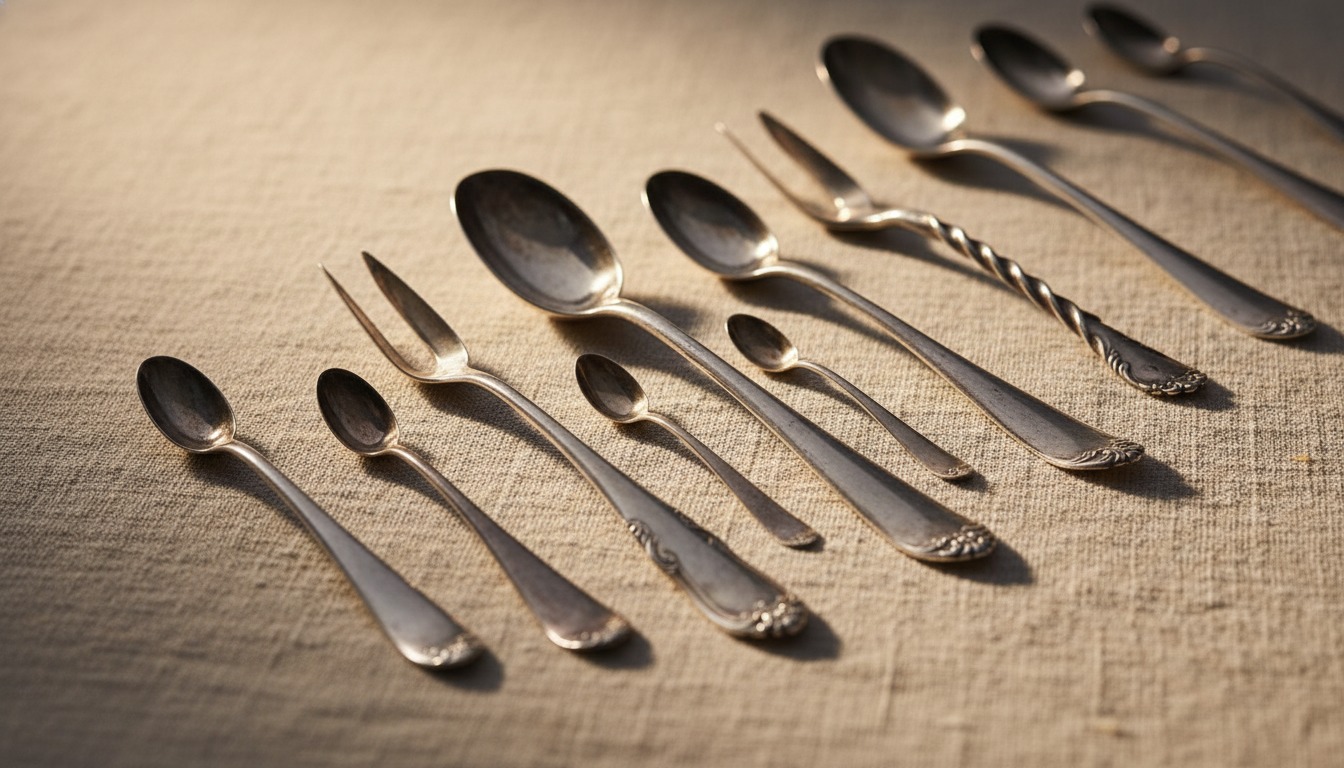
Marrow scoops sit with the Georgian flatware and table silver. See our guides to silver flatware, caddy spoons and browse our silver for sale. When you're ready to sell, visit sell your silver.
Value Your Marrow Scoop
Send photographs of the scoop and the marks on the stem, and we'll give you an honest, no-obligation valuation.
⚠️ Strictly by appointment only — no walk-ins at either showroom.
Frequently Asked Questions
Antique silver marrow scoops — common questions.
What is a silver marrow scoop?
A long, slender silver implement, usually with a narrow channelled bowl at each end, used to extract marrow from a roasted bone. A Georgian table tool, made chiefly from the 1740s to the early 19th century.
How much is an antique silver marrow scoop worth?
Modest to moderate — from a small sum for a plain later example up to a stronger premium for early Georgian, named-maker or crested scoops. Date, maker and condition decide. Send a photo for a free valuation.
Why are they double-ended?
The two channels are different widths to suit different bones — the narrower end for small bones, the wider for large. Single-ended scoops and marrow-spoon variants also exist.
Who collects marrow scoops?
Mainly Georgian silver and flatware collectors. As a defined, affordable category with clear hallmarks, they are a popular thing to collect by date or maker.
How do I tell sterling from plate?
Look for the lion passant hallmark on the stem. Plated scoops are marked EPNS or A1 and worth far less. Send a photo of the marks and we'll confirm.
Where can I sell an antique silver marrow scoop in the UK?
Mozeris Fine Antiques are specialist silver buyers with showrooms in Mayfair, London and Braintree, Essex. We offer free, no-obligation valuations — send photos or visit by appointment.
Send Us Your Photographs
Attach photos of the marrow scoop and the marks on the stem. We'll respond within one working day.