Antique Silver Guides · Mozeris Fine Antiques
Antique Silver Card Cases
An antique silver card case is a slim Victorian case for visiting cards, often decorated with a relief castle-top scene of a famous building. Most are Birmingham marked, and a crisp castle-top by Nathaniel Mills is the one collectors look for; a worn or rubbed relief is valued much lower.
Updated October 2026
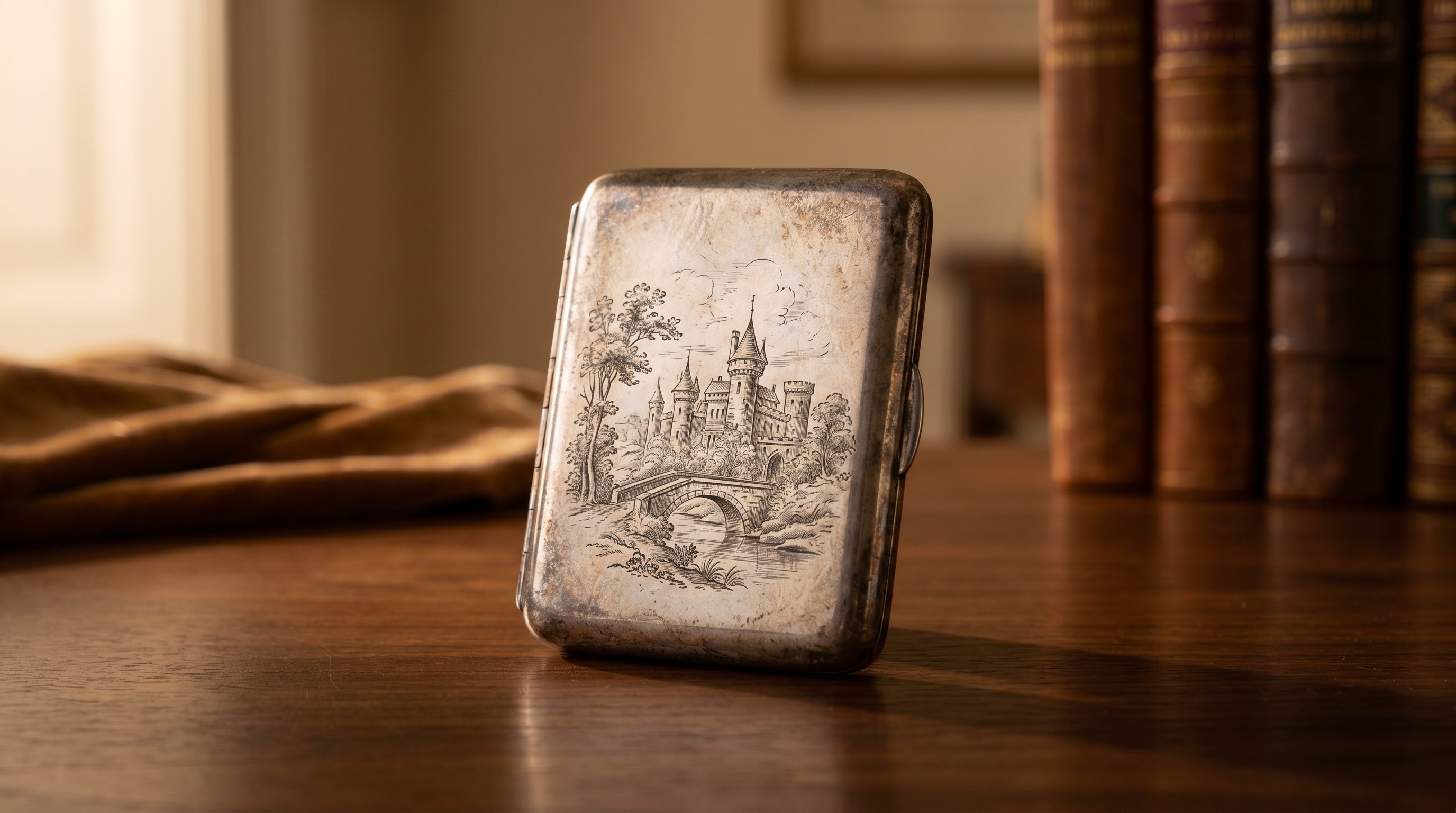
The Victorian visiting-card case: slim, elegant and often engraved with a castle-top scene. A guide to identifying, dating and valuing these prized pieces of small antique silver.
Not Sure What Your Card Case Is Worth?
Send a photo, including the marks, and we'll value it free, with no obligation. We reply within one working day.
In the Victorian age, leaving a calling card was a social essential, and the case that carried it was a small piece of personal silver, often beautifully engraved. Slim, decorative and frequently bearing a relief "castle-top" scene, antique silver card cases are among the most collectable small silver of the 19th century.
What is a silver card case?
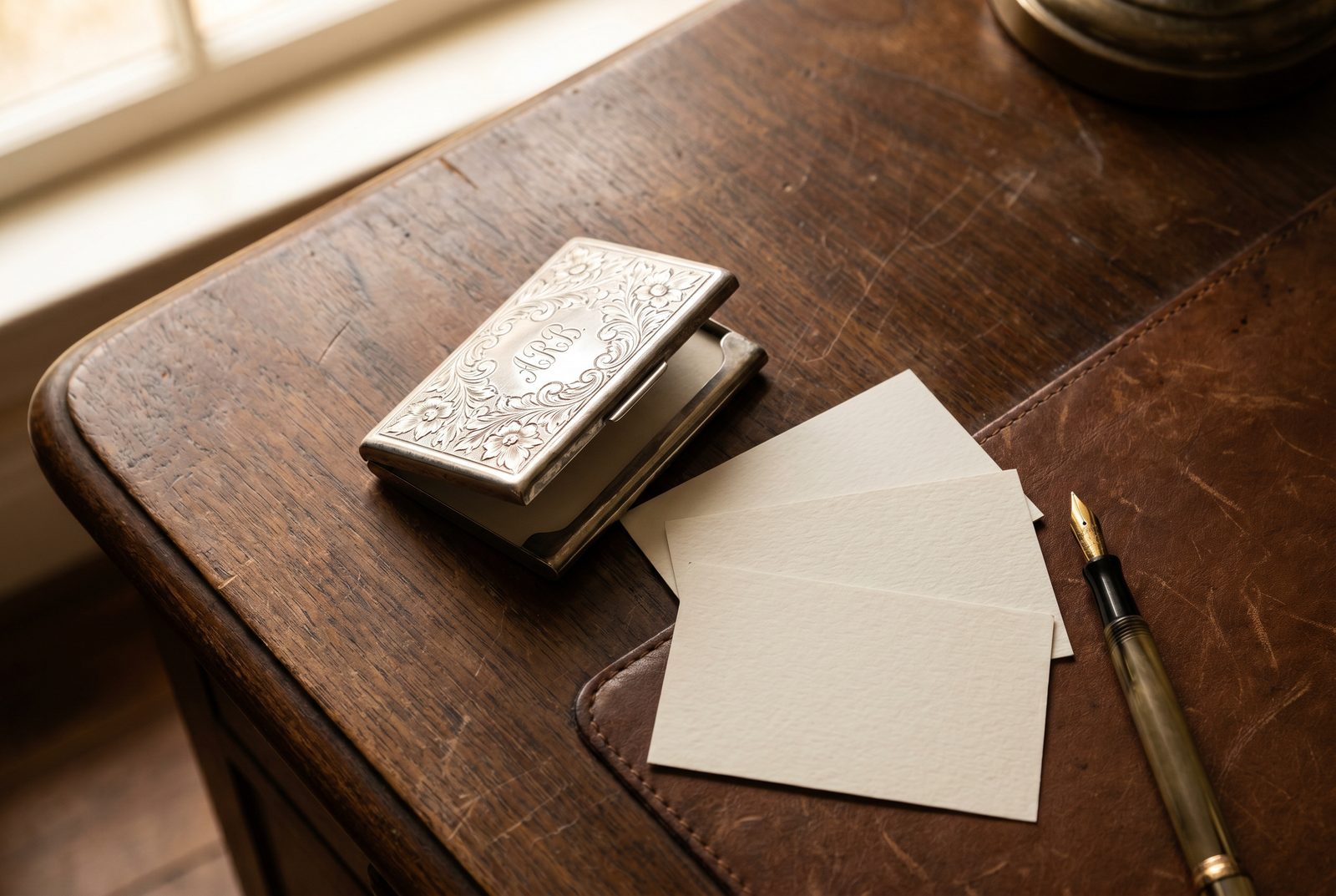
A silver card case is a slim, hinged case made to carry visiting cards, the social essential of the Victorian age.
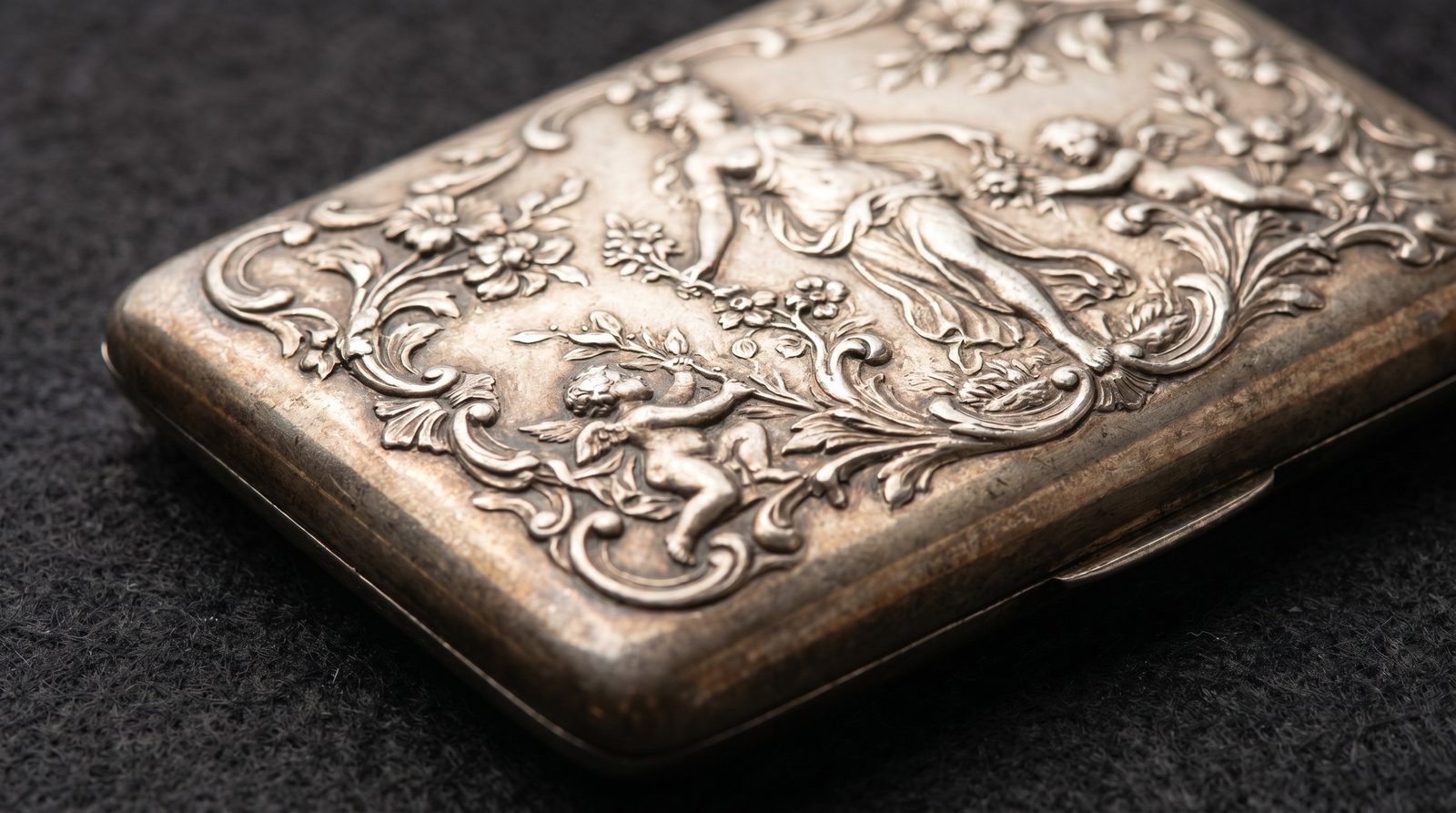
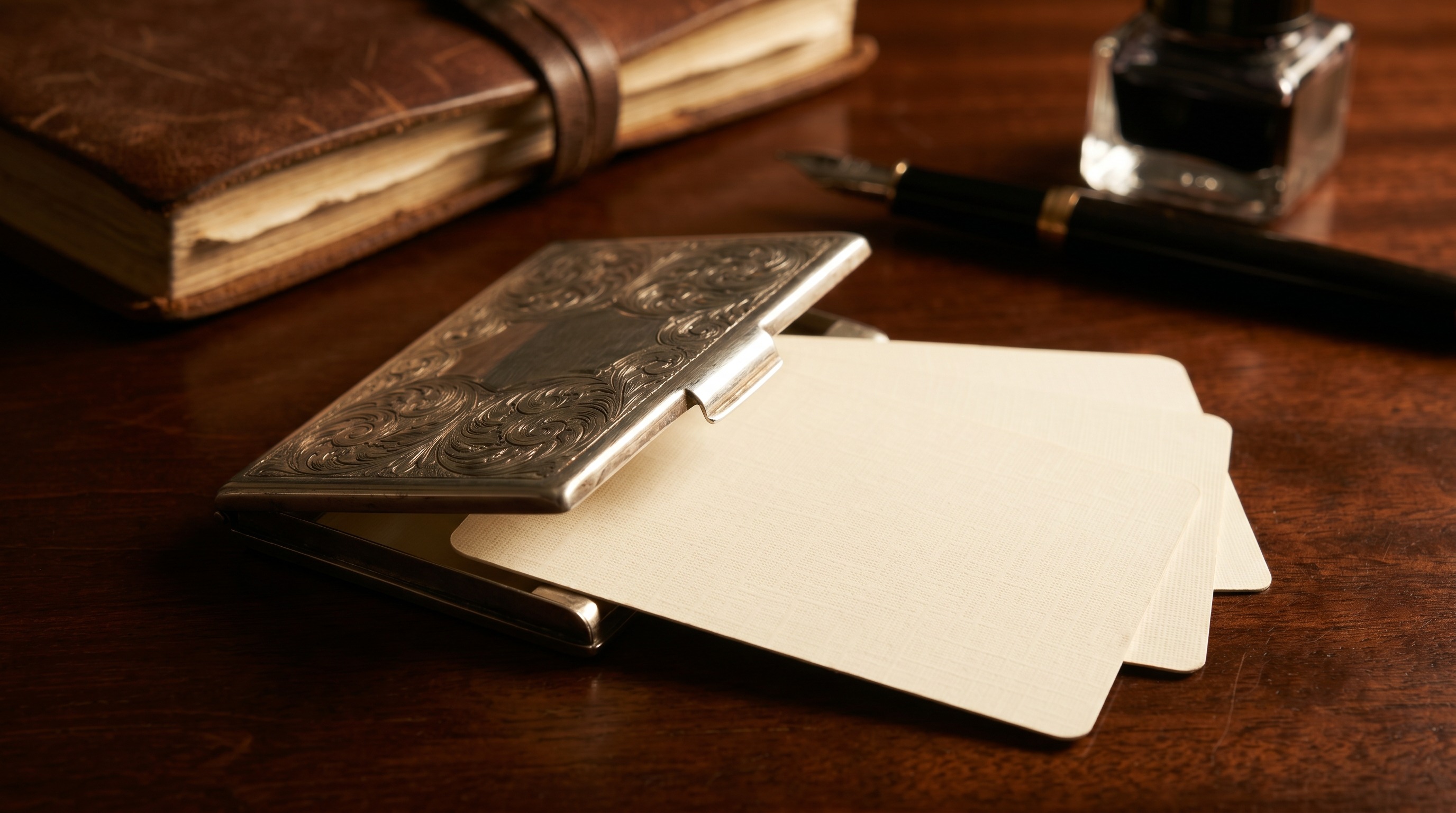
A flat, slim hinged case, roughly the size of a modern phone, made to hold paper visiting cards. Fronts are engraved, engine-turned or, most prized of all, repoussé with a "castle-top" scene of a famous building (Windsor Castle, Westminster Abbey and the like). Birmingham makers, above all Nathaniel Mills, dominated production, and their castle-tops are the blue-chip pieces.
"With card cases, the picture sells the piece. A crisp, deeply struck castle-top by Nathaniel Mills is the one collectors look for."
What collectors look for
Card case collectors look for the scene first, then the maker, the depth of the strike and the condition of the corners and hinge.
- Castle-topsRelief views of landmarks. The most desirable and valuable: value rises with the rarity of the building and crispness of the strike.
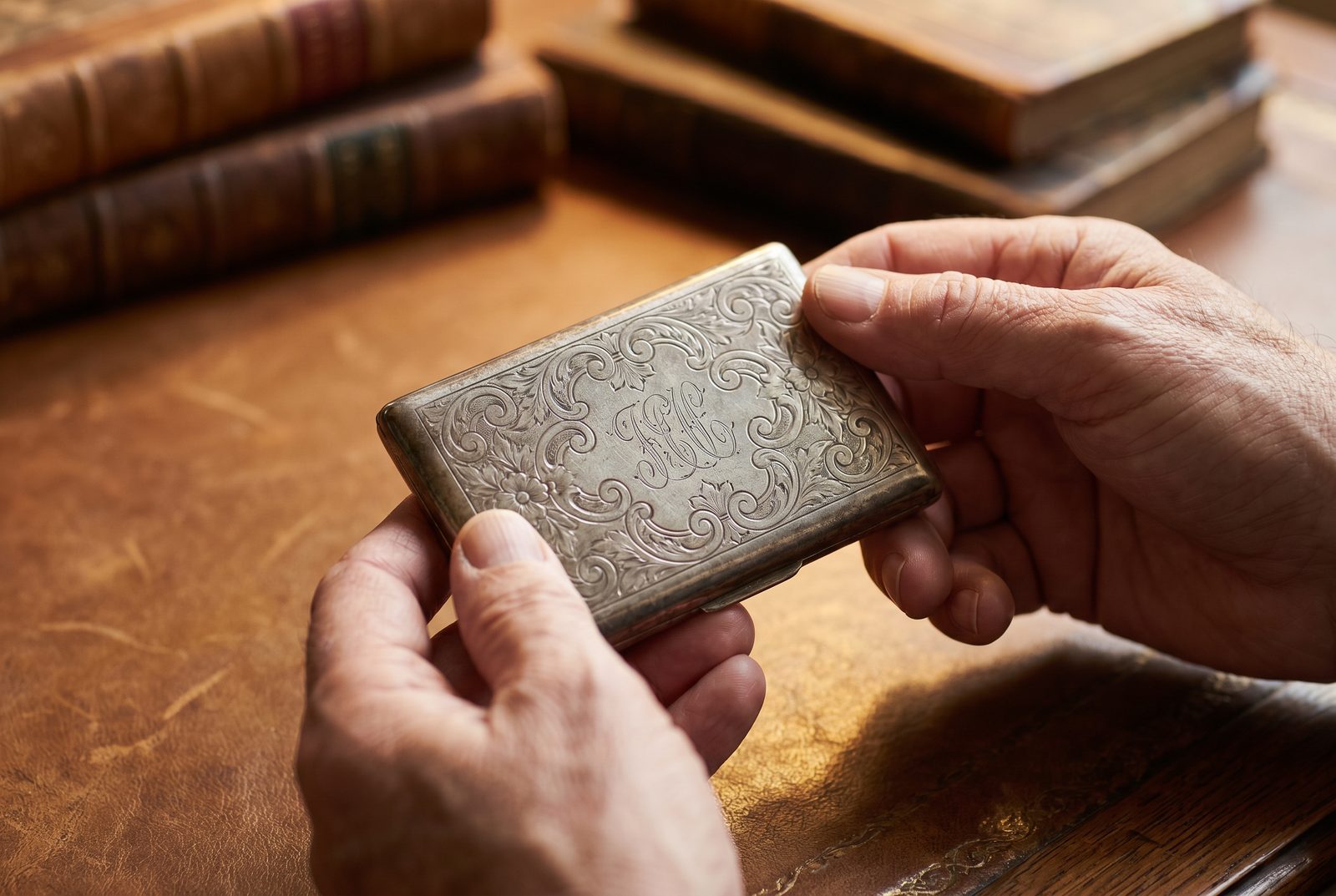
- Engine-turned & engravedFine machine engraving or hand-engraved scenes and cartouches. Elegant and collectable.
- Named makersNathaniel Mills, Joseph Willmore, Yapp & Woodward and other Birmingham makers are keenly collected.
- ConditionCrisp relief, no dents or splits, sound hinge and original gilding inside where present.
What Determines Value
The value of a silver card case is decided by its scene, its maker, the crispness of the relief, its condition and its date.
The factors we assess on a silver card case:
- Castle-top & subject: Relief scenes over plain; rarer landmarks worth more.
- Maker: Nathaniel Mills and named Birmingham makers are keenly collected.
- Strike & crispness: Deep, sharp relief, not worn or rubbed.
- Condition: No dents or splits, sound hinge, undamaged corners.
- Date: Early-to-mid Victorian most collected; the hallmark dates it.
- Quality: Good gauge silver and fine finishing.
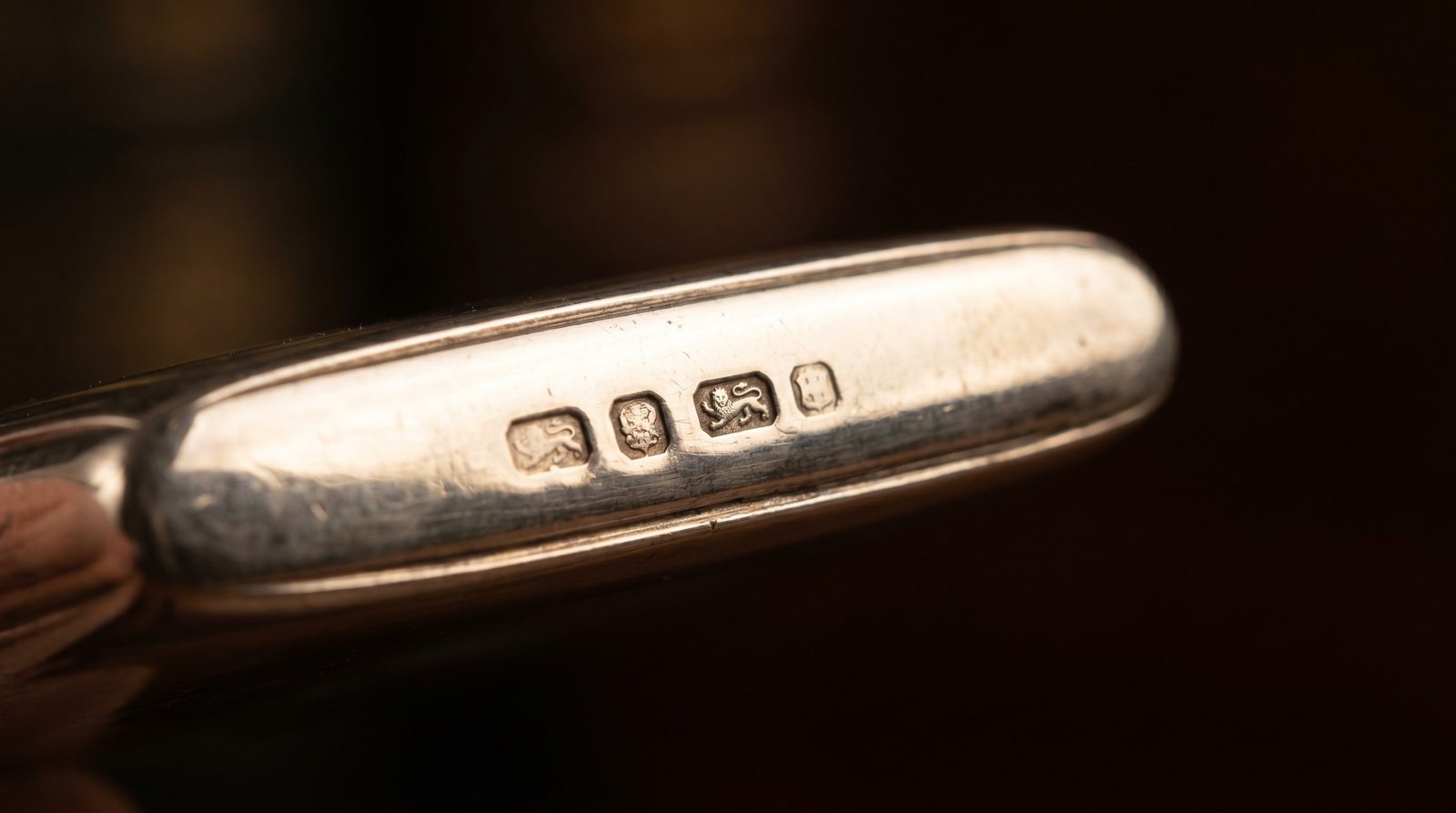
Marks are usually on an edge or inside. Find the lion passant for sterling.
What We Look For When a Card Case Arrives
When a card case arrives we read the marks on its edge or inside first, then identify the scene and the maker. A castle-top showing a recognisable landmark is noted straight away.
Then we look at condition: how deep and sharp the relief still is, whether the hinge closes firmly, and whether the corners are dented or split, because a rubbed scene or a damaged case changes the valuation.
How selling works
- Send photosUse the form on this page, or email them to us.
- A specialist reviews itMaker, marks, age and condition.
- Free estimate by emailWithin one working day.
- You decidePaid once agreed. No obligation.
Free valuation
Request a free valuation
Send us a few photos of your card case. A specialist looks at every request personally and replies by email with an estimate within one working day. There is no obligation to sell.
What to photograph
- The whole piece. Front and back, showing the scene or engraving.
- The edges and hinge. The sides, corners and hinge, plus any dents.
- The hallmarks, close up. On an edge or inside the case.
Prefer email? Send photos to info@mozerisfineantiques.com or call 01376 334 482.
Ways to sell
- Mayfair (by appointment)
- Braintree (by appointment)
- Royal Mail Special Delivery
- Free FedEx collection
We buy directly, with payment once you accept our offer, and we can also sell for you by consignment or in our own auctions.
Sterling, maker and the picture
Confirm sterling by the lion passant, then let the maker and the scene guide you: a deep, crisp castle-top by a named Birmingham maker stands apart.
| Mark | What it tells you |
|---|---|
| Maker's mark | The initials of the maker or firm, in a shield. |
| Lion passant | The English mark for sterling silver. |
| Town mark | The assay office: leopard's head for London, anchor for Birmingham. |
| Date letter | The year of assay. The letter style and shield change with each cycle. |
Confirm sterling via the lion passant; thin EPNS cases exist and are worth far less. Then the maker and the scene drive value: a sharp Nathaniel Mills castle-top of a sought-after landmark is the prize, while a worn or rubbed relief is worth much less. Our silver hallmark guide helps you read the marks.
Related small silver: our snuff boxes and vinaigrettes guides, and your vesta cases page. Sell via sell your silver.
Sterling or plate?
Sterling silver
- Lion passant: the English sterling mark
- A town mark, a date letter and a maker's mark
- Valued as antique silver: maker, date, form and condition
Silver plate (EPNS)
- Stamped EPNS or A1, with no lion passant or date letter.
- The marks often imitate hallmarks, so check each one
- Worth far less: decorative value only
Value Your Card Case
Send photographs of the case and the marks, and we'll give you an honest, no-obligation valuation.
Strictly by appointment only: no walk-ins at either office.
Frequently Asked Questions
Antique silver card cases: common questions.
What is a silver card case used for?
What is a "castle-top" card case?
Who made the best card cases?
How do I tell sterling from plate?
Does a worn scene reduce value?
Send Us Your Card Case Photographs
Attach photos of the case and the marks. We'll respond within one working day.
Sell Your Antique Silver Card Case
We buy antique sterling silver card cases (castle-tops, engraved and named makers) valued as antique silver, not as scrap. Free valuation, no obligation.
Items we buy
Antique Silver We Specialise In
Click any category for our specialist buying guide, then send photos for a free valuation. We also have a full Sell Your Silver overview.
Thinking of selling? Find out how to sell your silver with a free valuation from photographs.