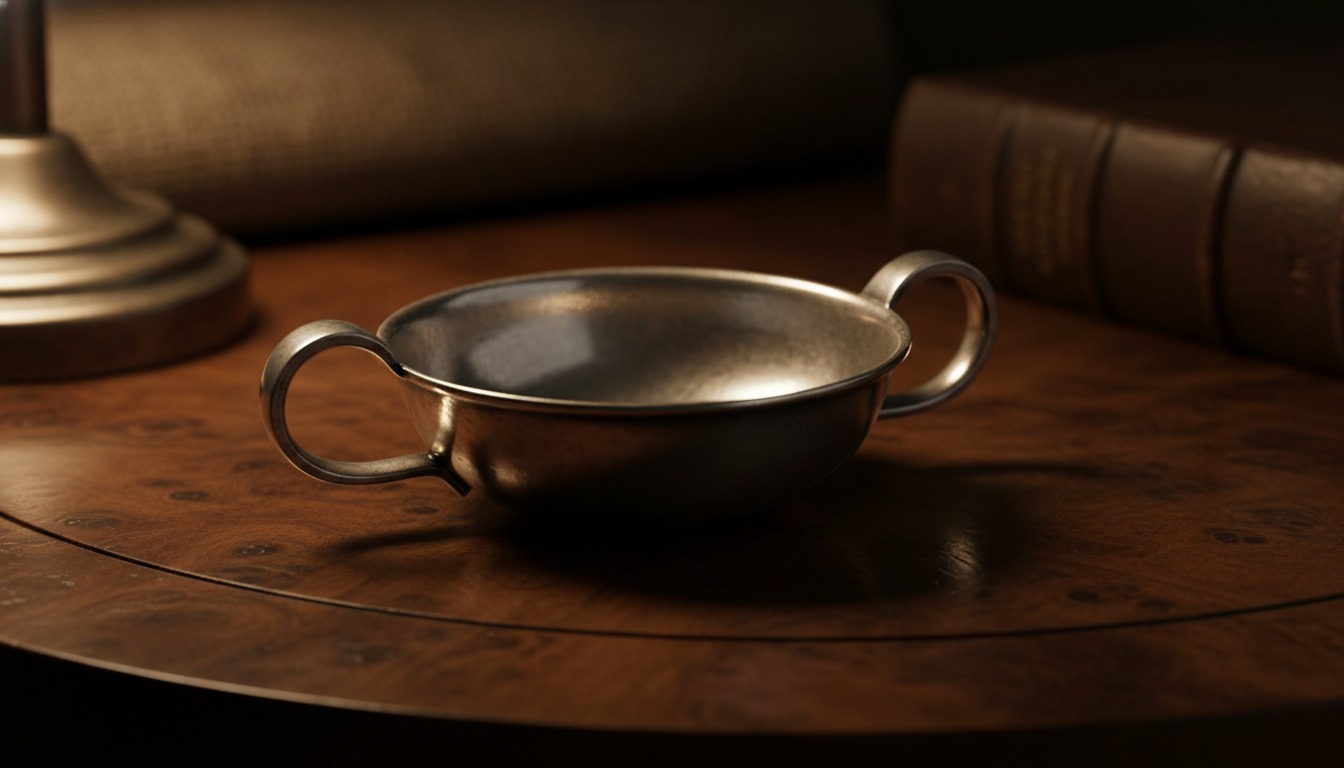
Antique Silver Quaich
The quaich (pronounced "quaych") is Scotland's traditional two-handled cup of friendship — a shallow silver drinking bowl with flat "lug" handles. Steeped in Highland history and very collectable. A guide to identifying, dating, valuing and selling antique silver quaichs in the UK.
What Is Your Silver Quaich Worth?
Send a photo — including the marks on the base — and we'll value it free, with no obligation. We reply within one working day.
The quaich is the most distinctively Scottish of all silver — a low, shallow bowl with two flat ear-like handles, shared as a "cup of friendship" at welcomes, weddings and partings. From early lobed and stave-form bowls to Victorian and modern presentation quaichs, they carry strong appeal both as Scottish silver and as gifts, and good early or Edinburgh-marked examples are sought after.
The silver quaich: what it is
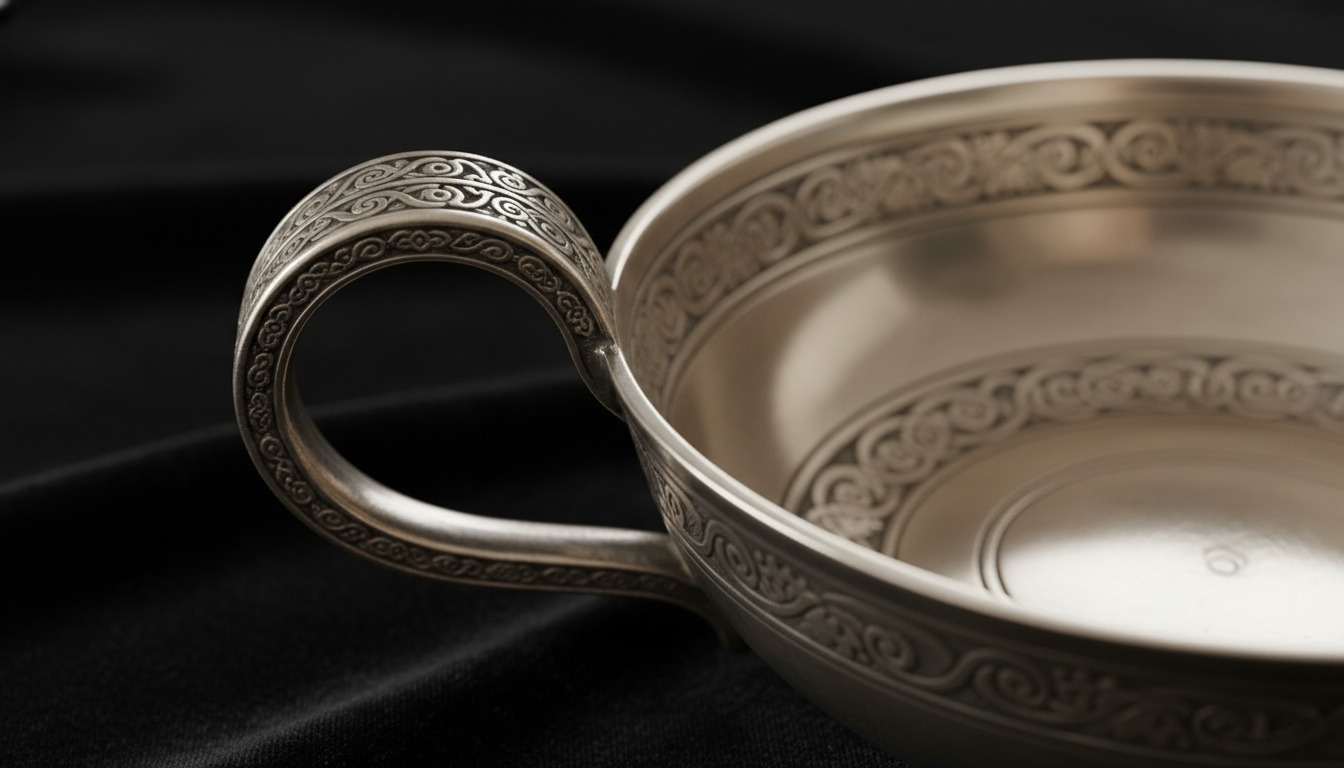
A quaich (from the Gaelic cuach, a cup) is a shallow circular drinking bowl with two flat horizontal lug handles. Early examples imitate the wooden, stave-built originals with engraved "staves" and bands; later ones are plain or Celtic-engraved, often with a presentation inscription. Scottish-made examples carry Edinburgh (castle) or Glasgow (tree-fish-bell) hallmarks, which add to their appeal. Age, maker, size and marks drive value. Browse our silver collection.
What collectors look for
Early date
17th and 18th-century quaichs — especially stave-form — are the most prized and scarce.
Scottish marks
Edinburgh and Glasgow hallmarks add provenance and desirability over English or import marks.
Size & quality
Larger bowls, fine Celtic engraving and good weight over small, thin examples.
Provenance
A clan crest, a notable presentation or a maker of repute can add real interest.
What is an antique silver quaich worth?
Value depends on age, marks, size and maker:
Indicative only — your quaich depends on age, hallmark, size and condition. Send a photo for a free, accurate valuation.
What Determines Value
The factors we assess on a silver quaich:
- Date — Early stave-form and 18th-century examples most prized.
- Marks — Edinburgh / Glasgow Scottish hallmarks add appeal.
- Maker — Noted Scottish makers over unmarked pieces.
- Size & quality — Larger, heavier, finely engraved bowls.
- Provenance — Clan crest or notable presentation.
- Condition — No splits, repairs or worn engraving.
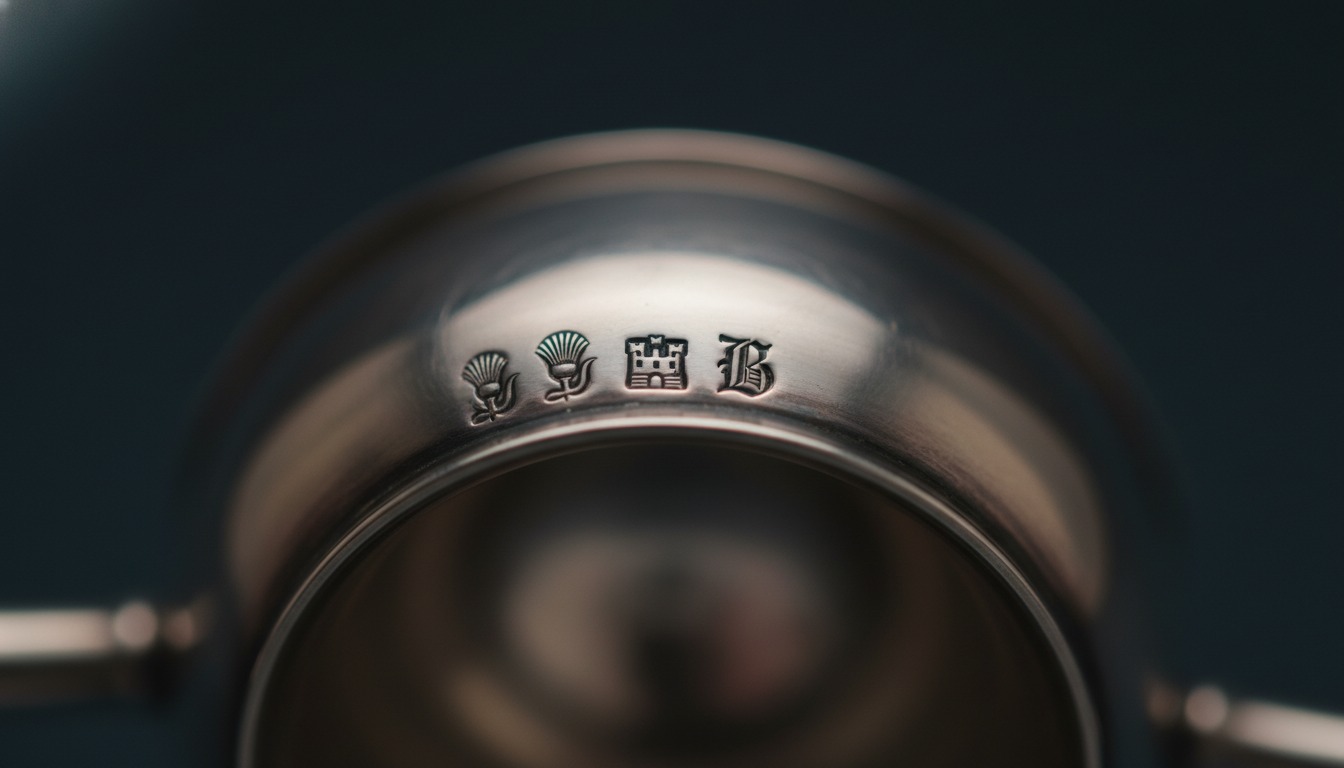
Marks are on the base or handle — look for the lion rampant / thistle and town mark for Scottish sterling. Plate is marked EPNS.
How to identify and date your quaich
Look on the base and handles for the hallmarks. Scottish sterling shows the thistle (or earlier the assay-master's mark) with the Edinburgh castle or Glasgow tree-fish-bell town mark and a date letter. English-made or imported quaichs carry the usual lion passant or import marks. Plated examples stamped EPNS are worth far less — see our EPNS vs sterling silver guide. Use our how to read silver hallmarks guide to date it; the silver price valuation guide sets the metal-value floor.
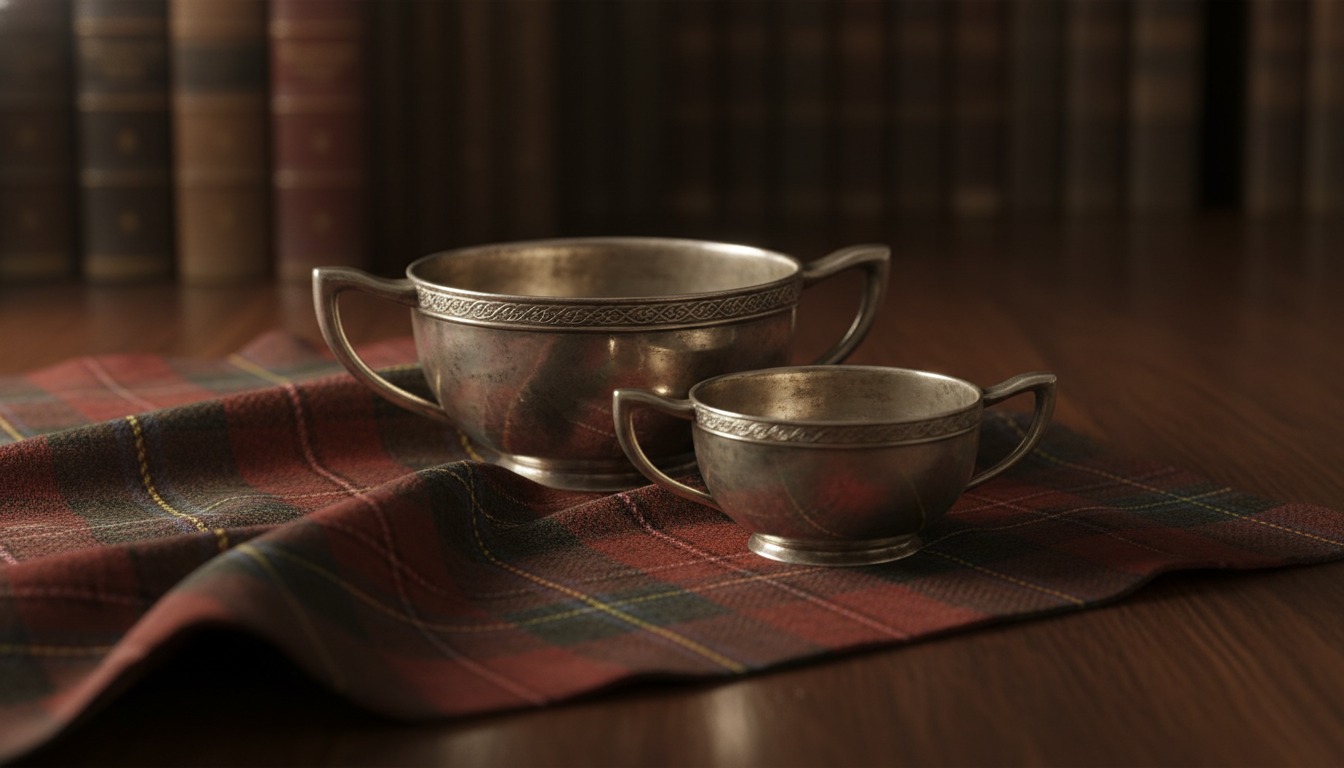
The quaich sits with Scottish and drinking silver. See our guides to tankards & mugs, silver hallmarks and browse our silver for sale. When you're ready to sell, visit sell your silver.
Value Your Quaich
Send photographs of the quaich and the marks on the base, and we'll give you an honest, no-obligation valuation.
⚠️ Strictly by appointment only — no walk-ins at either showroom.
Frequently Asked Questions
Antique silver quaichs — common questions.
What is a quaich?
A traditional Scottish shallow drinking bowl with two flat lug handles — the "cup of friendship", shared at welcomes, weddings and partings. Made in silver from the 17th century onward.
How do you pronounce quaich?
Roughly "quaych" — rhyming with "Bach", the ch a soft Scottish/Gaelic sound. From the Gaelic cuach, meaning cup.
How much is an antique silver quaich worth?
From near silver weight for a plain modern presentation quaich up to a high premium for early stave-form or 18th-century Edinburgh-marked examples. Age, marks, size and maker decide. Send a photo for a free valuation.
Do Scottish hallmarks add value?
Generally yes. Edinburgh (castle) and Glasgow (tree, fish and bell) marks confirm Scottish making and add provenance and desirability over plain English or import-marked examples.
How do I tell sterling from plate?
Look for the thistle and Scottish town mark (or the lion passant on English pieces) on the base. Plated quaichs are marked EPNS or A1 and worth far less. Send a photo of the marks and we'll confirm.
Where can I sell an antique silver quaich in the UK?
Mozeris Fine Antiques are specialist silver buyers with showrooms in Mayfair, London and Braintree, Essex. We offer free, no-obligation valuations — send photos or visit by appointment.
Send Us Your Photographs
Attach photos of the quaich and the marks on the base. We'll respond within one working day.