Designer Jewellery · Tiffany & Co. · 2006
Frank Gehry for Tiffany: When an Architect Made Jewellery
In 2006 Tiffany & Co. unveiled its first jewellery by the architect Frank Gehry. The man behind the Guggenheim Bilbao brought his sculptural, flowing language to silver, gold, exotic woods and gemstones — in collections such as Torque, Fish and Fold.
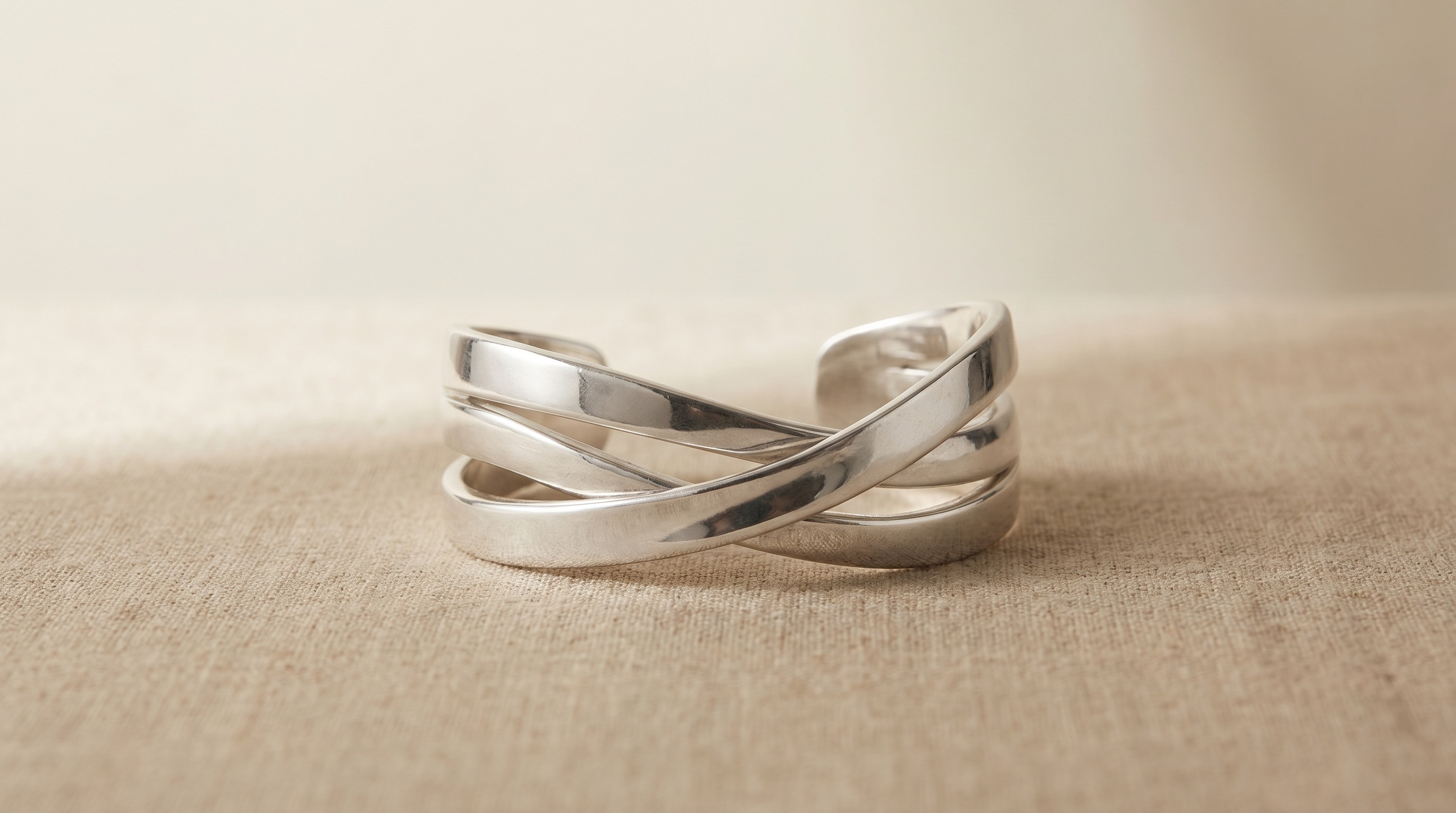 The Torque cuff — Gehry's architecture for the wrist
Selling a Frank Gehry for Tiffany Piece?
We buy genuine Frank Gehry for Tiffany & Co. — Torque, Fish, Fold and Orchid pieces — outright, at fair prices with no commission and no auction wait. Get a free valuation from our specialists today.
Frank Gehry designed jewellery for Tiffany & Co. from 2006, in the first major collaboration between the house and a world-renowned architect. Gehry — celebrated for the Guggenheim Museum Bilbao and the Walt Disney Concert Hall — translated the flowing, sculptural language of his buildings into wearable form, working in silver, 18-carat gold, exotic woods and gemstones. This guide covers Gehry's background, his collaboration with Tiffany, the collections he created, how to identify genuine pieces, and what they are worth on the UK market today.
Who is Frank Gehry?
Frank Gehry (born 1929) is a Canadian-American architect, widely regarded as one of the most important of his generation. Born in Toronto and based in Los Angeles, he became famous for buildings of dramatic, curving, sculptural form — the titanium-clad Guggenheim Museum Bilbao, the Walt Disney Concert Hall in Los Angeles, and many others. His work broke from the rigid geometry of much modern architecture in favour of fluid, expressive shapes.
Gehry's design language is instantly recognisable: surfaces that fold, twist and flow, often appearing to be caught in motion. He is interested in how forms move and how materials behave, and he has long sketched and modelled by hand, working ideas through physical models. Jewellery was a natural extension of that sculptural instinct — objects small enough to hold, yet shaped by the same architectural thinking.
His collaboration with Tiffany was the first time the house had partnered with an architect of his standing, and it brought a fresh, contemporary voice to its design.
Frank Gehry's collaboration with Tiffany & Co.
Tiffany launched its first Frank Gehry jewellery collection in 2006, after several years of development. For an architect used to working at the scale of buildings, jewellery posed a fascinating challenge: the same flowing, layered forms had to work at the scale of a ring or a cuff, against the body.
The collections used an unusually broad palette of materials for Tiffany. Alongside sterling silver and 18-carat gold, Gehry incorporated exotic woods, black gold, cultured pearls and a range of gemstones — combining materials in ways more often seen in architecture and furniture than in fine jewellery. The pieces ranged from accessible silver designs to important, expensive sculptural works.
The collaboration ran through roughly 2006 to 2010 and produced several distinct collections, each named for its central idea, before being gradually wound down. As a defined, time-limited body of work by a major architect, Gehry's Tiffany pieces occupy a particular niche for collectors of both jewellery and design.
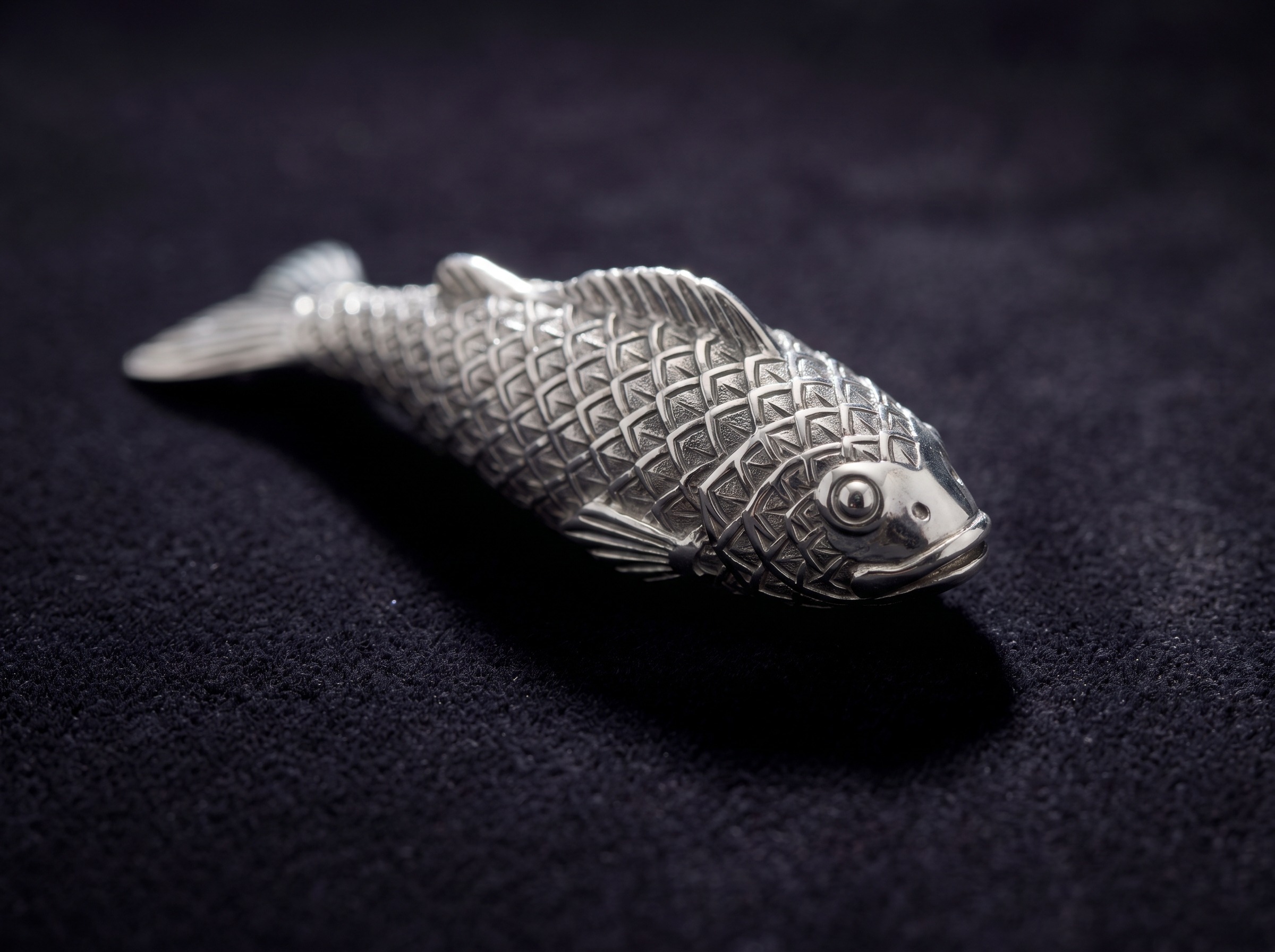
The Fish collection — a recurring Gehry motif rendered in silver
Iconic pieces: Torque, Fish, Fold and beyond
Gehry created several named collections for Tiffany, each expressing a different idea:
- Torque: The signature. Sculptural cuffs and rings built from twisting, overlapping ribbon-like forms that seem caught in motion — the clearest translation of Gehry's architecture into jewellery. The most important Torque pieces are among the highest-value of his Tiffany work.
- Fish: Based on a motif Gehry used throughout his career, rendered as pendants and other pieces with scaled, geometric surfaces.
- Fold: Pieces built from folded planes of metal, exploring how a flat surface becomes three-dimensional form.
- Orchid, Equus and Axis: Further collections drawing on natural and structural forms — the orchid flower, the horse, and architectural axes — across rings, pendants, earrings and cuffs in silver, gold and gemstones.
"Gehry made the wrist a building site. The same folds and twists that shaped Bilbao reappear, miniaturised, in a cuff you can wear."
How to identify a genuine Frank Gehry for Tiffany piece
Gehry pieces are a defined, signed body of work, so authentication is straightforward but important. Key checks include:
- The signature. Genuine pieces carry both the Tiffany & Co. mark and the Frank Gehry name. The lettering should be crisp and correctly positioned.
- Metal and material marks. Sterling silver pieces carry a 925 mark; gold pieces carry the appropriate standard. Pieces combining wood, pearl or gemstones should show the quality of materials expected of Tiffany.
- Sculptural accuracy. Gehry's forms are precise even when they appear free — the twists of a Torque, the folds of a Fold piece are exact. Crude or simplified copies lack this precision.
- Period. Genuine pieces date from the collaboration period of roughly 2006 to 2010. Knowing the collection name helps confirm a piece against documented designs.
- Box and papers. Original Tiffany packaging and documentation support authenticity and add to value.
Current market value and resale
Because the Gehry collaboration was time-limited, his pieces are no longer in production, which supports collector interest. Values depend on the collection, materials, size and condition, but as a general guide:
- Sterling silver hearts and smaller pieces: accessible entry points, with prices often starting from a few hundred pounds
- Gold and gem-set pieces: command a clear premium over silver
- Important Torque cuffs and major sculptural works: the highest-value pieces, with significant examples reaching well into the tens of thousands
- Discontinued and rarer collections: the limited production window adds collector appeal beyond material value
For the broader question of how designer jewellery performs as an asset, see does designer jewellery hold its value? Authenticated pieces with original packaging always achieve the strongest prices.
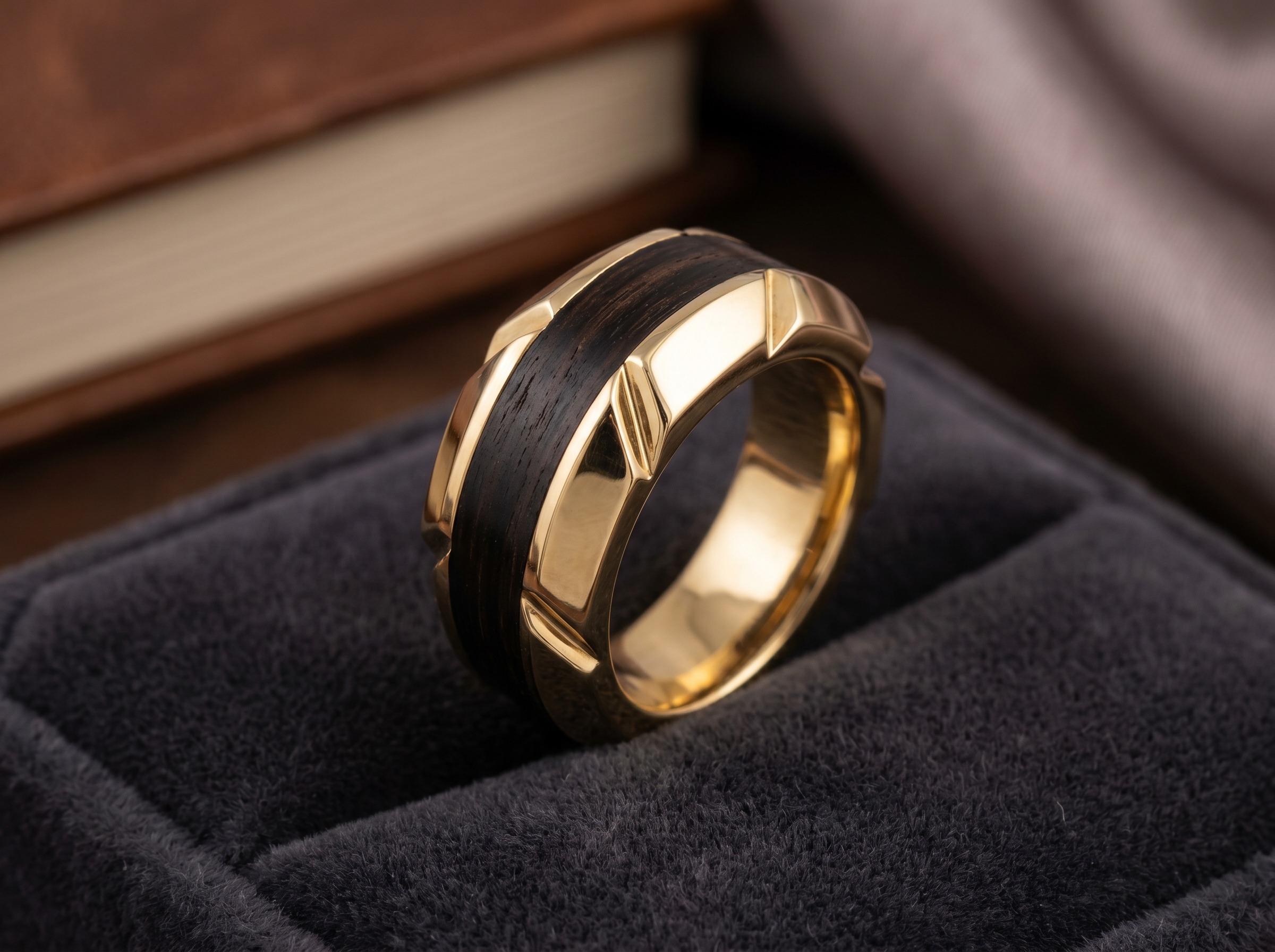
Gold and exotic wood — Gehry's architect's palette in a ring
How to sell a Frank Gehry for Tiffany piece in the UK
If you own a Frank Gehry for Tiffany piece and are considering selling, you have two main routes: auction or a specialist dealer. Auction can suit important Torque or major sculptural pieces, but involves commission, delay and uncertainty. A specialist dealer offers an immediate, firm price.
At Mozeris Fine Antiques we buy Frank Gehry, and other Tiffany designer pieces, outright. We authenticate, value against the live secondary market, and pay promptly — with no commission deducted. For more on choosing between routes, read selling designer jewellery: dealer vs auction. To begin, visit our sell your Tiffany jewellery page or our designer jewellery hub.
For Tiffany's other defining designers, see our guides to Elsa Peretti and Jean Schlumberger, and for the house's wider history our piece on the Tiffany Setting. You may also be interested in vintage jewellery.
Frequently asked questions
Did Frank Gehry design jewellery for Tiffany?
Yes. Tiffany & Co. launched its first Frank Gehry jewellery collection in 2006, the first major collaboration between the house and a world-renowned architect. Gehry created several collections in silver, gold, exotic woods and gemstones before the collaboration wound down around 2010.
Who is Frank Gehry?
Frank Gehry (born 1929) is a Canadian-American architect, one of the most celebrated of his generation, known for sculptural, flowing buildings such as the Guggenheim Museum Bilbao and the Walt Disney Concert Hall. He brought the same fluid, sculptural language to his Tiffany jewellery.
What collections did Gehry design for Tiffany?
His Tiffany collections included Torque (his signature twisting cuffs and rings), Fish, Fold, Orchid, Equus and Axis, each exploring a different sculptural or natural form across rings, pendants, earrings and cuffs.
What materials did Frank Gehry use?
Gehry used an unusually broad palette for Tiffany: sterling silver, 18-carat gold, black gold, exotic woods, cultured pearls and a range of gemstones — combining materials in ways more often seen in architecture and furniture than in fine jewellery.
How can I tell if my Frank Gehry for Tiffany piece is genuine?
Look for both the Tiffany & Co. mark and the Frank Gehry signature, the correct metal standard (925 for sterling silver), precise sculptural form, and quality materials. Genuine pieces date from roughly 2006 to 2010. Original Tiffany packaging supports authenticity.
Are Frank Gehry for Tiffany pieces valuable?
Because the collaboration was time-limited and the pieces are no longer in production, they hold collector appeal. Silver pieces start from a few hundred pounds, while important Torque cuffs and major sculptural works reach well into the tens of thousands. Condition, materials and collection drive value.
How to Sell Your Frank Gehry for Tiffany Piece
- Free valuation Send photos — the piece and the Tiffany and Frank Gehry signatures. We respond same day with an indicative range.
- Authentication We verify marks, signature and form against the genuine article.
- Firm offer A real price based on the live secondary market — not an auction estimate.
- Insured collection Fully insured courier from your address, or visit our Mayfair or Essex offices by appointment.
- Same-day payment BACS transfer the day we receive and verify your piece.
Related Reading
Visit Us or Send Your Jewellery by Insured Post
01376 334 482
01376 334 482
Response within 2 hours
Our Mayfair showroom is by appointment. Please call ahead before visiting.
Antique Silver We Specialise In
Click any category for our specialist buying guide — then send photos for a free valuation. We also have a full Sell Your Silver overview.