Part of: Tiffany Collections and History
The Tiffany Setting: History and Value
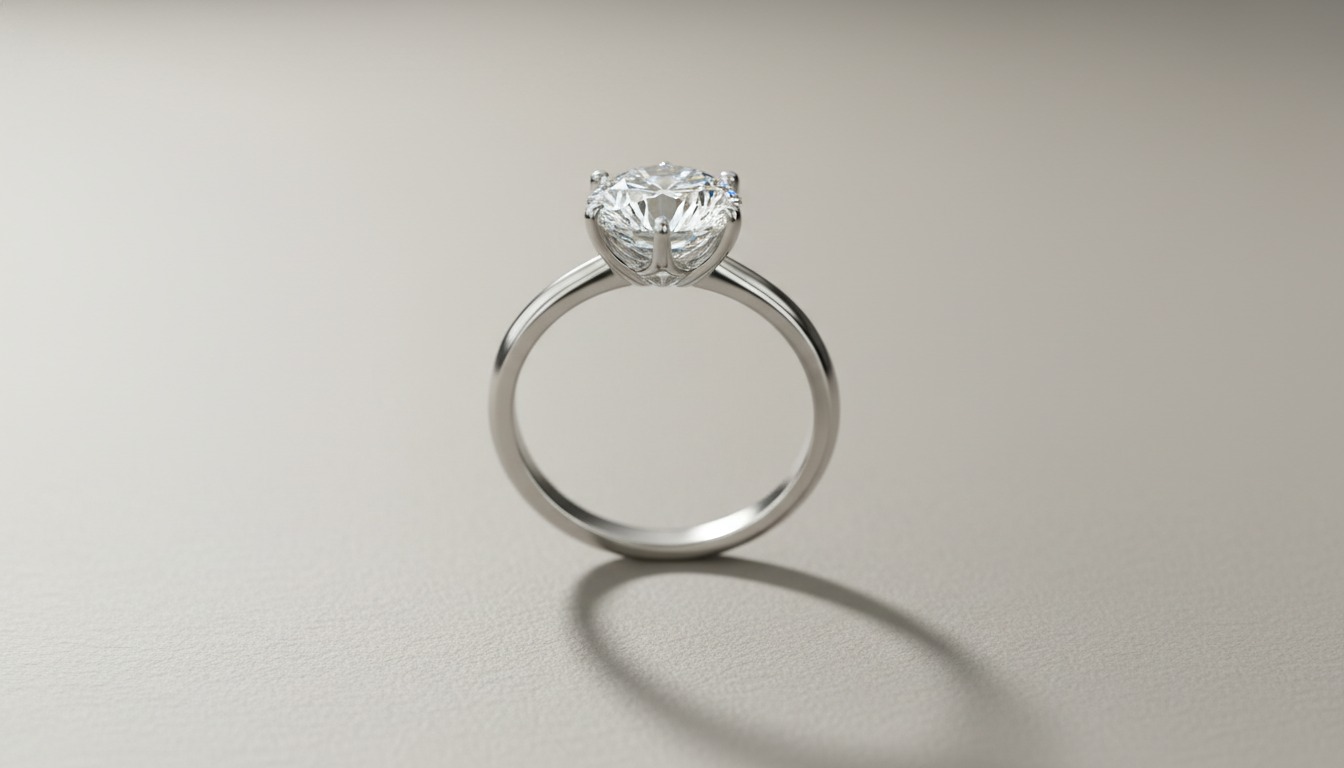
The Tiffany Setting is Tiffany & Co.’s classic solitaire engagement ring: a single round diamond held high above a plain band on six slender prongs, so light can reach the stone from every side. Tiffany introduced it in 1886. A Tiffany Setting ring is valued mainly on its diamond, then on the Tiffany papers and the ring itself. This guide explains both.
Thinking of selling a Tiffany engagement ring?
Free, no obligation, returned at our cost if you decline.
- Read our Google reviews (opens Google)
- Free, no obligation
- A reply within one working day
- Paid the same day after inspection
1886: the diamond lifted
Before 1886, diamonds in rings were often sunk into heavy settings that hid much of the stone. Tiffany’s six-prong setting, introduced under Charles Lewis Tiffany, raised the diamond above the band on fine prongs, letting in more light. It has been Tiffany’s signature solitaire ever since.
- 1Low bezel setting of the 1880s
- 2Raised six-prong Tiffany Setting
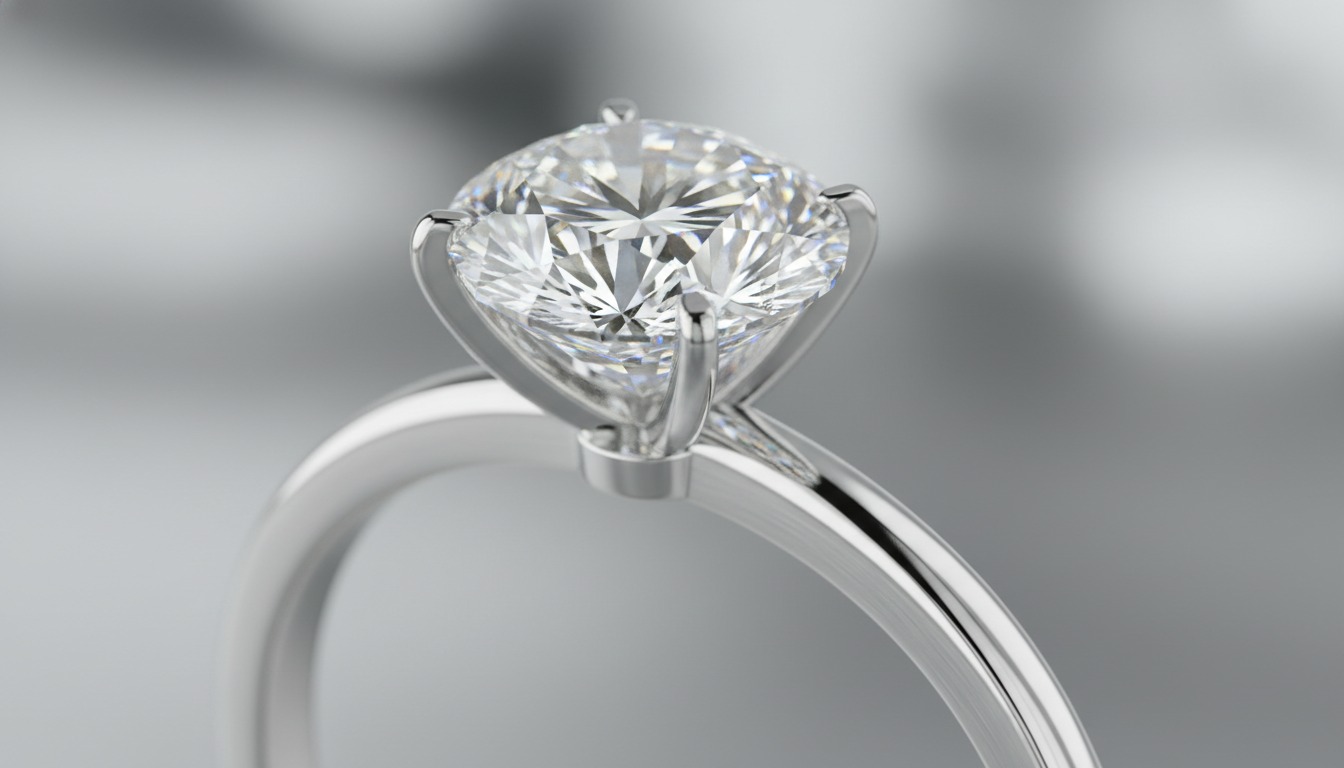
Six prongs, one stone
- The prongs. Six fine prongs holding the diamond evenly.
- The head. Raised clear of the band.
- The band. Usually platinum, sometimes gold, plain or set with small diamonds.
- The diamond. Classically a round brilliant.
- 1Setting from above
- 2From the side
The diamond and its papers
Tiffany grades its own diamonds and issues a certificate for each engagement ring diamond. Many Tiffany diamonds also carry a tiny laser inscription on the girdle with "T&Co." and a number that matches the certificate. The certificate records the diamond’s size, colour, clarity and cut, which decide most of the value.
How to tell a genuine Tiffany Setting
For every house we buy, see how we check designer jewellery.
- 1Tiffany & co. stamp
- 2Pt950
0 of 4 checked
1The stamp
The stamp "Tiffany & Co." and the metal mark (PT950 for platinum, 750 for gold) inside the band.
2The inscription
The inscription "T&Co." and a number on the girdle, matching the certificate.
3The setting
Six even, finely finished prongs and a cleanly made head.
4Papers
Certificate, box and receipt, checked against the ring.
Red flags
- A stamp that is shallow, crooked or misspelt.
- A certificate whose number does not match the inscription.
- Thick, uneven or bent prongs.
- A stone that looks glassy, cloudy or chipped.
- Papers that look newer or cleaner than the ring.
What is my Tiffany Setting ring worth?
A Tiffany Setting ring is valued mainly on its diamond, its size, colour, clarity and cut as recorded on the certificate, then on the band and metal, the ring’s condition, whether you have the Tiffany certificate, box and receipt, and current demand. We never publish figures, because the diamond decides so much.
Free, no obligation, and returned at our cost if you decline.
Read our Google reviews (opens Google)
- Diamond grade
- Size
- Band and metal
- Condition
- Certificate
- Demand
How selling works
- 1
Send photographs
of the ring from above and the side, the stamp, and the certificate.
- 2
Free value inspection
We reply within one working day with an estimate, subject to inspection. If our offer differs, you can decline and we return it at our cost.
- 3
Paid the same day after inspection
by bank transfer or in cash, in Mayfair, at our Braintree office, by post or by free collection.
Insured up to £10,000 per parcel when you send to us.
Questions people ask
What is special about the Tiffany Setting?
It raises a single diamond above a plain band on six slender prongs, so light can reach the stone from every side. Tiffany introduced it in 1886, when many diamonds were set low in heavy mounts, and it has been Tiffany’s signature solitaire engagement ring ever since, usually in platinum.
How much is a Tiffany Setting ring worth?
It depends mainly on the diamond, its size, colour, clarity and cut as shown on the Tiffany certificate, then on the band, its condition and whether you have the certificate, box and receipt, together with current demand. We do not publish prices. Send photographs of the ring and the certificate for a free value inspection.
Where can I sell a Tiffany engagement ring?
To a buyer who checks the stamp, the inscription and the diamond against the certificate, in person, before paying. We buy Tiffany engagement rings directly: a free value inspection from photographs, then an appointment in Mayfair or at our Braintree office, Special Delivery post or free collection. You are paid the same day after inspection.
Does my Tiffany diamond have an inscription?
Many Tiffany diamonds carry a tiny laser inscription on the girdle, the thin edge of the stone, with "T&Co." and a number that matches the certificate. It can only be read under magnification. If you have the certificate, send a photograph of it; we will check the inscription when we see the ring.
Can I sell a Tiffany ring without the certificate?
Yes. The certificate helps, because it records the diamond’s grades, but we can assess the diamond and the ring ourselves. For a stone without a laboratory certificate, our figures are careful estimates, not laboratory certified. Tell us what papers you had, and send photographs of the ring and its stamp.
Has a resized Tiffany Setting ring lost value?
Not necessarily. A ring resized by Tiffany is fine, and resizing elsewhere changes the value less than damage to the prongs or the diamond does. Tell us if you know its history, and send clear photographs of the inside of the band and the setting from the side.
Related guides
Selling a Tiffany engagement ring?
Send a photograph of the ring and its certificate for a free value inspection, with no obligation.
Free, no obligation, returned at our cost if you decline.