Antique & Vintage Cluster Rings
Cluster rings and cluster engagement rings, antique and vintage: a centre stone ringed by smaller diamonds, from Victorian old-cut diamond clusters in yellow gold to Edwardian platinum, 1950s daisy rings and 1970s sapphire and ruby clusters. The cluster ring is the most searched ring style in antique jewellery, because it gives a large, luminous head without a single large stone. Sizes are given in UK, US and EU. See our sapphire rings or all antique engagement rings.
5.0 by our buyers on Google · 4,000+ customers
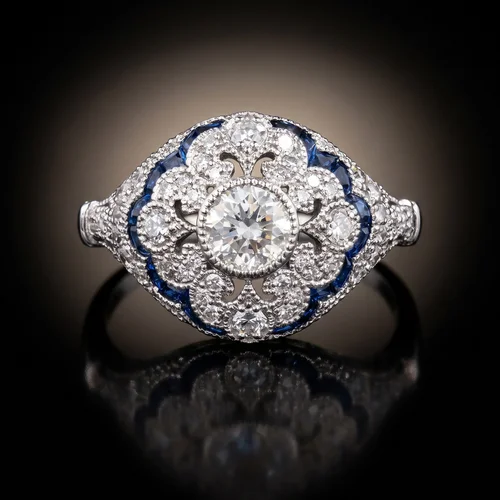
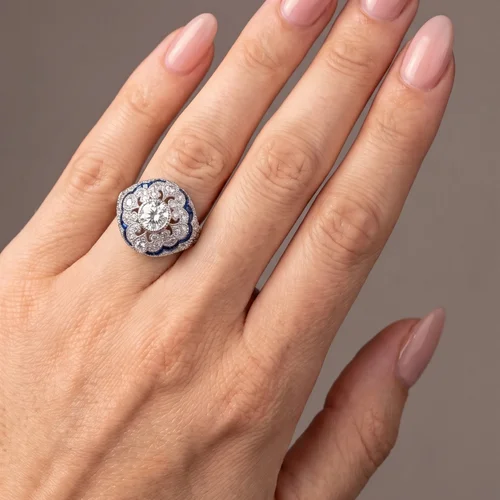 Art Deco Style Platinum Diamond and Sapphire Round Cluster Ring, 0.50 ct Diamond£4,965
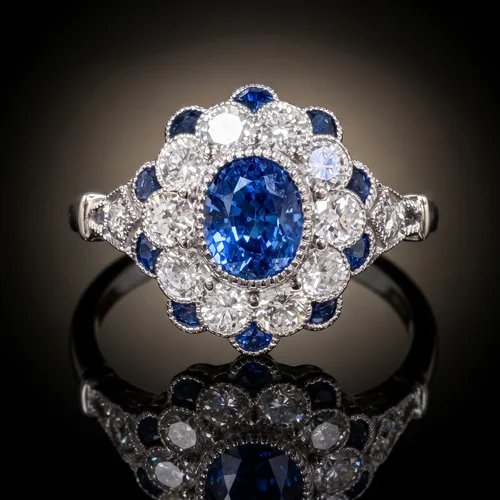
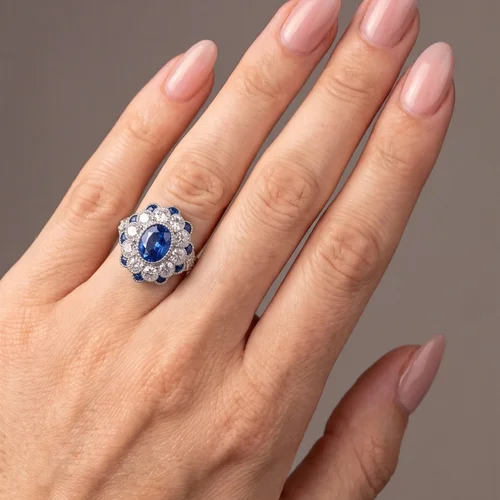 Art Deco Style Platinum Sapphire and Diamond Flower Cluster Ring, 1.27 ct Sapphire£1,925
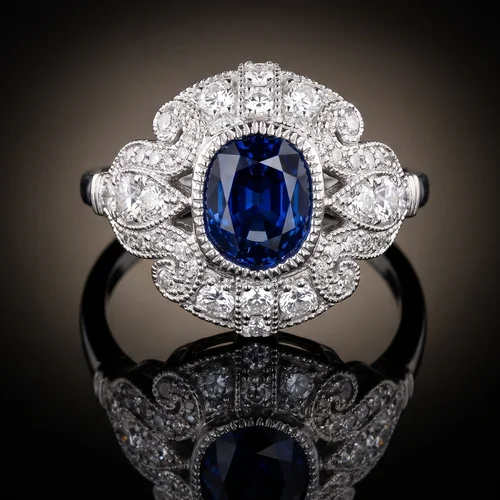
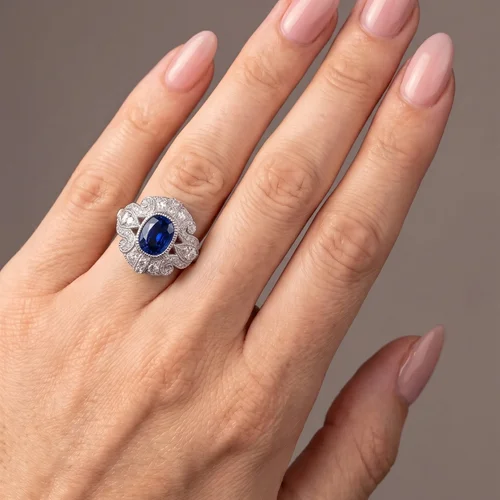 Art Deco Style Platinum Sapphire and Diamond Oval Cluster Ring, 1.11 ct Sapphire£2,610
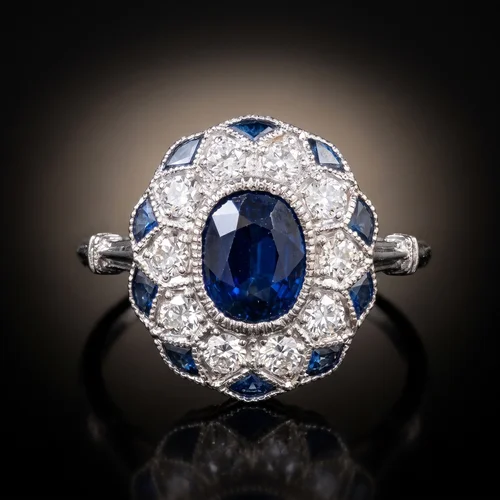
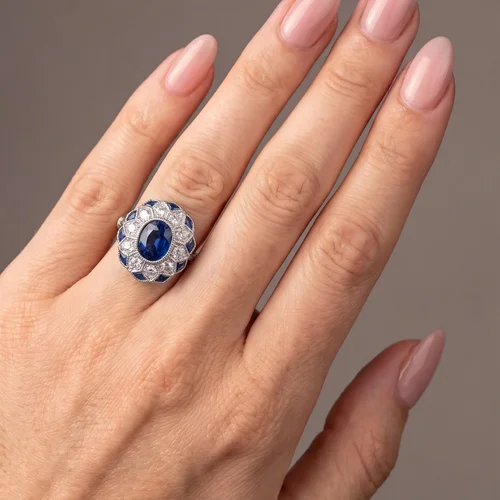 Art Deco Style Platinum Sapphire and Diamond Scalloped Cluster Ring, 1.29 ct Sapphire£2,130
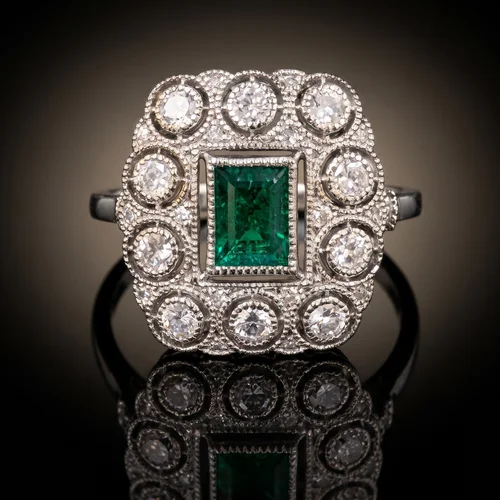
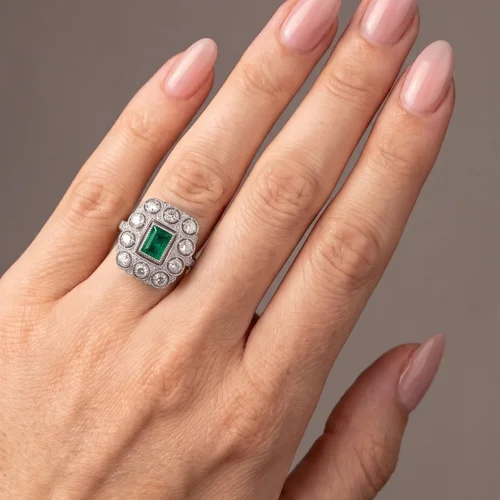 Art Deco Style Platinum Emerald and Diamond Cluster Ring, 0.68 ct Emerald£1,875
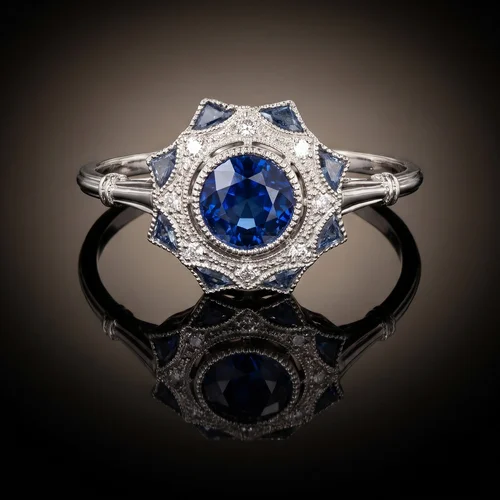
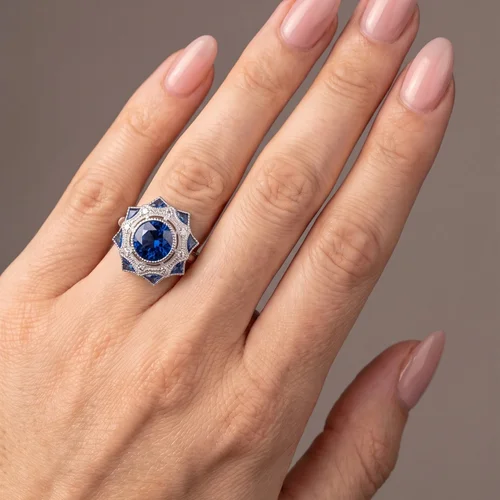 Art Deco Style Platinum Sapphire and Diamond Star Cluster Ring, 1.22 ct Sapphire£1,635
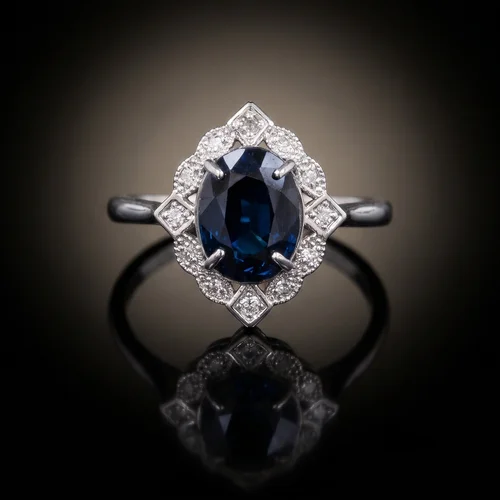
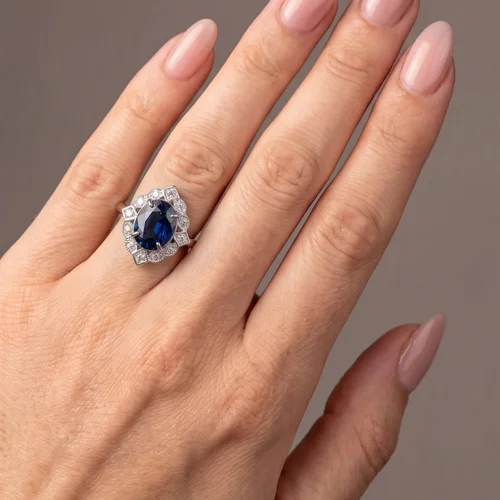 Art Deco Style Platinum Sapphire and Diamond Pear Shaped Cluster Ring, 2.35 ct Sapphire£1,860
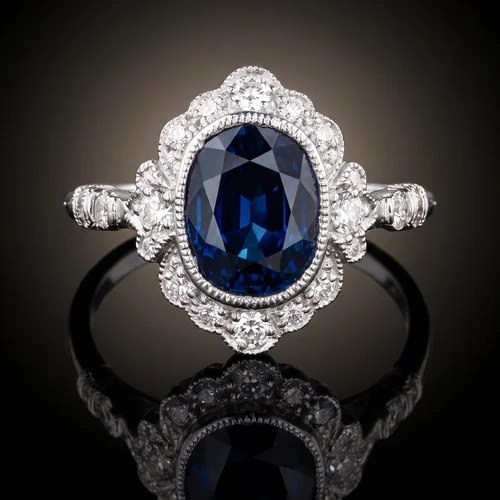
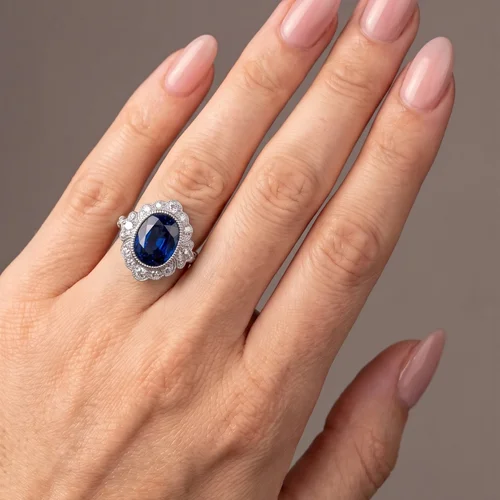 Art Deco Style Platinum Sapphire and Diamond Scalloped Cluster Ring, 2.24 ct Sapphire£2,270
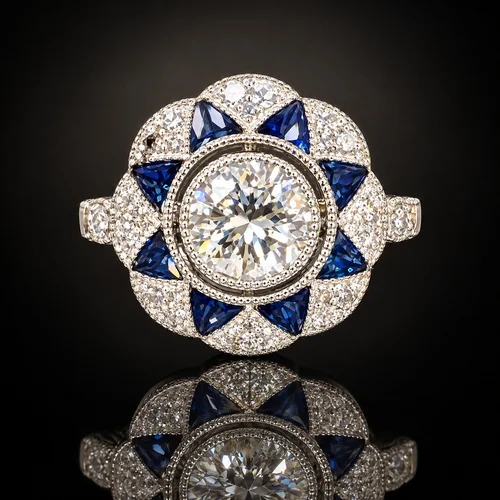
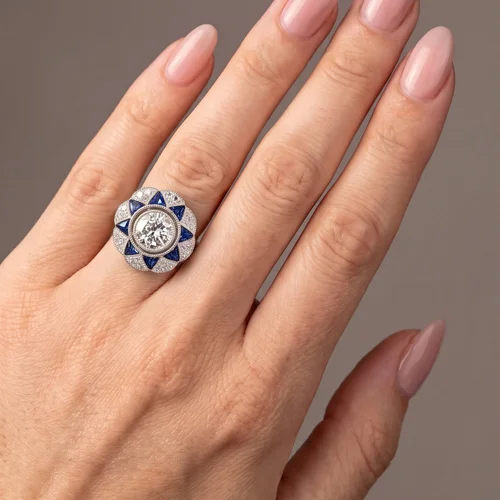 Art Deco Style Platinum Diamond and Sapphire Round Cluster Ring, 1.07 ct Diamond£4,790
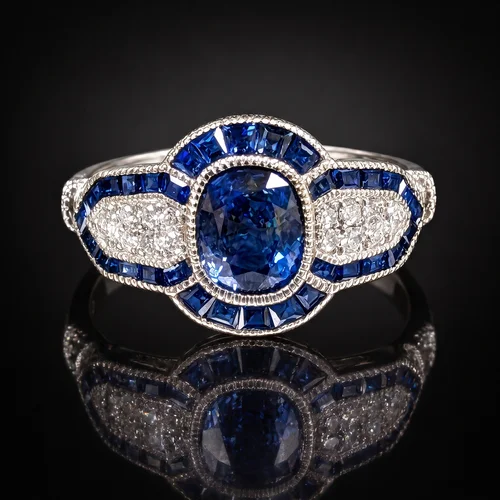
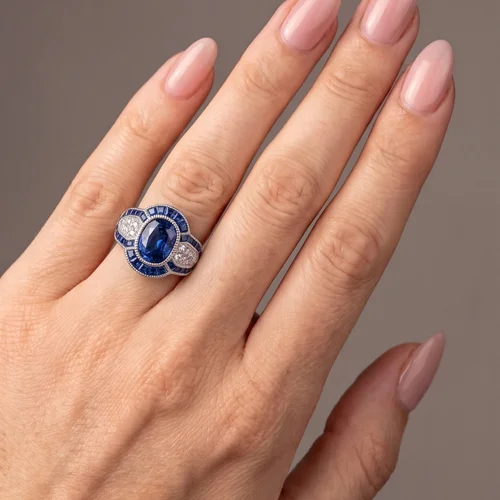 Art Deco Style Platinum Sapphire and Diamond East West Cluster Ring, 1.45 ct Sapphire£2,415
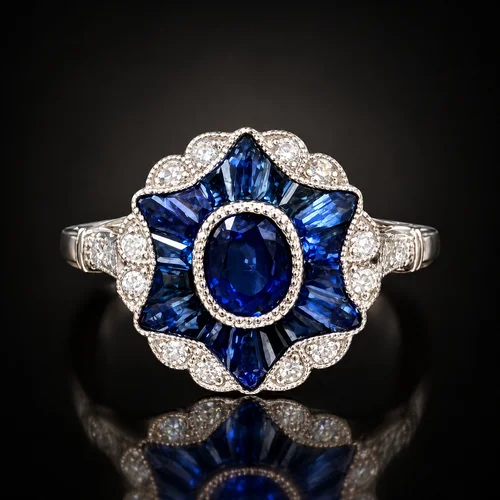
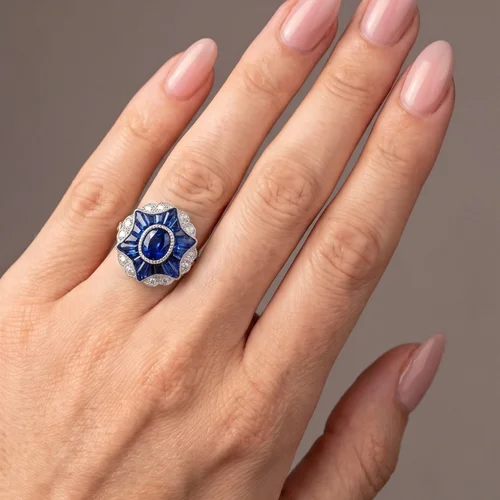 Art Deco Style Platinum Sapphire and Diamond Flower Cluster Ring, 0.58 ct Sapphire£3,625
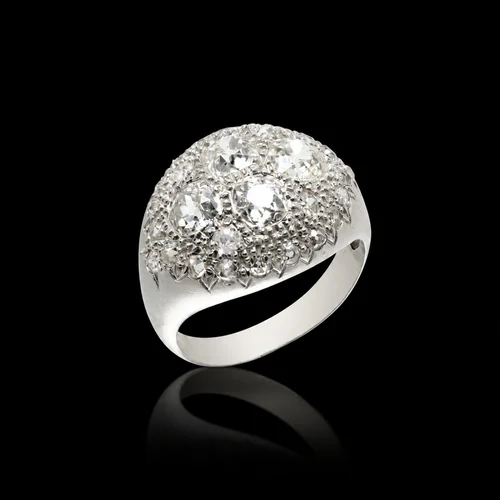
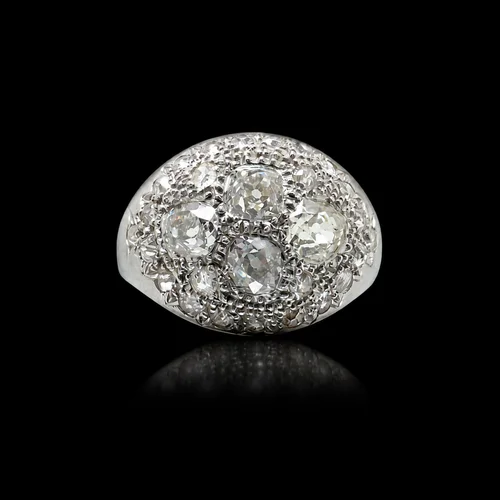 Platinum Old Cut Diamond Bombé Cluster Ring, 2.00 ct£4,650
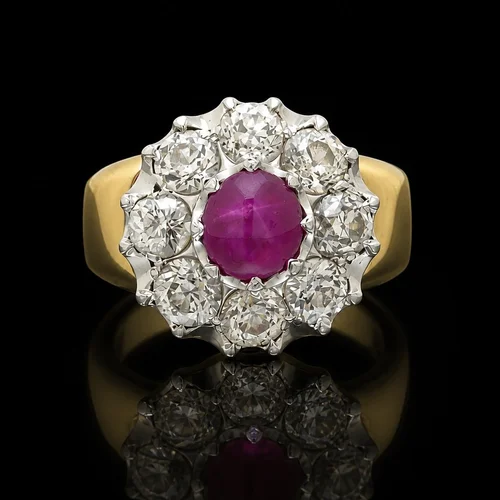
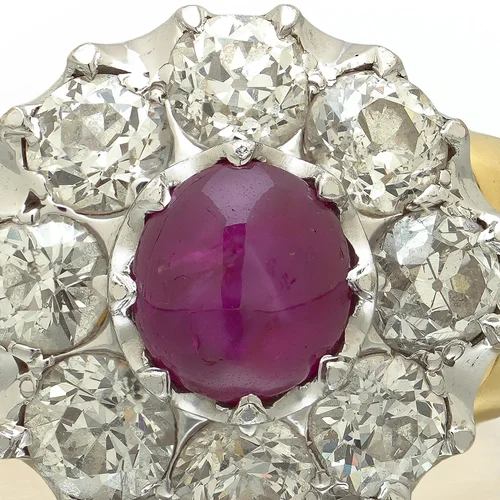 18KT Gold Star Ruby and Diamond Cluster Ring, Signed RJ, 2.40 ct Diamonds£3,450
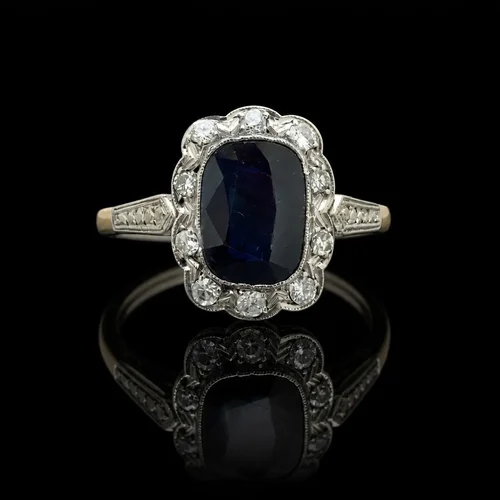
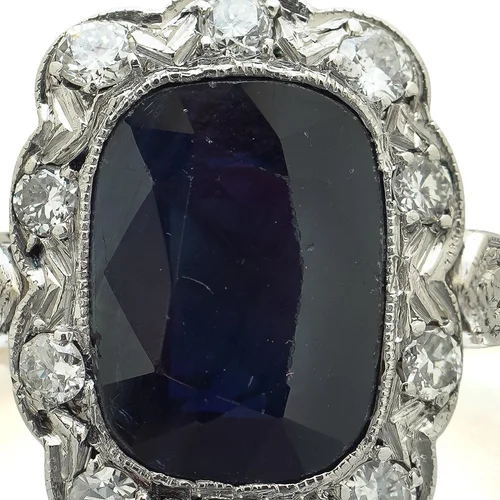 Antique 18KT Gold and Platinum Natural Sapphire and Diamond Cluster Ring, 1.50 ct£4,250
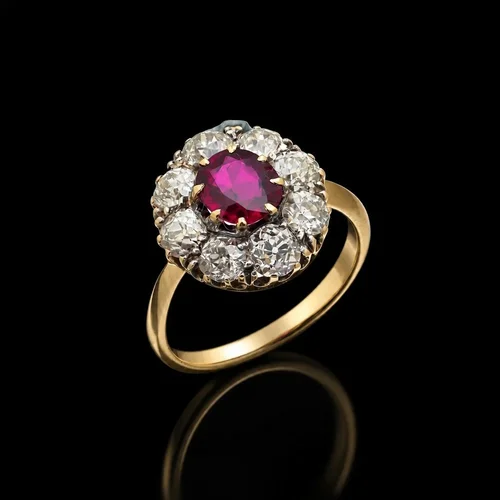
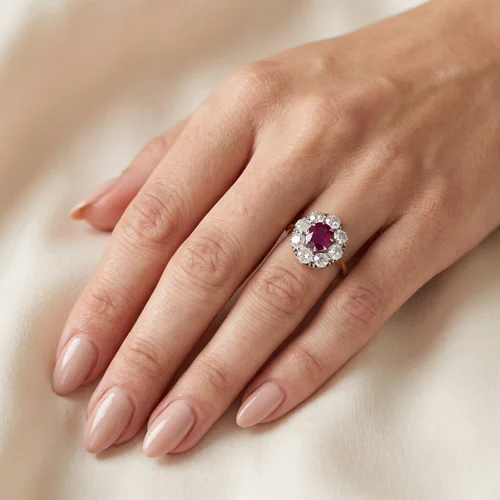 Edwardian 18KT Gold Natural Ruby and Old European Cut Diamond Cluster Ring£3,800
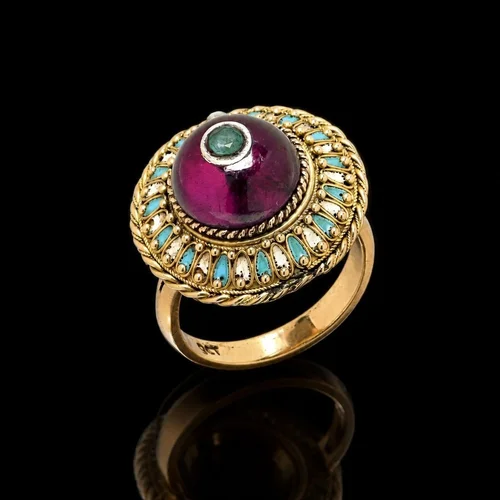
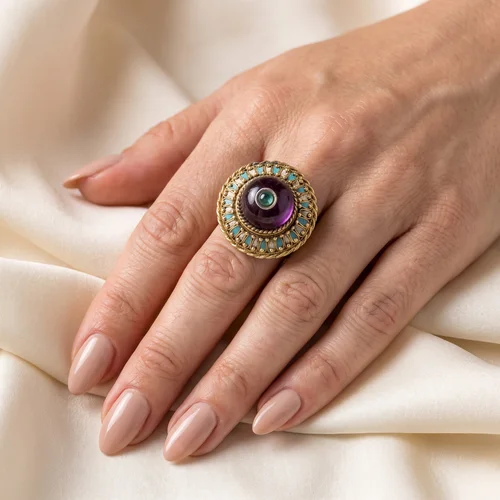 9KT Gold Cabochon Amethyst and Enamel Cluster Ring, Turquoise and White Enamel Petals£1,500
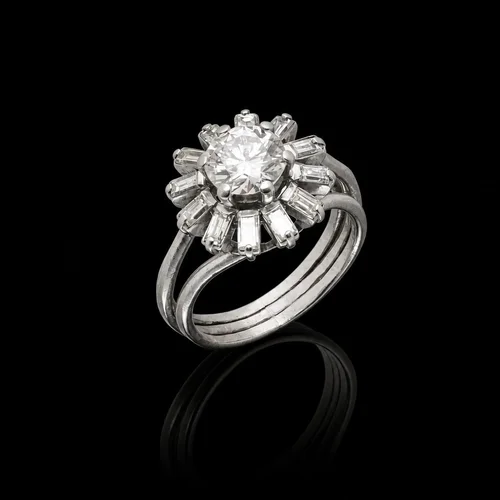
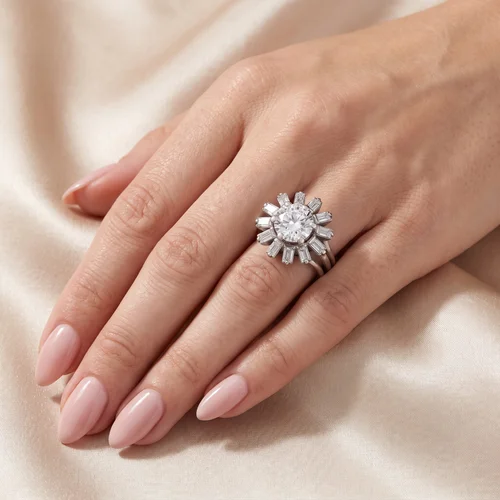 1950s Platinum Diamond Cluster Ring, 1.33 Carat Centre with Baguettes£3,985
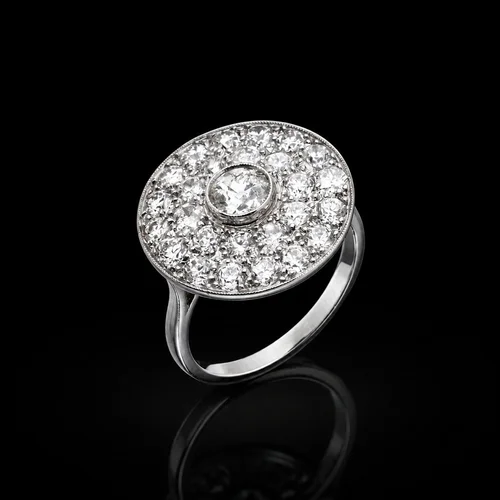
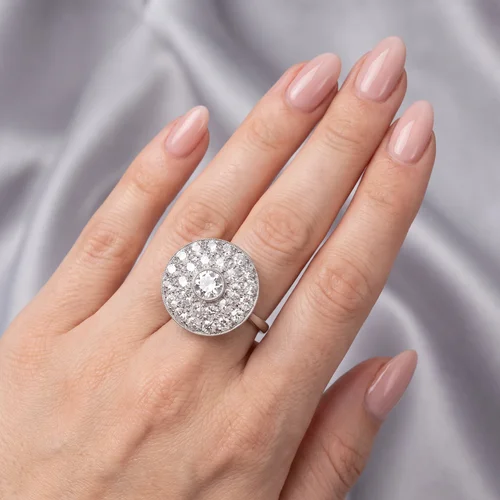 Art Deco Platinum Diamond Target Cluster Ring, Old European Cut, 2.32 Carats£2,985
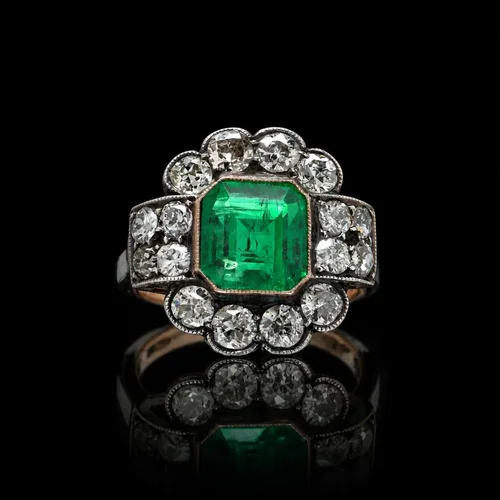
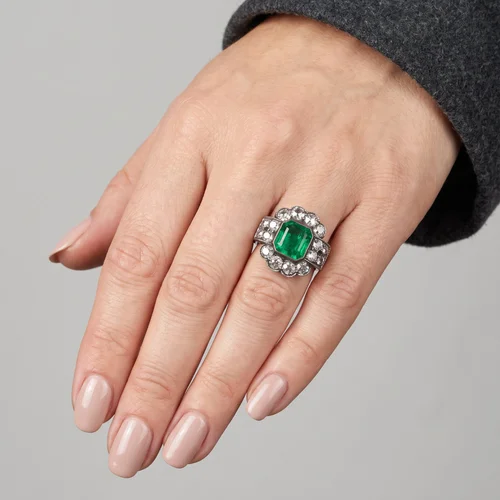 Victorian Russian (Ural) Emerald and Diamond Cluster Ring, 9KT Gold and Silver£13,445
£14,950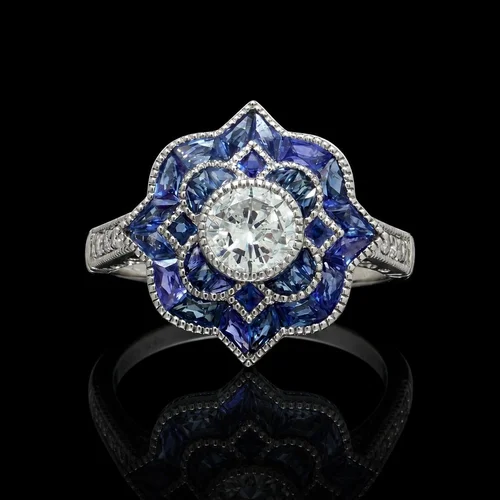
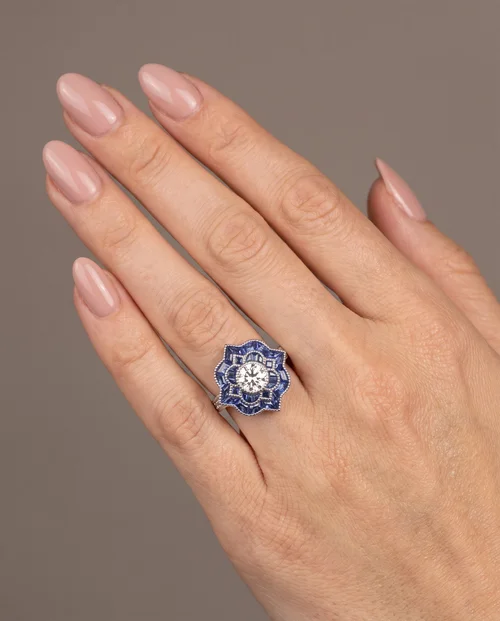 Art Deco Style Platinum Diamond and Calibre Sapphire Star Cluster Ring£2,245
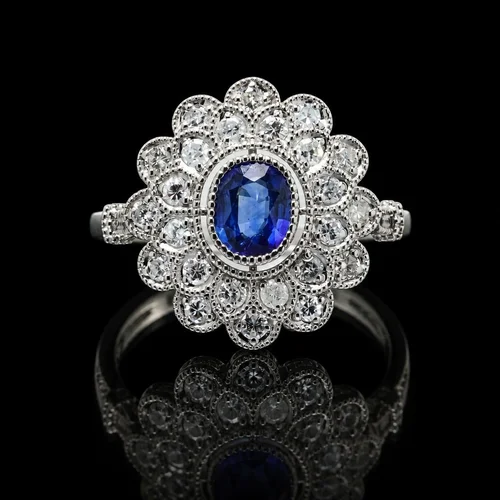
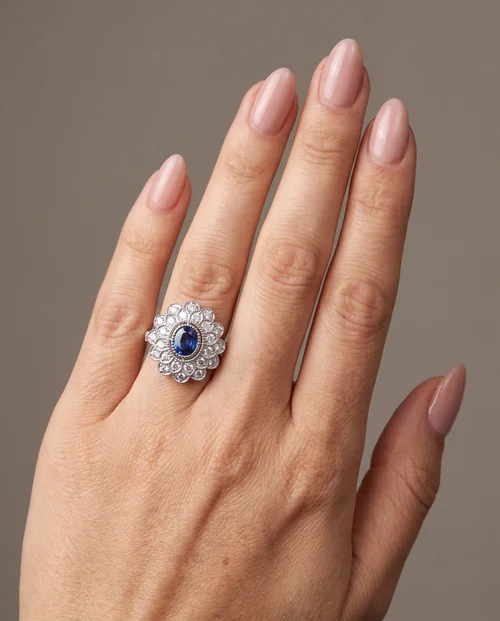 Art Deco Style Platinum Ceylon Sapphire and Diamond Flowerhead Cluster Ring£2,065
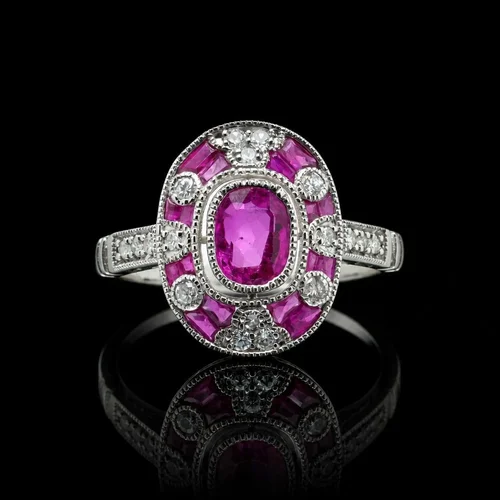
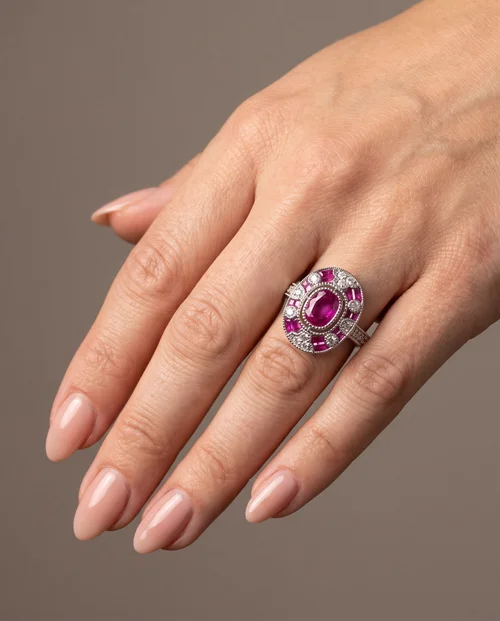 Art Deco Style Platinum 0.81 ct Mozambique Ruby and Diamond Cluster Ring£1,765
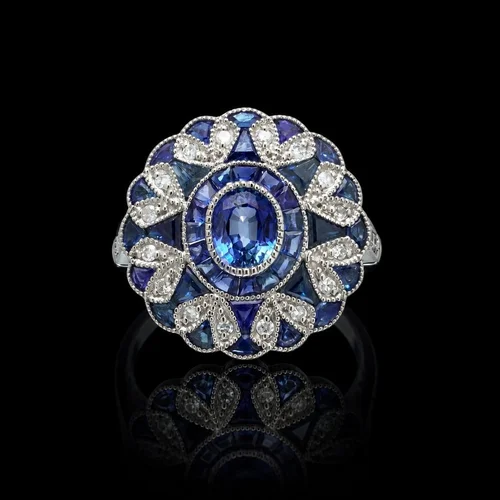
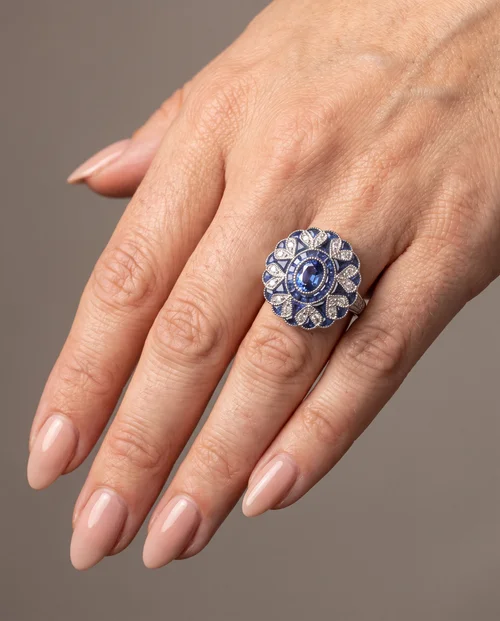 Art Deco Style Platinum Sapphire and Diamond Scalloped Cluster Ring£2,245
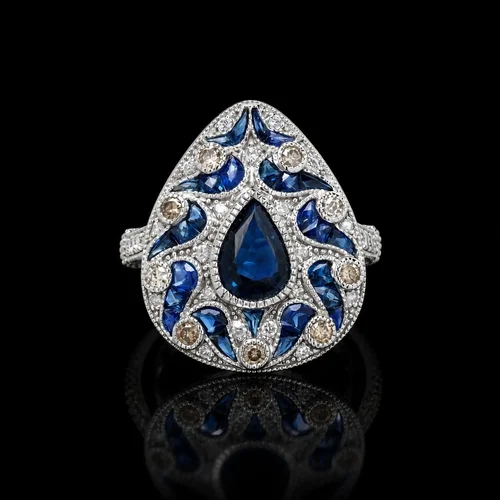
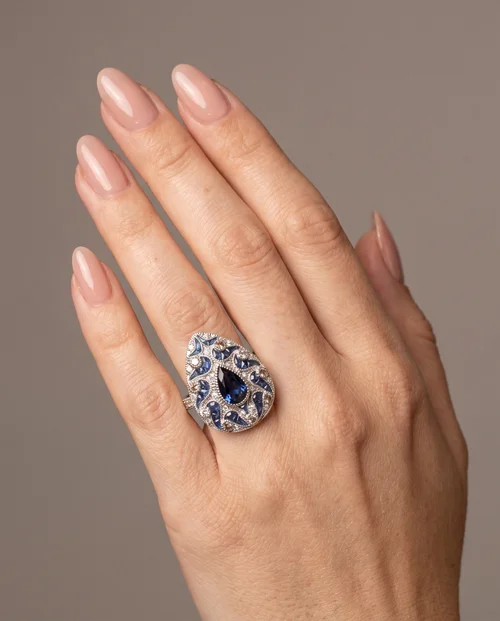 Art Deco Style Platinum Sapphire and Diamond Pear Cluster Ring, 0.88 ct Sapphire£2,415
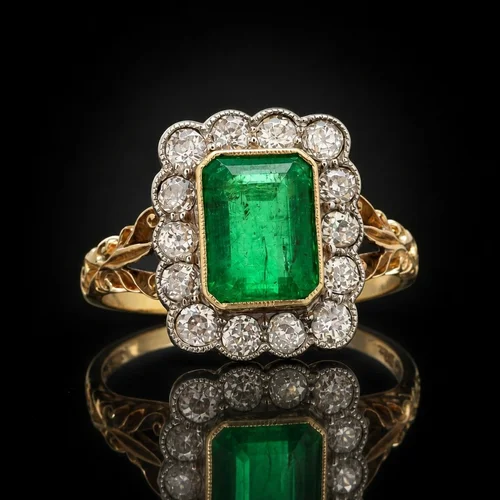
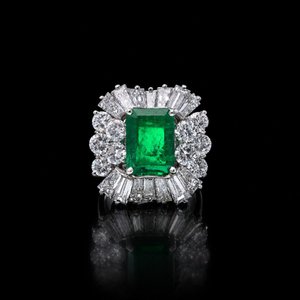
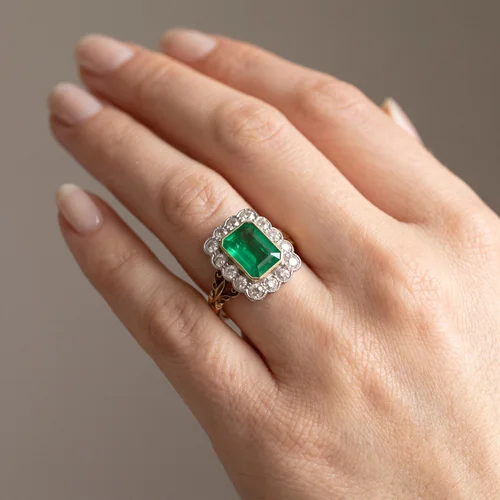 French Art Deco Colombian Emerald & Diamond Cluster Ring, Approx. 2.00 ct£5,950
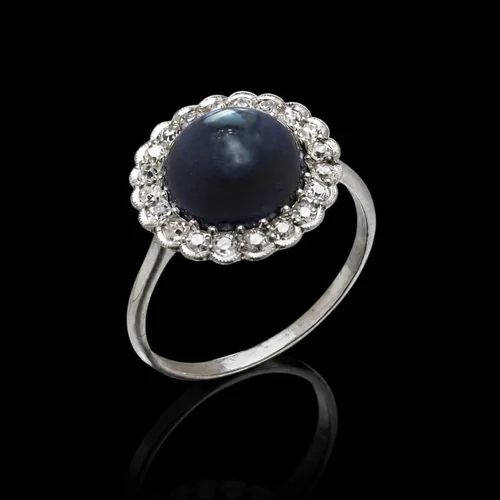
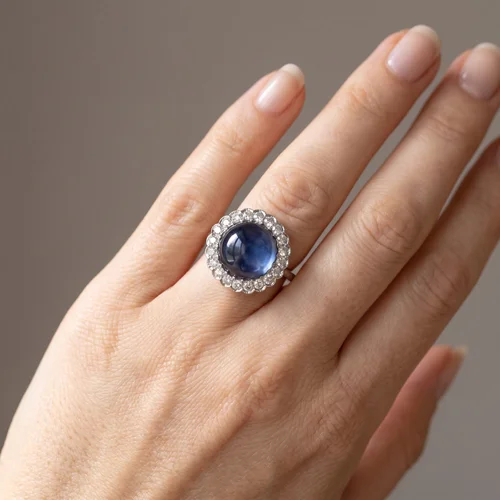 Art Deco Platinum Cabochon Sapphire & Diamond Cluster Ring, Approx. 4.00 ct£3,250
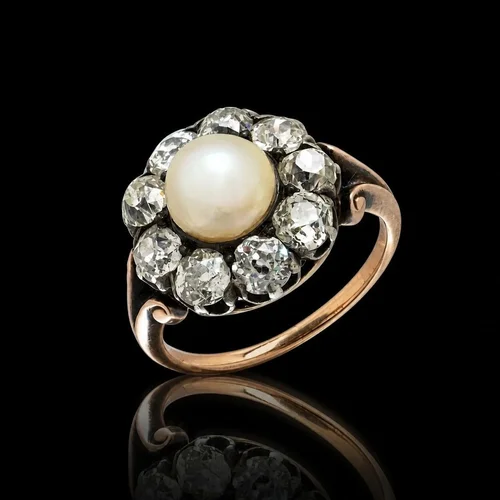
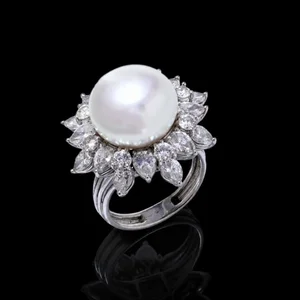
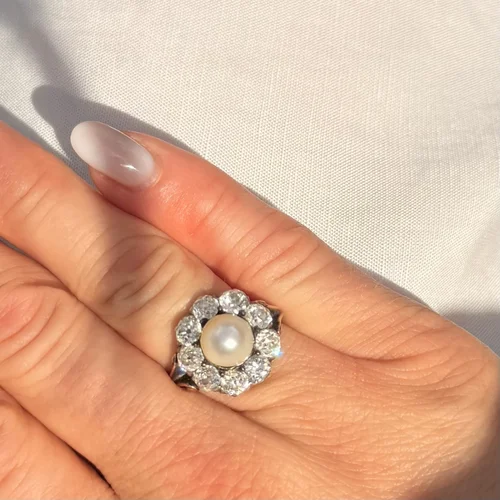 Victorian Natural Pearl & 2.70ct Old European Cut Diamond Cluster Ring, 18KT Gold£8,950
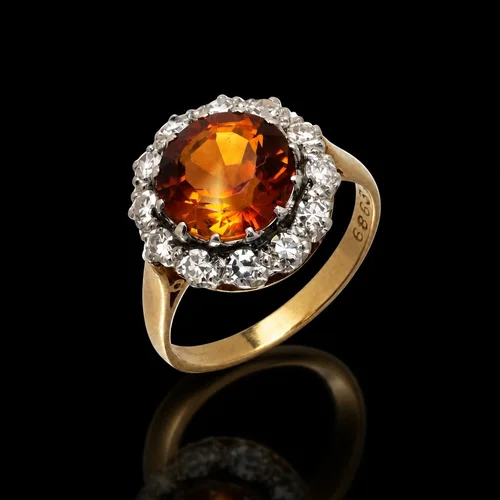
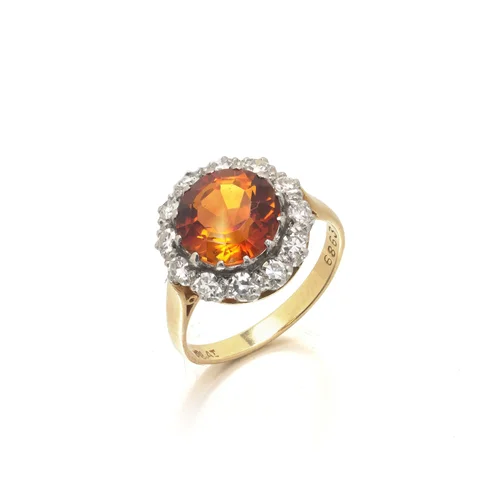 Antique Topaz & Diamond Cluster Ring, 18KT Gold & Platinum£2,650
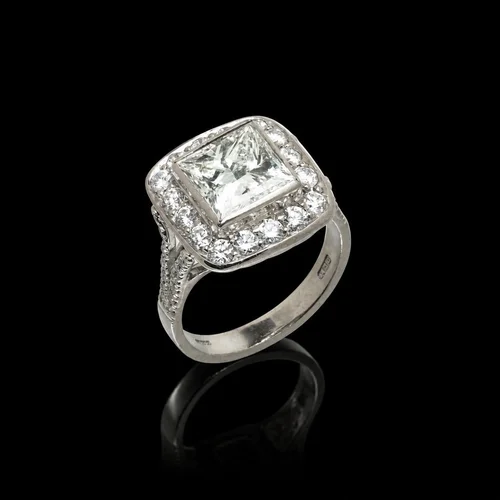
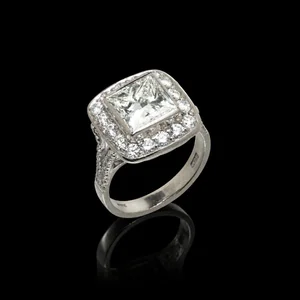
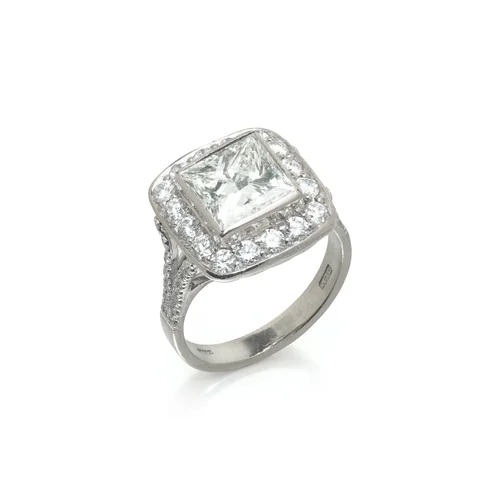 18KT White Gold Princess Cut Diamond Cluster Ring, 1.50 ct Centre£17,950
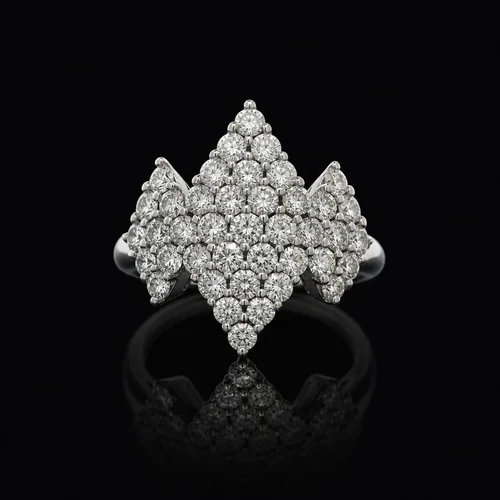
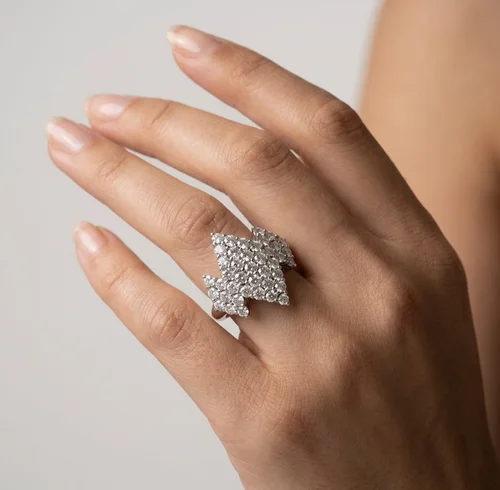 Picchiotti 18KT Gold Diamond Cluster Ring, 42 Round Brilliant Diamonds£2,950
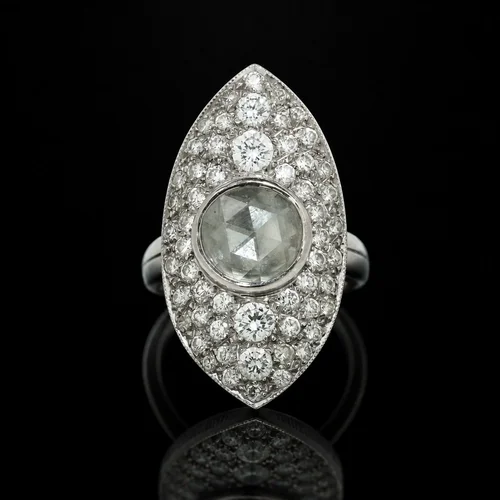
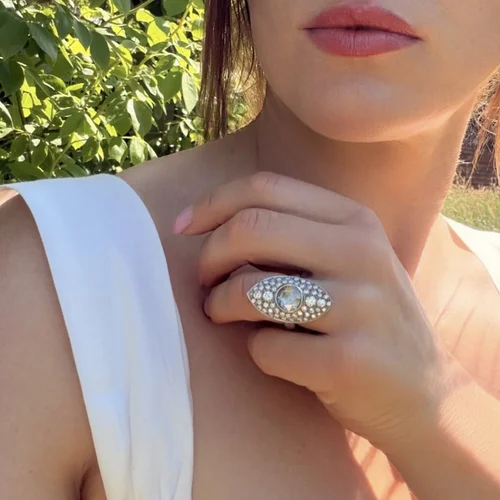 Vintage Rose Cut and Brilliant Cut Diamond Cluster Ring£5,950
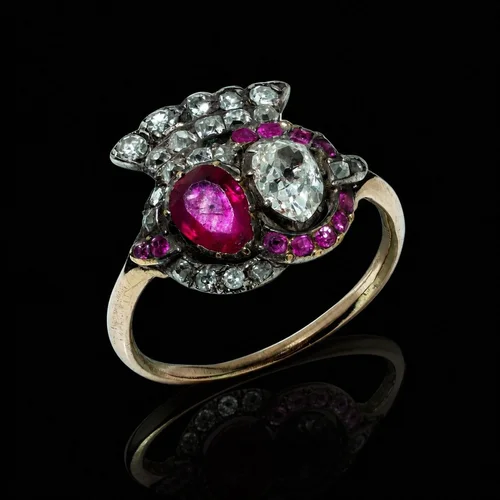
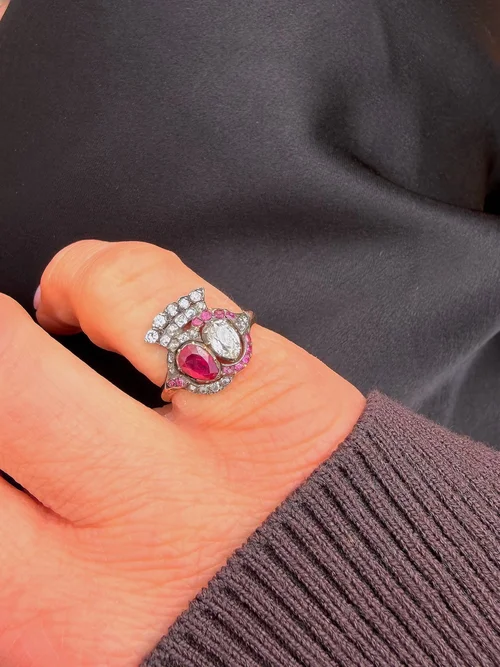 Georgian Gold Natural Ruby and Diamond Cluster Ring£8,950
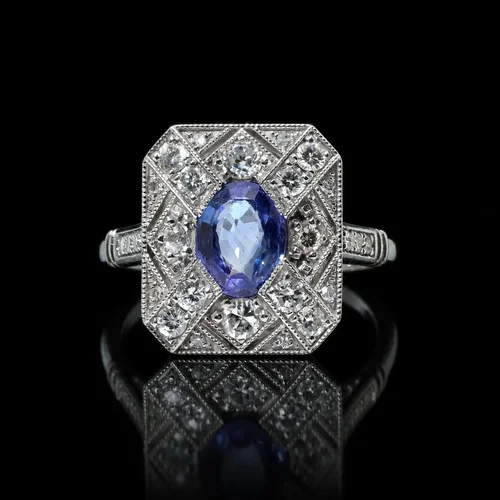
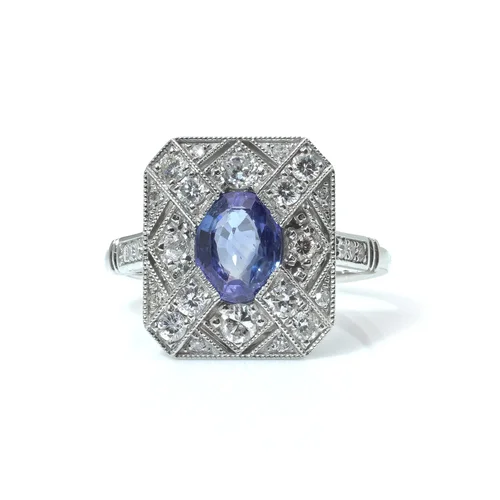 Art Deco Style Sapphire and Diamond Ring, 1.25 ct Oval Sapphire£1,985
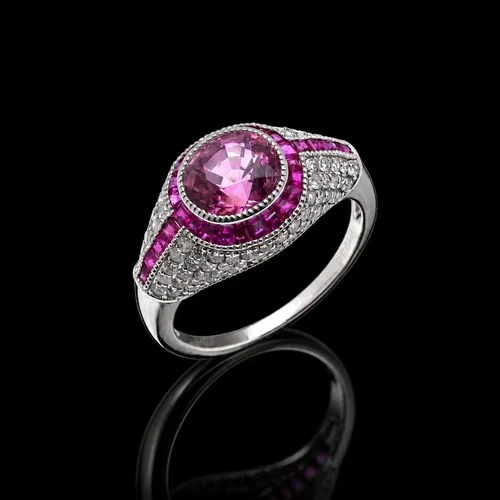
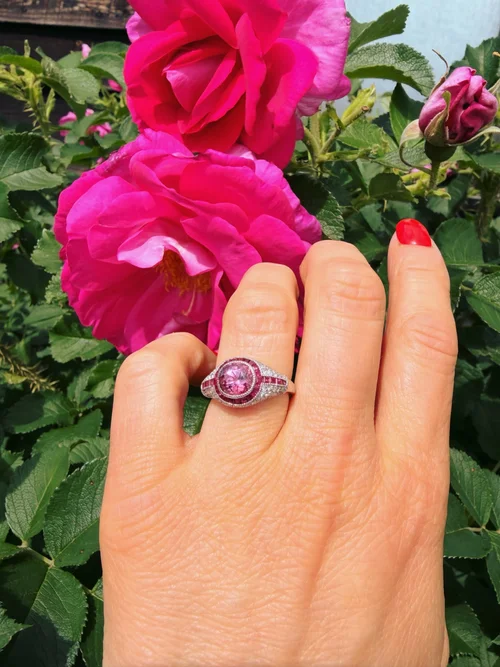 Burma Ruby and Diamond Cluster Ring, Platinum, Art Deco Style£2,450
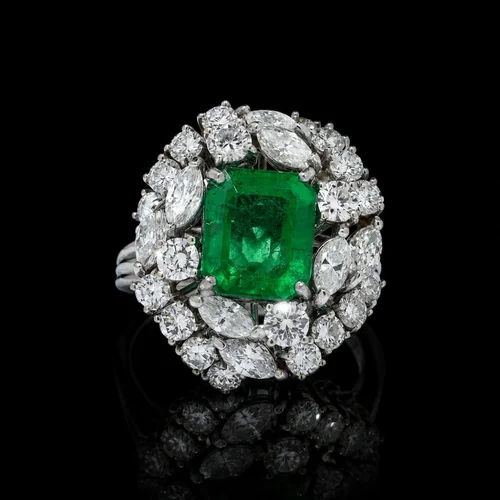
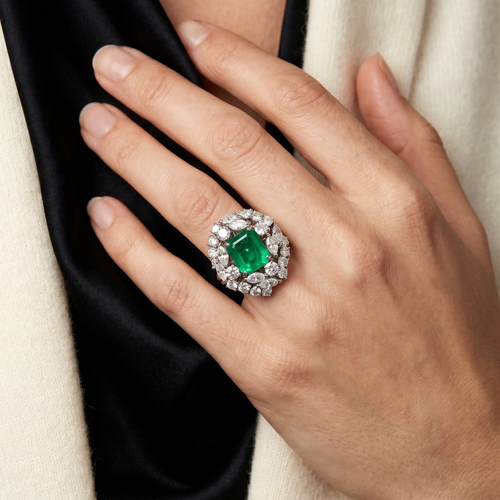 18KT White Gold 3.22ct Colombian Emerald Diamond Cluster Ring£14,850
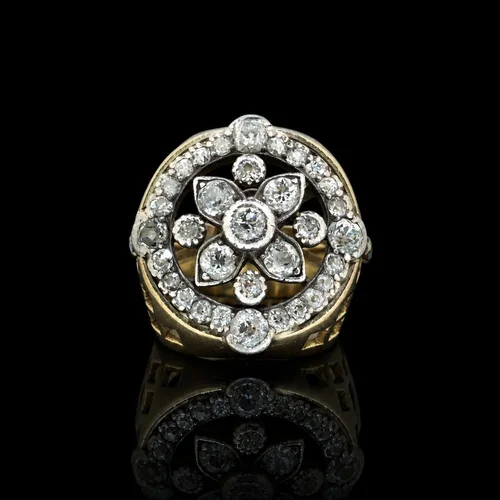
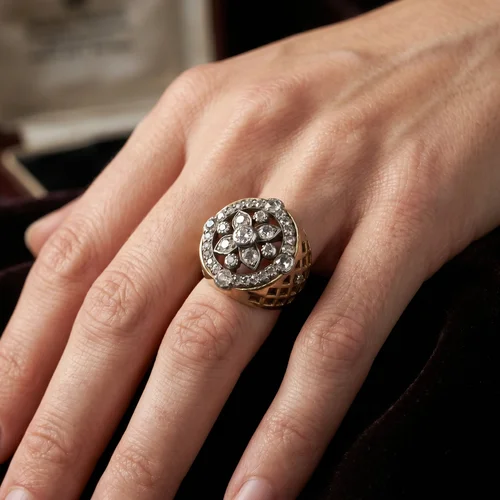 Early 20th Century 18KT Gold Old European Cut Diamond Cluster Ring 2.60ct£3,450
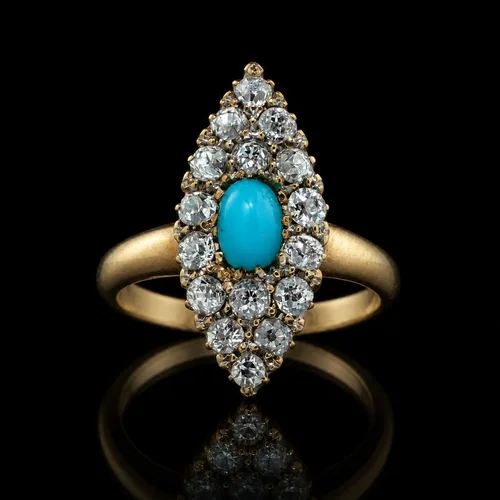
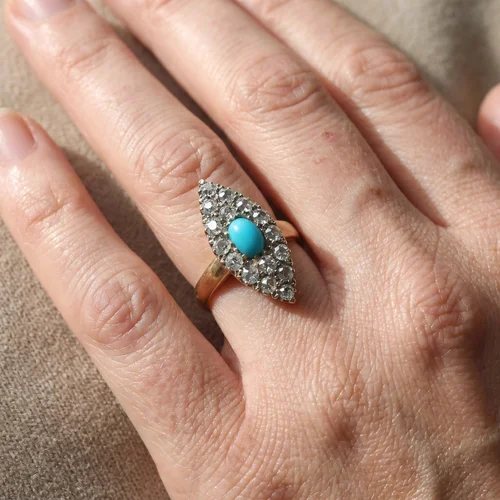 Early 20th Century 18KT Gold Turquoise and Old Cut Diamond Cluster Ring£2,650
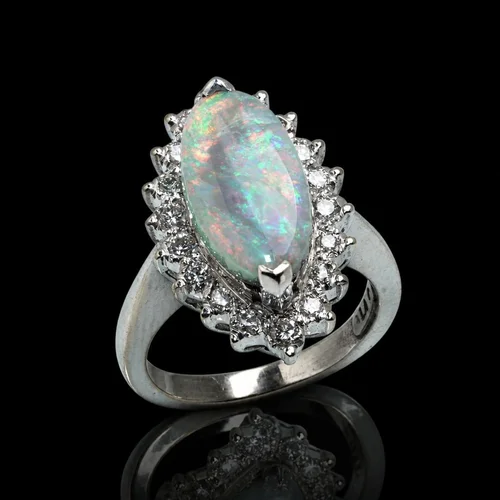
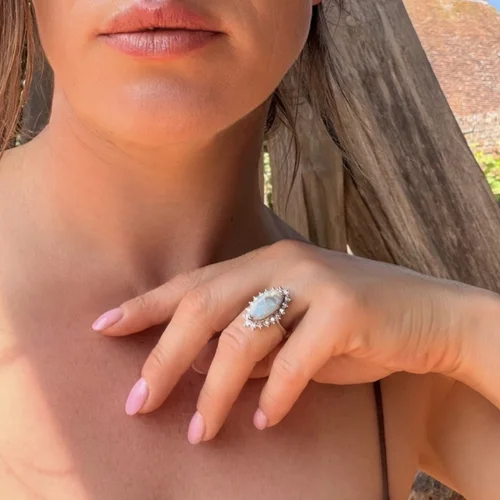 Vintage 14KT White Gold Opal and Diamond Cluster Ring£1,850
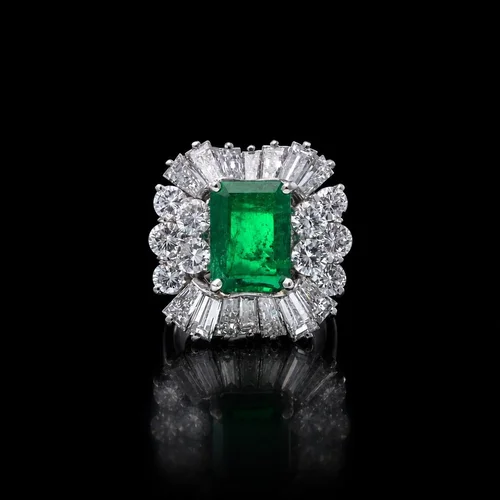
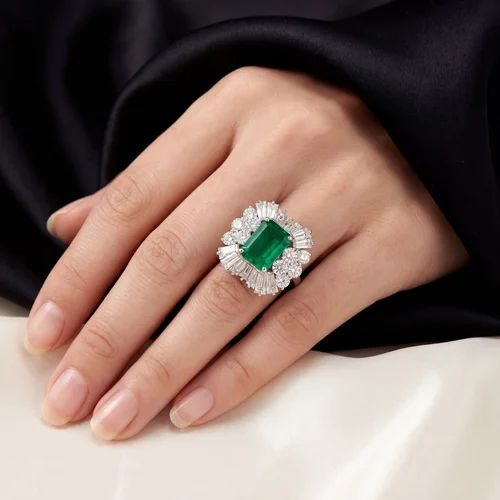 Colombian Emerald and Diamond Cluster Ring, Platinum, 2.50 ct, AGL£16,500
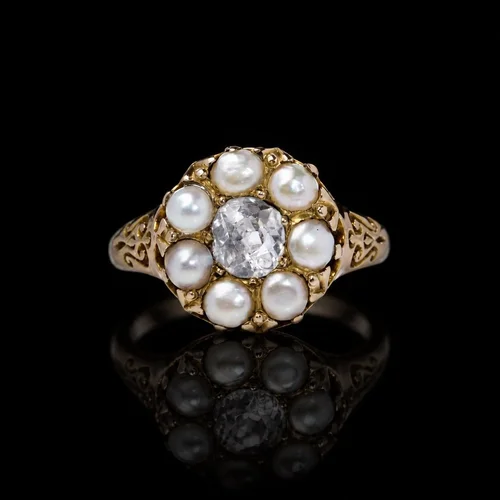
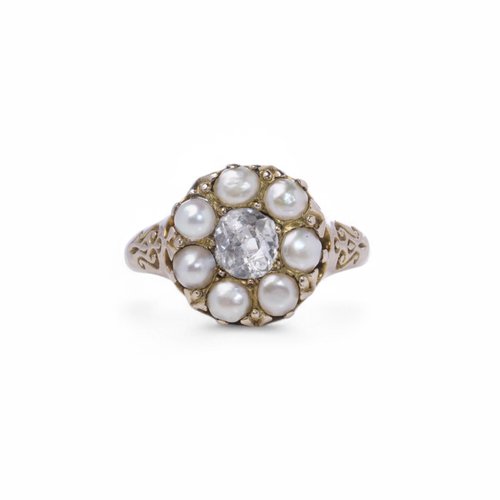 Antique 9KT Yellow Gold Pearl and Old Mine Diamond Cluster Ring£2,985
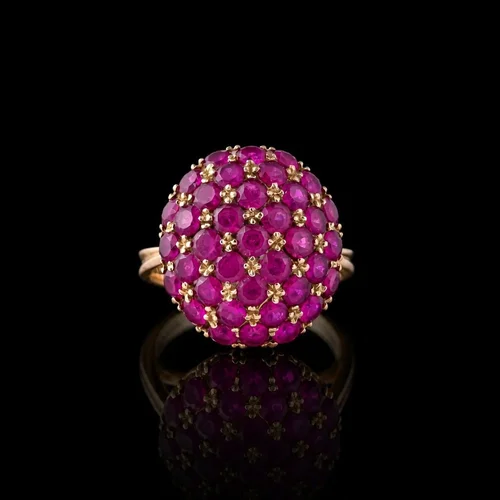
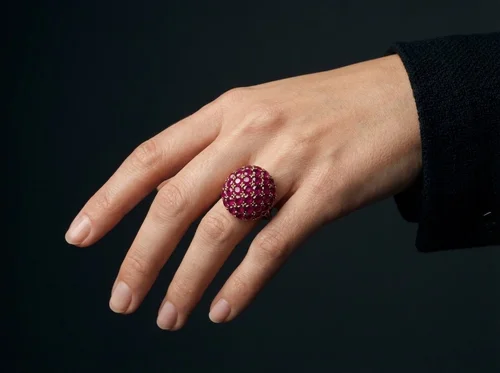 Vintage Ruby Cluster Ring, 18KT Gold, 5.4 ct Natural Rubies£4,500
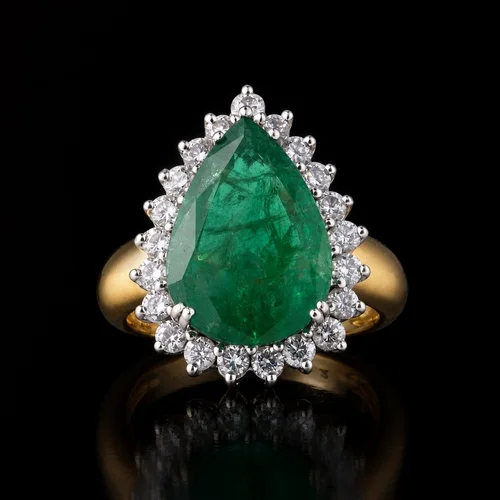
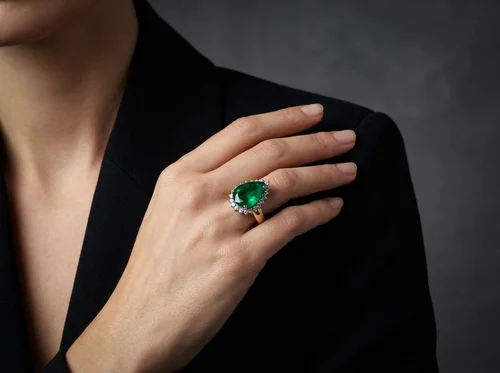 Vintage 18KT Gold Cluster ring with 6ct Natural Emerald & Diamonds£5,985
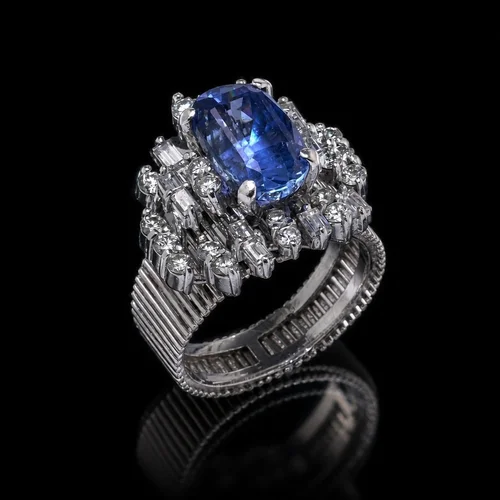
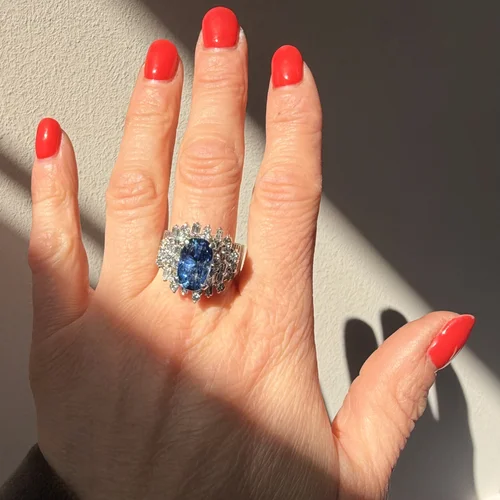 18KT White Gold 3 ct Ceylon Sapphire and Diamond Cluster Ring£8,995
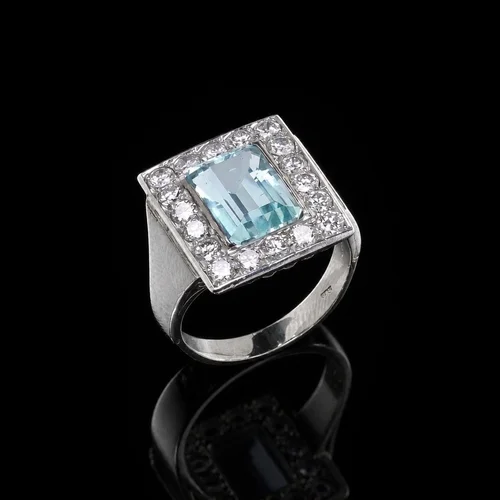
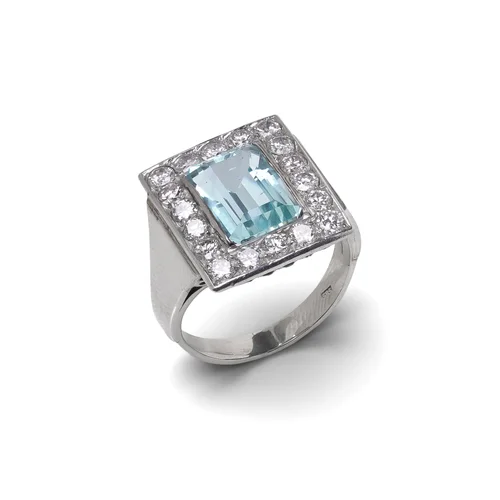 Vintage Aquamarine and Diamond Cluster Ring, 14KT White Gold, 3.00 ct£4,200
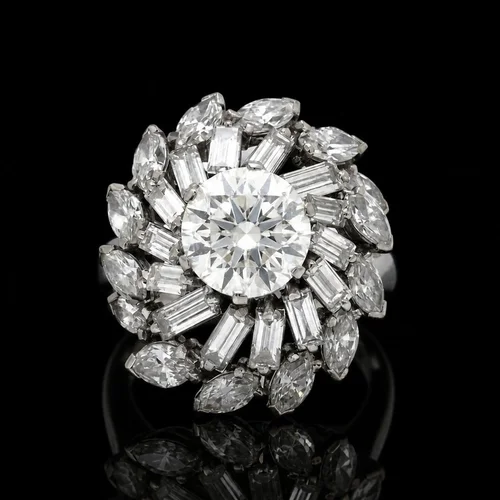
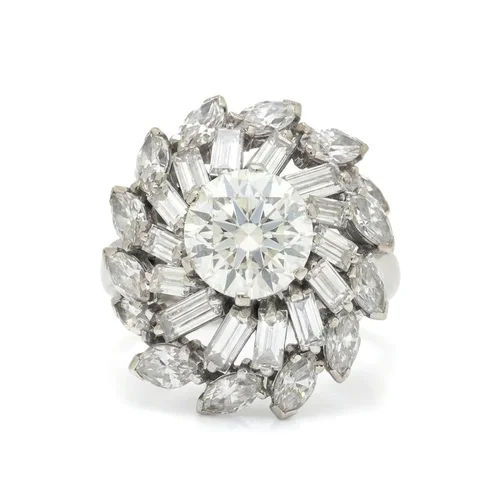 18KT White Gold Diamond Cluster Ring with 2.50ct Centre Diamond£13,950
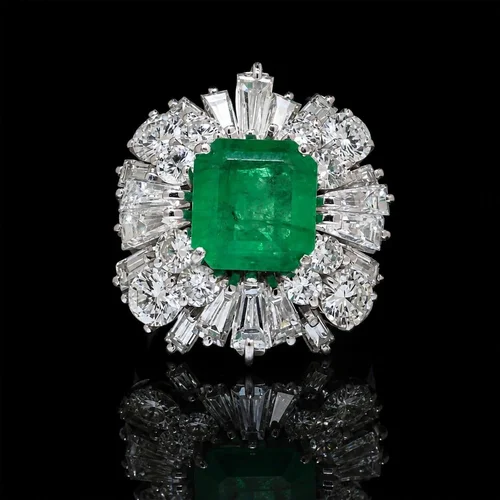
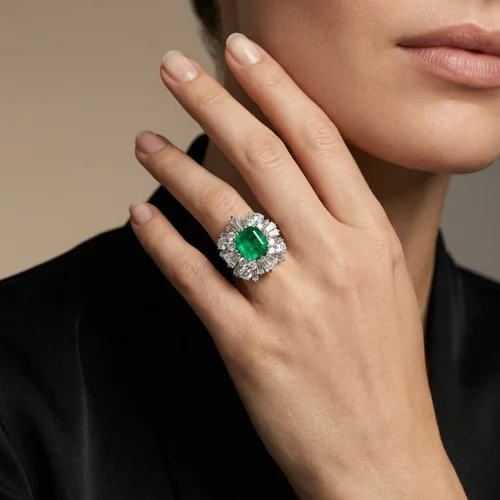 18KT White Gold Colombian Emerald & Diamond Cluster Ring£5,950
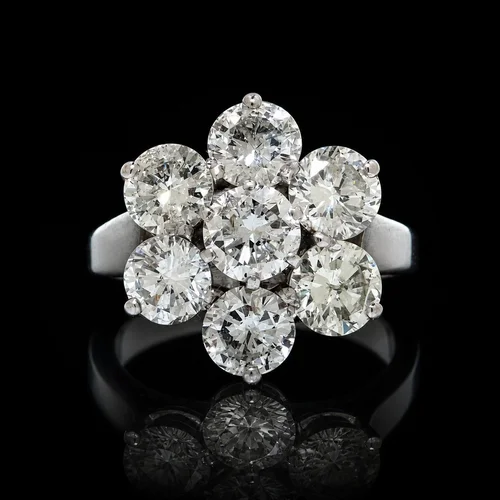
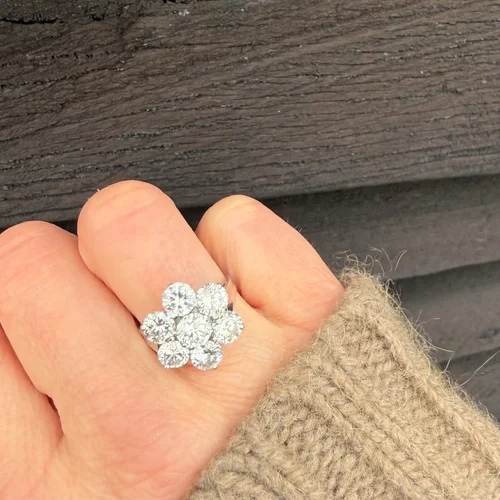 18KT White Gold Diamond Cluster Ring, 3.90 ct Round Brilliant VS1£7,450
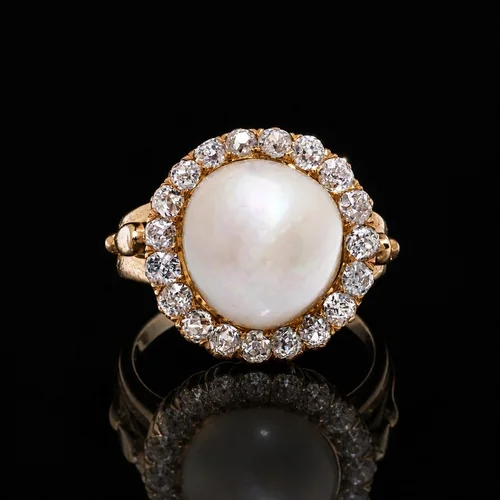
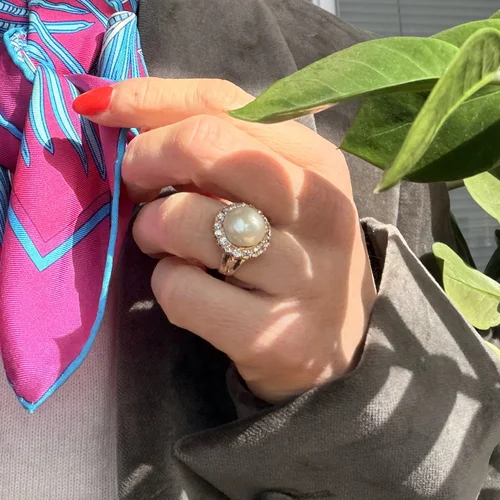 Edwardian 18KT Gold Natural Pearl & Diamond Cluster Ring, Circa 1910£3,895
Recently sold
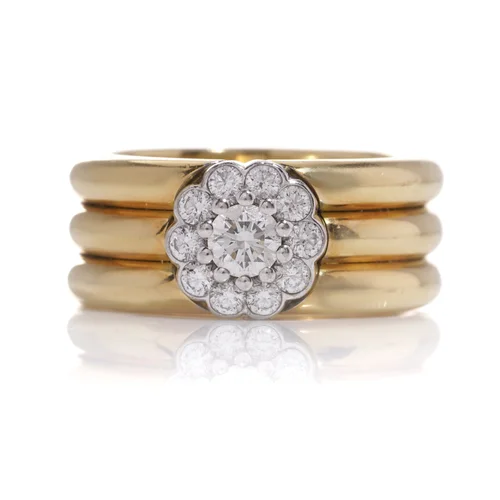 18KT Gold Triple Band Diamond Cluster RingSold
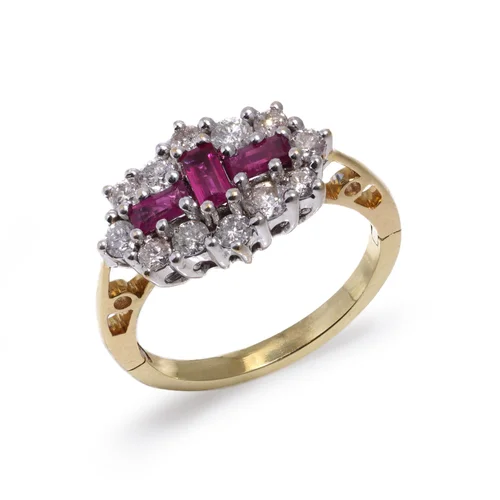 18KT gold diamond and ruby cluster ringSold
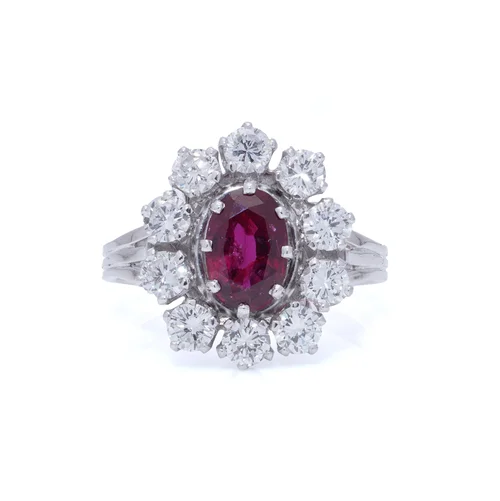 Vintage French 18KT Gold Ruby and Diamond Cluster RingSold
Georgian Gold Cabochon Garnet and Rose Cut Diamond Cluster RingSold
18KT White Gold Natural Ceylon Sapphire & Diamond Cluster Ring 5.91ctSold
Vintage 18KT White Gold Colombian Emerald & Diamond Cluster RingSold
Questions
What is a cluster ring?
A ring whose head groups several stones together to form one larger shape, usually a centre stone surrounded by smaller diamonds, or a daisy of matching stones.
What is the difference between a cluster ring and a halo ring?
A halo is a thin ring of small diamonds around a centre stone, usually in a modern setting. A cluster is the older, broader term: the surrounding stones are often larger and form the shape of the ring head.
Are cluster rings in style?
Yes. Cluster rings have been made for over 200 years and remain one of the most popular antique and vintage designs, especially for engagement rings.
Are cluster rings vintage?
Many are. Clusters were especially popular in the Victorian and Edwardian periods and again from the 1950s to the 1980s, so most antique and vintage collections are rich in them.
What does a cluster ring look like?
A cluster ring has a group of stones set close together in a raised head, usually a centre stone surrounded by smaller ones, so it reads as one larger shape. Outlines include round daisy, oval, navette and square. Centres can be diamond, sapphire, ruby, emerald or opal, ringed by diamonds.
When were cluster rings popular?
Cluster rings have been made since the 18th century: Georgian clusters with foiled rose cuts, Victorian and Edwardian clusters with old cut diamonds, and 1970s clusters in yellow gold. The 1981 royal engagement ring, a sapphire ringed by 14 diamonds, is a cluster and renewed interest in the style.
More questions (4)
Can a cluster ring be resized?
Most cluster rings can be resized up or down by a jeweller, because the stones sit in the head and the band is plain. Rings with stones set into the shoulders or the whole band need more care, and very large changes can distort the head. Antique rings should be sized by a specialist.
What are the drawbacks of a cluster ring?
A raised cluster can catch on knitwear and gloves, and its many small claws need checking once a year so that no stone is lost. Dirt collects under the head and dulls the stones, so regular cleaning matters. A low, rub-over cluster is more practical for daily wear.
How do I clean a cluster ring?
Soak a diamond, sapphire or ruby cluster briefly in warm water with mild washing-up liquid and brush under the head with a soft toothbrush. Do not soak emerald, opal or pearl clusters, or Georgian closed-back settings: wipe these with a damp cloth instead and dry them at once.
Are cluster rings cheaper than solitaire rings?
For the same total carat weight, usually yes: many small stones cost less than one large stone of equal weight, because value per carat rises with the size of a single stone. A cluster gives a broad look, while a solitaire concentrates value in one diamond. Period and maker also count.