Antique & Vintage Ruby Jewellery
Antique ruby jewellery and vintage ruby jewellery: Victorian ruby and diamond rings and brooches in gold, Edwardian platinum pieces set with Burmese rubies, Art Deco designs with calibre-cut rubies, and the vintage ruby necklaces and bracelets of the mid-century. Unusual ruby jewellery is among the most searched coloured-stone jewellery in Britain, and a fine antique ruby shows a glowing red that modern stones seldom match. See our ruby rings or ruby brooches.
5.0 by our buyers on Google · 4,000+ customers
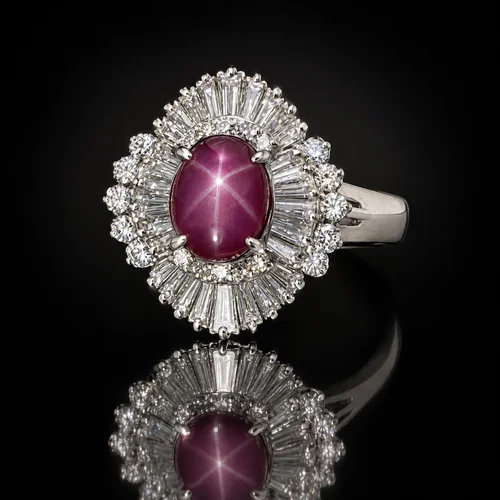
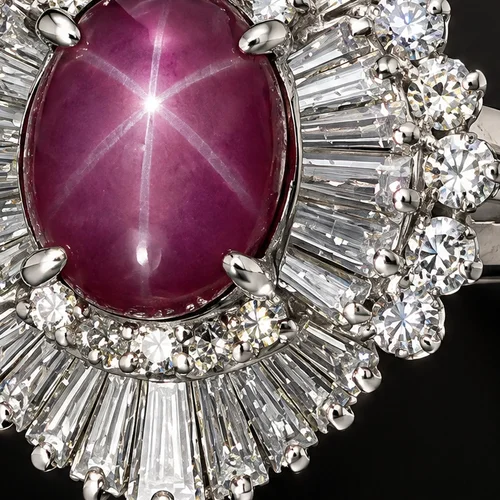 Platinum 1.67 ct Burmese Star Ruby and Diamond Ballerina Ring£3,985
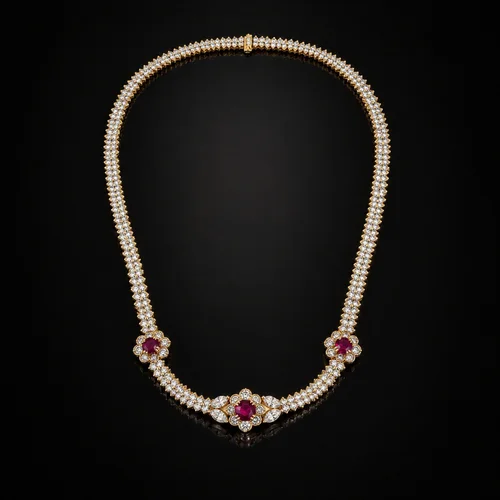
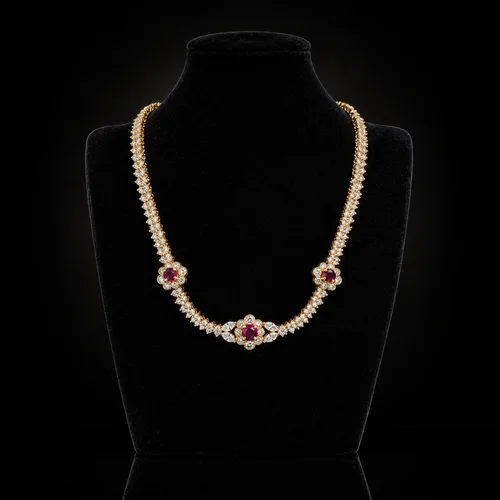 Van Cleef & Arpels 18KT Gold 3.00 ct Ruby and 9.24 ct Diamond Necklace£16,950
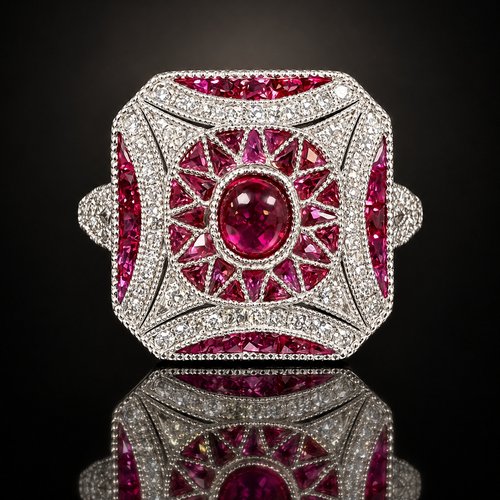
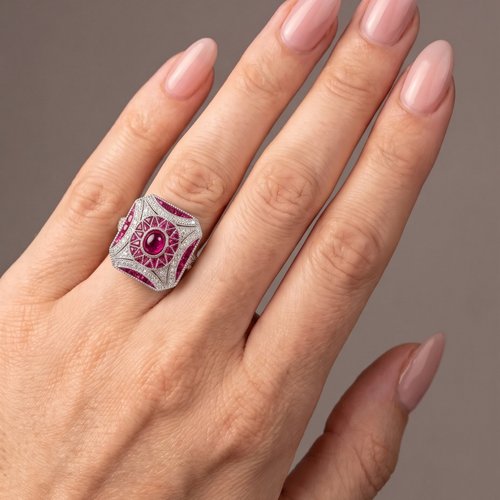 Art Deco Style Platinum Ruby and Diamond Square Sunburst Plaque Ring, 0.64 ct Ruby£2,810
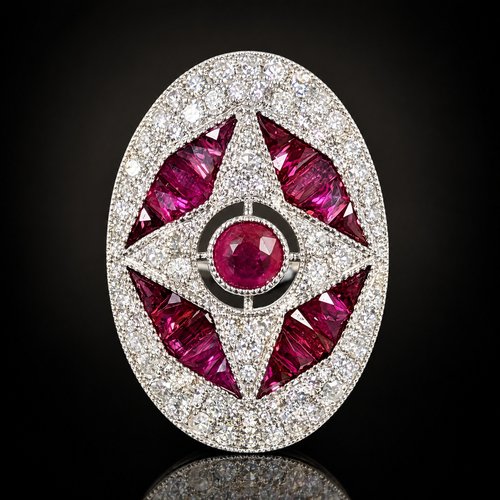
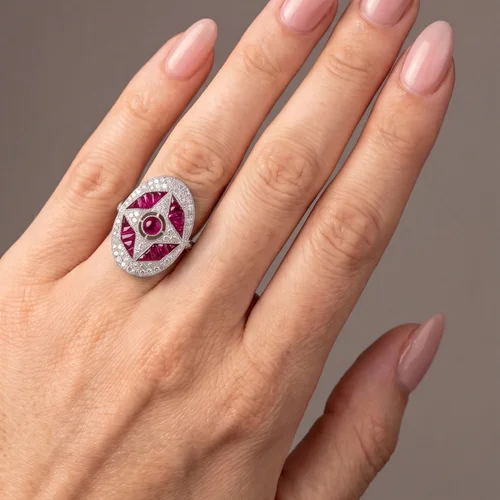 Art Deco Style Platinum Ruby and Diamond Oval Plaque Ring, 0.60 ct Ruby£4,285
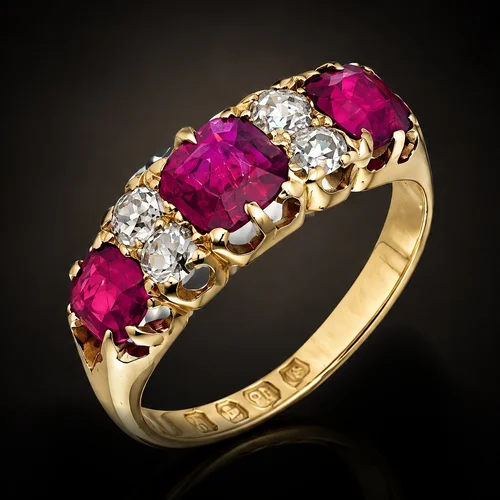
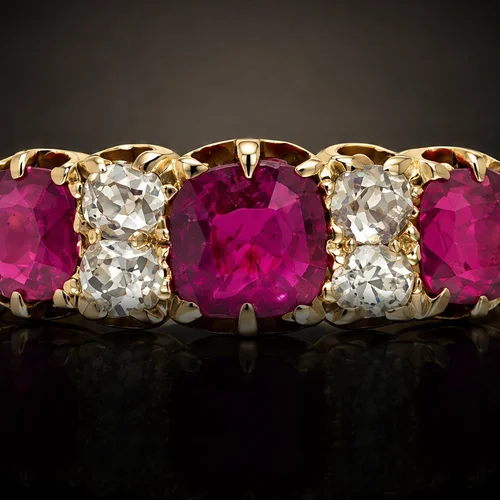 18KT Gold Ruby and Old European Cut Diamond Three Stone Ring, London 1941, 2.00 ct£3,480
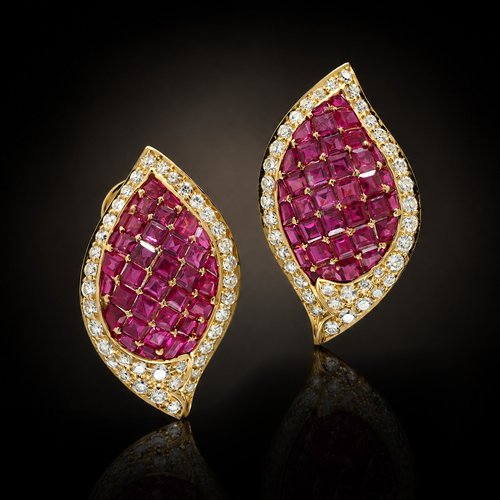
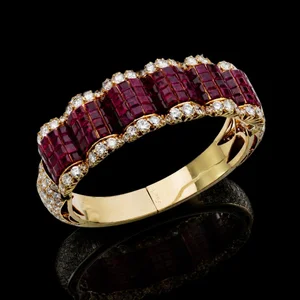
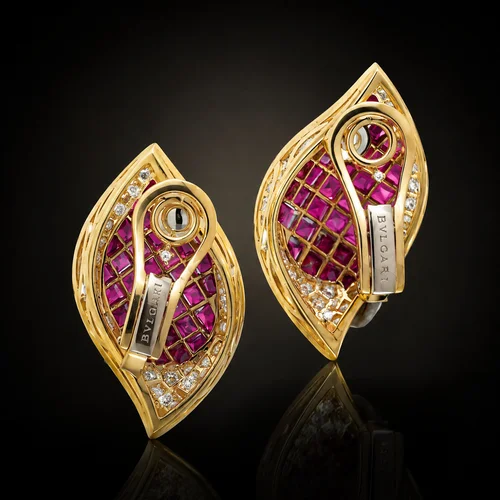 Bulgari 18KT Gold Invisible Set Burmese Ruby and Diamond Leaf Clip Earrings£16,785
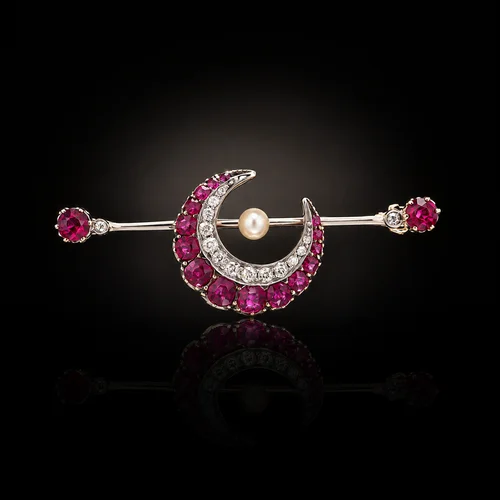
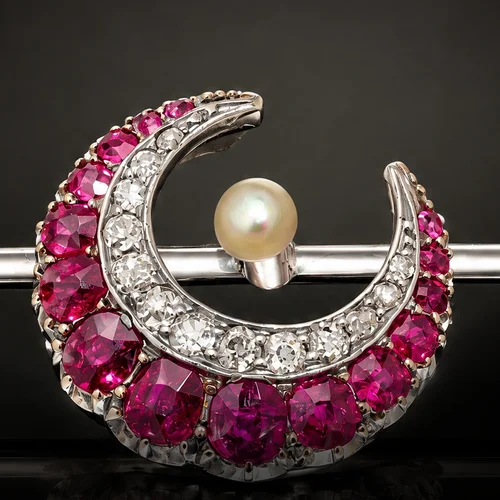 Victorian Natural Ruby, Diamond and Pearl Crescent Bar Brooch£4,950
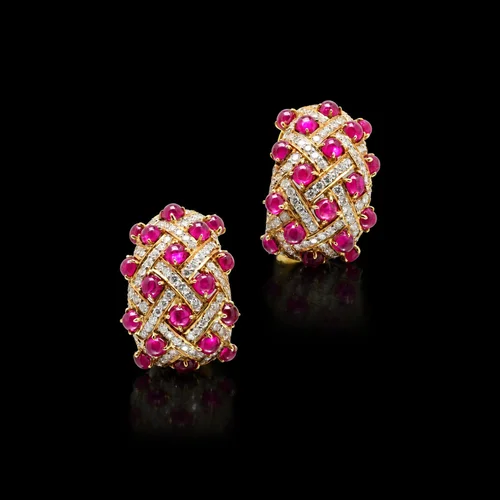
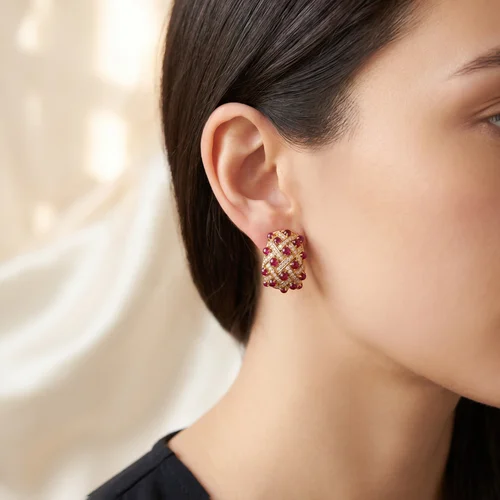 18KT Gold Cabochon Ruby and Diamond Basket Weave Clip Earrings£4,985
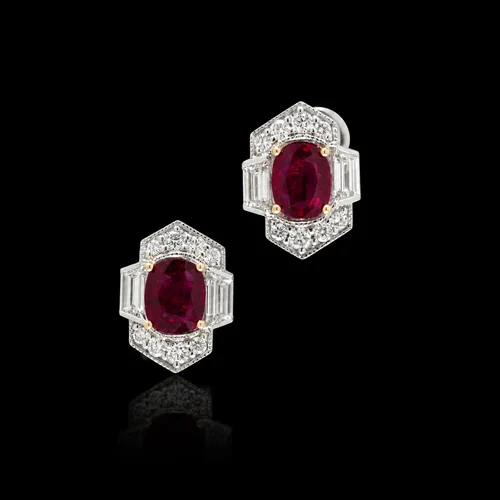
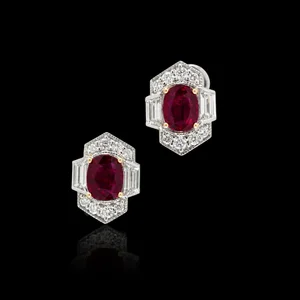
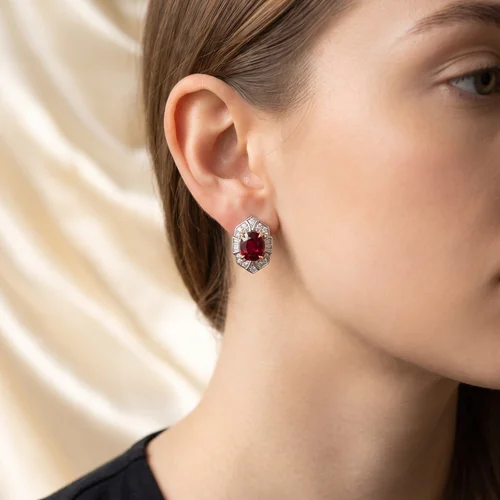 Burmese Pigeon Blood Ruby and Diamond Earrings, 2.08 ct, Two GRS Reports£39,851
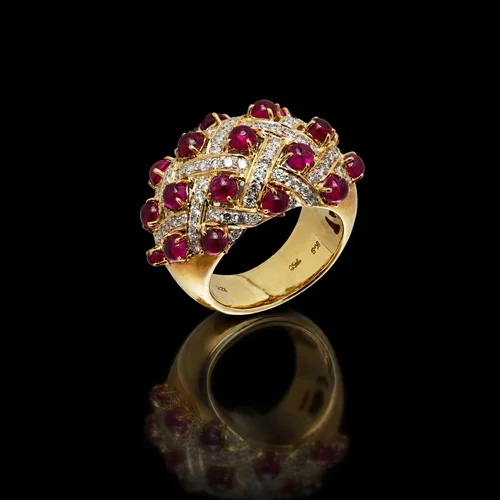
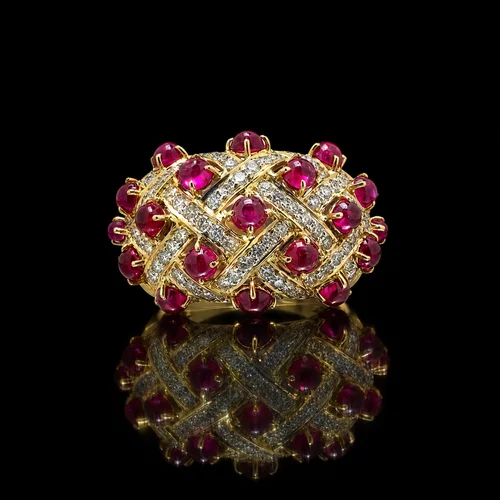 18KT Gold Cabochon Ruby and Diamond Woven Bombé Ring£4,300
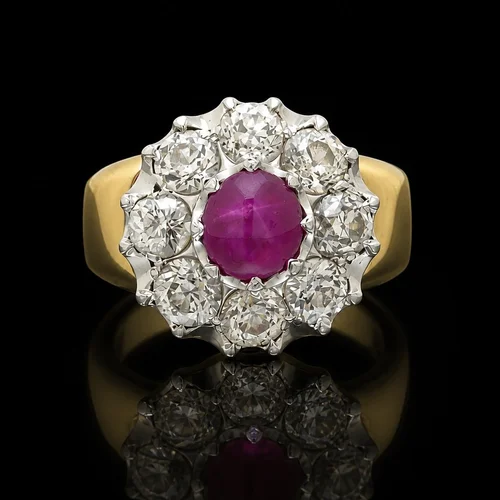
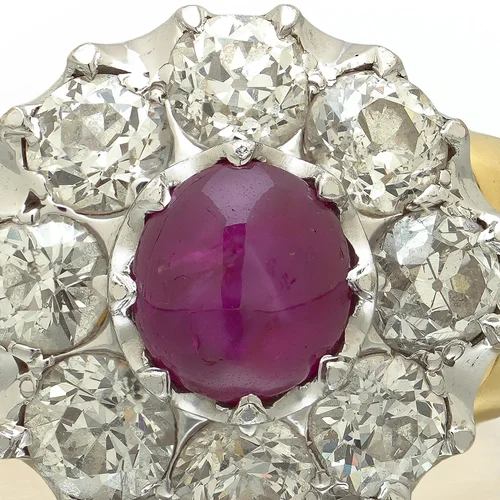 18KT Gold Star Ruby and Diamond Cluster Ring, Signed RJ, 2.40 ct Diamonds£3,450
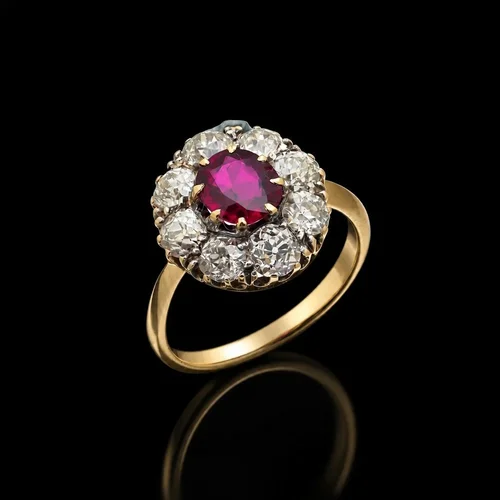
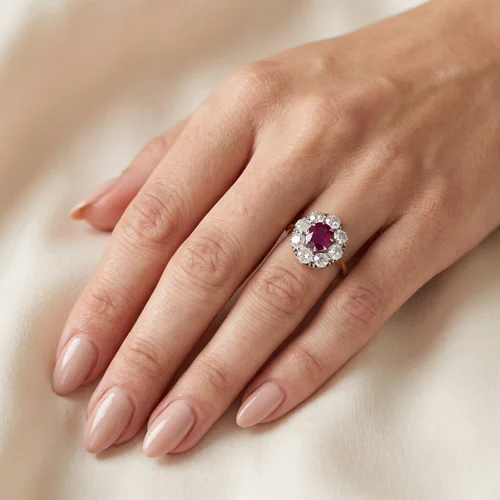 Edwardian 18KT Gold Natural Ruby and Old European Cut Diamond Cluster Ring£3,800
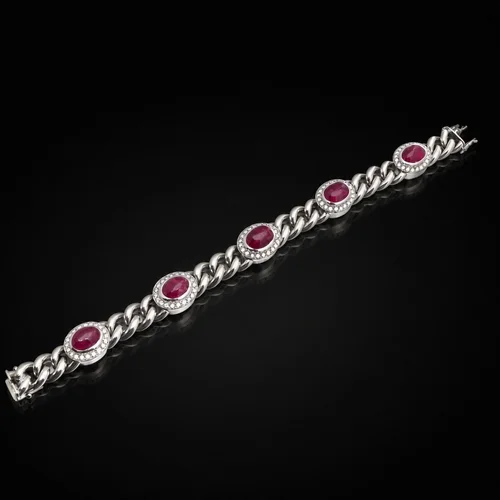
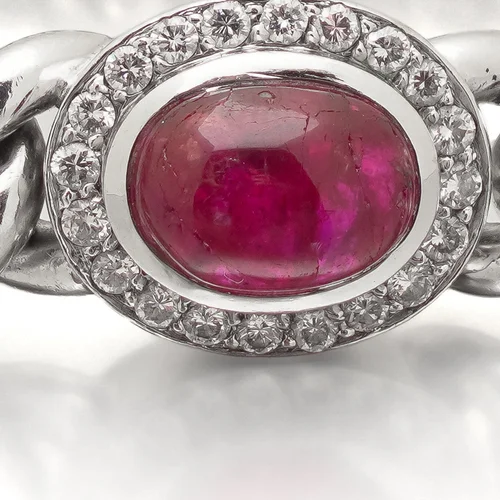 Natural Ruby Cabochon and Diamond Curb Link Bracelet, 18KT White Gold£9,200
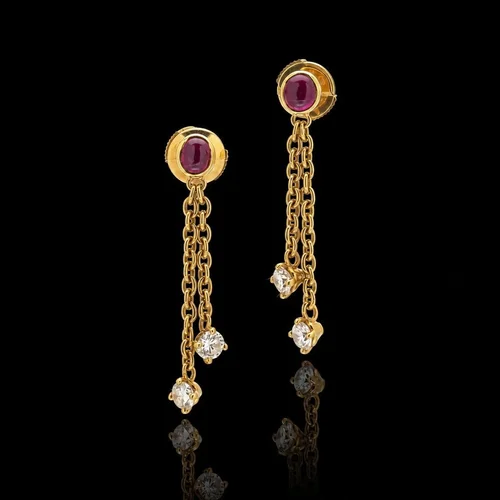
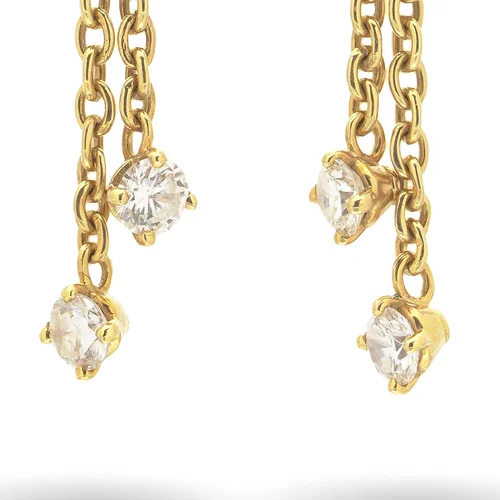 Ruby Cabochon and Diamond Drop Earrings, 18KT Yellow Gold£1,485
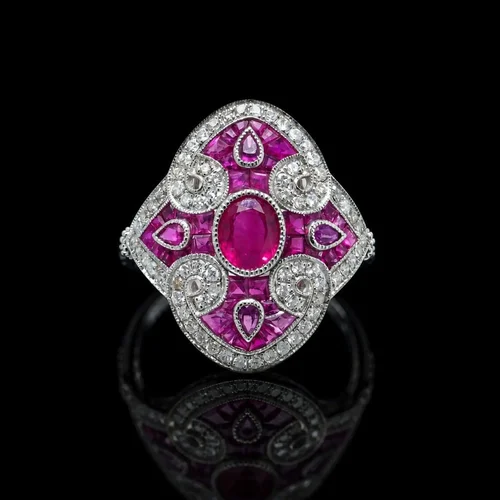
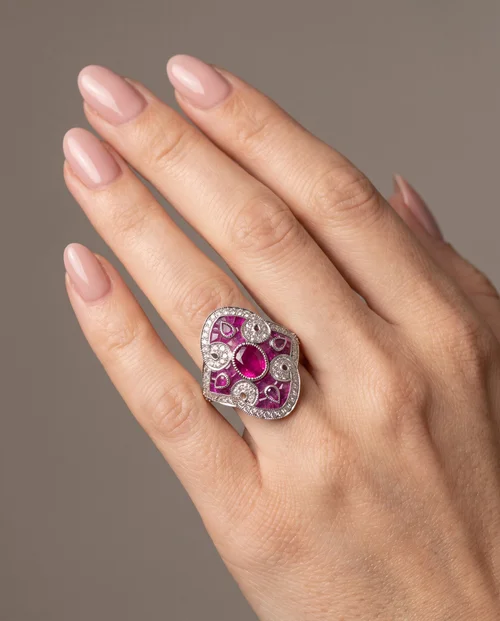 Art Deco Style Platinum 0.90 ct Mozambique Ruby and Diamond Quatrefoil Ring£2,405
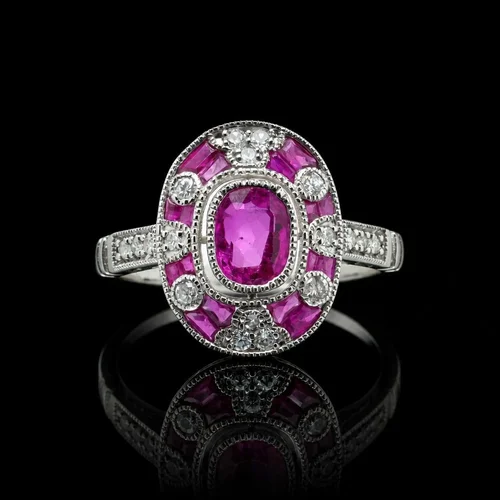
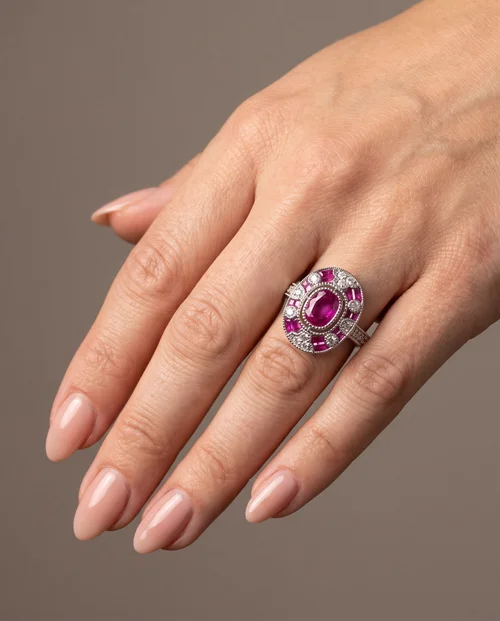 Art Deco Style Platinum 0.81 ct Mozambique Ruby and Diamond Cluster Ring£1,765
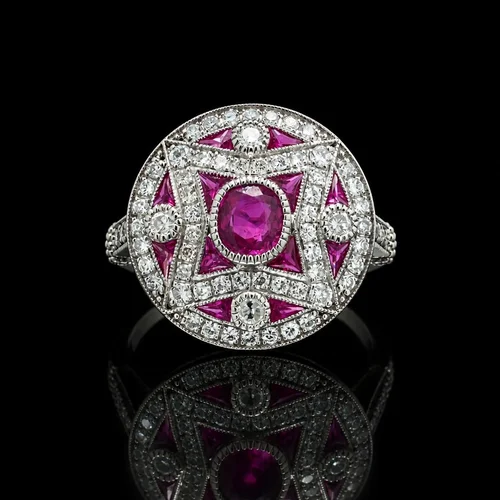
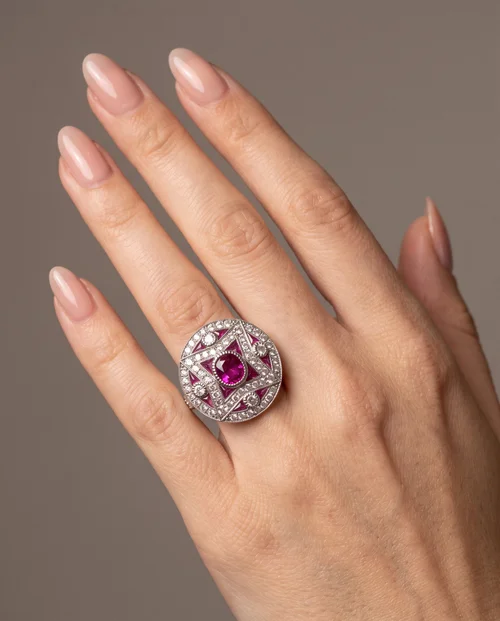 Art Deco Style Platinum Mozambique Ruby and Diamond Star Target Ring£2,185
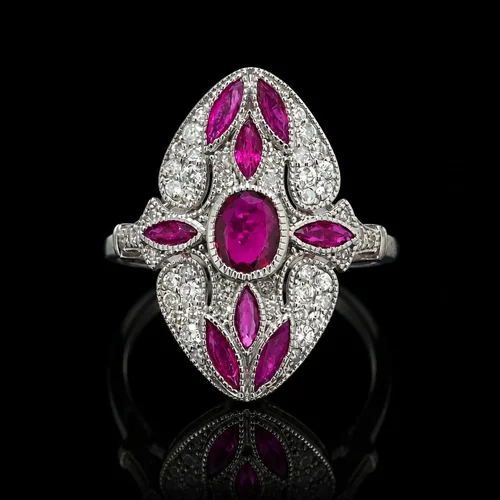
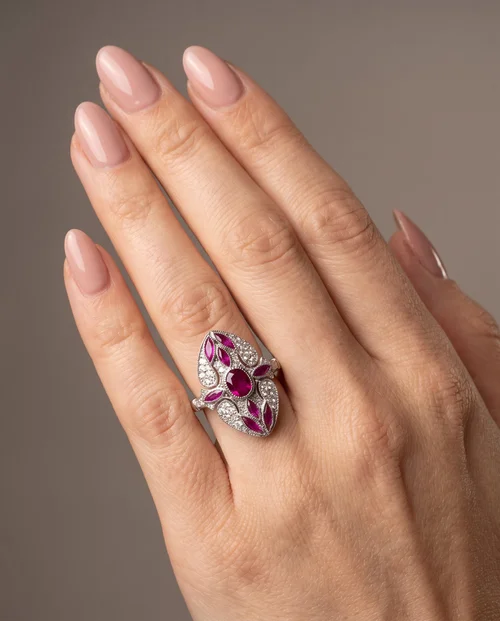 Art Deco Style Platinum Mozambique Ruby and Diamond Navette Ring£1,885
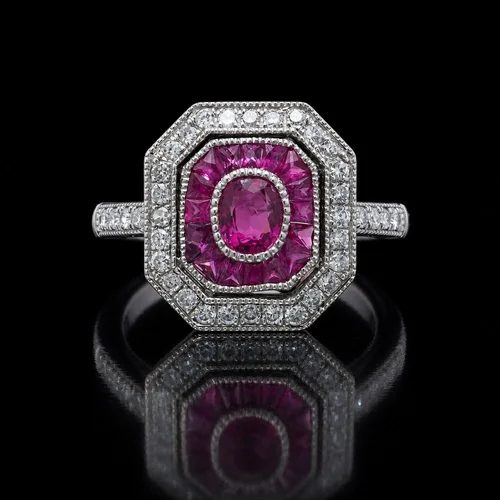
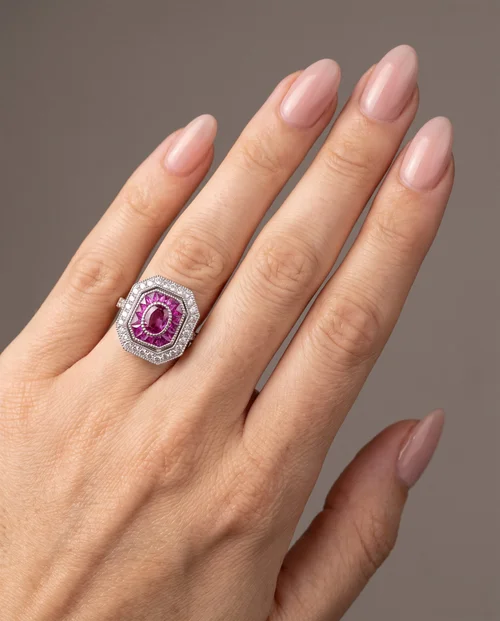 Art Deco Style Platinum Burmese Ruby and Diamond Octagonal Target Ring£2,455
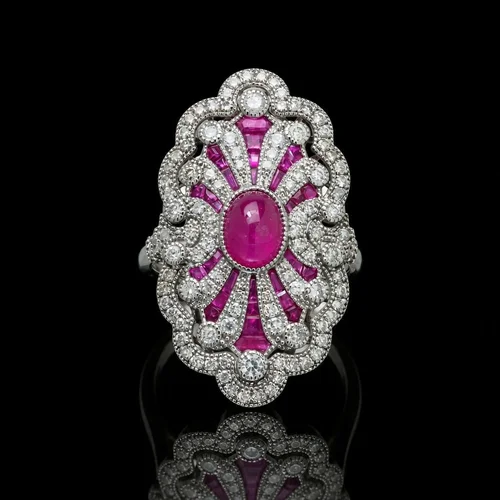
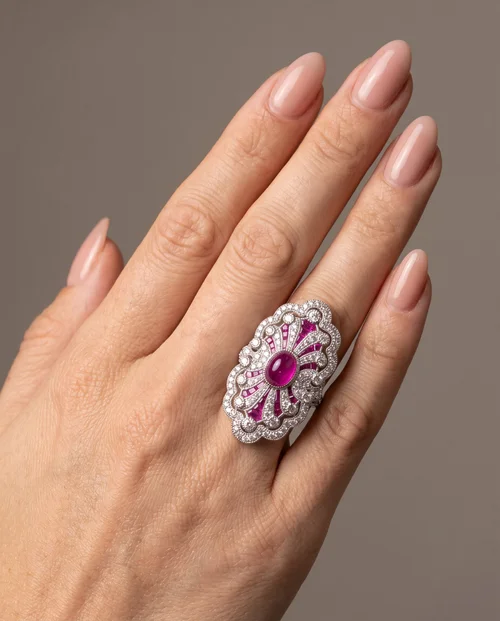 Art Deco Style Platinum 1.51 ct Burmese Ruby and Diamond Plaque Ring£2,465
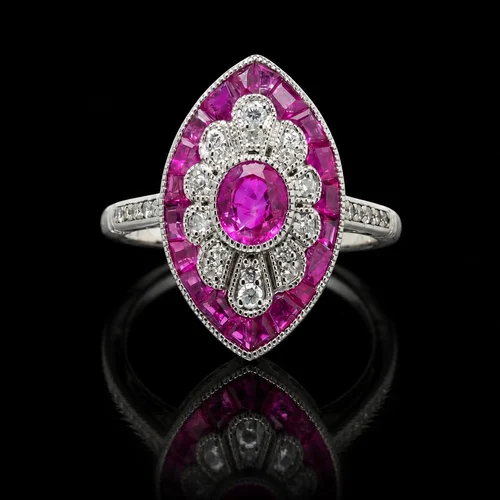
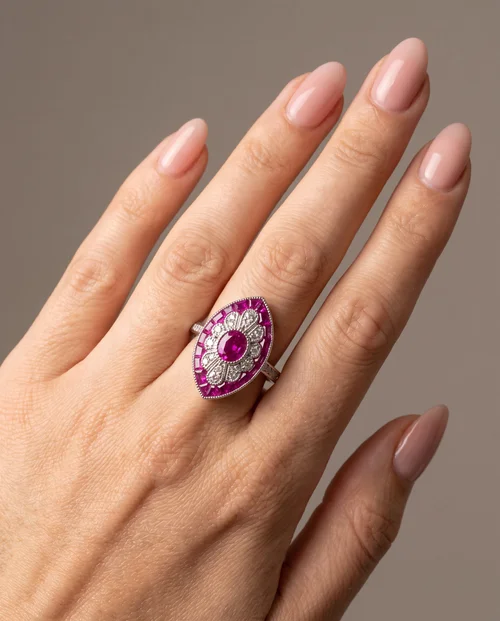 Art Deco Style Platinum Burmese Ruby and Diamond Navette Ring£2,245
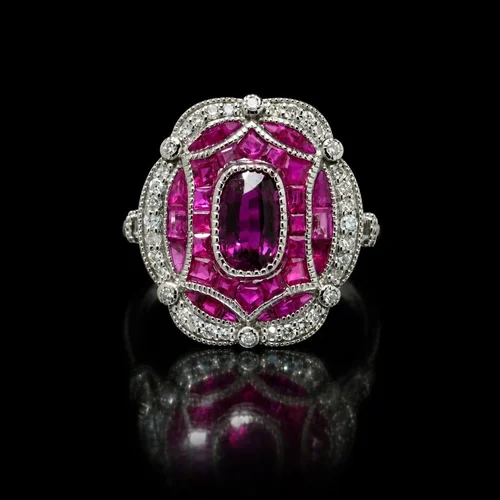
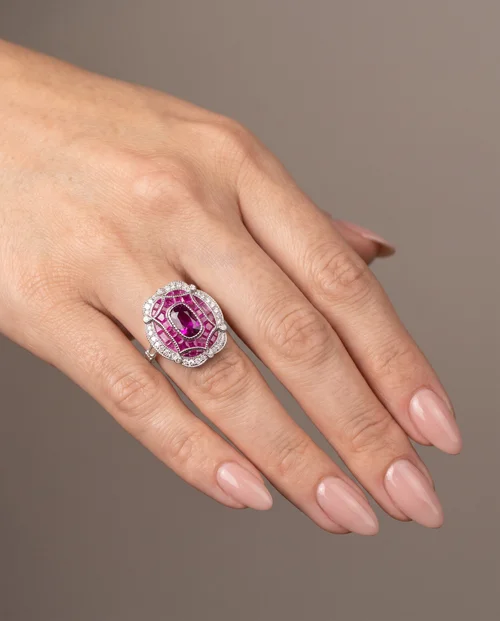 Art Deco Style Platinum Burmese Ruby and Diamond Plaque Ring, 1.09 ct Ruby£2,365
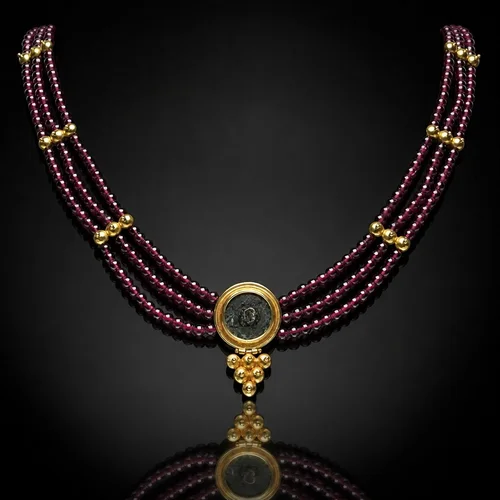
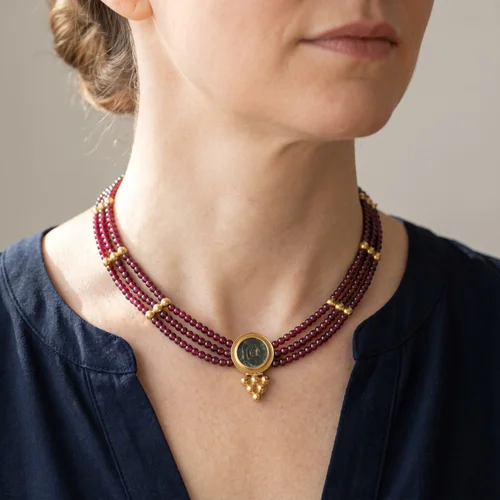 Ancient Roman Coin, Ruby & 20KT Gold Multi Strand Necklace£3,450
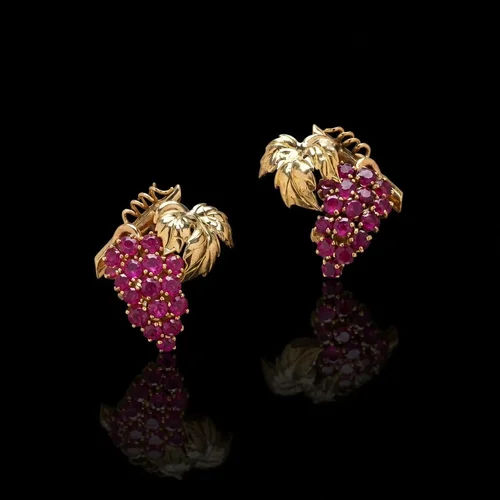
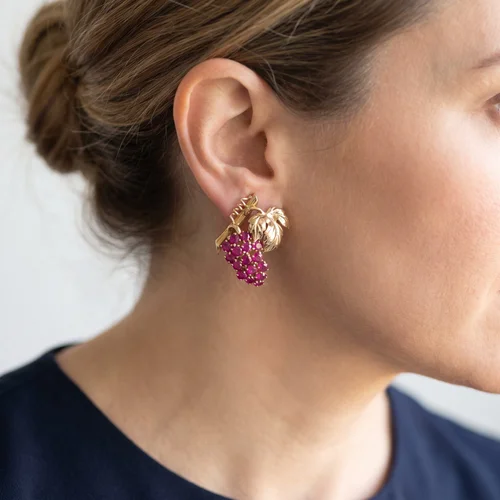 18KT Gold Ruby Grape Cluster Clip Earrings, Approx. 1.50 ct£2,950
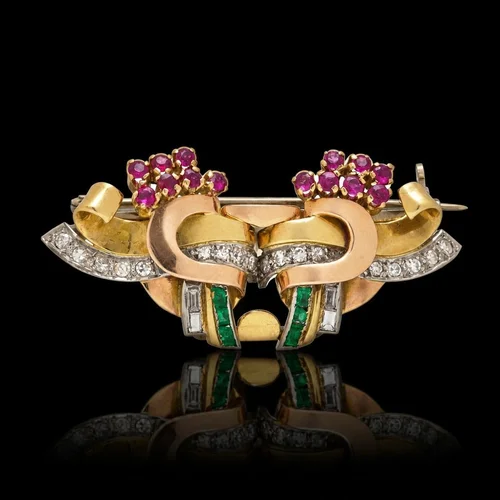
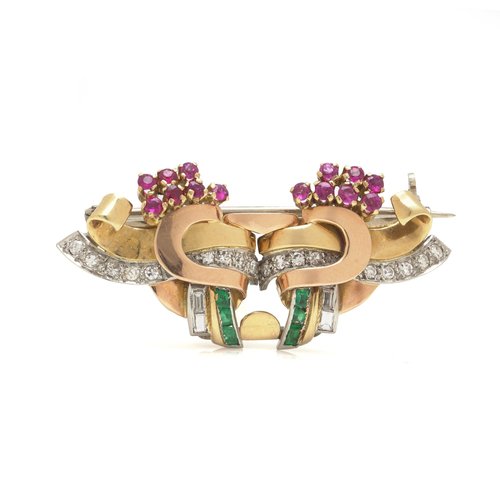 Retro Ruby, Emerald & Diamond Double Clip Brooch, 18KT Gold£3,950
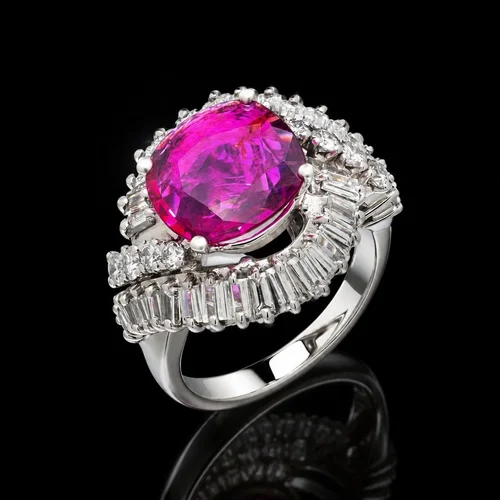
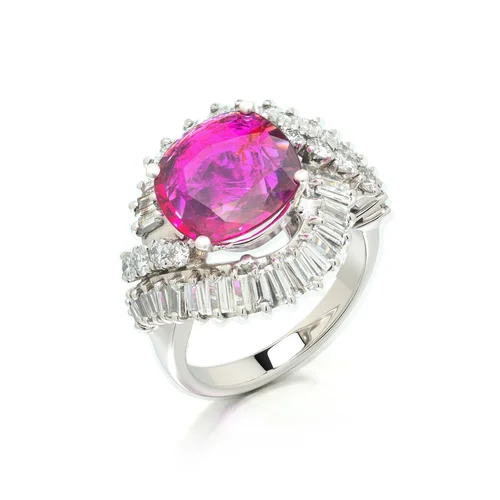 White Gold Ruby and Diamond Ballerina Cocktail Ring, 2.25ct Ruby£6,950
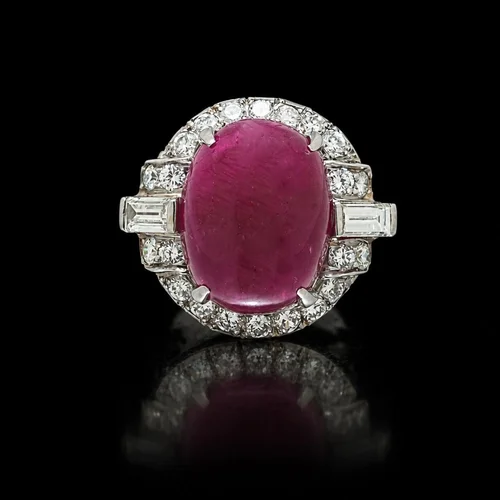
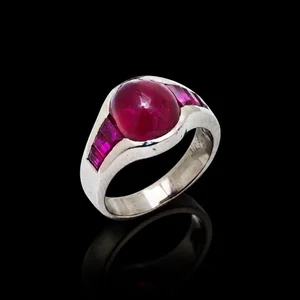
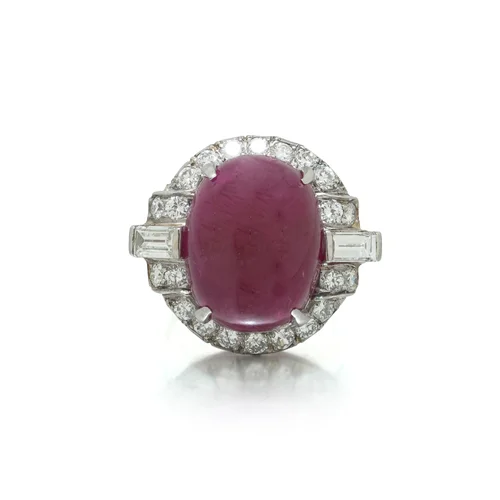 Platinum Burmese Cabochon Ruby and Diamond Ring, 19.15ct£9,850
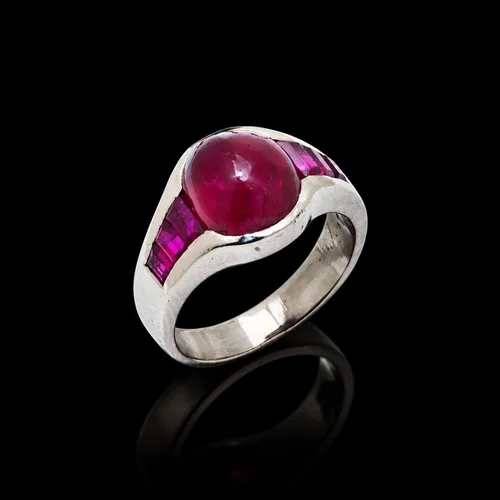
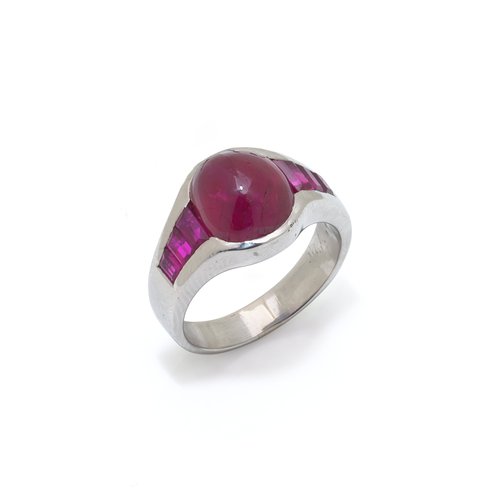 Bulgari Burma Ruby Ring, Platinum, 8.2 ct Cabochon Ruby£59,500
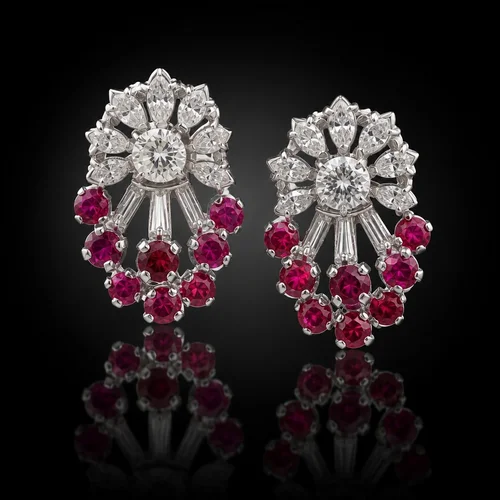
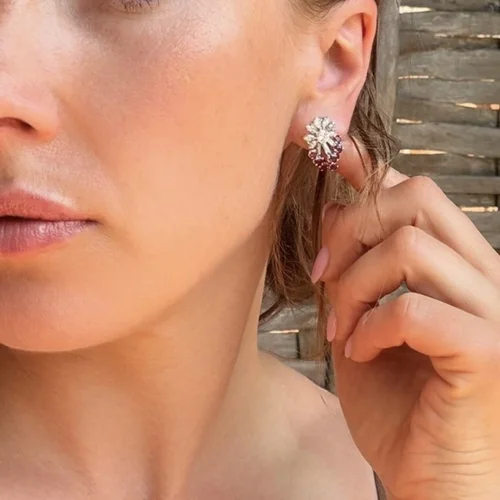 Ruby and Diamond Cluster Earrings, Platinum, 3 ct Rubies£3,650
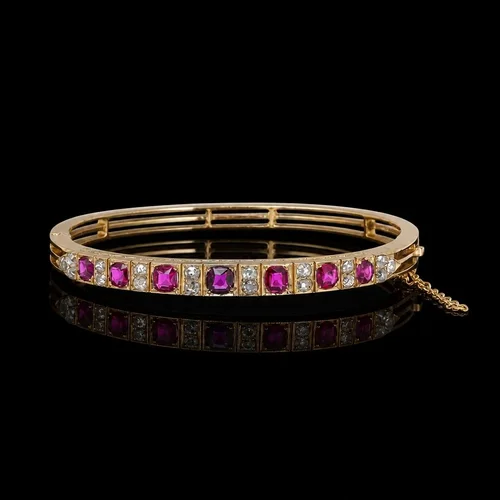
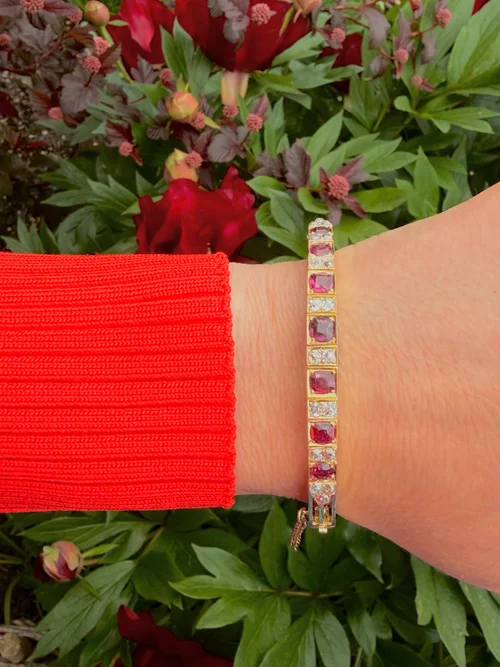 Victorian Burma Ruby and Diamond Bangle, 18KT Gold, c. 1880£6,985
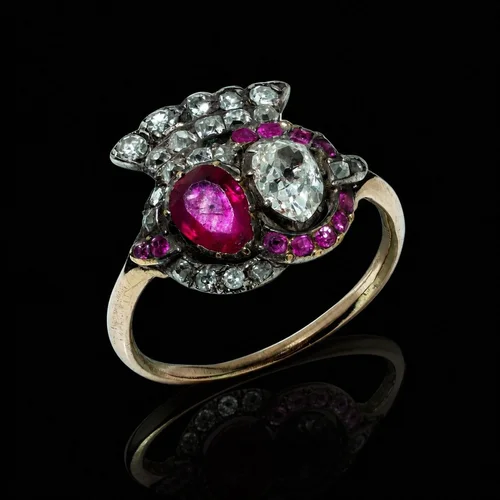
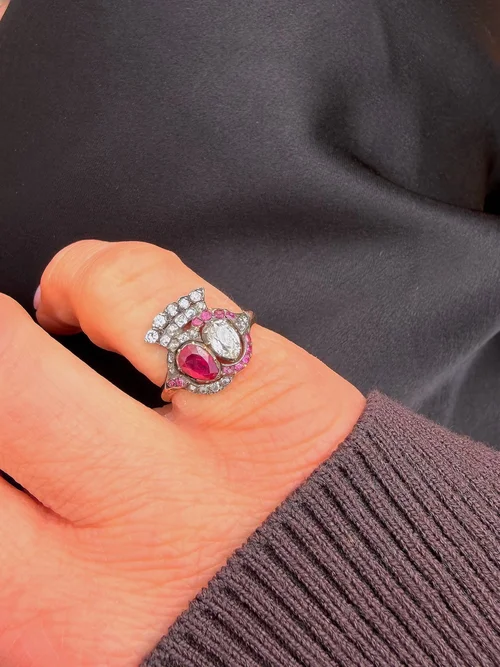 Georgian Gold Natural Ruby and Diamond Cluster Ring£8,950
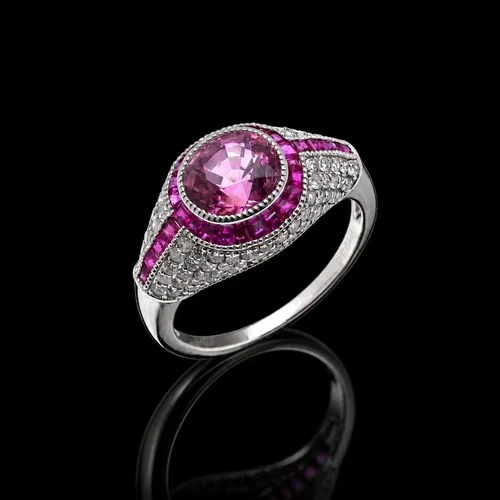
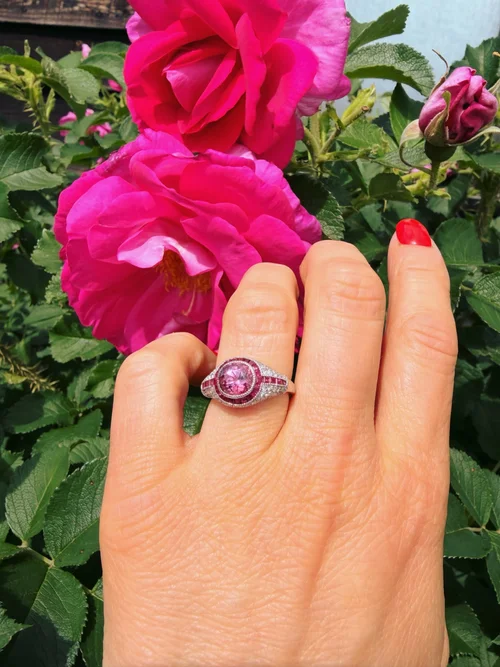 Burma Ruby and Diamond Cluster Ring, Platinum, Art Deco Style£2,450
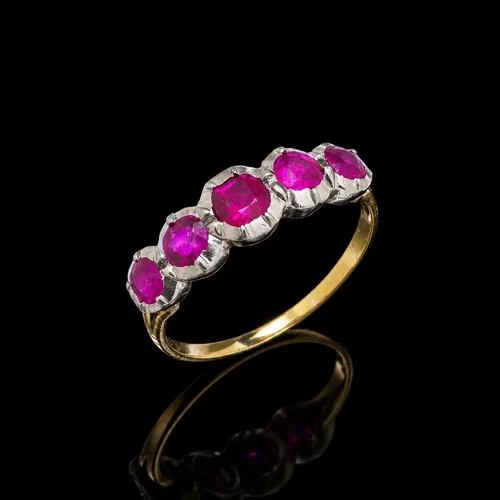
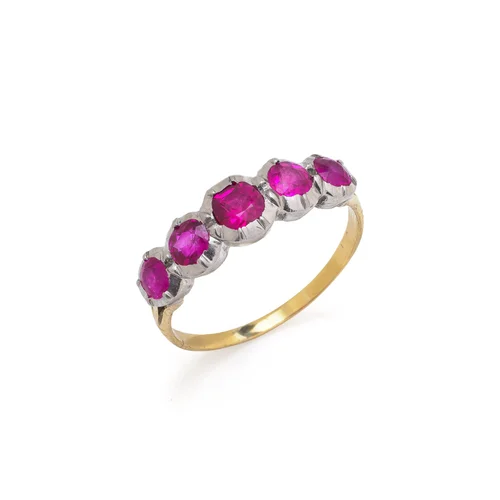 Edwardian Ruby Five Stone Ring, 18KT Gold, 1.10 ct, c. 1910£2,950
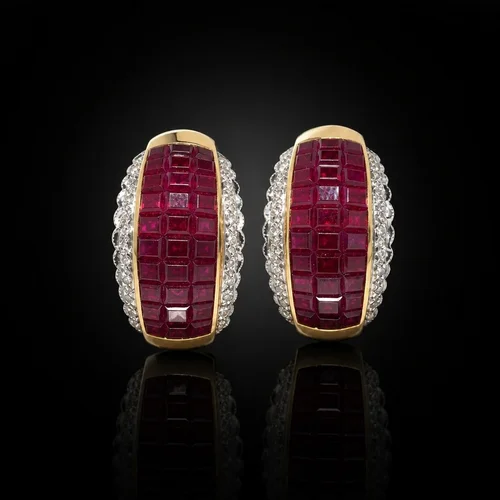
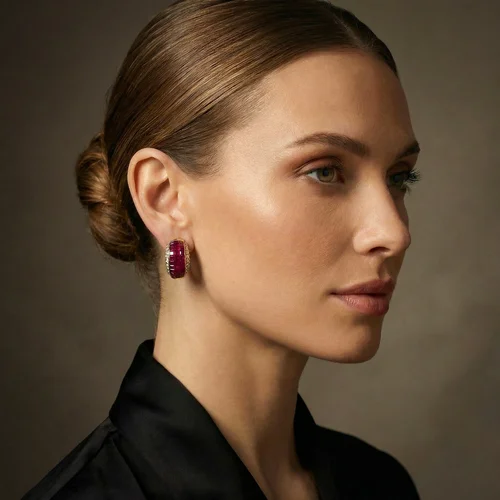 18KT Yellow Gold Natural Ruby & Diamond Clip-On & Studs Convertible Earrings£3,680
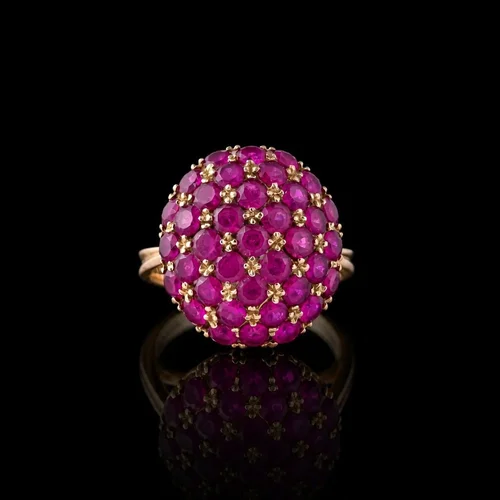
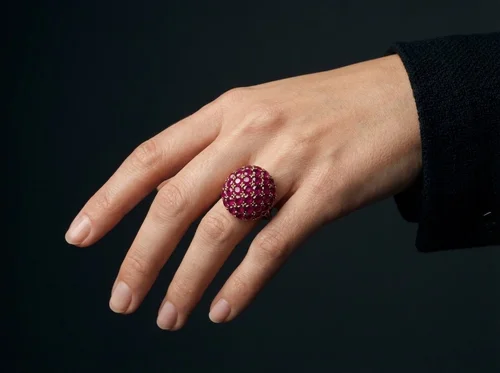 Vintage Ruby Cluster Ring, 18KT Gold, 5.4 ct Natural Rubies£4,500
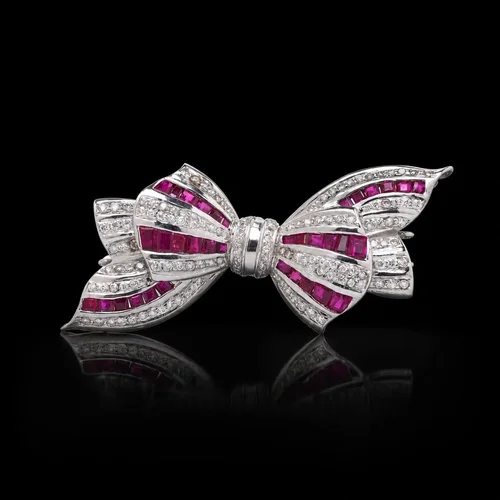
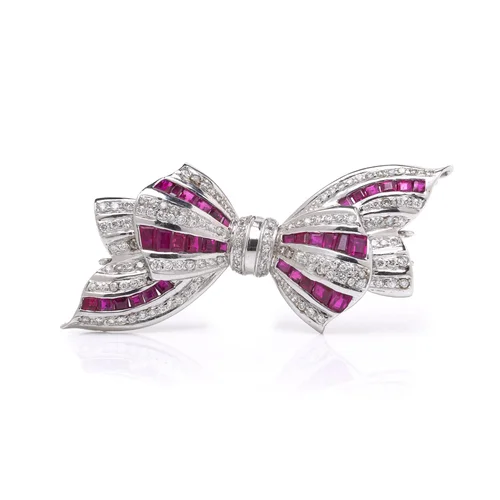 Ruby and Diamond Bow Brooch, 18KT White Gold, Natural Rubies£6,950
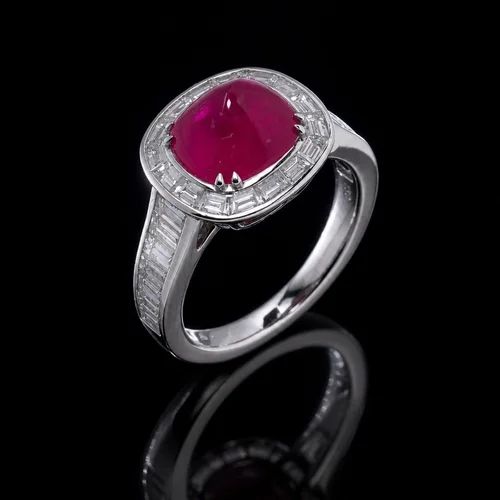
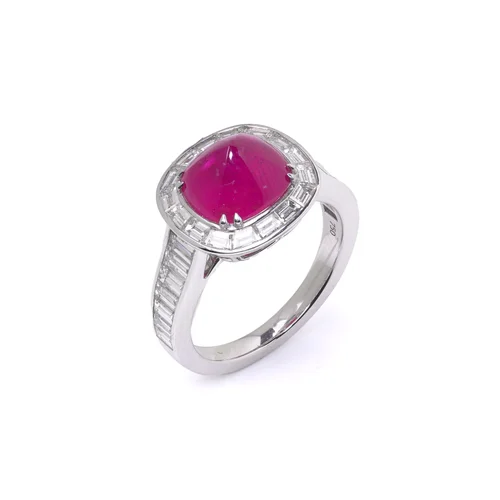 18KT White Gold Sugarloaf Ruby and Diamond Ring, 2.00 ct Ruby£6,985
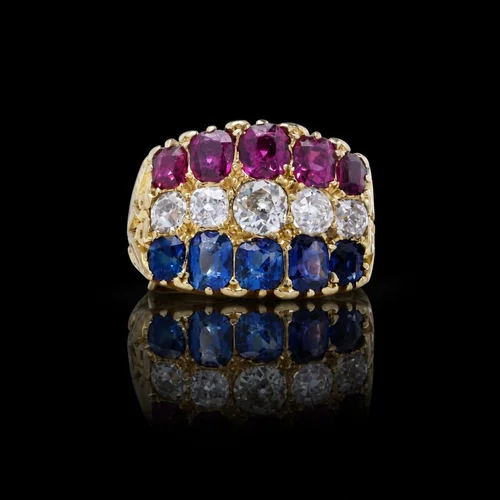
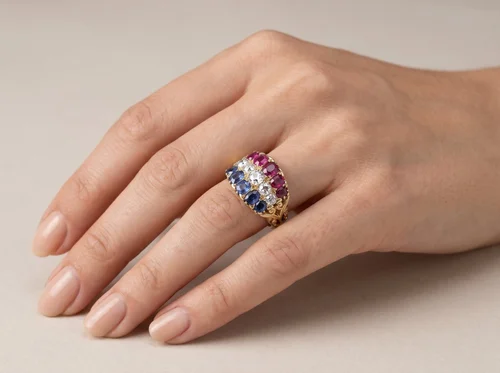 18KT Gold Ruby, Sapphire and Old Mine Cut Diamond Ring£6,745
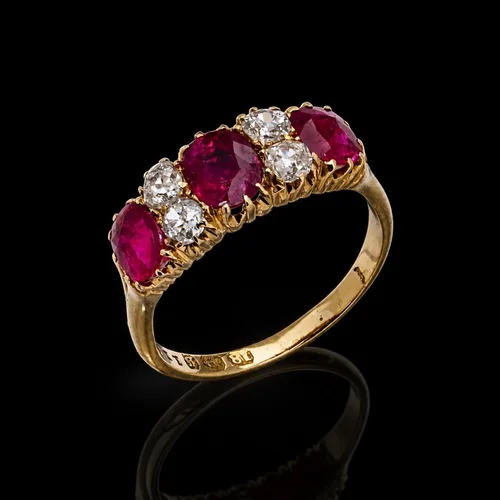
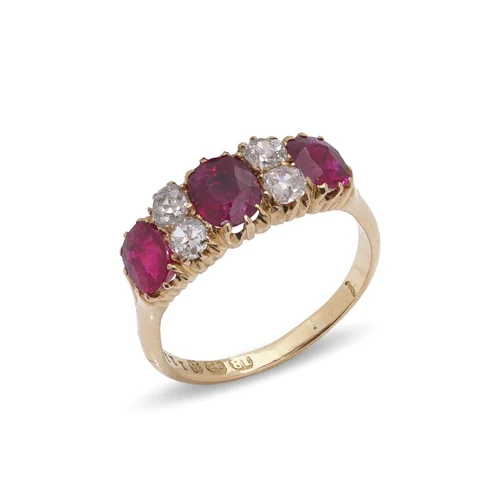 Early 20th Century 18KT Gold Ruby & Old European Cut Diamond Ring£9,850
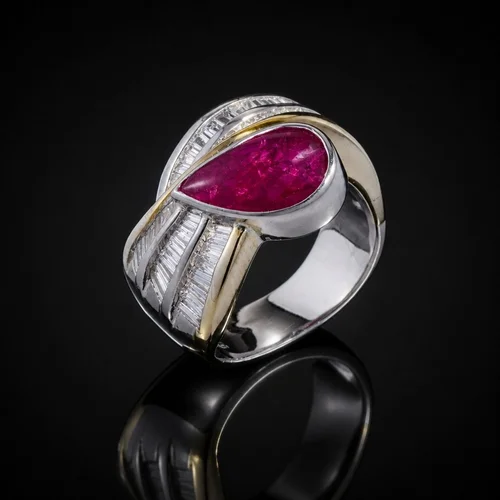
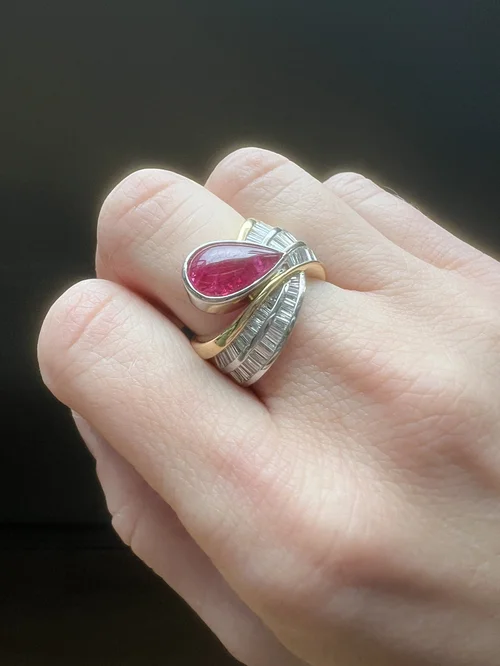 Platinum & 18KT Gold Ring with 2.70ct Ruby & 0.96ct Diamonds£3,950
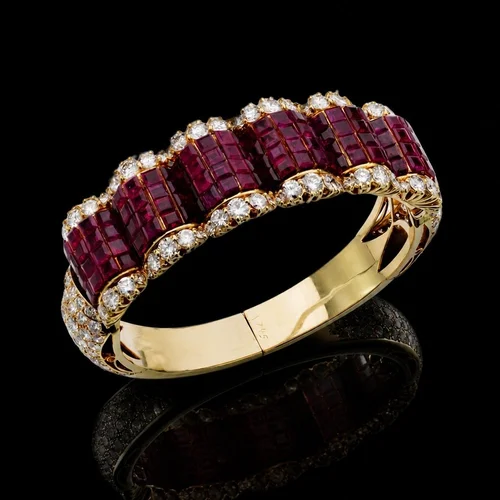
 Simon Rudle 14KT Gold Ruby and Diamond Bangle, 18.00 ct Rubies£29,850
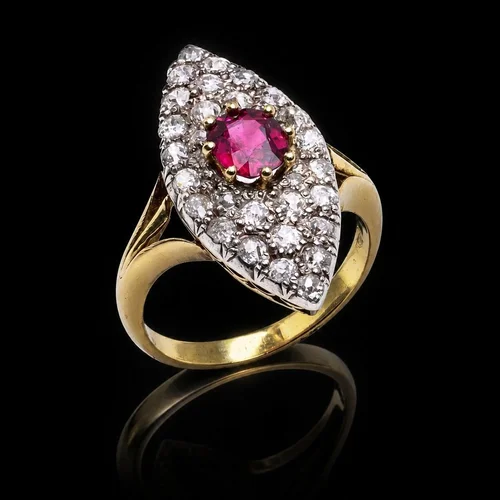
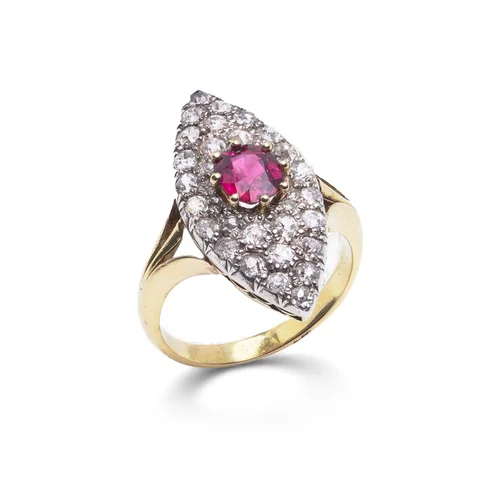 Victorian 18KT Gold Marquise Ruby & Diamond Cluster Ring£3,450
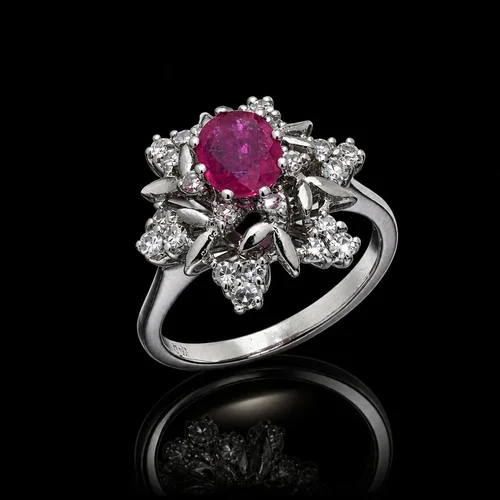
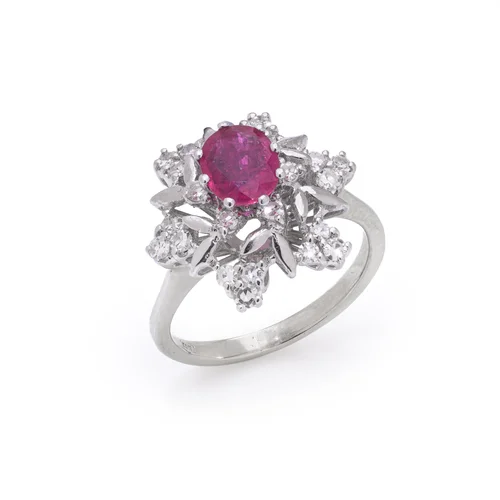 Vintage 18KT White Gold Ruby and Diamond Cluster Ring£2,450
Recently sold
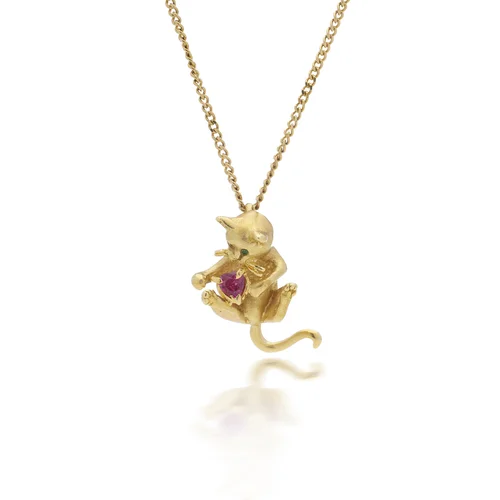 Fred Paris 18KT yellow gold chain necklace with kitty holding ruby pendantSold
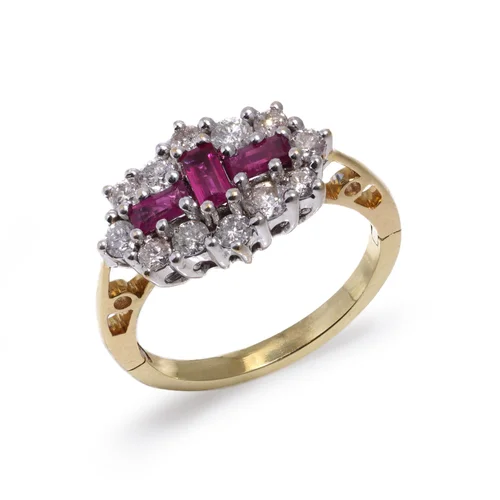 18KT gold diamond and ruby cluster ringSold
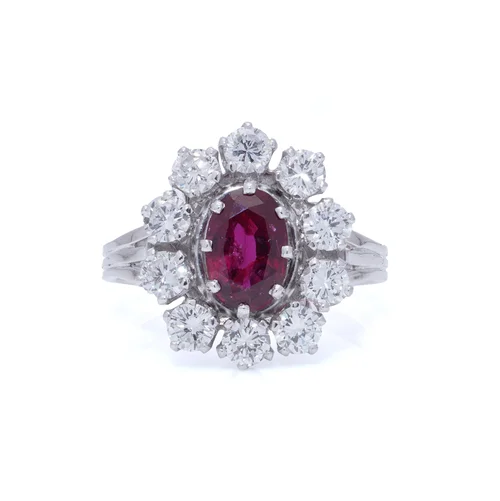 Vintage French 18KT Gold Ruby and Diamond Cluster RingSold
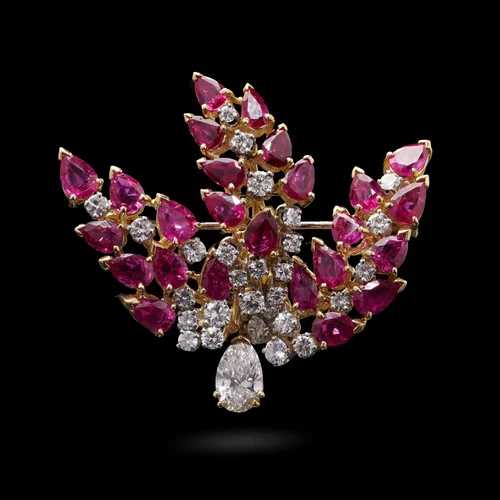 Vintage 18KT Gold Brooch with Natural Unheated Burma Ruby and DiamondsSold
SOLD - Boucheron Paris 18KT Gold Bird Brooch with Ruby Eye, Signed and NumberedSold
SOLD - Boucheron Paris 18KT Gold Bird Brooch with Ruby Eye, Circa 1920sSold
Questions
What is a Burmese ruby?
A ruby from Myanmar, traditionally the most prized for its strong red fluorescence. Burmese rubies appear in much fine Victorian and Edwardian jewellery.
How do you care for ruby jewellery?
Ruby is very hard and durable. Clean it with warm soapy water and a soft brush, and store it apart from softer gems.
Why are rubies often paired with diamonds?
Diamonds frame the red of a ruby and add light around it, a combination used in British jewellery since the eighteenth century.
What is a calibre-cut ruby?
A small ruby cut to fit a precise outline in the setting, typical of Art Deco jewellery.
What does a ruby ring symbolise?
Ruby has symbolised love, passion, courage and protection for centuries. In Sanskrit it was called ratnaraj, king of precious stones, and medieval Europeans wore rubies for health and good fortune. As an engagement or anniversary ring, a ruby stands for lasting love, which is why it marks the 40th anniversary.
How can you tell if a ruby ring is real?
Natural ruby shows inclusions under a 10x loupe, keeps sharp facet edges and usually glows red under UV light. Round gas bubbles, curved colour lines or a join line at the girdle point to glass, a synthetic or a garnet-topped doublet. Only a laboratory can separate natural from synthetic ruby with certainty.
More questions (19)
What is a created ruby?
A created ruby, also called synthetic or lab-created ruby, is real corundum grown in a laboratory, with the same chemistry and hardness as natural ruby. Flame fusion created rubies were made in quantity from the early 1900s and appear in many Edwardian and 1920s rings. They are valued as manufactured stones.
What is the difference between a pink ruby and a pink sapphire?
Ruby and sapphire are both corundum: red corundum is ruby, and every other colour, including pink, is sapphire. Where pale red ends and pink begins is a matter of colour grading, and laboratories differ slightly at the boundary. A stone sold as pink ruby may be graded pink sapphire elsewhere.
What are the largest and most famous rubies?
The DeLong Star Ruby, about 100 ct, is in the American Museum of Natural History in New York. The famous Star of India in the same museum is a 563 ct star sapphire, not a ruby. Many historic red stones once called rubies, such as the Black Prince's Ruby, are red spinels.
How do you clean a ruby ring?
Soak it in warm water with a little washing-up liquid, brush gently behind the stone with a soft toothbrush, rinse and dry. Untreated and heated rubies can go in an ultrasonic cleaner if they have no fractures, but glass-filled rubies are damaged by heat, acids and ultrasonics, so clean those by hand only.
How should a ruby ring be worn?
In jewellery there is no rule: a ruby ring can be worn on any finger of either hand, and a ruby engagement ring goes on the left ring finger. In Vedic astrology tradition, ruby is linked to the Sun and worn on the ring finger of the right hand. Ruby suits yellow gold especially well.
How do I buy a good ruby ring?
Look for a vivid red to slightly purplish red with good brightness, ask whether the ruby is heated, glass filled or unheated, and get it in writing. Check the stone is secure and the facets are not chipped. For an important ruby, ask for a report from a laboratory such as GRS, GIA, SSEF or Gubelin.
What decides the value of a ruby ring?
Colour comes first: a vivid red with strong fluorescence, called pigeon blood, is most prized. Then treatment, with unheated stones rarer than heated ones, clarity, carat weight, cut and origin, such as Burma. The setting, the maker and the period count too. Send photographs for a free valuation.
What does raw ruby look like?
Rough ruby forms as six-sided crystals, flat or barrel shaped, often with a dull, frosted surface and a red to purplish red colour. It is often found in white marble or in green zoisite, a combination sold as ruby in zoisite for carving. Most rough ruby is opaque; transparent pieces are rare.
Where can I buy an antique ruby ring?
Specialist antique jewellers, dealers and auction houses sell antique ruby rings, from Georgian clusters to Victorian half hoops, Edwardian clusters and square-cut Art Deco rings, in small and large sizes. Mozeris Fine Antiques sells ruby rings online with a 14-day returns period, and by appointment in Mayfair and Braintree.
Can anyone wear a ruby ring?
Yes. In jewellery there are no rules about who can wear ruby: it suits any finger and, at 9 on the Mohs scale, is hard enough for daily wear. Some astrological traditions link ruby to certain zodiac signs, such as Leo, or advise against it for others, but these are beliefs rather than jewellery rules.
What is ruby in zoisite, and how can you tell if it is real?
Ruby in zoisite, sometimes called anyolite, is green zoisite rock with opaque ruby crystals, mainly from Tanzania, used for carvings, beads and cabochons. Genuine pieces show natural, irregular red patches with black hornblende flecks; dyed or resin imitations look too even. It is an ornamental stone, not a fine ruby.
What is a star ruby necklace?
A star ruby necklace sets a ruby cut as a high cabochon, so that fine rutile needles inside reflect a six-rayed star across the dome. The star should be centred and move smoothly as the stone turns. Synthetic star rubies were made from the mid 20th century, so check older pieces with a laboratory.
What is an antique ruby cluster ring?
An antique ruby cluster ring has a central ruby surrounded by a ring of diamonds, or a diamond centre framed by rubies, forming a flower-like head often called a daisy cluster. They were made through the Victorian and Edwardian periods in gold and later platinum. Check the claws are secure and the stones are not chipped.
What is the difference between garnet and ruby?
Ruby is red corundum, with a hardness of 9, while garnet is a separate group of minerals with a hardness of about 6.5 to 7.5. Ruby is doubly refractive and garnet singly refractive, which a gemmologist can test. Red garnets were often called carbuncles, and both stones were set in Georgian and Victorian jewellery.
What is a ruby and pearl ring?
A ruby and pearl ring alternates or combines rubies with pearls, most often as a Victorian or Edwardian half-hoop or cluster in yellow gold. The red and white pairing was widely made in the late 19th century. Pearls are softer than rubies, so check the pearls for wear and keep the ring away from water and perfume.
Is there such a thing as a blue ruby?
No. Ruby and sapphire are the same mineral, corundum. Red corundum is called ruby, and corundum of every other colour, including blue, is sapphire. Pinkish shades sit on the boundary between the two. Trade names such as blue ruby are not recognised by gemmological laboratories.
What colours do rubies come in?
Rubies range from pinkish red through pure red to purplish and brownish red. The finest is a vivid, slightly bluish red, called pigeon's blood in the trade and traditionally linked to Burmese stones. Chromium causes the red and its fluorescence, while iron, common in Thai rubies, darkens it. Pale stones are classed as pink sapphire.
What should I look for in a vintage ruby pendant?
Check that the stone is natural ruby rather than garnet, glass or synthetic ruby, that the claws or setting hold it firmly, and that any surrounding diamonds are complete. Heart-shaped and cluster pendants of the 20th century are usually 9KT or 18KT gold. A larger ruby needs a laboratory report to confirm origin and treatment.
What is ruby in fuchsite?
Ruby in fuchsite is a rock of pink to red ruby crystals set in green fuchsite, a chromium-rich mica, mined mainly in Karnataka, India. A rim of blue kyanite often surrounds the rubies, which separates it from ruby in zoisite. The rubies are opaque, so the rock is carved into spheres, beads and cabochons.