Antique & Vintage Earrings
Antique earrings and vintage earrings from the Victorian period to the late twentieth century: diamond drop earrings and studs, pearl earrings, Victorian gold pendants, Art Deco platinum drops and 1970s gold clip-on earrings. Antique drop earrings are the most searched style, valued for the way they catch the light with every movement. Fittings for pierced and unpierced ears are shown on each pair. See our antique pearl earrings or Victorian earrings.
5.0 by our buyers on Google · 4,000+ customers
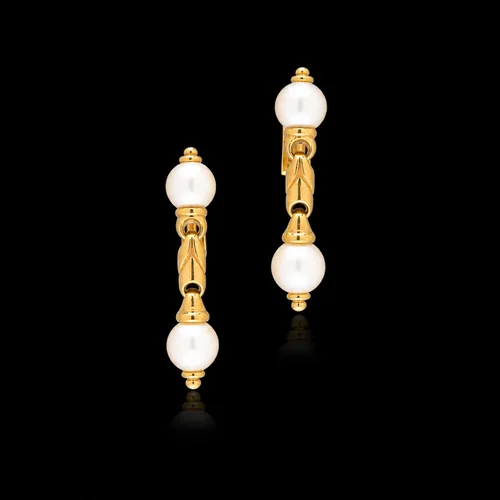
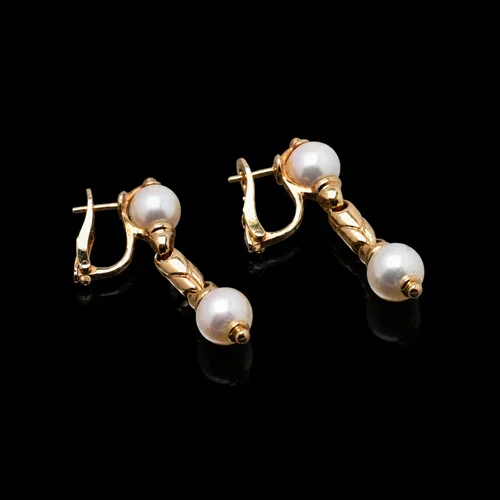 Bulgari Passo Doppio 18KT Gold and Cultured Pearl Drop Earrings£5,950
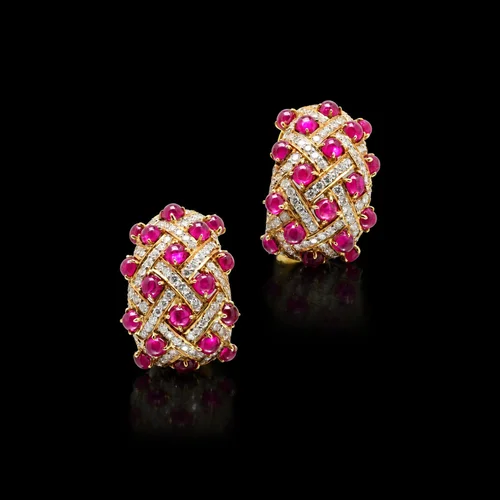
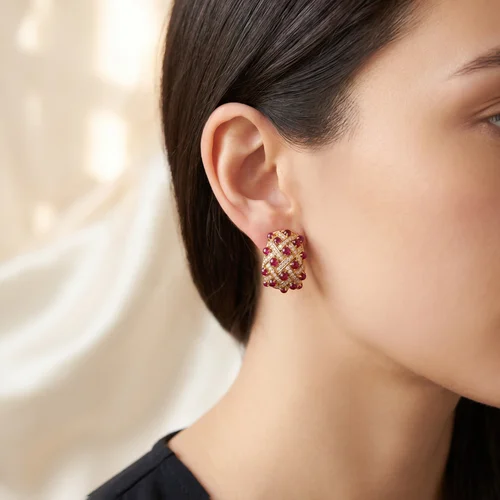 18KT Gold Cabochon Ruby and Diamond Basket Weave Clip Earrings£4,985
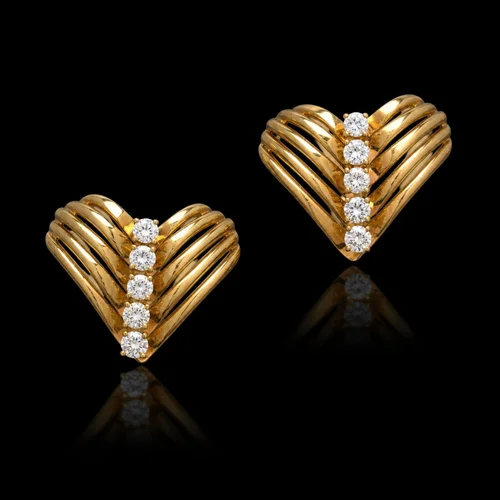
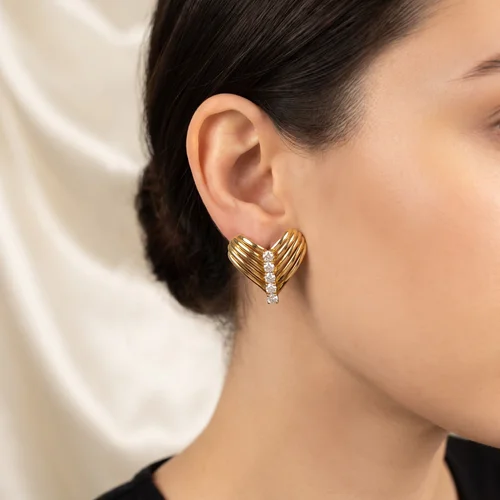 Kutchinsky 18KT Gold and Diamond Earrings, 1.50 ct, Original Box£8,950
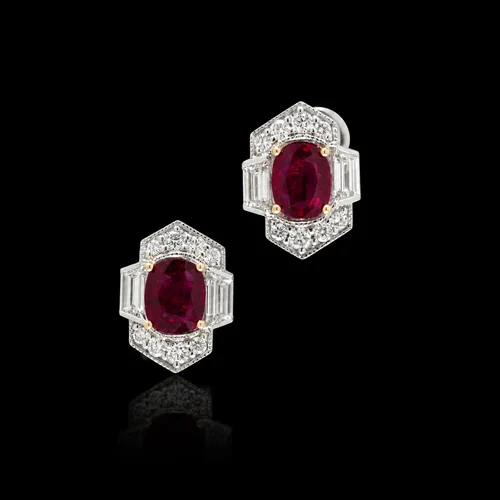
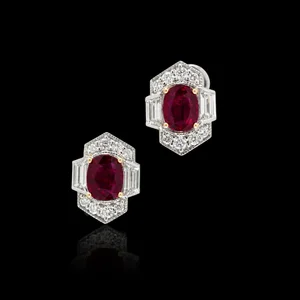
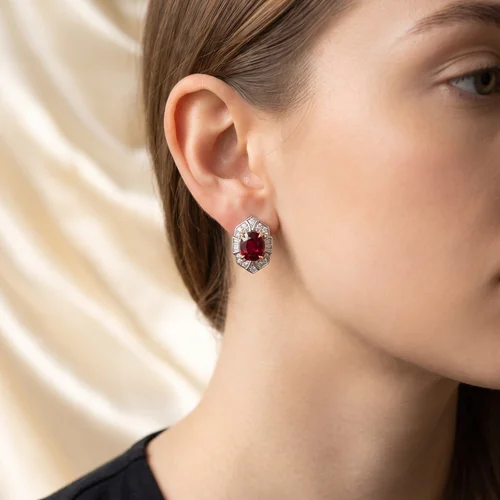 Burmese Pigeon Blood Ruby and Diamond Earrings, 2.08 ct, Two GRS Reports£39,851
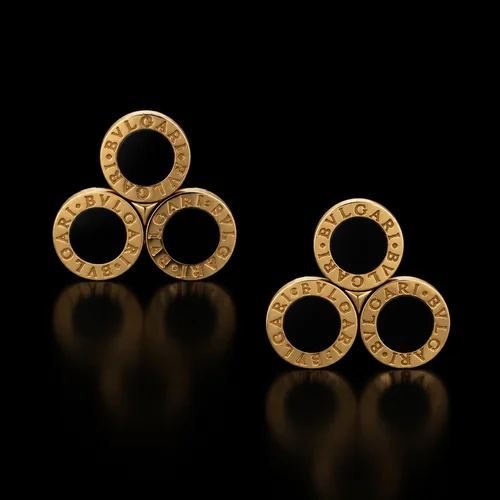
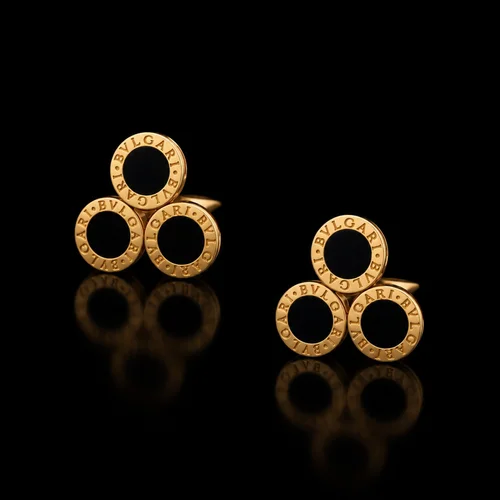 Bulgari Bulgari 18KT Gold and Onyx Trefoil Clip Earrings£4,250
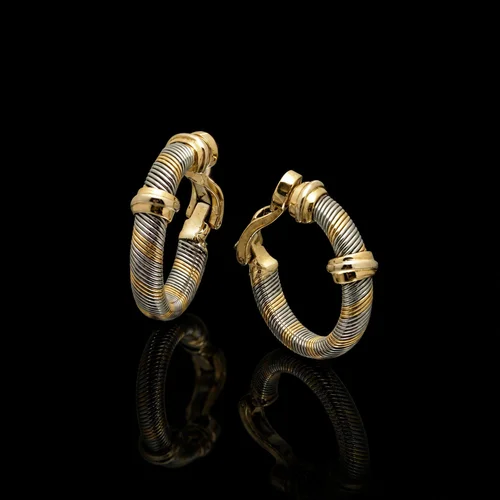
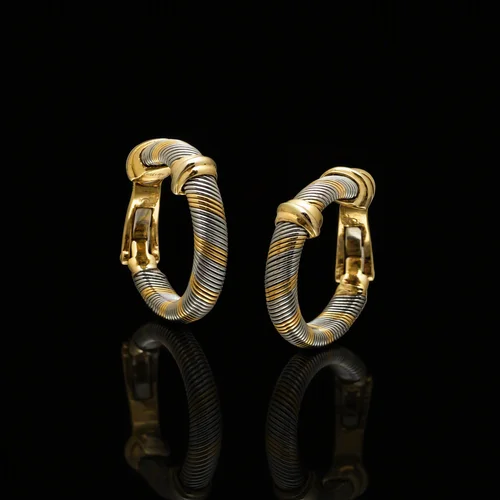 Cartier 18KT Gold and Steel Cable Hoop Clip Earrings, 1980s£3,750
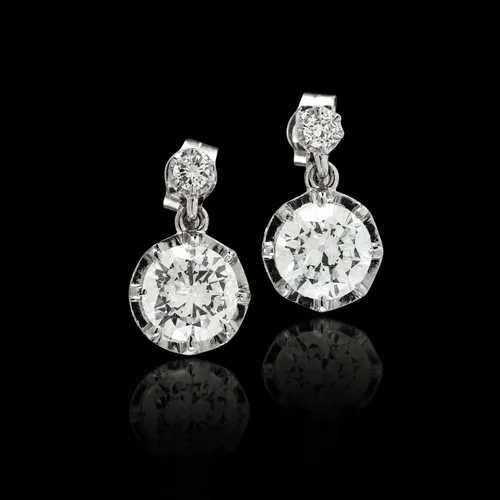
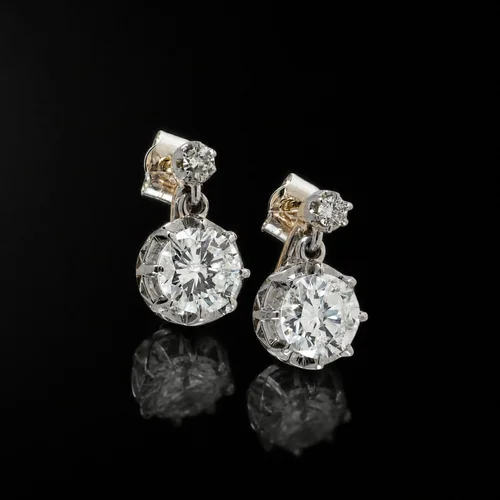 Platinum and 18KT Gold Diamond Drop Earrings, 2.20 ct£5,250
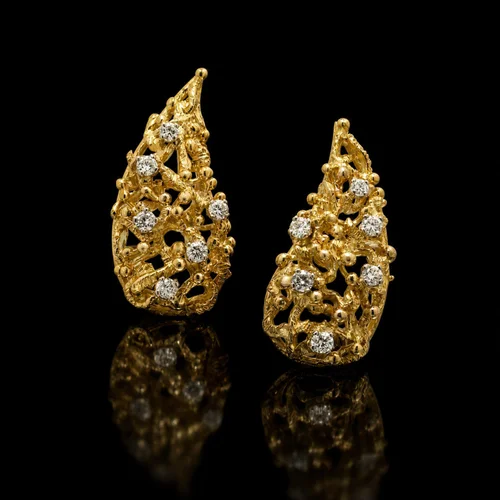
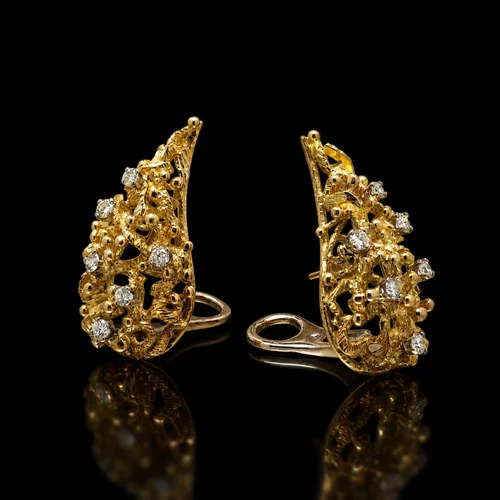 18KT Gold Textured Openwork Diamond Clip Earrings£5,950
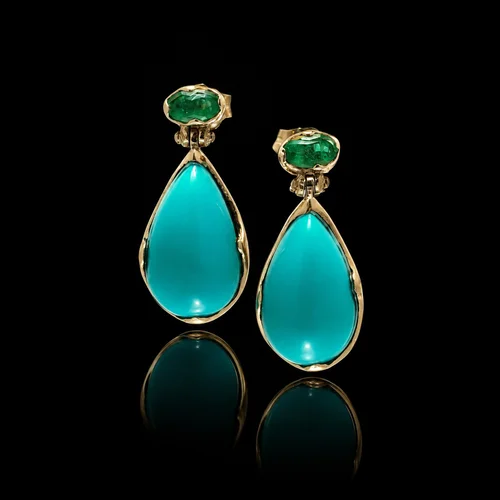
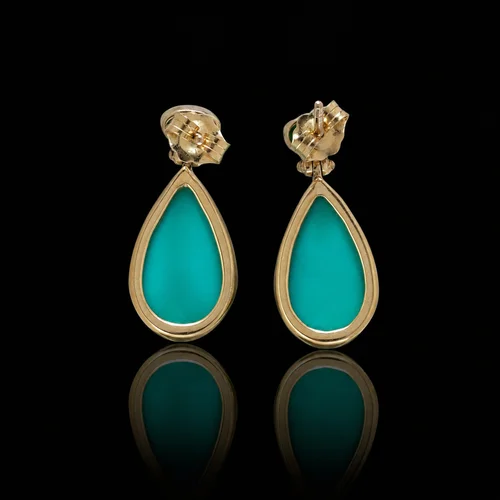 14KT Gold Turquoise and Emerald Drop Earrings£895
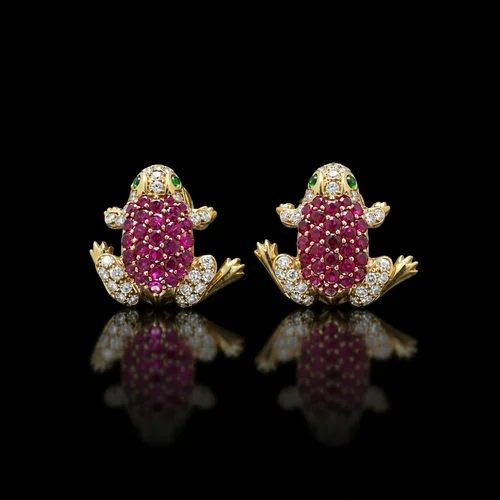
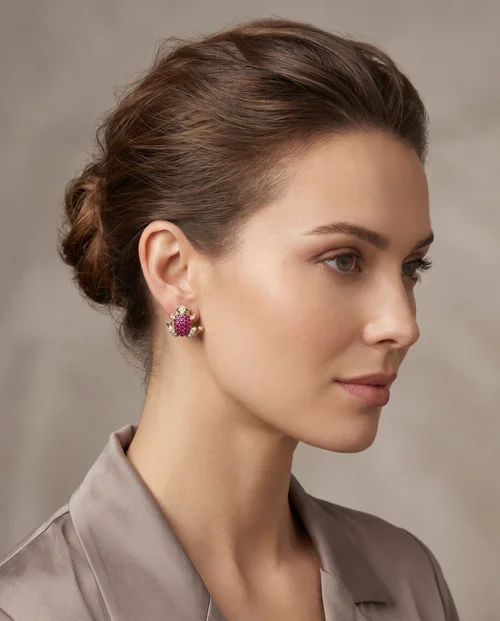 18KT Gold Ruby, Diamond and Emerald Frog Clip Earrings£7,500
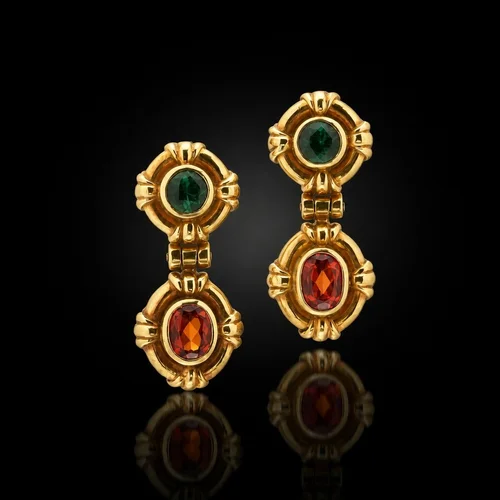
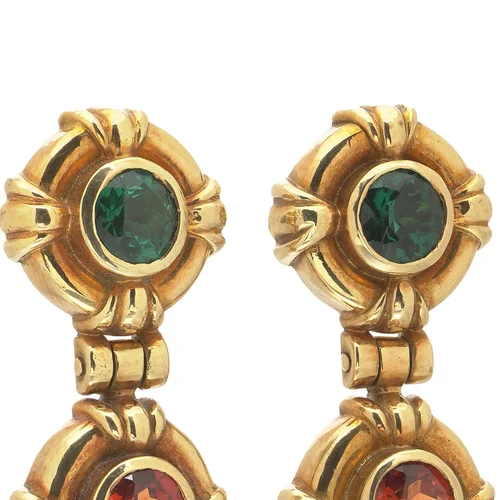 Theo Fennell 18KT Gold Green Tourmaline and Garnet Drop Earrings£2,895
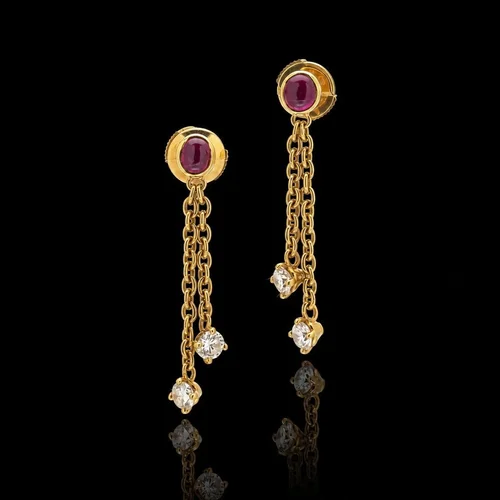
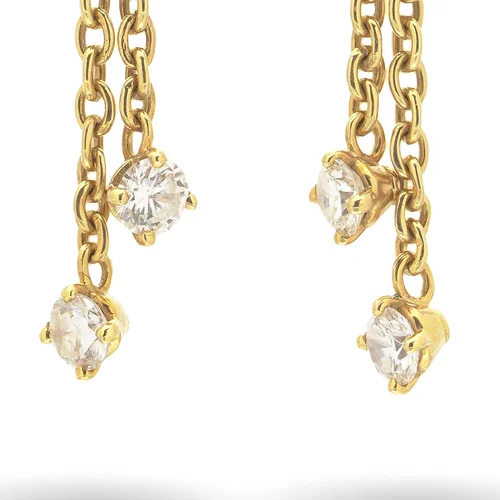 Ruby Cabochon and Diamond Drop Earrings, 18KT Yellow Gold£1,485
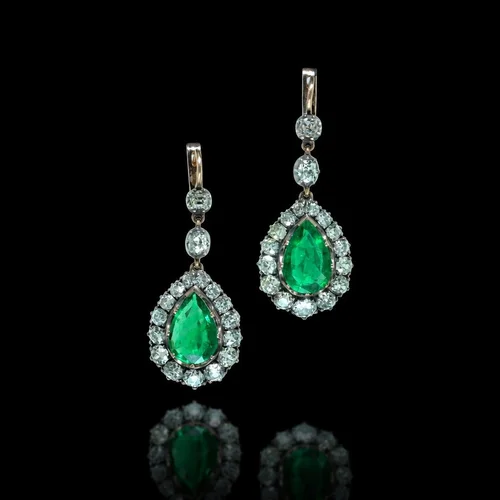
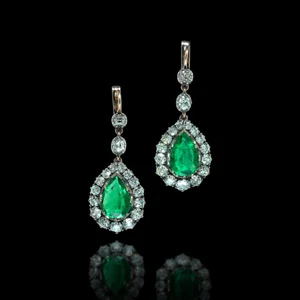
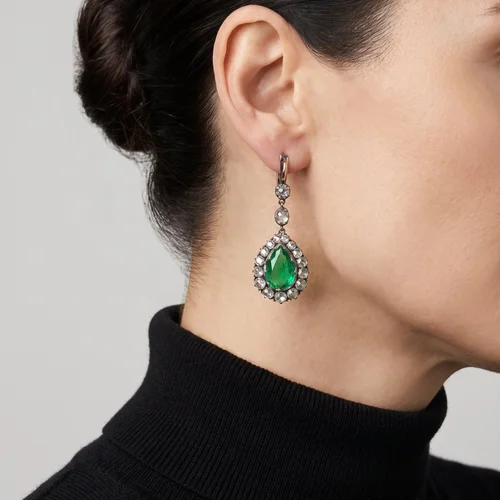 Victorian Colombian Emerald and Diamond Drop Earrings£39,850
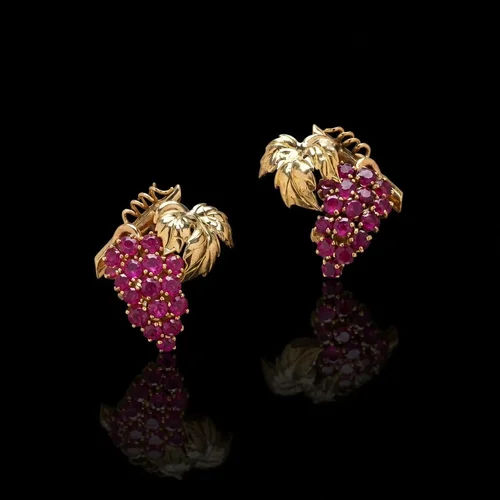
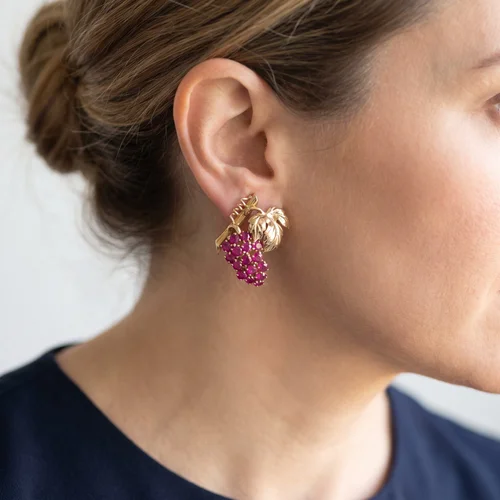 18KT Gold Ruby Grape Cluster Clip Earrings, Approx. 1.50 ct£2,950
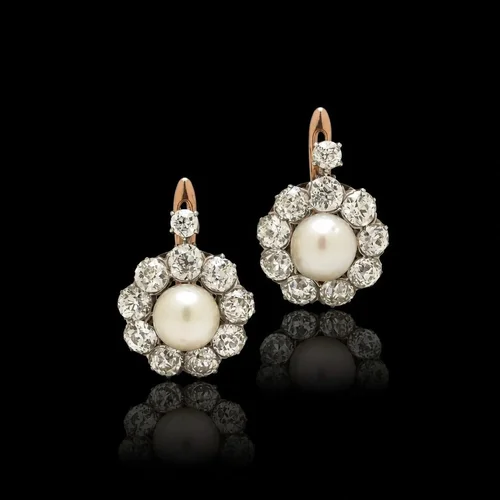
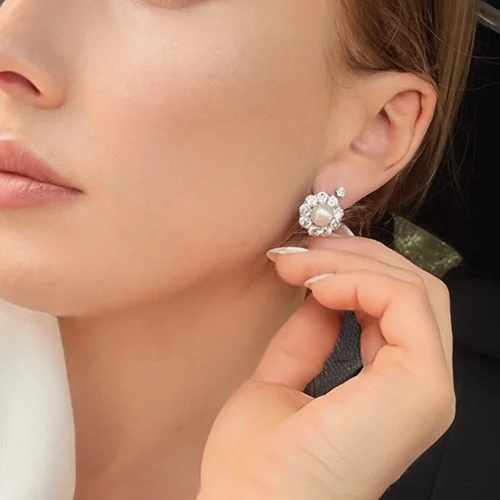 Victorian Natural Pearl & Diamond Cluster Earrings, 18KT Gold£16,950
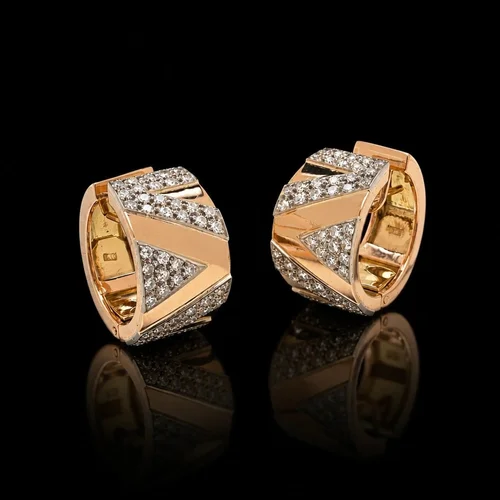
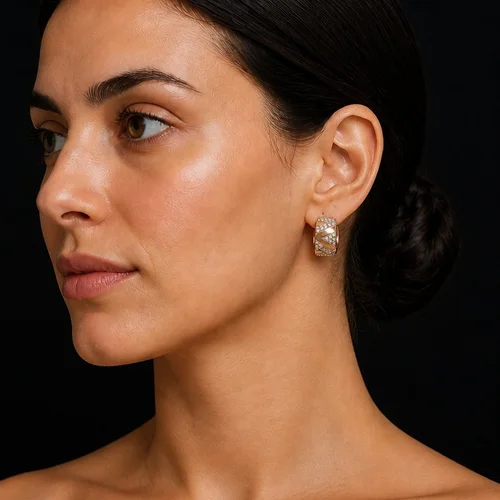 Vintage Diamond Hoop Earrings, 18KT Rose Gold, 1970s£2,350
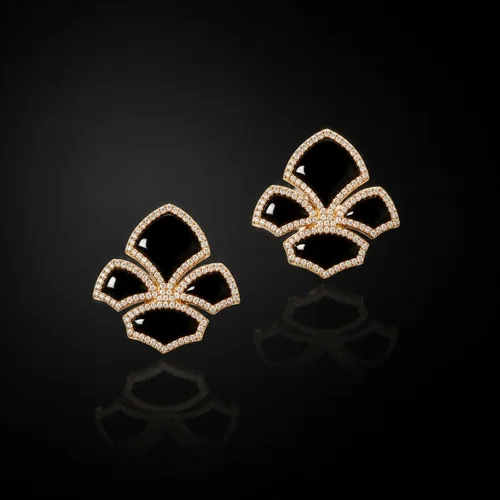
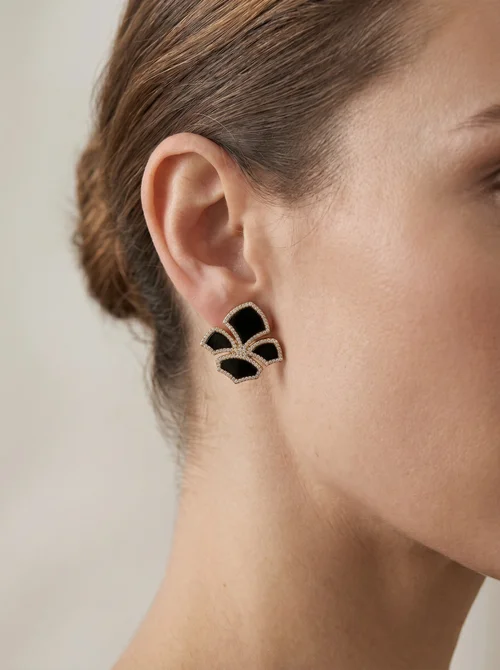 Chatila Onyx & Diamond Clip-On Earrings, 18KT Gold£5,950
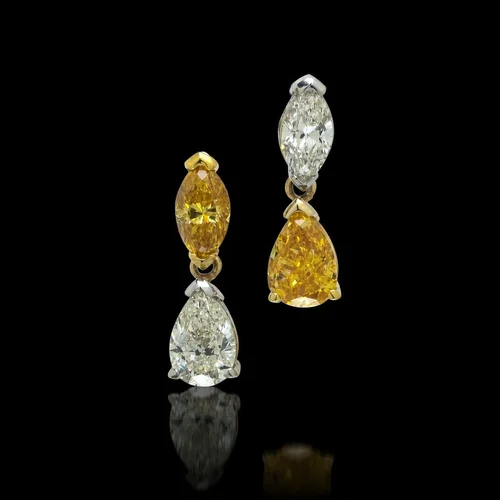
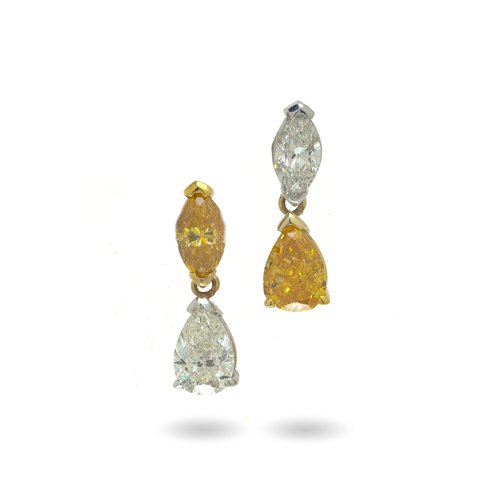 18KT Gold Fancy Yellow and White Diamond Drop Earrings£16,950
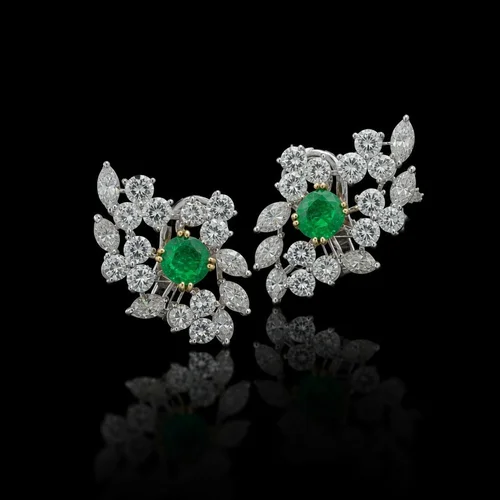
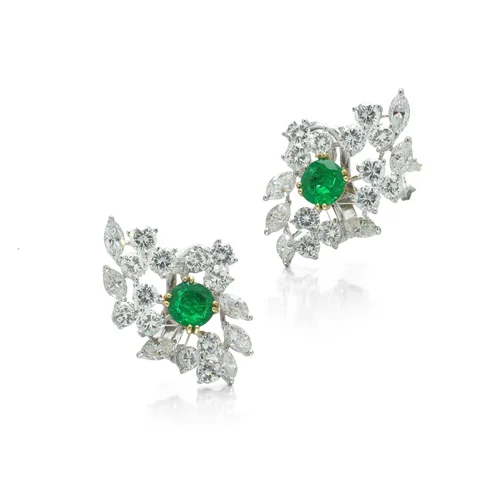 18KT White Gold Emerald and Diamond Cluster Earrings£14,950
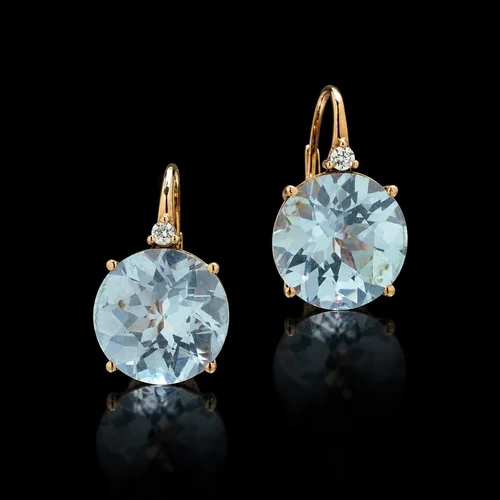
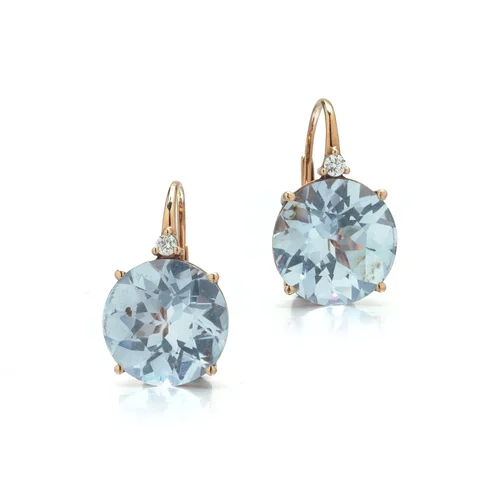 18KT Gold Synthetic Spinel and Diamond Drop Earrings£1,450
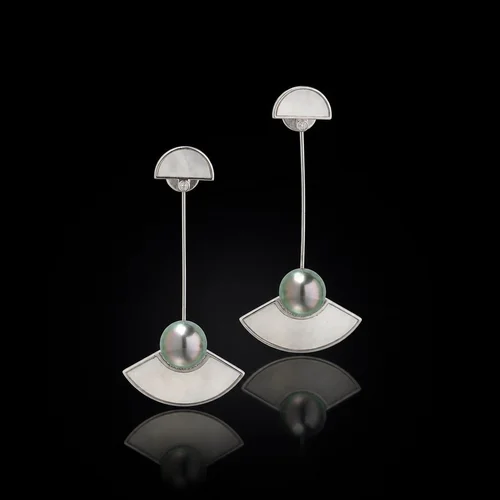
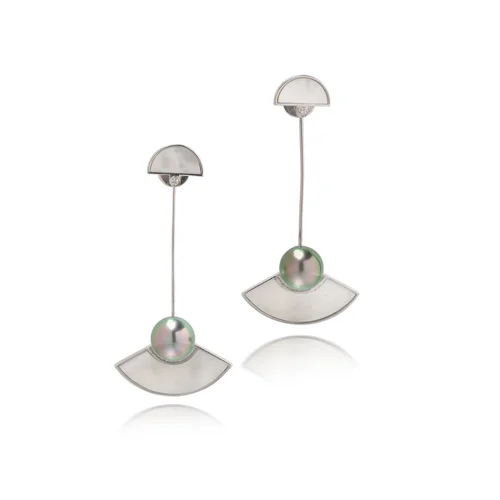 Robert Wan 18KT White Gold Tahitian Pearl, Diamond and Mother-of-Pearl Drop Earrings£3,450
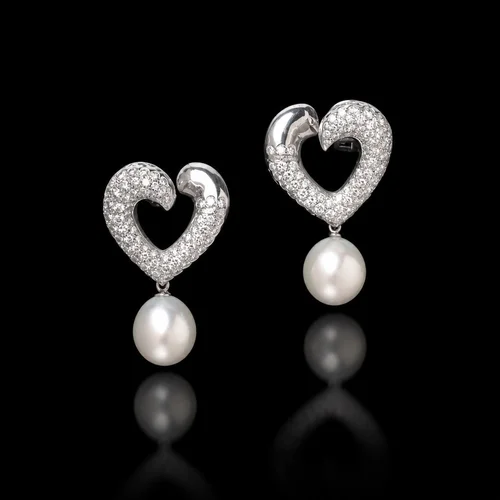
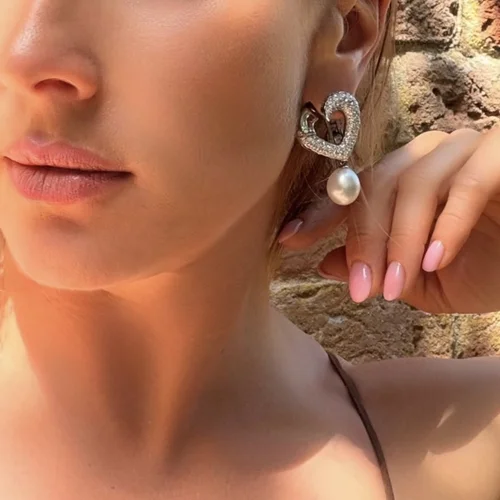 Asprey 18KT White Gold South Sea Pearl and Diamond Day and Night Earrings£6,950
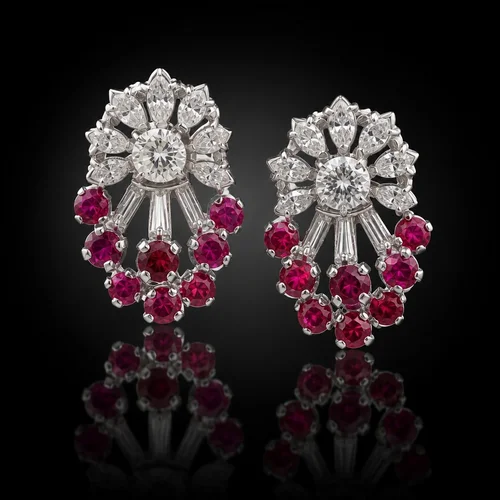
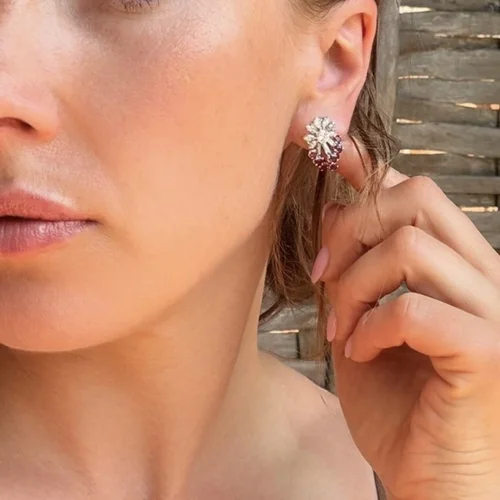 Ruby and Diamond Cluster Earrings, Platinum, 3 ct Rubies£3,650
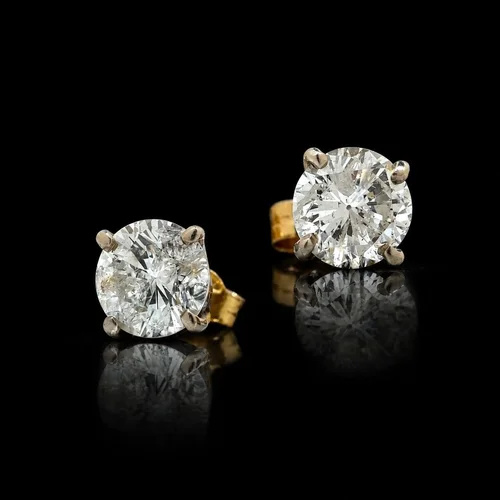
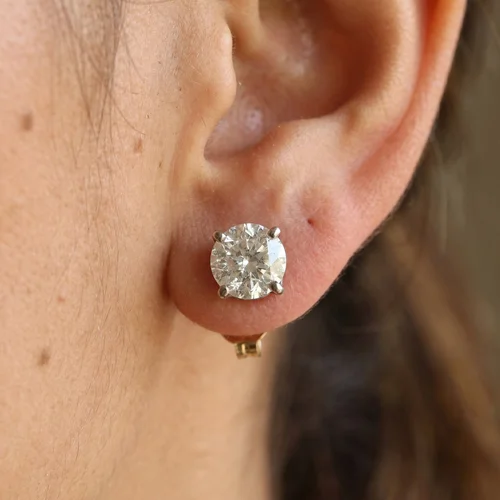 Vintage Diamond Stud Earrings, 18KT Gold, 2.60 ct Round Cut£4,850
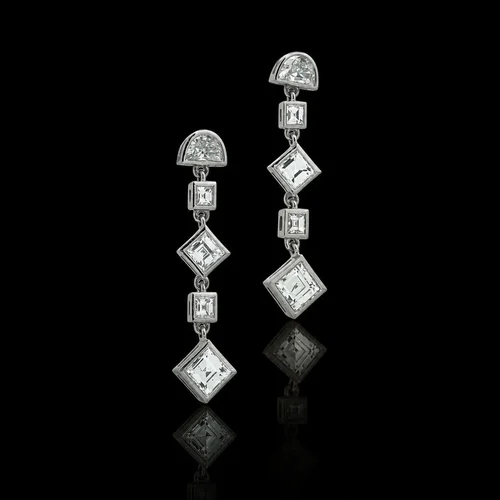
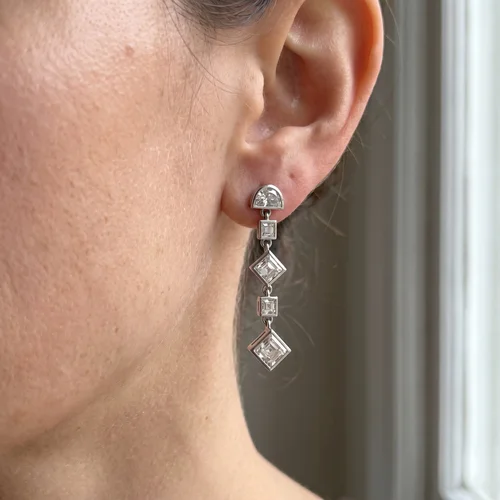 Vintage Platinum Diamond Drop Earrings, 2.80 ct Half Moon and Step Cut£6,985
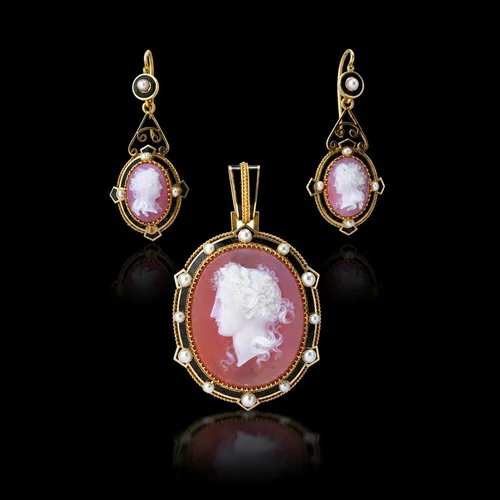
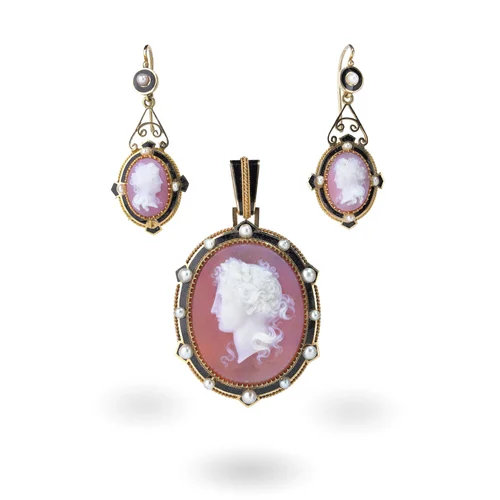 Victorian Carnelian Cameo Pendant and Earrings Suite in 18KT Gold£6,875
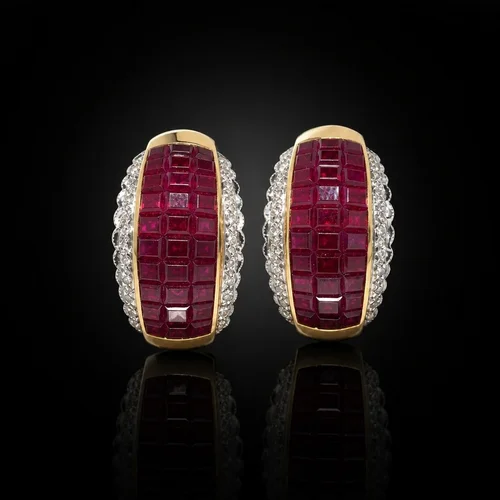
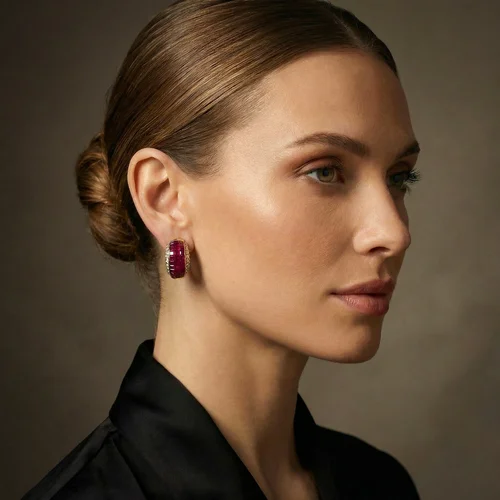 18KT Yellow Gold Natural Ruby & Diamond Clip-On & Studs Convertible Earrings£3,680
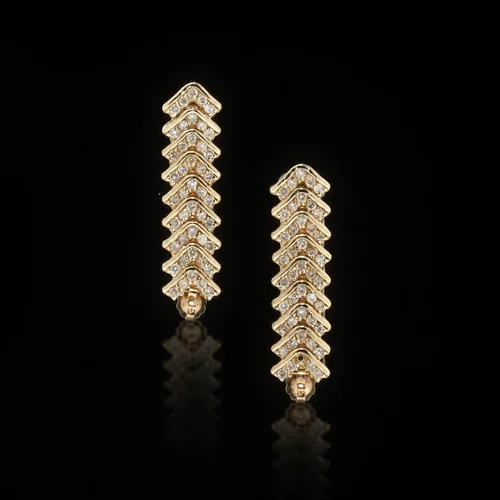
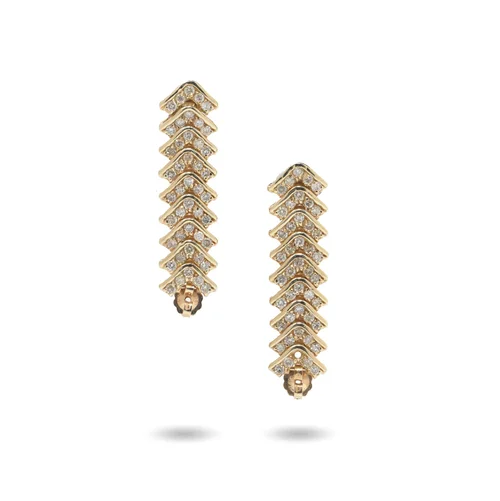 Vintage Diamond Day and Night Convertible Earrings, 14KT Gold, 1.80 ct£2,950
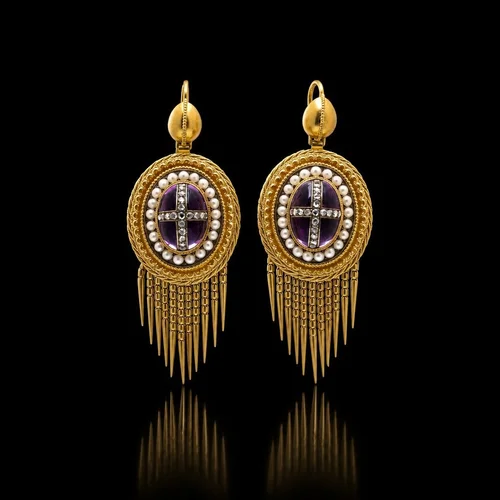
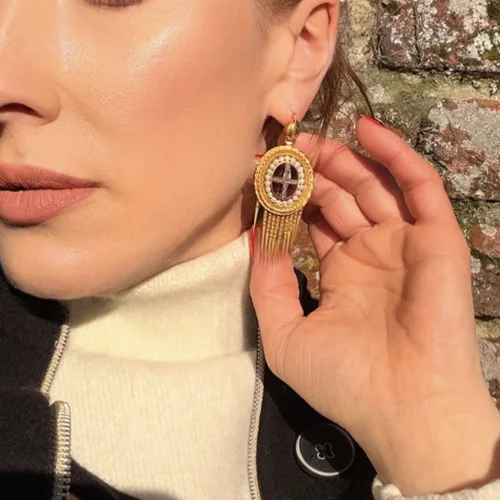 19th Century 21KT Gold Amethyst, Pearl & Diamond Earrings£17,813
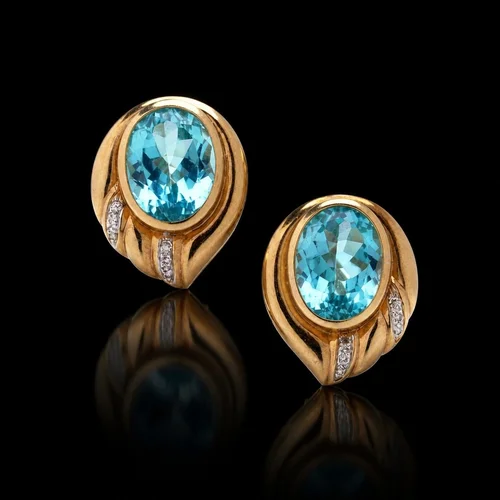
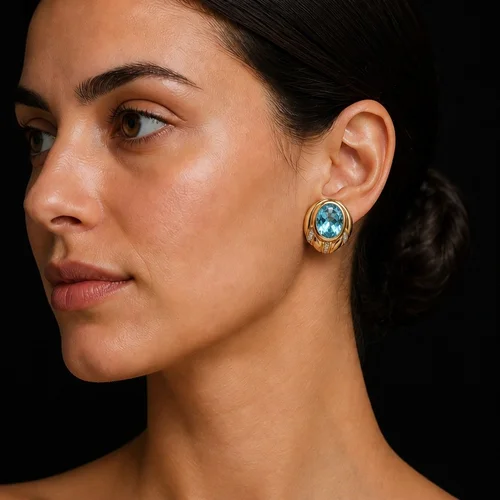 14KT Gold Vintage Blue Topaz and Diamond Clip-On Earrings, 20 cts Topaz & 0.24£3,850
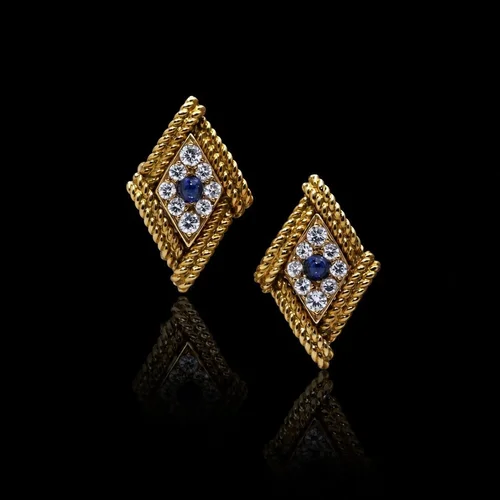
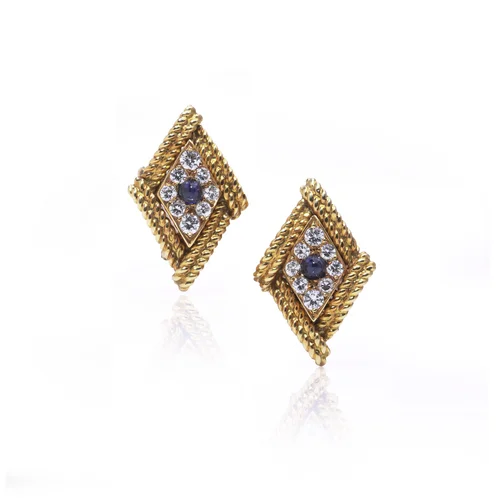 Asprey 18KT Gold Sapphire and Diamond Clip-On Earrings£3,950
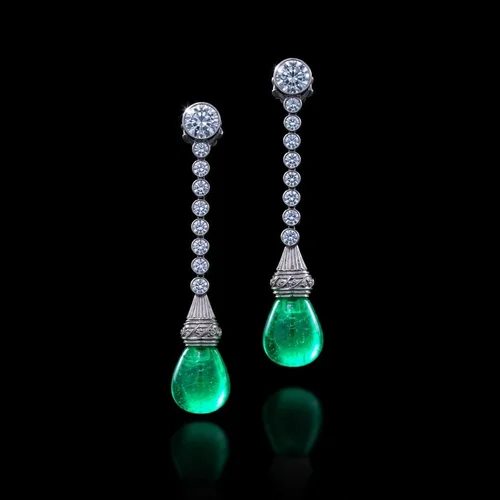
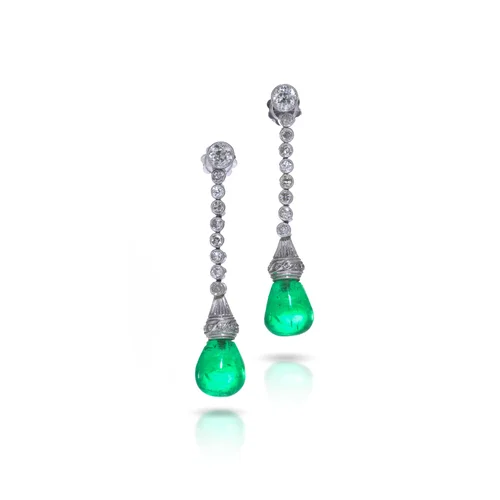 Art Deco Platinum Diamond and Colombian Emerald Drop Earrings£26,950
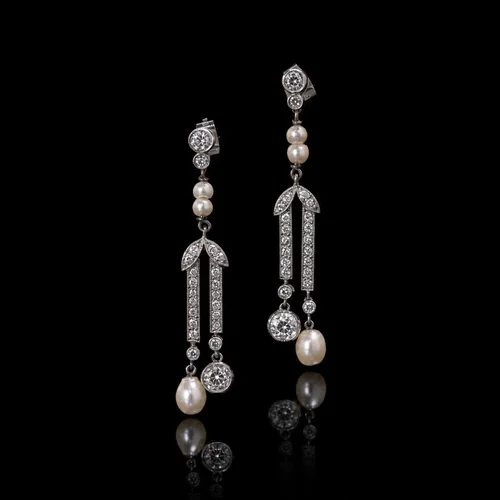
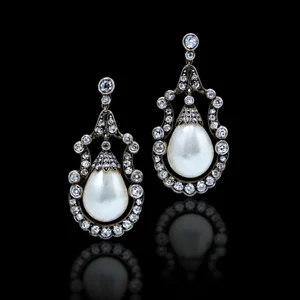
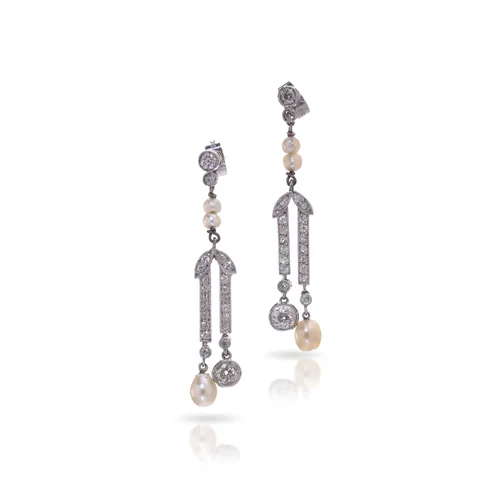 Belle Époque Platinum Diamond and Natural Pearl Drop Earrings£8,950
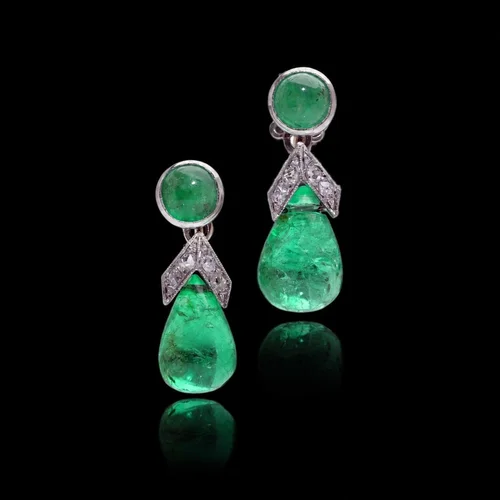
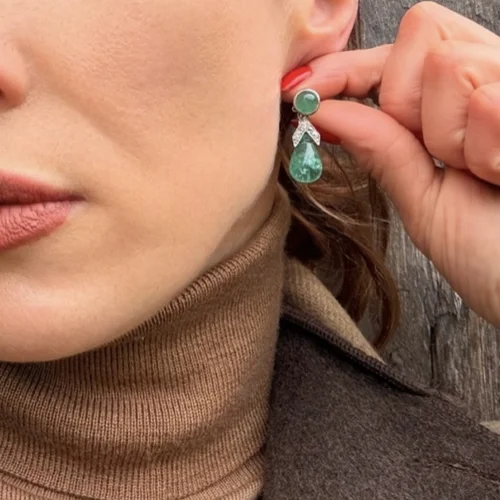 Art Deco Colombian Emerald and Diamond Earrings, Platinum, 8.40 ct£17,950
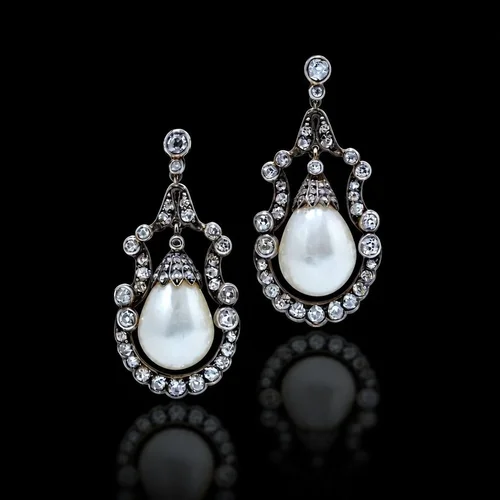
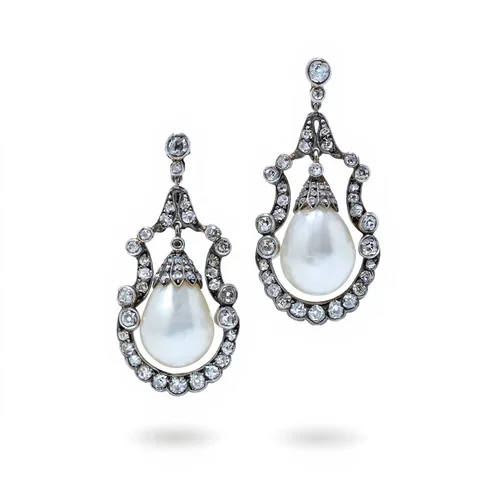 Victorian Natural Pearl and Diamond Drop Earrings, 3.00 ct, 9KT Gold£49,500
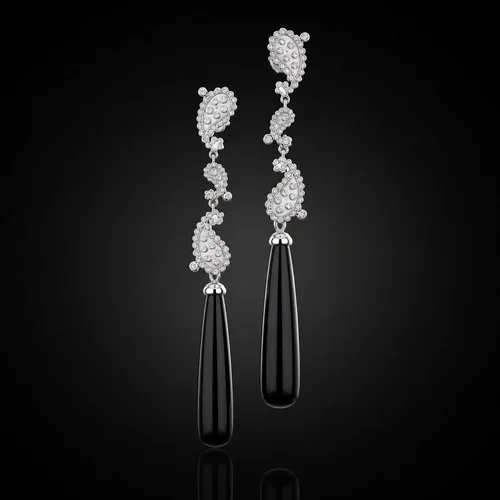
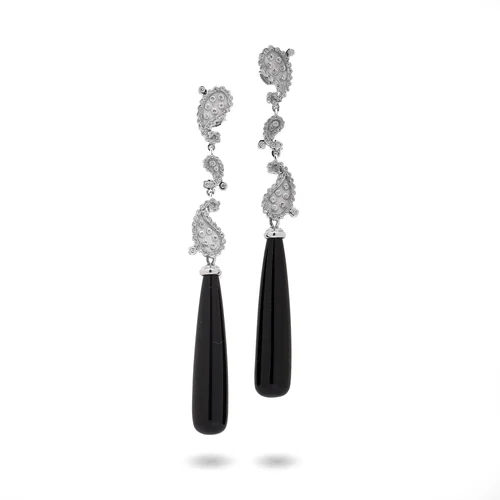 Carrera y Carrera 18KT White Gold Day & Night Earrings with Onyx Drops£3,950
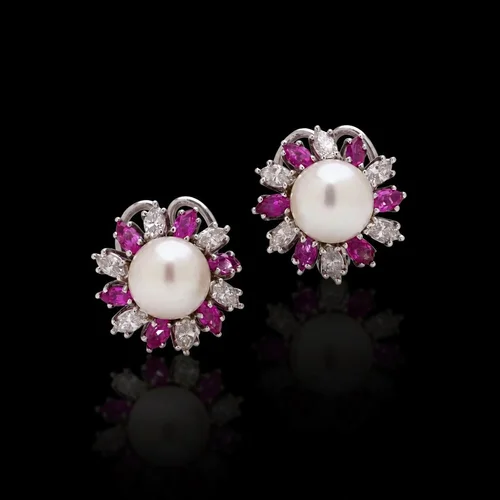
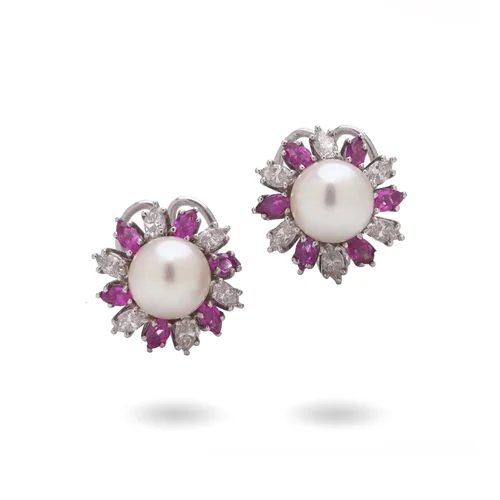 18KT White Gold South Sea Pearl, Diamond & Pink Sapphire Earrings£2,950
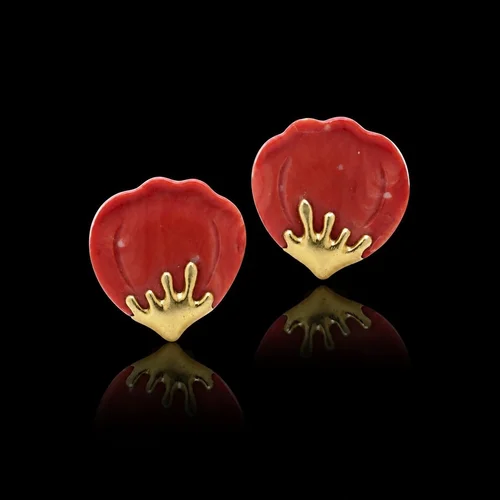
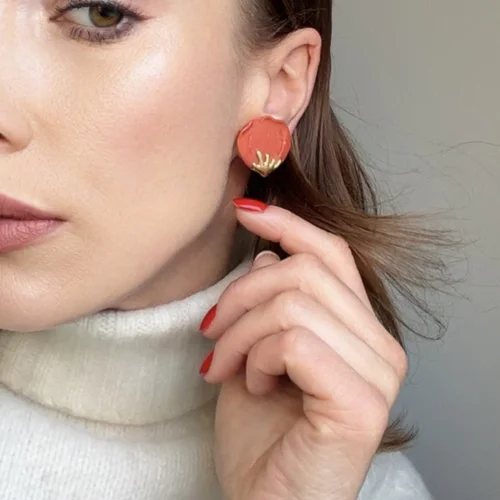 Tiffany & Co. 1977 Angela Cummings Petals Earrings in 18KT Gold & Pink Quartz£5,950
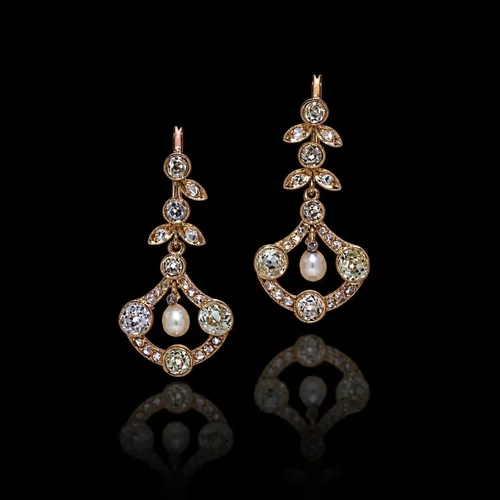
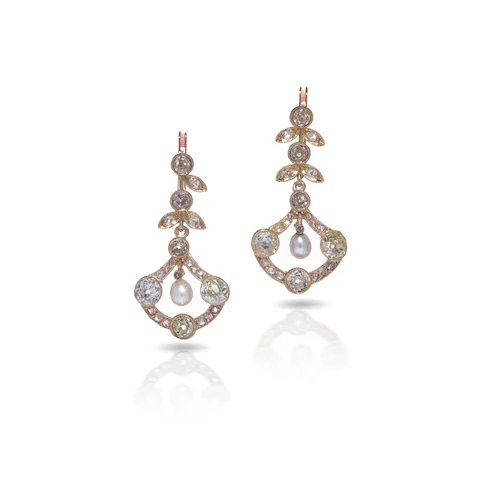 Victorian 18KT Gold Diamond and Pearl Drop Earrings£5,950
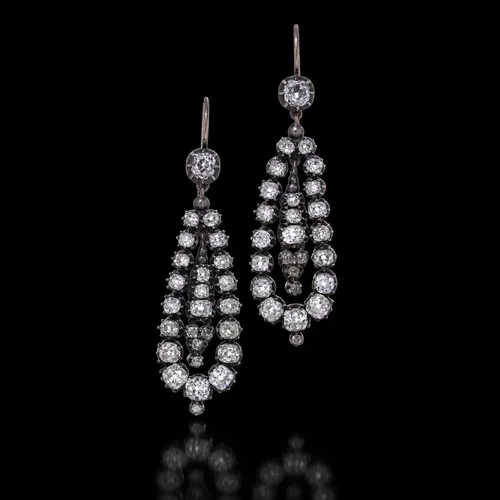
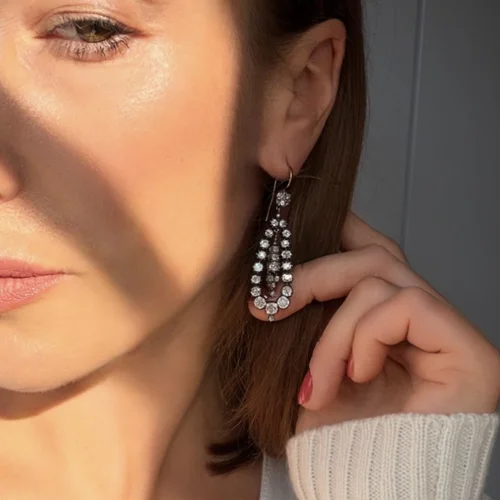 Victorian 15KT Gold & Silver Diamond Drop Earrings£34,950
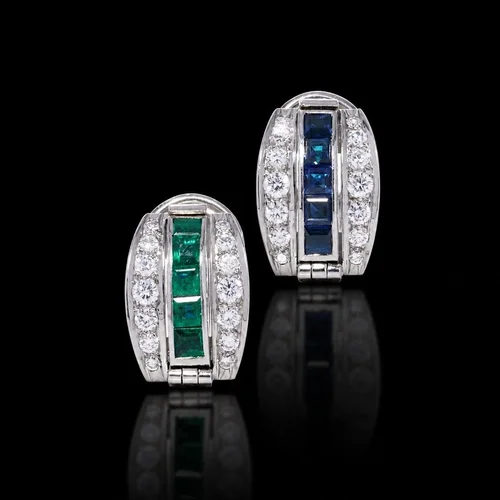
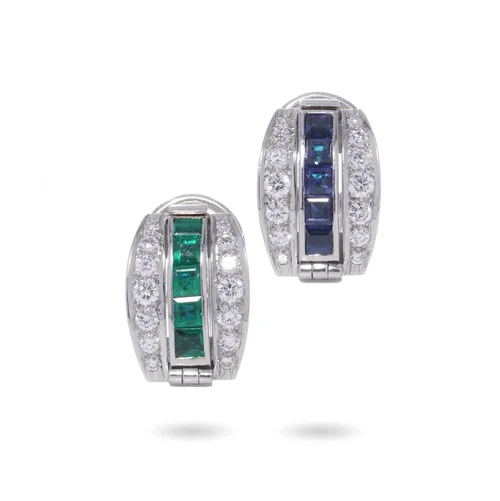 Tiffany & Co. platinum reversible earrings, sapphire, emerald and diamond£14,950
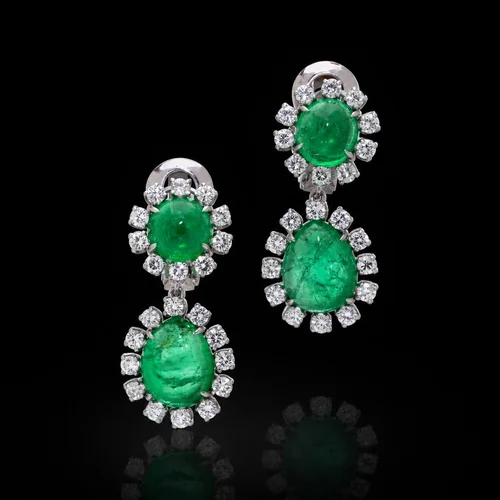
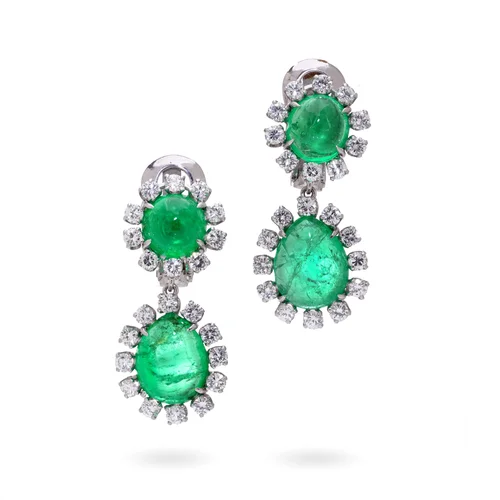 David Webb Platinum Emerald and Diamond Clip-On Earrings£24,950
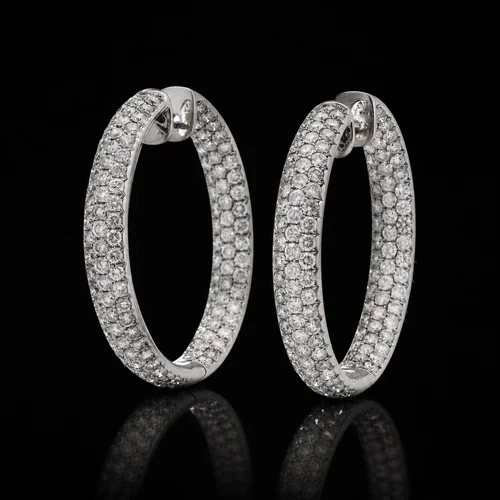
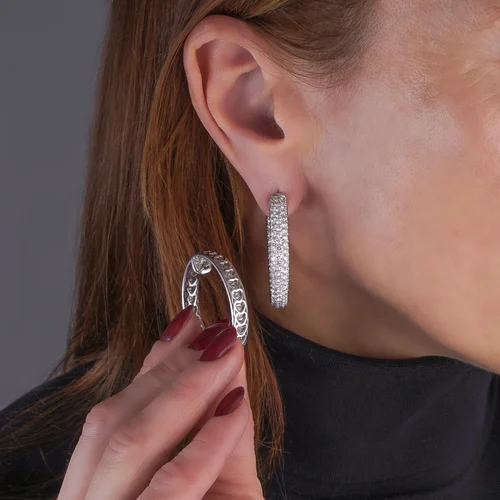 Odelia 18KT White Gold Diamond Double-Sided Hoop Earrings,, 8.19 Carats, 2007£7,950
Recently sold
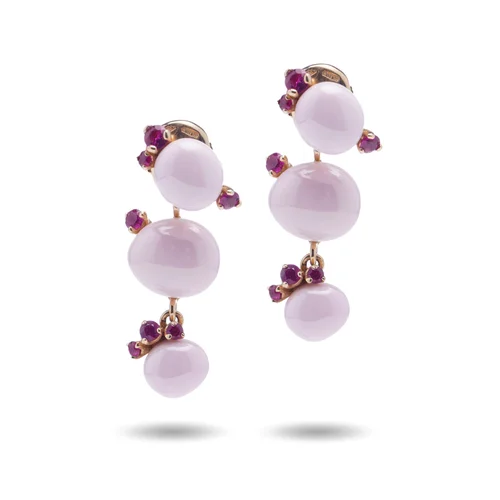 Pomellato Capri 18KT yellow gold and pink ceramic pair of earringsSold
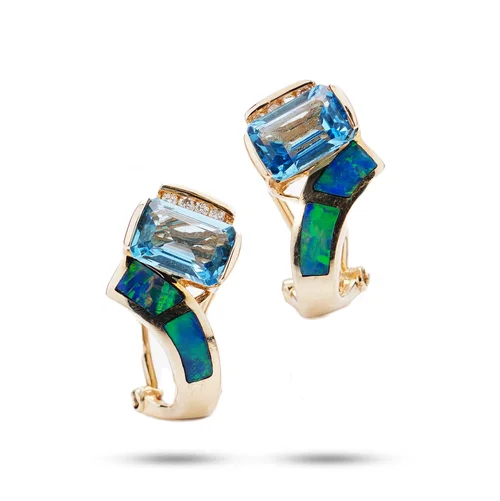 Vintage 14KT yellow gold pair of 1.40 ct. blue topazes, opals, and diamonds earringsSold
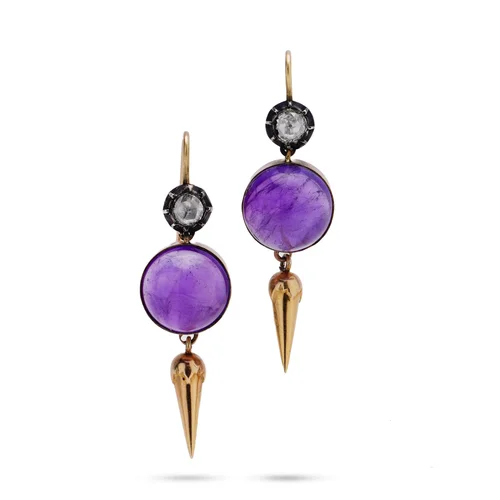 Antique Victorian 15KT gold and silver cabochon amethysts drop earringsSold
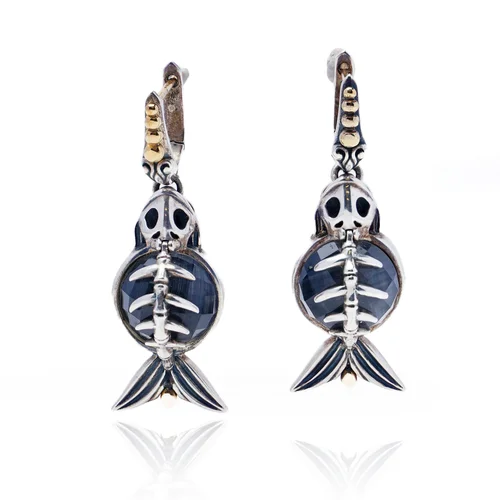 Stephen Webster sterling 925 silver Verne Fish skeleton earringsSold
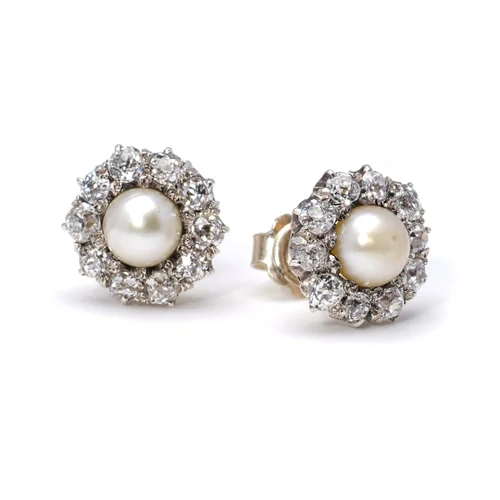 Victorian 18KT yellow gold, pearl, and old cut diamonds earringsSold
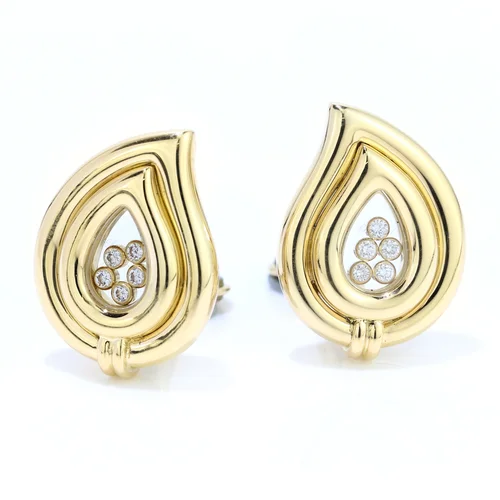 Chopard Happy Diamonds 18KT gold ladies clip-on earringsSold
Questions
How can you tell if antique earrings are real gold?
Look for a standard stamp such as 9KT, 15KT, 18KT, 375 or 750 on the post, clip or back. Because British gold items under 1 gram are exempt from hallmarking, many small antique earrings carry no mark; a jeweller can confirm the gold with an XRF reading or an acid test.
How do you clean vintage earrings?
Use warm water, a drop of mild washing-up liquid and a very soft brush, then rinse and dry with a lint-free cloth. Do not soak pearls, opals, turquoise or emeralds, and keep them out of ultrasonic cleaners; wipe these with a damp cloth instead.
Is it safe to wear vintage earrings?
Yes, provided the fittings are sound. Fine vintage earrings in gold or platinum are as safe as new ones. Wipe pierced posts and wires with surgical spirit before wearing, and have worn clips or loose posts repaired by a jeweller.
What is the difference between antique and vintage earrings?
Antique earrings are usually at least 100 years old, such as Victorian and Edwardian pairs. Vintage earrings are from a more recent past era, typically the 1930s to the 1990s.
How big are 25 mm hoop earrings?
Hoops are measured by their diameter. A 25 mm hoop is about one inch across, a medium size that hangs a little below the lobe. Huggies of 8 to 12 mm sit close to the ear, 15 to 20 mm hoops are small, and hoops of 40 mm and more are large, bold hoops.
Are large clip-on earrings comfortable?
Good clip-ons spread their grip with a hinged clip and often a padded or rubber cushion, so even large vintage clip-ons can be worn for hours. Very heavy designs pull more, so test the weight first. A jeweller can fit a new cushion, adjust the tension or convert clip-ons to pierced fittings.
More questions (25)
What earrings suit men?
Men most often wear small stud earrings in gold, platinum or diamond, small plain hoops or huggies, and occasionally a single drop. Solid gold studs in 9KT or 18KT are durable and hypoallergenic for most people. Choose a secure screw back for a diamond stud.
What earrings are best for upper lobe and cartilage piercings?
Small hoops and huggies of 6 to 10 mm and flat-backed studs sit comfortably in the upper lobe and cartilage. New piercings heal best with implant-grade titanium or solid gold, and a longer post leaves room for swelling. Once healed, fine gold huggies and small studs work well.
What earrings are best for daily wear?
Small studs and hoops in solid gold or platinum are the most practical everyday earrings: they do not catch on clothes, hair or phones, and they do not tarnish. Diamond, sapphire or pearl studs and plain gold huggies go with everything. Choose secure fittings, such as screw backs, for valuable studs.
What is Juliana jewellery?
Juliana is a name collectors use for costume jewellery made by DeLizza and Elster of New York, mainly in the 1950s and 1960s, especially sparkling rhinestone brooches, earrings and parures. Most pieces are unsigned and were sold with paper tags, so they are identified by their construction, stones and settings.
What is the best box for storing earrings?
A box with separate compartments or a pad of slots keeps pairs together and stops stones scratching each other. Store pearls apart from harder gems and silver with anti-tarnish strips. Antique and vintage earring boxes, including Cartier and Tiffany & Co. boxes, suit period earrings.
What are the main types of earring fittings?
Pierced earrings use a post with a butterfly or screw back, a lever-back hook, a shepherd's hook or a hinged hoop. Screw backs hold valuable studs most securely. Clip-on and screw-on earrings suit unpierced ears and were common on vintage jewellery from the 1930s to the 1960s; magnetic and stick-on studs are modern fashion options.
How can you tell if earrings contain nickel?
Earrings stamped 750 or 18K yellow gold, PT950 platinum or 925 silver contain little or no nickel. Unmarked, plated and costume earrings often do, as can some white gold alloys. A nickel spot test kit, using dimethylglyoxime, turns pink on contact with nickel, which settles it in seconds.
How can you tell if earrings are sterling silver?
Look for 925, Sterling or a UK hallmark on the post, hook or clip. In the UK, silver under 7.78 grams does not have to be hallmarked, so many small earrings carry only a 925 stamp or none. Silver is not magnetic, and it tarnishes grey, which a silver cloth removes.
How can you tell if Chanel earrings are real?
Genuine Chanel costume earrings carry an oval or rectangular plaque stamped CHANEL with the CC logo and Made in France or Italy, and most from the 1990s onwards add a season code such as 97 A. Copies show blurred stamps, uneven logos and light metal. Our Chanel guide shows the marks in detail.
How do I clean earrings that have turned green?
Green marks come from copper in the metal reacting with skin or moisture. Wipe solid silver or gold earrings with a cloth dipped in warm, mildly soapy water, dry them, and polish silver with a silver cloth. On plated costume earrings rub gently, as scrubbing removes the plating.
How should I clean second-hand earrings before wearing them?
Wipe the posts, hooks and backs of gold, platinum or silver earrings with rubbing alcohol on a cotton pad, then wash in warm soapy water and dry. Do not use alcohol or hydrogen peroxide on pearls, opals, turquoise or coral, which are porous: wipe those with a damp cloth only.
What is the gunk on my earrings?
The grey or white build-up on earring posts and backs is mostly sebum, dead skin cells, sweat and traces of soap or hair products. It can smell and irritate a piercing. Soak the earrings in warm water with a little mild washing-up liquid, brush gently with a soft toothbrush, rinse and dry fully before wearing.
What are earrings made of?
Fine earrings are made of gold from 9KT to 22KT, platinum or sterling silver, set with gemstones, pearls or enamel. Costume earrings use base metals such as brass or plated metal with paste and glass. Posts for sensitive ears are gold, platinum or titanium. Hallmarks or stamps such as 375, 750 and 925 show the metal.
What are sleeper earrings?
Sleeper earrings are small, plain hoops, usually gold, designed to be worn day and night, including in bed, to keep a piercing open. Traditional sleepers have a hinged wire that clicks into a hollow tube. They are light and close fitting, so they do not catch on pillows or hair.
What gauge are normal earrings?
Most standard earring posts and hooks are 20 gauge, about 0.8 mm thick, while some are 18 gauge, about 1 mm, the size often used for piercing studs. Antique earrings can have thinner wires. Gauge numbers run backwards: a higher number means a thinner wire, and stretched piercings use much lower gauges.
What are earrings without piercings called?
Earrings for unpierced ears are clip-on earrings, with a hinged spring clip, and screw-back earrings, which tighten with a small screw. Both were the usual fittings from the 1930s to the 1960s, before pierced ears became common again. Ear cuffs hug the outer ear without a piercing. A jeweller can convert some clip-ons to posts.
What are ear jackets and flat back earrings?
Ear jackets, or front-back earrings, have a stud at the front and a larger back piece that hangs below the lobe behind the ear. Flat back earrings have a disc at the back that screws or pushes onto the post, used for cartilage piercings and as comfortable studs for sleeping. Both are modern styles.
Are 14KT or 18KT gold hoop earrings better for daily wear?
14KT gold, 58.5% pure, is harder and more scratch resistant, so it suits hoops worn every day; 18KT gold, 75% pure, has a richer colour and is less likely to cause reactions but dents more easily. In the UK, 9KT and 18KT are the most common standards for gold hoops.
What are ear climbers and over-the-ear earrings?
Ear climbers are earrings that run up the edge of the ear from a single piercing, usually a row of small stones or a curved bar. Ear cuffs and over-the-ear designs hook over the top of the ear without a piercing. They are modern styles; antique earrings are almost always for the lobe.
What are huggie earrings?
Huggies are small, thick hoops that hug the earlobe closely, usually 8 to 15 mm across. Most have a hinged section that swings open and clicks into a notch on the other side, so there is no separate back to lose. They come plain or set with diamonds, and suit everyday and second piercings.
How do you open hoop earrings?
First find the closure. A hinged huggie or click hoop opens by pulling the small post down from its notch. A latch-back hoop has a hinged wire that lifts from a catch at the back. A wire hoop slides out of a small tube. Never force a hinge sideways, because it can snap.
What is a drop earring?
A drop earring has a stone, pearl or ornament hanging below the earlobe from a stud, hook or small hoop. Short drops sit just below the lobe, while longer chandelier and girandole designs have several tiers. Georgian and Victorian drop earrings often detach, so the top can be worn alone as a stud.
Where did hoop earrings originate?
Gold hoop earrings were worn in ancient Mesopotamia: examples from the royal tombs at Ur date to about 2600 to 2450 BC. Hoops were later worn in ancient Egypt, Greece and Rome, often with animal head ends. They returned to Western fashion in the 20th century in gold, silver and gem-set forms.
What size diamond stud earrings should I choose?
Diamond studs are described by total carat weight for the pair. Round brilliants measure about 4.1 mm at 0.25 ct each, 5.2 mm at 0.50 ct and 6.5 mm at 1.00 ct. Smaller studs suit daily wear and second piercings. Matched colour and cut matter as much as size.
Are steel, alloy and acrylic earrings safe to wear?
It depends on what the metal releases. Nickel is the most common cause of reactions, and UK and EU law limits nickel released by earring posts. Implant-grade titanium, platinum and 18KT gold suit sensitive ears. Alloy and plated earrings often contain nickel, and acrylic earrings still rely on a metal post.