Pearl Jewellery
Natural and cultured pearls: necklaces, earrings, rings and brooches.
5.0 by our buyers on Google · 4,000+ customers
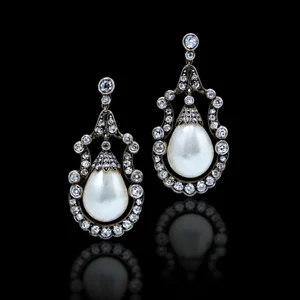
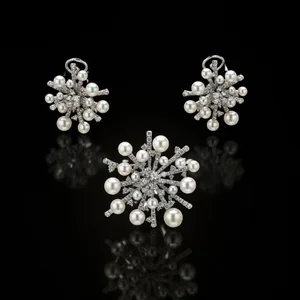
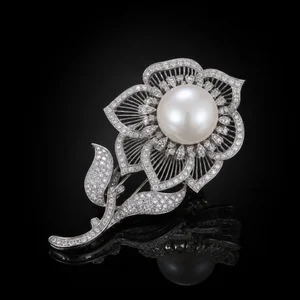
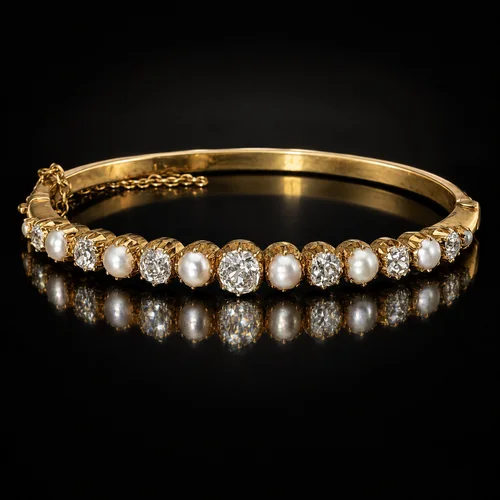
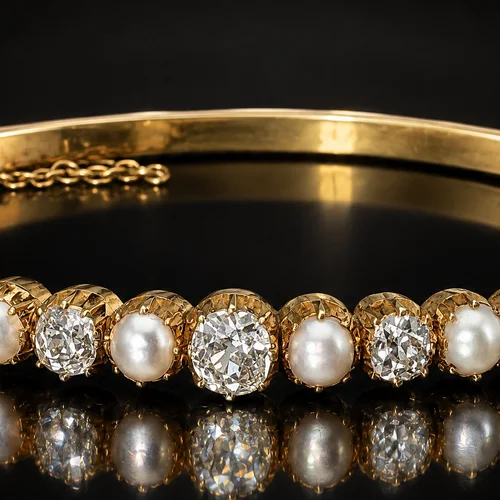 Victorian 18KT Gold Natural Pearl and Old Cut Diamond Bangle, 1.90 ct£4,785
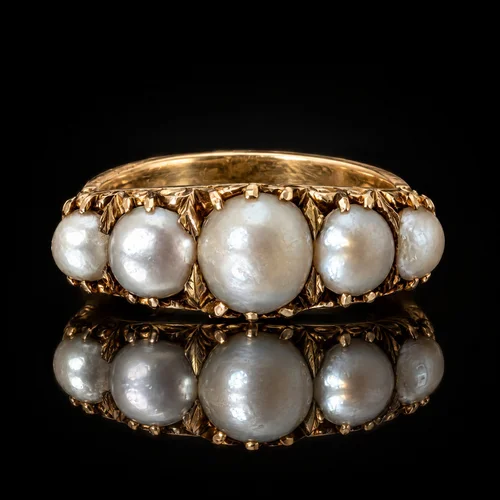
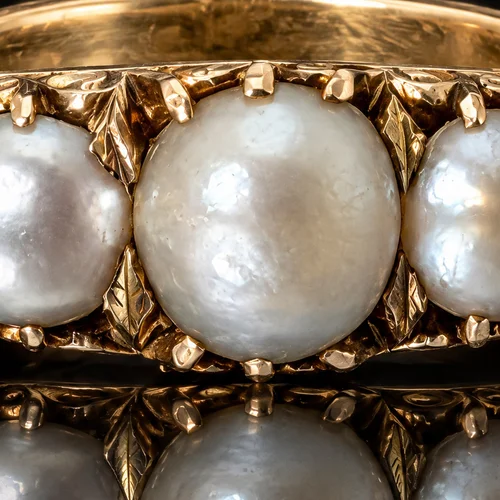 Victorian 9KT Gold Natural Pearl Five Stone Half Hoop Ring£1,865
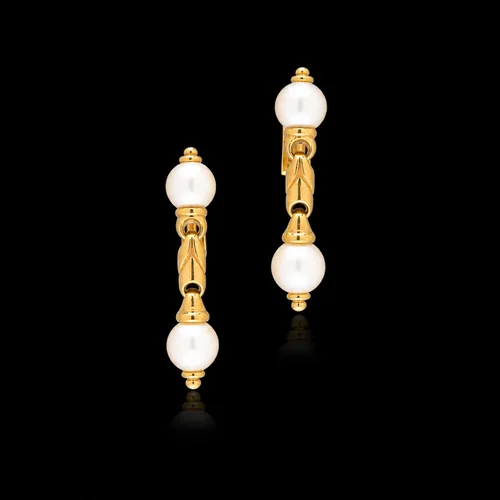
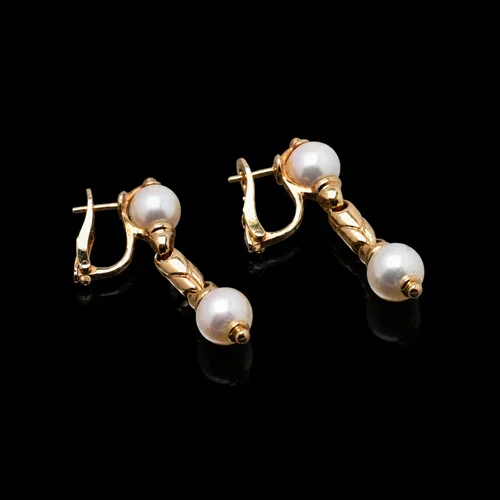 Bulgari Passo Doppio 18KT Gold and Cultured Pearl Drop Earrings£5,950
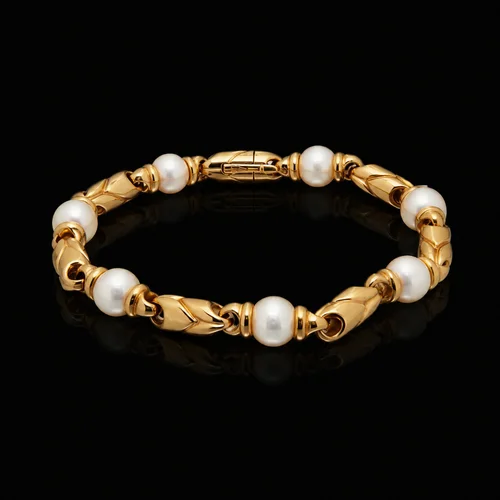
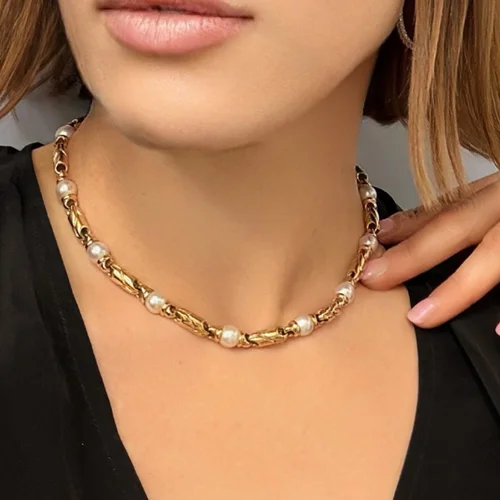 Bulgari Passo Doppio 18KT Gold and Cultured Pearl Bracelet, Original Box£8,950
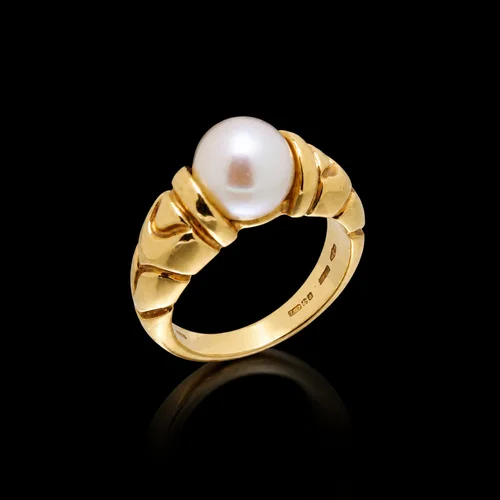
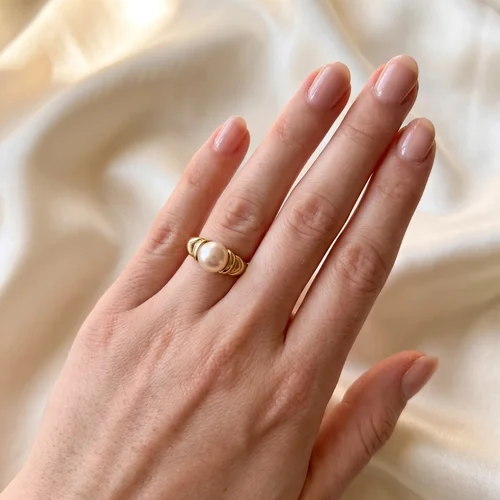 Bulgari Passo Doppio 18KT Gold Cultured Pearl Ring, 1998, Original Box£6,500
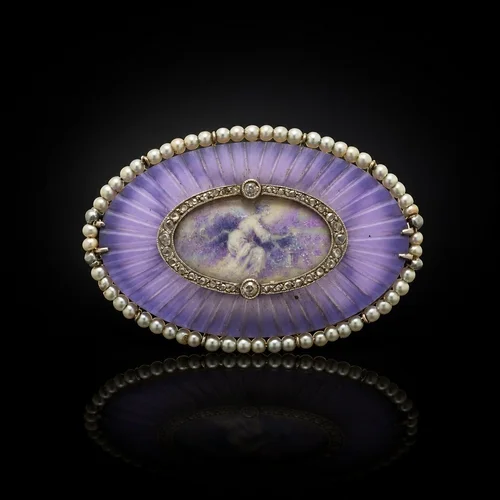
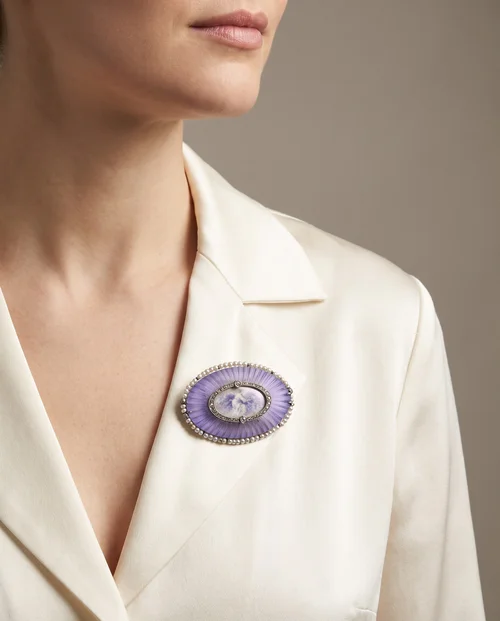 Antique Art Nouveau 9KT Gold Enamel Miniature, Pearl and Diamond Brooch, Boxed£5,400
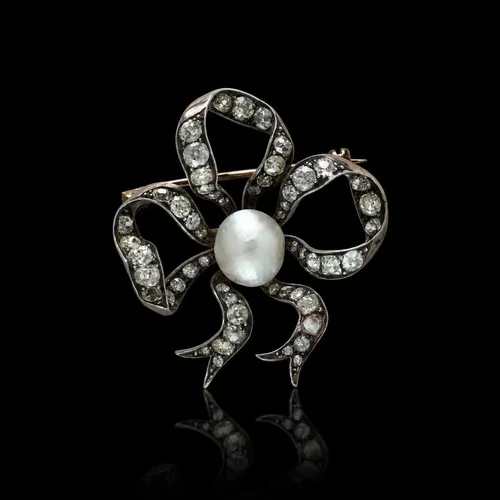
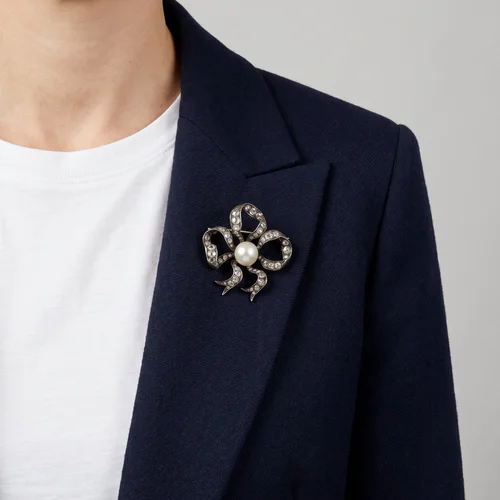 Victorian Natural Pearl and Diamond Bow Brooch, 9KT Gold and Silver£7,950
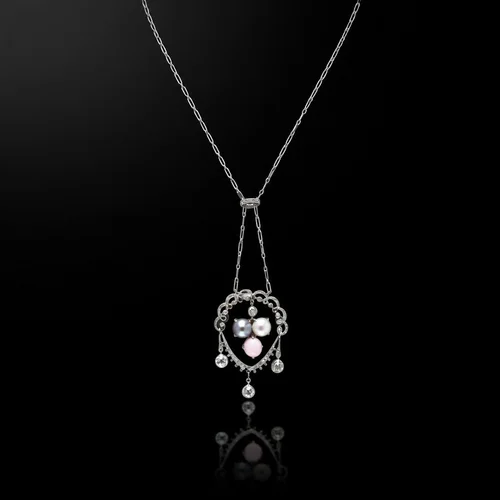
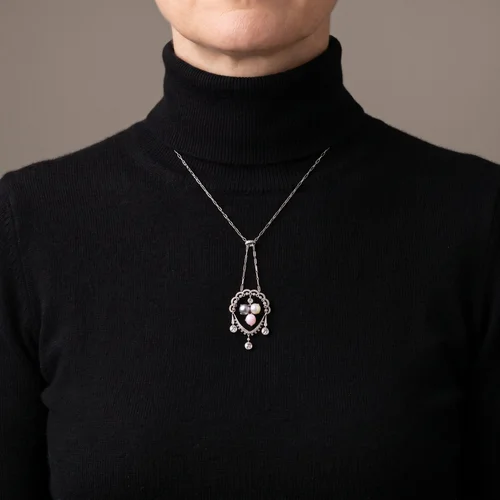 Belle Époque Conch Pearl and Diamond Pendant Necklace, Platinum, Circa 1910£13,850
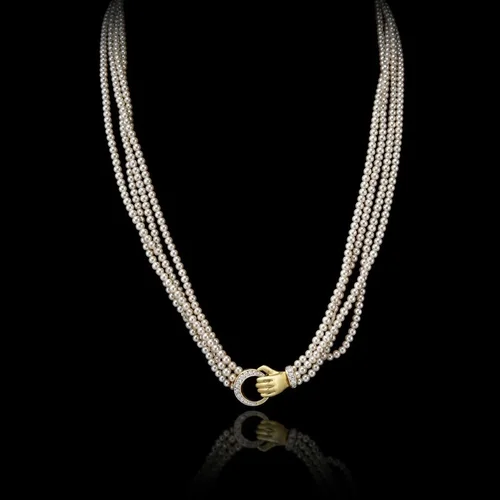
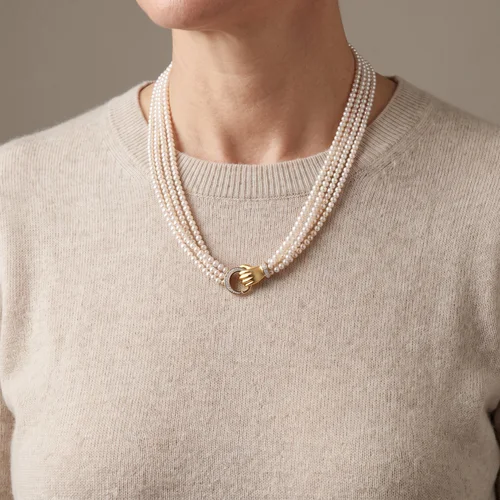 Vintage 18KT Gold Seed Pearl Multi Strand Necklace with Diamond Hand Clasp£2,345
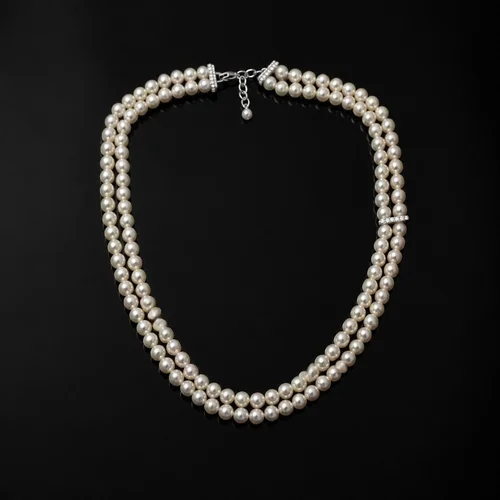
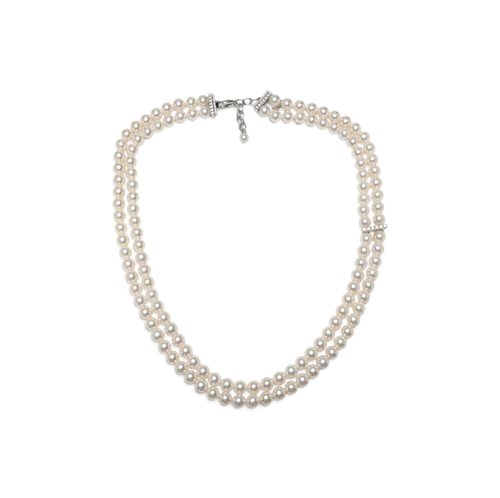 Mikimoto Double Strand Cultured Pearl Necklace, 18KT White Gold and Diamonds£9,850
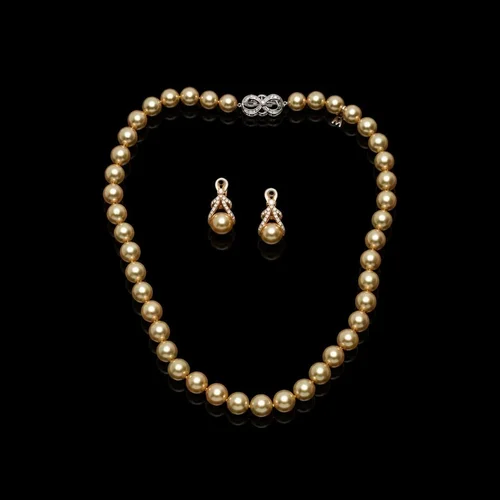
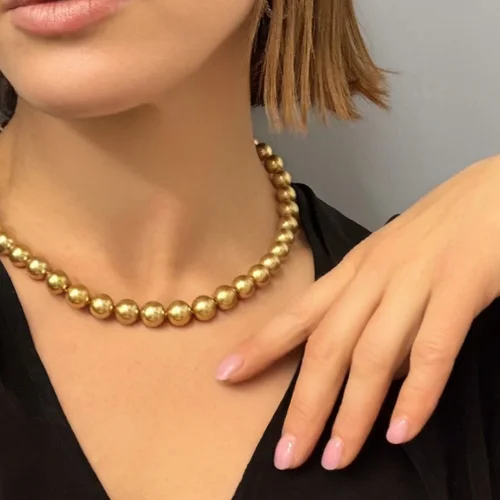 Mikimoto Golden South Sea Pearl Necklace and Earrings Set, Diamonds£24,500
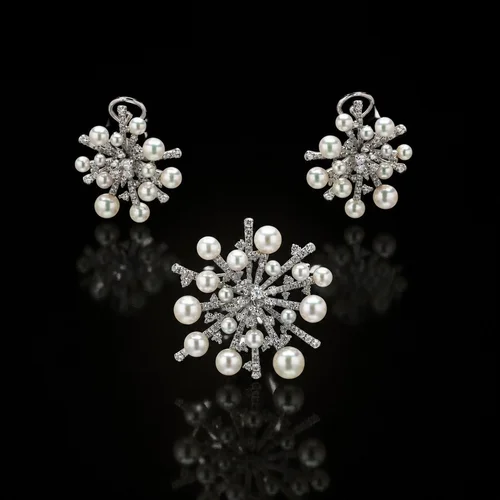
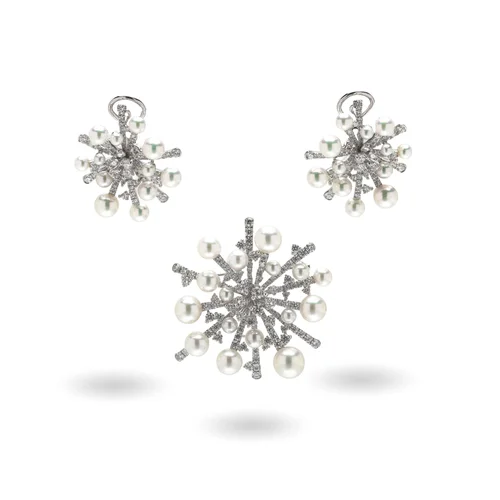 Mikimoto Pearl and Diamond Brooch and Earrings Set, 18KT White Gold£24,950
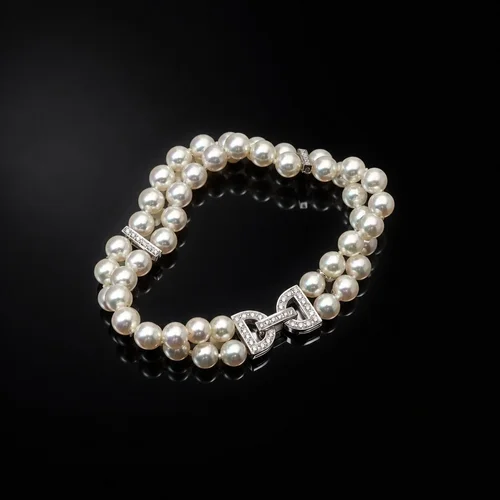
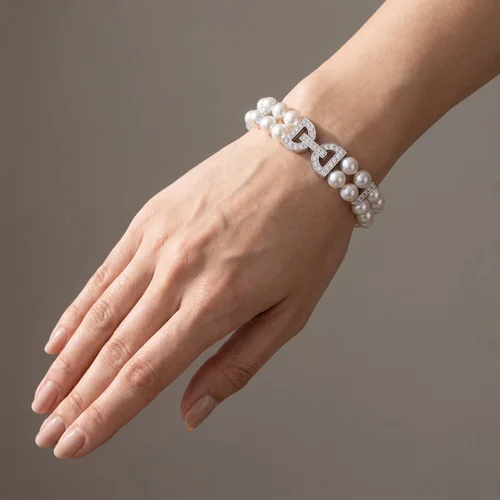 Mikimoto Double Strand Cultured Pearl & Diamond Bracelet, 18KT White Gold£7,950
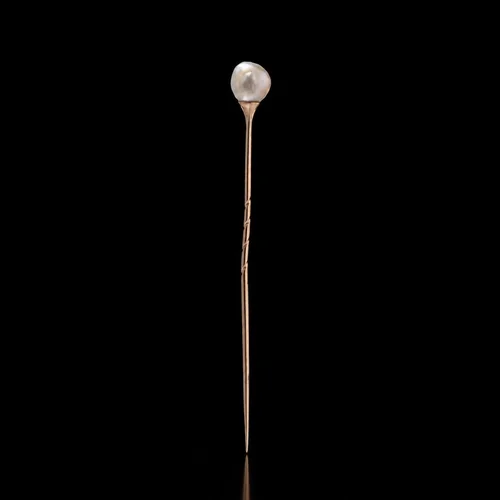
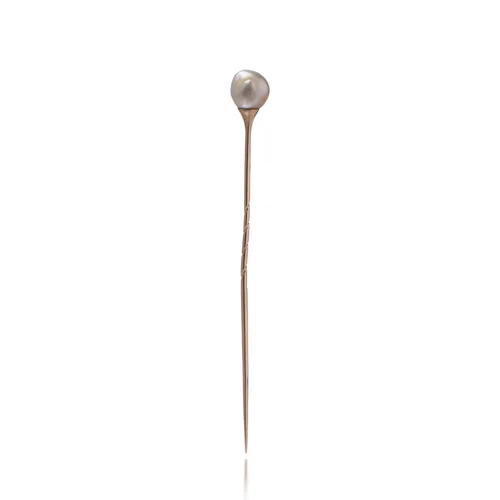 Vintage Natural Pearl Stick Pin, 14KT Gold, 8 mm, 1950s£595
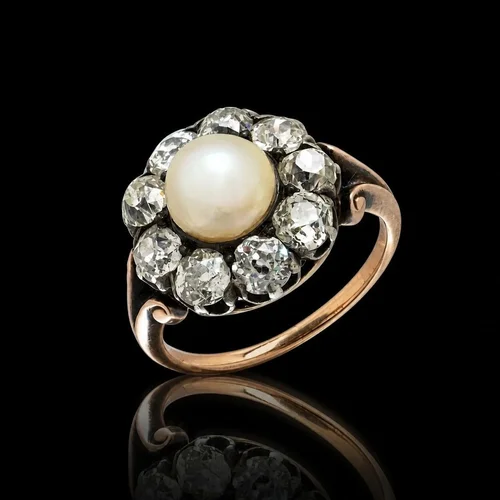
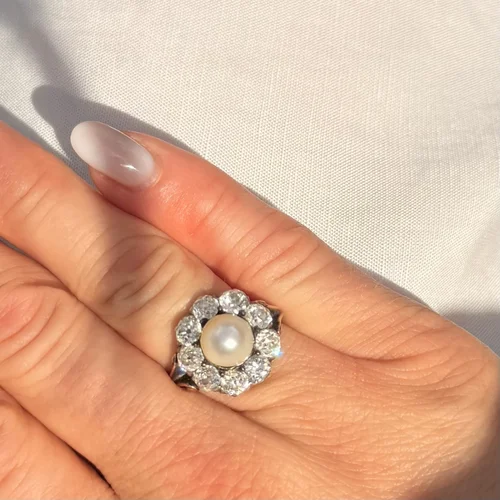 Victorian Natural Pearl & 2.70ct Old European Cut Diamond Cluster Ring, 18KT Gold£8,950
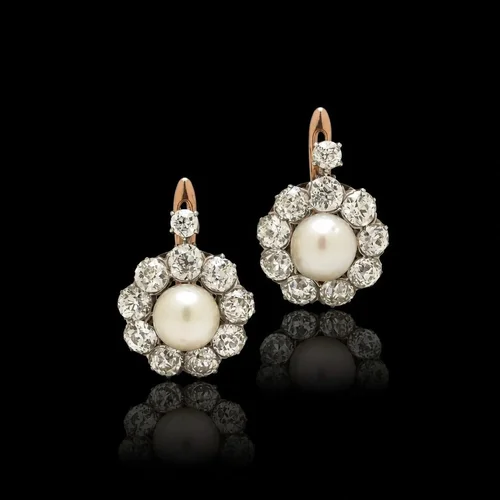
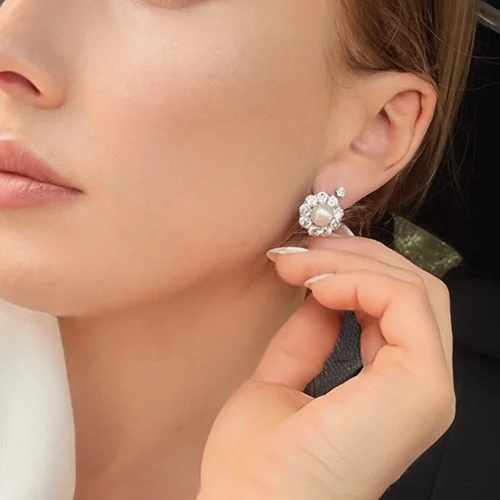 Victorian Natural Pearl & Diamond Cluster Earrings, 18KT Gold£16,950
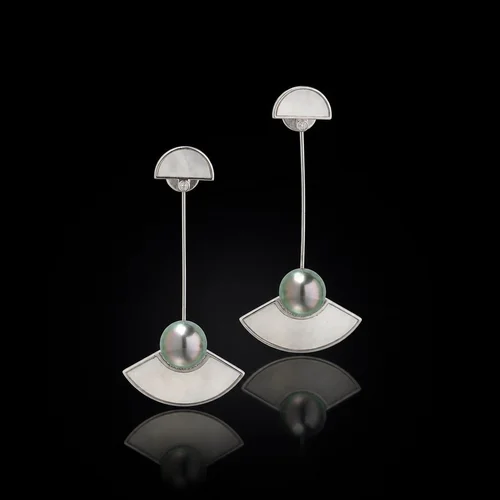
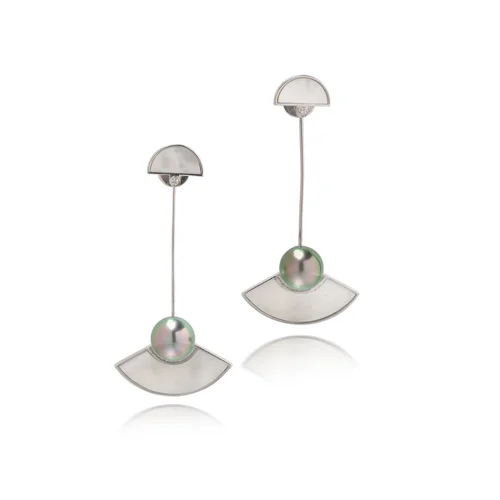 Robert Wan 18KT White Gold Tahitian Pearl, Diamond and Mother-of-Pearl Drop Earrings£3,450
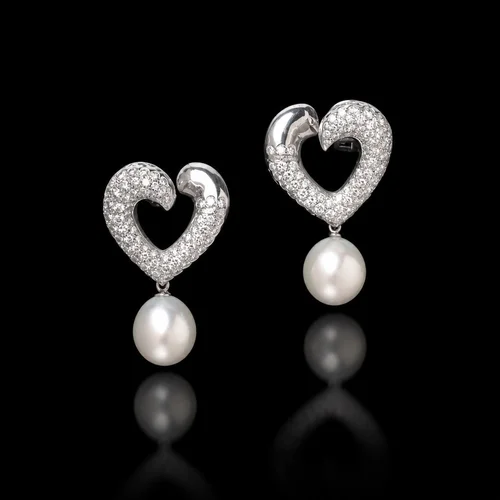
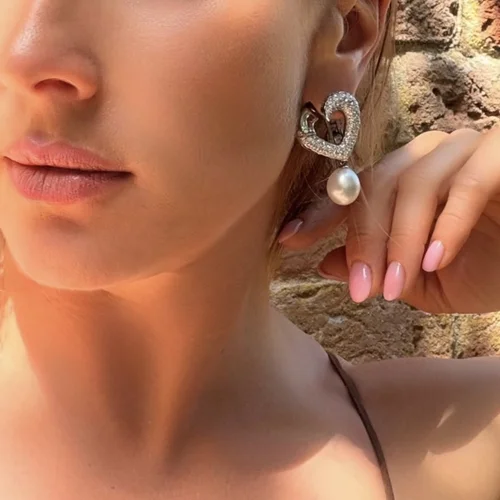 Asprey 18KT White Gold South Sea Pearl and Diamond Day and Night Earrings£6,950
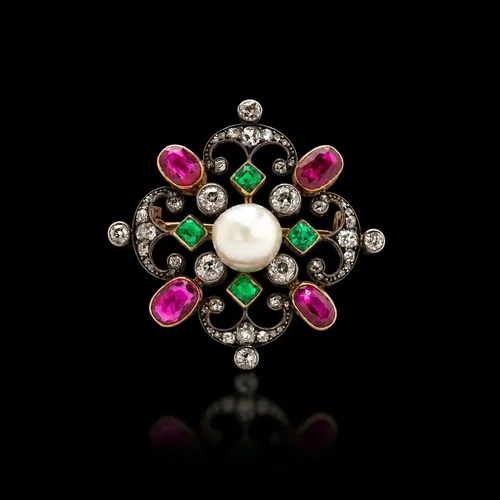
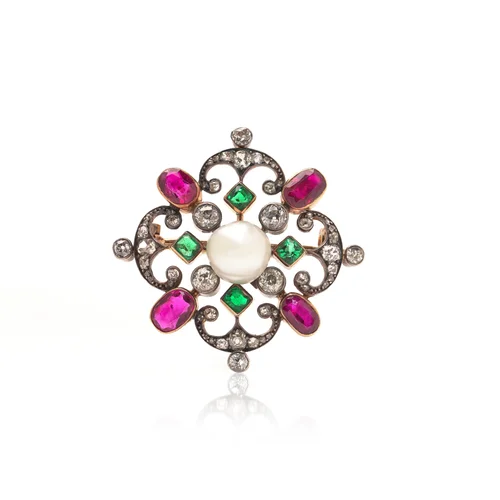 Edwardian Natural Pearl, Ruby, Emerald and Diamond Baroness Issaverdens Brooch£9,850
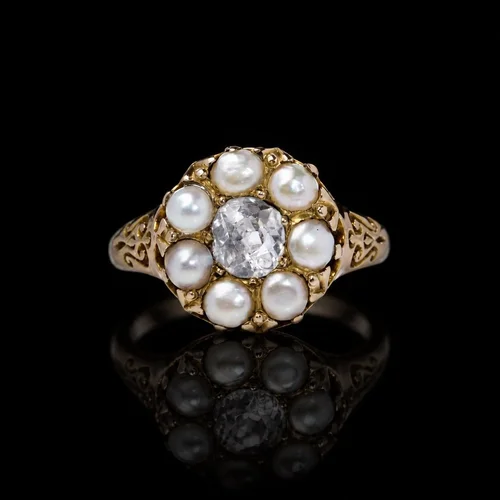
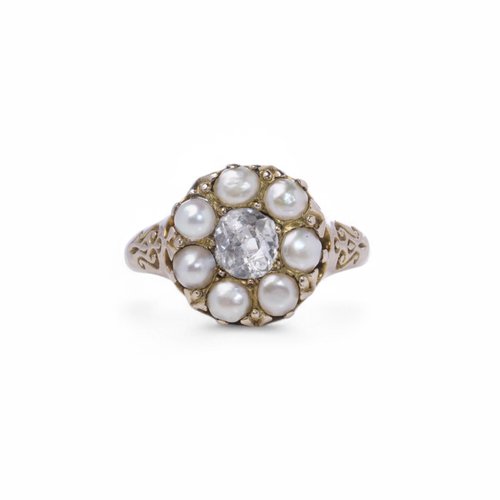 Antique 9KT Yellow Gold Pearl and Old Mine Diamond Cluster Ring£2,985
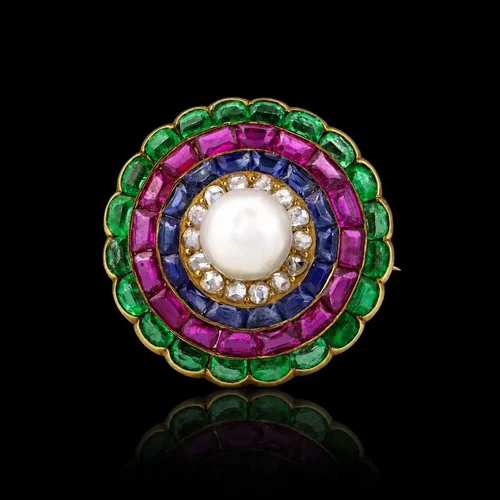
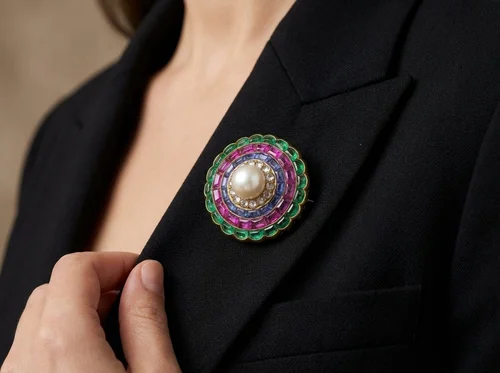 Antique 19th Century Gold Multi Gem & Natural Pearl Brooch£8,975
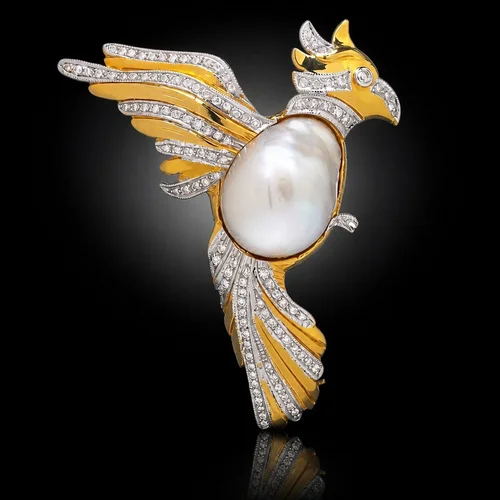
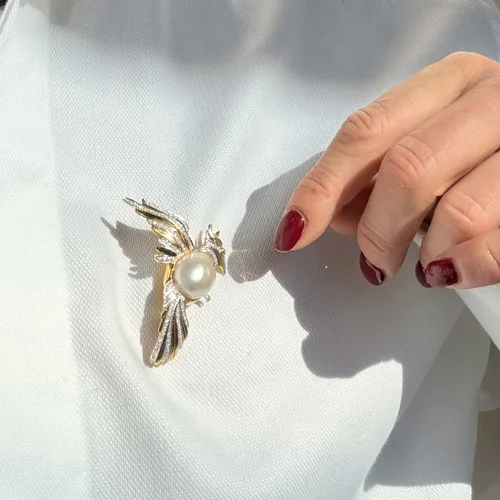 18KT Gold Cockatoo Brooch with South Sea Pearl and Diamonds£3,495
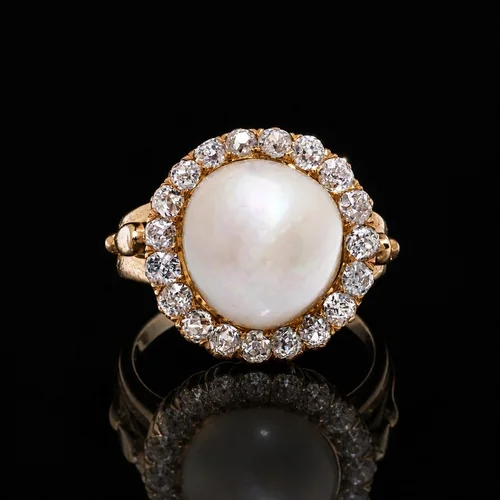
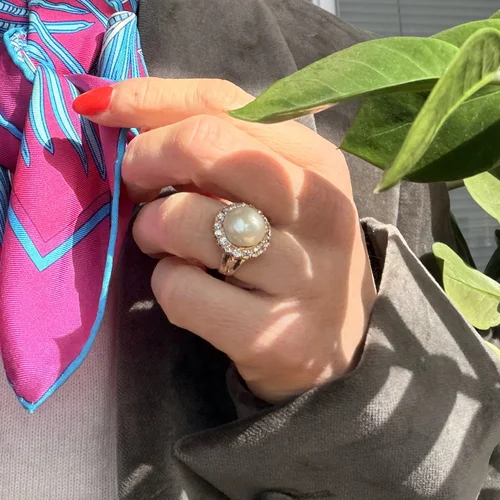 Edwardian 18KT Gold Natural Pearl & Diamond Cluster Ring, Circa 1910£3,895
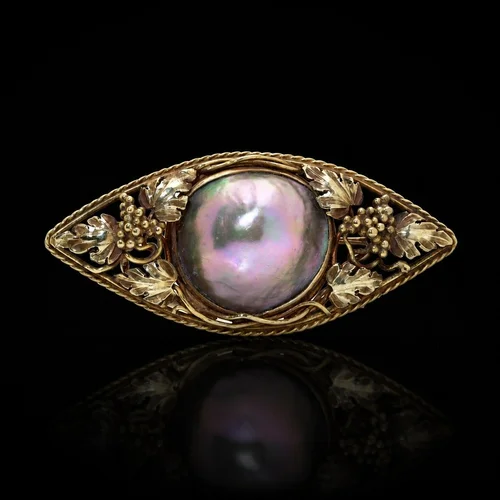
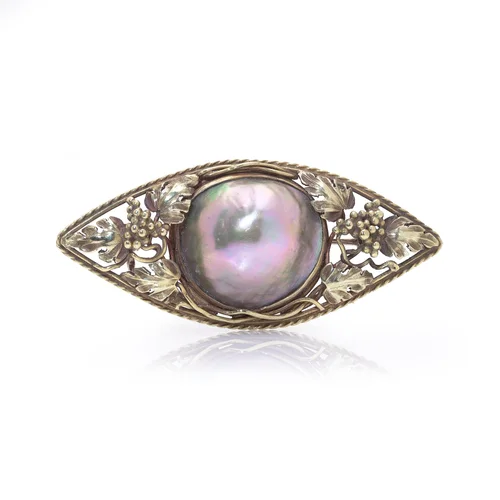 Art Nouveau Gold Brooch with 20mm Tahitian Pearl, Circa 1910£2,950
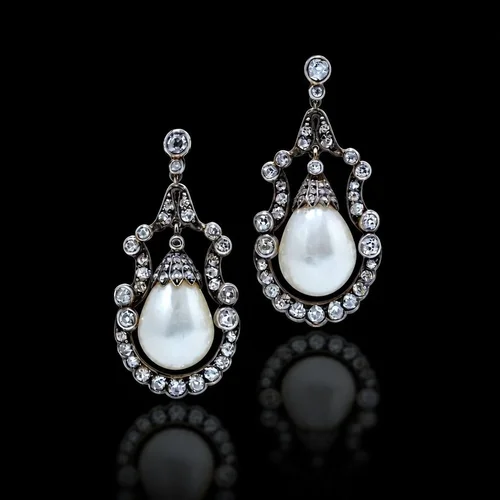
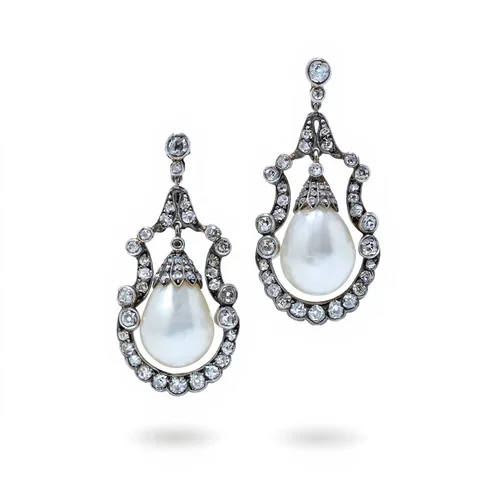 Victorian Natural Pearl and Diamond Drop Earrings, 3.00 ct, 9KT Gold£49,500
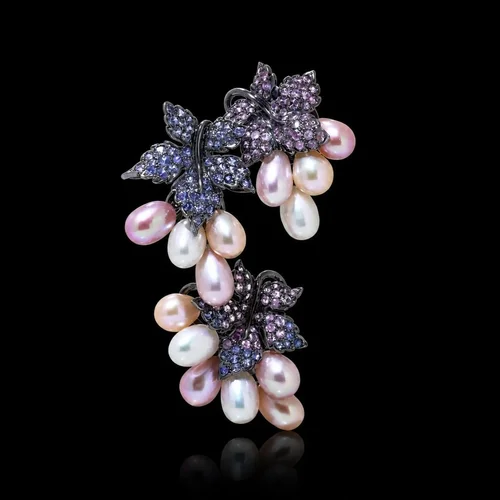
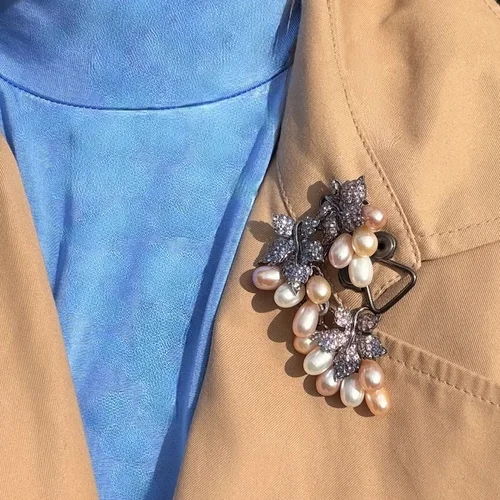 18KT Dark Gold Brooch with Mixed Cultured Pearls and Blue & Pink Sapphires£3,950
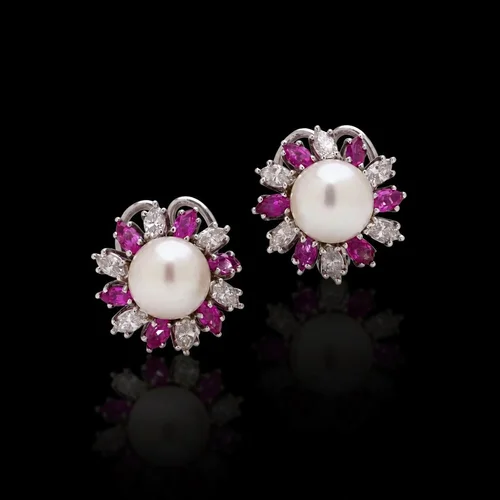
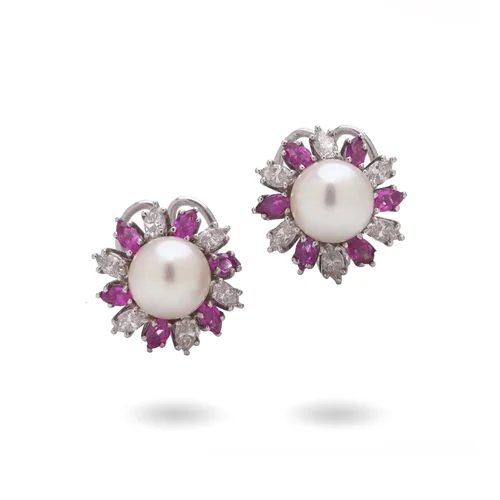 18KT White Gold South Sea Pearl, Diamond & Pink Sapphire Earrings£2,950
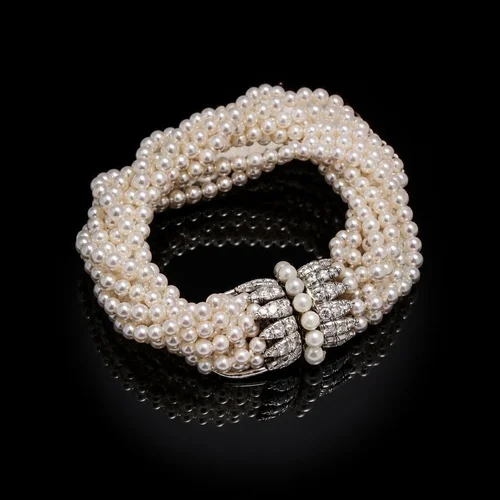
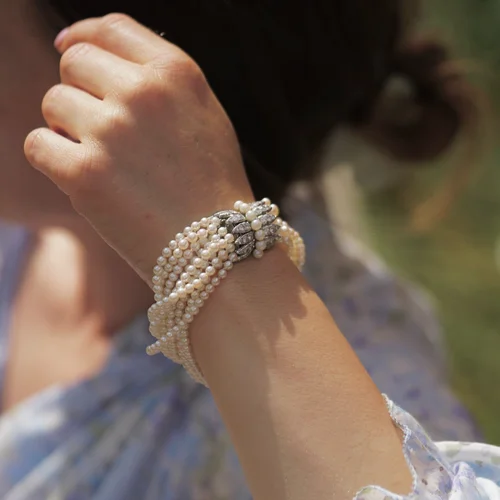 Van Cleef & Arpels Multi -Strand Cultured Pearl & Diamond Bow Bracelet in Platinum£19,850
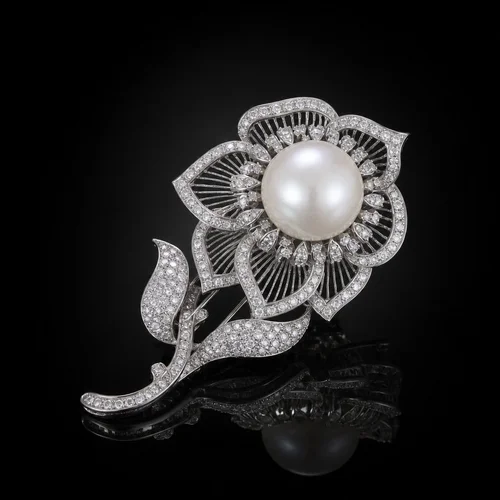
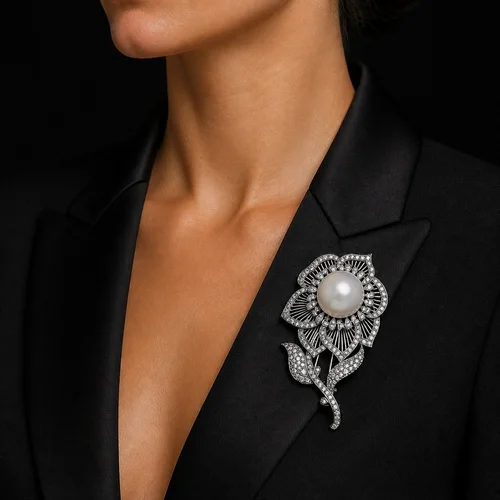 Vintage Natural Pearl and Diamond Flower Brooch, 18KT White Gold, 1970s£24,950
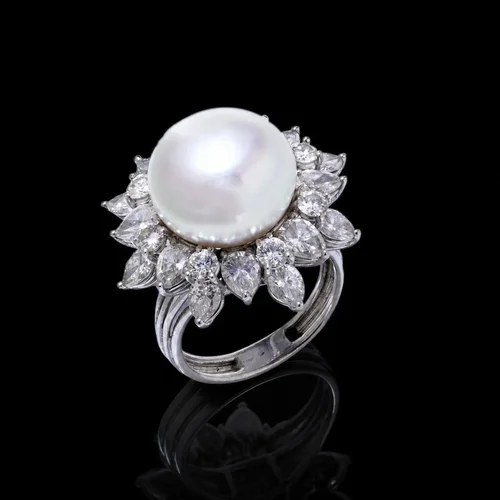
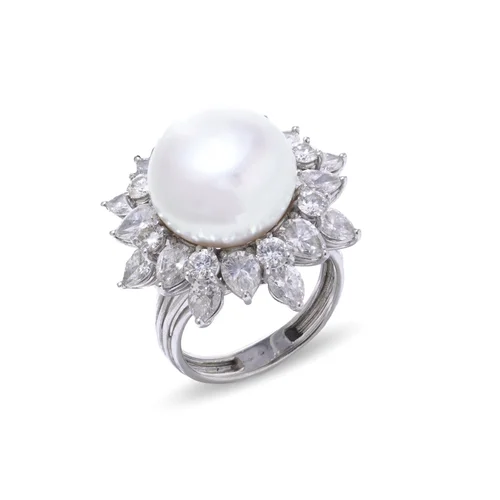 Vintage Natural Pearl and Diamond Cluster Ring, Platinum, 3.50 ct£24,950
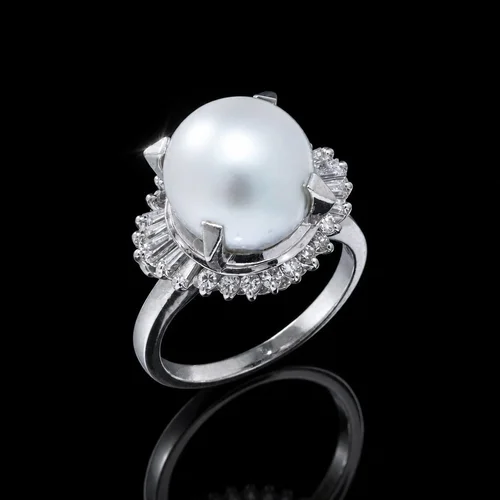
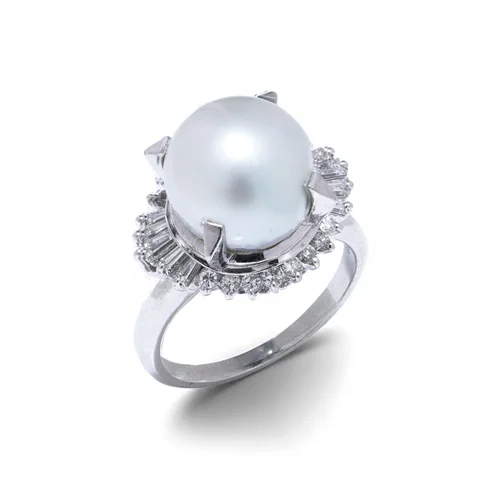 Vintage Platinum South Sea Pearl & Diamond Cluster Ring£2,650
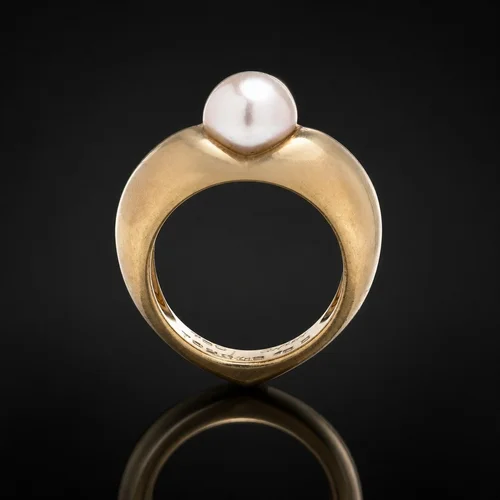
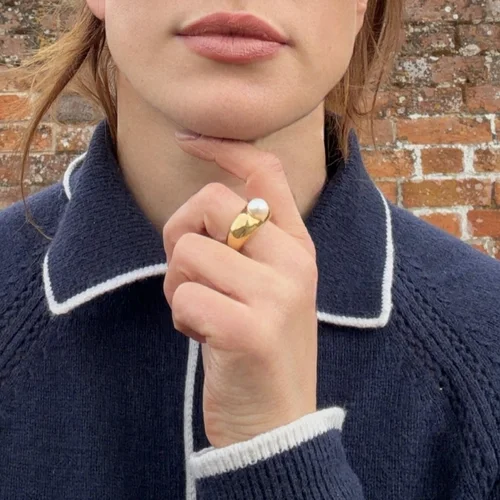 Cartier 18KT Gold Heart-Shaped Pearl Ring Circa 1970s£3,450
Questions
Are your pearls natural or cultured?
Both feature, and each listing identifies which where established. Natural pearls are rarer and noted, sometimes with certification.
What makes a pearl valuable?
Lustre first, then surface quality, shape, size and colour: and whether it is a natural pearl.
How do I care for pearls?
Keep them away from chemicals and perfume, wipe gently after wear, and store separately. We can advise on restringing.
Can a pearl necklace be restrung?
Yes, we can arrange restringing. Ask about a specific piece.
Can I view before buying?
Yes, request more photos and a video, or book a private appointment in Mayfair or Essex.
How do pearls form in oysters?
A natural pearl forms when an irritant gets inside an oyster or mussel and the animal coats it with layers of nacre over years. Natural pearls are rare, so almost all pearls today are cultured: a farmer inserts a bead or a piece of tissue, and the mollusc builds nacre around it in the same way.
More questions (30)
What is the difference between Akoya, freshwater, South Sea and Tahitian pearls?
Akoya pearls are saltwater cultured pearls from Japan and China, usually 6 to 9 mm, round and very lustrous. Freshwater pearls grow in mussels, mostly in China, in many shapes and colours. South Sea pearls, white or golden, are the largest. Tahitian pearls from French Polynesia are naturally dark, from grey to black.
Which pearls are best for everyday earrings?
Pearls are soft, about 2.5 to 4.5 on the Mohs scale, so earrings and necklaces wear better than rings. Akoya and freshwater pearls of 6 to 8 mm suit everyday studs; South Sea and Tahitian pearls are larger and suit drops. Put pearls on last, after perfume and hairspray, and wipe them after wearing.
What does a pearl necklace symbolise?
Pearls have long symbolised purity, wisdom and wealth, and a pearl necklace is a traditional wedding and coming of age gift. Pearl is the June birthstone and the traditional gift for a 30th wedding anniversary. A single strand of round pearls has been a classic of formal dress for well over a century.
What are baroque pearls?
Baroque pearls are irregular, non-round pearls, natural or cultured, whose uneven shapes catch light in flowing patterns. Renaissance jewellers built whole figures around large baroque pearls, and today baroque freshwater, South Sea and Tahitian pearls are set in earrings and pendants. Each one is unique in shape.
How do I identify authentic vintage pearl clip-on earrings?
Rub a pearl gently on the edge of a tooth: real pearls feel slightly gritty, imitations smooth. Check the metal and marks on the clip, such as 9KT, 14K or 750 for gold. Signed costume clip-ons by makers such as Monet, Trifari or Sarah Coventry use imitation pearls and carry the maker's name.
What is mother of pearl?
Mother of pearl is nacre, the lustrous inner layer of oyster, abalone and other shells, the same material that coats a pearl. It is cut into flat pieces for pendants, rings, buttons, boxes and inlay, and it forms the white faces of many Van Cleef & Arpels Alhambra clovers. It is soft and should be kept dry.
Are Monet, Sarah Coventry and other signed costume pearls real pearls?
No. Signed costume jewellery by makers such as Monet, Sarah Coventry and Heidi Daus uses imitation pearls, usually glass or plastic beads with a pearly coating, set in plated base metal. They are collected for their designs and signatures. The tooth test and worn coating at the drill holes reveal them.
What size pearls should a necklace and earring set have?
Matching sets usually pair a necklace of 6 to 8 mm pearls with studs or drops of the same size and colour, so the lustre matches. Larger pearls of 9 mm and over make a bolder look. For a wedding, white or cream pearls suit most dresses, and pink or golden pearls add warmth.
What is a cultured pearl?
A cultured pearl is a real pearl grown with human help: a farmer places a bead or a piece of mantle tissue inside an oyster or mussel, and the mollusc coats it with nacre over months or years. Akoya, South Sea, Tahitian and freshwater pearls are cultured. They are genuine pearls, not imitations.
What is a natural pearl?
A natural pearl forms by chance, without human help, when an irritant inside a wild oyster or mussel is coated with nacre. Natural pearls are rare and were the only pearls before culturing spread in the 1920s. A laboratory X-ray shows the growth structure that confirms a natural pearl.
What is a blue pearl?
Blue pearls are usually Tahitian pearls with blue or peacock overtones, Akoya pearls with a silver-blue tint, or natural blue pearls from abalone. Some blue pearls are dyed or irradiated freshwater pearls. A laboratory can tell whether the colour is natural.
What is a single pearl necklace?
A single pearl necklace is one pearl, often a large South Sea, Tahitian or Akoya pearl, on a fine chain, either fixed or sliding. It is a classic everyday piece. Antique versions hang a pearl drop from a gold or platinum bail, sometimes with a small diamond above.
How do pearl necklace shorteners work?
A pearl shortener is a clip or clasp that catches the strand to take up length, so a long necklace can be worn shorter or doubled. Many antique necklaces have decorative clasps that can be worn at the side. A jeweller can also restring a necklace to a new length.
Is it safe to buy pearls from third-party websites?
It can be, if the seller states whether the pearls are natural, cultured or imitation, gives size in millimetres and the clasp's metal, shows clear photographs and offers returns. Ask for a laboratory report on any natural pearl claim, and check the returns terms before paying.
Can you wear a pearl necklace every day?
Yes. Regular wear keeps pearls in good condition, as long as they go on last, after perfume, hairspray and make-up, and come off first. Wipe them with a soft cloth after wearing, keep them away from water and store them flat. A pearl necklace worn often should be restrung every year or two.
Do pearl earrings have to match a pearl necklace, and can pearls be worn with gold?
No. Pearl earrings and a pearl necklace do not need to be worn together or match exactly, though a set looks even when the pearls share a colour and lustre. Pearls sit well beside gold chains and gold jewellery: many Victorian and Edwardian pieces combine pearls with yellow gold.
What are the different pearl necklace lengths called?
The standard lengths are collar (about 12 to 13 inches), choker (14 to 16), princess (17 to 19), matinee (20 to 24), opera (28 to 35) and rope (over 36 inches). A rope can be doubled or knotted. Long ropes and sautoirs were worn widely in the 1920s, while collars suit high necklines.
What are antique pearl rings like?
Antique pearl rings include Victorian half-hoop rings set with a row of split or whole pearls, pearl and diamond cluster rings, Edwardian platinum rings and gold rings pairing pearls with rubies or sapphires. The pearl is usually fixed on a small peg with cement, so a jeweller can replace a lost pearl with a matched one.
Do clams make pearls?
Yes. Clams produce non-nacreous pearls, which have a smooth, porcelain-like surface instead of the iridescent nacre of oyster pearls. The quahog clam of the North American Atlantic coast produces purple and white pearls, and giant clams produce large white pearls. All are natural, because clam pearls are not cultured.
How many pearls are on a pearl necklace?
It depends on pearl size and length. A 16-inch strand of 7 mm pearls holds about 53 pearls and an 18-inch strand about 60, while smaller pearls need more. The knots between pearls and the clasp take up part of the length. A graduated necklace has its largest pearls at the centre, getting smaller towards the clasp.
How do you wear long or opera length pearls?
An opera length (28 to 35 inches) can hang straight over a plain neckline, be doubled into a two-row choker, or be knotted at the breastbone in the 1920s manner. A rope over 36 inches can be wound three times or worn down the back with an evening dress. Shorter strings sit best on a bare neck.
How can a pearl necklace be worn in a modern way?
Wear pearls with everyday clothes rather than only formal dress: a single strand over a white shirt or knitwear, layered with a gold chain, or a long rope knotted low. Baroque and coloured pearls, unusual lengths and a single pearl pendant look less formal than a matched princess length strand.
What are pearl drop or teardrop earrings?
Pearl drop earrings hang a pear-shaped or round pearl below the ear, often from a diamond or gemstone top, and move as the wearer turns. Victorian and Edwardian examples set natural pearls in gold, silver-topped gold or platinum. Teardrop pearls are often South Sea or freshwater, and matching two for shape and lustre takes care.
Are grey pearls natural?
Some are. Tahitian pearls from the black-lipped oyster grow naturally in grey, silver and dark tones, and some Akoya pearls have a natural blue grey tint. Most grey freshwater pearls are dyed or irradiated to get their colour. A gemmological laboratory can tell natural colour from treated colour.
What is a multi-strand pearl choker?
A multi-strand pearl choker, also called a dog collar, has several rows of pearls held flat around the neck by vertical bars or a jewelled clasp. Queen Alexandra made the style fashionable in the late Victorian and Edwardian years. Antique examples often use natural seed pearls with gold or platinum spacer bars.
What pearl jewellery was worn in the early 1900s?
Edwardian pearl jewellery of about 1900 to 1915 used natural pearls with diamonds in platinum or platinum-topped gold, in light garland designs. Typical pieces are long sautoirs, dog collar chokers, negligée pendants with two drops, pearl and diamond bar brooches and lavalieres. Cultured pearls became widely available in the 1920s.
Do men wear pearl necklaces?
Yes. Pearls were worn by wealthy European men in the 16th and 17th centuries, including Sir Walter Raleigh, and by Indian princes in long ropes. Today men wear single strands, short chokers or a single pearl pendant, often mixed with gold chains. Choose a length that sits at the collarbone or below.
When were pearl necklaces most fashionable?
Pearls have been worn since antiquity, prized in Rome and painted in long ropes on Elizabeth I. In the Edwardian years natural pearl sautoirs and chokers led high fashion. Kokichi Mikimoto's round cultured pearls, widely sold from the 1920s, made the single strand everyday wear, a look that defined the 1950s.
Are pearls gemstones?
Yes. Pearls are organic gems, made by a living mollusc rather than formed as a mineral in rock, like amber and coral. They are soft, at 2.5 to 4.5 on the Mohs scale, so they scratch easily. Pearl is the June birthstone and has long ranked beside diamond, ruby, sapphire and emerald.
What should I check when buying a pearl necklace?
Check that the pearls match in size, colour and lustre along the strand, that there is a knot between each pearl, and that the silk is clean and not stretched. Look at the drill holes for chipped or worn nacre, and test the clasp. A laboratory report confirms natural pearls. Send photographs for a free valuation.