Antique Silver
Antique and vintage silver from the 18th century to the late 20th: Georgian and Victorian English silver, German and Italian silver, Russian cloisonné enamel, Chinese export pieces and signed 20th-century work by Buccellati, Asprey and Cartier, plus British and world silver coins.
5.0 by our buyers on Google · 4,000+ customers
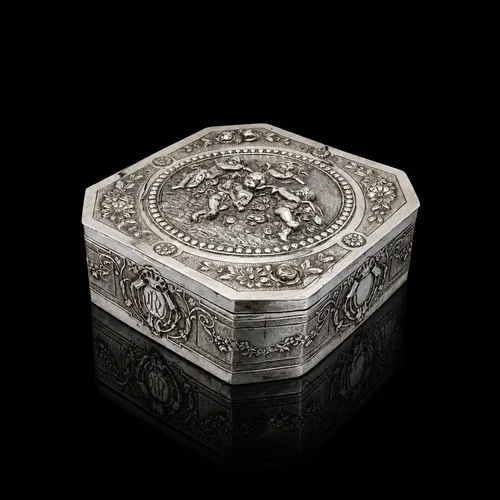
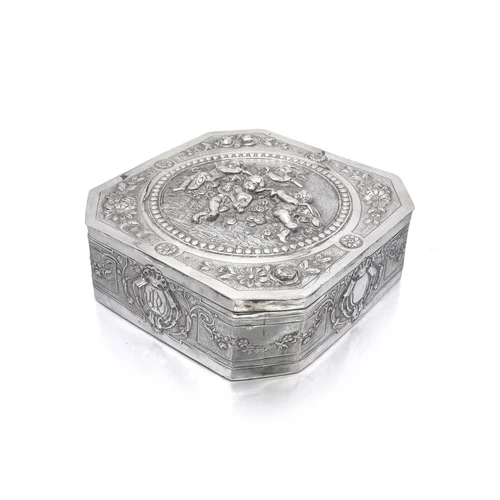 Antique German Hanau .800 Silver Casket, Repoussé Putti, Gilt Interior, Dated 1924£2,450
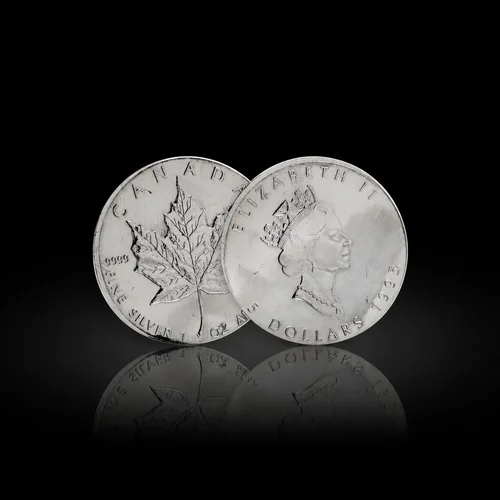
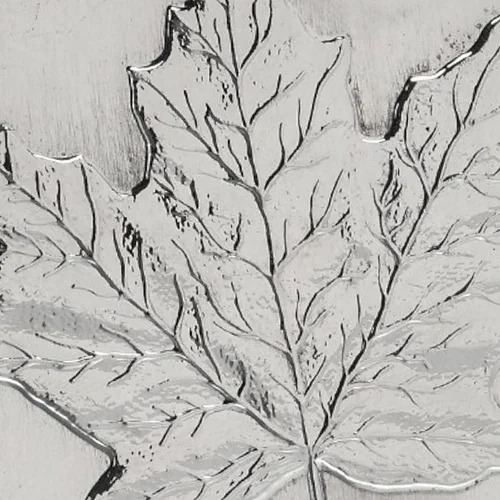 Canadian Silver Maple Leaf 1995 1oz Fine Silver Coin, Royal Canadian Mint Five Dollars£395
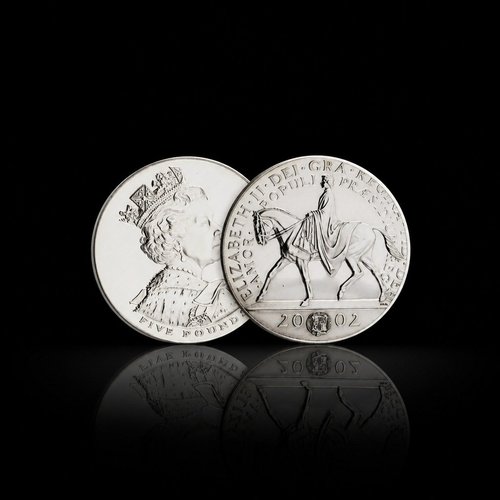
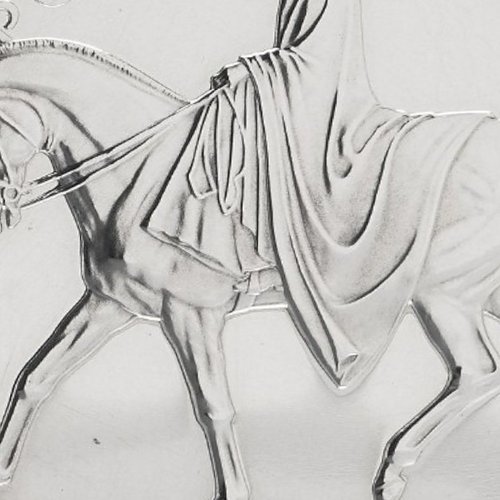 Golden Jubilee 2002 Five Pound Crown, Queen Elizabeth II Equestrian Portrait£195
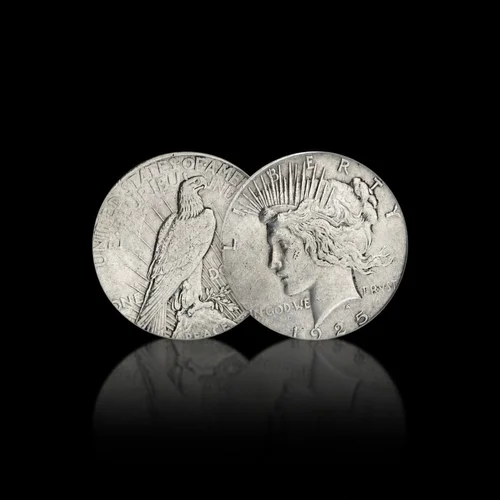
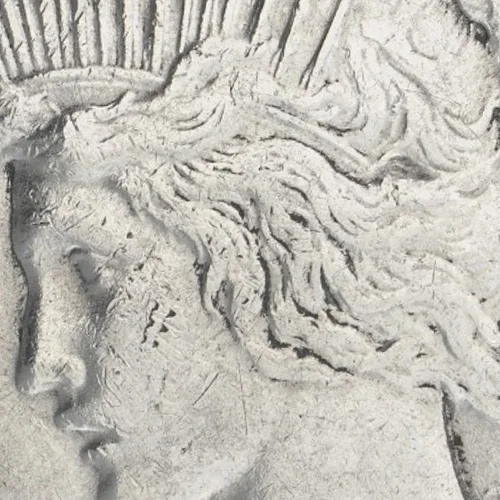 Peace Silver Dollar 1925, United States 90 Percent Silver Coin£195
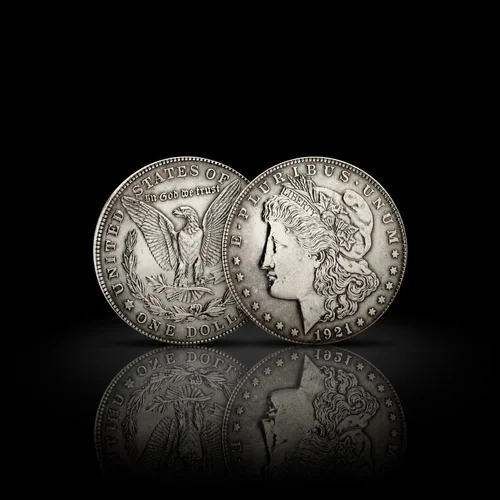
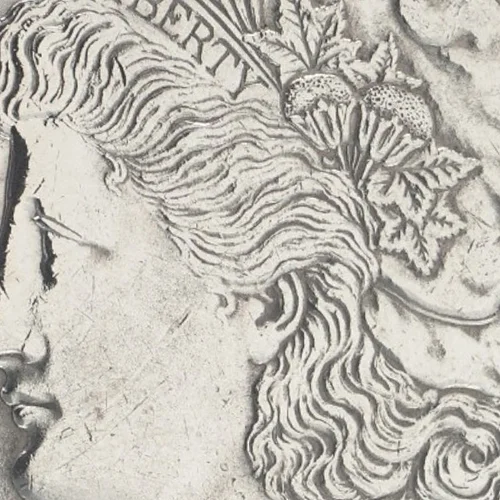 Morgan Silver Dollar 1921, United States 90 Percent Silver Coin£195
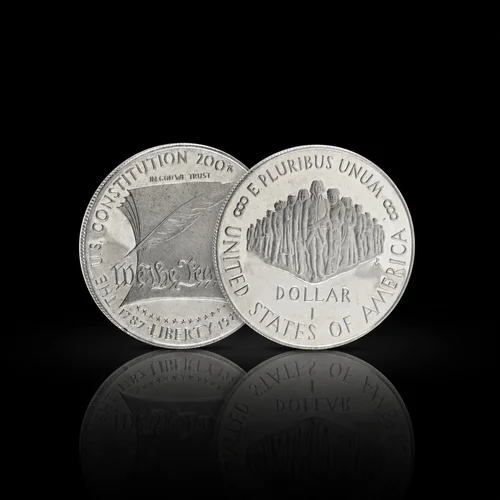
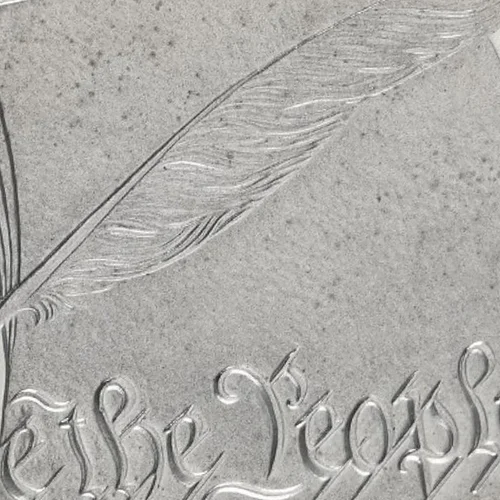 United States Constitution Bicentennial 1987 Silver Dollar, US Commemorative Coin£195
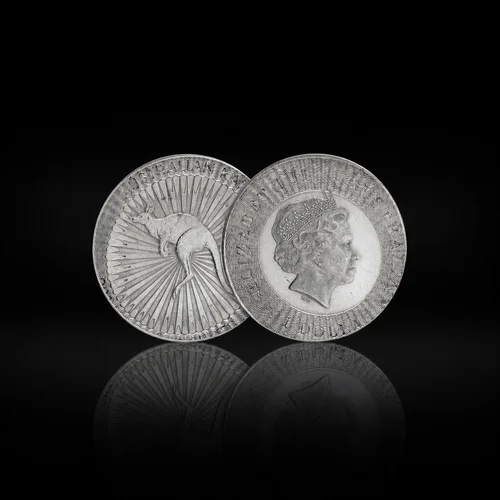
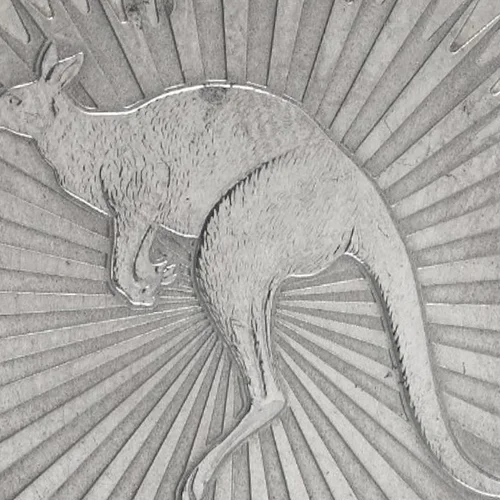 Australian Kangaroo 2016 1oz Fine Silver Coin, Perth Mint One Dollar£195
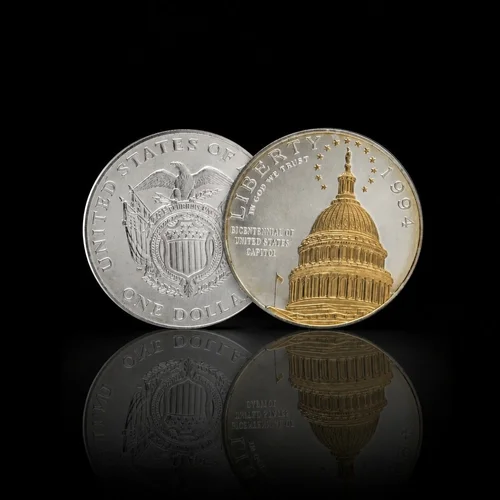
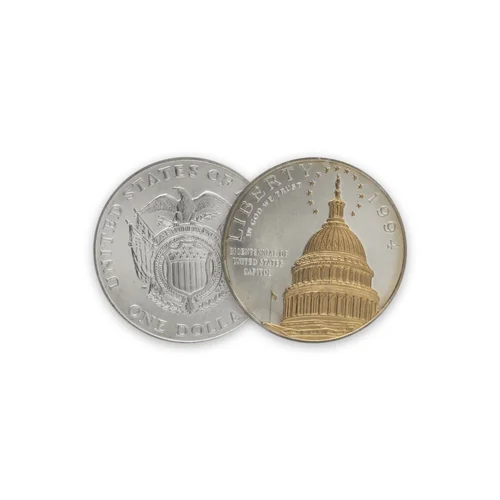 United States Capitol Bicentennial 1994 Gold Highlighted Silver Dollar, US Commemorative Coin£295
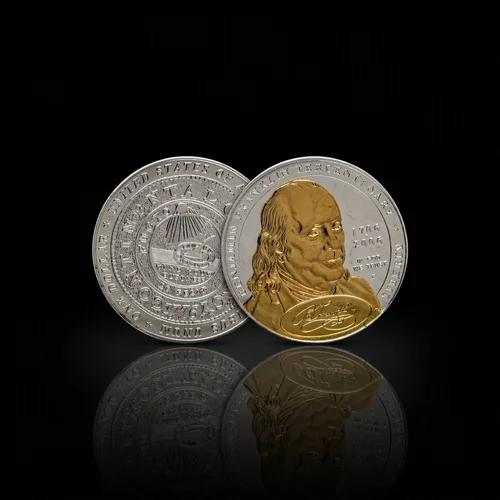
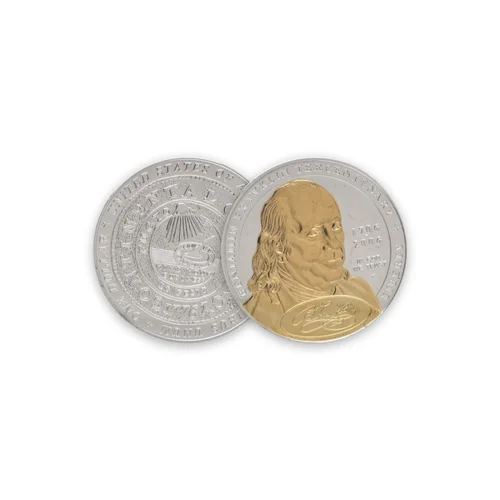 Benjamin Franklin Tercentenary 2006 Gold Highlighted Silver Dollar, Founding Father US Commemorative Coin£295
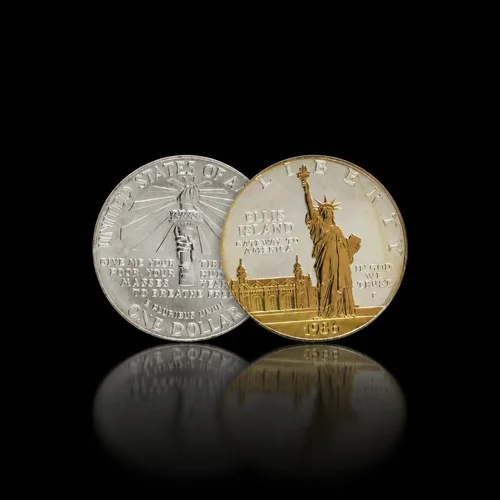
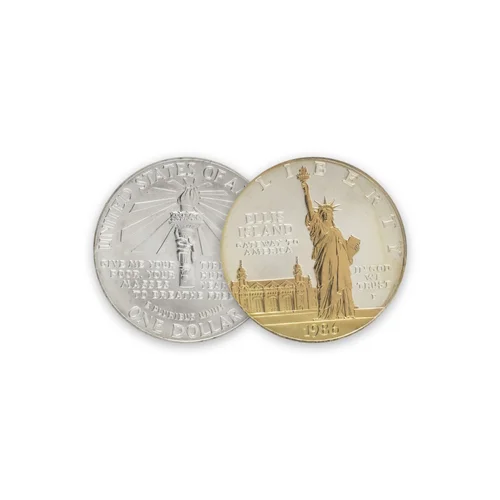 Statue of Liberty Ellis Island 1986 Gold Highlighted Silver Dollar, US Commemorative Coin£295
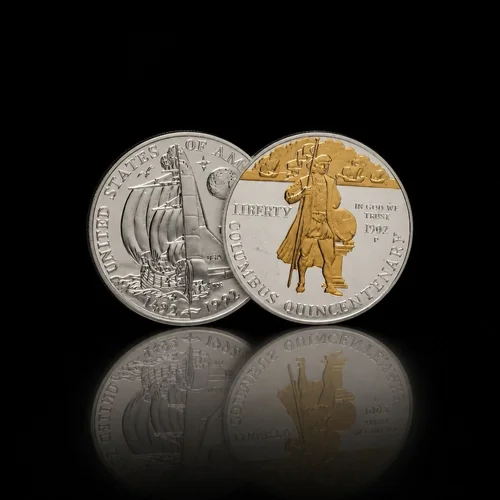
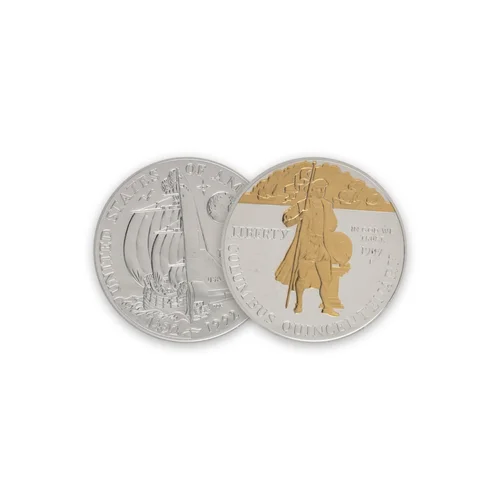 Columbus Quincentenary 1992 Gold Highlighted Silver Dollar, US Commemorative Coin£295
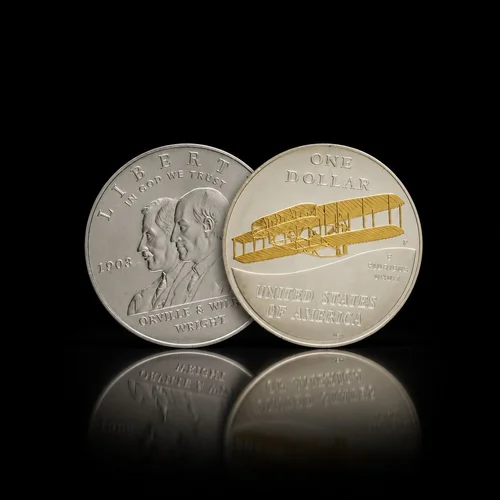
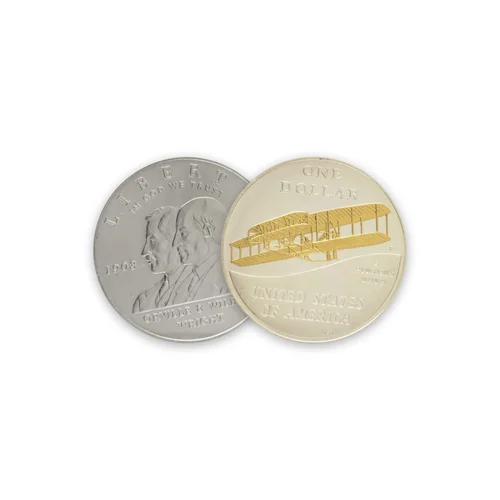 First Flight Centennial 2003 Gold Highlighted Silver Dollar, Wright Brothers US Commemorative Coin£295
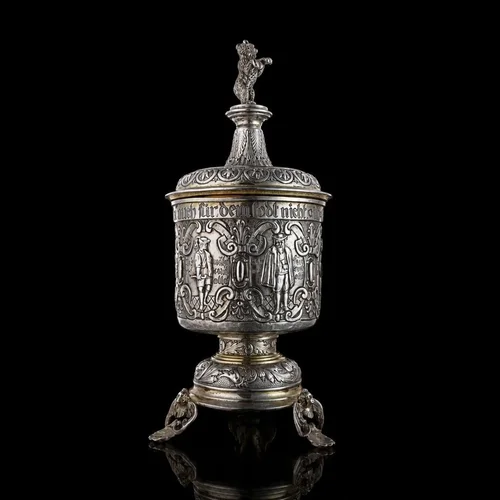
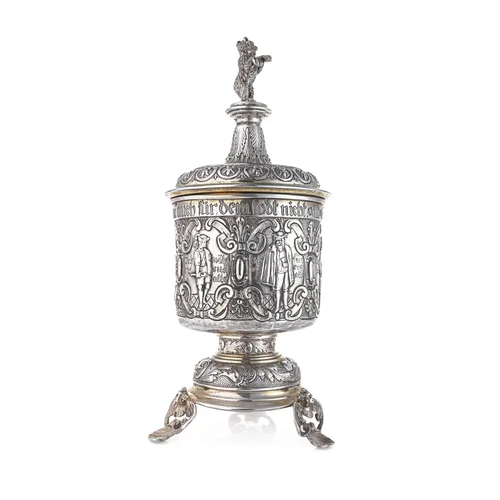 German Silver Figural Covered Cup with Bear Finial, 19th century£2,950
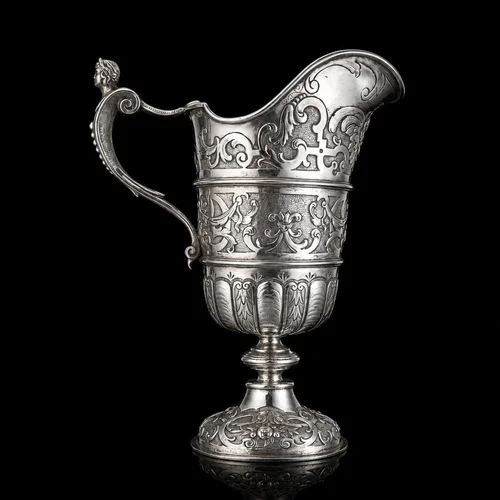
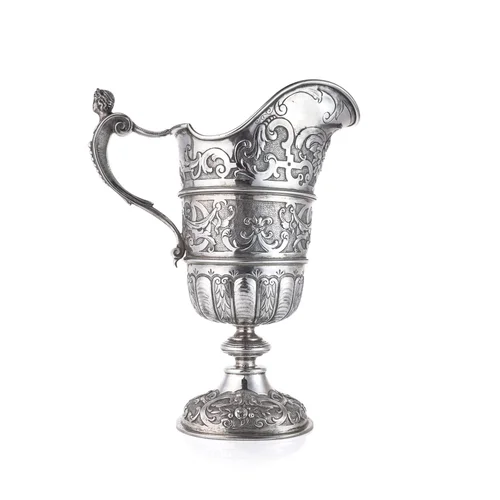 Hanau Silver Presentation Ewer, George III Revival, Late 19th Century£3,950
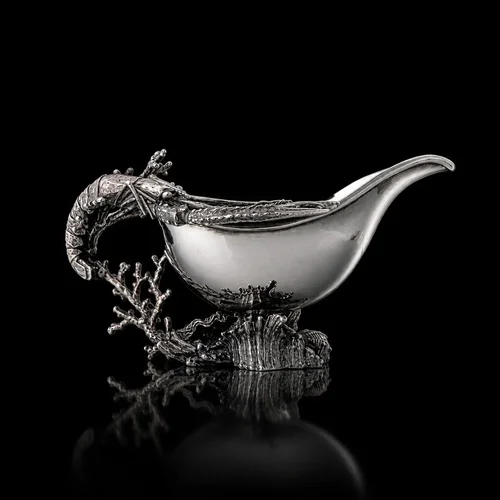
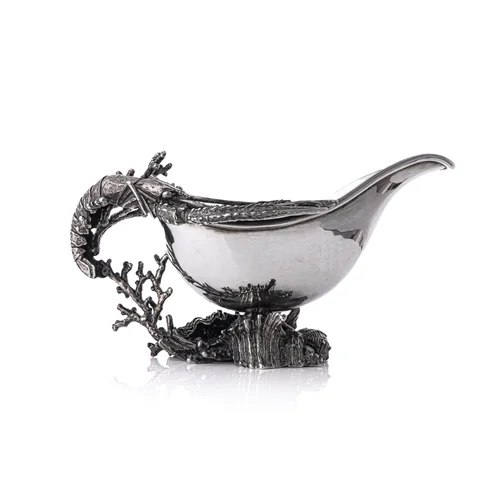 Giovanni Raspini Silver Lobster & Coral Gravy Boat Dish£5,950
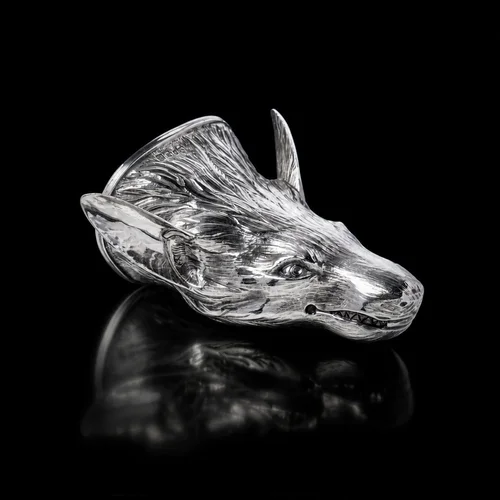
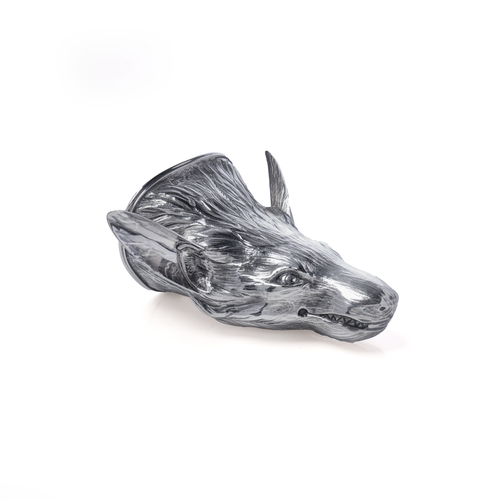 George III Silver Stirrup Cup by Henry Tudor & Thomas Leader, Sheffield 1807£8,450
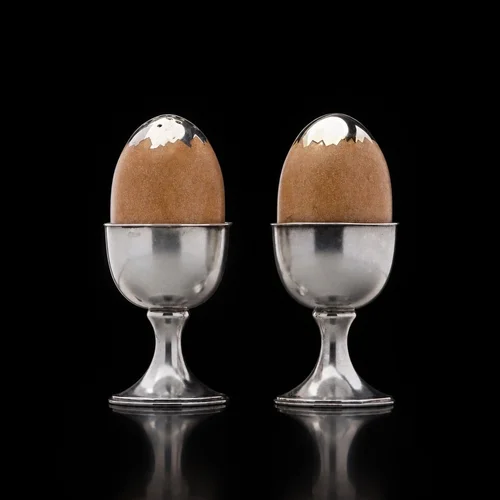
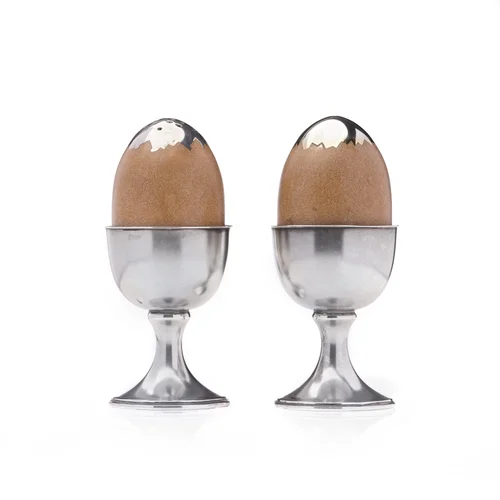 Anthony Gordon Elson Sterling Silver Salt & Pepper Shakers£2,500
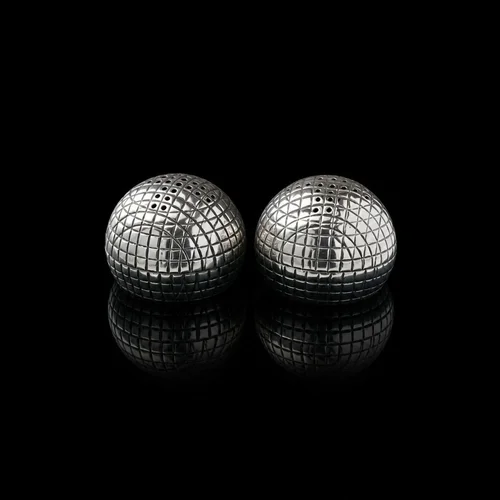
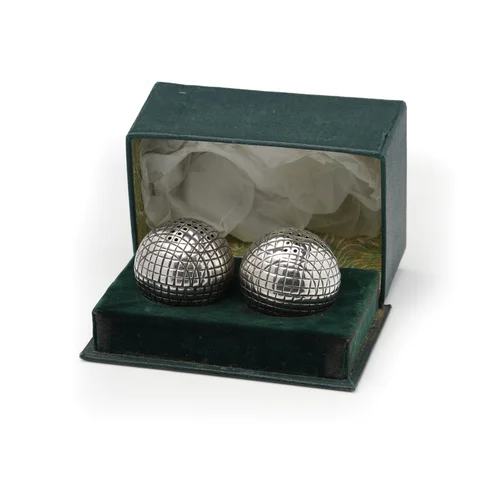 Antique Golf ball Silver Salt and Pepper Shakers, London, 1893£995
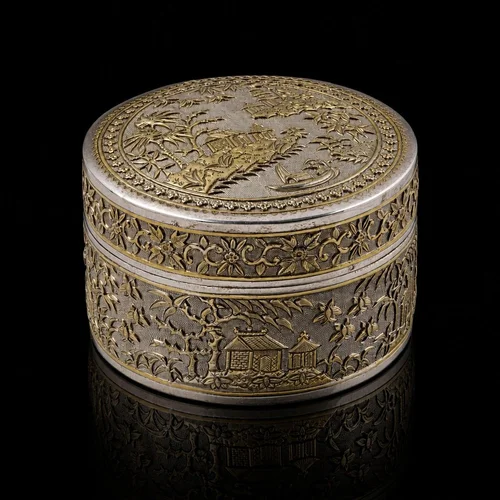
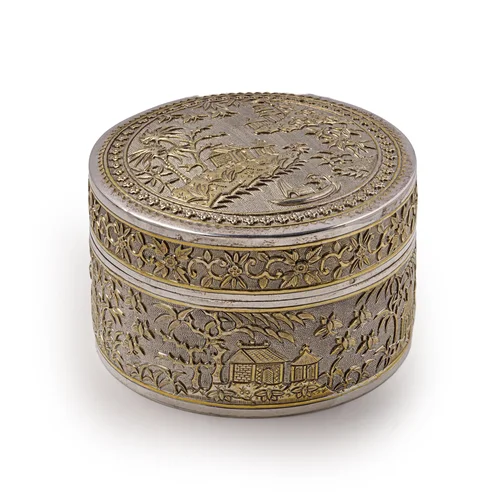 Vietnamese Colonial Silver-Gilt Round Box VINH-SADEC£850
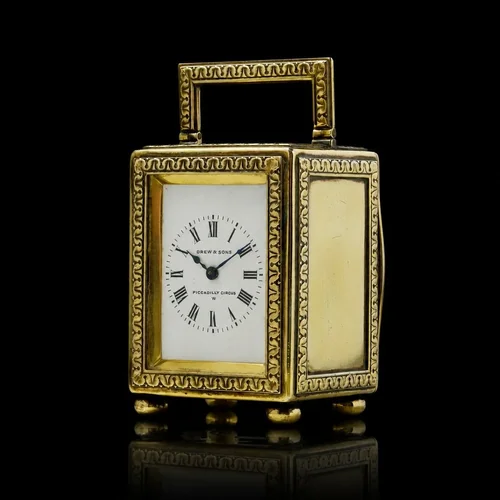
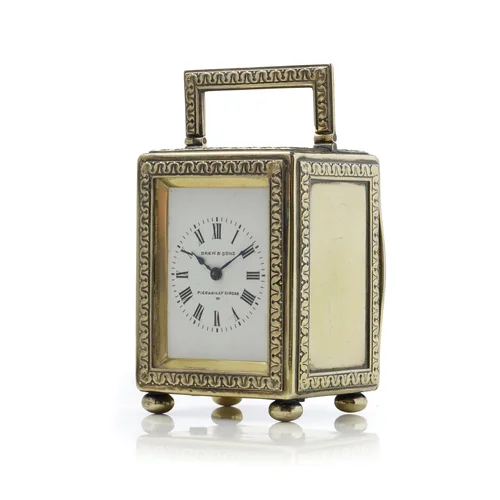 Edwardian Silver-Gilt Carriage Clock by Drew & Sons, London, 1913£1,250
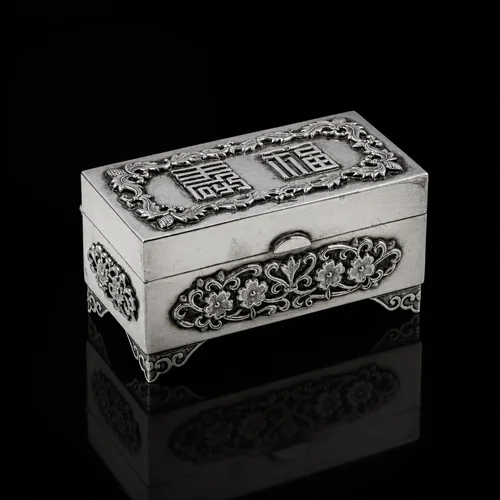
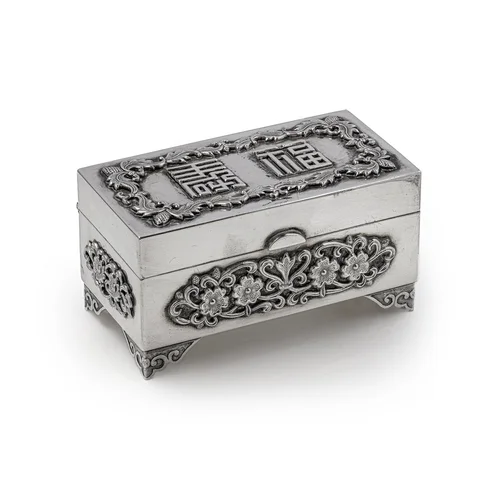 Chinese Silver Box with Floral Relief, Early to Mid 20th Century£850
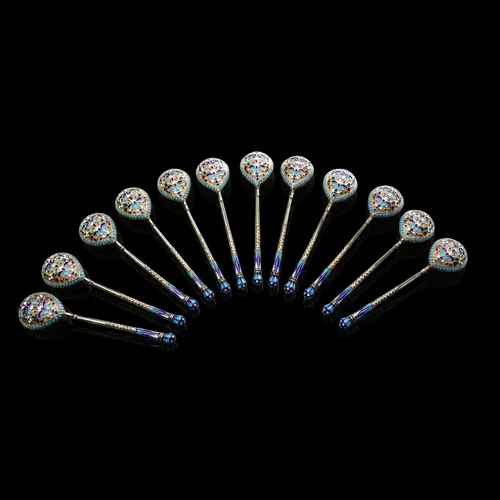
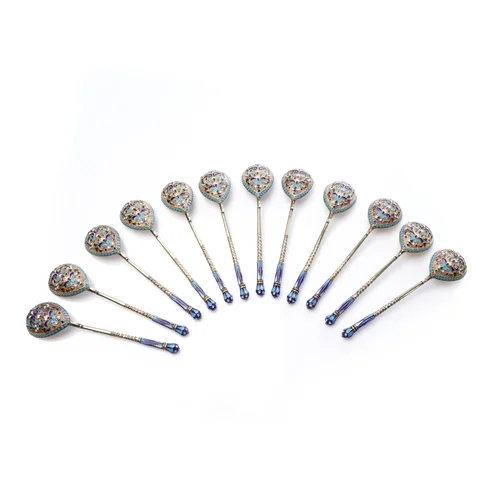 Antique Russian Set of 12 Cloisonné Enamel and Silver Spoons£1,950
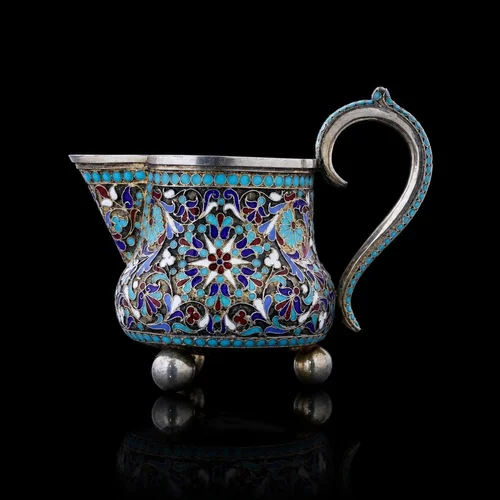
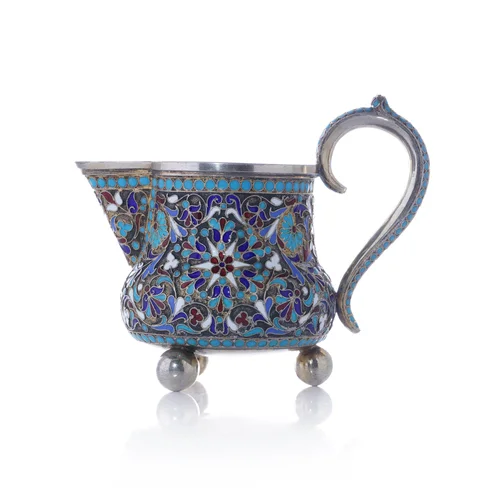 Antique Russian Cloisonné Enamel and Silver Gilt Milk Jug£1,950
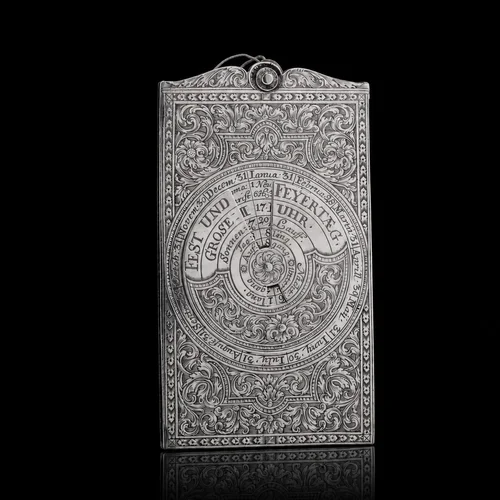
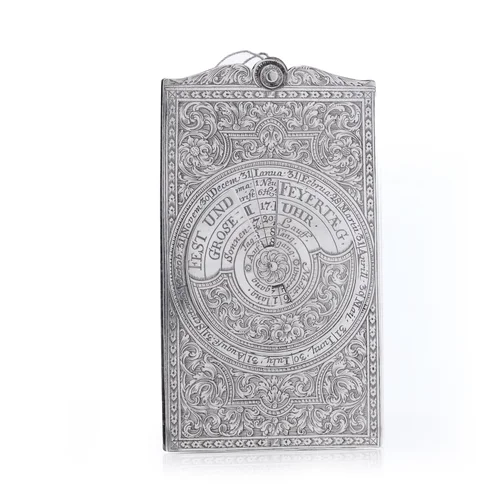 Antique 18th Century German Silver Perpetual Calendar£4,950
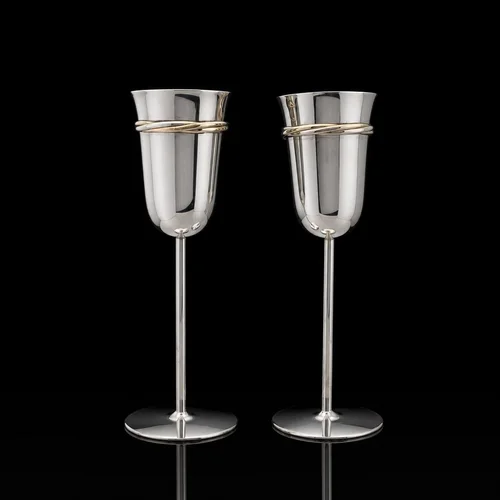
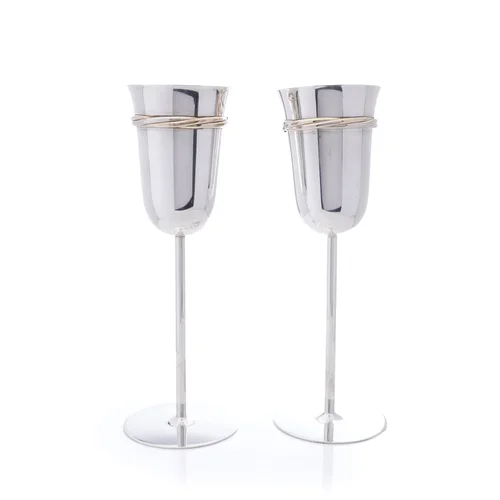 Cartier Vintage Sterling Silver Trinity-Style Pair of Champagne Flutes£1,850
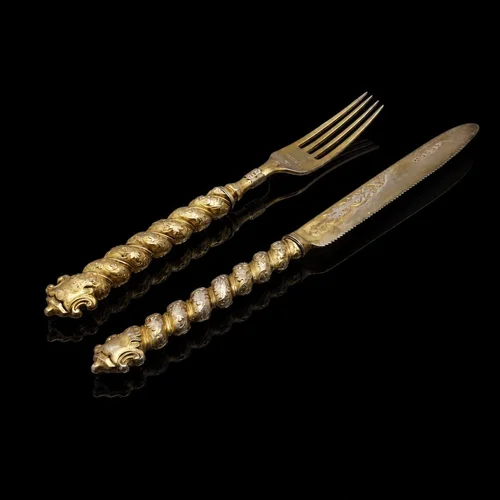
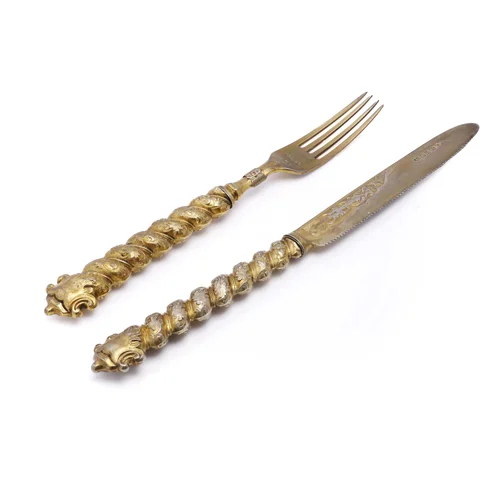 Aaron Hatfield & Sons. silver gilt cutlery set, 1851£595
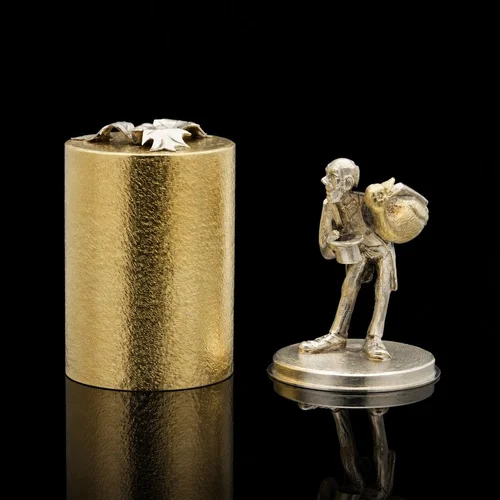
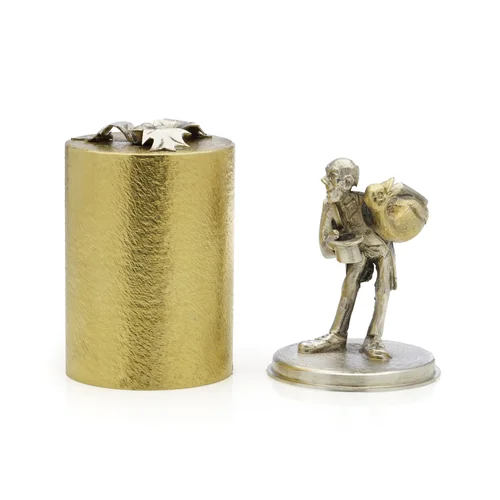 Stuart Devlin vintage limited edition silver gilt Surprise Gift£1,250
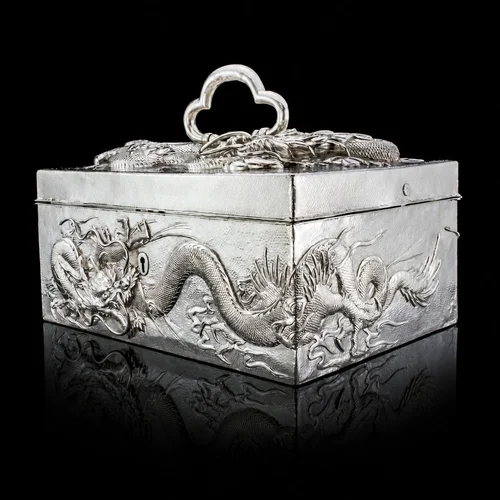
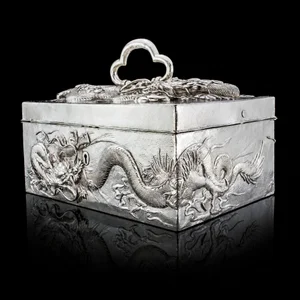
 Antique Chinese Export Solid Silver Dragon Box, 1880 -1920£18,750
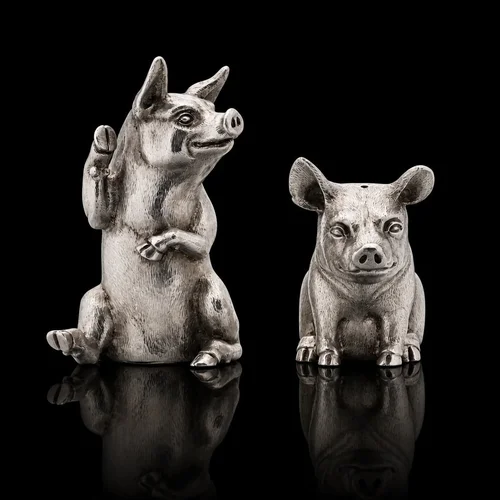
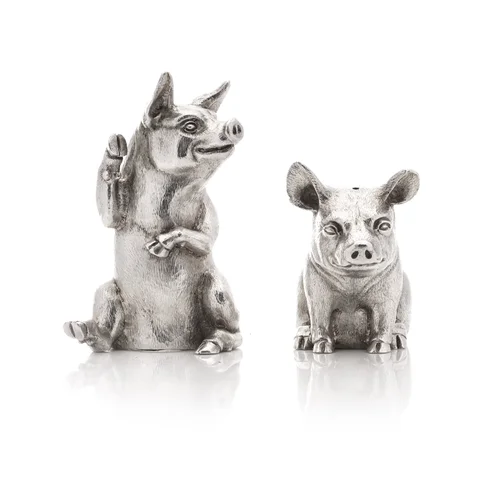 Novelty salt and pepper shakers in a shape of a pigs£2,780
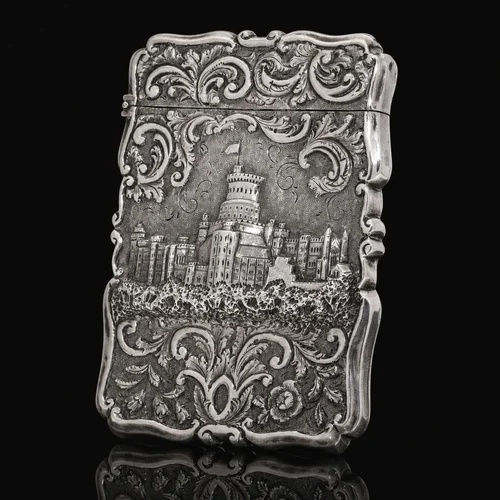
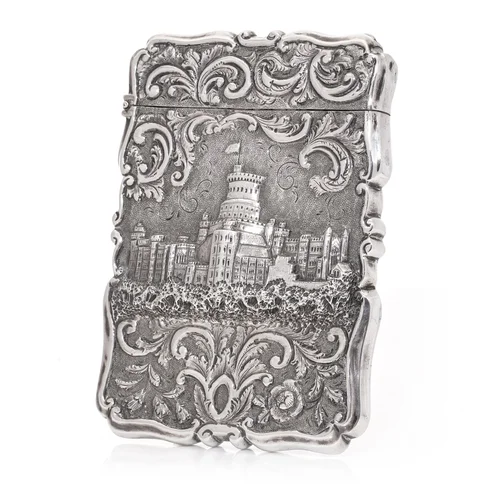 Victorian sterling silver embossed card case, by Edward Thomason, featuring Windsor castle, 1851£1,980
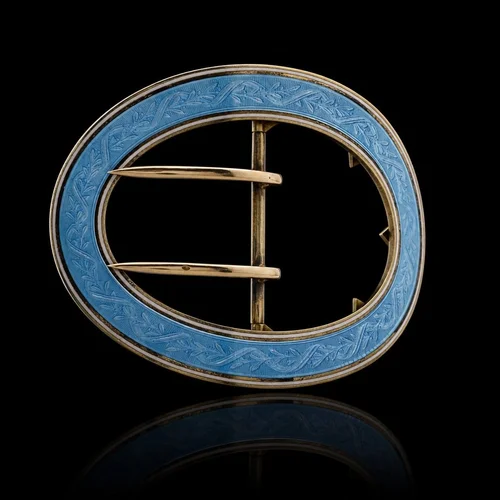
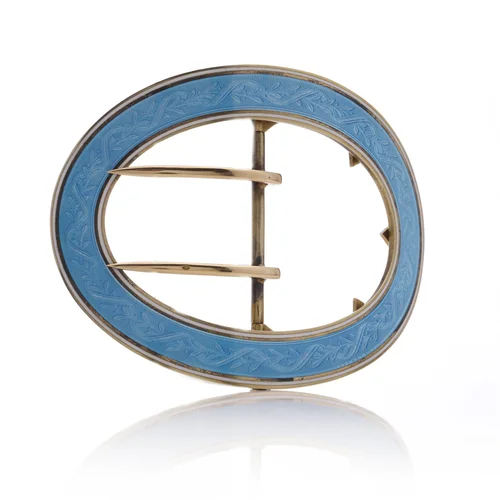 Late 19th century French 800. silver and blue enamel belt buckle£1,790
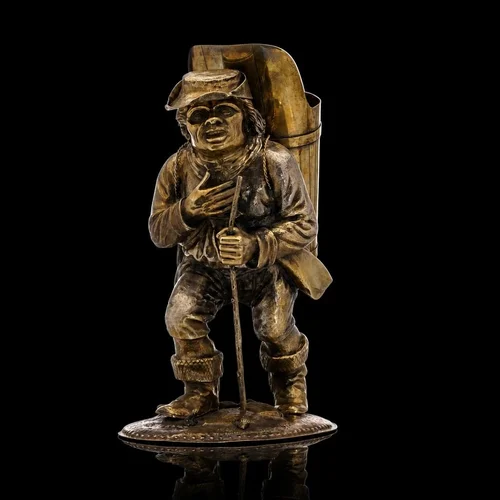
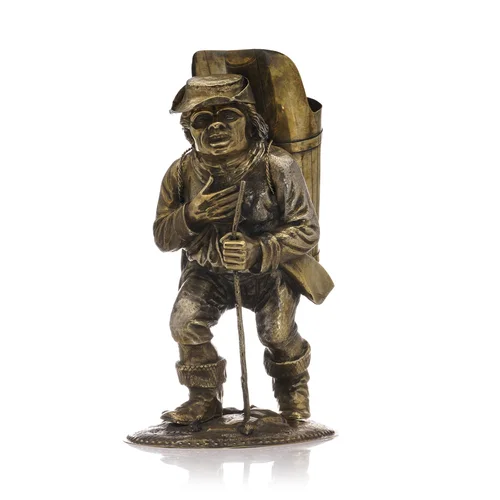 Antique 18th century silver gilt drinking cup, Germany£8,950
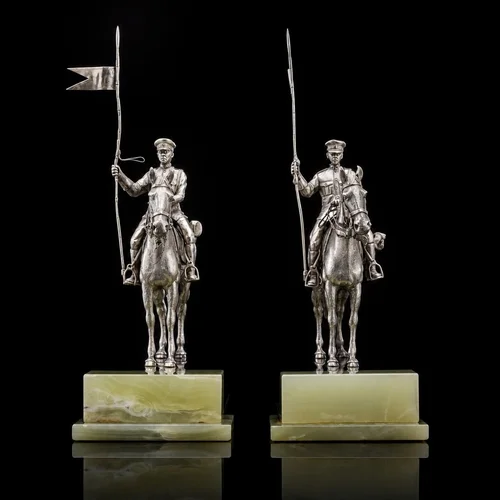
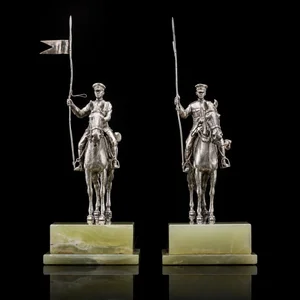
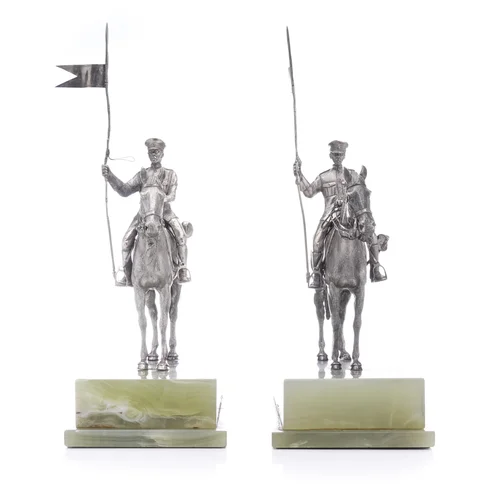 Asprey & Co. pair of horse-riding solid silver figurines on marble bases£9,850
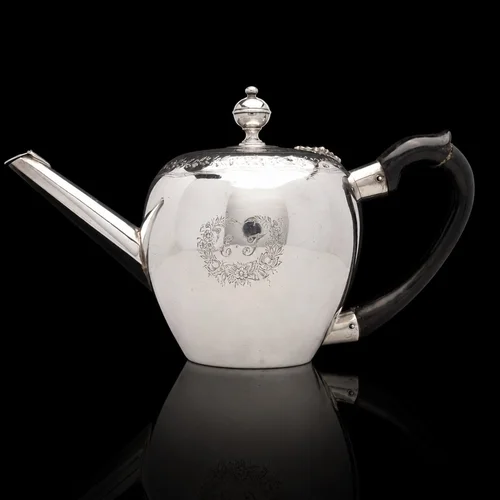
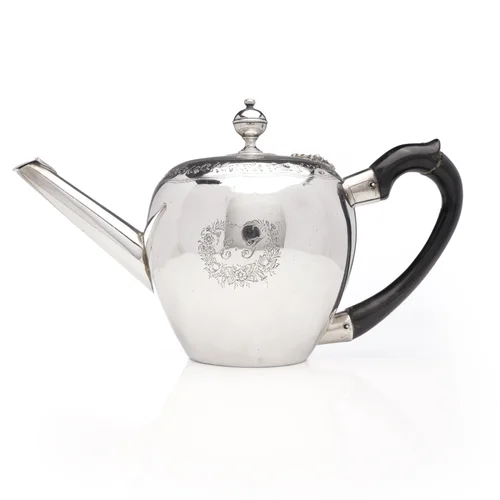 Georgian sterling silver bachelor bullet teapot, 1799£3,400
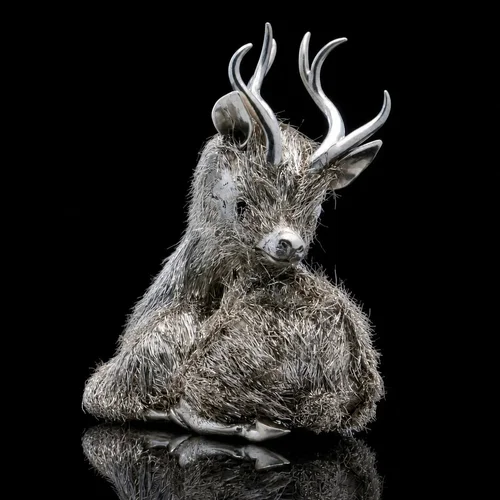
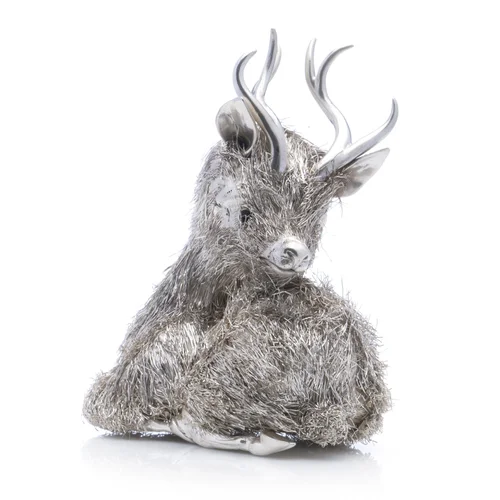 Mario Buccellati Sterling Silver Fallow Deer Figurine, Italy, 1950s£3,985
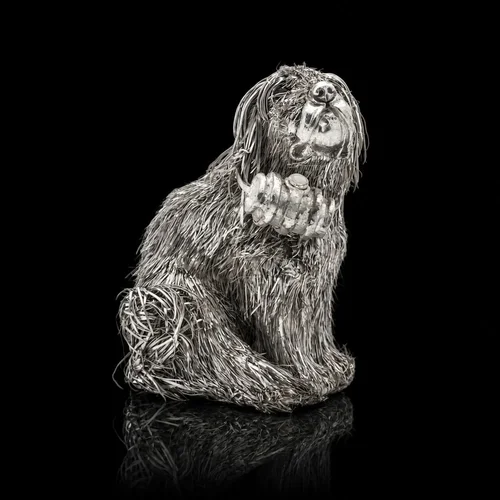
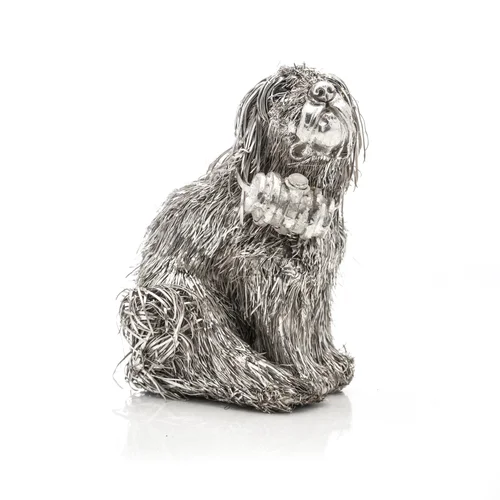 Mario Buccellati Italian sterling silver St Bernard's dog figurine.£4,950
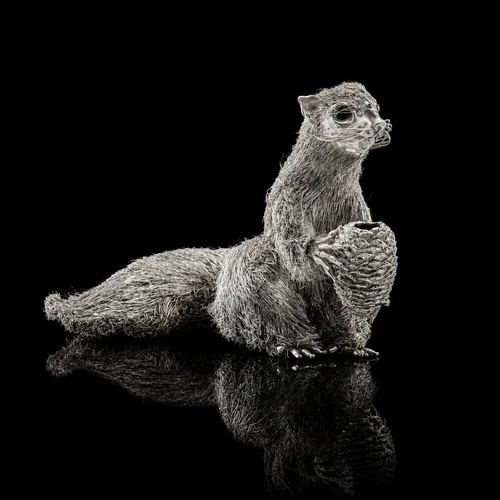
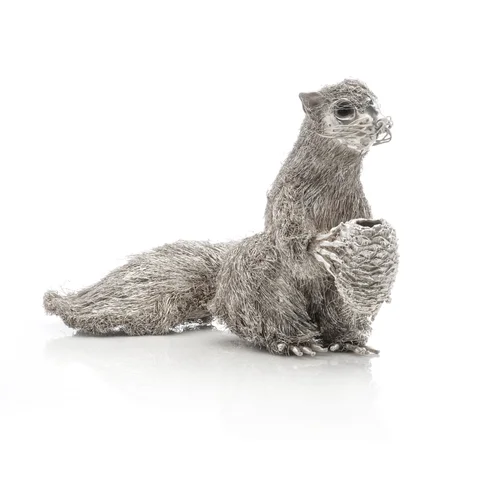 Mario Buccellati Italian sterling silver squirrel figurine.£4,950
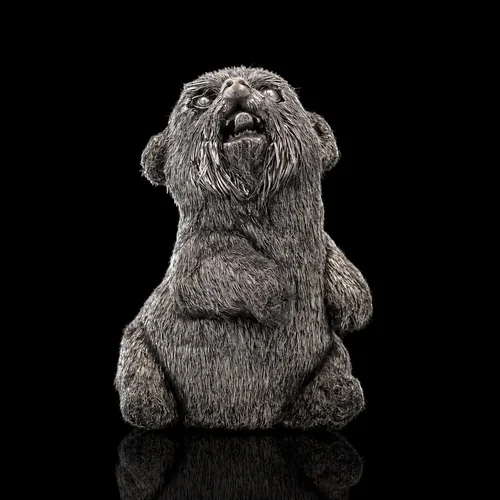
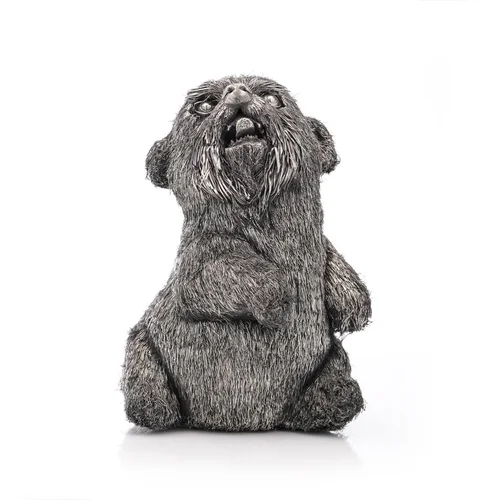 Mario Buccellati sterling silver furry cub model in a sitting pose£4,500
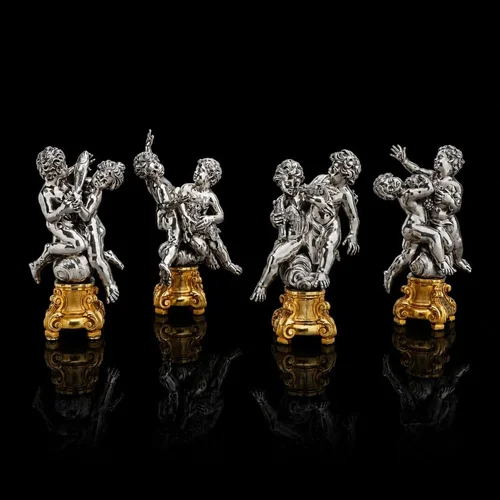
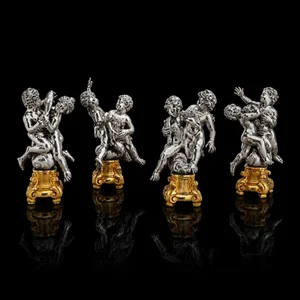
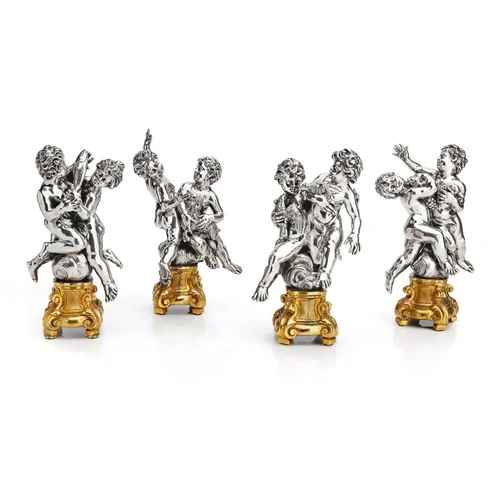 Luigi Avolio set of four 800. Italian silver and ormolu figural groups£21,850
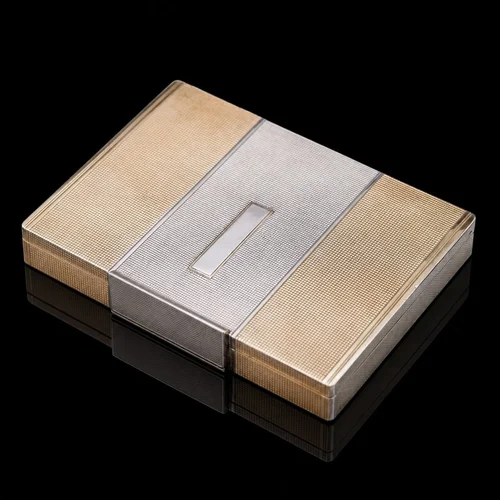
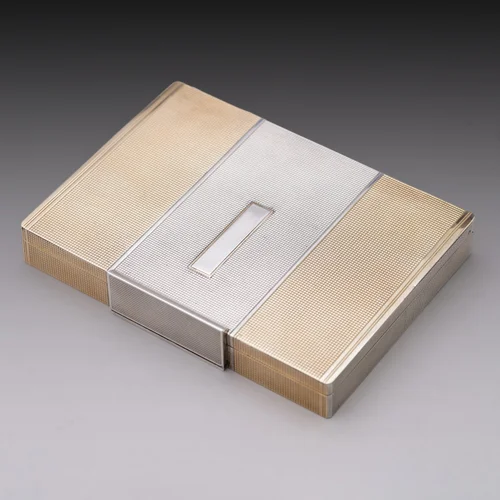 A vintage silver-gilt compact case by Asprey, London, 1939£2,500
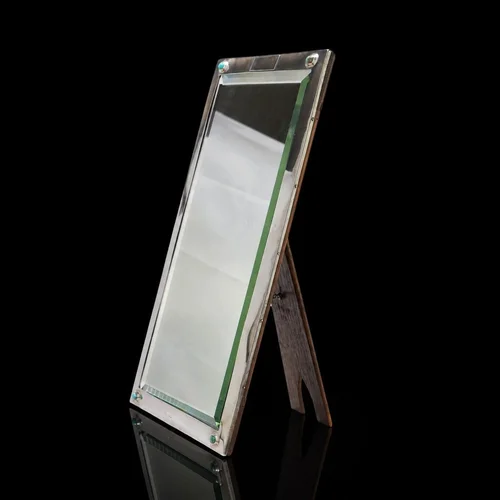
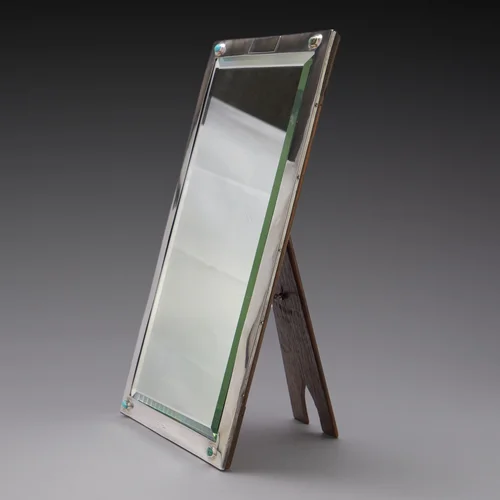 Liberty & Co silver and turquoise table mirror with a wooden back£2,500
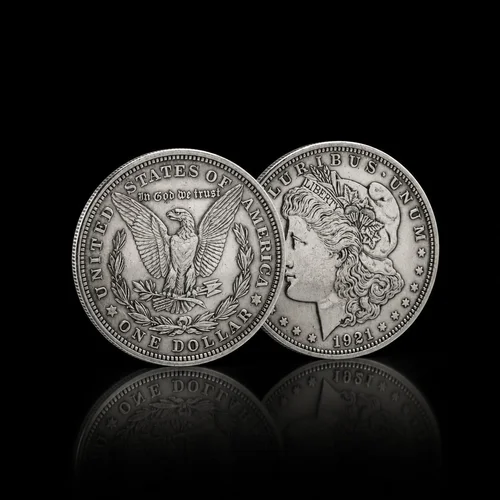
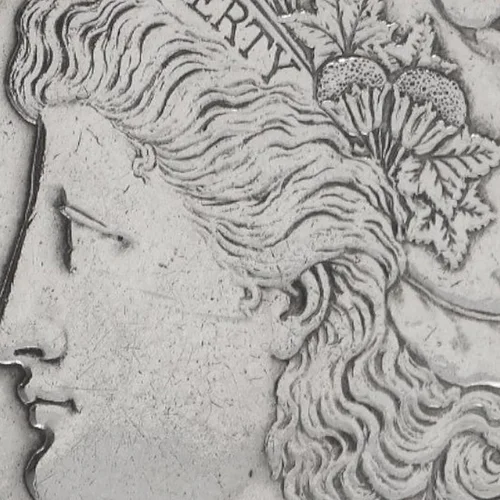 Morgan Silver Dollar 1921, Final Year United States 90 Percent Silver Coin£195
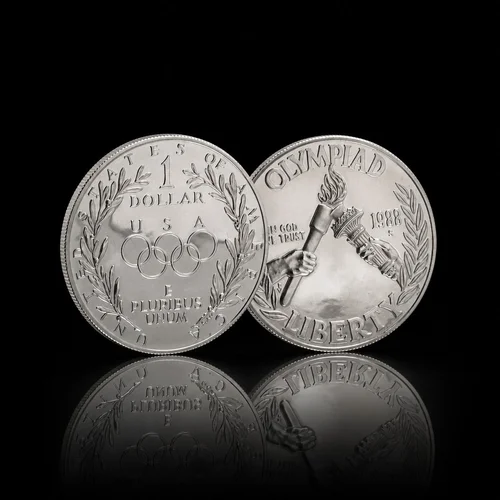
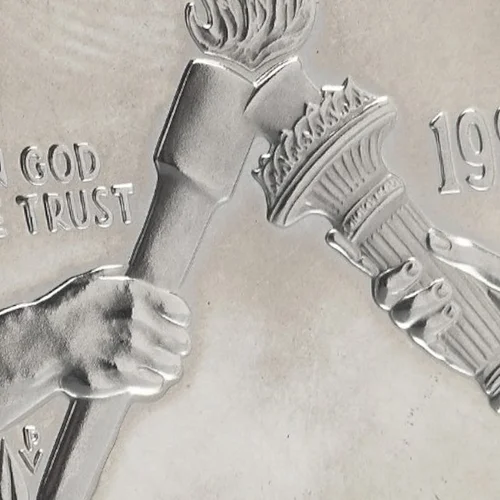 Seoul 1988 Olympic Silver Dollar, United States Commemorative Proof Coin£195
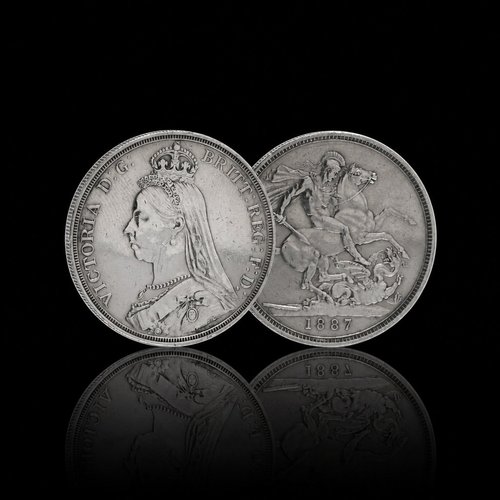
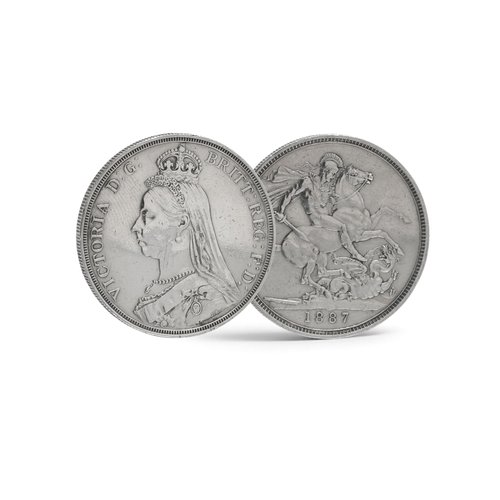 Queen Victoria Jubilee Head Silver Crown 1887, First Year British Sterling Silver Coin£195
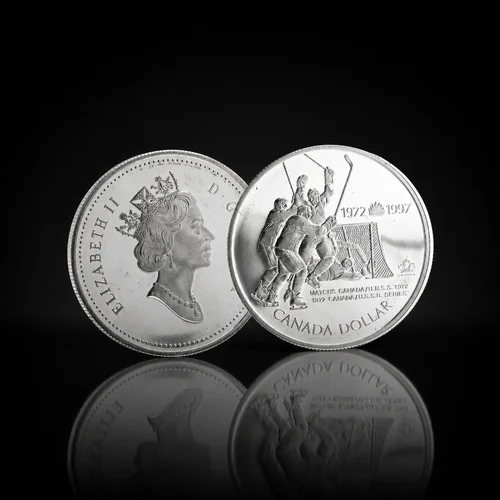
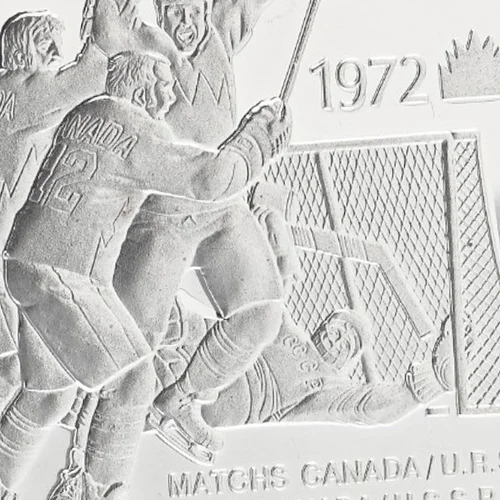 Canada 1997 Summit Series Silver Dollar, 25th Anniversary Canada USSR Hockey£195
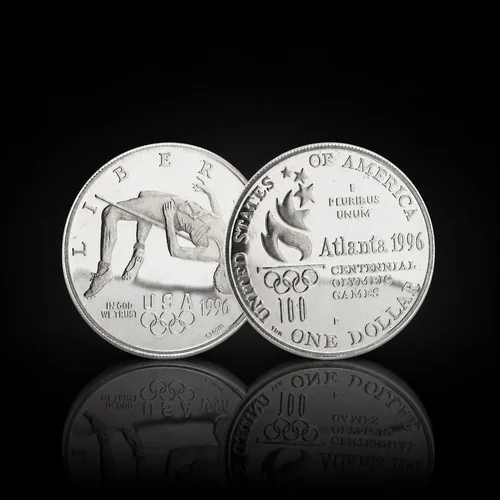
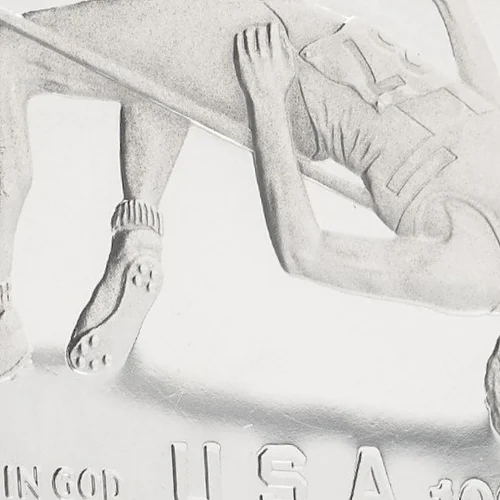 Atlanta 1996 Olympic High Jump Silver Dollar, US Commemorative Proof Coin£195
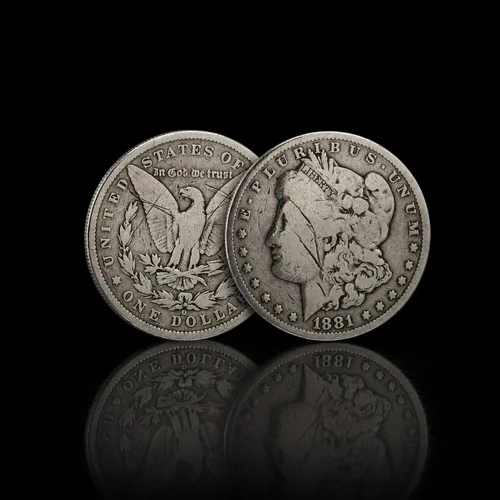
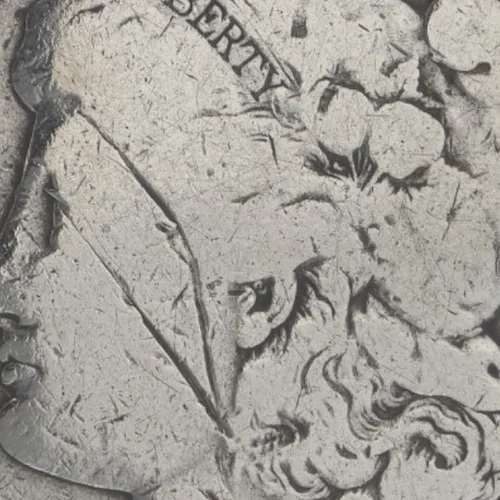 Morgan Silver Dollar 1881 O New Orleans, United States 90 Percent Silver Coin£245
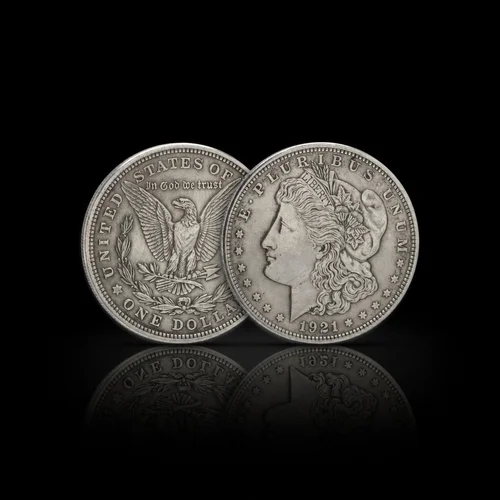
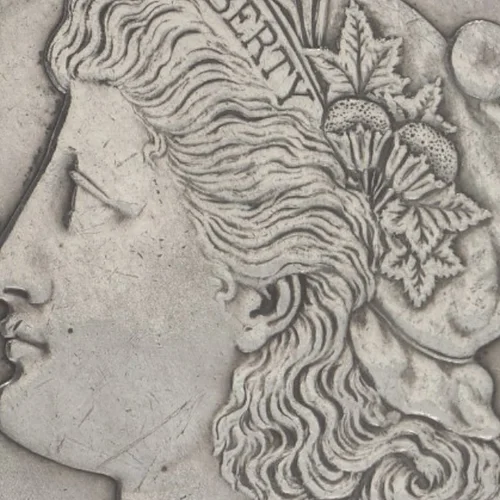 Morgan Silver Dollar 1921, Final Year of Issue United States Silver Coin£195
Recently sold
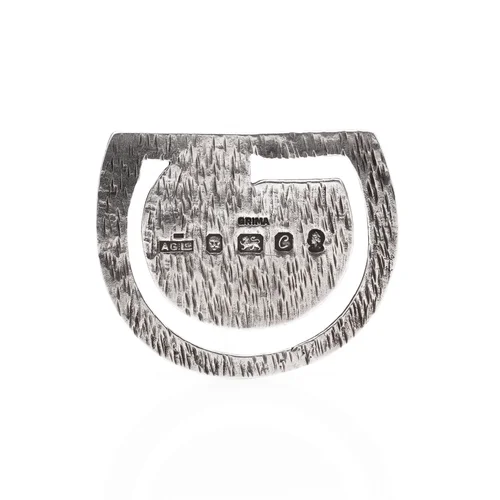 Andrew Grima vintage sterling silver money clip/book dividerSold
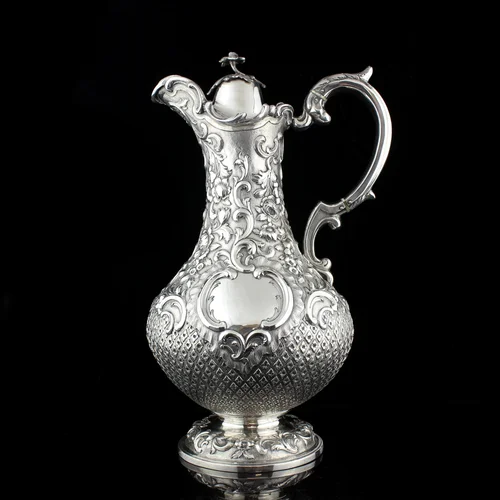 Antique Scottish Victorian sterling silver pitcher or ewer, Glasgow 1853Sold
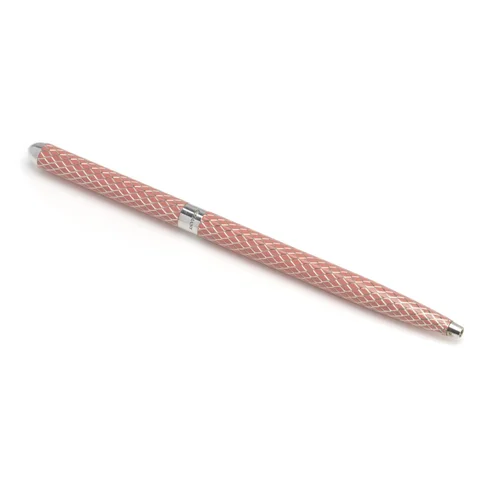 Tiffany & Co. 925 sterling silver and lacquer pink purse ballpoint penSold
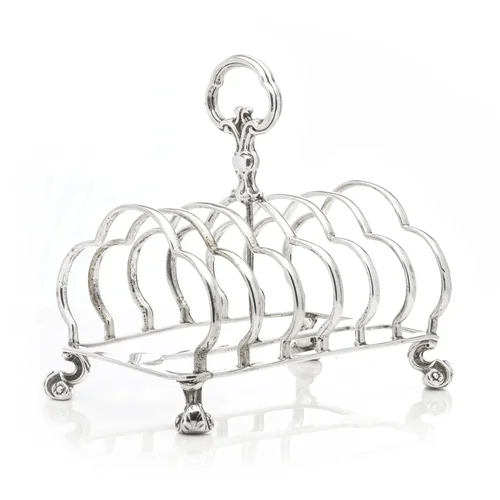 Antique Victorian sterling 925 silver 6 division toast rackSold
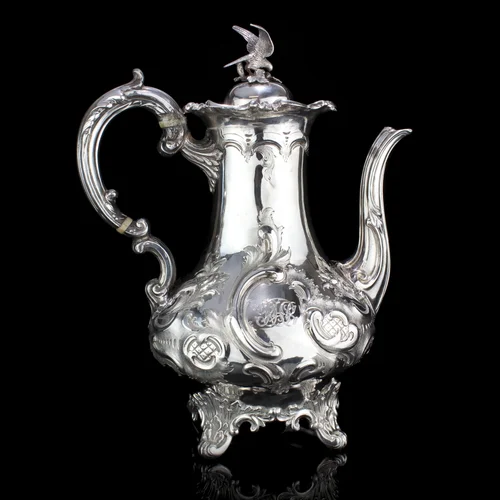 Antique Victorian Louis Style sterling silver coffee / tea pot, London 1858Sold
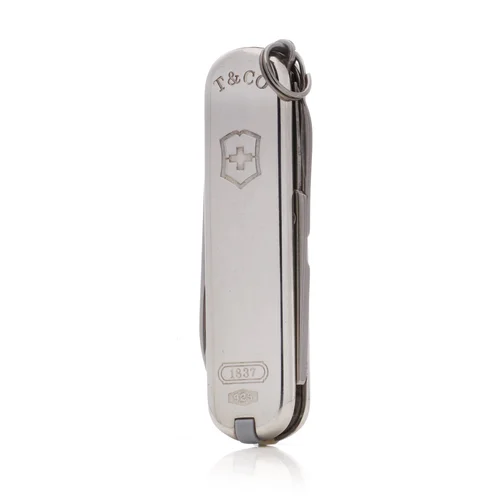 Tiffany & Co. 925 sterling silver army pocket knifeSold
Sterling, Britannia and 800: silver standards
Sterling silver is 92.5% pure and has been the British standard for centuries. Britannia silver, at 95.8%, was compulsory in England from 1697 to 1720 and has been an optional higher standard ever since. Much continental silver is 800 (80%) or 835, and Russian silver is marked in zolotniks, with 84 the most common, equal to 87.5%. Silver plate, including Sheffield plate and electroplate (EPNS), is a thin silver coating over copper or nickel alloy and is not solid silver.
Reading British hallmarks
A full British hallmark has up to five parts: the maker's mark, the standard mark (a lion passant for sterling in England, a thistle or lion rampant for Scotland, a crowned harp for Ireland), the assay office mark, a date letter, and from 1784 to 1890 the sovereign's head duty mark. The date letter fixes the year of assay, and each office used its own alphabet and shield shape.
Continental and Russian marks
France has used the Minerva head for silver since 1838. Germany adopted a national mark of a crescent and crown with the fineness, usually 800, from 1888. Russian silver carries the assay town, the assayer's initials and the zolotnik number, and from 1896 the kokoshnik, a woman's head in a headdress. Hanau makers in Germany produced fine revival silver in the late 19th century with marks styled on older English and Dutch ones.
Condition to check
Look for wear to the hallmarks and engraving, which shows heavy polishing. Check for removed crests or initials, which leave a thinned or dished area. Look along seams, handles and feet for splits and lead solder repairs. Silver gilt (gold over silver) should be examined for rubbed areas where the silver shows through.
Caring for antique silver
Wash by hand in warm water with a mild detergent and dry at once. Use a soft silver cloth rather than dips, and store pieces in acid-free tissue or anti-tarnish bags.
Questions
How do you tell if antique silver is real?
Look for a hallmark: on British silver, a lion passant (England), thistle or lion rampant (Scotland) or crowned harp (Ireland), together with a town mark and date letter. Continental silver is often stamped 800, 835 or 925. Marks such as EPNS, EP or "Sheffield plate" mean silver plate, not solid silver.
Can you polish antique silver?
Yes, but gently. Use a soft cloth or a mild silver polish, and avoid abrasive pastes and dips, which remove metal, soften detail and can strip the patina that collectors value. Never polish over the hallmarks harder than needed.
Can you put antique silver in the dishwasher?
No. Dishwasher detergent and heat can stain and pit silver, loosen handles fixed with pitch or resin, and damage gilding. Wash antique silver by hand in warm soapy water and dry it straight away.
Is sterling silver the same as antique silver?
Not always. Sterling describes the standard, 92.5% silver, which is used for both antique and modern pieces. Antique usually means over 100 years old, and antique silver may be sterling, Britannia standard, continental 800 or silver plate.
When is jewellery considered antique or vintage?
Jewellery is usually called antique when it is at least 100 years old and vintage when it is roughly 20 to 100 years old. Estate jewellery means previously owned, of any age. Hallmarks, the cut of the stones, the fittings and the style help date a piece and decide which word applies.
How can you tell if a ring is vintage or antique?
Check the hallmark inside the band for a date letter, then look at the stones and setting. Old mine, rose and old European cut diamonds, hand-made galleries, silver-topped gold and worn, softened edges point to an older ring. Modern machine-cut stones and cast settings point to a later ring in an old style.
More questions (9)
Are antique silver salt and pepper pots valuable?
Hallmarked silver salts, pepper pots and casters carry their silver value and often more: Georgian and Victorian examples, known makers, novelty shapes and complete cased sets are collected. Check each piece for matching hallmarks and keep any glass liners. Plated cruets marked EPNS are worth much less.
Is an antique silver butter dish worth anything?
A hallmarked silver butter dish is worth its silver and often more, particularly Victorian and Edwardian dishes with original glass liners, pierced or engraved decoration and known makers. Look for the hallmark on the base or rim. Silver-plated dishes marked EPNS are worth much less.
What is antique finish jewellery?
An antique finish is a darkened or oxidised surface applied to new silver or base metal to make it look old, often with the recesses left dark and the high points polished. It is a style, not a sign of age: a hallmark with a date letter is what tells you a piece is genuinely antique.
How can I find the value of an antique?
Photograph it from every side, including marks, labels and signatures, and send the photos to a specialist in that field for a free valuation. Auction results for comparable pieces help, but condition, maker and originality change value a great deal, so an expert look at your own piece is best.
What is 15 carat gold?
15 carat gold is 62.5 percent pure gold. It was a legal British standard from 1854 to 1932, when it was replaced by 14 carat, so 15ct gold jewellery is almost always Victorian or Edwardian. It is often marked 15 or .625 alongside a British hallmark.
What is a vintage cocktail ring?
A cocktail ring is a large, bold ring made to be noticed, usually with a big coloured stone or a cluster of diamonds. The style became fashionable at cocktail parties in the 1920s and peaked again in the 1940s and 1950s, when Retro gold cocktail rings were popular.
What is vintage hematite jewellery?
Hematite is a heavy, metallic grey iron oxide that polishes to a mirror shine. Victorian and Edwardian jewellers carved it into intaglio signet rings, often with classical warrior heads, and used it in mourning jewellery. Later vintage pieces use it as polished beads.
Are antique silver candle snuffers valuable?
Hallmarked silver candle snuffers, particularly Georgian scissor snuffers with their trays and Victorian cone snuffers, are collected. Value depends on the maker, date, condition and whether the set is complete. Check for a hallmark on the blade, handle or cone.
How can you tell if silver is antique?
Read the hallmark. British silver carries a date letter that gives the year of assay, with the maker's mark, the lion passant for sterling and the assay office mark. A piece is antique when it is at least 100 years old. Style, wear and construction confirm what the marks say.