Bought for $75, Sold for $2 Million: Attic Finds and What to Look For
A $75 garage-sale figure that made $2.1 million, a Patek Philippe in a jewellery box, £250,000 of Pokémon in a loft. The real stories, then a dealer's checklist for the boxes in your own attic.
What in an attic or inheritance is worth money? The same things turn up again and again:
- Gold marked 375, 585, 750 or 916, including broken chains and single earrings.
- Signed and antique jewellery, and any watch with a maker's name, even if it has stopped.
- Hallmarked silver, gold sovereigns, and pre-1947 British silver coins.
- Early or sealed Pokémon cards, marked porcelain, and gold or silver boxes and cases.
- Do not clean, polish, split or sell by weight until someone has looked. Send photos for a free opinion.
In this article
Latest: the finds of 2026 (October update)
The headline at the top of this page is real, but it is not new. The gilt-bronze Buddhist figure bought at a garage sale for about $75 sold at Sotheby's New York for $2.1 million in March 2019, after its owner took it to an Antiques Roadshow event in St Louis. It still does the rounds because it has everything: a small price, a big number and an object nobody looked at twice. This year has produced plenty of its own.
A retired decorator bought sealed sets for his son in the late 1990s and left them in binders in the loft for about 15 years: 42 master sets from 1999 to 2009. Ewbank's expects around £250,000 when they sell on 21 October 2026 (Farnham Herald, September 2026).
A woman sorting her late mother's jewellery box found a 1930s Patek Philippe Calatrava, reference 448, in stainless steel, rare for the maker. Estimated at £5,000 to £10,000, it made £59,000 at Hansons in Cornwall on 25 August 2026 (National Jeweler, September 2026).
A Salvation Army shopper paid $6 for a tray marked M, sterling and 02, which collectors traced to the New York firm Mueck-Carey. At 9.3 ounces, its silver alone was put at about $530 (Newsweek, September 2026).
Bought as costume jewellery, it turned out to be 18ct gold set with a 3.02 carat natural diamond, valued at about £15,000 at a valuation day in Oxfordshire (National Jeweler, July 2026).
The classics everyone still shares
| The find | Paid | What happened | Reported by |
|---|---|---|---|
| Gilt-bronze Buddhist figure (Guanyin), Tang to Five Dynasties, from a garage sale | About $75 to $100 | Sold for $2.1 million at Sotheby's New York, March 2019, against a $60,000 to $80,000 estimate | Sotheby's, March 2019 |
| Diamond ring mistaken for costume jewellery, from an Isleworth car boot sale in the late 1980s | £10 | A 26.27 carat cushion-cut diamond; sold at Sotheby's London in June 2017 for £656,750 | Sotheby's, 2017 |
| Superman #1 comic in a cardboard box in a San Francisco attic | 10 cents in 1939 | Sold for $9.12 million at Heritage Auctions on 20 November 2025, the most paid for a comic | ABC7, Nov 2025 |
| 266 gold coins in a pot under a Yorkshire kitchen floor (the Ellerby hoard) | Nothing: found in renovation | Sold at Spink in October 2022 for £754,000 including fees | Spink auction record |
| A leaf of the Gutenberg Bible, about 1455, in a Bromsgrove attic box unopened for 50 years | £25, early 20th century | Estimated at £20,000 to £30,000 at Chorley's, March 2025 | Fine Books Magazine, Mar 2025 |
Notice what most of them have in common: the owner did not know what the marks, the maker or the condition meant. That is the part you can check at home.
The dealer's checklist: what to look for
These are the things we look for first when someone brings in a box from a loft, a drawer or an inheritance, roughly in the order they turn out to matter.
Gold, and the marks that prove it
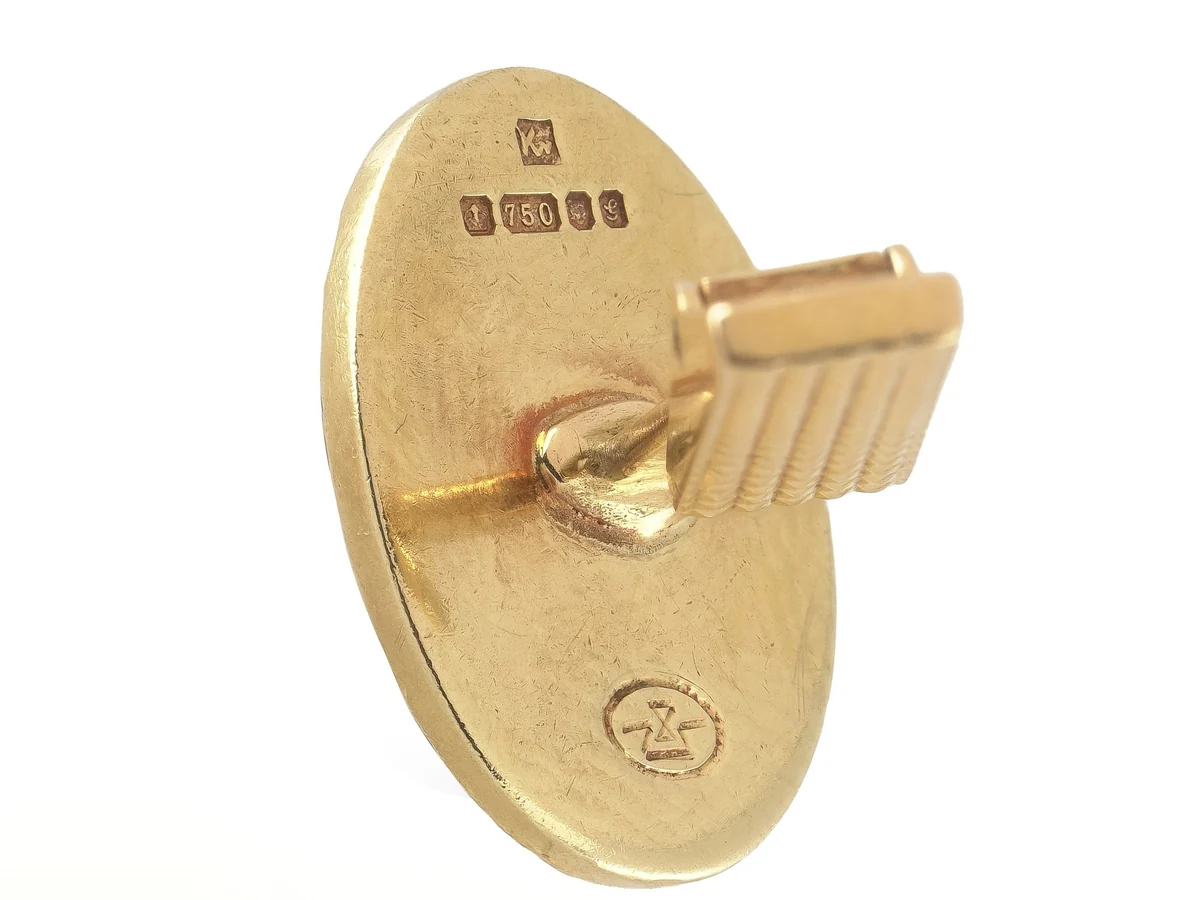
Look inside ring shanks, on clasps, bar brooches, chain ends and watch cases for a number: 375 (9ct), 585 (14ct), 750 (18ct), 916 (22ct) or 999.
A British hallmark adds a maker's mark, an assay office mark and, on older pieces, a date letter, which lets you date the piece to the year. Broken chains and single earrings count: gold is bought by weight whatever shape it is in.
More: gold hallmarks explained and hallmarks vs makers' marks. Not sure it is gold at all? Run the ten checks in is my costume jewellery real?
Old jewellery: age, stones and signatures
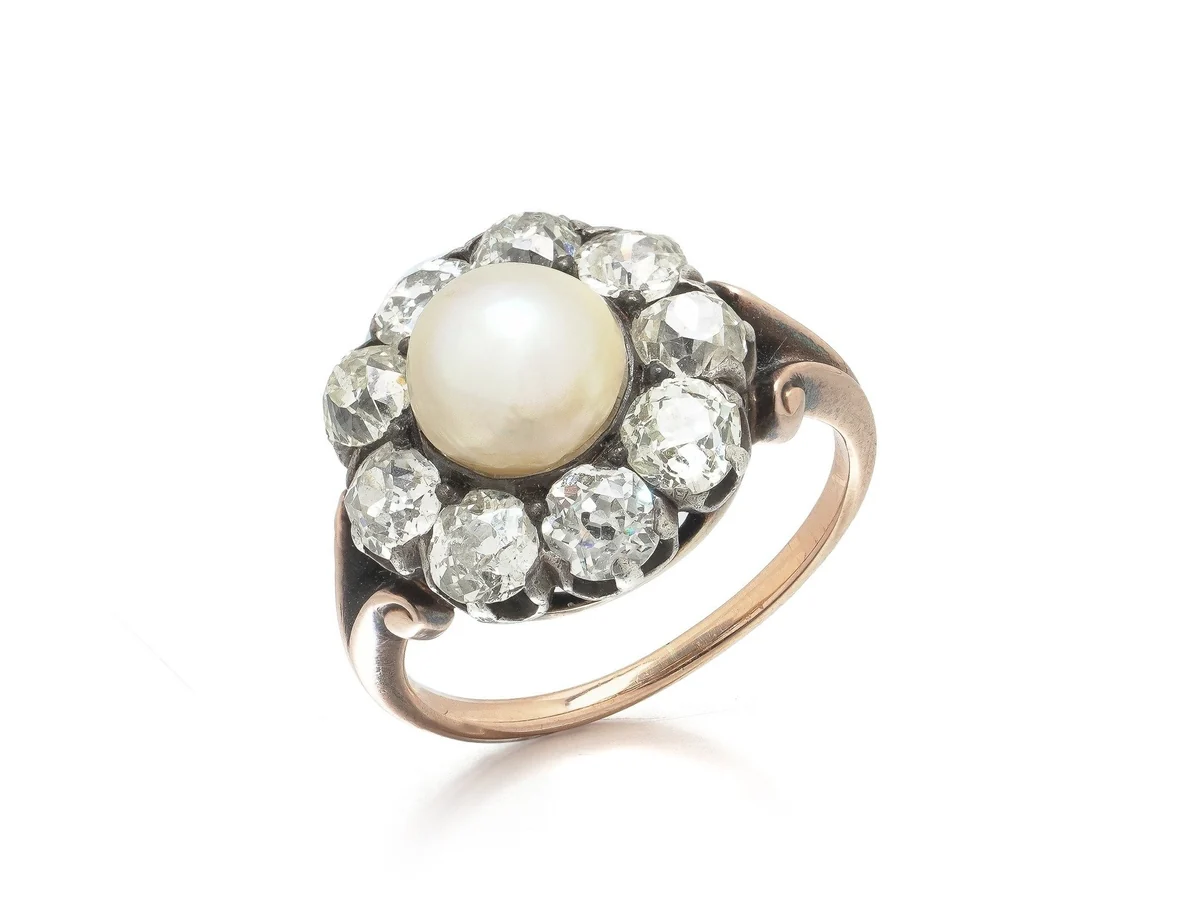
Old cut diamonds, natural pearls, Georgian and Victorian settings and signed pieces are worth more than their metal.
Look for a maker's name on the back or the clasp: Cartier, Van Cleef & Arpels, Tiffany and Boucheron all signed their work, and many signed pieces carry a serial number too.
Read how to tell if jewellery is worth money and signed jewellery values.
Watches, and the pocket watch in the drawer
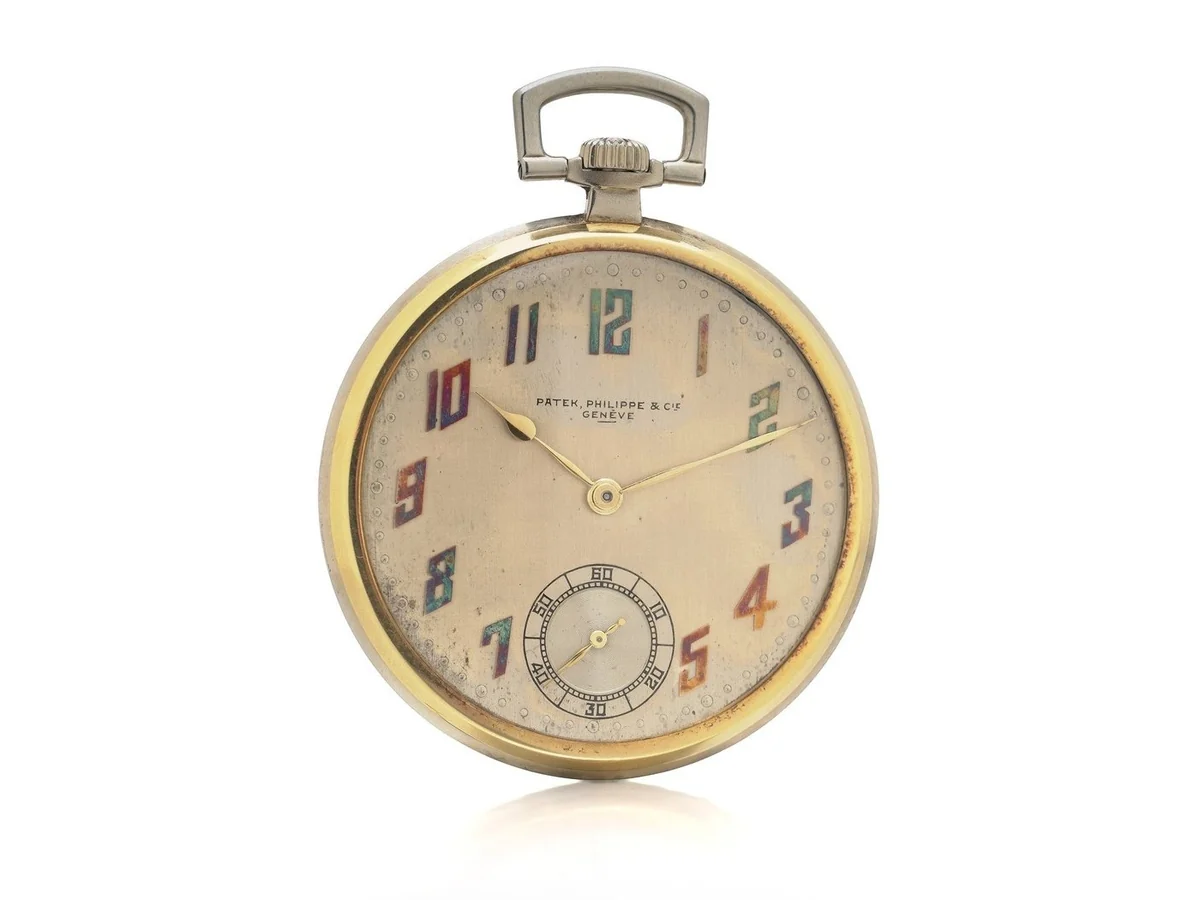
A stopped watch can still be valuable. Look at the name on the dial, then inside the caseback for the metal and a case number, and at the movement for the maker's signature.
Gold cases are marked 18K, 0.750, 14K or with British hallmarks; "gold filled", "rolled gold" and "plaqué" mean plated.
Guides: identifying an antique gold pocket watch, is my vintage watch solid gold? and full hunter, half hunter or open face?
Silver
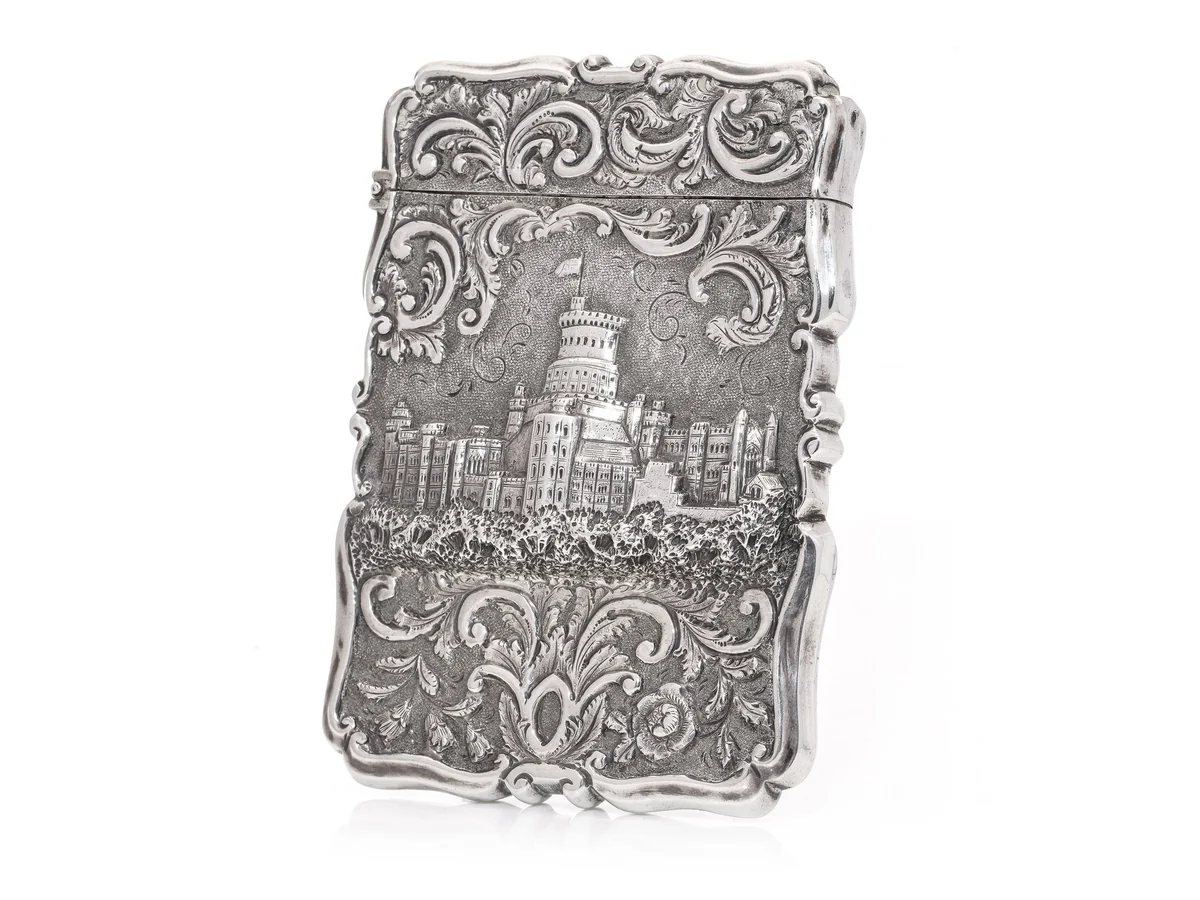
Sterling carries 925, "sterling", or in Britain a lion passant with an assay office mark and a date letter. EPNS, EP and "silver plate" are plated base metal.
Heavy pieces such as trays, tea sets and cutlery canteens are worth their weight in silver at least; small Georgian and Victorian pieces by good makers, like card cases and vinaigrettes, are often worth more as antiques.
How to read them: silver hallmarks, EPNS vs sterling and inherited silver.
Coins and sovereigns
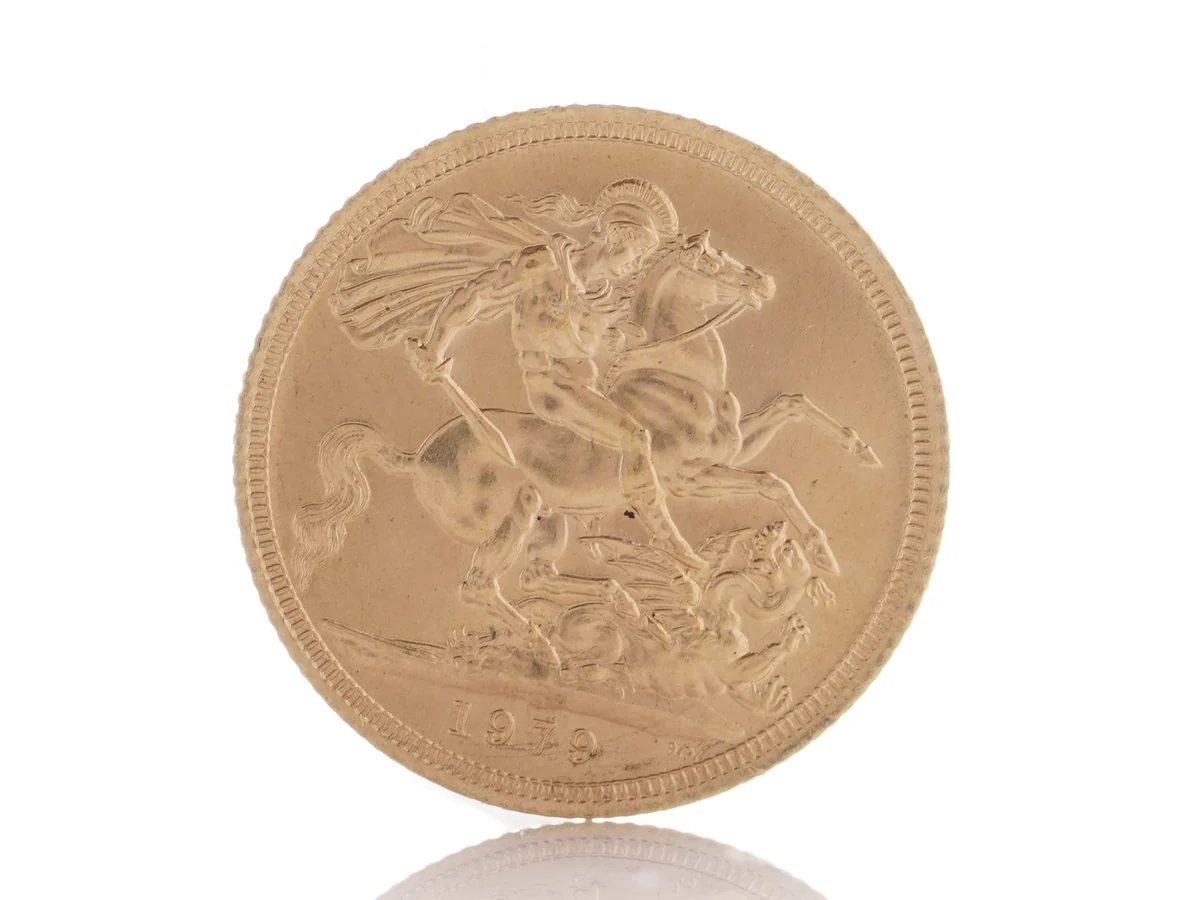
Gold sovereigns are the gold coins we see most often in tins, purses and the backs of drawers. A full sovereign is 22ct gold, weighs 7.98 grams and holds 7.32 grams of pure gold, worth … at today's price before any premium for its date or condition.
Look for the year under St George and, on coins struck outside London, a small mint letter. Pre-1947 British silver coins are 50% silver, and pre-1920 ones 92.5%.
Loading the live gold price…
The gold content at the spot price, not an offer. Rare dates and proof coins sell for more.
Look up a date: gold sovereign value by year. Silver coins: selling pre-1947 silver coins.
Found gold, coins or a watch? Get a free quote
Pokémon and trading cards
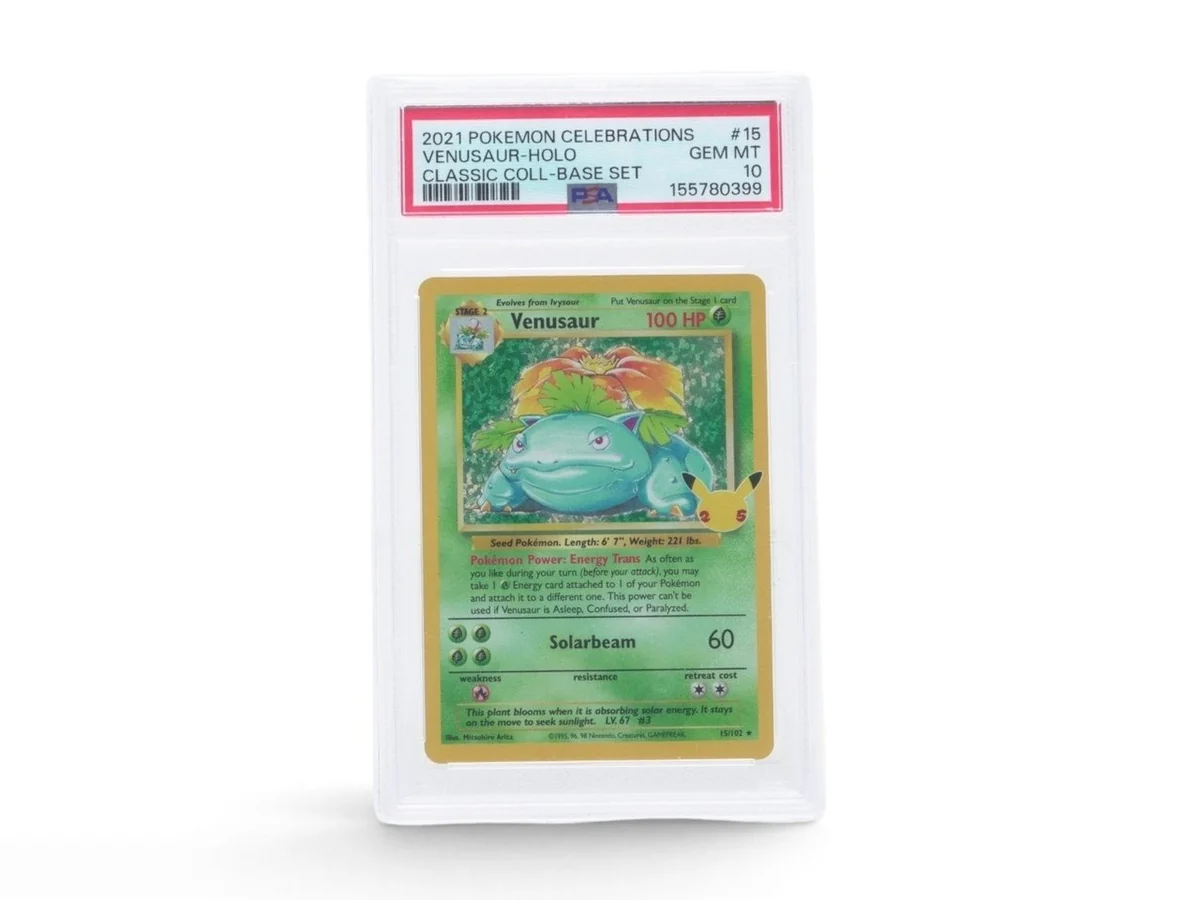
The Surrey loft collection shows why late-1990s and 2000s cards are worth checking. Early English cards from Wizards of the Coast may carry a small "1st Edition" stamp at the left under the artwork, and sealed booster packs and boxes are prized.
Condition is most of the value: a crease or whitened edge cuts the price sharply, which is why the best cards are graded and sealed in slabs by PSA, CGC or Beckett.
Next: the most valuable Pokémon cards, card grading in the UK and the 30th anniversary guide.
Ceramics and porcelain
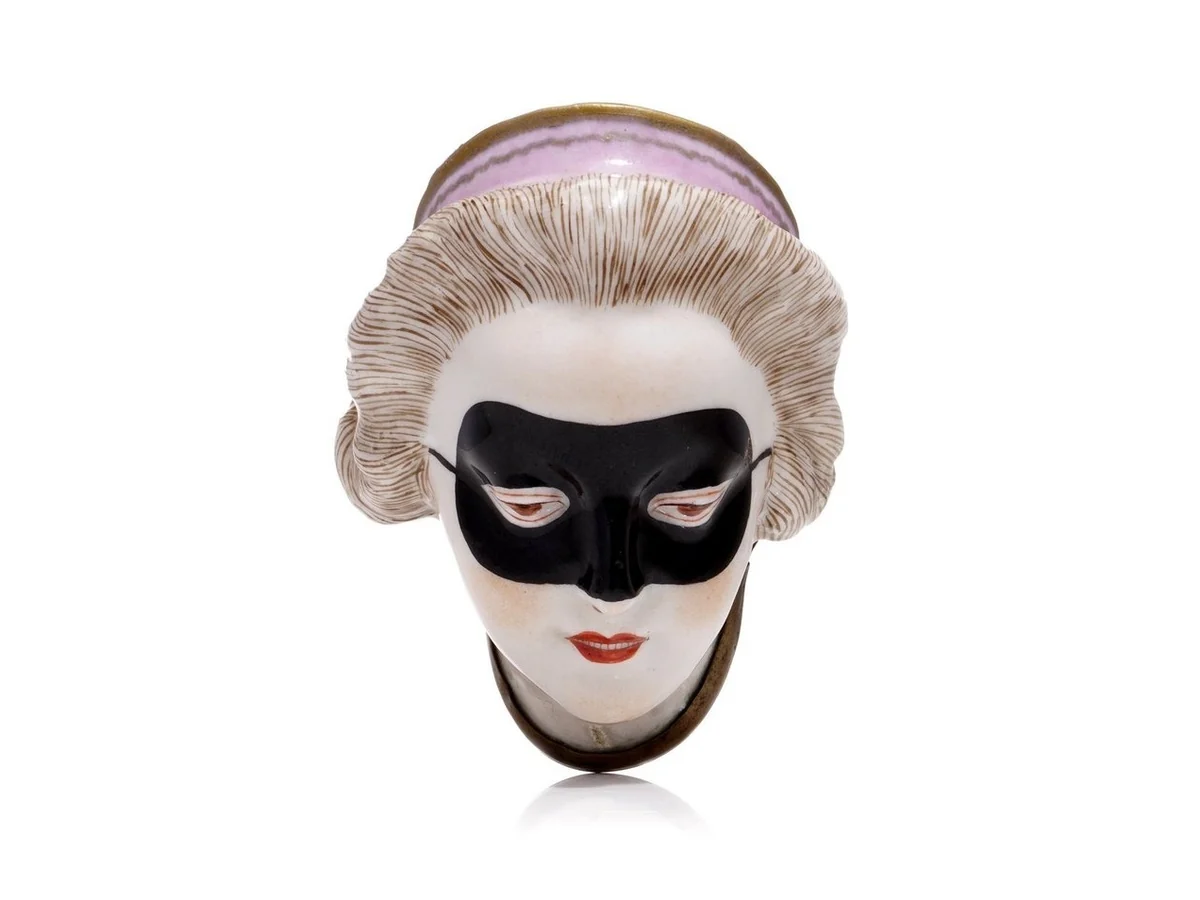
Turn every piece over. Factory marks, painted or impressed on the base, are the first clue: Meissen's crossed swords is the best known.
Marks were widely copied, though, and Chinese reign marks were often added to later pieces, so a mark is a starting point, not proof. Chips, cracks and old glued repairs cut the value, so look in raking light along the rim.
Boxes, cases and small objects
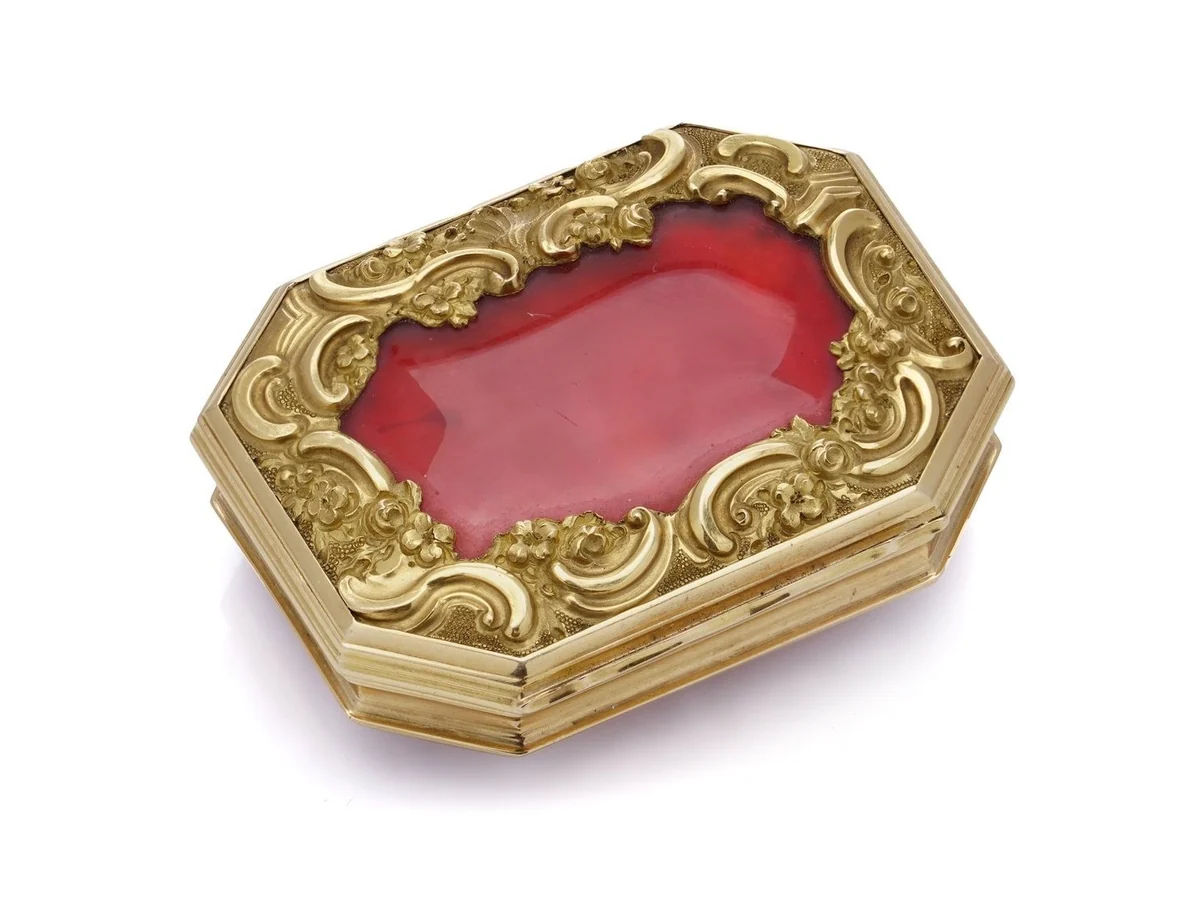
Gold and silver snuff boxes, cigarette cases, compacts and vesta cases are often the most valuable things in a drawer.
And keep the empty boxes: a fitted box with a jeweller's name in the lid is collected in its own right, and a watch or jewel with its original box sells for more.
See antique jewellery boxes explained, our antique boxes and watch boxes, and box vs no box.
Quick checks at home: ten minutes per box
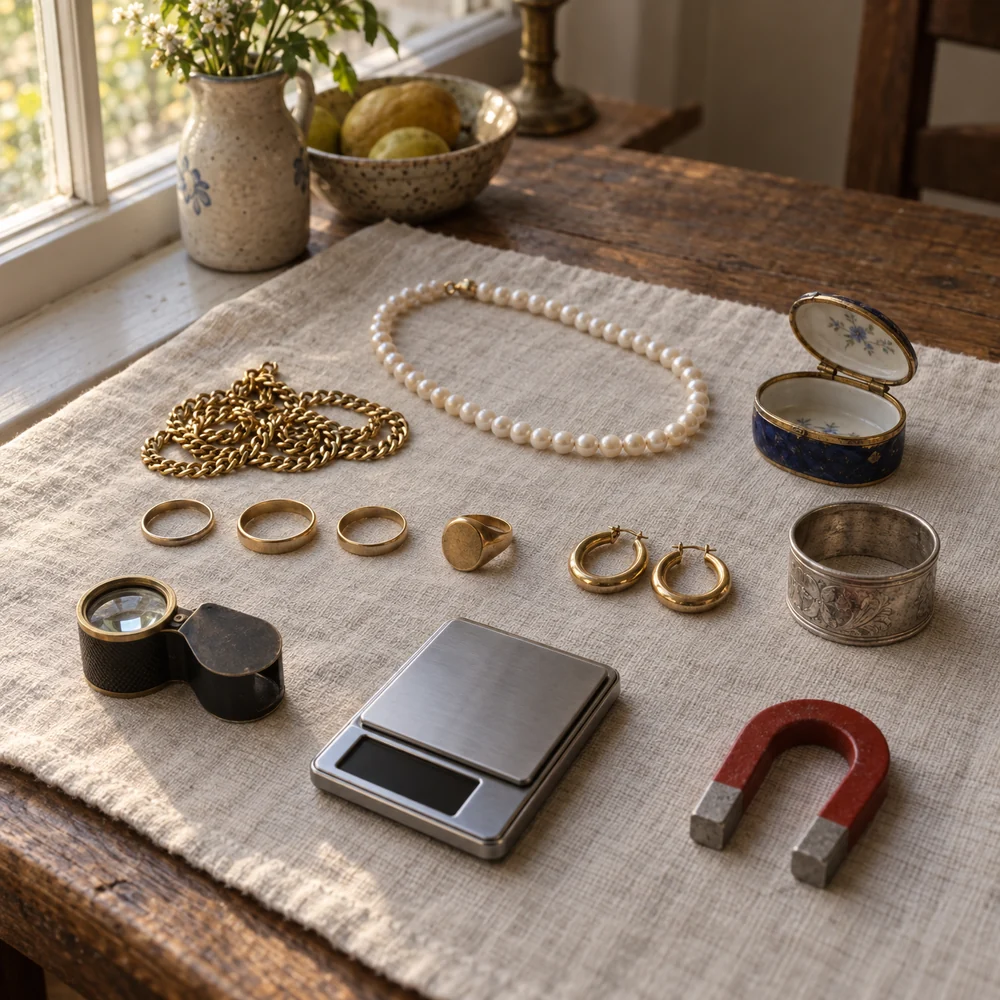
Sort in daylight
Lay everything out on a pale cloth by a window. Keep pairs, sets and anything with its box together.
Daylight, a 10x loupe or a zoomed phone camera, a strong magnet and scales reading to 0.1 g cover most of the checks. Then work through each piece:
- Look for marks
Use a 10x loupe or a zoomed phone camera on clasps, shanks, bases, casebacks and the backs of brooches.
- Try a magnet
Gold, silver and platinum are not magnetic. A piece that jumps to a strong magnet is not solid precious metal.
- Weigh the gold and silver
Scales reading to 0.1 g tell you the floor value of any marked gold. Try the gold price calculator.
- Photograph everything
Front, back and every mark, in focus. It is what a dealer or auction house will ask for first.
Mistakes that destroy value
Most value is lost in the week after the find, by people trying to help.
- Cleaning coins. Rubbing or dipping a coin strips its original surface, and collectors pay much less for a cleaned coin. Hold coins by the edge and leave them as found.
- Polishing silver and watch cases. Heavy polishing wears down hallmarks and chased decoration and removes patina for good. Read cleaning antique silver before you touch it.
- Soaking jewellery. Water gets behind closed-back stones and spoils the foil; pearls, opal, coral and turquoise are easily damaged.
- Splitting sets. A pair of earrings is worth more than two singles, a full parure more than its parts, and a complete canteen of cutlery more than odd spoons. The same goes for an Albert chain with its fob, a watch with its box and papers, and a run of sealed card sets.
- Opening sealed packs. A sealed Pokémon booster or box is worth more than the cards inside it are likely to be.
- Throwing away boxes, receipts and letters. Provenance, the record of where something came from, can add a great deal; a jeweller's box or an old valuation helps prove what a piece is.
- Selling it all by weight before anyone has looked for signed, antique or collectable pieces. Scrap is the floor, not the price: see selling broken and scrap gold.
- Home acid kits and scratch tests. They mark the piece and tell you little about plated metal.
How to get a free valuation
You do not need to pay to find out what you have. Three routes, and what each is good for:
| Route | Good for | Worth knowing |
|---|---|---|
| A dealer who buys | Gold, silver, jewellery, watches, coins and cards; a quick answer and an offer | Ask for a free opinion from photos first. You are under no obligation to sell. |
| An auction house valuation day | Rare single pieces with a likely collector market | Sale results come after buyer's premium is added; the seller pays commission and waits for the sale. |
| A written valuation | Insurance or probate, where you need a document | Usually charged for. For estates, read the probate guide and inheritance tax on jewellery. |
Sorting a whole estate? Start with inherited jewellery: what to do.
How we can help
We look at mixed boxes of every size, from one sovereign to a whole house. We buy gold and silver for their metal, and antique, signed and collectable pieces as what they are, which is usually worth more. Every piece is checked the same way: see how we authenticate antique jewellery.
- Send photos
The front, back and marks of each piece, with the form below or our free valuation form.
- Get our view
We tell you what is gold, silver, collectable or costume, and what we would pay. Free, with no obligation.
- Bring it or post it
An appointment at our Mayfair or Braintree showroom, or fully insured postage. Call 01376 334482 or message us on WhatsApp.
- Get paid
By bank transfer once we have checked the pieces.
Send us photos for a quote
Sell by category: gold jewellery, antique jewellery, sovereigns, pocket watches, vintage watches, silver and Pokémon cards.
- Big finds are real but rare; the common ones are gold, sovereigns, silver and watches.
- Marks, makers and condition decide value: check them before anything else.
- Never clean coins, polish silver, open sealed packs or split sets.
- Keep the boxes, papers and letters that came with things.
- Get a free opinion from photos before you sell anything by weight.
Questions we are asked
Is the story of the $75 garage sale Buddha that sold for $2 million true?
Yes. A gilt-bronze figure of the Buddhist deity Cintamanicakra Avalokiteshvara, bought at a garage sale for about $75 to $100, sold at Sotheby's New York in March 2019 for $2.1 million against an estimate of $60,000 to $80,000. The owner had taken it to an Antiques Roadshow event in St Louis.
What items in my loft could be worth money?
The things dealers look for first are gold jewellery and coins, signed or antique jewellery, watches (including stopped pocket watches), hallmarked silver, sealed or early trading cards, marked porcelain, and gold or silver boxes and cases. Original boxes and paperwork are worth keeping with them.
How do I know if something old is valuable?
Start with the marks: carat numbers such as 375 and 750, British hallmarks, makers' names on jewellery and watches, and factory marks under ceramics. Then weigh any gold or silver, photograph every mark and ask for a free opinion before you clean, split or sell anything.
Should I clean old coins or silver before selling?
No. Cleaning strips the original surface of a coin and collectors pay much less for it. Heavy polishing wears down hallmarks and decoration on silver and watch cases. Leave pieces as found.
Are my old Pokémon cards worth anything?
Some are. Early English cards from 1999 to the early 2000s, cards with the 1st Edition stamp, sealed packs and boxes, and cards in very good condition attract collectors. Condition decides most of the value, which is why the best cards are graded by PSA, CGC or Beckett.
Is a gold sovereign worth more than its gold?
Every sovereign is worth at least its 7.32 grams of pure gold. Common dates sell close to that, while rare dates, scarce mint marks and proof coins sell for more.
Should I sell a set of jewellery or cutlery together?
Usually yes. Pairs of earrings, matching parures, canteens of cutlery, and watches with their boxes and papers are worth more complete than split up.
How do I get a free valuation?
Send clear photos of the front, back and any marks to a dealer who buys, or take a single rare piece to an auction house valuation day. We give free opinions from photos, with no obligation to sell.
Clearing a loft or an estate?
Send photos of the pieces and their marks. We tell you what is worth keeping, selling or insuring, free and with no obligation. Call 01376 334482 or WhatsApp us.
- We buy directly
- Free valuation from photos
- Appointments in Mayfair and Braintree
- Insured postage or collection
New pieces reach our list first: join the Mozeris list.