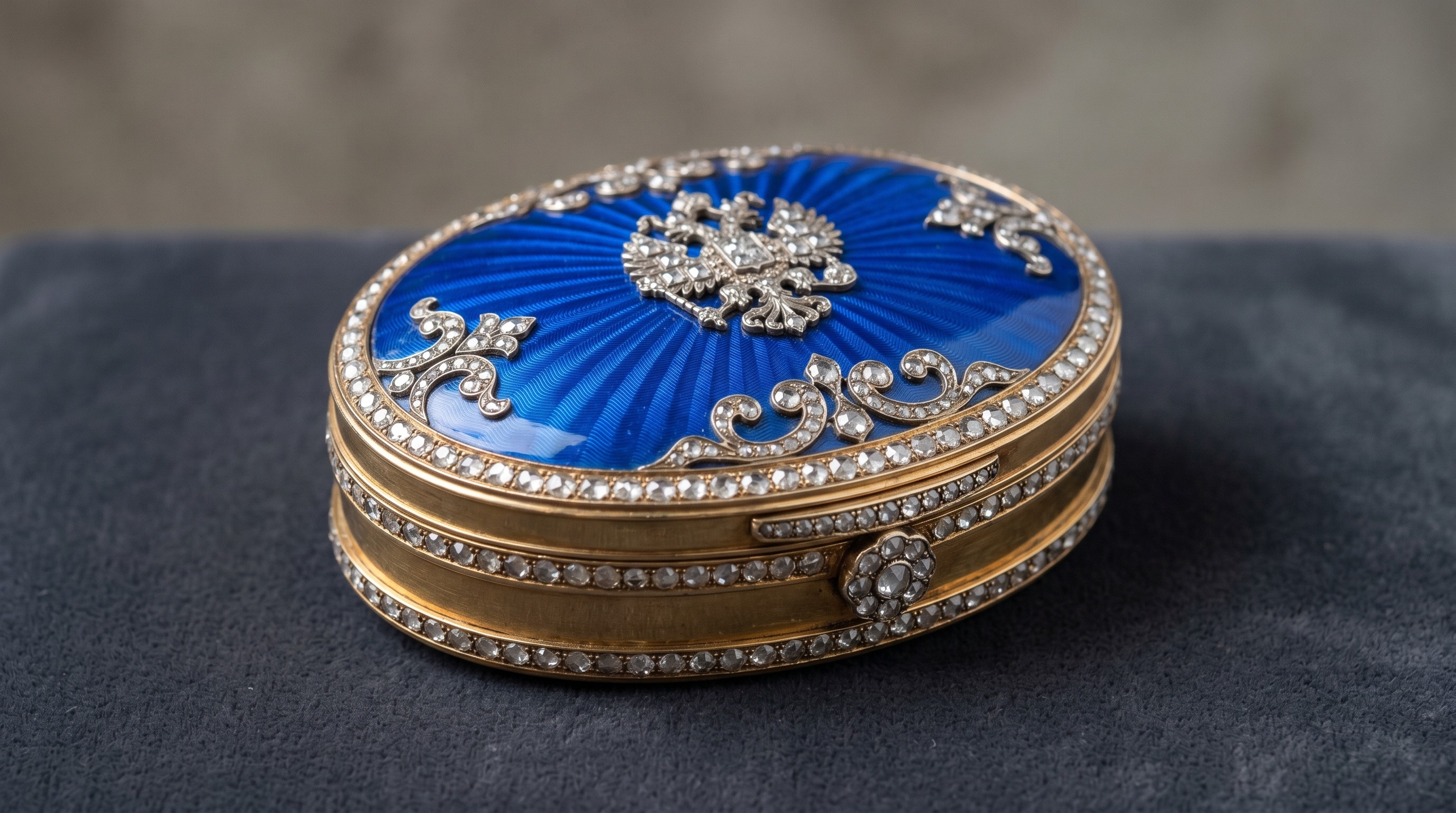
Fabergé Jewellery: Value Guide
Imperial Russian gold, jewel-like guilloché enamel and exquisite craft — Fabergé is one of the most prized names in the antique world. What yours is worth and how to sell it in the UK.
What Is Your Fabergé Worth?
Send a photo — including the marks, workmaster initials and any box or provenance — for a free, no-obligation valuation. We reply within one working day.
Founded in St Petersburg in 1842 and made famous by Peter Carl Fabergé, the House of Fabergé was goldsmith to the Russian Imperial court. Beyond the legendary Imperial Easter eggs, it produced jewellery, cigarette cases, frames and objets de vertu of extraordinary quality — and genuine, marked antique pieces are among the most sought-after of all.
What is antique Fabergé?
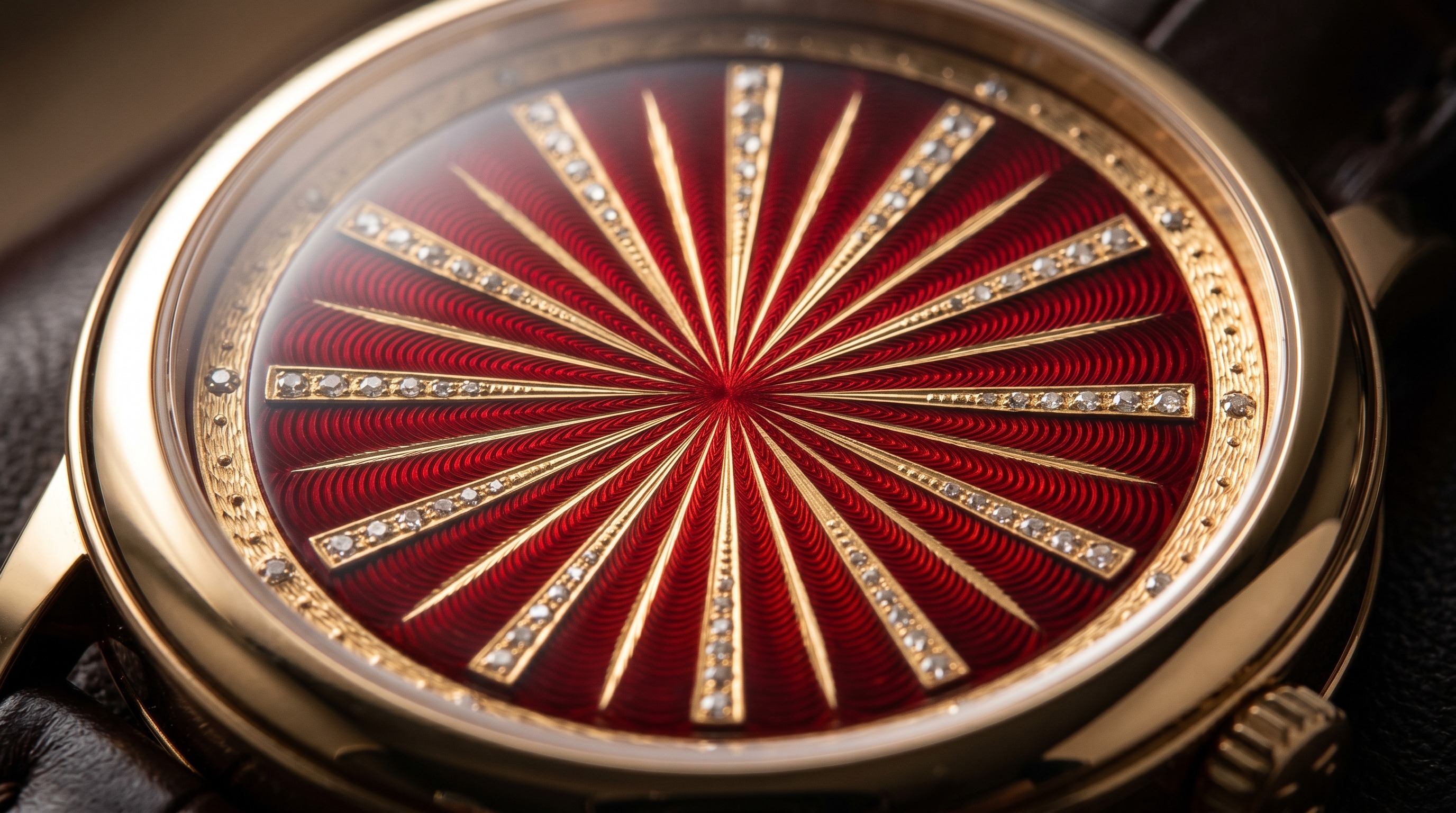
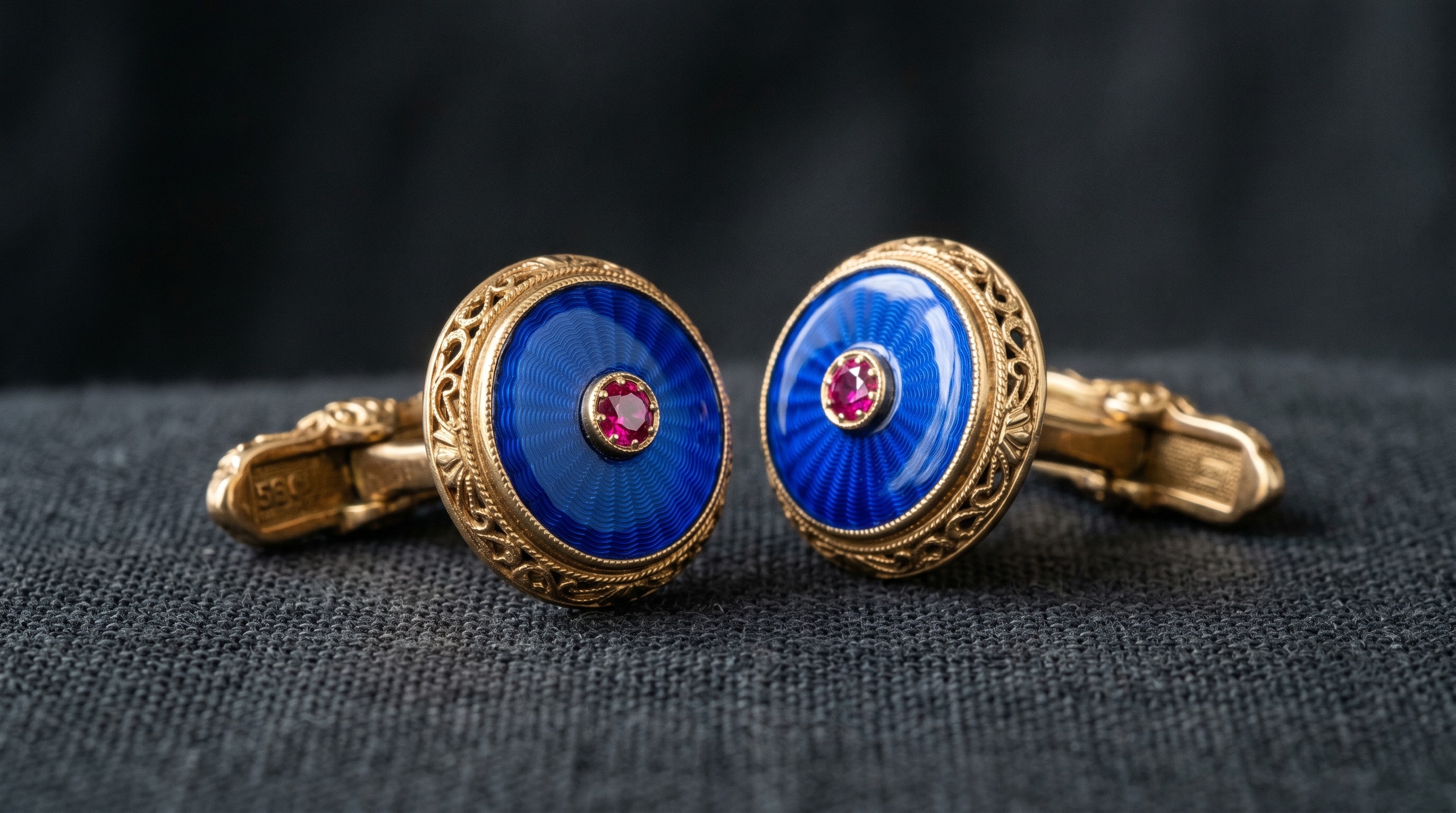
Fabergé is defined by fine Imperial-era Russian craft — translucent guilloché enamel over engine-turned gold or silver, set with rose-cut diamonds and cabochon gems — across brooches, pendants, cufflinks, cigarette cases and frames. Genuine pieces carry Russian assay marks (e.g. 56 or 72 zolotnik / 14kt), the Fabergé name in Cyrillic, and a workmaster's initials (Wigström, Perchin, Holmström and others). Marks and authenticity are everything.
What drives the value
Authenticity
Genuine Imperial-era Fabergé with correct marks far outstrips later or unmarked pieces.
Workmaster & craft
Named workmasters, fine enamel and diamonds command the strongest prices.
Provenance
Documented history, original fitted box and exhibition records add significantly.
Condition
Unrestored enamel, intact gilding and stones, no later repair.
What is Fabergé worth in the UK?
Value depends overwhelmingly on authenticity, maker, craft and provenance — indicative bands:
Indicative only — genuine Imperial Fabergé can be worth many times the metal; authenticity and provenance are decisive. Send a photo for a free, accurate valuation.
Selling Your Fabergé
What we look at when buying Fabergé:
- Marks — Cyrillic Fabergé, assay (56/72), workmaster.
- Craft — Guilloché enamel, quality of work.
- Gems — Rose-cut diamonds, cabochons.
- Provenance — Box, papers, history.
- Condition — Unrestored enamel and gilding.
We buy Fabergé directly — fair prices, immediate payment, no auction fees.
How to sell Fabergé in the UK
Send clear photos of the piece and — crucially — close-ups of the marks and workmaster initials, plus any box or provenance. We assess authenticity, craft and provenance, and give an honest figure with immediate payment — no auction commission. More on our sell your designer jewellery page and our guide to authenticating designer jewellery.
Fabergé in stock
Value Your Fabergé
Send photographs of the piece and the marks — we'll give you an honest, no-obligation valuation.
⚠️ Strictly by appointment only — no walk-ins at either showroom.
Frequently Asked Questions
Fabergé — common questions.
Is my Fabergé genuine?
Authenticity rests on the marks — Cyrillic Fabergé, the Russian assay standard and a workmaster's initials — plus the quality of the enamel and craft. Send close-ups of the marks and we'll assess.
What is guilloché enamel?
Translucent enamel laid over an engine-turned (machine-engraved) metal pattern, giving a shimmering depth — a Fabergé signature.
How much is mine worth?
It depends overwhelmingly on authenticity, the workmaster, the craft, gems and provenance. Genuine Imperial pieces can be worth many times the metal. Send a photo for a free valuation.
What about modern Fabergé?
The revived Fabergé brand still makes fine jewellery; it is valued on its merits but sits below the rare Imperial-era pieces.
Does provenance matter?
Greatly — documented history, original boxes and exhibition records can add very significantly to value.
Can you value it on WhatsApp?
Yes. Message +44 7494 214652 with photos of the piece and the marks and we'll reply, usually within a working day.
Send Us Your Photographs
Attach photos of the piece and the marks. We'll respond within one working day.