Pawn or Sell Your Jewellery? How Pawning Works and When Selling Is Better
Pawning is a loan you repay to get your piece back; selling is final and costs nothing. Here is how each works under UK law, and how to choose.
Should I pawn or sell my jewellery?
- Pawning is a secured loan: repay it with interest and the piece comes back.
- Selling is final: you get the full agreed price and nothing to repay.
- The law gives at least six months to redeem and requires notice before a pawn is sold.
- Antique and signed pieces deserve a specialist valuation before you pawn or sell.
In this article
Pawning and selling: the difference
Pawning is borrowing. You hand over a piece as security, receive a loan, and get the piece back when you repay the loan and its interest. Selling is final: the buyer pays you the agreed price, there is nothing to repay, and the piece is theirs.
| Pawn | Sell | |
|---|---|---|
| What you receive | A loan secured on the piece | The full agreed price |
| Do you get it back? | Yes, if you repay the loan and interest in time | No |
| Cost to you | Interest and any charges in the credit agreement | None |
| If you cannot repay | The pawnbroker may sell the piece | Not applicable |
| Regulated by | The FCA, as consumer credit (CONC 6.6) | Consumer law and the money laundering rules |
| Best for | Short-term money for a piece you want to keep | A piece you no longer need |
If you do not need the piece back, selling avoids interest. If you do want it back and can repay on time, pawning keeps it in the family.
How pawning works in the UK
A pawnbroker values the piece, offers a loan against it and gives you a credit agreement and a pawn receipt. The loan is secured on the item, so pawnbrokers do not need to rely on your credit history in the way a bank does (National Pawnbrokers Association).
- The piece is valued
The pawnbroker decides how much to lend. A loan is normally a share of what the pawnbroker could sell the piece for, not its full value.
- You sign a credit agreement
It states the loan, the interest, the total to repay and the redemption period. Keep the pawn receipt: you need it to redeem.
- You repay and redeem
Pay the loan and interest within the period and the piece is returned. Many pawnbrokers let you pay the interest and extend.
- If you do not repay
The pawnbroker can sell the piece, following the notice rules set out in the Consumer Credit Act 1974.
What the law says
- Redemption period: a pawn can be redeemed at any time within six months, or a longer period if agreed (Consumer Credit Act 1974, s.116). It stays redeemable after that until it is sold.
- Small loans: for the smallest loans the piece can pass to the pawnbroker at the end of the redemption period (s.120).
- Notice of sale: for other loans the pawnbroker must give written notice before selling, at least 14 days (s.121; Realisation of Pawn Regulations 1983).
- After the sale: the pawnbroker must tell you the sale price and costs, and any surplus over what you owed belongs to you.
The FCA found in 2018 that many customers never collected the surplus owed to them after a sale (FCA Occasional Paper 59). If your pledge is sold, ask for the sale statement.
Should you pawn or sell your jewellery?
Pawn when you will want it back
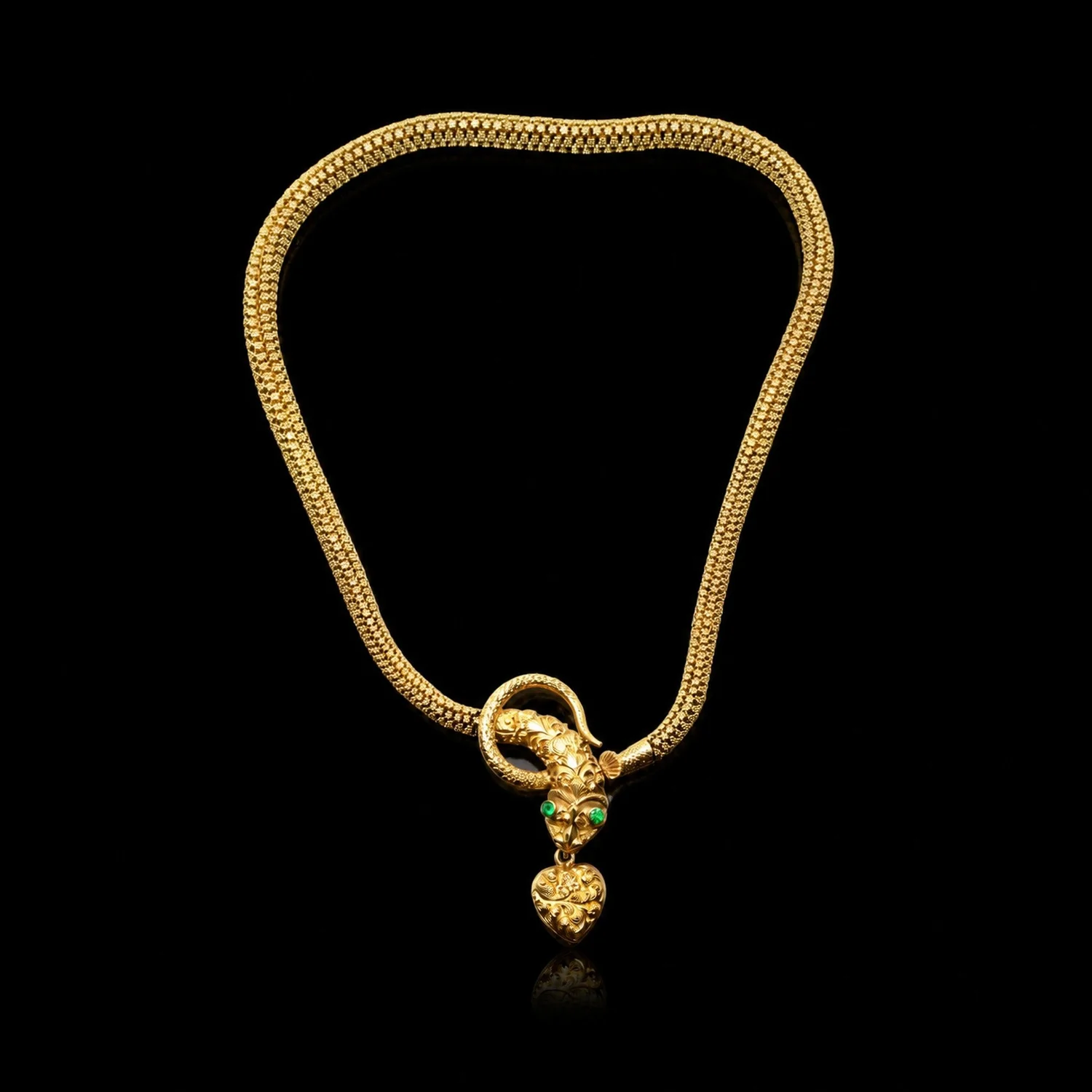
Pawning suits a piece with sentimental value that you are sure you can redeem: a family necklace, an engagement ring, a watch you intend to wear again. You keep the right to get it back.
Read the total amount to repay before you sign, and diarise the redemption date.
Sell when you no longer need it
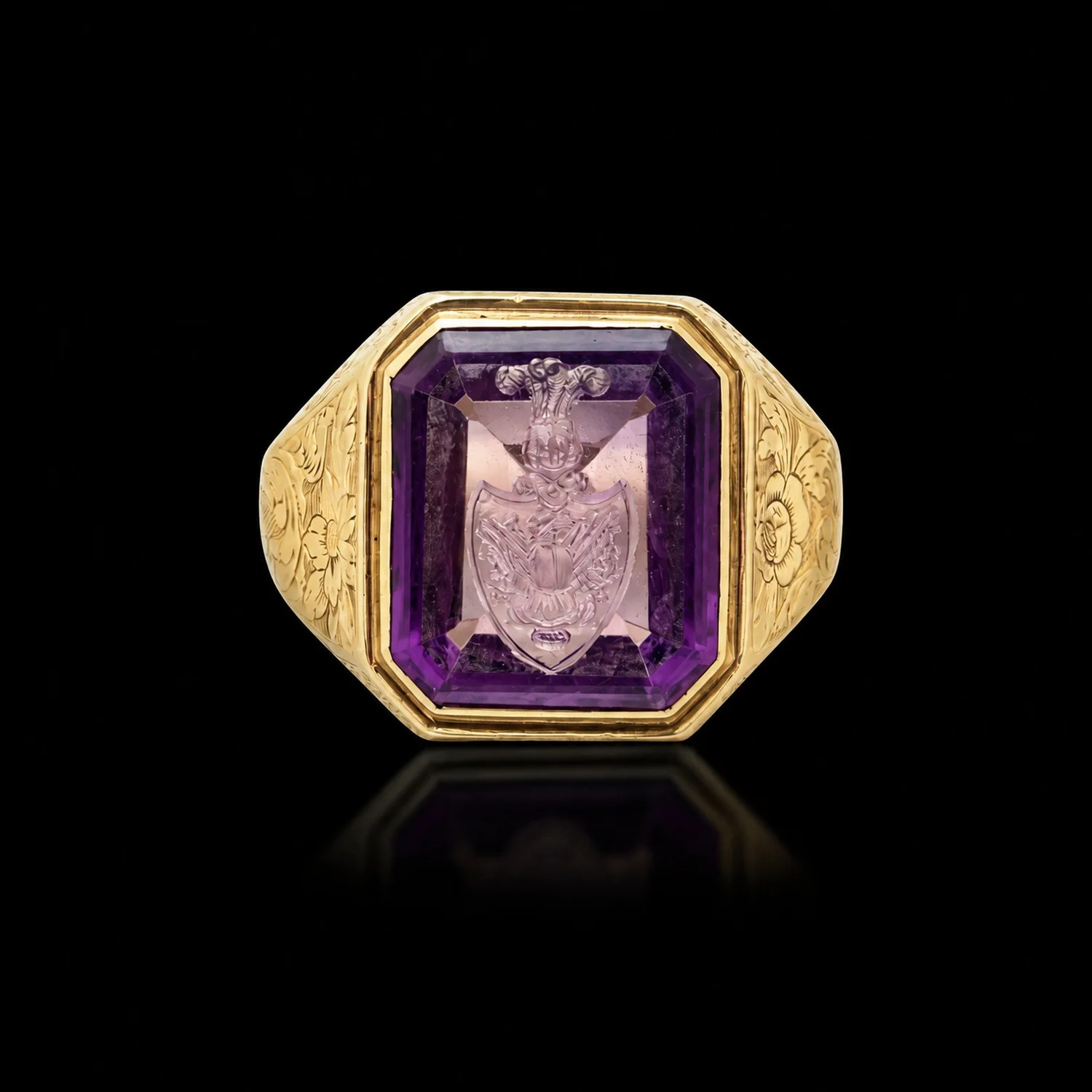
Selling suits jewellery you do not wear, broken or odd pieces, and inherited jewellery the family has decided to part with. There is no interest and no deadline to watch, and you receive the whole agreed price.
Antique and signed pieces are worth more to a specialist than to a general lender, so get a free selling valuation first.
Questions to ask yourself
- Will I definitely be able to repay the loan and interest within the period?
- Is this a piece I would genuinely miss?
- Is the loan offered close to what I would be paid if I sold?
- Would a specialist buyer pay more for this because of its age, maker or stones?
Request a free valuation
Pawnbroker, cash shop or specialist buyer?
Pawnbrokers, high-street cash shops and specialist jewellery buyers all buy jewellery, but they look at it differently. A general shop often prices a piece mainly on its metal. A specialist in antique and signed jewellery also prices the period, the maker, the stones and the workmanship.
| Pawnbroker or cash shop | Specialist buyer | |
|---|---|---|
| Main service | Loans, and buying for resale | Buying to resell to collectors |
| Antique and signed pieces | Often valued on metal and stones | Valued on period, maker and condition as well |
| Valuation | In the shop | From photographs, by post or in person |
| Payment | Varies; often cash | Bank transfer, the same day after inspection |
Why the details count
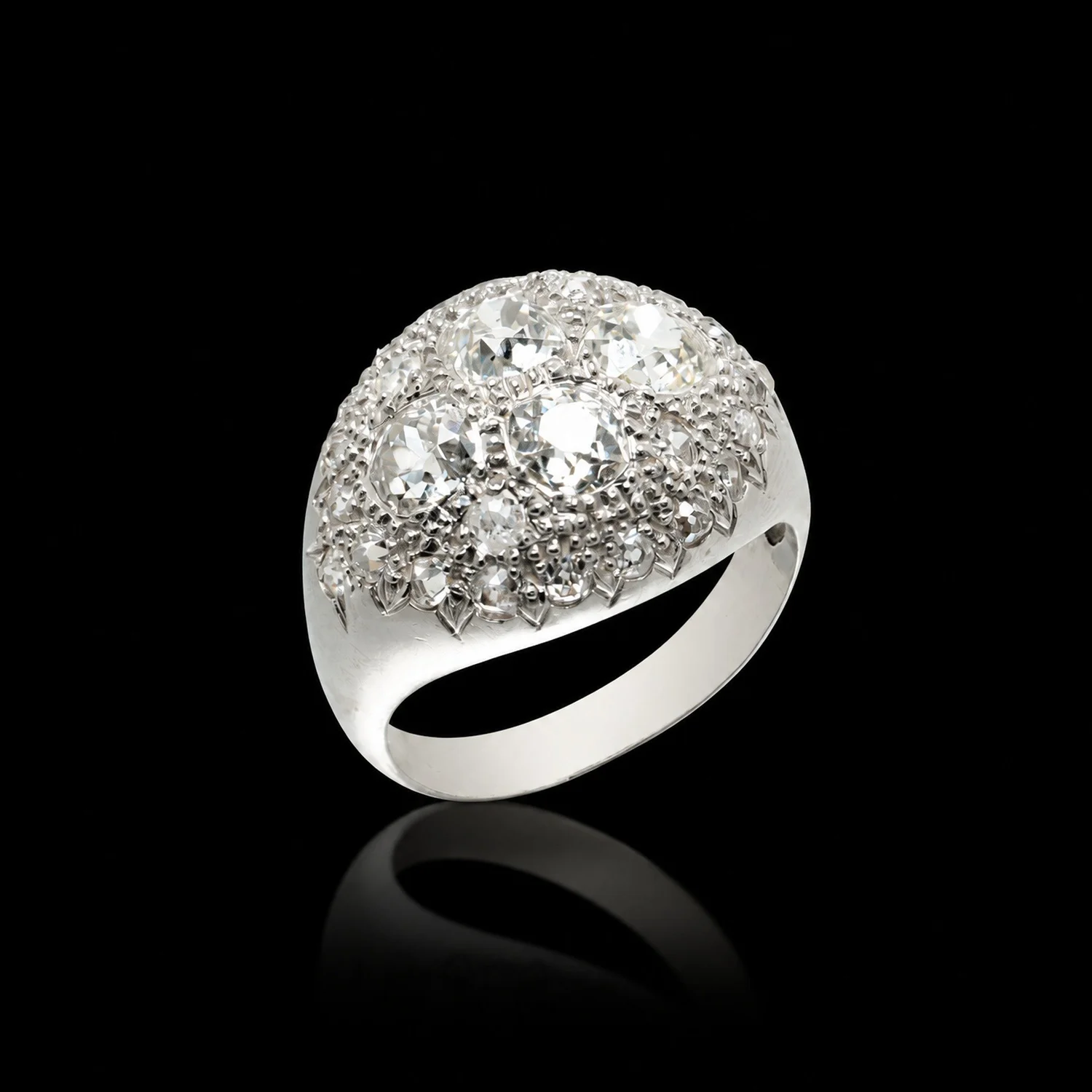
An old cut diamond cluster like this one is valued on the cut and age of its stones and the quality of the platinum mount, not only on the weight of metal.
See our platinum old cut diamond cluster ring and our guide to dating antique jewellery.
How selling to us works
We buy outright: there is no loan, no interest and no redemption date. Send photographs for a free valuation, usually within one working day. If you go ahead, send the piece by a free insured FedEx collection or Royal Mail Special Delivery, or bring it to Mayfair or Braintree by appointment. You are paid the same day after inspection, by bank transfer, and if you decline we return it at our cost.
Every piece is different. Send us a few photos and we will tell you what yours is worth, free and with no obligation. Request a free valuation.
Local to Essex or London? See pawn brokers in Essex and London. Selling from further away? Sell jewellery by post.
Send us photos for a valuation
- Pawn: a loan with interest; your piece comes back when you repay.
- Sell: the full agreed price, final, with no interest.
- UK law: at least six months to redeem, notice before sale, any surplus is yours.
- For antique, signed or gem-set pieces, a specialist valuation comes first.
Questions we are asked
Should I pawn or sell my jewellery?
Pawn it if you want it back and are sure you can repay the loan and interest within the redemption period. Sell it if you no longer need it: you receive the full agreed price, there is nothing to repay and no interest. For antique or signed pieces, get a specialist valuation before deciding.
How does pawning jewellery work?
A pawnbroker values your piece and lends you money against it under a regulated credit agreement. You keep the pawn receipt, and when you repay the loan and interest within the redemption period the piece is returned. If you do not repay, the pawnbroker can sell it after giving the notice the law requires.
What happens if I do not repay a pawn loan?
The pawnbroker can sell the piece. Under the Consumer Credit Act 1974 they must give you written notice first, at least 14 days for most loans, and afterwards tell you the sale price and costs. Any surplus over what you owed belongs to you, so ask for the sale statement.
How long do you have to repay a pawnbroker?
The law gives at least six months to redeem a pawn, or a longer period if the agreement says so, and the piece stays redeemable after that until it is sold. Many pawnbrokers also let you pay the interest due and extend the loan. Check the dates in your credit agreement.
Does pawning affect your credit score?
A pawn loan is secured on the item, so pawnbrokers do not need to rely on your credit history as a bank does, and many do not run a hard credit check. Policies vary between lenders, so ask before you sign. Selling a piece involves no credit agreement at all.
Do you get more money pawning or selling jewellery?
Selling usually puts more money in your hand, because a buyer pays the agreed price for the piece, while a pawn loan is normally a share of the piece's resale value and costs interest. Pawning is worth it only when getting the piece back matters more than the cost of the loan.
Is a pawnbroker the best place to sell antique jewellery?
Not always. Pawnbrokers and cash shops often price jewellery mainly on its metal and stones. A specialist in antique and signed jewellery also values the period, maker, workmanship and condition, which can count for more. Compare a specialist's free valuation before you accept any offer.
Who regulates pawnbrokers in the UK?
Pawnbroking is consumer credit, so pawnbrokers must be authorised by the Financial Conduct Authority, whose Consumer Credit Sourcebook has rules specific to pawnbroking in section 6.6. The Consumer Credit Act 1974 sets the redemption period and notice of sale. Many pawnbrokers also belong to the National Pawnbrokers Association.
Want to know what your jewellery would sell for?
Send photos for a free valuation. We buy directly, pay the same day after inspection, and have a 5.0 rating on Google.
- Free valuation from photos, within one working day
- Paid the same day after inspection
- Insured in transit, at our cost
- Mayfair and Braintree by appointment
New pieces reach our list first: join the Mozeris list.