Jewellery Valuation vs Appraisal: Insurance, Probate and Selling Valuations Explained
Insurance, probate and selling valuations give three different figures for the same piece. Here is what each one means, who writes it, and which one you need.
What is the difference between a jewellery valuation and an appraisal?
- Valuation (UK) and appraisal (US) are the same act; the purpose decides the figure.
- An insurance valuation is the cost of replacing the piece new, so it is the highest figure.
- A probate valuation is the open market value at the date of death, for HMRC.
- A selling valuation is what a buyer will pay you today, and it is usually free.
In this article
Valuation or appraisal: what is the difference?
In the UK the word is valuation; in the United States it is appraisal. They mean the same act: a specialist examines a piece and states a figure for it. What changes the figure is the purpose. The same ring can carry three quite different numbers, and each one is correct for its own job.
| Type | What the figure means | Who asks for it |
|---|---|---|
| Insurance valuation | The cost of replacing the piece with one of the same kind and quality, bought new or from a retailer, usually including VAT | Your insurer |
| Probate valuation | The open market value on the date of death: what a willing buyer would pay | HMRC, for inheritance tax (Inheritance Tax Act 1984, s.160) |
| Selling valuation | What a buyer will pay you for it today | You, when you are deciding to sell |
An insurance figure is almost always the highest of the three, because replacing a piece in a shop includes the retailer's margin, VAT and the cost of making it. A selling figure reflects what the trade can resell the piece for. Neither is wrong: they answer different questions.
A laboratory report is not a valuation
A gemstone report from a laboratory such as GIA, GRS or SSEF identifies a stone and grades it: species, weight, colour, clarity, treatment and sometimes origin. It does not give a value.
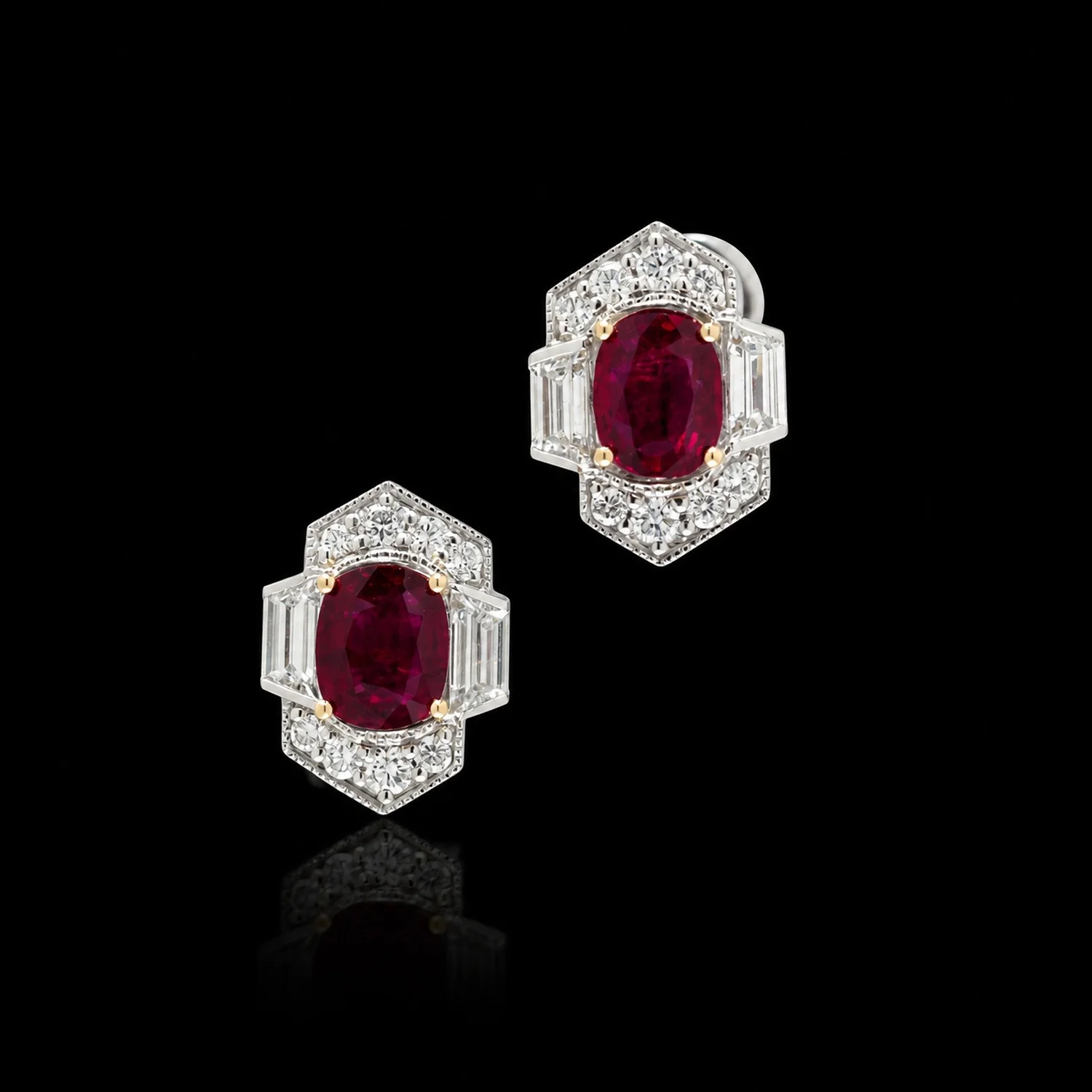
A valuation uses that report, with the metal, the maker and the condition, to arrive at a figure. Our Burmese ruby earrings have two GRS reports, and they are the evidence a valuer works from.
Insurance valuations
An insurance valuation is a written document describing each piece in enough detail to replace it: metal and hallmarks, every stone with its measurements and estimated weight, the maker, the condition, and photographs. The figure is the replacement cost, which is why it is higher than any offer you would receive if you sold.
How often should jewellery be revalued?
Insurers commonly ask for a new valuation every three to five years (Birmingham Assay Office), and some ask for one dated within the last three years (Ripe Insurance). Revalue sooner when gold or platinum prices have moved sharply, or when you change insurer: an out of date valuation can leave a piece underinsured.
Who can value jewellery for insurance?
Insurers usually want a valuation from a qualified, independent valuer. In the UK the National Association of Jewellers runs the Institute of Registered Valuers, whose members describe themselves as MIRV or FIRV (Age UK). Gemmology qualifications such as the FGA from Gem-A show the valuer can identify stones. Ask your insurer which valuers it accepts before you book.
We are buyers, not insurance valuers. We give free selling valuations, which tell you what a piece is worth to sell today. We do not issue insurance or probate valuation documents.
Probate valuations for inherited jewellery
When someone dies, their jewellery is part of the estate and the executors must give HMRC its open market value at the date of death (Inheritance Tax Act 1984, section 160). That is the price a willing buyer would pay a willing seller, not the insurance figure. Using an old insurance valuation overstates the estate and can mean paying more tax than is due.
HMRC's form IHT407 asks executors to list higher-value individual pieces of jewellery and to enclose any professional valuation. HMRC also treats a sale after death, especially at auction, as good evidence of open market value (HMRC Inheritance Tax Manual IHTM21011).
Executors deciding whether to sell
If the estate will sell the jewellery, a buyer's written offer shows what the market will pay. Many executors ask a specialist buyer for a selling valuation alongside the formal probate valuation.
Our guide to selling inherited jewellery covers probate step by step, and inheritance tax on jewellery explains how it is taxed.
Selling valuations: what a buyer will pay
A selling valuation answers one question: what can I get for this today? It is usually free, because the buyer is hoping to buy. A good one still identifies the piece properly, so that you learn what you have whether or not you sell.
- Send photographs
The front, the back, the side, and any hallmark, signature or serial number close up. Add anything you know about its history.
- We identify each piece
Our specialist looks at every photograph: the metal and hallmarks, the stones, the maker, the period and the condition.
- You get our valuation
Usually within one working day: what each piece is and an estimate of what we would pay, subject to inspection.
- You decide
There is no charge and no obligation. If you sell, you are paid the same day after inspection, by bank transfer.
The full process is on our expert jewellery valuation page. You can also bring a piece to 47 Maddox Street in Mayfair or to our Braintree office by appointment.
Request a free valuation
What helps a valuation
- Boxes and papers: the original case, receipts, certificates and service records.
- Laboratory reports: any GIA, GRS, SSEF, Gübelin or AGL report for the stones.
- Earlier valuations: useful for the description, even though the figure was for a different purpose.
- History: where and when it was bought, who made it, any repairs.
- Leave it as it is: do not clean, polish or repair a piece before it is seen.
Why the box matters
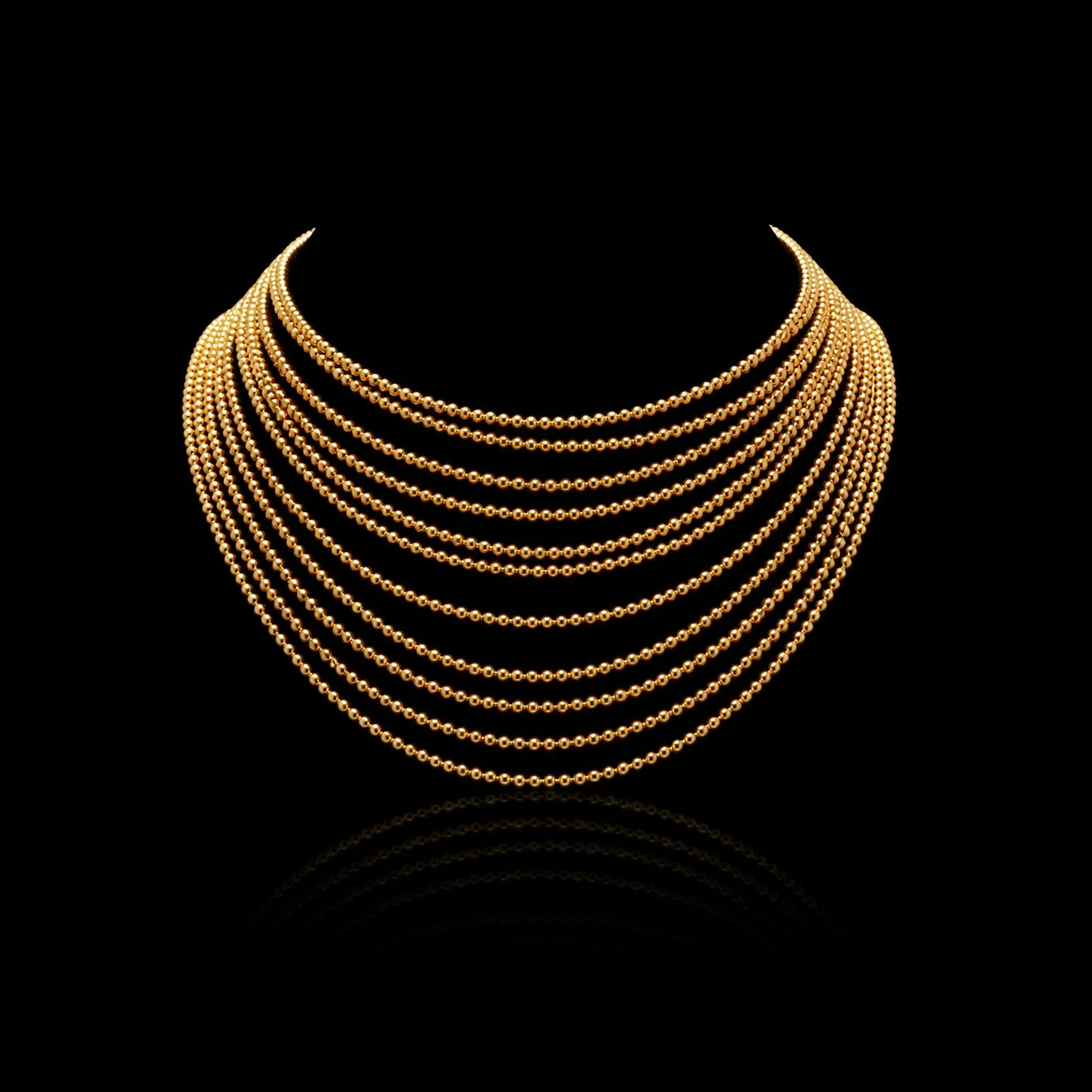
For signed jewellery the original box and invoice confirm the maker and the date of sale, which buyers look for first.
Our Cartier Draperie necklace came with both. See also does designer jewellery hold its value?
Which valuation do you need?
| Your situation | The valuation to ask for |
|---|---|
| Insuring jewellery you will keep | An insurance valuation from a registered valuer |
| Dealing with an estate | A probate (open market) valuation; a selling valuation if the estate will sell |
| Thinking of selling | A free selling valuation, from more than one buyer if you wish (ours takes a few minutes) |
| Dividing jewellery in a divorce or between heirs | An open market valuation agreed by both sides |
| Wanting to know what a stone is | A laboratory report first, then a valuation |
Every piece is different. Send us a few photos and we will tell you what yours is worth to sell, free and with no obligation. Request a free valuation.
Selling by post is insured in transit, at our cost: book a free FedEx collection or see how to sell jewellery by post.
Send us photos for a valuation
- Valuation and appraisal mean the same; ask what the figure is for.
- Insurance: replacement cost, from a registered valuer, renewed every three to five years.
- Probate: open market value at the date of death, for HMRC.
- Selling: what a buyer pays today; free from us, from photographs, with no obligation.
Questions we are asked
What is the difference between a jewellery valuation and an appraisal?
They are the same thing: valuation is the UK word, appraisal the American one. What matters is the purpose. An insurance valuation gives the cost of replacing a piece new, a probate valuation its open market value, and a selling valuation what a buyer will pay you today. The three figures are often different.
Why is my insurance valuation higher than what I am offered?
An insurance valuation is the cost of replacing the piece from a retailer, including the shop's margin, making costs and VAT. A buyer's offer reflects what the piece can be resold for. The two measure different things, so an offer below the insurance figure is normal and does not mean either is wrong.
How often should jewellery be revalued for insurance?
Insurers commonly ask for a new valuation every three to five years, and some want one dated within the last three years. Revalue sooner if gold or platinum prices have moved sharply or you change insurer, because an out of date valuation can leave jewellery underinsured. Check your own policy.
Who can value jewellery for insurance in the UK?
Use a qualified, independent valuer that your insurer accepts. The National Association of Jewellers runs the Institute of Registered Valuers, whose members use the letters MIRV or FIRV, and a gemmology qualification such as the FGA shows the valuer can identify stones. Ask your insurer before booking.
What is a probate valuation of jewellery?
It states the open market value of the jewellery on the date of death, the price a willing buyer would pay, as Inheritance Tax Act 1984 section 160 requires. Executors use it for HMRC. It is usually lower than an insurance valuation, so an old insurance figure should not be used instead.
Is a gemstone certificate the same as a valuation?
No. A laboratory report from GIA, GRS or SSEF identifies and grades a stone, stating its weight, colour, clarity, treatment and sometimes origin, but gives no value. A valuer uses the report, with the metal, maker and condition, to put a figure on the piece.
Can I get my jewellery valued for free?
Yes. Buyers such as Mozeris Fine Antiques give free selling valuations with no obligation to sell. Send photographs of the front, back and any hallmarks or signatures, and we reply usually within one working day. Formal insurance and probate valuations are written by registered valuers, who charge a fee.
Can jewellery be valued from photographs?
A selling valuation can usually be given from clear photographs of the front, back, side and marks, subject to inspection. An insurance valuation needs the valuer to see and test the piece in person, because it must describe every stone and confirm the date the piece was examined.
Want a free selling valuation?
Send photos and any papers. We buy directly, pay the same day after inspection, and have a 5.0 rating on Google.
- Free valuation from photos, within one working day
- Paid the same day after inspection
- Insured in transit, at our cost
- Mayfair and Braintree by appointment
New pieces reach our list first: join the Mozeris list.