Silver Brooches
Antique silver brooches, most of them Victorian: diamond stars, birds, insects and flowers in silver-topped gold, sterling silver brooches set with gems and paste, and pieces by named makers such as Giuliano.
5.0 by our buyers on Google · 4,000+ customers
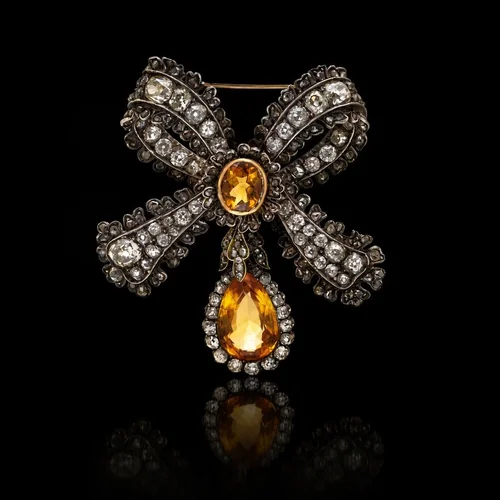
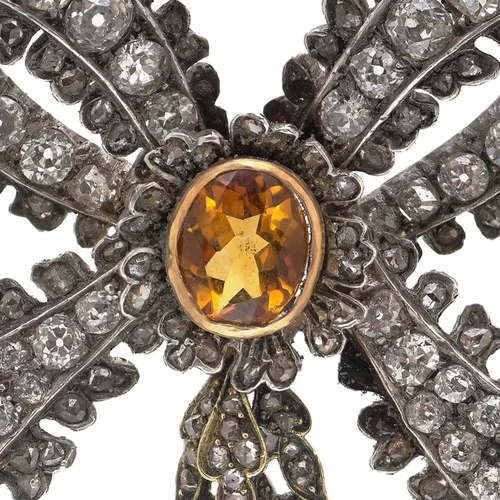 Antique Victorian Diamond and Citrine Bow Brooch, Silver and Gold, Circa 1870£14,950
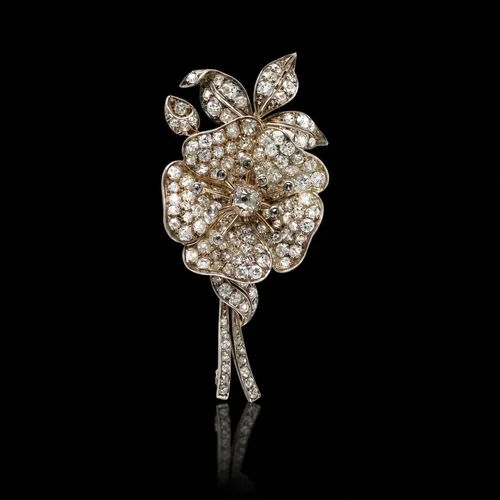
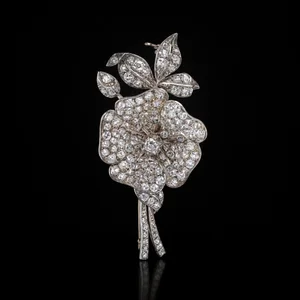
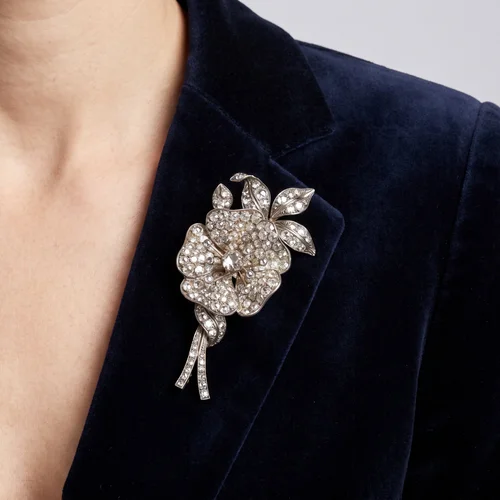 Victorian Diamond En Tremblant Flower Brooch, Silver on 9KT Gold, Boxed£12,950
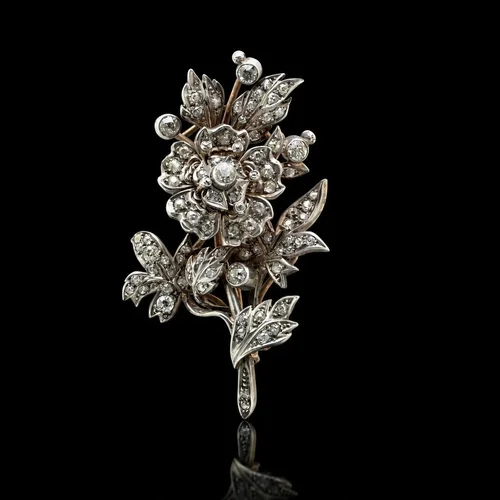
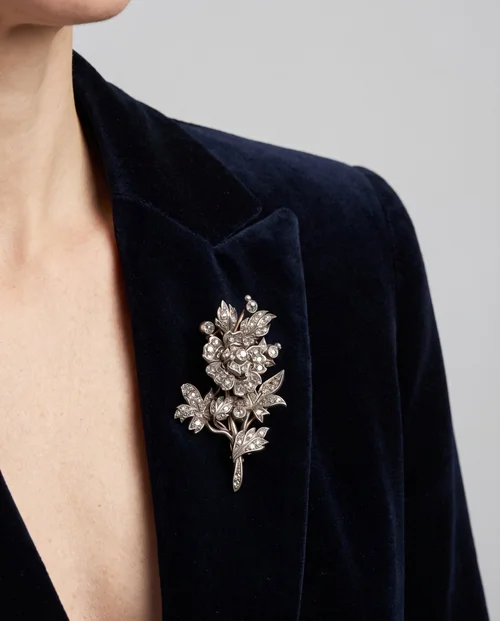 Victorian Diamond En Tremblant Flower Spray Brooch, Silver on 9KT Gold, 3ct£5,850
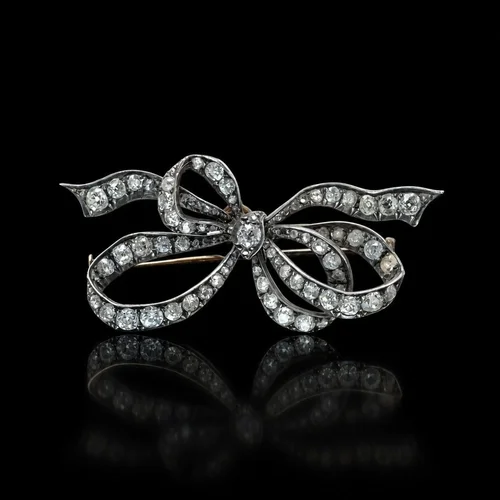
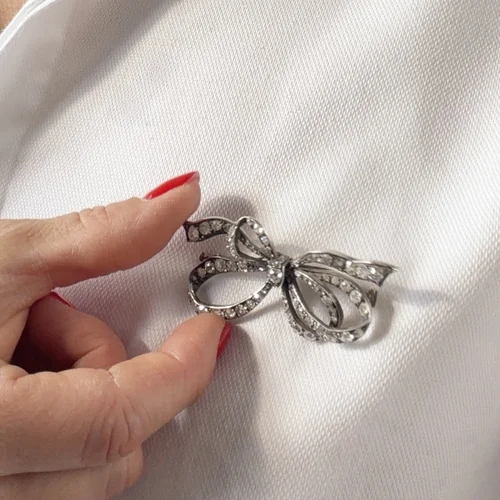 Victorian Old Cut Diamond Ribbon Bow Brooch, 4.00 ct, Silver Upon 9KT Gold£5,950
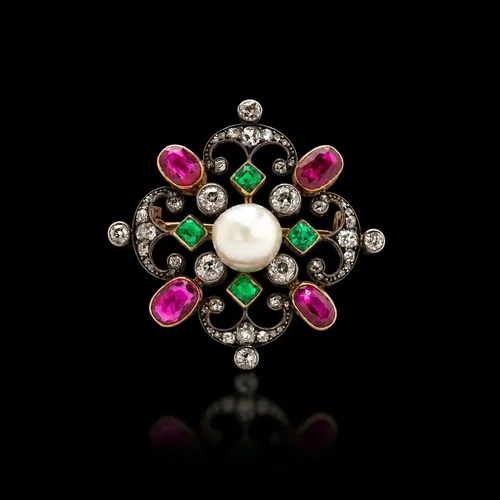
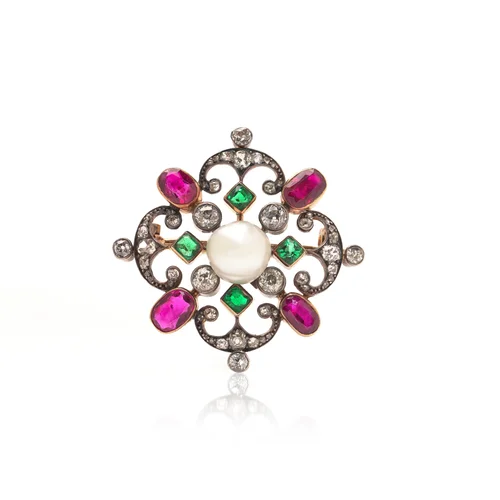 Edwardian Natural Pearl, Ruby, Emerald and Diamond Baroness Issaverdens Brooch£9,850
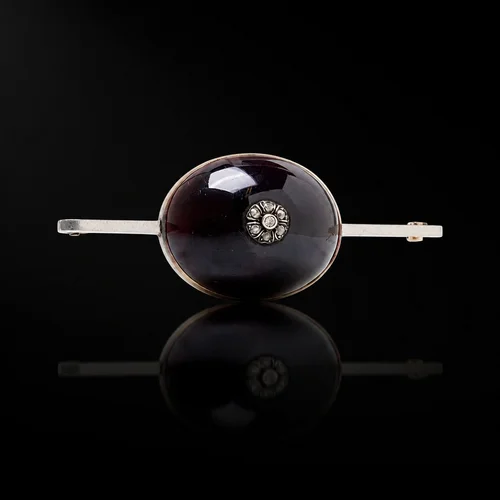
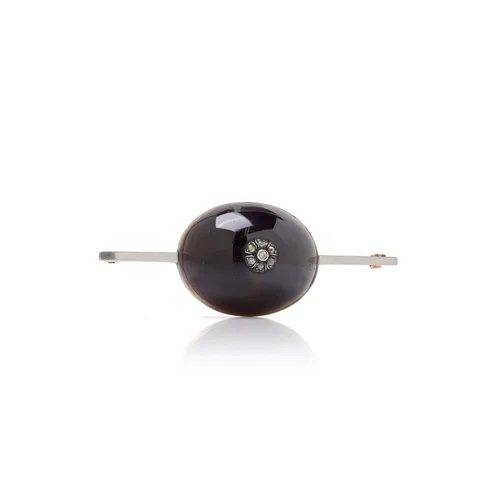 Victorian Gold and Silver Garnet and Diamond Bar Brooch£2,450
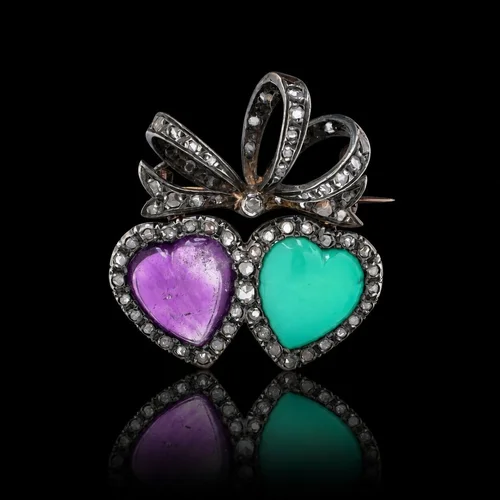
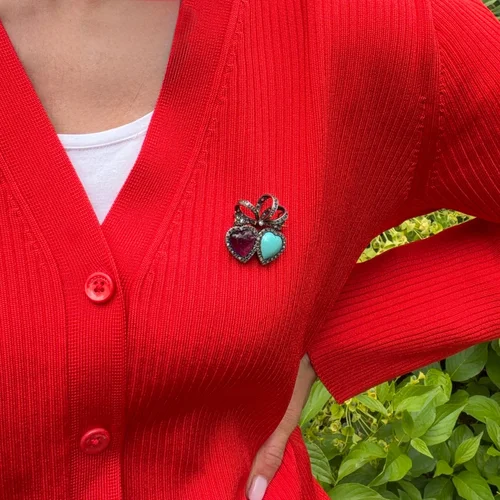 Victorian 9KT Gold and Silver Turquoise, Amethyst and Diamond Double Heart Brooch£6,950
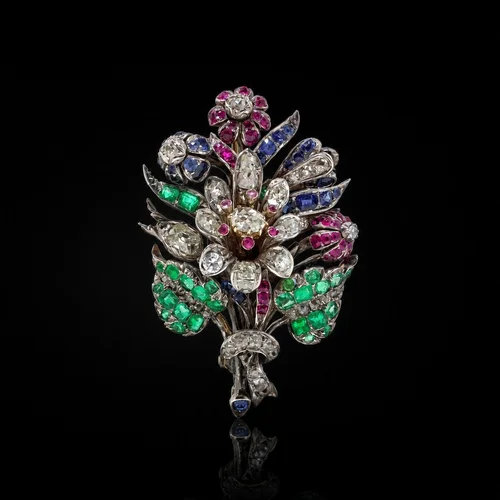
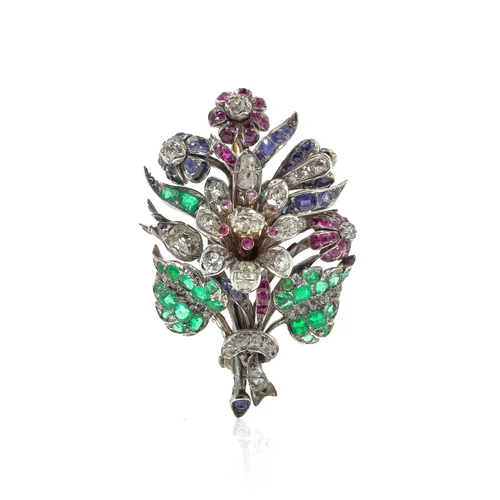 Victorian 9KT Gold and Silver Emerald, Ruby, Sapphire and Diamond Floral Brooch£5,950
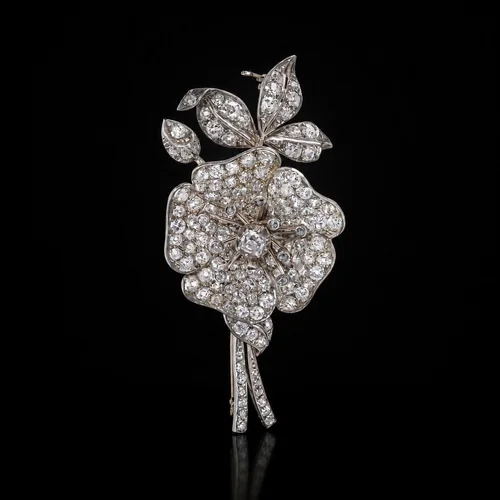
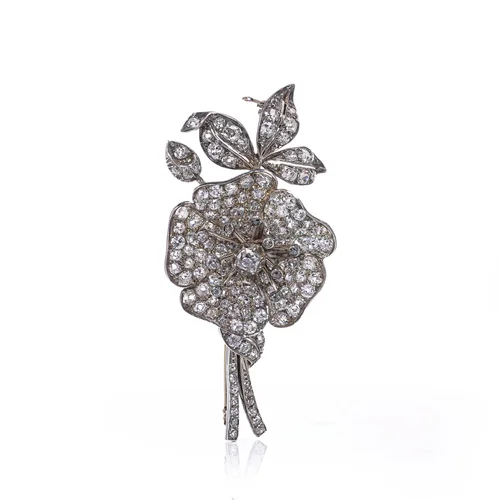 Victorian En Tremblant Diamond Flower Brooch, 5.33 ct, c. 1880s£16,950
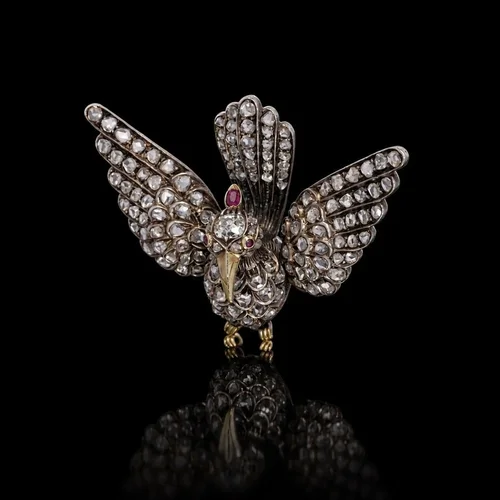
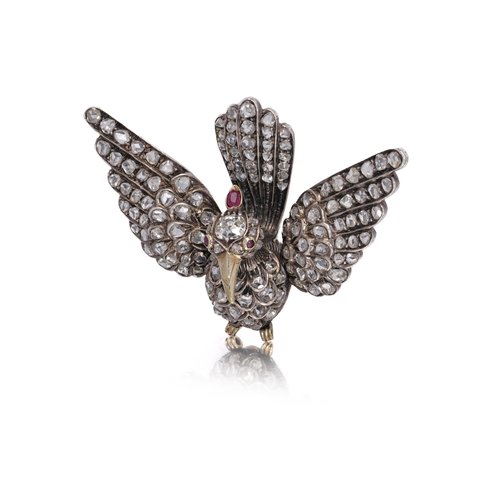 Victorian 12KT Gold and Silver Bird Brooch with Rose Cut Diamonds and Ruby Eyes£6,950
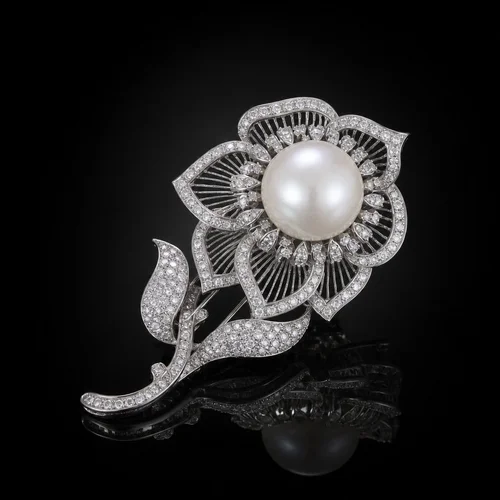
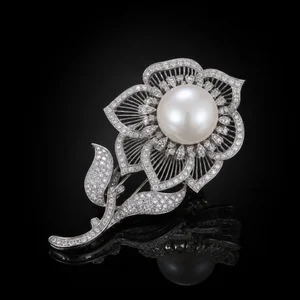
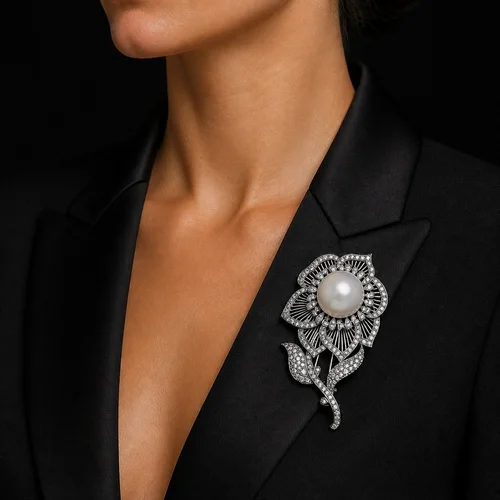 Vintage Natural Pearl and Diamond Flower Brooch, 18KT White Gold, 1970s£24,950
Recently sold
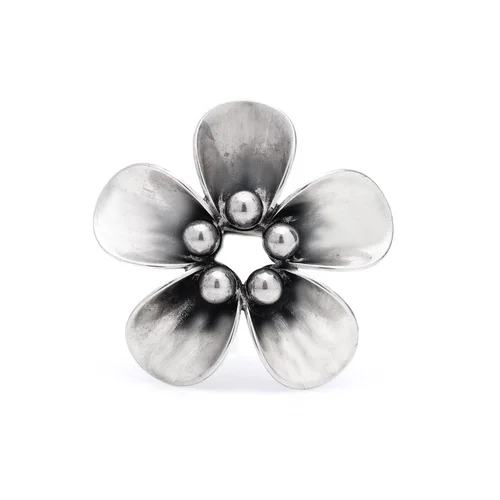 Niels Erik From (N.E. FROM) flower-shaped 925 silver broochSold
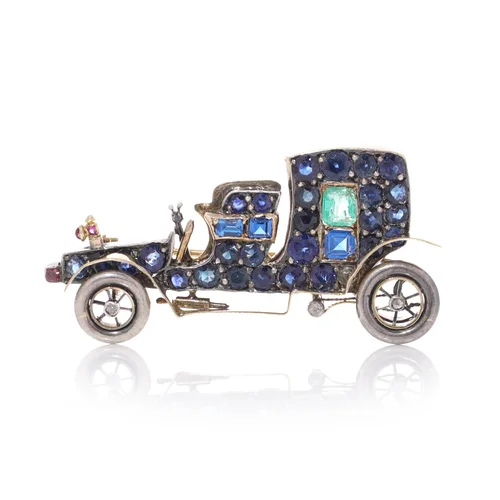 Edwardian 15KT gold and silver car automobile brooch with gemstonesSold
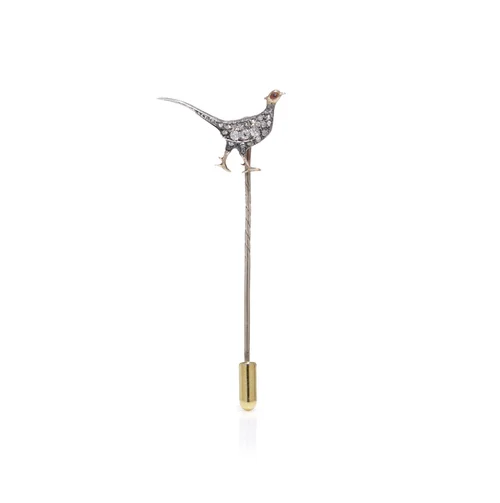 Victorian silver and 9KT gold Pheasant Stick PinSold
Victorian 9KT Gold & Silver Natural Pearl, Ruby & Rose-Cut Diamond Fish Brooch c.1870sSold
Victorian Diamond and Pearl Crown Brooch in 9KT Gold and Silver, Circa 1880sSold
Victorian 9KT Gold and Silver Bird Brooch with Diamonds and PearlsSold
Silver in fine jewellery
Before platinum came into use around 1900, silver was the white metal of fine jewellery. Victorian jewellers set diamonds in silver to make them look white and bright, and backed the silver with gold for strength and to stop it marking clothes. These silver-topped gold brooches are fine jewellery, not costume pieces.
Sterling silver brooches
Silver brooches on their own were made in large numbers from the 1870s, especially in Birmingham and Chester: names, sweetheart and regimental brooches, flowers and birds. Scottish pebble brooches combine silver with agates and other Scottish stones. The Arts and Crafts and Art Nouveau movements produced hand-made silver brooches by makers such as Charles Horner and Liberty.
Silver marks
Sterling silver is 92.5% pure. British silver hallmarks show a lion passant for sterling, the assay office and a date letter. Many small Victorian silver brooches were exempt and carry no mark or only "silver" or "sterling". Continental silver may be 800 or 835.
Marcasite and paste
Marcasite brooches are set with small faceted pieces of pyrite, a metallic mineral, usually in silver. Paste is fine cut glass, used in good quality silver jewellery since the 18th century. Both are legitimate materials and should be described as such.
Tarnish and patina
Silver darkens with age. On silver-topped diamond pieces the dark patina is normal and should not be polished away aggressively, as it can wear the settings.
What to check
Look for worn settings, missing stones, and repairs to the pin and catch. On silver-topped gold, check the silver layer has not worn through to the gold on high points.
Scottish and regional silver brooches
Scottish brooches of the 19th century combine silver with agates, jasper and citrine in Celtic and thistle designs, and were popular with Victorian visitors to the Highlands. Irish and Scottish penannular brooches, a ring with a pin, revive designs over a thousand years old and are still made today.
Questions
How do you clean a silver brooch?
Use a silver polishing cloth on plain silver. Do not dip or soak brooches set with stones, pearls, paste or marcasite, as liquid can loosen stones and damage foils. Leave the patina on silver-topped diamond pieces.
Is sterling silver real silver?
Yes. Sterling silver is 92.5% pure silver mixed with copper for strength. It is the British standard for silver and is marked with a lion passant when fully hallmarked.
What is silver-topped gold?
A Victorian technique in which a piece is made with silver on the front and gold on the back. The silver shows off diamonds as white stones, and the gold adds strength and protects clothing.
What is a marcasite brooch?
A brooch set with small faceted pieces of pyrite, a brassy mineral that sparkles like cut steel. Marcasite was popular in the 1920s and 1930s, usually set in silver.