Victorian Lockets & Necklaces1837–1901
Victorian lockets, necklaces and pendants from 1837 to 1901: gold and silver lockets with glazed compartments for a portrait or a lock of hair, heart lockets engraved with monograms, gold collars and long guard chains, and gem-set and enamel pendants. The Victorian locket, searched more than any other necklace of the period, was the most personal jewel a Victorian could wear. See our antique gold lockets or all Victorian jewellery.
5.0 by our buyers on Google · 4,000+ customers
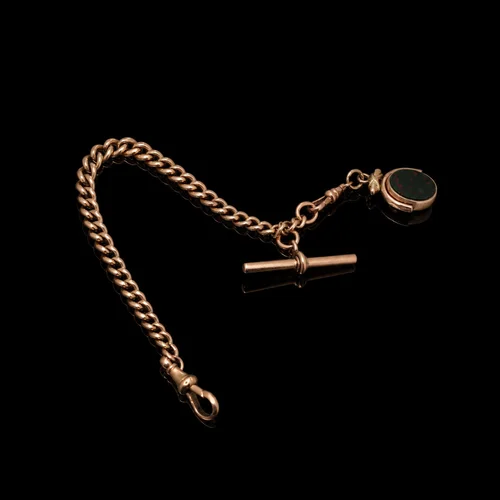
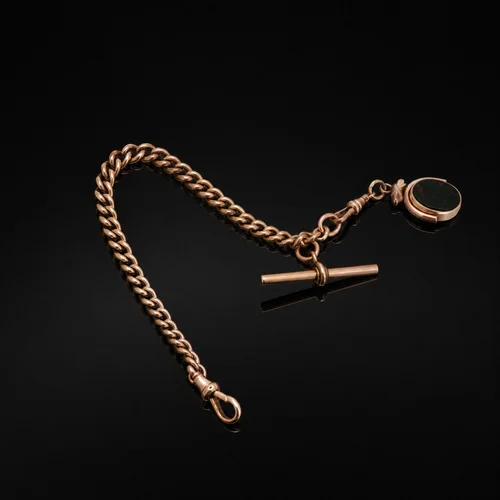 Victorian 9KT Gold Albert Chain Bracelet with Bloodstone and Carnelian Swivel Fob£2,350
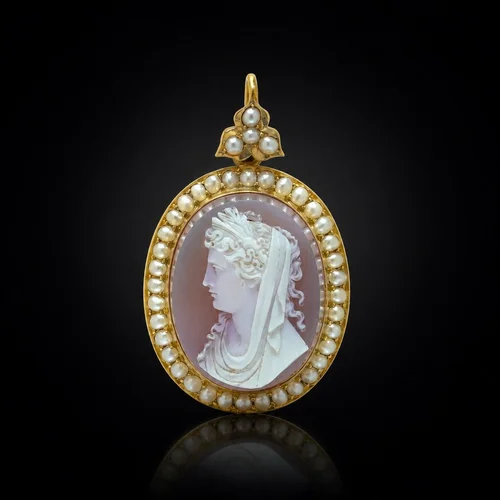
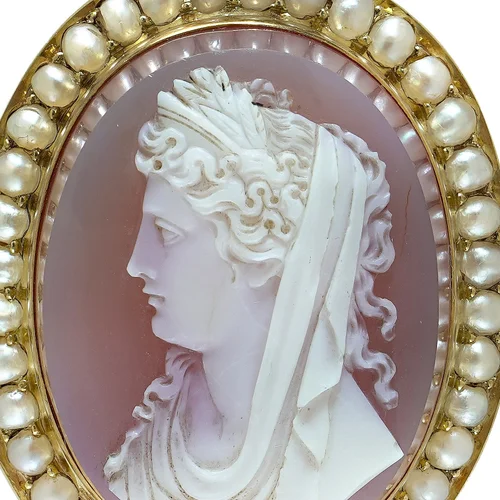 19th Century 20KT Gold Carnelian Cameo and Pearl Pendant Locket£3,850
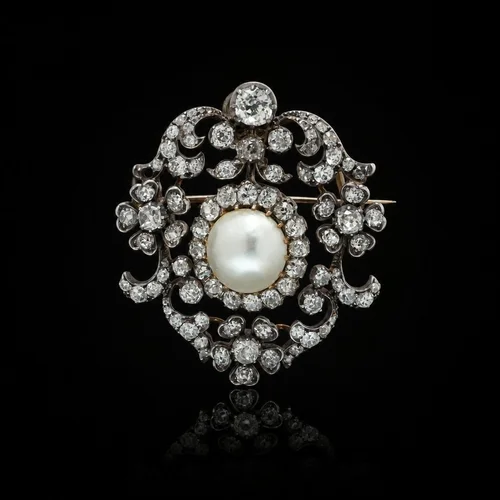
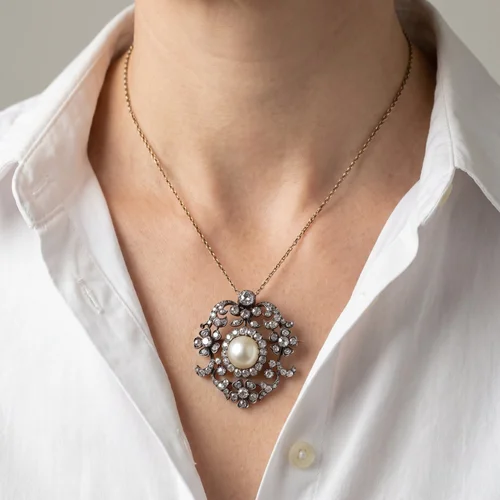 Victorian Natural Pearl and Diamond Brooch Pendant£7,950
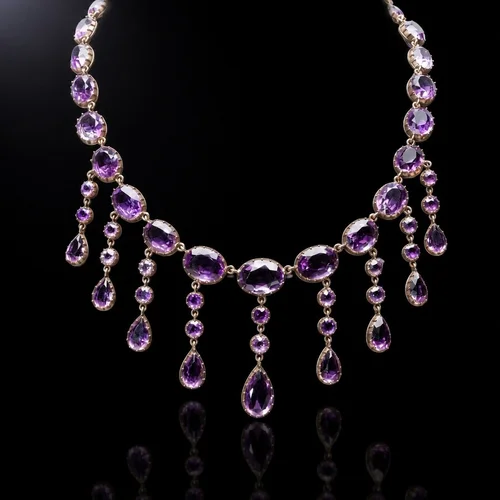
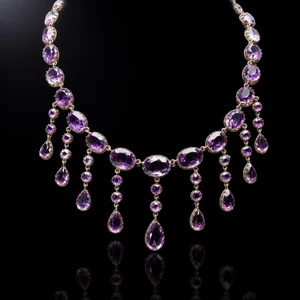
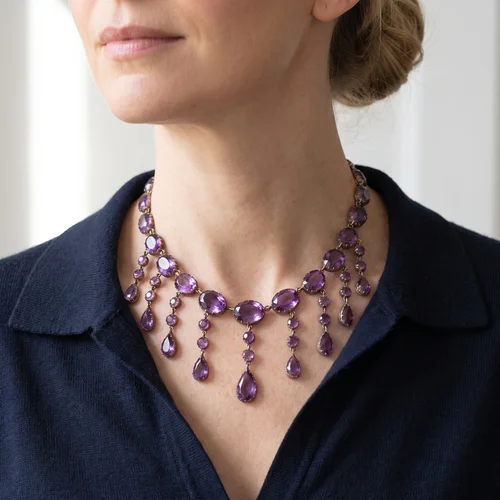 Victorian Amethyst Fringe Necklace, 9KT Gold, Approx. 130 ct, Circa 1880£11,950
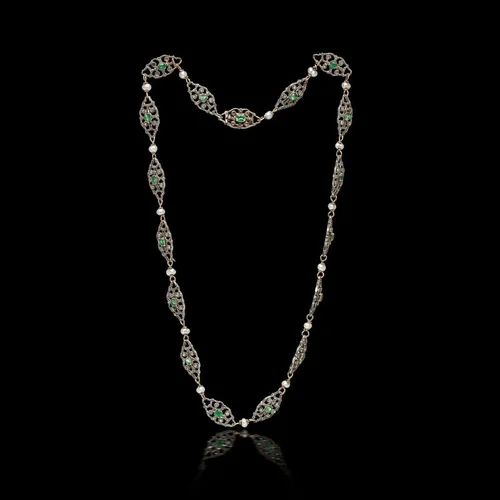
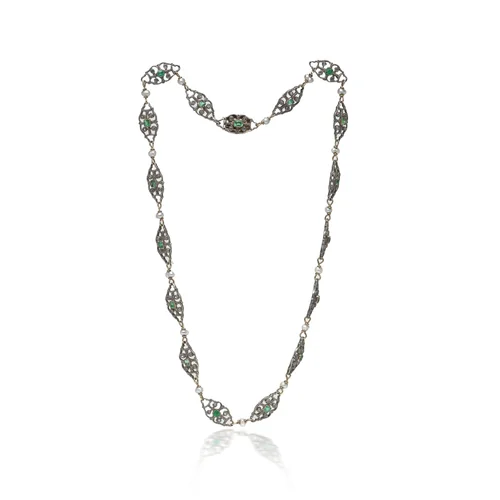 Antique Emerald, Diamond & Pearl Necklace, Silver and Gold£4,950
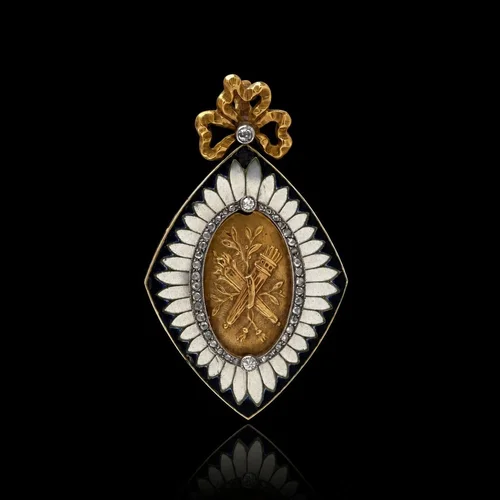
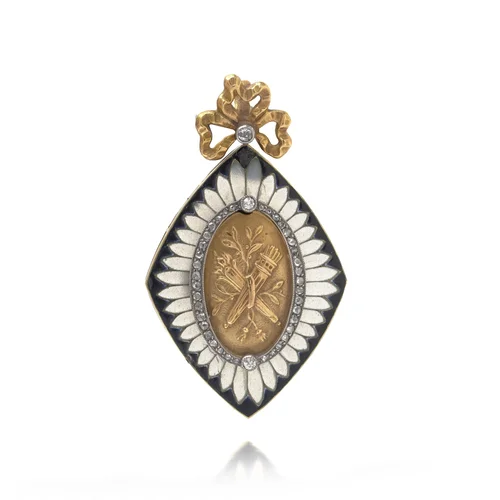 Victorian 18KT Gold Diamond and Enamel Sentimental Locket Pendant in Original Box£5,950
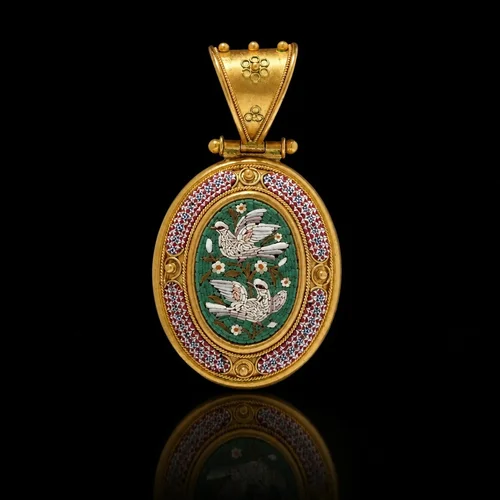
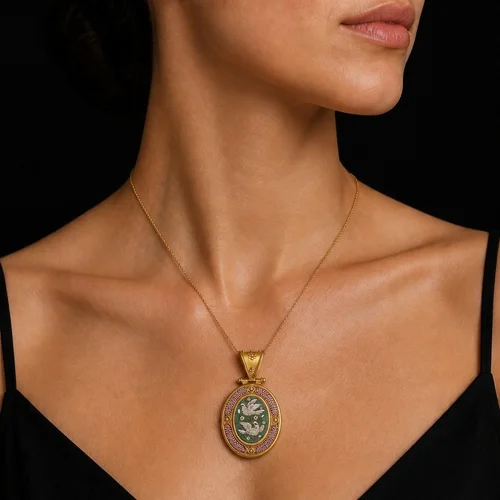 Antique 19th Century 23KT Gold Micromosaic Mourning Pendant£4,950
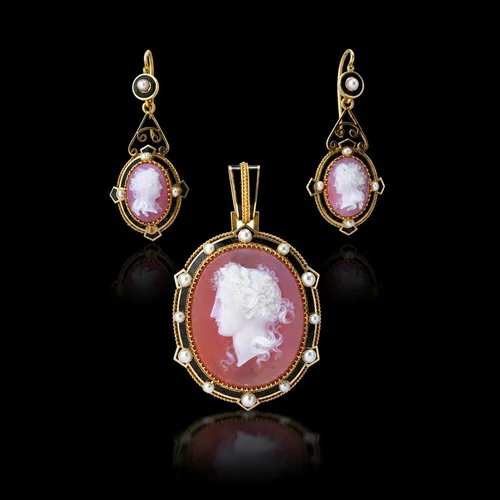
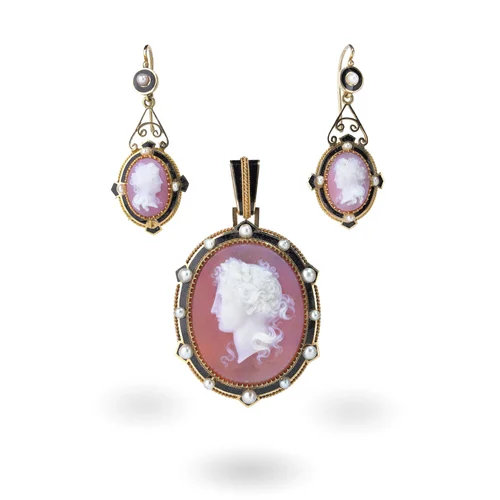 Victorian Carnelian Cameo Pendant and Earrings Suite in 18KT Gold£6,875
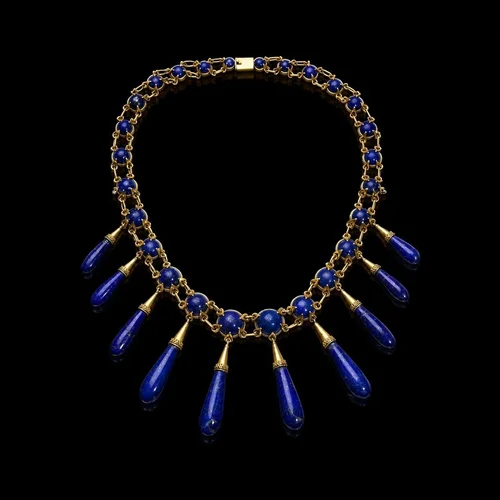
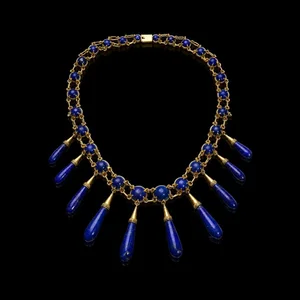
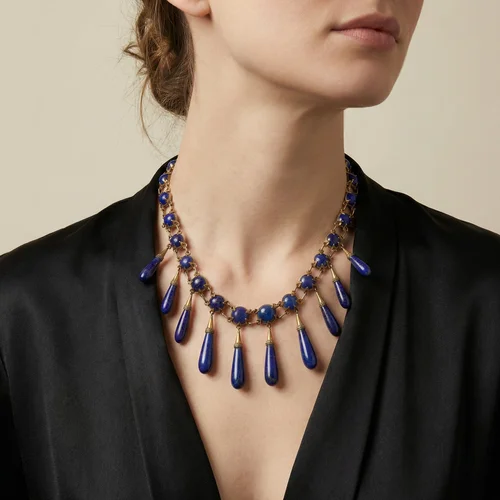 Victorian 15KT Gold Natural Lapis Lazuli Fringe Necklace£12,985
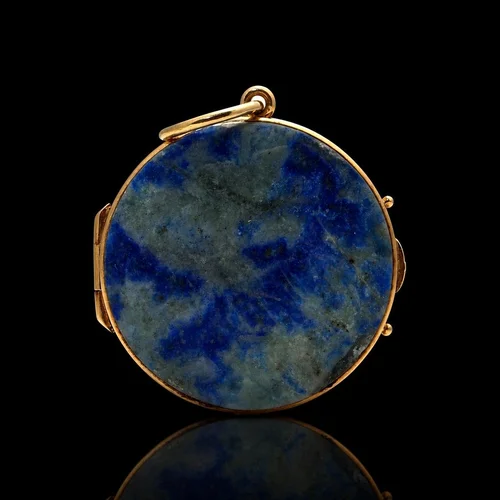
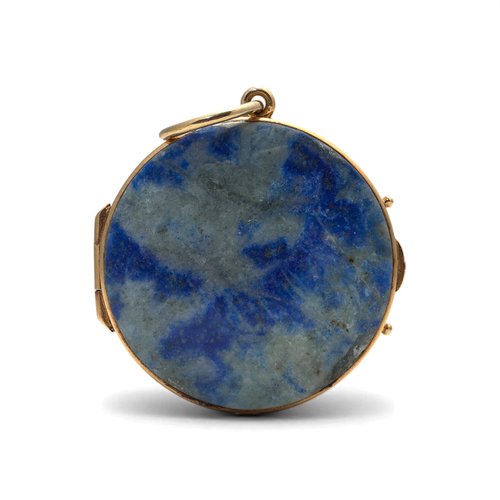 Antique 18KT Gold Lapis Lazuli Religious Icon Locket Pendant£2,985
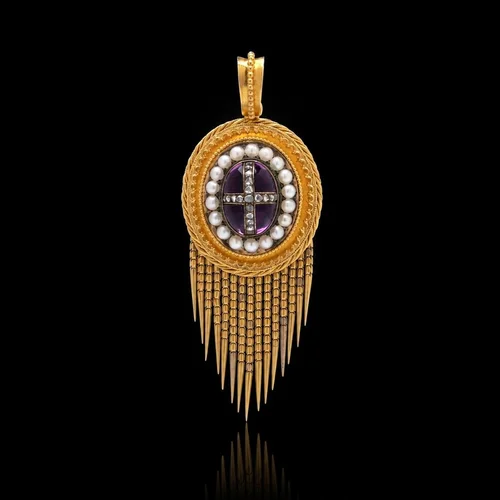
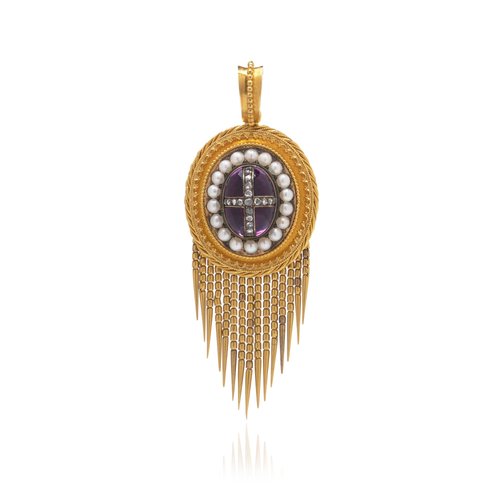 Victorian 21KT Gold Amethyst, Pearl and Diamond Pendant£6,995
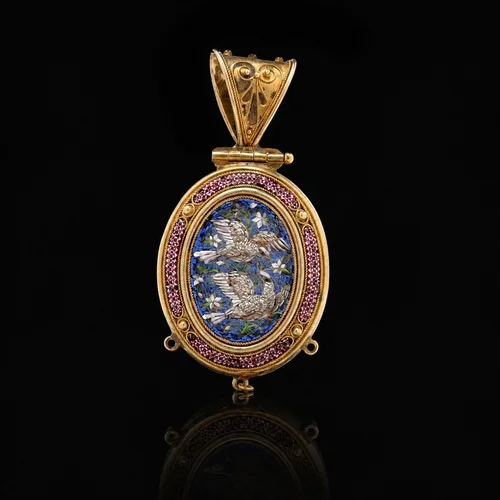
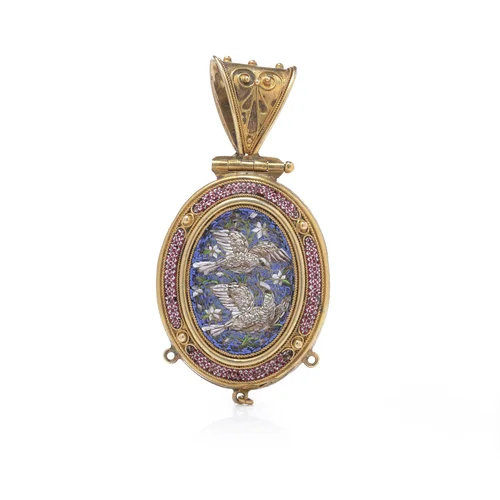 Italian 21KT Gold Micro Mosaic Dove Locket, 19th Century£8,995
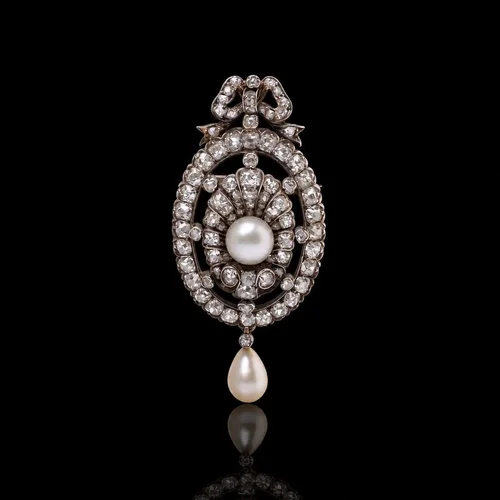
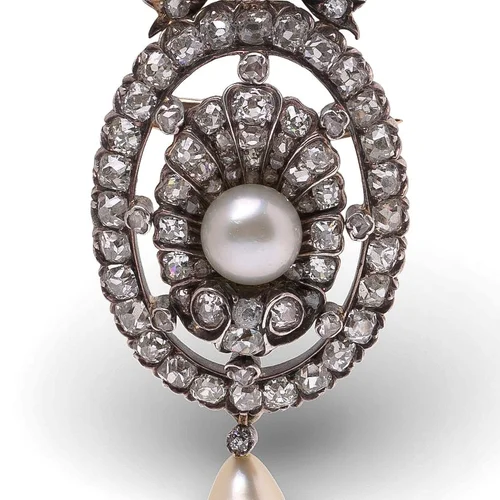 Victorian 15KT Gold & Silver Diamond and Pearl Pendant£9,850
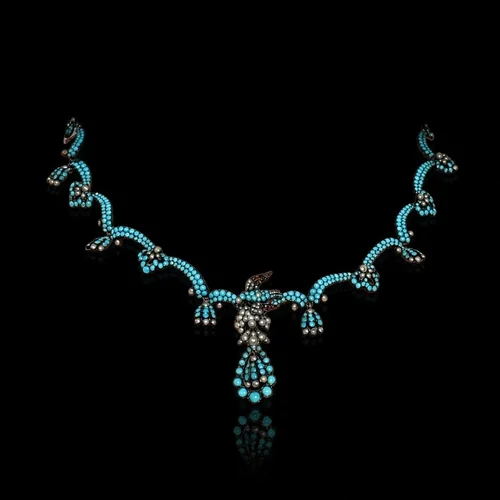
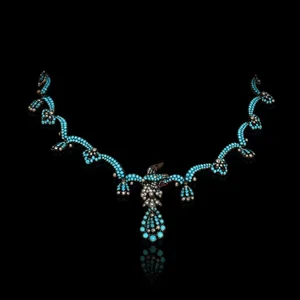
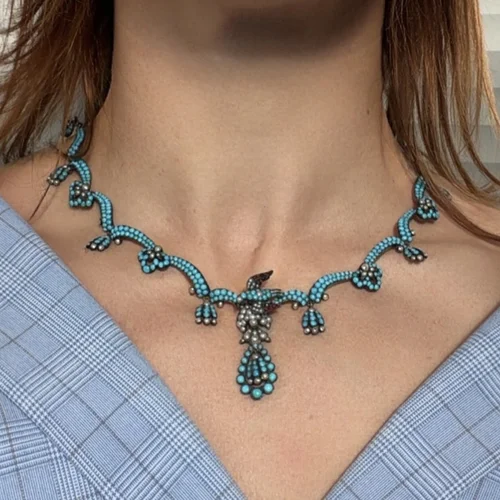 Victorian Natural Turquoise & Pearl Necklace, Circa 1860£19,850
Recently sold
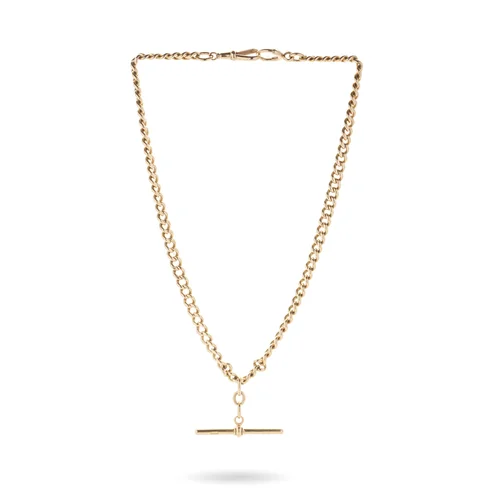 Victorian 18KT Gold Albert ChainSold
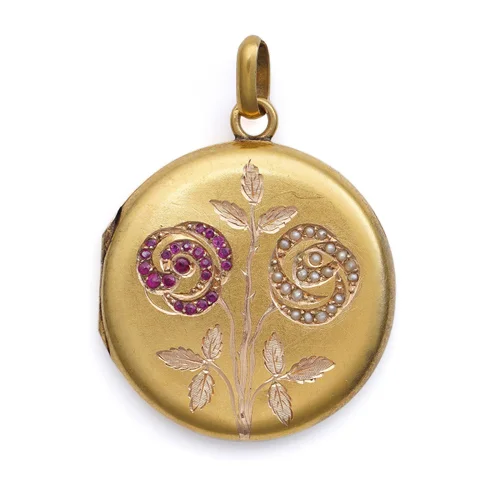 Victorian 21KT gold double photo locketSold
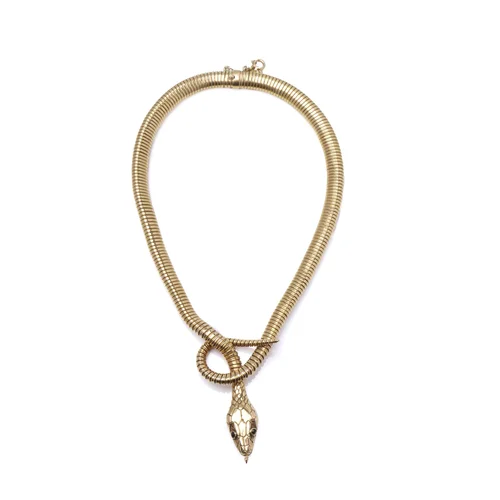 Victorian 19.2KT yellow gold snake NecklaceSold
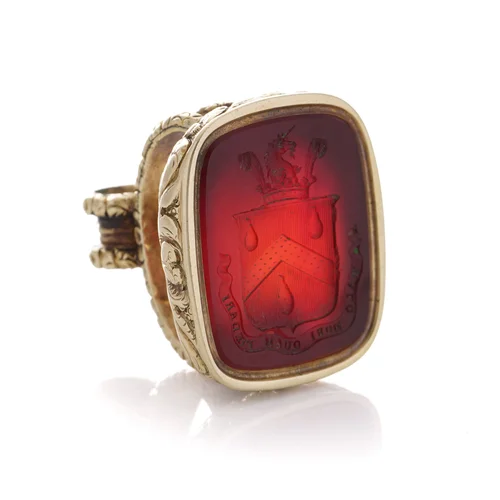 Victorian 15.kt gold seal fob pendant with Latin phrase ' I would rather die than be disgraced'Sold
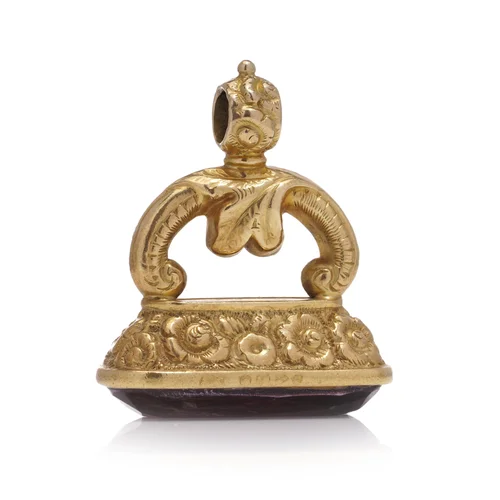 Victorian 18KT Gold Amethyst Seal Fob PendantSold
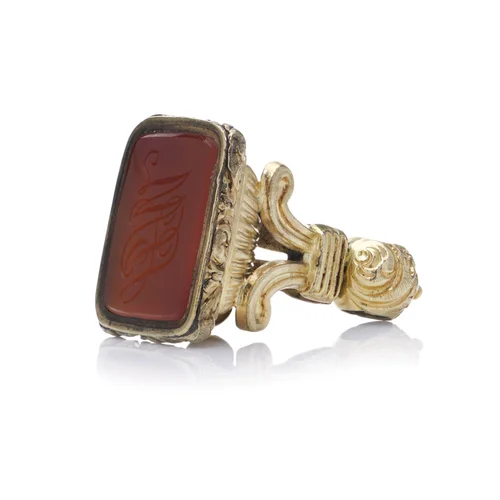 Victorian pinchbeck carnelian Seal Fob PendantSold
Questions
How can you identify Victorian jewellery?
Look for hand-made construction, high-carat gold, box clasps and hook fittings, rose-cut and old mine-cut diamonds, and period motifs such as snakes, hearts, stars and forget-me-nots. A British hallmark with a date letter between 1837 and 1901 is the clearest proof, but many pieces are unmarked.
What is a Victorian necklace?
A necklace made during Queen Victoria's reign, from 1837 to 1901. The term covers gold chains and fringe necklaces, gem-set necklaces, cameo and locket pendants, and mourning jewellery made after 1861.
What is Victorian jewellery made of?
Mostly gold, from 9KT to 22KT, with silver used for setting diamonds. Popular materials include diamonds, natural pearls, garnet, amethyst, turquoise, coral, lapis lazuli, jet, enamel, shell and hardstone cameos, and human hair in mourning pieces.
What does Victorian mourning jewellery contain?
Mourning necklaces and pendants often hold a lock of the deceased's hair behind glass, sometimes woven into a pattern, with an engraved name and date on the back. They are typically made of jet, black enamel, onyx or gold.