Guide · Old British coins

Proof Coin Sets and Uncirculated Coins: What They Are and What They Are Worth

A guide to the year sets and cased coins that fill drawers after decades of Royal Mint and US Mint issues: what each finish means and which sets are worth more than face value.

By the Mozeris specialistsUpdated 4 min read

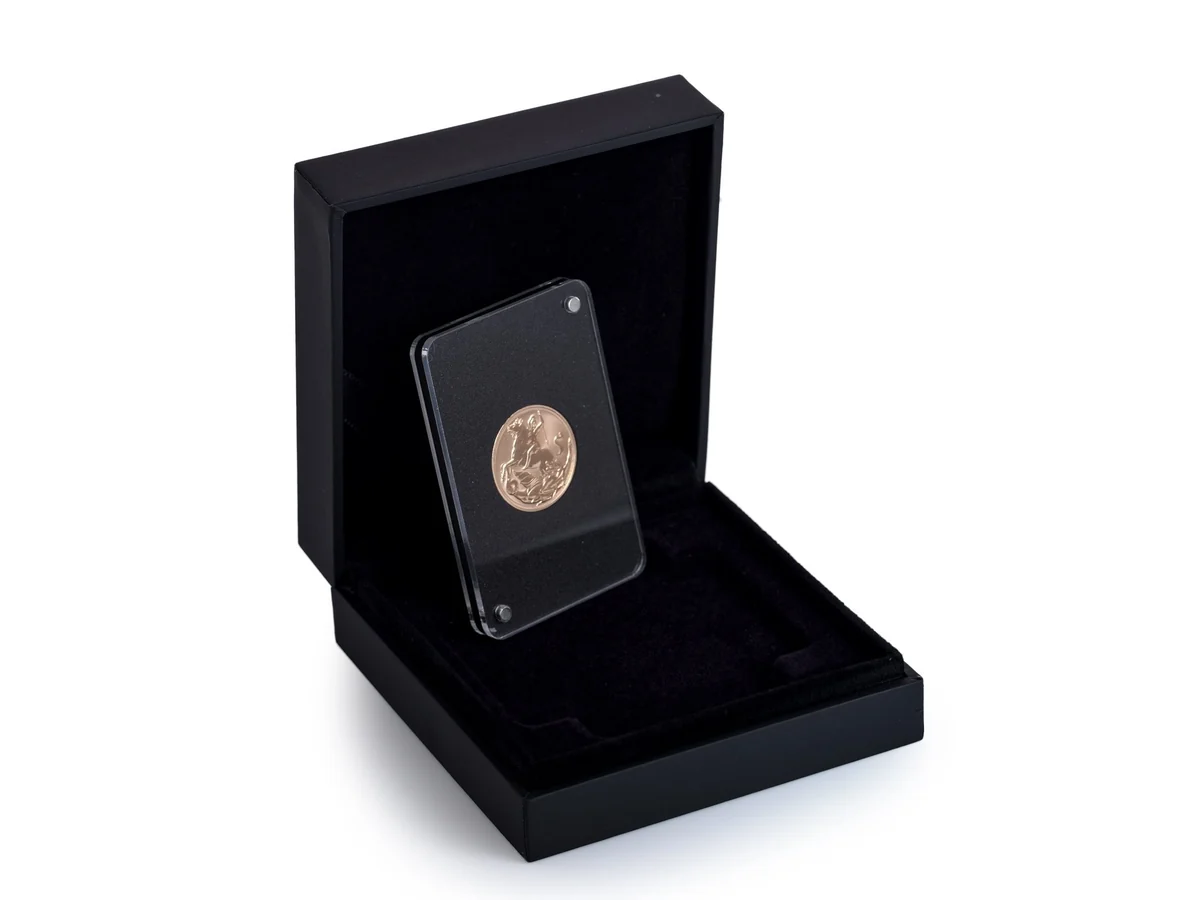
A 2017 reverse proof gold sovereign, Gibraltar issue, in its capsule inside an open black presentation case
A proof gold sovereign in its capsule and case, from our collection

The short answer

Proof coins are struck specially for collectors from polished dies on polished blanks, often more than once, giving mirror-like fields and frosted, sharp designs. They are sold in capsules, cases or sets with certificates. Proof describes how a coin was made, not its condition, and proofs mark easily if handled.
  • A proof is struck from polished dies for a mirror finish; it is a method, not a grade.
  • Base-metal proof and BU year sets are common; silver and gold proofs carry metal value.
  • Keep sets sealed in their original packaging with certificates.

What are proof coins?

Proof coins are struck specially for collectors from polished dies on polished blanks, often more than once, giving mirror-like fields and frosted, sharp designs. They are sold in capsules, cases or sets with certificates. Proof describes how a coin was made, not its condition, and proofs mark easily if handled.

A 2017 reverse proof gold sovereign, Gibraltar issue, in its capsule inside an open black presentation case
A proof gold sovereign in its capsule and case, from our collection

Cased proofs

A proof coin in its original capsule and case, with its certificate, is how collectors want to buy it.

What is a reverse proof?

A reverse proof inverts the usual proof finish: the fields are frosted and the design is mirror bright. The Royal Mint has issued reverse proof sovereigns and other coins for collectors in limited numbers. Like other proofs, they are valued in their original packaging.
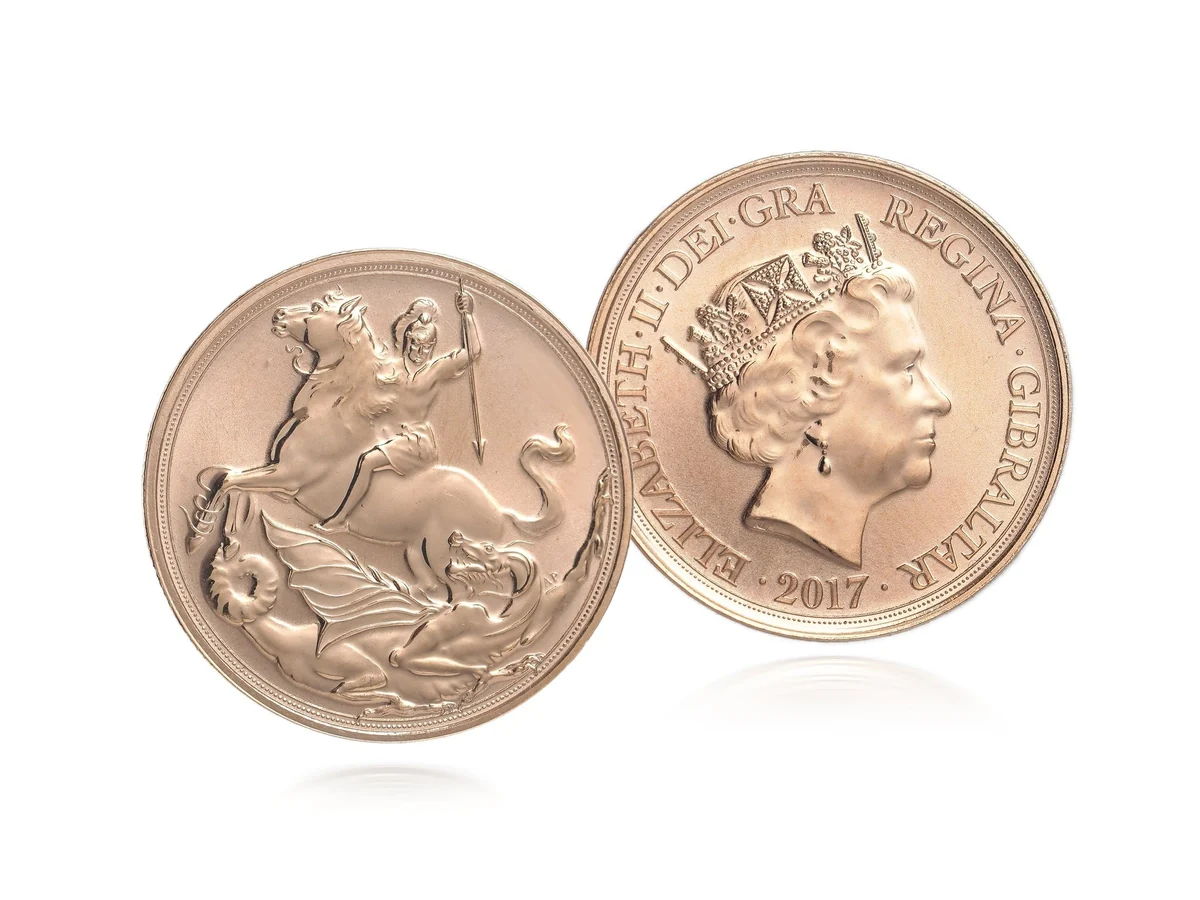
Both sides of a 2017 reverse proof gold sovereign, Gibraltar issue: St George and the dragon, and the portrait with the legend ending GIBRALTAR
Both sides of a 2017 reverse proof gold sovereign, from our collection

Reverse proof sovereign

On this 2017 reverse proof sovereign the design shines against frosted fields, the opposite of a normal proof.

Are proof coin sets worth anything?

Most base-metal proof sets, such as Royal Mint year sets from the 1970s onwards, were made in large numbers and are worth only a little more than face value. Silver and gold proof sets carry their metal value and more, and low-mintage or historic sets are sought by collectors. Condition and packaging matter.

Send us photos for a free valuation

Are proof coin sets silver?

Some are. Royal Mint silver proof sets and silver proof single coins are sterling or fine silver, and United States silver proof sets, as well as US proof sets dated 1964 and earlier, contain 90% silver coins. Standard base-metal proof sets contain no silver. The box, certificate and coin inscriptions tell you which.

What coins are in a proof set?

A proof set contains one proof example of each coin issued that year. A Royal Mint annual proof set holds the circulating denominations, from the 1p to the two pound coin, often with the year's commemorative coins. United States proof sets hold the cent, nickel, dime, quarter and half dollar, and sometimes the dollar.

British coins in stock

Shop all 10
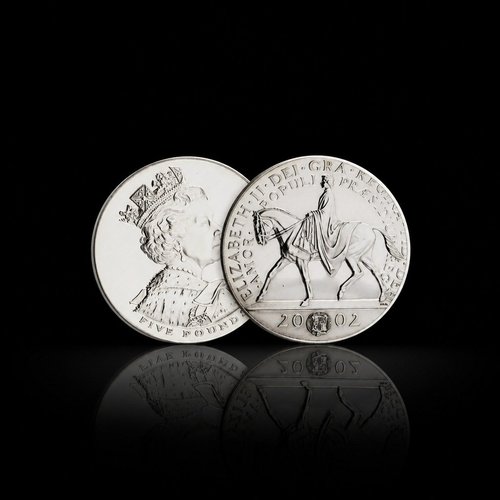
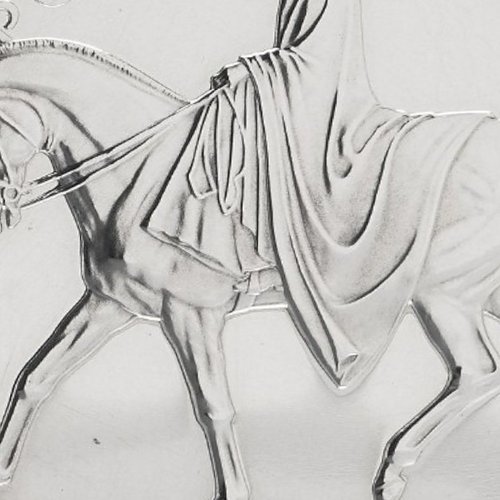
Do proof coin sets increase in value?

Rarely, for modern base-metal sets, which were made in large numbers and often sell for less than their issue price. Silver and gold proofs follow their metal prices as well as collector demand, and historic or low-mintage sets can rise over time. Proof sets are best bought for enjoyment, not as an investment.

How do I open a proof coin set?

It is best not to. Opening a sealed proof set or taking coins out of their capsules exposes them to fingerprints, air and scratches, and removes the packaging collectors pay for, which lowers value. If a coin must be handled, wear cotton gloves and hold it by the edge only.

What does uncirculated mean on a coin?

Uncirculated means a coin has never been used in change, so it shows no wear, though it may have small marks from contact with other coins at the mint. Brilliant uncirculated, or BU, is a better finish sold in packs, struck with care and showing full mint lustre. Proof is a higher finish again.

Are uncirculated coins worth more than circulated ones?

Yes, for collectors: an uncirculated coin is worth more than a worn example of the same coin, sometimes much more for older dates. For modern coins struck in millions, the difference is small. Rare dates in uncirculated condition, with full lustre and no marks, command the highest prices.

Can you spend uncirculated coins?

Yes. Uncirculated and brilliant uncirculated coins of current denominations are legal tender for their face value, but spending them gives up any collector value and the pack. Commemorative five pound coins are legal tender but rarely accepted in shops. Sell or keep them instead.

How should I store proof and uncirculated coins?

Keep them in their original capsules, packs and boxes, somewhere dry and at a steady temperature, away from damp, sunlight and household chemicals. Avoid soft PVC holders, which leave residue. Keep certificates with their coins, because sets without them are worth less.
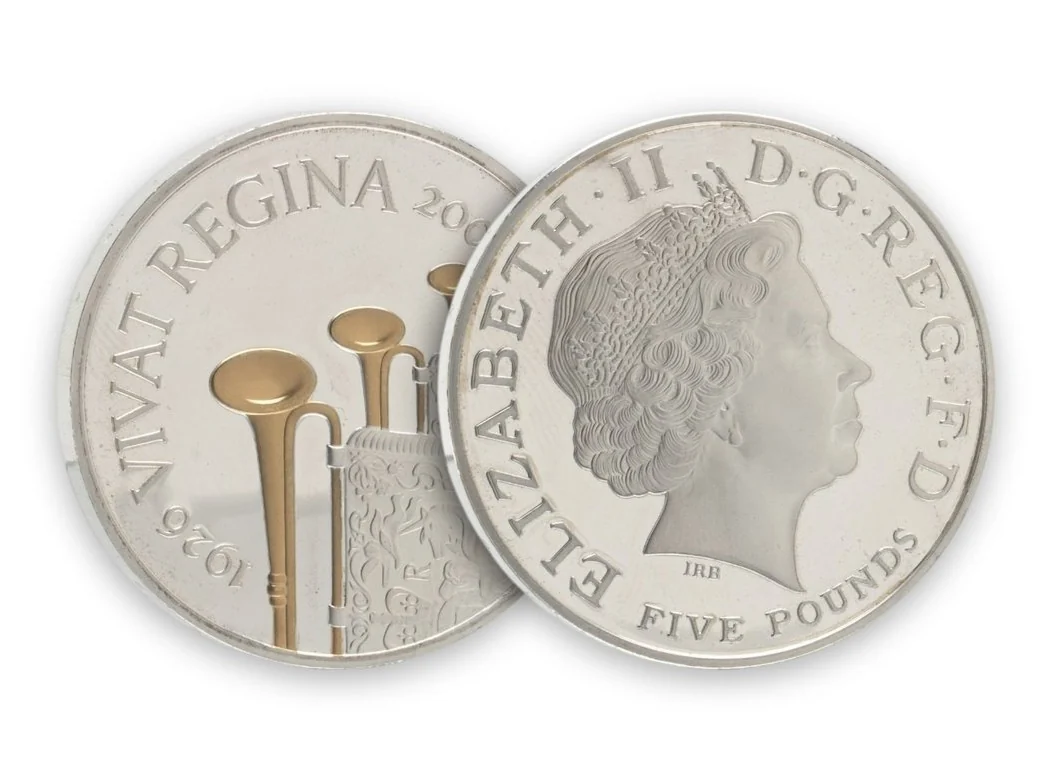
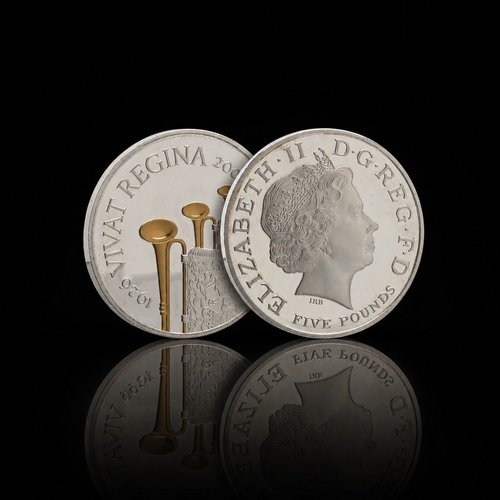
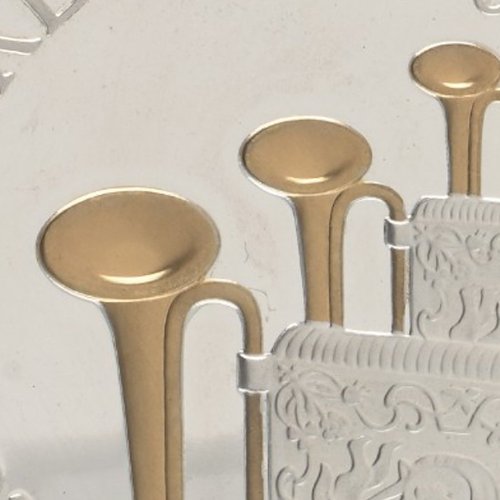
Both sides of a 2006 silver piedfort proof five pound coin with gold-plated trumpets on the reverse
A 2006 silver piedfort proof five pound coin, from our collection

Piedfort proofs

Piedforts, proofs struck on double thickness blanks, are among the most collected Royal Mint silver issues.

What is the 1986 Liberty coin set?

The 1986 United States Statue of Liberty commemorative coins marked the statue's centenary: a clad half dollar, a 90% silver dollar and a gold five dollar coin, sold in proof and uncirculated versions. The silver and gold coins carry their metal value; the half dollar is base metal.

How do I sell proof coin sets?

Photograph each set closed and open, with its certificate, and send the photos for a free valuation. Gold and silver proofs and better sets are worth selling individually; common base-metal sets sell best as a collection. We buy gold and silver proofs and sets, pay the same day by bank transfer, and offer insured postage.
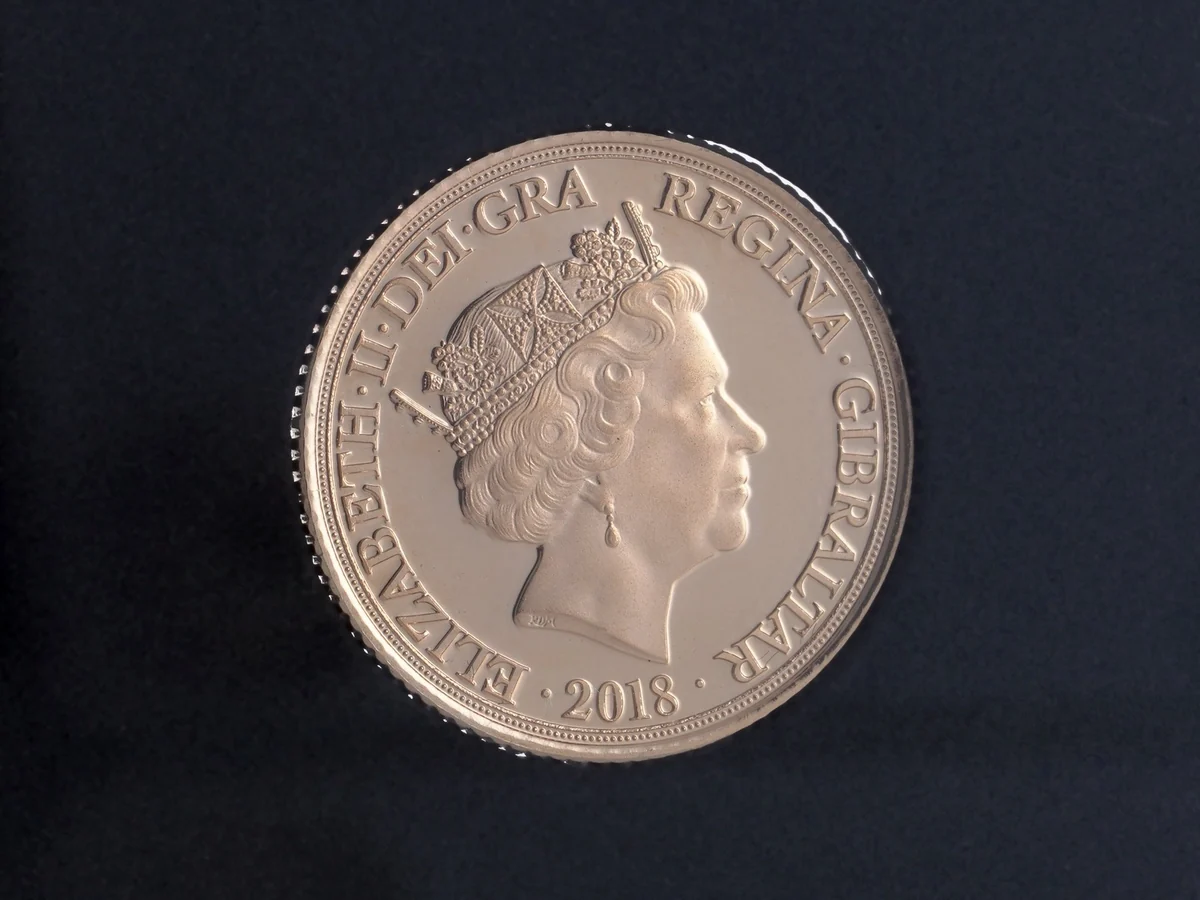
The portrait side of a 2018 proof half sovereign, Gibraltar issue, with the legend ending GIBRALTAR and the date 2018
A 2018 proof half sovereign, from our collection

Gold proofs

Gold proof sovereigns and half sovereigns, like this 2018 half sovereign, carry their gold value as well as collector value.

Free valuation

Every piece is different. Send us a few photos and we will tell you what yours is worth, free and with no obligation. Request a free valuation.

Request a free valuation

Browse our proof coins and sets in stock; or, if you are selling, sell proof coin sets with a free valuation from photographs.

Sources

Questions

What are proof coins?

Proof coins are struck specially for collectors from polished dies on polished blanks, often more than once, giving mirror-like fields and frosted, sharp designs. They are sold in capsules, cases or sets with certificates. Proof describes how a coin was made, not its condition, and proofs mark easily if handled.

What is a reverse proof?

A reverse proof inverts the usual proof finish: the fields are frosted and the design is mirror bright. The Royal Mint has issued reverse proof sovereigns and other coins for collectors in limited numbers. Like other proofs, they are valued in their original packaging.

Are proof coin sets worth anything?

Most base-metal proof sets, such as Royal Mint year sets from the 1970s onwards, were made in large numbers and are worth only a little more than face value. Silver and gold proof sets carry their metal value and more, and low-mintage or historic sets are sought by collectors. Condition and packaging matter.

Are proof coin sets silver?

Some are. Royal Mint silver proof sets and silver proof single coins are sterling or fine silver, and United States silver proof sets, as well as US proof sets dated 1964 and earlier, contain 90% silver coins. Standard base-metal proof sets contain no silver. The box, certificate and coin inscriptions tell you which.

What coins are in a proof set?

A proof set contains one proof example of each coin issued that year. A Royal Mint annual proof set holds the circulating denominations, from the 1p to the two pound coin, often with the year's commemorative coins. United States proof sets hold the cent, nickel, dime, quarter and half dollar, and sometimes the dollar.

Do proof coin sets increase in value?

Rarely, for modern base-metal sets, which were made in large numbers and often sell for less than their issue price. Silver and gold proofs follow their metal prices as well as collector demand, and historic or low-mintage sets can rise over time. Proof sets are best bought for enjoyment, not as an investment.

How do I open a proof coin set?

It is best not to. Opening a sealed proof set or taking coins out of their capsules exposes them to fingerprints, air and scratches, and removes the packaging collectors pay for, which lowers value. If a coin must be handled, wear cotton gloves and hold it by the edge only.

What does uncirculated mean on a coin?

Uncirculated means a coin has never been used in change, so it shows no wear, though it may have small marks from contact with other coins at the mint. Brilliant uncirculated, or BU, is a better finish sold in packs, struck with care and showing full mint lustre. Proof is a higher finish again.

Are uncirculated coins worth more than circulated ones?

Yes, for collectors: an uncirculated coin is worth more than a worn example of the same coin, sometimes much more for older dates. For modern coins struck in millions, the difference is small. Rare dates in uncirculated condition, with full lustre and no marks, command the highest prices.

Can you spend uncirculated coins?

Yes. Uncirculated and brilliant uncirculated coins of current denominations are legal tender for their face value, but spending them gives up any collector value and the pack. Commemorative five pound coins are legal tender but rarely accepted in shops. Sell or keep them instead.

How should I store proof and uncirculated coins?

Keep them in their original capsules, packs and boxes, somewhere dry and at a steady temperature, away from damp, sunlight and household chemicals. Avoid soft PVC holders, which leave residue. Keep certificates with their coins, because sets without them are worth less.

What is the 1986 Liberty coin set?

The 1986 United States Statue of Liberty commemorative coins marked the statue's centenary: a clad half dollar, a 90% silver dollar and a gold five dollar coin, sold in proof and uncirculated versions. The silver and gold coins carry their metal value; the half dollar is base metal.

How do I sell proof coin sets?

Photograph each set closed and open, with its certificate, and send the photos for a free valuation. Gold and silver proofs and better sets are worth selling individually; common base-metal sets sell best as a collection. We buy gold and silver proofs and sets, pay the same day by bank transfer, and offer insured postage.

Who buys proof coin sets?

Coin dealers, auction houses and collectors buy proof sets. Dealers pay most readily for silver and gold proofs and historic sets; common modern base-metal sets have a small market. We buy gold and silver proofs, sovereign sets and collections, and value them free from photos.

What are enhanced uncirculated coins?

Enhanced uncirculated is a United States Mint finish that combines frosted and brilliant areas on an uncirculated coin to highlight parts of the design, used on some special sets and silver Eagles. It sits between standard uncirculated and proof finishes.