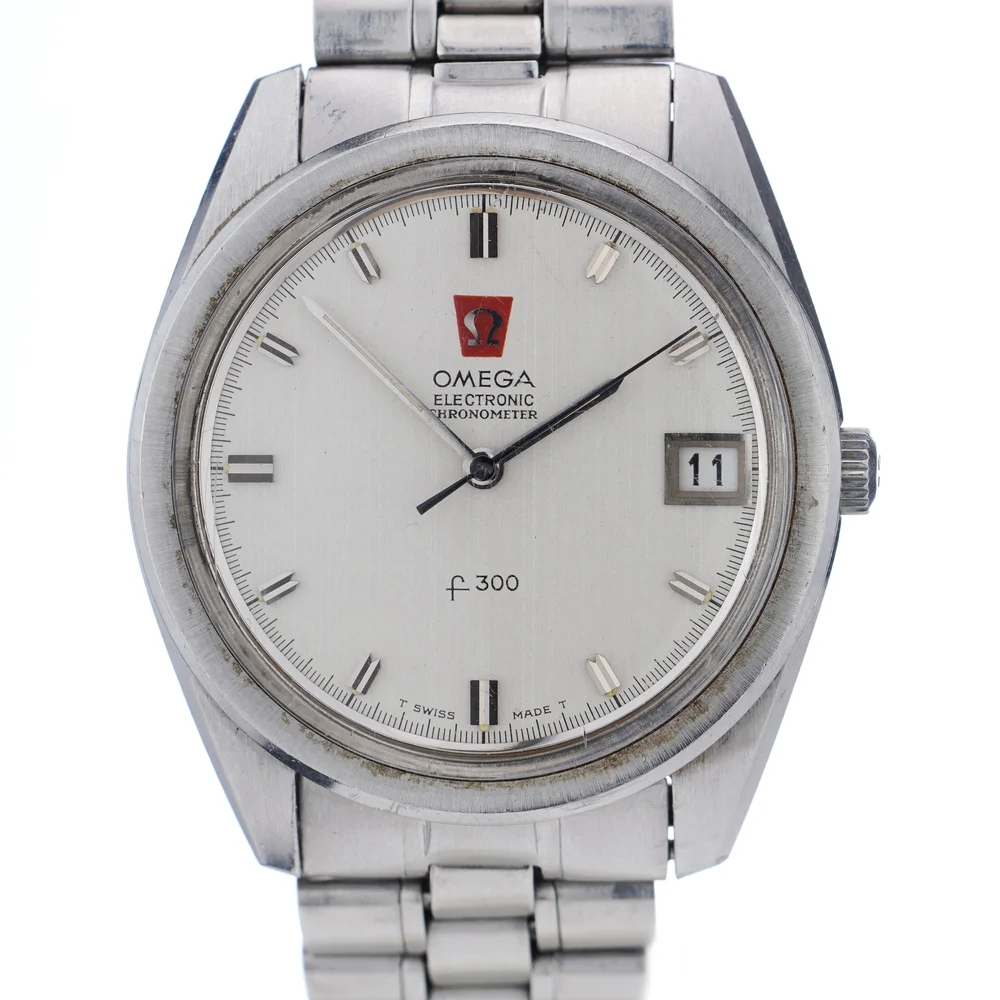
Automatic, manual and quartz watches
What is the difference between automatic, manual and quartz watches?
A manual watch is wound by hand with the crown. An automatic, or self-winding, watch has the same mechanical movement plus a rotor that winds the mainspring as you move your wrist. A quartz watch runs on a battery and a quartz crystal oscillator, is more accurate and needs far less servicing, but collectors generally prefer mechanical watches.
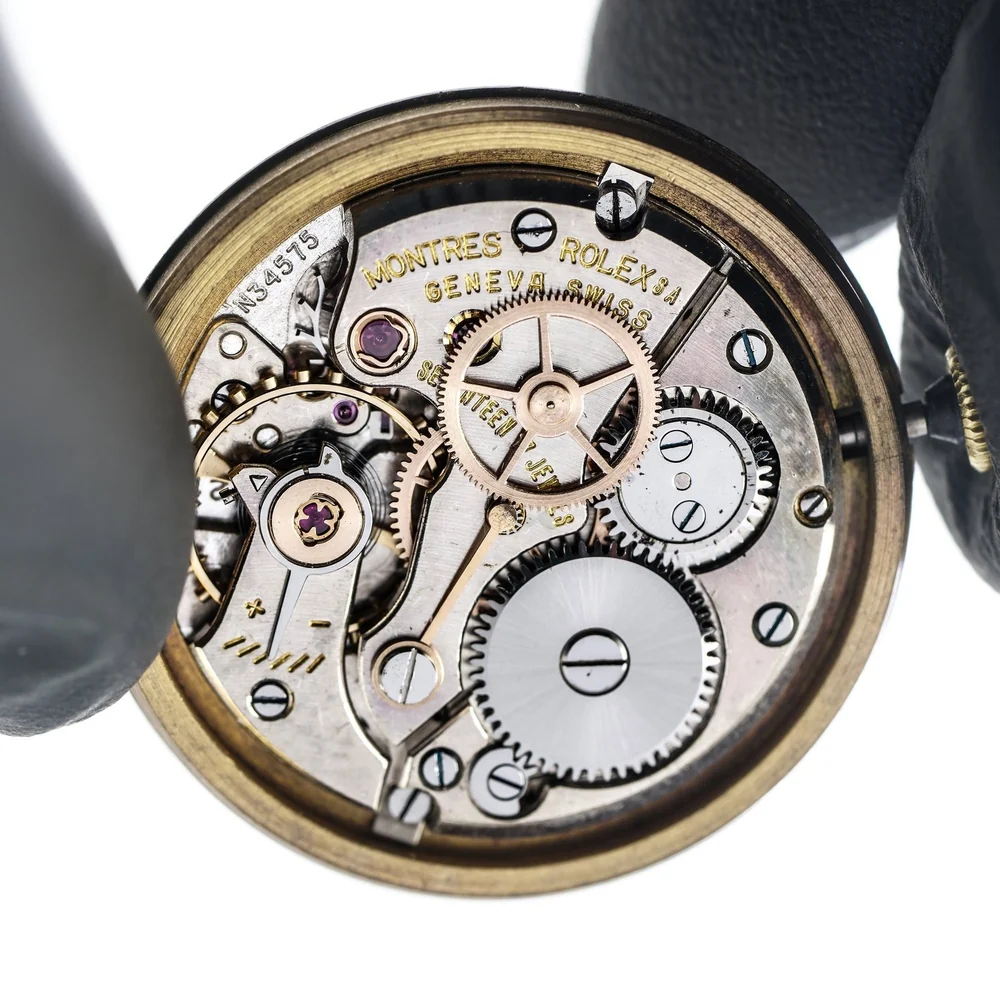
Inside a mechanical watch
A mainspring stores energy, a gear train passes it on, and the balance wheel and escapement release it in even beats. The ticks you hear are the escapement.
Our guide to watch anatomy names every part, from bezel to movement.
How does a self-winding watch work?
A weighted rotor inside the movement swings as the wrist moves. Through a ratchet and gears it winds the mainspring, and a slipping bridle stops it from overwinding. A fully wound mainspring typically runs a watch for about two days. Most automatic watches can also be wound by the crown if they have stopped.
Who invented the automatic wristwatch?
John Harwood, an English watchmaker, patented the first self-winding wristwatch in Britain in 1923. His weight swung through only part of a circle. Rolex improved the idea around 1930 with a rotor that turned a full 360 degrees, the Perpetual movement, which ran for up to 35 hours when fully wound.
Source: Wikipedia, Automatic watch.
Automatic watches in stock
Shop all 7
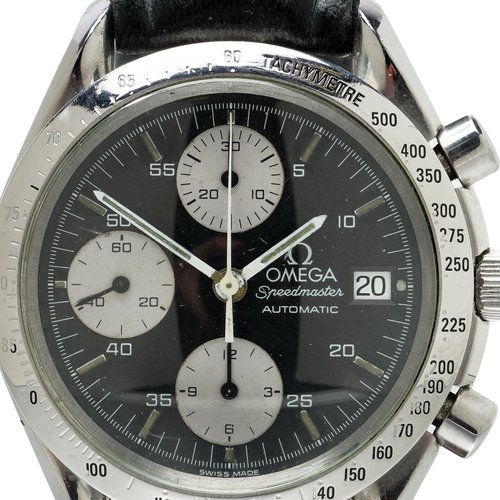 Omega Speedmaster Date Ref. 3511.50 Reverse Panda Chronograph 39mm Steel, Circa 1990s£1,950
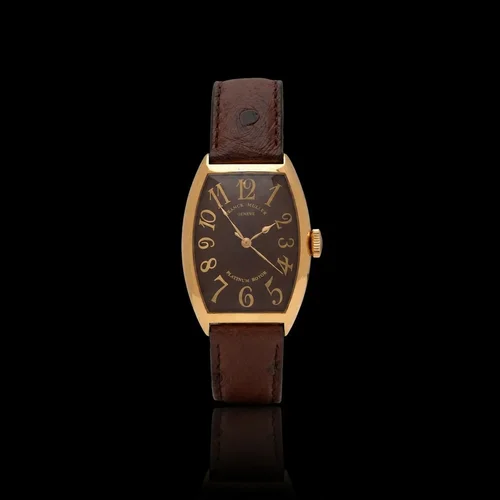
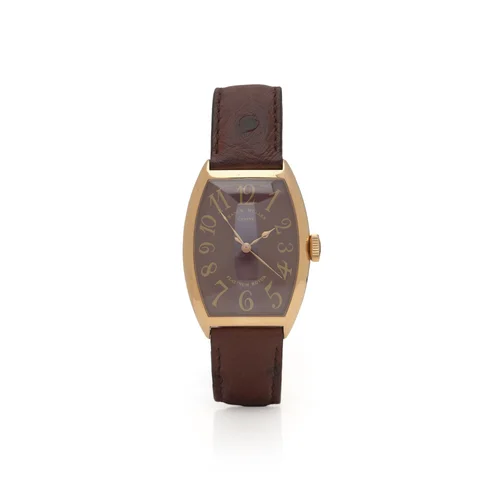 Franck Muller Cintrée Curvex Master of Complications 5850 SC 18KT Gold Automatic Watch, No. 38£9,850
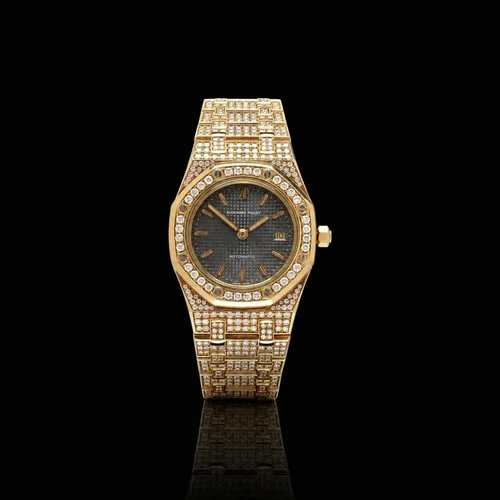
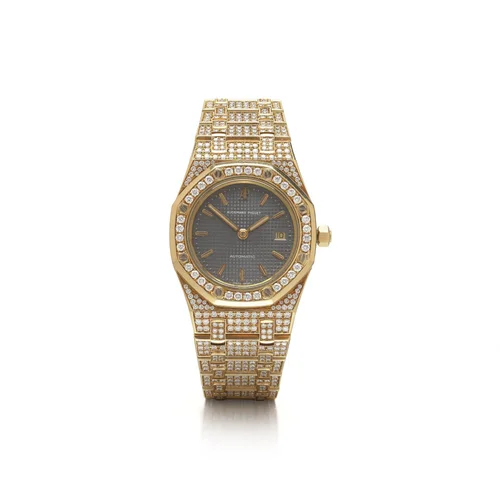 Audemars Piguet Royal Oak Ladies Diamond 18KT Gold Automatic Watch£22,950
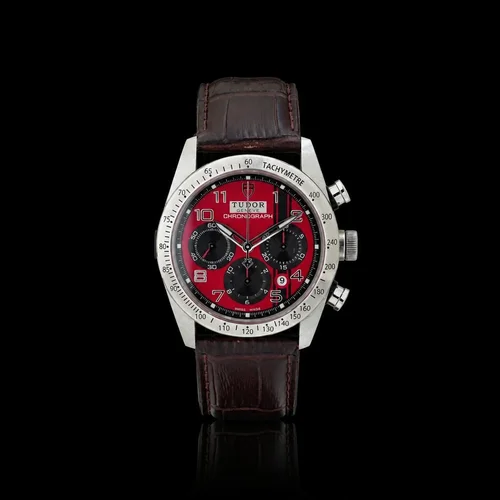
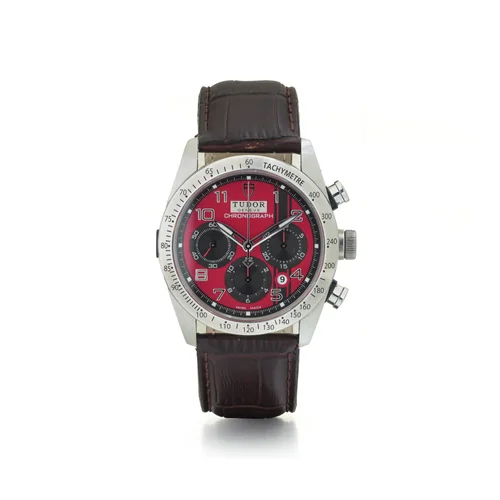 Tudor Fastrider Ducati Chronograph, Reference 42000£2,950
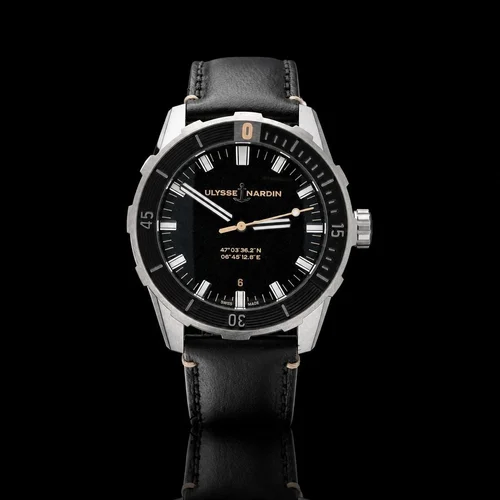
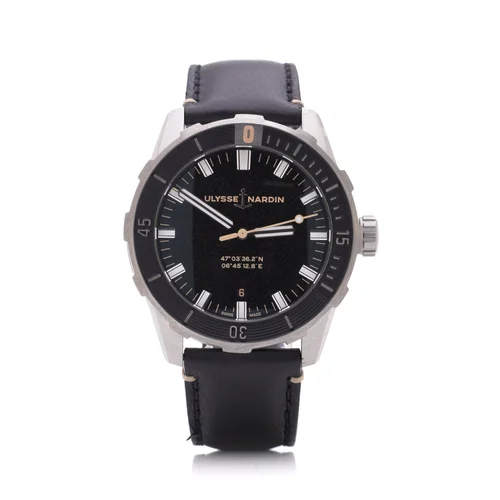 Ulysse Nardin Diver 42mm Stainless Steel Automatic Watch£3,950
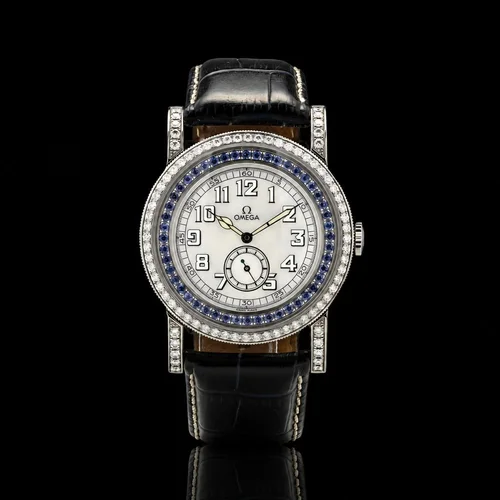
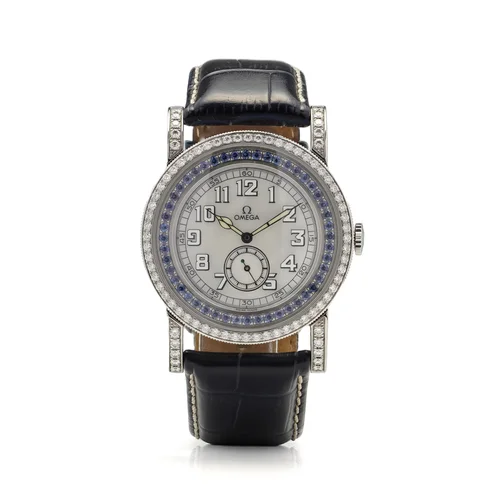 Omega Aquarella Men’s Wristwatch 5772.71.56 with Box and Papers£8,950
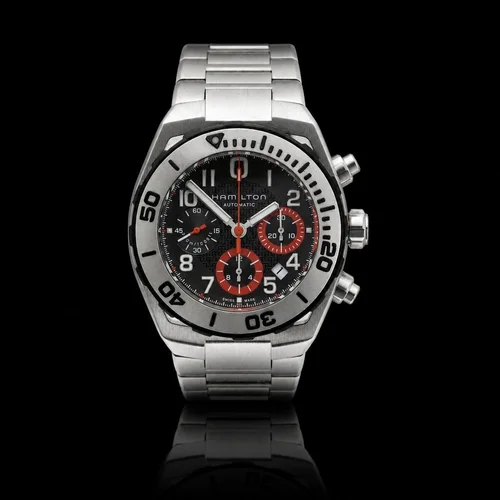
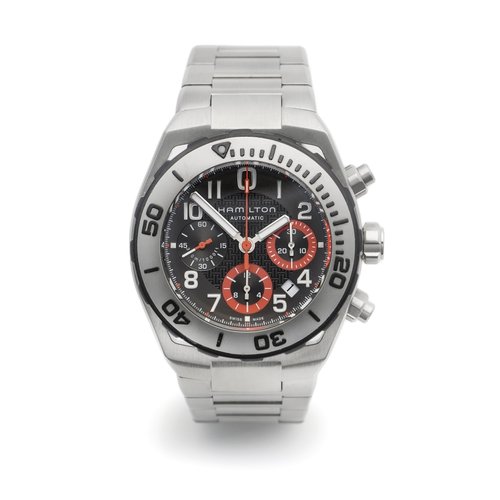 Hamilton Khaki Navy Sub Auto Chronograph Ref. Nr.H787160£1,550
Quartz and electronic watches
What was the first quartz wristwatch?
The Seiko Quartz Astron 35SQ, launched in Japan on 25 December 1969, was the world's first quartz wristwatch. It combined a quartz crystal oscillator, an integrated circuit and a tiny stepping motor to turn the hands, and Seiko quoted an accuracy of five seconds a month, far beyond any mechanical watch of the time.
Sources: Seiko Museum; Wikipedia, Astron.
Are vintage quartz watches collectable?
Some are. Early quartz watches from the 1970s, such as the Seiko Astron, Rolex's Oysterquartz, the Pulsar LED digital watches and electronic forerunners like the Bulova Accutron tuning fork, interest collectors as milestones. Ordinary quartz watches made in their millions are worth little unless the case is solid gold or the maker is a major Swiss house.
Between mechanical and quartz
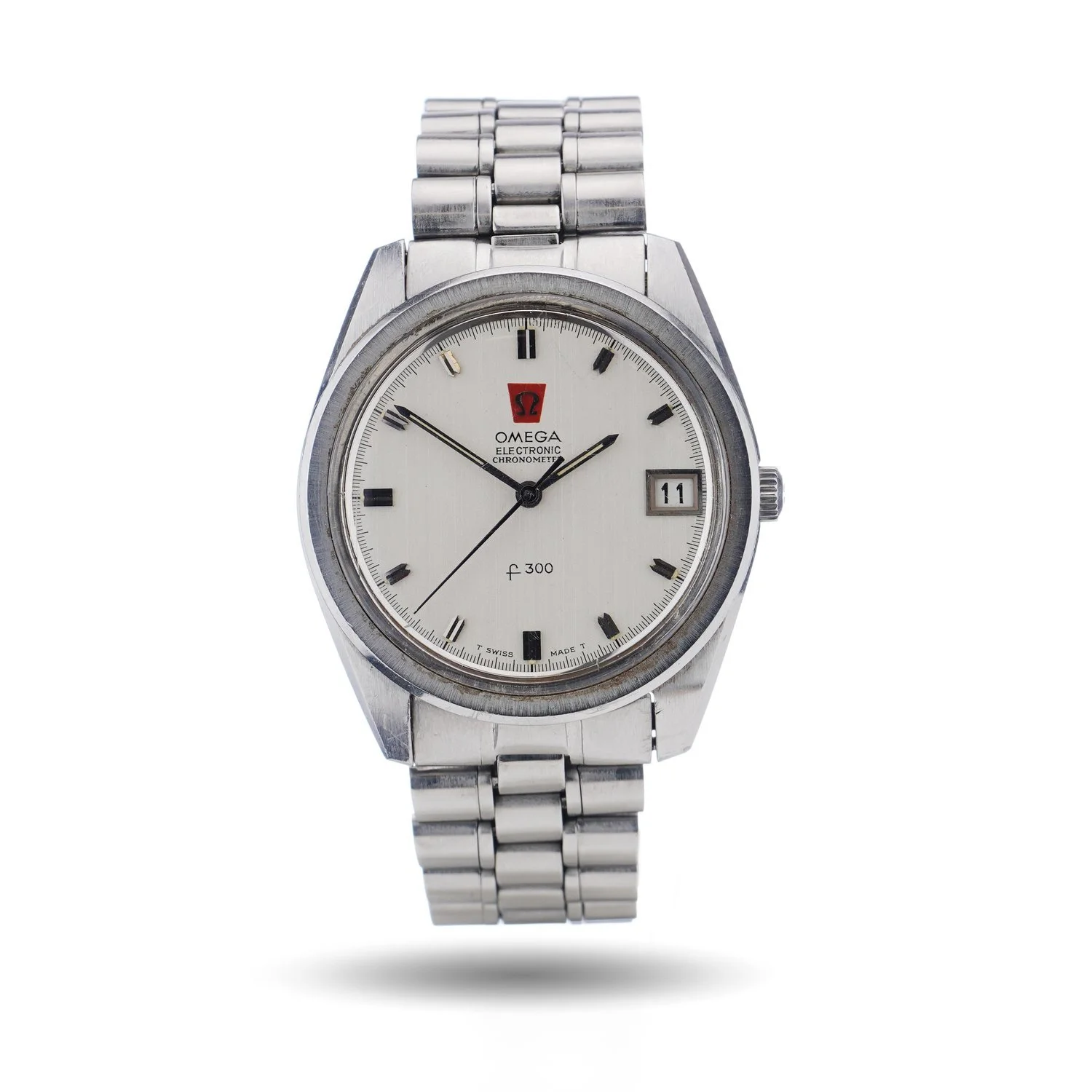
Before quartz, makers tried electronic regulation. Bulova's Accutron of 1960 used a tuning fork vibrating 360 times a second (Wikipedia), and Omega followed with its Electronic f300 tuning fork chronometers.
These watches hum rather than tick, and their seconds hands sweep smoothly.
Send us photos of your watch
Servicing, batteries and value
How often should a mechanical watch be serviced?
Follow the maker's guidance, which has lengthened as movements improved. When Rolex extended its warranty to five years in 2015, it was reported to recommend service intervals of about ten years for new watches. A vintage watch needs service sooner. Losing or gaining time, stopping, or moisture under the glass mean it needs attention now.
Can I change a watch battery myself?
On a simple snap-back quartz watch you can, with the right case knife and a matching battery, but the seal must sit correctly or water resistance is lost, and a slip scratches the case. On a valuable or water-resistant watch use a watchmaker. Never leave a dead battery inside: a leaking cell can destroy the movement.
Does servicing affect the value of a vintage watch?
It can. A service that keeps the original dial, hands, crown and case finish protects value, while replacing them with new service parts or polishing the case lowers what collectors pay. Ask the watchmaker to return any replaced parts and to keep the paperwork. Keep both with the watch when you sell it.
Selling a watch that has stopped? Do not have it serviced first. We buy watches working or not, and a service before a sale rarely adds what it costs.
Vintage chronographs
Are 1960s 18KT gold chronographs valuable?
Often, yes. Swiss chronographs of the 1960s in 18KT gold cases, from makers such as Omega, Heuer, Breitling, Universal Genève and Longines, are collected for both their gold and their movements. Originality of the dial and pushers, a signed movement and the condition of the case decide value. Send photographs for a free valuation.
The hand-wound chronograph
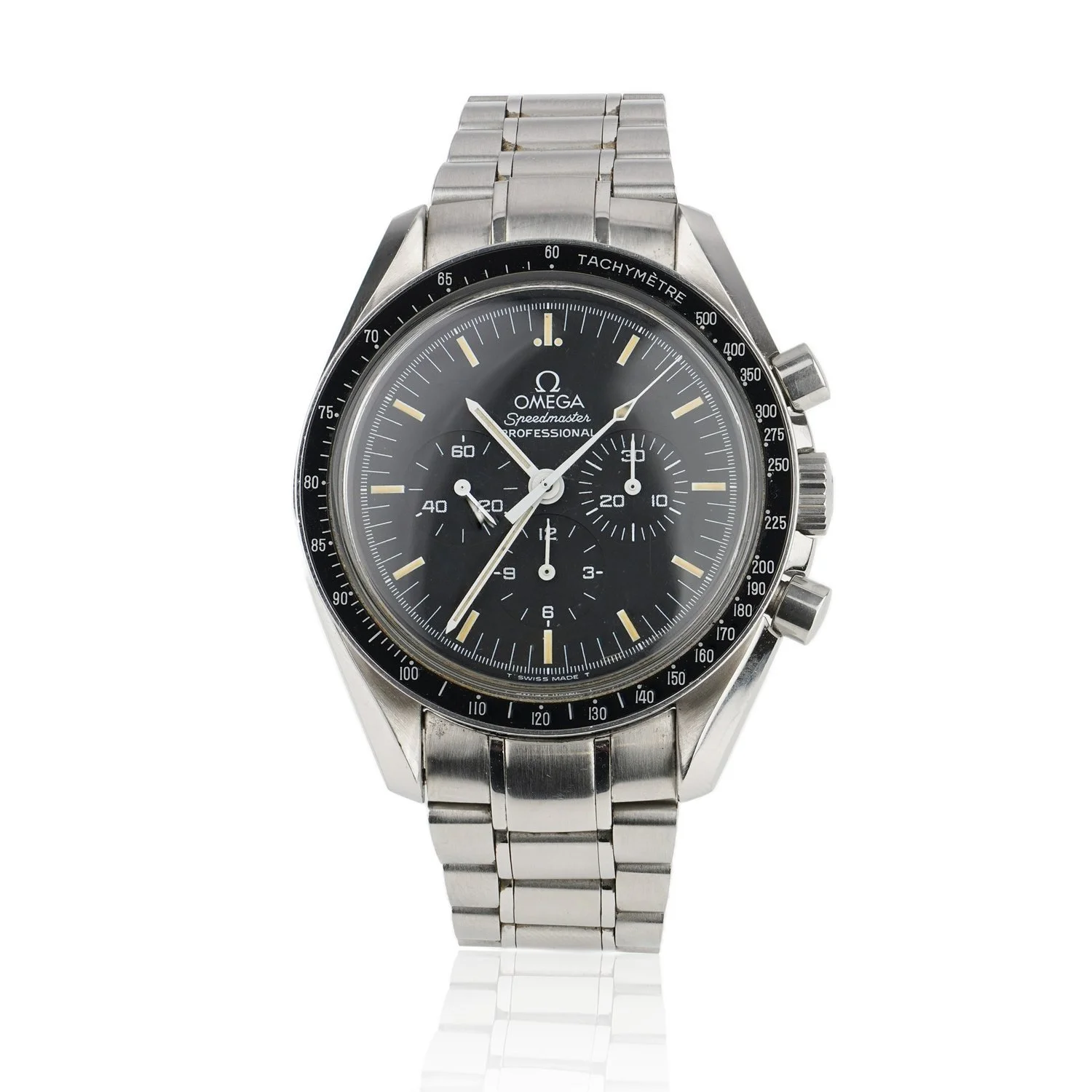
Classic chronographs of the 1960s were hand-wound. The Omega Speedmaster Professional kept a manual-winding movement long after automatics became common.
Black and white chronograph dials are covered in panda dial watches, and Omega in our Omega value guide.
What is a Poljot chronograph?
Poljot was the brand of the First Moscow Watch Factory, used from 1964. The factory made the watch Yuri Gagarin wore in space in April 1961, sold as Sturmanskie, and the Strela chronograph Alexei Leonov wore on the first space walk in 1965. Poljot chronographs from the Soviet era are collected, especially with aviation dials.
Source: Wikipedia, Poljot.
Selling a mechanical or quartz watch
We buy mechanical and quartz watches from anywhere in the UK, working or not. Send photographs of the dial, the case back and the movement if you can see it. Post the watch by Royal Mail Special Delivery or free insured FedEx collection, or visit our Mayfair or Braintree office by appointment. Payment is by bank transfer.
Every watch is different. Send us a few photos and we will tell you what yours is worth, free and with no obligation. Request a free valuation.
Read sell your watch or sell your vintage watch.
Request a free valuation
Sources
- Harwood UK patent 7 July 1923; Rolex 360 degree rotor c.1930/1931, up to 35 hours; rotor, ratchet, slipping bridle; about two days reserve:
- Seiko Quartz Astron 35SQ, 25 Dec 1969, first quartz wristwatch, +/-5 s a month: ;
- Seiko Quartz Astron 35SQ, 25 Dec 1969, first quartz wristwatch, +/-5 s a month: ;
- Bulova Accutron Oct 1960, 360 Hz tuning fork:
- Rolex five-year warranty 2015 and ~10-year service intervals:
- Rolex Oysterquartz 1977-2001:
- Poljot brand 1964, First Moscow Watch Factory, Gagarin Sturmanskie 12 Apr 1961, Leonov Strela 1965: