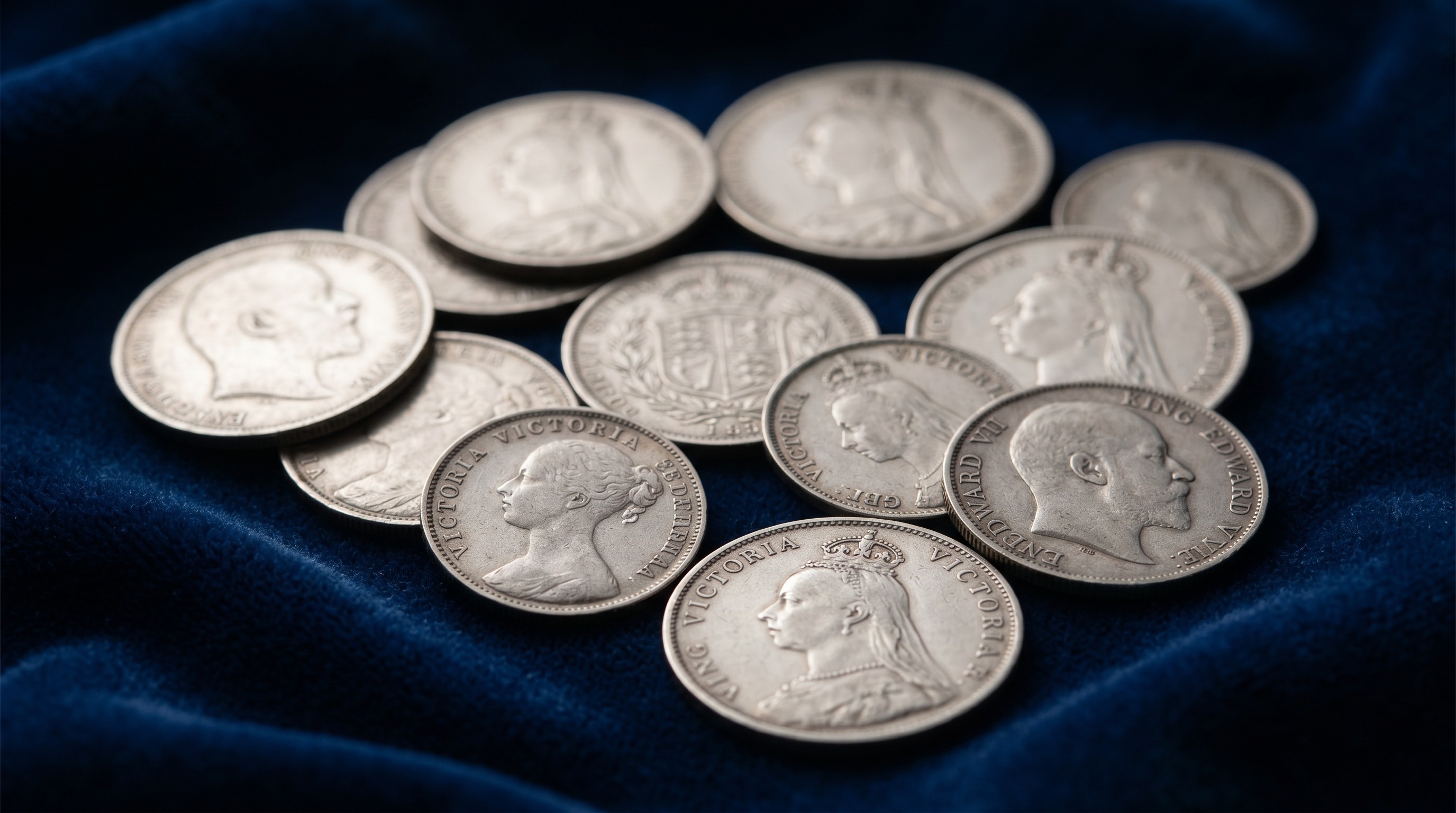
Selling Pre-1920 Silver Coins in the UK
British coins dated 1919 or earlier are struck in full sterling silver — 92.5% pure — so they carry the highest silver value of any circulated UK coinage. Here's how pre-1920 silver coins are valued and sold.
Got Victorian or Edwardian Silver Coins?
Send a photo and rough quantity and we'll value your pre-1920 sterling silver coins against today's market — free, with no obligation. Our specialists reply within one working day.
If your old coins are Victorian, Edwardian or early George V — dated 1919 or before — you're holding the best silver in British circulating coinage. Until the post-war debasement of 1920, every "silver" coin was struck in full sterling, 92.5% pure. That makes pre-1920 coins worth almost twice as much, gram for gram, as the 50% coins that followed.
Why 1920 is the dividing line
After the First World War, the price of silver bullion surged — to the point where the metal in a coin risked being worth more than its face value. In 1920, Britain responded by halving the silver content of its coinage from 92.5% to 50%. So the rule is simple:
1919 & earlier
92.5% sterling silver. The highest silver content of any circulated British coin — Victoria, Edward VII and early George V.
1920–1946
50% silver. Still valuable, but half the fine silver — covered in our pre-1947 guide.
1947 onwards
No silver. Cupronickel; face value only (Maundy money excepted).
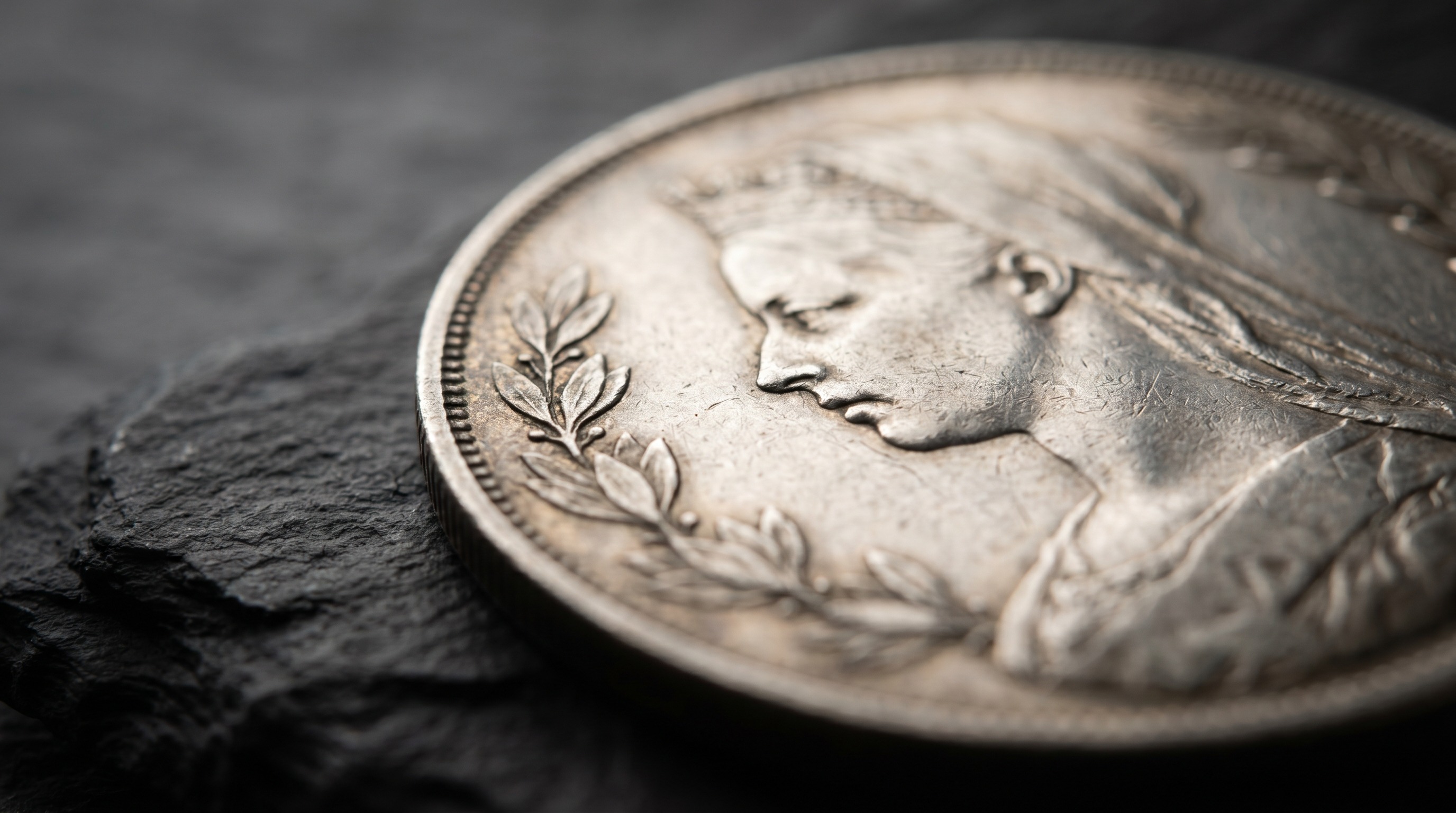
The coins worth checking for
Look for crowns and double florins (the largest, heaviest silver coins), half crowns and florins, and shillings, sixpences and threepences. Earlier still, pre-Victorian and milled silver can carry strong numismatic value well beyond the metal — always worth a specialist eye.
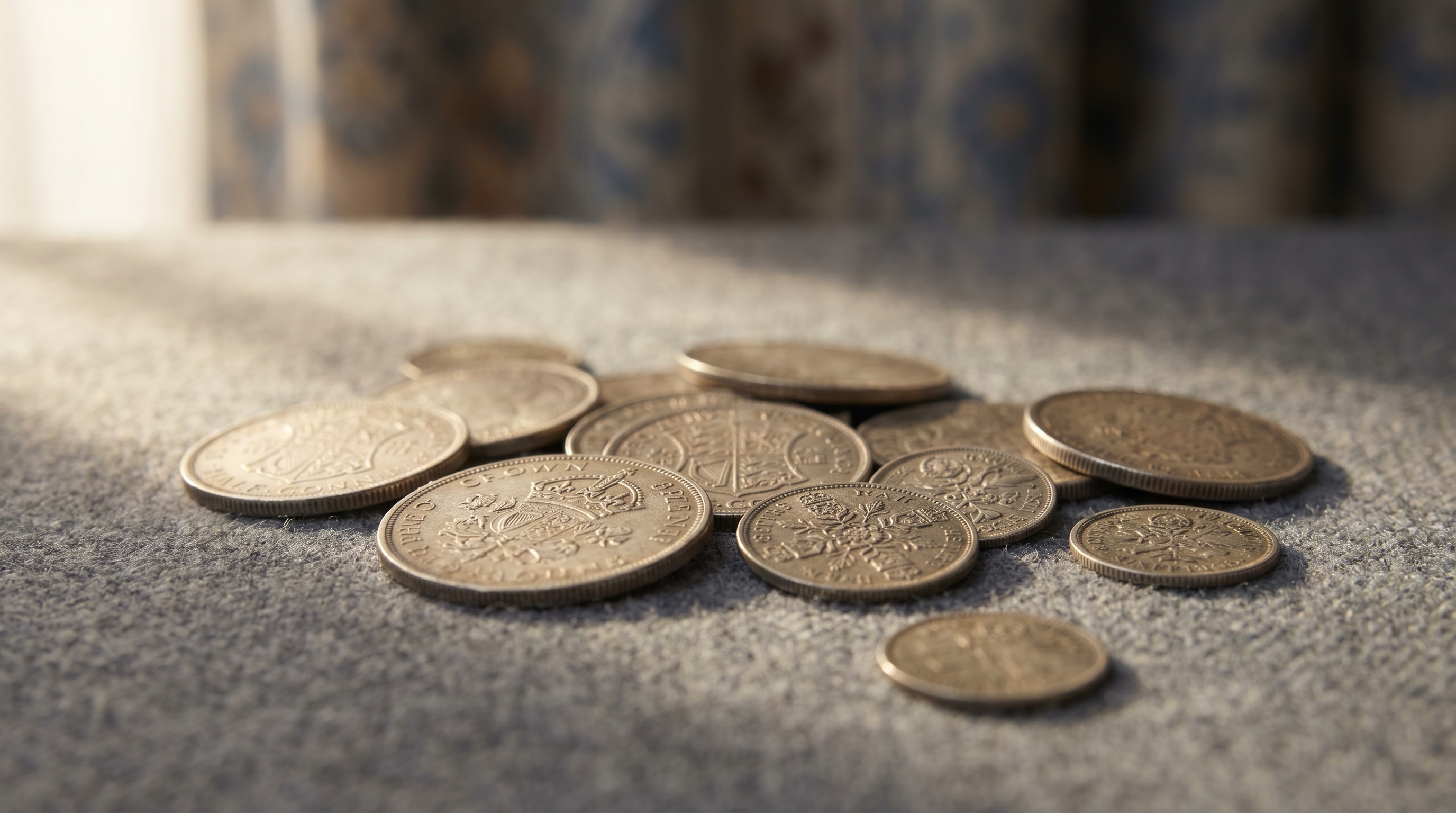
How We Value Them
Pre-1920 coins are valued on their sterling silver — and assessed for collector value too:
- Full sterling — Valued at 92.5% fine silver, the highest circulated grade.
- Weighed accurately — No counting needed; we weigh and calculate the fine silver.
- Live silver price — Against the current market on the day you sell.
- Numismatic check — Rare dates, early milled coins and high grades flagged for premiums.
- Whole collections welcome — From a few coins to an inherited cabinet.
Older coins more often carry collector value — so we always check before treating them as bullion.
Bullion or collectable?
Because pre-1920 coins are older, a higher proportion of them carry genuine numismatic value — by date, mint, variety or condition — over and above their silver. A worn Victorian florin may be bullion; a sharp, scarce-date crown can be worth many times its metal. We assess every coin for both, and recommend the route that pays you most. For the wider picture see our silver coins value guide and the companion pre-1947 silver coins guide.
Check today's metal value on our live silver price page, and when you're ready sell via sell your silver. The one post-1947 sterling exception is covered in our Maundy money guide.
Value Your Pre-1920 Silver Coins
Send photographs and a rough quantity and we'll give you an honest, no-obligation valuation against today's silver market.
⚠️ Strictly by appointment only — no walk-ins at either showroom.
Frequently Asked Questions
Selling pre-1920 British silver coins — common questions.
What silver content do pre-1920 British coins have?
Coins dated 1919 and earlier are 92.5% sterling silver — the highest grade used in circulated British coinage. From 1920 to 1946 the silver content was reduced to 50%, and from 1947 UK coins contain no silver.
Are pre-1920 coins worth more than later silver coins?
Per gram, yes — they contain almost twice the fine silver of the 1920–1946 (50%) coins. They're also more likely to carry numismatic value because of their age, so they're always worth a specialist check.
How do I know the date and the monarch?
The date is usually on the reverse, and the monarch's portrait (Victoria, Edward VII or George V) on the front. If you're unsure, send a photo — we'll identify them for you.
Do you buy worn or damaged old coins?
Yes. Worn sterling coins still carry their silver value, and we buy by weight. Better-preserved or scarce coins may be worth more to a collector, which we'll always flag.
Should I clean them first?
No — never clean old coins. Cleaning damages the surface and can wipe out collector value. Leave them as found and let us assess them.
Send Us Your Coin Photographs
Attach photos and a rough quantity of your old silver coins. We'll respond within one working day.