Guide · Silver coins

Roman and Ancient Coins: Names, Minting, Dating and Value

A dealer's guide to Roman and other ancient coins: what each coin was called, how it was made, how to identify it, and what to do if you find or inherit some.

By the Mozeris specialistsUpdated 5 min read

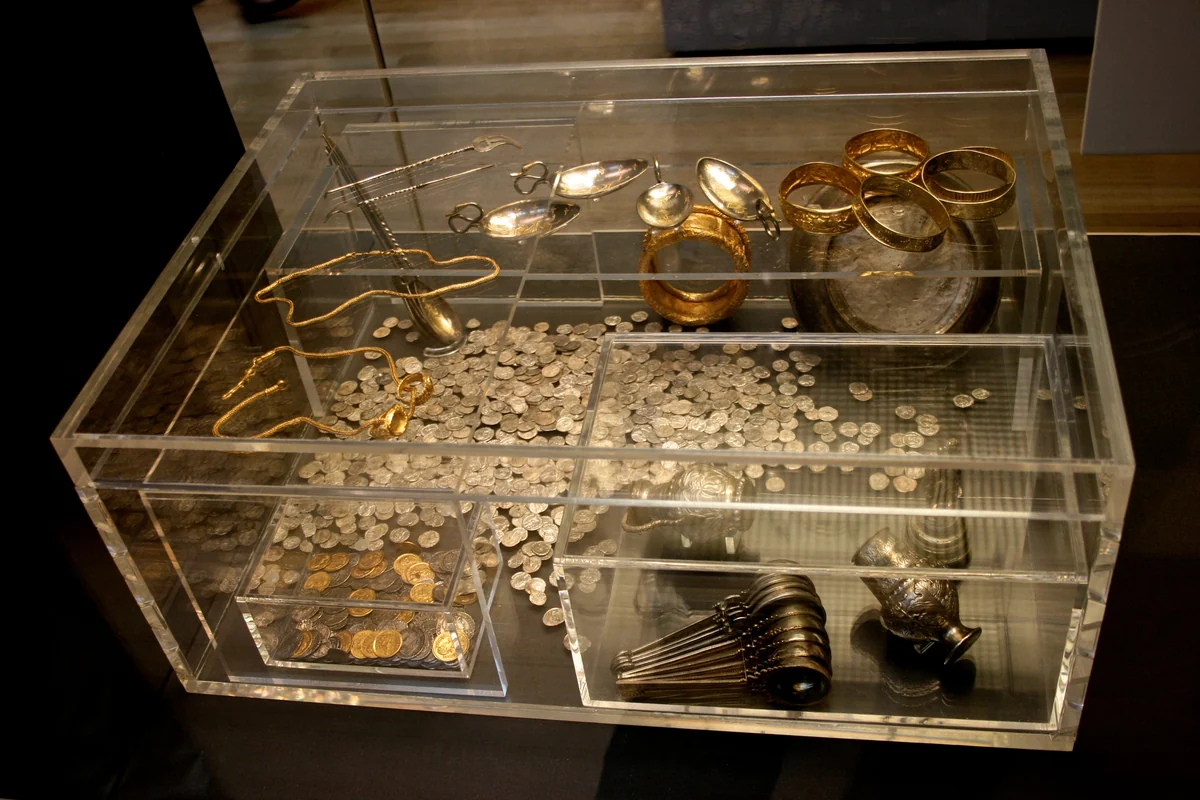
A clear display case showing the Hoxne Hoard laid out as it was excavated: piles of Roman silver and gold coins, gold bracelets, silver spoons and pepper pots
The Hoxne Hoard as excavated, British Museum. Photo: Mike Peel, CC BY-SA 4.0

The short answer

The main Roman coins were the aureus in gold, replaced by the solidus under Constantine, the denarius in silver, and the sestertius, dupondius and as in bronze or brass. Later came the antoninianus, a debased silver coin, the silver siliqua and the bronze follis. Each had a fixed value against the others.

  • Roman gold coins are the aureus and later the solidus; silver the denarius; bronze the sestertius and as.
  • Ancient coins were struck by hand between two engraved dies, so no two are exactly alike.
  • Roman coins carry no calendar date: the emperor and his titles date them.

What were Roman coins called?

The main Roman coins were the aureus in gold, replaced by the solidus under Constantine, the denarius in silver, and the sestertius, dupondius and as in bronze or brass. Later came the antoninianus, a debased silver coin, the silver siliqua and the bronze follis. Each had a fixed value against the others.

CoinMetalNotes
AureusGoldThe main gold coin of the early empire
SolidusGoldIntroduced by Constantine, struck for centuries in Byzantium
DenariusSilverThe standard silver coin for over 400 years
AntoninianusSilver, increasingly debasedThird century, shows a radiate crown
SiliquaSilverLate Roman; often clipped in Britain
SestertiusBrass (orichalcum)Large coin of the early empire
As, dupondiusCopper, brassSmall change
FollisBronze, silver washedLate Roman bronze, the most common find

How were Roman and ancient coins made?

Ancient coins were struck by hand. A metal blank, often heated, was placed between two engraved dies, the lower set in an anvil and the upper held in a punch, and struck with a hammer. Each die was cut by hand and wore out, so every coin differs slightly, and many are struck off centre.

Do Roman coins have dates on them?

No. Roman coins carry no calendar date. They are dated by the ruler named and portrayed on the obverse, and often more closely by his titles, such as the number of times he had been consul or held tribunician power, abbreviated COS and TR P. The reverse type and mint mark narrow the date further.

Send us photos for a free valuation

How do I identify a Roman coin?

Read the legend around the portrait: it begins with the emperor's name, abbreviated, such as IMP CAES or CONSTANTINVS. Note the metal, the size and the reverse design, then look up the type in Roman Imperial Coinage, the standard catalogue, or an online database. Late Roman coins also show a mint mark below the reverse.

Are Roman coins worth anything?

Many are, but most common Roman coins, especially worn late Roman bronzes, are worth little because millions survive. Gold aurei and solidi, silver denarii in good condition, rare emperors and unusual reverse types are sought by collectors. Condition, rarity, metal and provenance decide value, as with any coin.
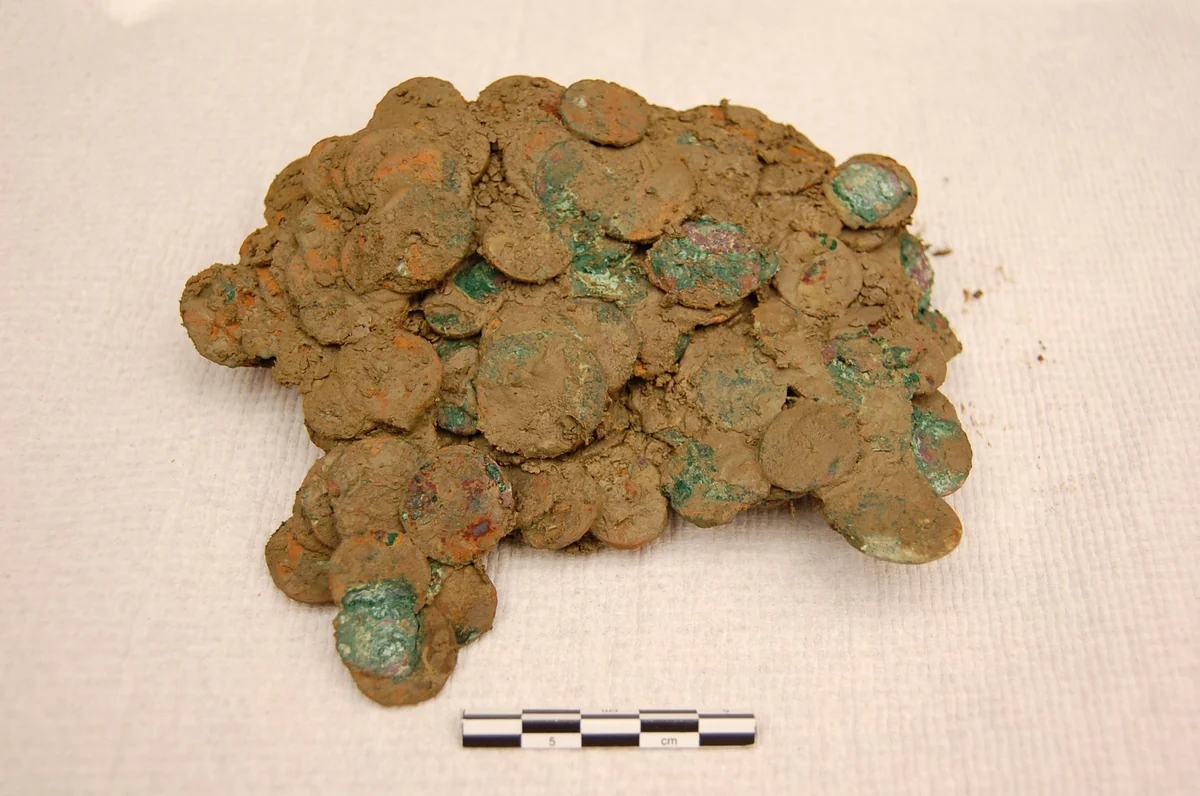
A lump of Roman coins from the Frome Hoard, stuck together with mud and green corrosion, beside a scale bar
Roman coins from the Frome Hoard in mud and corrosion. Photo: Portable Antiquities Scheme, CC BY 2.0

Hoards

Roman coins often survive in hoards, buried in pots and found together. The Frome Hoard from Somerset held over 52,000 coins, which is one reason everyday late Roman bronzes are common.

Which Roman coins are the most valuable?

Gold coins of rare rulers, famous historical issues and coins in exceptional condition. The gold aureus of Brutus celebrating the Ides of March, struck after the murder of Julius Caesar, set an auction record for an ancient coin in 2020. Silver denarii of short-lived emperors are also sought.

Are Roman coins magnetic?

No. Roman coins were made of gold, silver, bronze, brass and copper, none of which are magnetic. A coin that sticks to a magnet is iron or steel, which points to a modern copy or a token. A weak pull can come from iron-rich soil stuck to the surface, so clean only the loose dirt before testing.

Do Roman coins rust?

No. Rust is iron corrosion, and Roman coins contain no iron. Bronze and copper coins corrode to green, brown or black patina, silver tones grey or black and can become brittle, and gold survives unchanged. Stable patina is part of an ancient coin and should not be removed.

Why were Roman coins clipped?

To steal silver. Clipping meant trimming metal from the edge of a coin and passing it on at full value. Late Roman silver siliquae found in Britain, such as many in the Hoxne Hoard, are often heavily clipped, much of it from the years after Roman rule ended around 410, when new coin stopped arriving.
A clear display case showing the Hoxne Hoard laid out as it was excavated: piles of Roman silver and gold coins, gold bracelets, silver spoons and pepper pots
The Hoxne Hoard as excavated, British Museum. Photo: Mike Peel, CC BY-SA 4.0

The Hoxne Hoard

Found in Suffolk in 1992, the Hoxne Hoard contains gold solidi and silver siliquae, many of them clipped, with gold jewellery and silver tableware. It is in the British Museum.

Did Roman coins have ridged edges?

Mostly no. Roman coins were struck by hand and have plain, often irregular edges. Reeded or milled edges came with machine striking from the 16th and 17th centuries, partly to stop clipping. An exception is the Roman Republican denarius serratus, struck with a notched, saw-toothed edge.

What happens if you find Roman coins in the UK?

In England, Wales and Northern Ireland, two or more coins from the same find that are over 300 years old and at least 10% gold or silver, or ten or more base-metal coins, are treasure and must be reported to the coroner within 14 days. Single coins can be recorded with the Portable Antiquities Scheme.

Should you clean Roman coins?

No, unless you have the skills and the coin is of no importance. Cleaning removes patina, scratches the surface and can destroy detail and value. Loose soil can be soaked off in distilled water. Uncleaned Roman coins sold in lots are usually common late Roman bronzes bought for the hobby of cleaning them.

Why have Roman coins been found in India and Japan?

Trade. Roman gold and silver coins paid for pepper, spices, gems and textiles from southern India, and hoards of denarii and aurei have been found there. In 2016 Japanese archaeologists reported Roman copper coins at Katsuren Castle in Okinawa, carried east through centuries of trade.

What other ancient coins turn up in Britain?

Iron Age British gold staters, such as those of Cunobelin of Colchester, Greek silver drachms and tetradrachms, Byzantine solidi and medieval hammered coins are the most common non-Roman ancient finds. Iron Age staters and hammered gold nobles are collected, and found ones fall under the treasure rules.
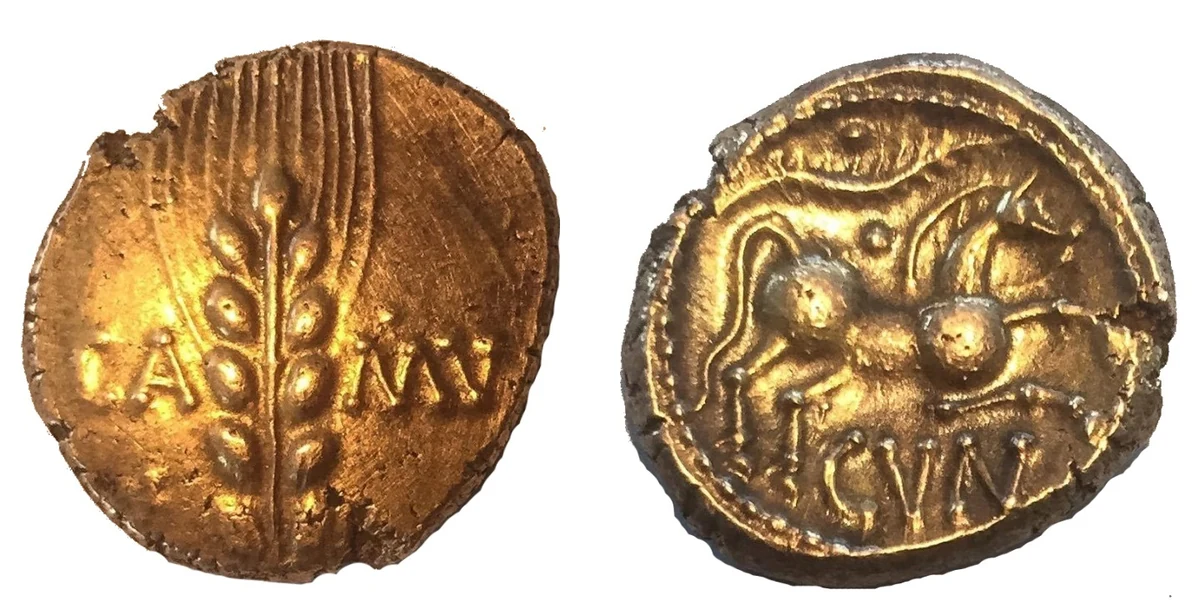
Both sides of an Iron Age gold stater of Cunobelin: an ear of corn on one side, a horse on the other
Iron Age gold stater of Cunobelin. Photo: Portable Antiquities Scheme, CC BY 2.0

Iron Age gold

Cunobelin's staters, struck at Camulodunum, Colchester, show an ear of corn and a horse.
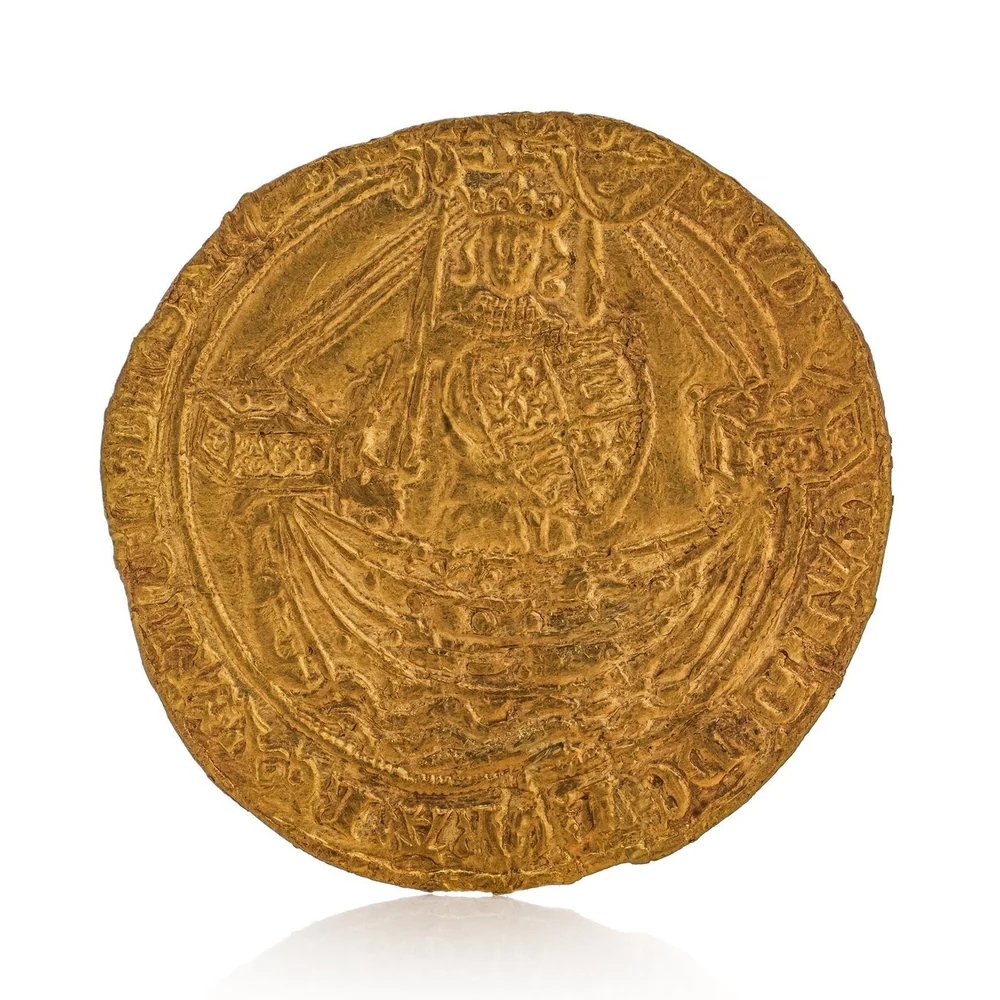
An Edward III gold noble of 1361 to 1369, showing the king standing in a ship
A hammered gold noble of Edward III, 1361 to 1369, from our collection

Medieval hammered gold

Hammered coinage carried on into the Middle Ages: this gold noble of Edward III was struck by hand in the same way as Roman coins.

Free valuation

Every piece is different. Send us a few photos and we will tell you what yours is worth, free and with no obligation. Request a free valuation.

Request a free valuation

Sources

Questions

What were Roman coins called?

The main Roman coins were the aureus in gold, replaced by the solidus under Constantine, the denarius in silver, and the sestertius, dupondius and as in bronze or brass. Later came the antoninianus, a debased silver coin, the silver siliqua and the bronze follis. Each had a fixed value against the others.

How were Roman and ancient coins made?

Ancient coins were struck by hand. A metal blank, often heated, was placed between two engraved dies, the lower set in an anvil and the upper held in a punch, and struck with a hammer. Each die was cut by hand and wore out, so every coin differs slightly, and many are struck off centre.

Do Roman coins have dates on them?

No. Roman coins carry no calendar date. They are dated by the ruler named and portrayed on the obverse, and often more closely by his titles, such as the number of times he had been consul or held tribunician power, abbreviated COS and TR P. The reverse type and mint mark narrow the date further.

How do I identify a Roman coin?

Read the legend around the portrait: it begins with the emperor's name, abbreviated, such as IMP CAES or CONSTANTINVS. Note the metal, the size and the reverse design, then look up the type in Roman Imperial Coinage, the standard catalogue, or an online database. Late Roman coins also show a mint mark below the reverse.

Are Roman coins worth anything?

Many are, but most common Roman coins, especially worn late Roman bronzes, are worth little because millions survive. Gold aurei and solidi, silver denarii in good condition, rare emperors and unusual reverse types are sought by collectors. Condition, rarity, metal and provenance decide value, as with any coin.

Which Roman coins are the most valuable?

Gold coins of rare rulers, famous historical issues and coins in exceptional condition. The gold aureus of Brutus celebrating the Ides of March, struck after the murder of Julius Caesar, set an auction record for an ancient coin in 2020. Silver denarii of short-lived emperors are also sought.

Are Roman coins magnetic?

No. Roman coins were made of gold, silver, bronze, brass and copper, none of which are magnetic. A coin that sticks to a magnet is iron or steel, which points to a modern copy or a token. A weak pull can come from iron-rich soil stuck to the surface, so clean only the loose dirt before testing.

Do Roman coins rust?

No. Rust is iron corrosion, and Roman coins contain no iron. Bronze and copper coins corrode to green, brown or black patina, silver tones grey or black and can become brittle, and gold survives unchanged. Stable patina is part of an ancient coin and should not be removed.

Why were Roman coins clipped?

To steal silver. Clipping meant trimming metal from the edge of a coin and passing it on at full value. Late Roman silver siliquae found in Britain, such as many in the Hoxne Hoard, are often heavily clipped, much of it from the years after Roman rule ended around 410, when new coin stopped arriving.

Did Roman coins have ridged edges?

Mostly no. Roman coins were struck by hand and have plain, often irregular edges. Reeded or milled edges came with machine striking from the 16th and 17th centuries, partly to stop clipping. An exception is the Roman Republican denarius serratus, struck with a notched, saw-toothed edge.

What happens if you find Roman coins in the UK?

In England, Wales and Northern Ireland, two or more coins from the same find that are over 300 years old and at least 10% gold or silver, or ten or more base-metal coins, are treasure and must be reported to the coroner within 14 days. Single coins can be recorded with the Portable Antiquities Scheme.

Should you clean Roman coins?

No, unless you have the skills and the coin is of no importance. Cleaning removes patina, scratches the surface and can destroy detail and value. Loose soil can be soaked off in distilled water. Uncleaned Roman coins sold in lots are usually common late Roman bronzes bought for the hobby of cleaning them.

Why have Roman coins been found in India and Japan?

Trade. Roman gold and silver coins paid for pepper, spices, gems and textiles from southern India, and hoards of denarii and aurei have been found there. In 2016 Japanese archaeologists reported Roman copper coins at Katsuren Castle in Okinawa, carried east through centuries of trade.

What other ancient coins turn up in Britain?

Iron Age British gold staters, such as those of Cunobelin of Colchester, Greek silver drachms and tetradrachms, Byzantine solidi and medieval hammered coins are the most common non-Roman ancient finds. Iron Age staters and hammered gold nobles are collected, and found ones fall under the treasure rules.

Where can I buy ancient coins safely?

Buy from dealers who are members of professional bodies such as the International Association of Professional Numismatists or the British Numismatic Trade Association, and from established auction houses. Ask for provenance, a written description with the catalogue reference, and a guarantee of authenticity.

Do ancient coins go up in value?

Some do, but there is no guarantee. Rare and fine coins with good provenance have risen over long periods, while common coins change little. Collecting costs, dealer margins and condition all matter. Ancient coins are best bought for interest, with a trusted dealer, rather than as an investment.

Can I sell Roman coins?

Yes, if they were legally found or acquired. Keep any finds paperwork, receipts or old collection records, because provenance matters to buyers. Send photos of both sides of gold, silver and better coins for a free valuation. We pay the same day by bank transfer after inspection.