Found Buried Gold or Treasure in the UK? What the Law Says and What to Do
A 4 gram gold ingot, most likely prehistoric, was declared treasure in Leicestershire in September. Here is what the law counts as treasure, who you tell, how rewards are shared, and what you are free to sell.
Found something in the ground? In brief:
- In England, Wales and Northern Ireland, gold or silver over 300 years old, groups of old coins, prehistoric metalwork and some significant metal finds over 200 years old are treasure. They belong to the Crown.
- Report a possible treasure find within 14 days, through your local Finds Liaison Officer.
- If a museum acquires it, the reward is based on market value and normally split 50:50 between finder and landowner.
- Scotland is different: report every archaeological find; the reward normally goes to the finder.
- Single coins and modern lost jewellery are not treasure. Once ownership is clear, they can be sold.
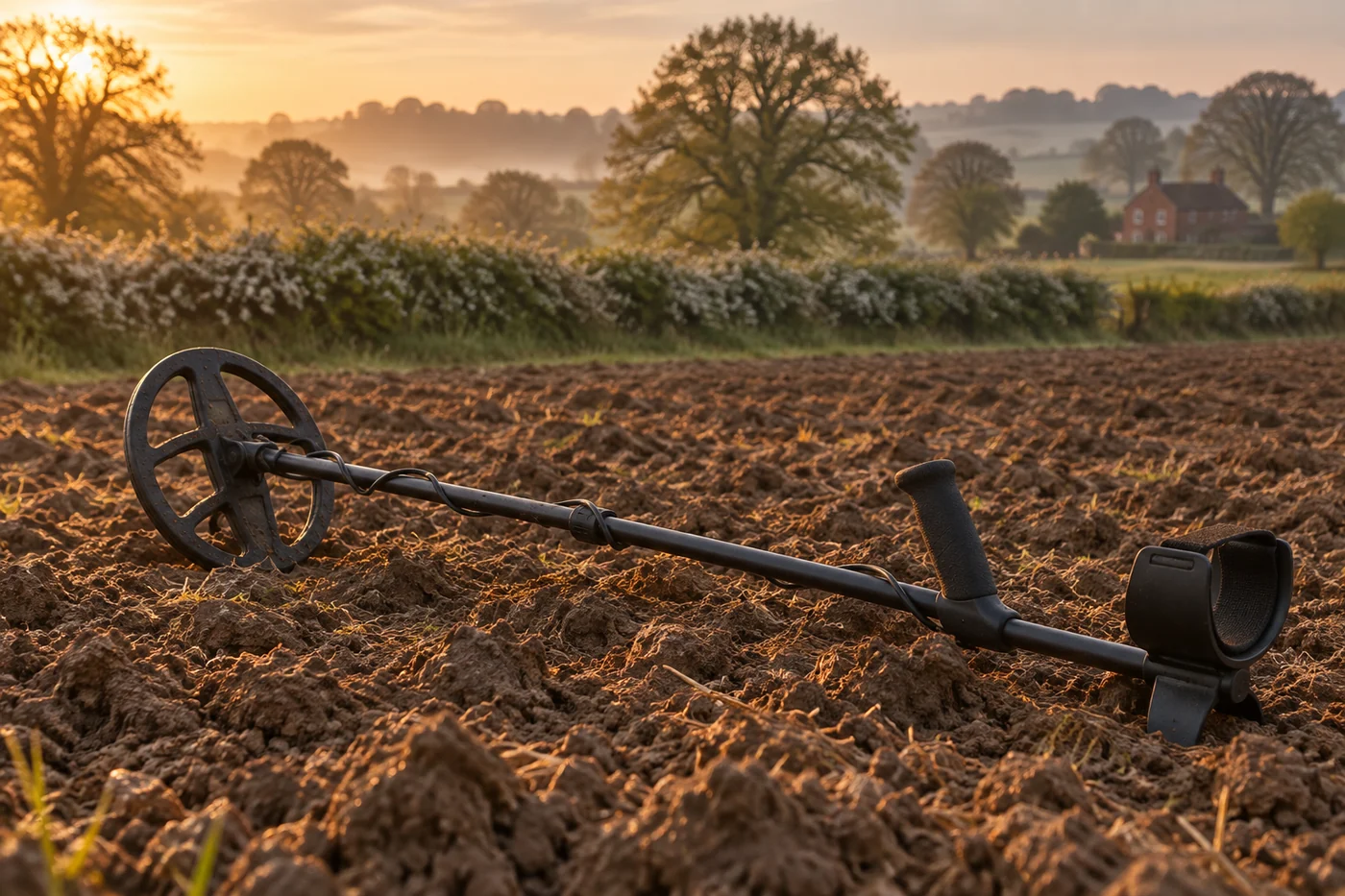
In this article
- Latest: treasure in the news, October 2026
- What counts as treasure in England, Wales and Northern Ireland
- What is not treasure, and when you can sell it
- Found something? What to do in the first 14 days
- Rewards, permission and the landowner
- Scotland: treasure trove works differently
- How we can help
- Questions
Latest: treasure in the news, October 2026
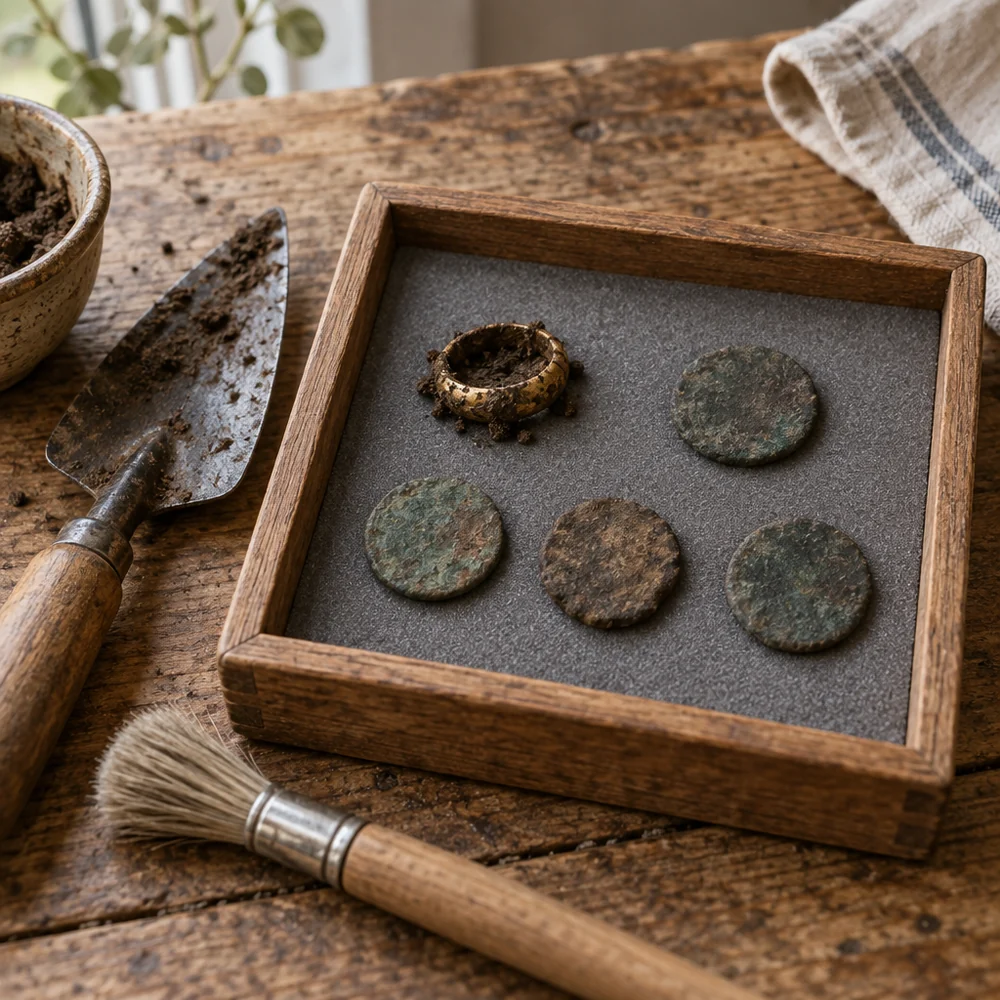
A gold ingot from a Leicestershire field
A gold ingot weighing just 4 grams, found by detectorist Steve McKnight at an organised dig in Market Bosworth in September 2025, was declared treasure at an inquest at the end of September 2026.
The Finds Liaison Officer's report dated it to the Bronze Age or the early medieval period, most likely prehistoric, and Leicester Museum wants to acquire it. A hoard of 27 silver coins from Ashby-de-la-Zouch was declared treasure the same day.
Six Viking gold arm-rings in Denmark
Near Rold in north Jutland, a local resident spotted two gold rings showing in the soil beside a farm track in April, with no detector. Archaeologists found four more: six arm-rings weighing 762.5 grams, Denmark's third-largest Viking gold find. Danish law treats finds like this as danefæ, its own version of treasure.
treasure finds reported in England, Wales and Northern Ireland in 2024 (provisional), the highest since records began.
of the 1,343 treasure finds of 2023 were made by metal detecting.
finds in Norfolk in 2024, more than in any other county.
What counts as treasure in England, Wales and Northern Ireland
The Treasure Act 1996 replaced the old common law of treasure trove in England, Wales and Northern Ireland. Treasure belongs to the Crown, not to the finder or the landowner, whether it was lost, buried or hidden, and wherever it turns up: fields, gardens, rivers, the foreshore or inside a building. The main categories:
Any object that is not a coin, more than 300 years old, whose metal is at least 10% gold or silver by weight: a ring, a brooch, a mount.
Any single prehistoric object (up to the end of the Iron Age) with any gold or silver in it, and two or more prehistoric base metal objects from one find.
Two or more coins over 300 years old with more than 10% gold or silver, or ten or more coins of any metal over 300 years old, from the same find.
Since 30 July 2023: any metal object or coin over 200 years old that gives an exceptional insight into national or regional history, through its rarity, where it was found, or a link to a person or event.
Objects more than half gold or silver, hidden on purpose to be recovered later, whose owner or heirs are unknown.
Any object of any material from the same find, such as the pot a hoard was buried in.
The government gave the Roman Crosby Garrett helmet as the reason for the 2023 change: found in 2010, it was not treasure under the old rules and sold at auction for £2.3 million to a private buyer (GOV.UK, February 2023).
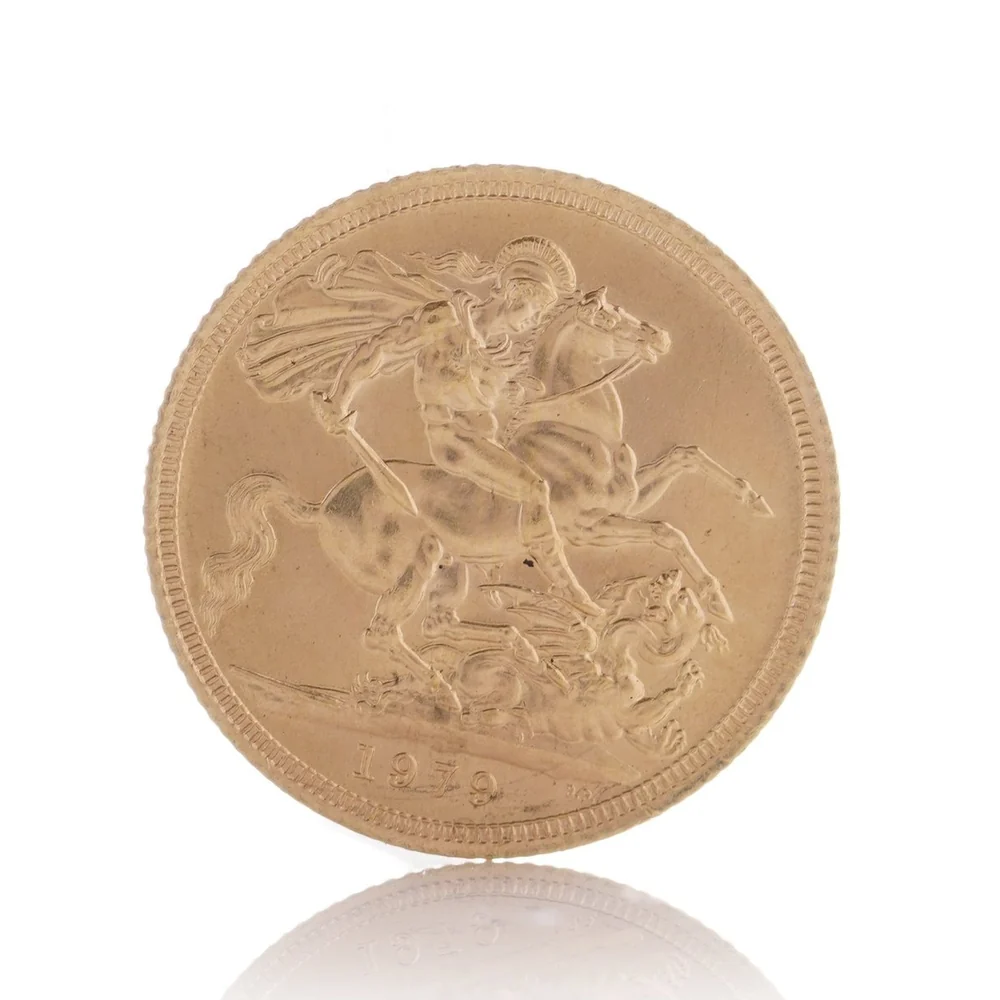
Sovereigns under the floorboards
The old treasure trove rule survives in one form. Gold or silver hidden to be recovered later, whose owner is unknown, is treasure at any age. The Code of Practice gives buried or hidden hoards of 19th and 20th century sovereigns as its example.
So a relative's sovereigns in a drawer are simply yours: see our attic finds page. A stranger's tin under the floor may be treasure.
What is not treasure, and when you can sell it
Most things people find are not treasure. Three you will meet often:
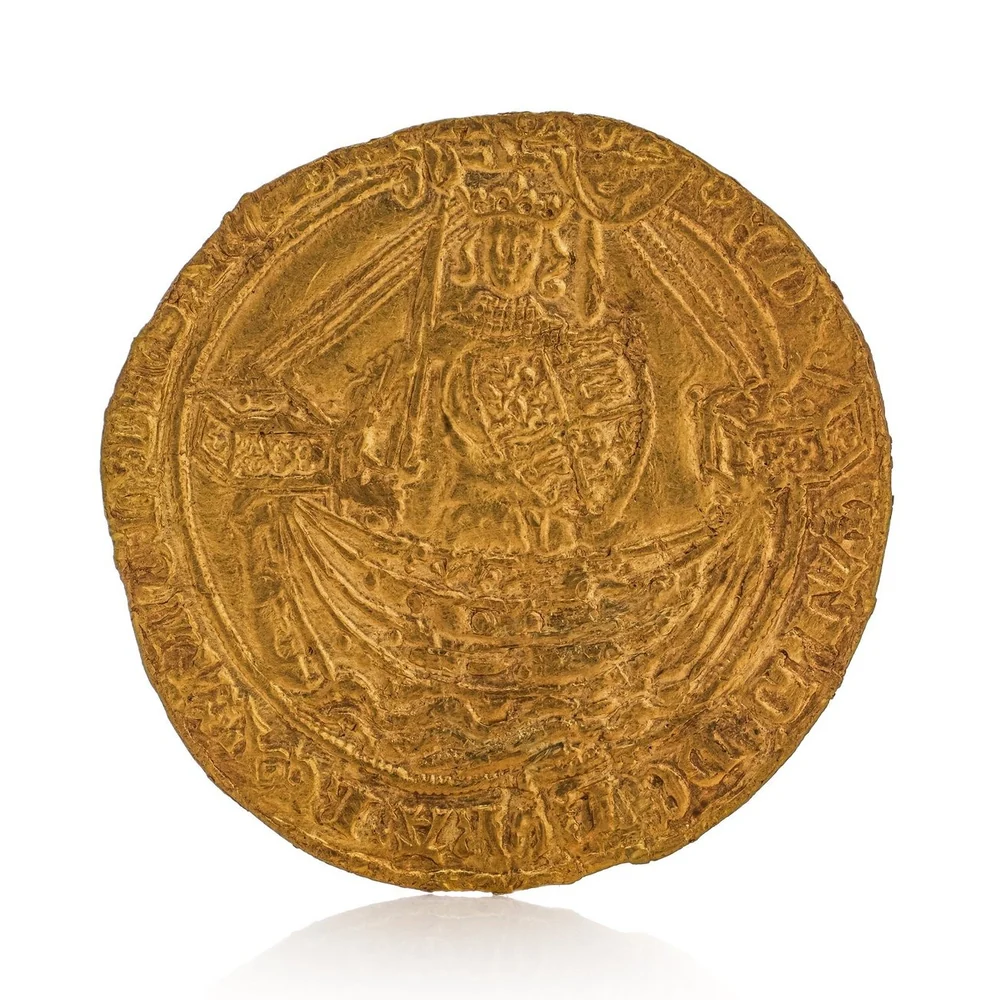
A single coin
A single coin is not treasure, even a gold one, unless it was made into jewellery, was found with other treasure, or meets the 2023 significance test.
Careful, though: single coins from the same field can turn out to be one scattered hoard. If in doubt, ask your Finds Liaison Officer.

Modern lost jewellery
A wedding ring lost on a beach last summer is not treasure. It is lost property, and it still belongs to its owner.
In England and Wales, the Theft Act 1968 treats keeping found property as not dishonest where you believe the owner cannot be found by taking reasonable steps. So report it to the landowner or the police first.
- Natural objects. Fossils, minerals and unworked bones are never treasure.
- Plated objects. Gilded, silvered or plated pieces are not treasure on their metal alone.
- Wreck. Anything from a sunken ship goes to the Receiver of Wreck under the Merchant Shipping Act 1995, not to the coroner.
When you can sell a find
- It is not treasure and you and the landowner have agreed in writing who owns it, as the Code of Practice for Responsible Metal Detecting advises.
- It was disclaimed. If no museum wants a treasure find, it is disclaimed and the coroner releases it to the finder or landowner. Keep that paperwork.
- It is recorded. Recording other finds with the Portable Antiquities Scheme is voluntary in England and Wales but encouraged. In Northern Ireland all finds must be reported to National Museums NI.
- Selling abroad can need an export licence for an archaeological object.
Single gold coins and sovereigns sell on their gold content, date and condition: see sell gold sovereign coins, sovereign value by year and the Edward III gold noble. For ancient pieces, papers matter: read our ancient jewellery provenance guide.
Found a coin or ring that is not treasure? Get a free valuation
Found something? What to do in the first 14 days

The legal duty
If you think a find may be treasure, you must report it to the coroner within 14 days of finding it, or of realising it might be treasure.
Not reporting is a criminal offence: up to three months in prison, a fine, or both. In practice you tell your local Finds Liaison Officer, part of the British Museum's Portable Antiquities Scheme, who notifies the coroner for you.
- Do not clean it
Cleaning can damage the object and reduce any reward. If you hit something below the plough soil, or a cluster of finds, stop digging and ask for help.
- Record the findspot
To at least a 10 metre square: an 8-figure grid reference, GPS coordinates or a What3Words location. Note the depth and anything else in the soil.
- Photograph it
Photos, video or a sketch, as found.
- Note the landowner
Their name and address go on the treasure receipt sent to the coroner.
- Report it
England and Wales: your local Finds Liaison Officer (in Wales, or the Treasure Registry at Amgueddfa Cymru). Northern Ireland: National Museums NI. Scotland: the Treasure Trove Unit, below.
- Hand it in when asked
Deposit the find and follow the coroner's directions.
What happens next
| Stage | Time guide |
|---|---|
| An expert writes a report on the find | Aim: 90 days |
| A museum decides whether it wants it | 28 days after the report |
| The coroner's inquest decides if it is treasure | Aim: 90 days after the report |
| The Treasure Valuation Committee values it | Its next suitable meeting |
| The museum raises the reward | 90 days (120 with outside funding) |
A find a museum acquires usually takes 12 to 18 months from start to finish. If no museum wants it, it is disclaimed: the landowner has 28 days to object, then it is returned.
Rewards, permission and the landowner
Valued at the auction hammer price
The independent Treasure Valuation Committee recommends a value as close as possible to what the find would make at public auction, as found, less cleaning and conservation.
The acquiring museum pays it as a reward. It is not a sale and it is not negotiated, but finders and landowners can send in their own valuations.
- Normally 50:50. Half to the landowner, half shared between the finders. Written agreements are taken into account but do not bind the committee.
- Archaeologists get none. Staff and volunteers on a planned excavation cannot claim; the landowner still can.
- Rewards can be cut or refused for late reporting, trespass, detecting without permission, a false findspot, or damage to the find or the site.
- You can waive it. Anyone who gives up a reward so a museum can afford the find receives a certificate of thanks from the culture minister.
The best-known split: the Anglo-Saxon Staffordshire Hoard, found by Terry Herbert in 2009, was valued at £3.285 million by the committee, to be shared equally between him and the landowner, Fred Johnson (Rescue, January 2010).
Permission comes first
Before you detect, get the landowner's or occupier's permission, and agree in writing who owns any finds.
Detecting on a scheduled monument without consent is an offence under section 42 of the Ancient Monuments and Archaeological Areas Act 1979. In Northern Ireland, any digging to search for archaeological objects needs a licence from the Department for Communities, generally given only to archaeologists.
Scotland: treasure trove works differently
The Treasure Act does not apply in Scotland. There, every archaeological find is ownerless property (bona vacantia) that the Crown can claim, and you must report all of them to the Treasure Trove Unit at National Museums Scotland, not only gold and silver: pottery, worked stone and single coins too. Natural objects, modern coins and modern glass or pottery need not be reported.
| England, Wales, N. Ireland | Scotland | |
|---|---|---|
| The law | Treasure Act 1996 | Common law of treasure trove |
| Report | Possible treasure, within 14 days | Every archaeological find |
| To | Finds Liaison Officer or coroner; National Museums NI | Treasure Trove Unit |
| Reward | Market value, normally 50:50 finder and landowner | Finder Reward linked to market value; landowner only by private agreement |
The Scottish reward is estimated from recent auction results for similar finds and reviewed by the Scottish Archaeological Finds Allocation Panel. Detecting without the land manager's permission, or on a scheduled site, can reduce it or cancel it.
How we can help
We are dealers, not part of the treasure process, and we only buy finds with clear title. The Code of Practice warns that anyone holding unreported treasure, dealers and collectors included, may be committing an offence. So if a find might be treasure, report it first.
- Not sure what it is?
Send photos. We can tell you whether a ring is modern gold or something older, and whether to call your Finds Liaison Officer before anything else.
- Coins
Single gold coins and sovereigns: sell gold sovereign coins. Old British silver: pre-1947 silver coins.
- Modern gold
Lost-and-found gold that is legally yours: check it with how to tell if gold is real and gold hallmarks, then send us photos and we will tell you what it is worth, free and with no obligation. See also sell your gold.
- Disclaimed finds
Bring the disclaimer paperwork and the landowner's agreement, and we will value the piece like any antique.
Call 01376 334482, WhatsApp us, or book an appointment at 47 Maddox Street, Mayfair, or in Braintree, Essex.
Request a free valuation
This page is general information about the law, checked against the sources named on it. It is not legal advice about a particular find: for that, ask your Finds Liaison Officer or the coroner's office.
- Gold or silver over 300 years old, old coin groups, prehistoric metal and significant finds over 200 years old are treasure in England, Wales and Northern Ireland.
- Report possible treasure within 14 days via your Finds Liaison Officer; do not clean it.
- Museum rewards follow the auction value and are normally split 50:50 with the landowner.
- Scotland asks for every archaeological find; the finder normally gets the reward.
- Single coins and modern gold that are legally yours can be sold: we give free valuations.
Questions we are asked
What should I do if I find gold in the ground in the UK?
Do not clean it. Record exactly where you found it, photograph it, and tell the landowner. If it could be treasure, report it within 14 days: in England and Wales through your local Finds Liaison Officer, in Northern Ireland to National Museums NI, and in Scotland to the Treasure Trove Unit.
How long do I have to report treasure?
14 days, starting the day after the find or the day you first realise it may be treasure. Not reporting is an offence with up to three months in prison, a fine, or both.
Can I keep treasure I find?
No. Treasure belongs to the Crown. If a museum acquires it, a reward based on market value is normally shared between finder and landowner. If no museum wants it, it is disclaimed and returned.
Who gets the reward, the finder or the landowner?
In England, Wales and Northern Ireland the reward is normally split 50:50 between the landowner and the finders. In Scotland the finder receives it; a landowner shares only by private agreement.
Is a single gold coin treasure?
Not usually. A single coin is treasure only if it was made into jewellery, was found with other treasure, or meets the 2023 significance test for metal finds over 200 years old.
Is a modern ring I found on the beach treasure?
No. It is lost property and still belongs to its owner, so report it to the landowner or the police.
Do I need permission to use a metal detector?
Yes: from the landowner or occupier. Detecting on a scheduled monument without consent is an offence, and in Northern Ireland digging for archaeological objects needs a licence.
Can I sell something I found with a metal detector?
Yes, if it is not treasure (or has been disclaimed) and you have agreed ownership with the landowner. Send us photos for a free valuation.
Found something, and it is yours to sell?
Send photos of the front, back and any marks. We tell you what it is and what it is worth, free and with no obligation.
- We buy directly
- Free valuation from photos
- Appointments in Mayfair and Braintree
- Insured postage or collection
New pieces reach our list first: join the Mozeris list.