Gold Pendants
Antique and vintage gold pendants: Victorian cameo, micromosaic and Essex crystal pendants, sentimental and religious pendants, Art Nouveau enamel, and later gold pendants set with citrine, agate, onyx, amethyst and diamonds. Gold standards run from 9KT to the high-carat gold of 19th century Italy. Listings give the size, weight, marks and whether a chain is included.
5.0 by our buyers on Google · 4,000+ customers
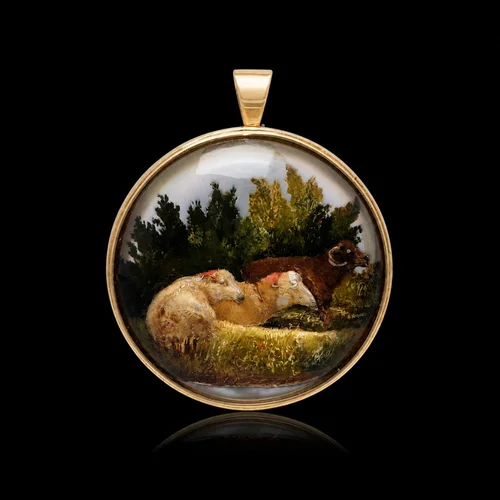
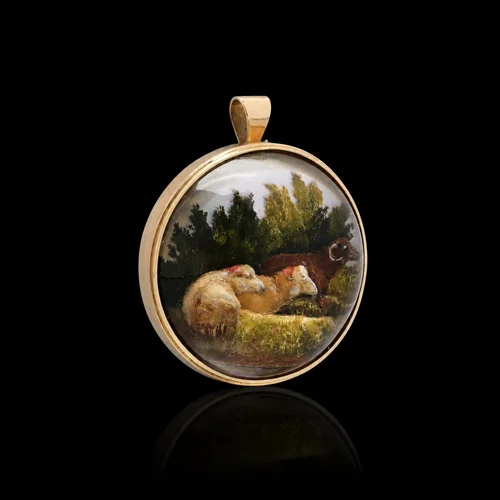 9KT Gold Essex Crystal Pendant with Two Ewes and a Ram£4,850
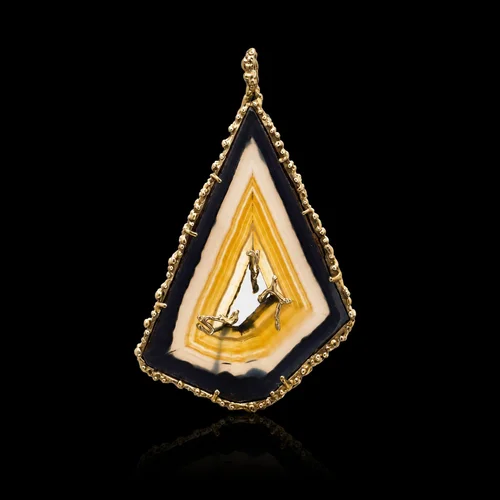
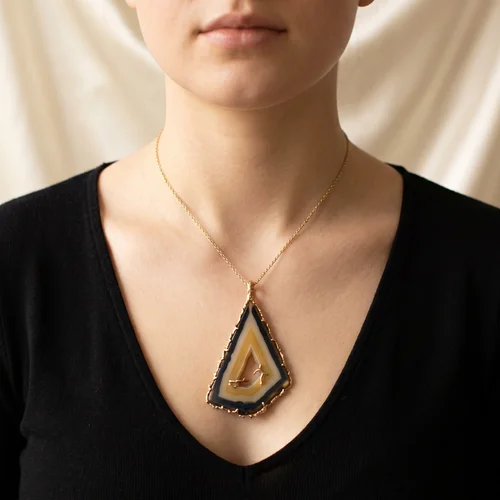 1970s 9KT Gold Banded Agate Pendant, London 1975£2,750
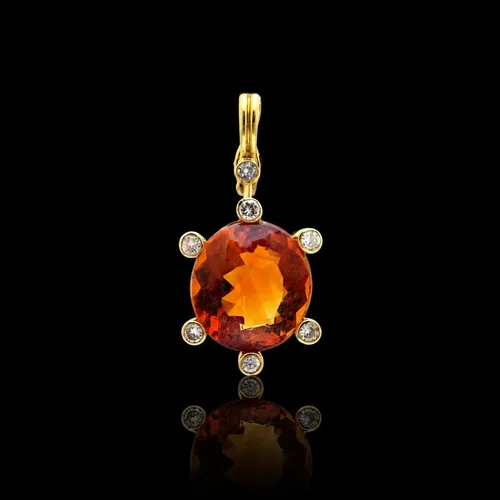
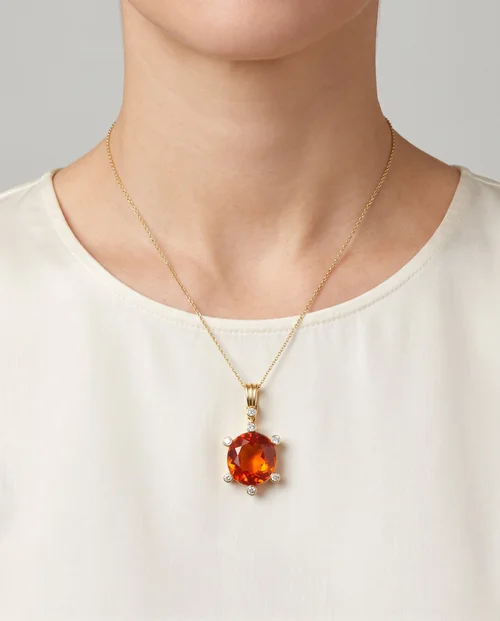 Citrine and Diamond 18KT Gold Pendant, 10ct Citrine, English 1970s£1,450
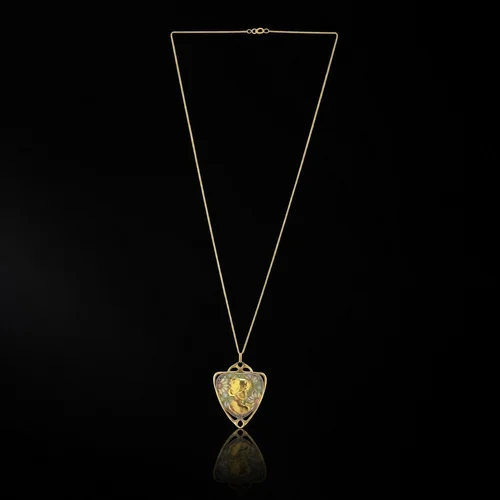
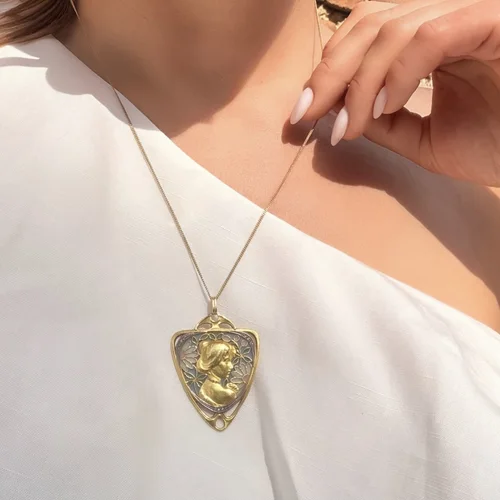 Art Nouveau Plique-à-Jour Enamel Pendant Necklace, 18KT Gold, Circa 1910£5,950
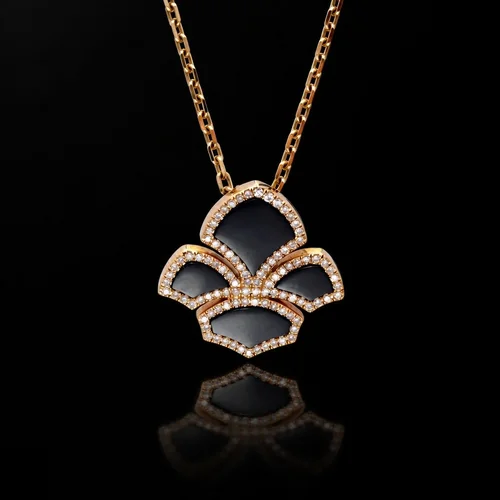
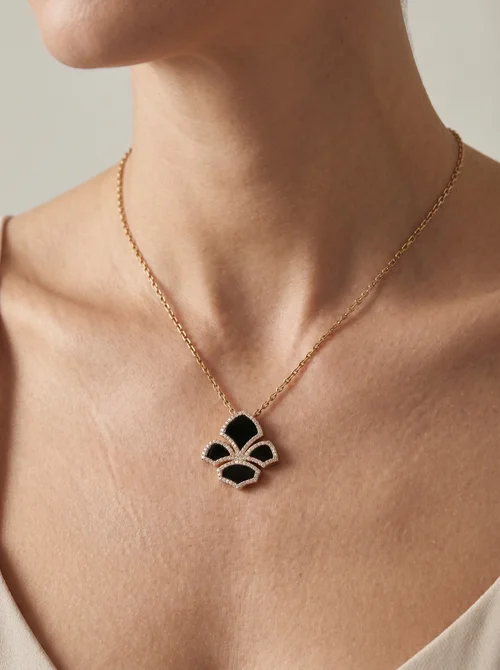 Chatila Onyx & Diamond Pendant Necklace, 18KT Gold£7,950
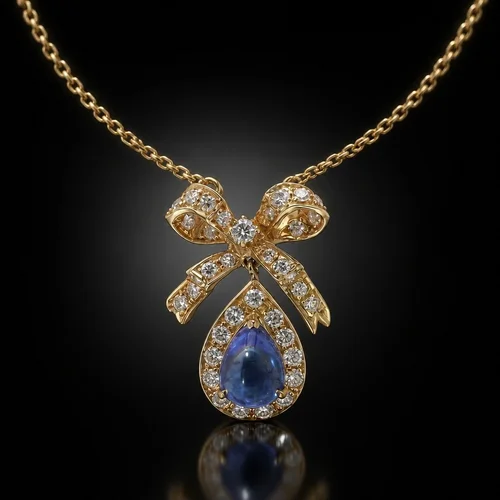
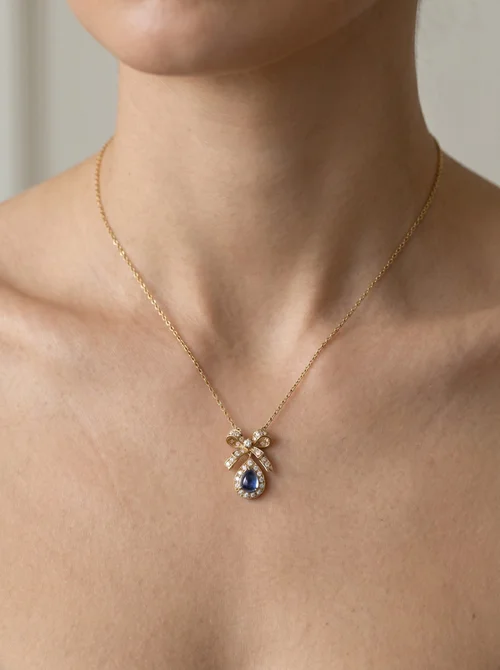 Vintage Sapphire & Diamond Bow Pendant Necklace, 18KT Gold£3,450
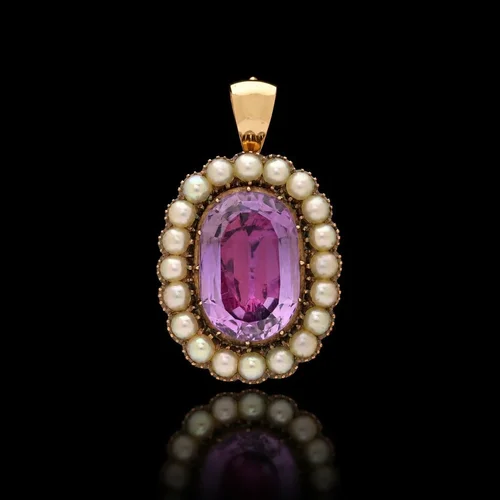
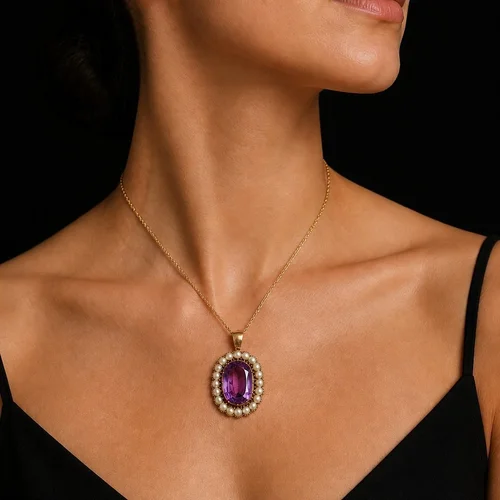 9KT Gold Amethyst and Freshwater Pearl Cluster Pendant£2,950
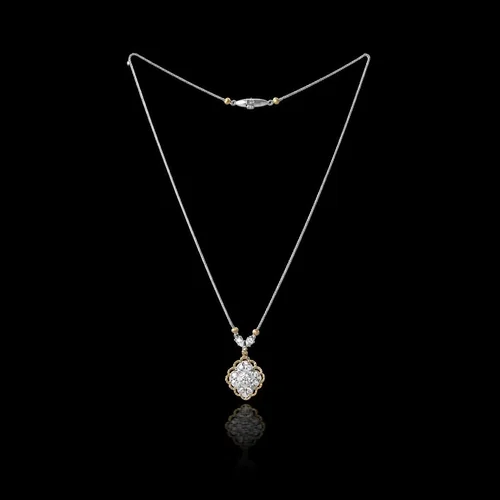
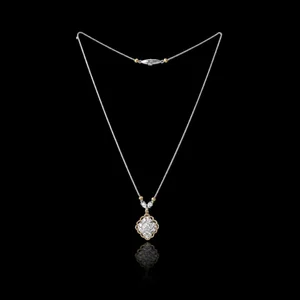
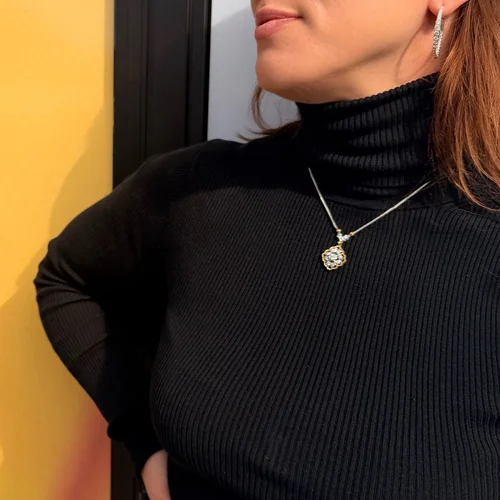 Vintage Mario Buccellati 18KT Gold Diamond Floral Pendant Necklace£8,950
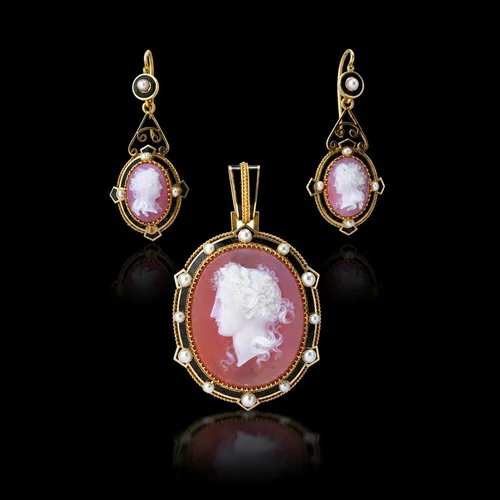
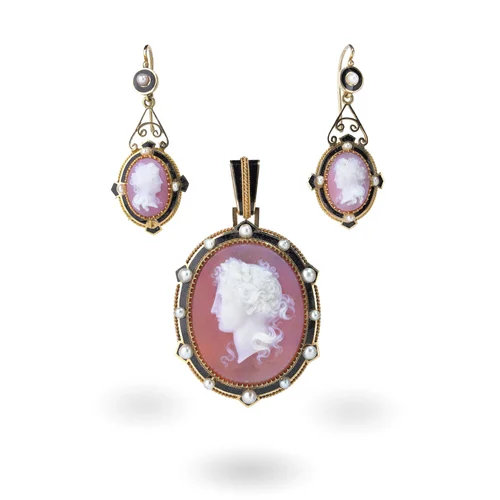 Victorian Carnelian Cameo Pendant and Earrings Suite in 18KT Gold£6,875
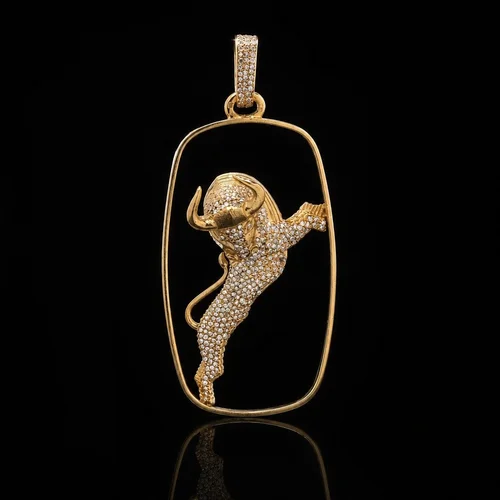
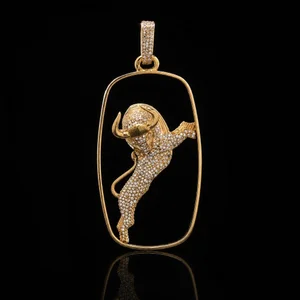
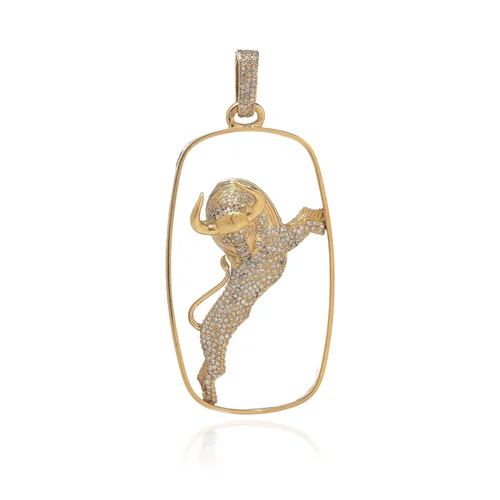 Georges L'Enfant Vintage 18KT Gold Diamond Pavé Bull Pendant£18,995
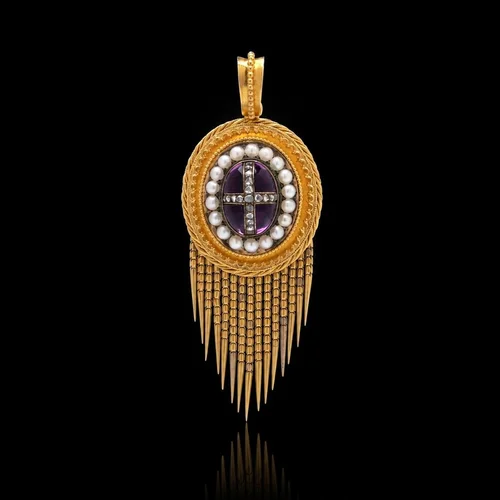
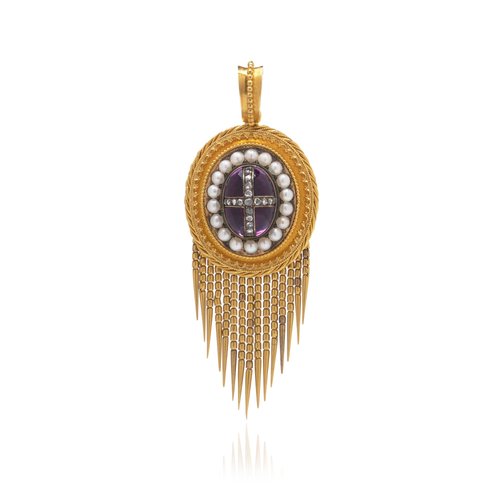 Victorian 21KT Gold Amethyst, Pearl and Diamond Pendant£6,995
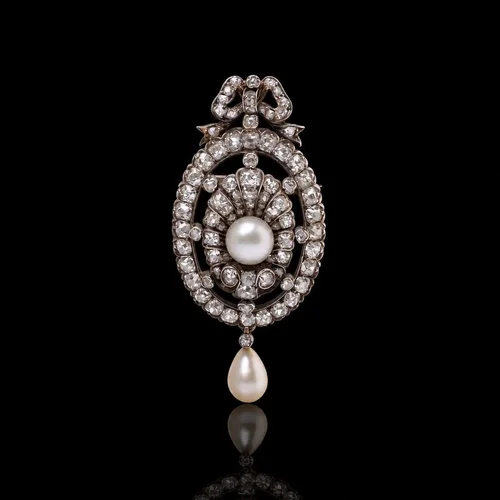
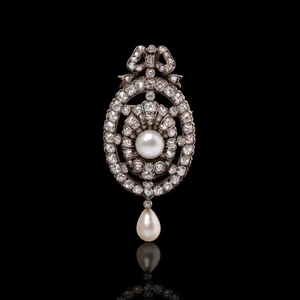
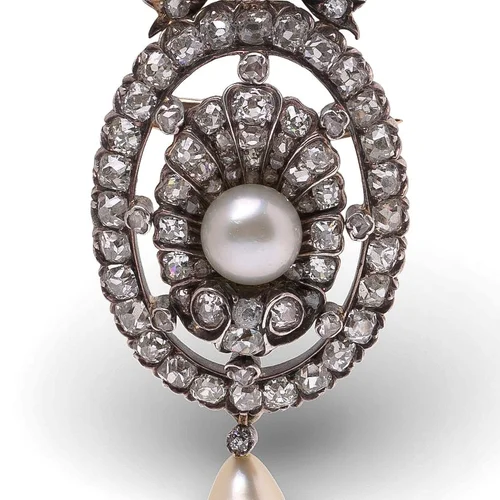 Victorian 15KT Gold & Silver Diamond and Pearl Pendant£9,850
Recently sold
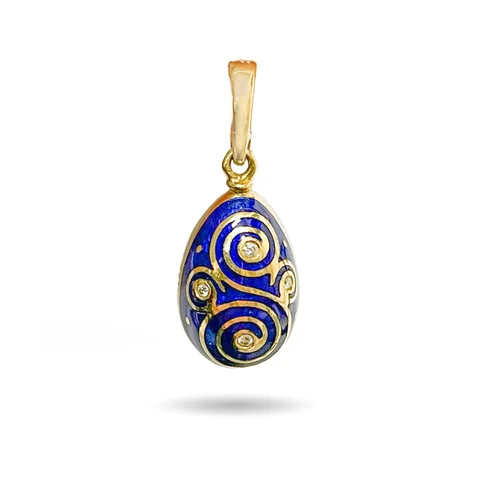 FABERGE 18KT Gold and Enamel Pendant with diamondsSold
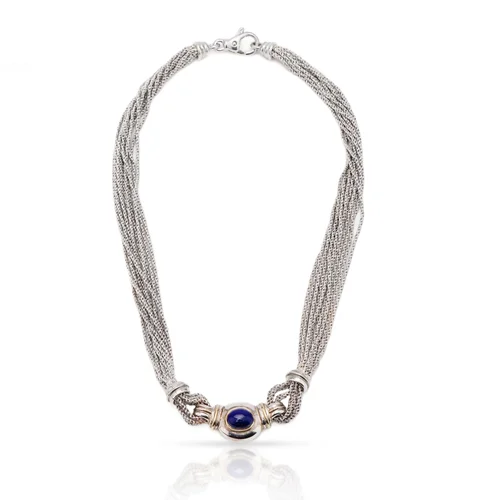 Tiffany & Co. 925 sterling silver and 14KT yellow gold multi-strand necklace with lapis lazuliSold
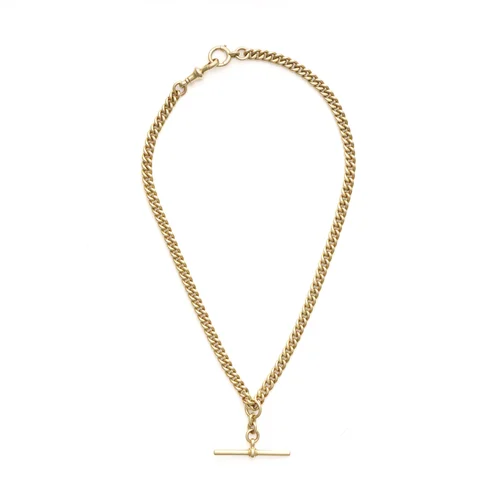 Edwardian 18KT yellow gold curb link Albert ChainSold
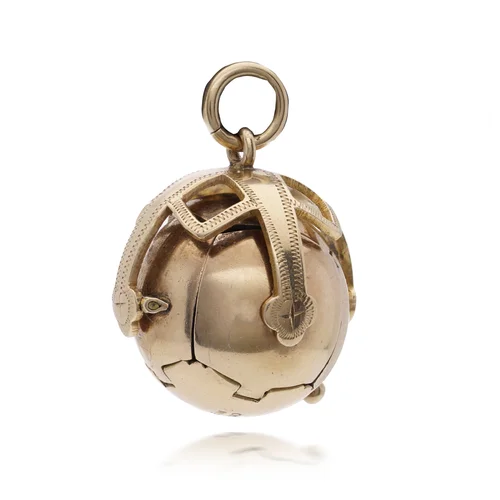 Vintage 9KT pink gold masonic orb fob ball cross pendant with silver - gilt interiorSold
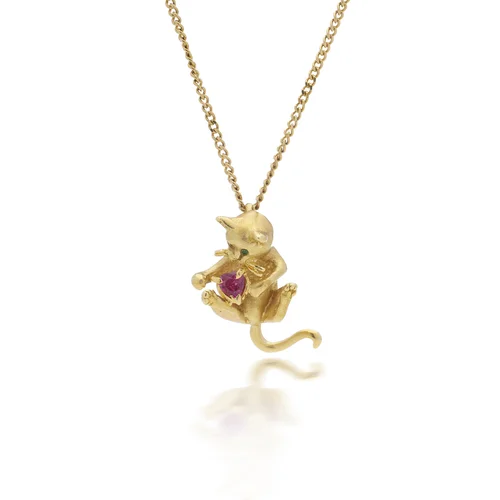 Fred Paris 18KT yellow gold chain necklace with kitty holding ruby pendantSold
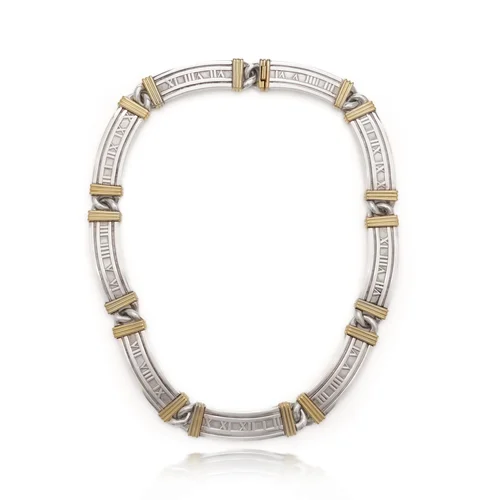 Tiffany & Co. silver and 18KT gold ladies' Atlas Collar necklace with Roman NumeralsSold
Pendants with a story
Many antique gold pendants carry an image or message. Cameos are carved in relief from shell, hardstone or coral. Micromosaics, made in Rome from tiny pieces of glass, show doves, ruins and flowers. Essex crystals are rock crystal cabochons carved from the back and painted, so a dog, horse or bird seems to sit inside the stone, a Victorian speciality. Mourning pendants hold woven hair behind glass.
Gold standards and marks
9KT gold is 37.5% gold, 15KT is 62.5%, 18KT is 75% and 22KT is 91.6%; some 19th century Italian and continental pendants are 20KT or higher. British pendants are often marked on the bail or the back. Many small Victorian gold pieces were exempt from hallmarking, so a genuine pendant may carry no mark and be identified by testing and construction.
The bail
The bail is the loop at the top that takes the chain. On older pendants it may be a fixed loop, a hinged bail or a simple ring. Check it is not worn thin, since it carries all the weight, and that the opening suits the chain you plan to use.
Chains
Antique pendants are often sold without their original chain, which may have been worn out or separated. A pendant suits a chain of matching colour and standard, strong enough for its weight. Listings say whether a chain is included and give its length.
What to check
Look closely at carved surfaces for chips and cracks, at mosaic and enamel for losses, and at glazed backs for broken glass. Check stones are secure and that any hinged back or compartment closes properly.
Coins and charms
Gold coins, especially sovereigns, have long been mounted as pendants in gold frames called mounts. The coin should sit firmly in its mount without being soldered, which would reduce the coin's own interest. Gold charms, from small seals to tiny figures, were also worn as pendants on fine chains, and many date from the late 19th and early 20th centuries.
Questions
How can you tell if a gold pendant is real?
Look for a standard stamp such as 9KT, 18KT, 375 or 750 on the bail or the back, or a full hallmark. Many antique pendants are unmarked, so a jeweller may test the gold with an XRF reading or acid. Plated pieces may show base metal at worn edges.
Do gold pendants have stamps?
Modern British gold pendants over 1 gram must be hallmarked. Antique pendants often are not, because many small gold items were exempt in the 19th century. Foreign pendants may carry their own country's marks or a standard number such as 750.
Can you put a gold pendant on a silver chain?
You can, but the colours contrast and a silver chain may be weaker than the pendant needs. A gold chain of a similar colour suits a gold pendant best and wears evenly with it.
Do gold pendants tarnish?
Gold does not tarnish, but lower standards such as 9KT can dull slightly over time. Wipe the pendant with a soft cloth; do not soak pendants that contain cameos, pearls, enamel or hair compartments.