Guide · Bullion

Gold Bars and Bullion: Buying, Testing, Tax and Selling in the UK

What gold and silver bars are, how to tell a genuine bar, why every bar is tested before an offer, how tax treats bullion, and how to sell.

By the Mozeris specialistsUpdated 4 min read

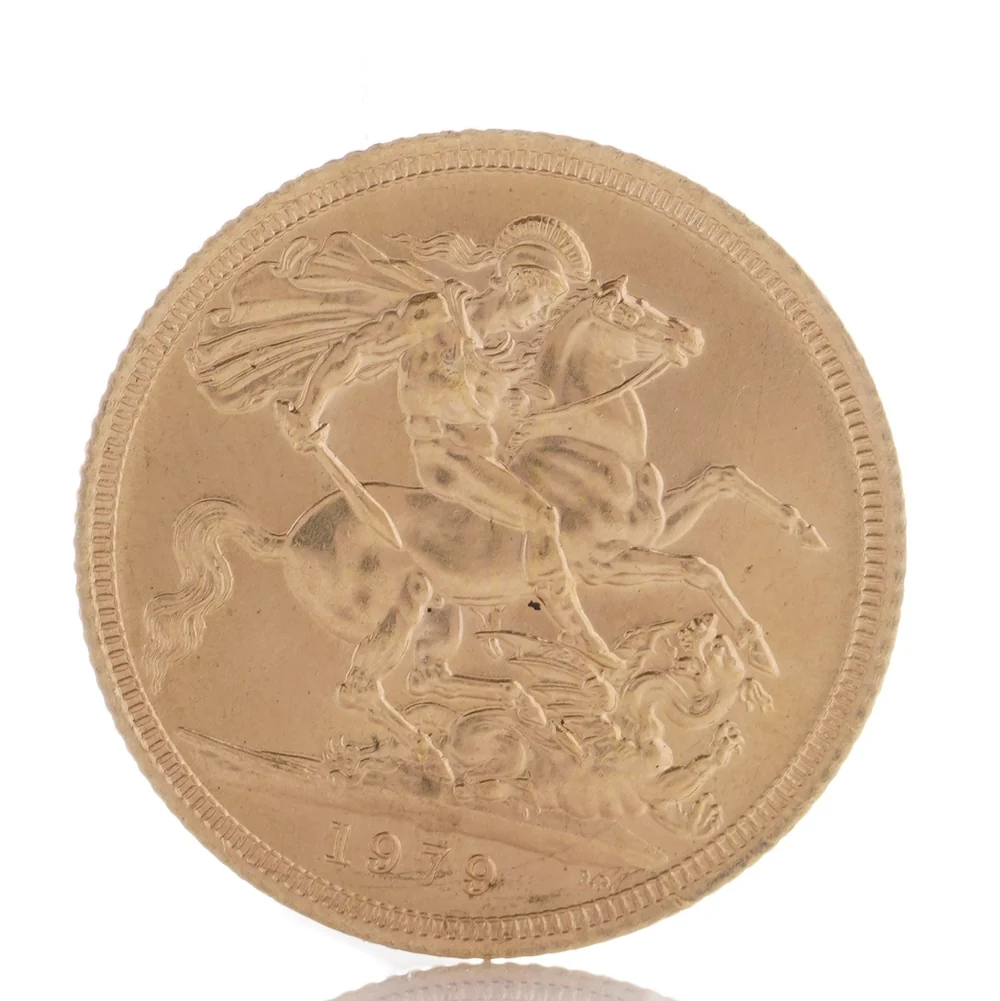
The reverse of a 1979 gold sovereign: Pistrucci's St George on horseback slaying the dragon, with the date below the ground line
A 1979 gold sovereign, the most traded UK bullion coin, from our collection

The short answer

Yes. We buy gold bars of every size, minted and cast, as well as silver bars and bullion coins. Every bar is tested before we make an offer, and occasionally a bar needs to be cut into for a full test, which we only do with your agreement. Once you accept, we pay the same day by bank transfer.

  • Gold bars are stamped with the refiner, fineness, weight and usually a serial number.
  • Every bar is tested before an offer; some need cutting into, done only with your agreement.
  • Investment gold bars and coins are free of VAT; silver bars are not.

Do you buy gold bars?

Yes. We buy gold bars of every size, minted and cast, as well as silver bars and bullion coins. Every bar is tested before we make an offer, and occasionally a bar needs to be cut into for a full test, which we only do with your agreement. Once you accept, we pay the same day by bank transfer.

How are gold bars tested before an offer?

We check the marks, weight and dimensions against the refiner's specifications, then test the metal, usually with an XRF analyser, which reads the surface without marking it. Because a surface test cannot see inside a bar, some bars also need a small cut or drill sample to confirm the gold is the same all the way through.

Why might a gold bar need to be cut into?

Some fake bars hide a heavy cheaper metal, such as tungsten, inside a layer of real gold, so they pass weight and surface tests. Cutting or drilling a small sample is the reliable way to check the inside. We explain why first and only cut a bar with your agreement.

Send us photos for a free valuation

What is the difference between cast and minted gold bars?

Cast bars are poured into moulds and have a rough, slightly uneven surface with stamped marks. Minted bars are struck from rolled gold strip, with sharp edges, a polished finish and often a design, and are usually sealed in a card or capsule with an assay certificate. Both are investment gold when 99.5% fine or better.

Sealed minted bars should be kept in their original packaging: opened or damaged cards can mean extra testing when the bar is sold.

What marks should a gold bar have?

A genuine bar is stamped or printed with the refiner's name or logo, the fineness, such as 999.9, the weight, and usually a serial number that matches any certificate. Bars from refiners accredited by the London Bullion Market Association are widely traded. Missing or blurred marks mean the bar needs fuller testing.

How can you spot fake gold bullion?

Check that the weight, size and thickness match the refiner's published specifications, that the marks are crisp and the serial matches the certificate, and that the bar is not magnetic. Fakes made with tungsten can pass these checks, so buy from established dealers and expect bars to be tested properly when sold.

Is gold bullion taxable in the UK?

Investment gold, bars of 99.5% purity or more and qualifying gold coins, is free of VAT in the UK. Gains on selling gold bars can be liable to Capital Gains Tax, because bars are not legal tender, while sovereigns and Britannias are exempt. The annual allowance may cover smaller gains; take advice on large holdings.
The reverse of a 1979 gold sovereign: Pistrucci's St George on horseback slaying the dragon, with the date below the ground line
A 1979 gold sovereign, the most traded UK bullion coin, from our collection

Coins or bars?

Sovereigns and Britannias are UK legal tender and free of Capital Gains Tax, which is one reason many UK investors choose coins over bars.

Is it worth buying gold bars?

Bars usually cost less above the gold price than coins of the same weight, especially in larger sizes, which suits people buying gold for its metal. But gains on bars can be taxable, and larger bars are harder to sell in part. The gold price can fall as well as rise. Many buyers hold a mix of coins and bars.

Do gold bars increase in value?

A gold bar's value follows the gold price, which moves daily with interest rates, the US dollar, inflation and world events, and can fall as well as rise. Bars carry no collector premium, so their value is almost entirely their gold. No one can predict the price with certainty.

How do I sell silver bars and ingots?

Photograph each bar showing the marks, and any certificate, and send the photos for a free valuation. Silver bars and older ingots, including British commemorative ingots, are tested like gold bars before an offer. We buy silver bars of all sizes, and we pay the same day by bank transfer once you accept.
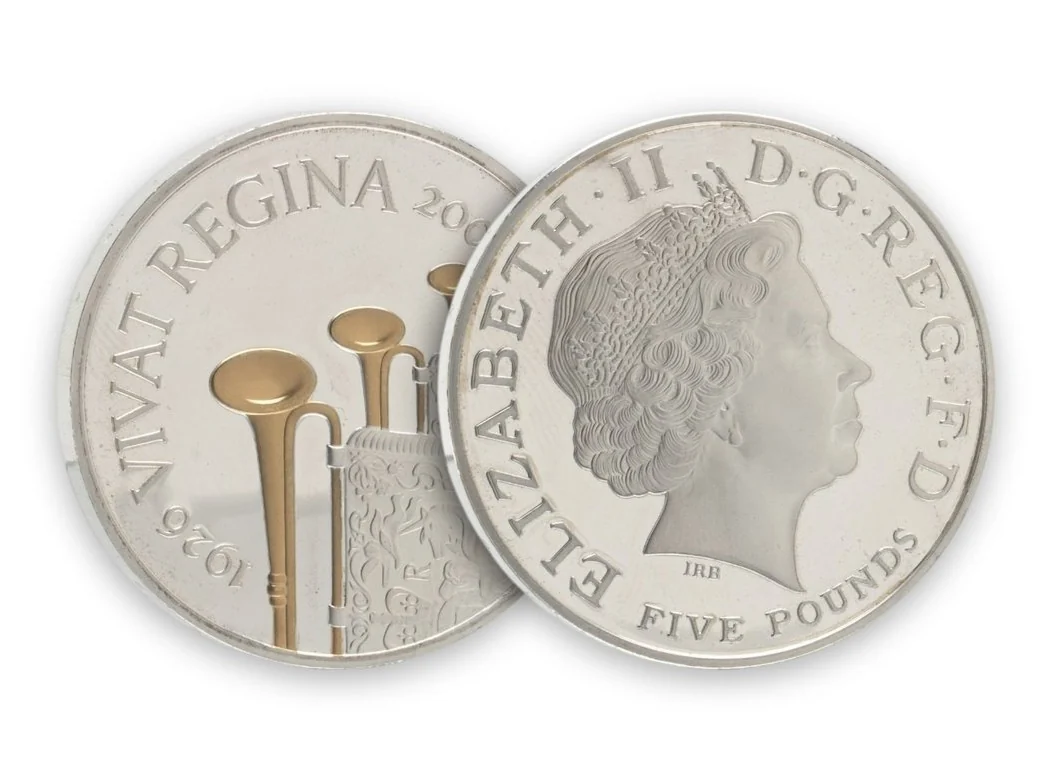
Both sides of a 2006 silver piedfort proof five pound coin with gold-plated trumpets on the reverse
A 2006 silver piedfort proof five pound coin, from our collection

Silver bullion

Silver bars and silver bullion coins carry VAT when bought in the UK, unlike gold.

Is gold jewellery a good investment?

Gold jewellery is usually bought for wearing rather than investment: retail prices include making costs, design and VAT, so selling soon after buying returns less than was paid. Antique and signed jewellery can hold or gain value through collector demand. For pure investment, bullion bars and coins are the usual route.

How do I sell gold bars or bullion by post?

Send photos of the bars, marks and any certificates for a free valuation, then post them by Royal Mail Special Delivery or book our free insured FedEx collection, or visit our Mayfair or Braintree office by appointment. We test each bar, confirm the offer, and pay the same day by bank transfer once you accept.
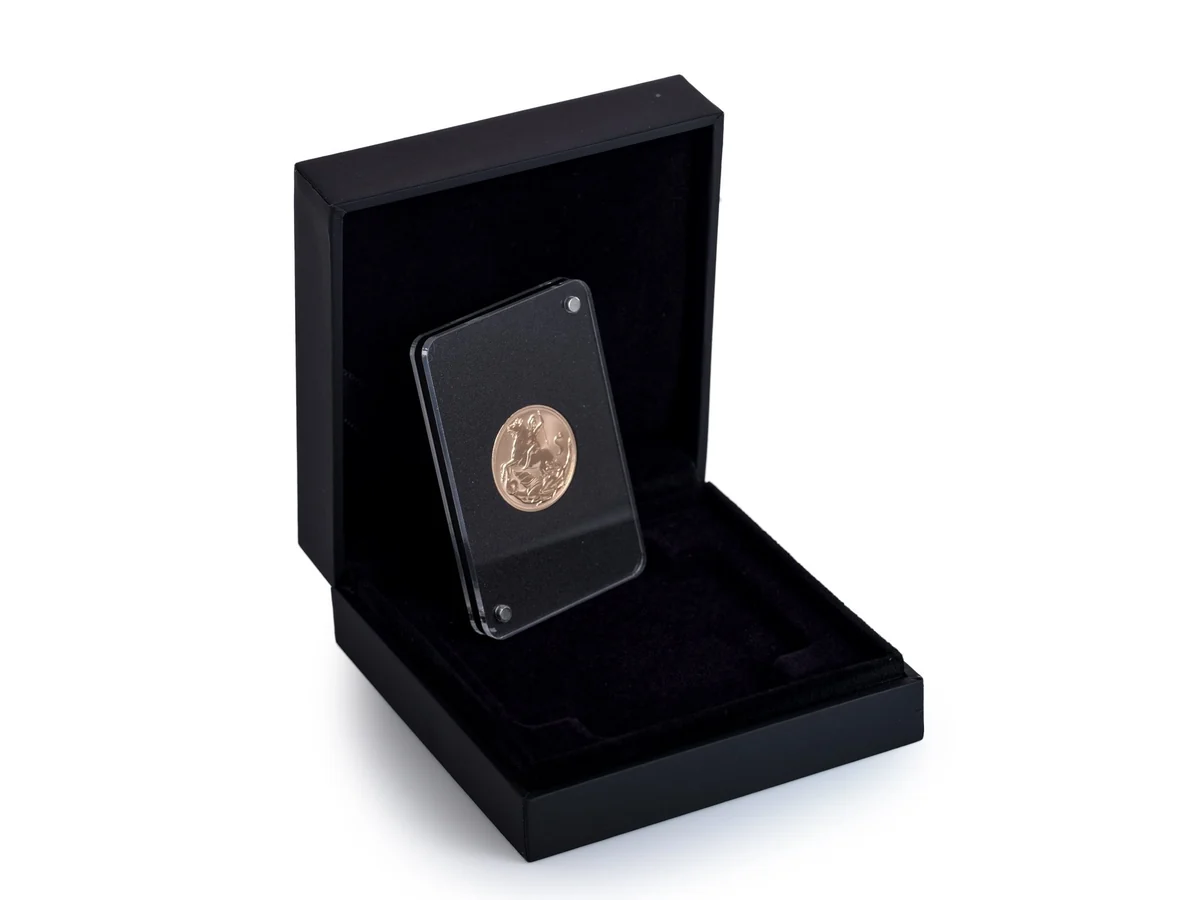
A 2017 reverse proof gold sovereign, Gibraltar issue, in its capsule inside an open black presentation case
A proof gold sovereign in its capsule and case, from our collection

Keep packaging

Certificates, cards and capsules help confirm a bar or coin and can speed up testing.

Free valuation

Every piece is different. Send us a few photos and we will tell you what yours is worth, free and with no obligation. Request a free valuation.

Request a free valuation

Sources

Questions

Do you buy gold bars?

Yes. We buy gold bars of every size, minted and cast, as well as silver bars and bullion coins. Every bar is tested before we make an offer, and occasionally a bar needs to be cut into for a full test, which we only do with your agreement. Once you accept, we pay the same day by bank transfer.

How are gold bars tested before an offer?

We check the marks, weight and dimensions against the refiner's specifications, then test the metal, usually with an XRF analyser, which reads the surface without marking it. Because a surface test cannot see inside a bar, some bars also need a small cut or drill sample to confirm the gold is the same all the way through.

Why might a gold bar need to be cut into?

Some fake bars hide a heavy cheaper metal, such as tungsten, inside a layer of real gold, so they pass weight and surface tests. Cutting or drilling a small sample is the reliable way to check the inside. We explain why first and only cut a bar with your agreement.

What is the difference between cast and minted gold bars?

Cast bars are poured into moulds and have a rough, slightly uneven surface with stamped marks. Minted bars are struck from rolled gold strip, with sharp edges, a polished finish and often a design, and are usually sealed in a card or capsule with an assay certificate. Both are investment gold when 99.5% fine or better.

What marks should a gold bar have?

A genuine bar is stamped or printed with the refiner's name or logo, the fineness, such as 999.9, the weight, and usually a serial number that matches any certificate. Bars from refiners accredited by the London Bullion Market Association are widely traded. Missing or blurred marks mean the bar needs fuller testing.

How can you spot fake gold bullion?

Check that the weight, size and thickness match the refiner's published specifications, that the marks are crisp and the serial matches the certificate, and that the bar is not magnetic. Fakes made with tungsten can pass these checks, so buy from established dealers and expect bars to be tested properly when sold.

Is gold bullion taxable in the UK?

Investment gold, bars of 99.5% purity or more and qualifying gold coins, is free of VAT in the UK. Gains on selling gold bars can be liable to Capital Gains Tax, because bars are not legal tender, while sovereigns and Britannias are exempt. The annual allowance may cover smaller gains; take advice on large holdings.

Is it worth buying gold bars?

Bars usually cost less above the gold price than coins of the same weight, especially in larger sizes, which suits people buying gold for its metal. But gains on bars can be taxable, and larger bars are harder to sell in part. The gold price can fall as well as rise. Many buyers hold a mix of coins and bars.

Do gold bars increase in value?

A gold bar's value follows the gold price, which moves daily with interest rates, the US dollar, inflation and world events, and can fall as well as rise. Bars carry no collector premium, so their value is almost entirely their gold. No one can predict the price with certainty.

How do I sell silver bars and ingots?

Photograph each bar showing the marks, and any certificate, and send the photos for a free valuation. Silver bars and older ingots, including British commemorative ingots, are tested like gold bars before an offer. We buy silver bars of all sizes, and we pay the same day by bank transfer once you accept.

Is gold jewellery a good investment?

Gold jewellery is usually bought for wearing rather than investment: retail prices include making costs, design and VAT, so selling soon after buying returns less than was paid. Antique and signed jewellery can hold or gain value through collector demand. For pure investment, bullion bars and coins are the usual route.

How do I sell gold bars or bullion by post?

Send photos of the bars, marks and any certificates for a free valuation, then post them by Royal Mail Special Delivery or book our free insured FedEx collection, or visit our Mayfair or Braintree office by appointment. We test each bar, confirm the offer, and pay the same day by bank transfer once you accept.

Can I sell a gold bar without a certificate?

Yes. A certificate helps but is not essential, because every bar is tested before an offer anyway. Bars without paperwork, or with damaged packaging, may need a fuller test, sometimes including a small cut or drill sample, which we only carry out with your agreement.

What is a Good Delivery gold bar?

A Good Delivery bar is a large cast bar of about 400 troy ounces, made by a refiner accredited by the London Bullion Market Association and traded between banks and central banks in the London market. Private investors usually buy much smaller bars, from 1 gram to 1 kilogram.