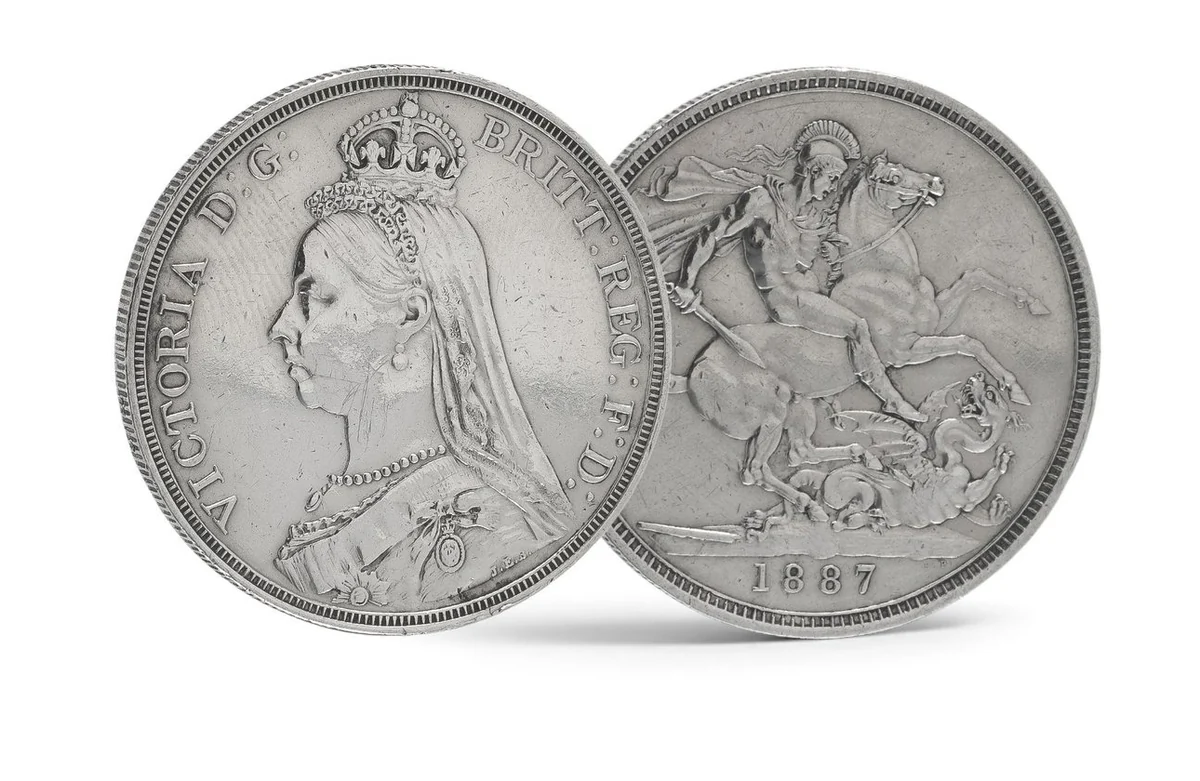
Are commemorative crowns worth anything?
Silver crowns are: those dated 1946 or earlier contain silver, and the 1935 Jubilee crown is half silver. Everyday commemorative crowns from 1951 onwards, including Churchill, the 1977 Jubilee and the five pound coins, are cupronickel and were struck in millions, so they are worth face value. Silver and gold proofs are worth more.
| Crown | Metal (everyday version) | Number struck |
|---|---|---|
| 1935 George V Silver Jubilee | 50% silver | 714,769 |
| 1951 Festival of Britain | Cupronickel | 1,983,540 |
| 1953 Coronation of Elizabeth II | Cupronickel | 5,962,621 |
| 1960 British Exhibition, New York | Cupronickel | 1,024,038 |
| 1965 Churchill | Cupronickel | 19,640,000 |
| 1972 Silver Wedding (25p) | Cupronickel | 7,452,100 |
| 1977 Silver Jubilee (25p) | Cupronickel | 37,061,160 |
| 1980 Queen Mother (25p) | Cupronickel | 9,306,000 |
| 1981 Royal Wedding (25p) | Cupronickel | 26,773,600 |
Source: Crown (British coin), Wikipedia, mintages from the Standard Catalogue. Silver proof versions of the later crowns were sold separately in cases.
What makes a 1977 Jubilee coin rare?
The everyday 1977 Silver Jubilee crown is not rare: over 37 million were struck in cupronickel, so it is worth face value. What collectors look for is the sterling silver proof, sold in a case with a certificate, and specimen coins in their original folders. Check the case and the mirror finish to tell them apart.
Is a 1965 Churchill crown worth anything?
Usually not much above face value. More than 19.6 million 1965 Churchill crowns were struck in cupronickel, with no silver, so they are very common, and they remain legal tender at 25 pence. It was the first time a commoner appeared on a British coin. Rare proof and specimen strikes are worth more.
Send us photos for a free valuation
Is there a Churchill five pound coin?
Yes. In 2015 the Royal Mint issued a five pound coin marking 50 years since Winston Churchill's death, sold in brilliant uncirculated, silver proof and gold proof versions. It is a different coin from the 1965 Churchill crown. Like other five pound coins it is legal tender but made for collectors, not circulation.
What is a 1951 Festival of Britain crown worth?
The 1951 Festival of Britain crown is cupronickel with no silver, and nearly two million were made, many sold in boxes as souvenirs of the festival. Boxed coins in fine condition are worth a little more than loose worn ones. It shows St George and the dragon and remains legal tender at 25 pence.
British coins in stock
Shop all 10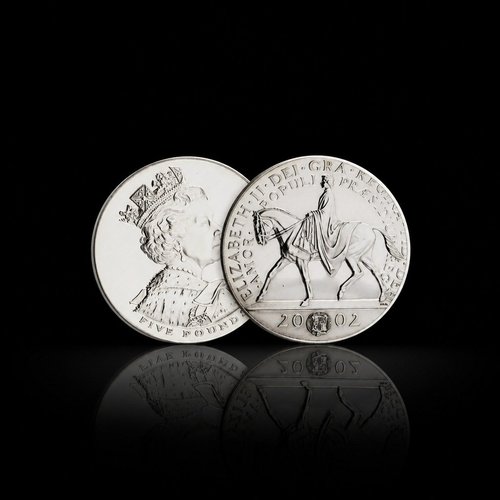
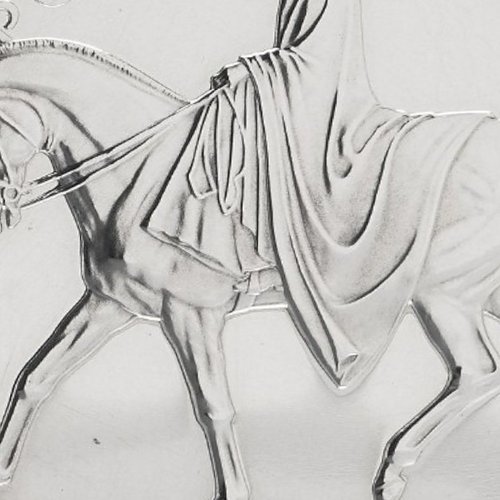 Golden Jubilee 2002 Five Pound Crown, Queen Elizabeth II Equestrian Portrait£195
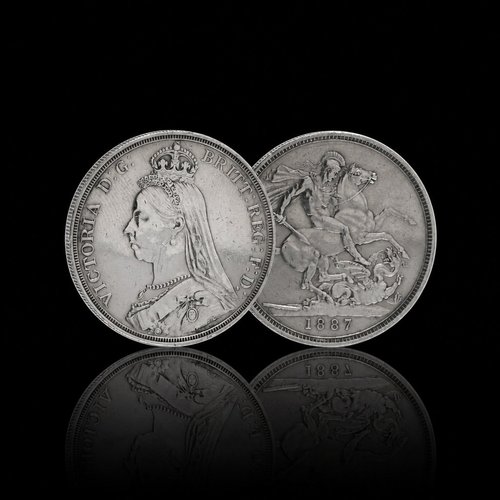
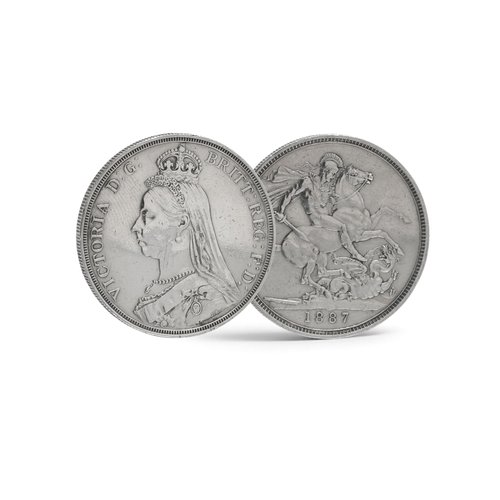 Queen Victoria Jubilee Head Silver Crown 1887, First Year British Sterling Silver Coin£195
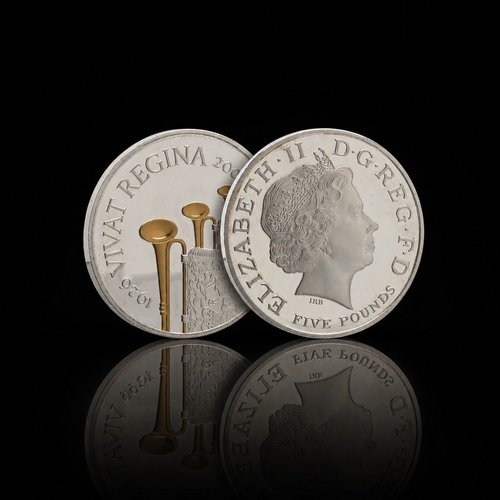
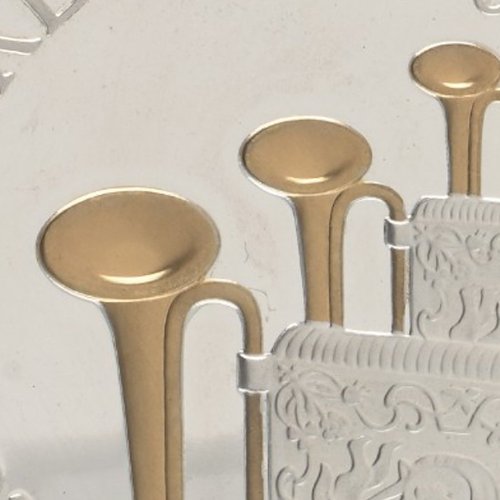 Queen Elizabeth II 80th Birthday 2006 Silver Piedfort Five Pounds, Gold Plated Proof£595
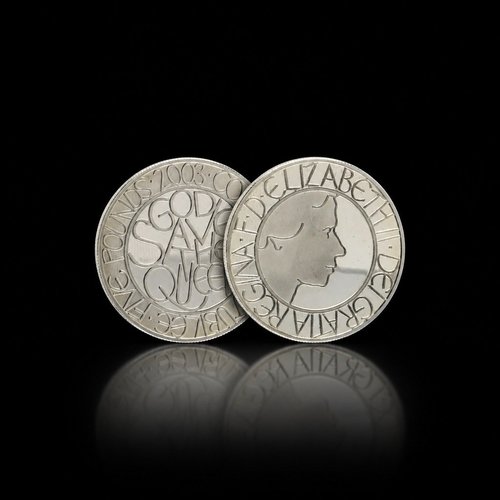
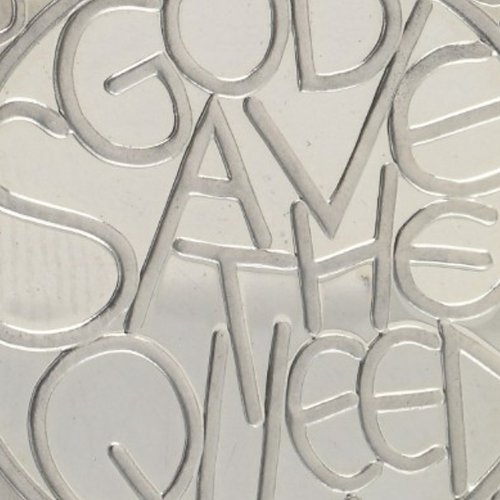 Coronation Jubilee 2003 Five Pound Crown, Queen Elizabeth II Golden Jubilee of Coronation£195
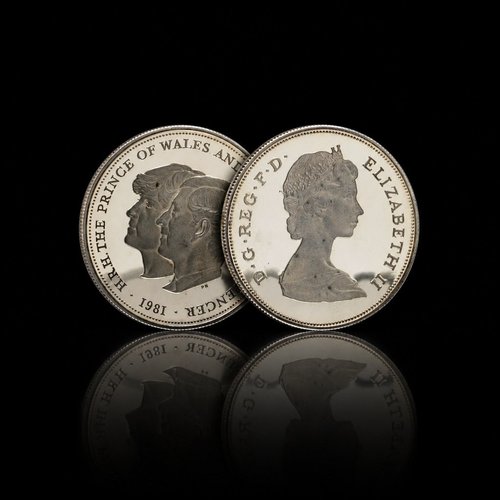
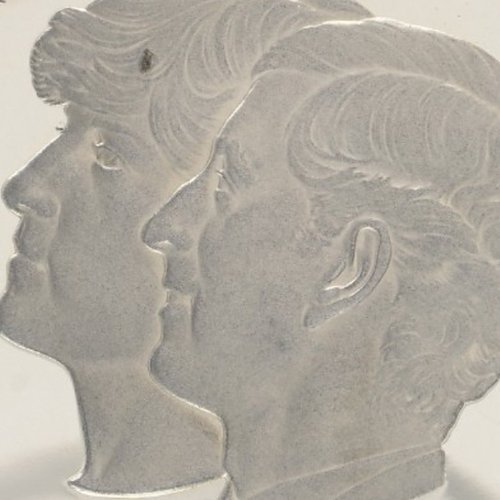 Charles and Diana Royal Wedding Crown 1981, Prince of Wales Commemorative Coin£195
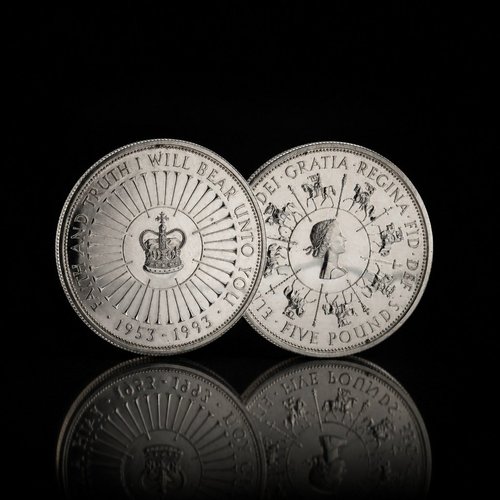
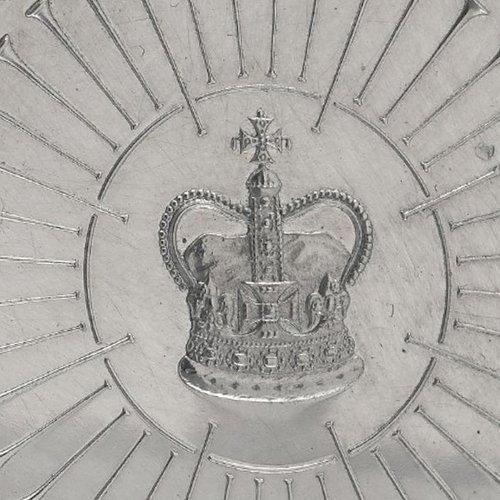 Coronation 40th Anniversary 1993 Five Pound Crown, Queen Elizabeth II£195
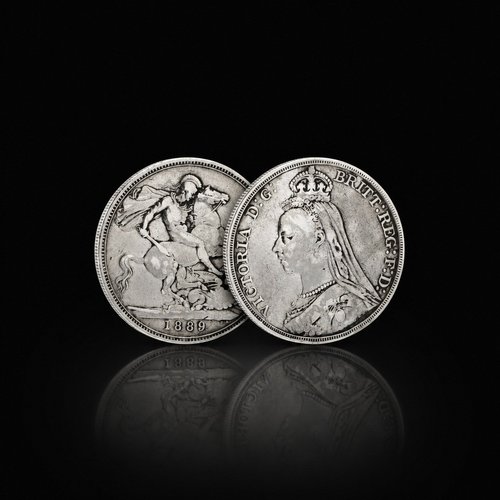
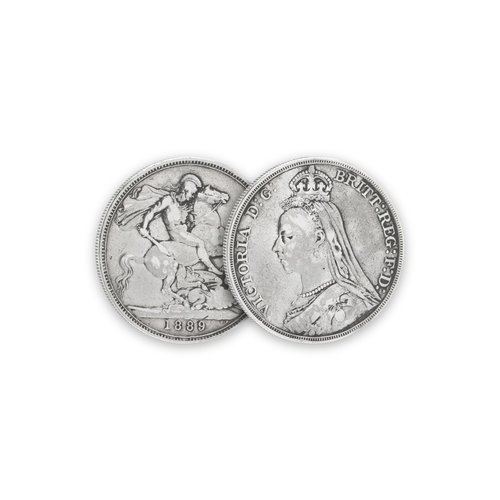 Queen Victoria Jubilee Head Silver Crown 1889, British Sterling Silver Coin£195
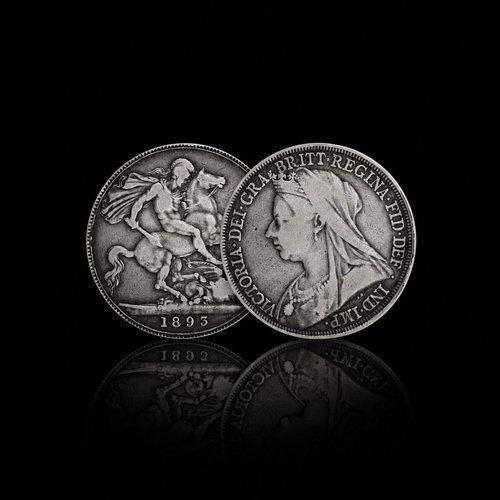
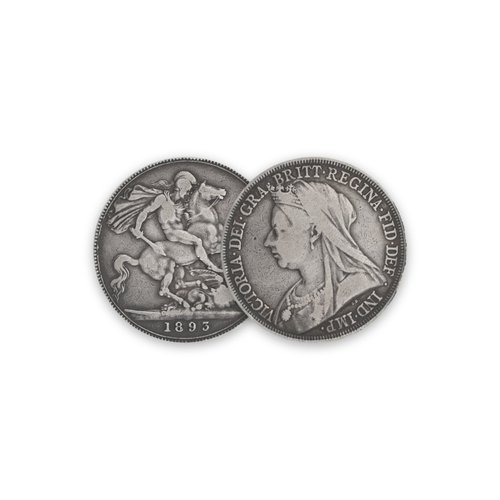 Queen Victoria Old Head Silver Crown 1893, First Year British Sterling Silver Coin£450
What are five pound coins from 1990 onwards?
The five pound coin replaced the 25 pence crown as Britain's commemorative coin in 1990, first marking the Queen Mother's 90th birthday, and later celebrating jubilees, royal events and anniversaries, such as the 1997 Golden Wedding coin dated 1947 to 1997. Everyday versions are cupronickel and legal tender for five pounds.
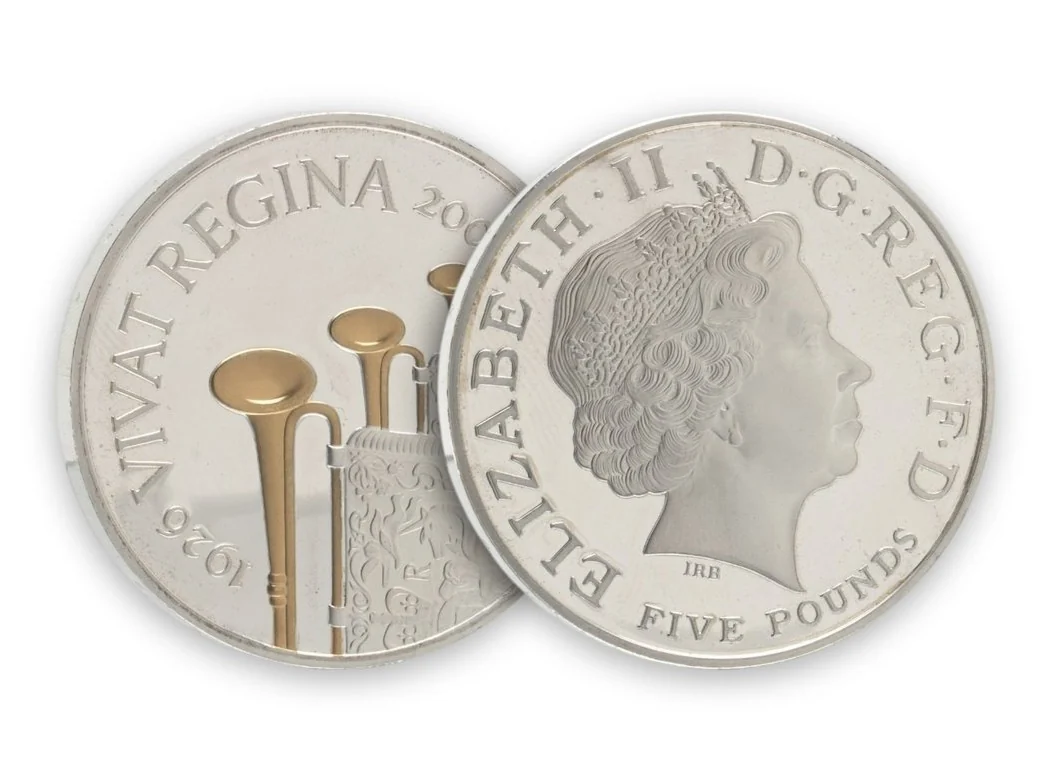
Silver proofs and piedforts
Most five pound designs were also struck as silver proofs, and some as piedforts on double thickness blanks, like this 2006 coin. These contain silver; the everyday coin does not.
Is the 2023 King Charles coronation coin valuable?
The 2023 coronation five pound coin was sold by the Royal Mint in brilliant uncirculated, silver proof and gold proof versions, and a coronation 50p entered circulation. The base-metal versions were made in large numbers and are worth close to their issue or face value. Gold and silver proofs carry their metal value.
Are commemorative coins legal tender in the UK?
Yes. Pre-decimal crowns from 1818 onwards are legal tender at 25 pence, and five pound crowns from 1990 at five pounds. But they are not intended for circulation, legal tender has a narrow meaning, and shops do not have to accept them. Collectors and dealers are the realistic buyers.
Which half crown coins are valuable?
Half crowns dated 1946 or earlier contain silver: 1919 and earlier are sterling, and 1920 onwards, including 1920 and 1921, are 50% silver. Low-mintage dates, such as 1905 and 1930, and coins in exceptional condition are sought by collectors. Half crowns from 1947 to 1967 are cupronickel and common.
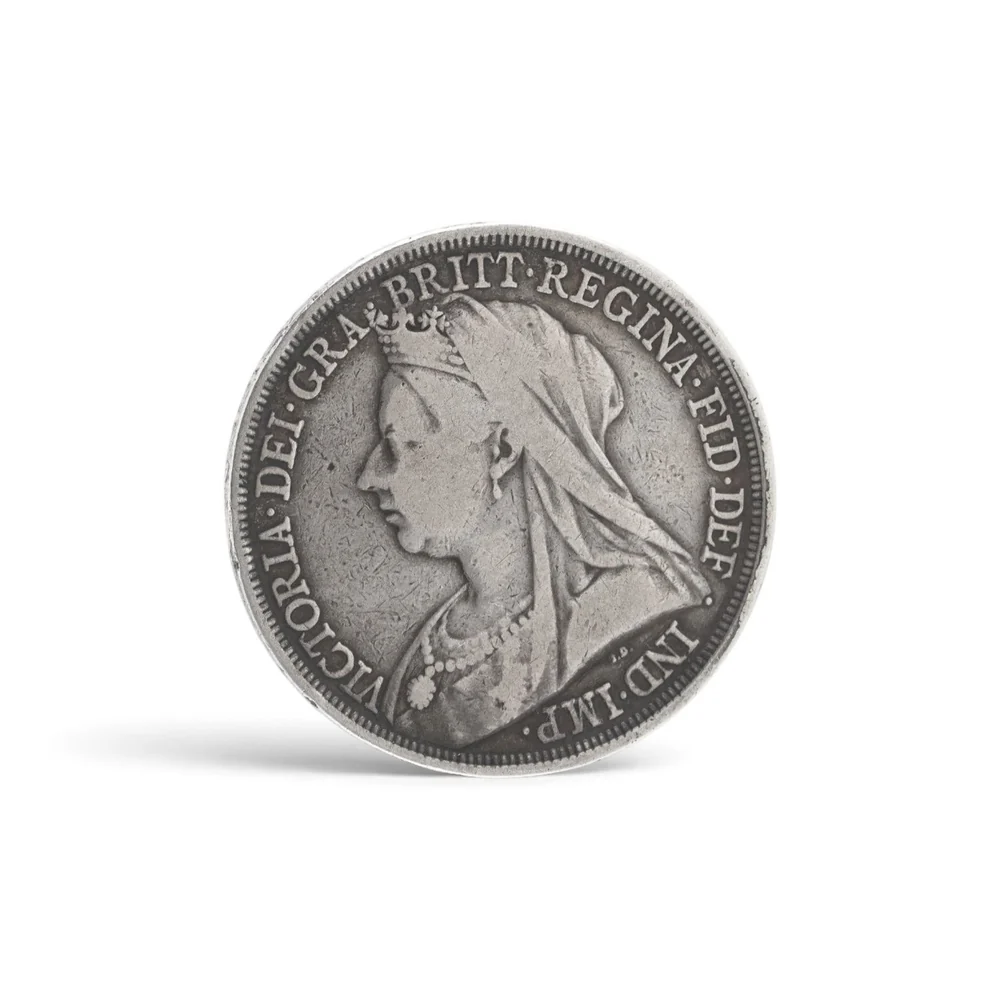
Victorian silver
Victorian crowns and half crowns, like this 1893 Old Head crown, are sterling silver and always worth more than face value.
Are Irish half crowns silver?
Irish half crowns from 1928 to 1943 are 75% silver, and those from 1951 onwards are cupronickel. They show a harp on one side and Percy Metcalfe's horse on the other. Like British half crowns, the silver dates are worth more than face value, and coins in fine condition are collected.
Should I clean old crowns and half crowns?
No. Cleaning or polishing a coin scratches its surface and removes the original lustre and toning, which lowers the value of any coin with collector interest. Keep cased crowns in their cases, hold loose coins by the edge, and send them to be seen as they are.
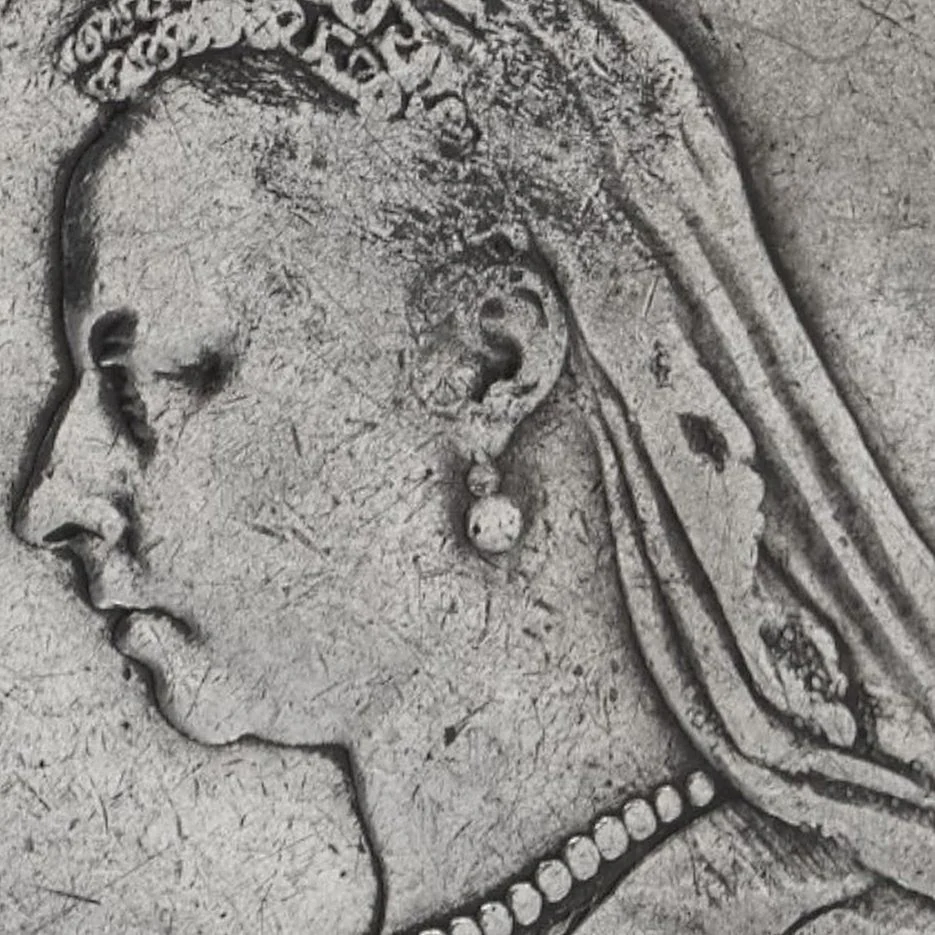
What wear looks like
Wear on the high points of the portrait is natural and expected; cleaning marks are not.
Every piece is different. Send us a few photos and we will tell you what yours is worth, free and with no obligation. Request a free valuation.
Request a free valuation