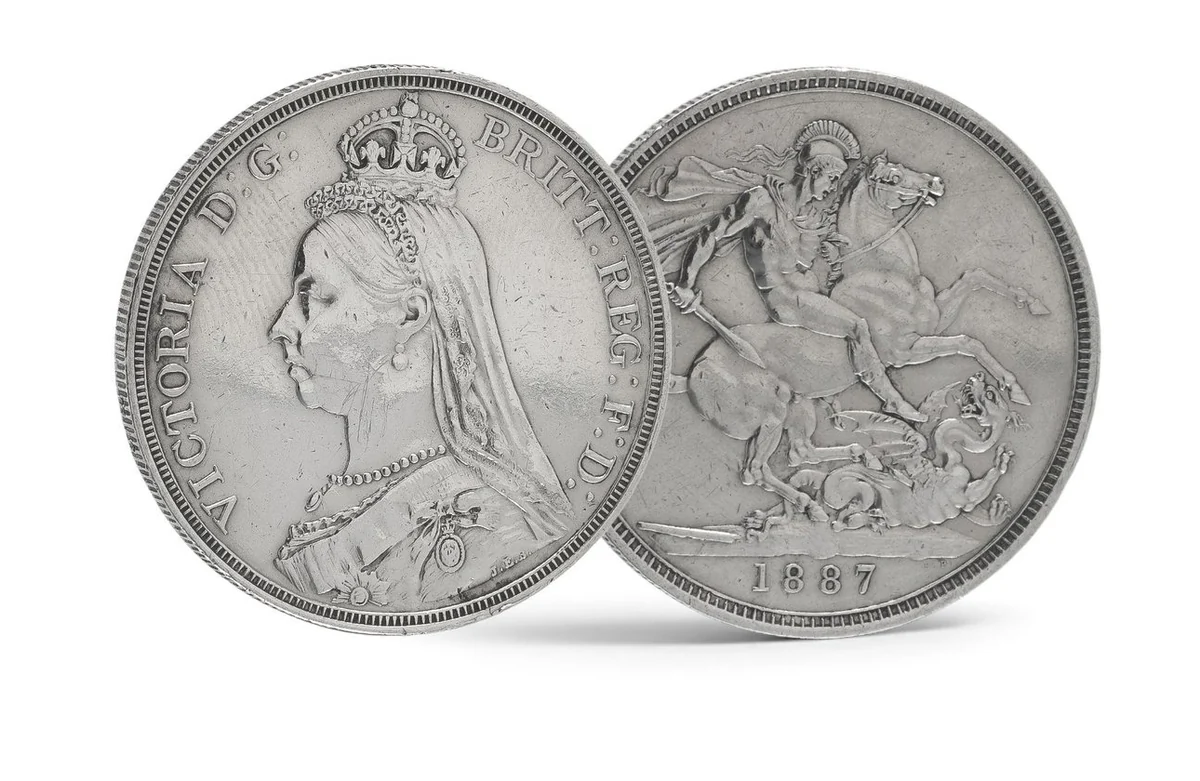
How can I find out what my coin collection is worth?
Sort the coins by metal and country first: gold, British silver dated 1946 or earlier, then everything else. Gold and silver carry metal value, and rare dates and fine condition add to it. Photograph both sides of anything gold, silver or unusual and send the photos for a free valuation within one working day.
- Gold: sovereigns, half sovereigns, Krugerrands and older gold.
- British silver to 1946: crowns, half crowns, florins, shillings, sixpences, threepences and Maundy money.
- Proof sets and silver proofs: keep them in their cases.
- Everything else: base-metal coins, foreign change and modern sets.
How are coins graded in the UK?
British dealers grade coins by wear, from Poor through Fair, Fine, Very Fine and Extremely Fine to Uncirculated, with Brilliant Uncirculated for coins that keep their full mint lustre. Proof is a method of striking, not a grade. Grading services such as PCGS and NGC use the American 1 to 70 Sheldon scale and seal coins in plastic slabs.
| Grade | Short form | What you see |
|---|---|---|
| Fine | F | Clear wear on the design, main details visible |
| Very Fine | VF | Light wear on the high points only |
| Extremely Fine | EF | Slight wear, nearly all detail sharp |
| Uncirculated | UNC | No wear, may have bag marks |
| Brilliant Uncirculated | BU | No wear, full original lustre |
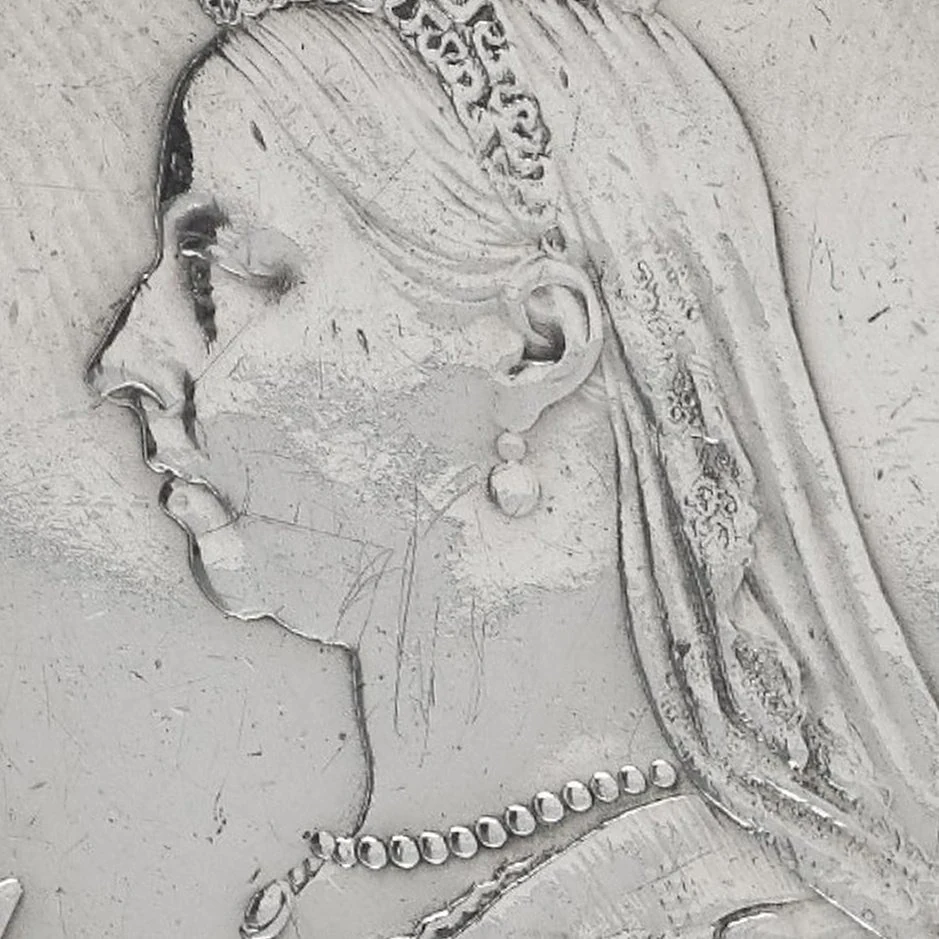
Where to look
Wear shows first on the highest points of the design: the cheek, hair and crown on a portrait. Compare those points with the flat fields around them.
Should I clean or polish old coins?
No. Cleaning, polishing or dipping a coin removes its original surface and leaves fine scratches that collectors see at once, and it lowers the value of any coin with collector interest. Polished coins are described as cleaned in every catalogue. Hold coins by the edge and send them to be seen exactly as they are.
Send us photos for a free valuation
How should I store a coin collection?
Keep coins dry and at a steady temperature, in acid-free paper envelopes, inert plastic capsules or an album with PVC-free pockets. Soft PVC plastic gives off chemicals that leave green residue on coins over time. Hold coins by the edge, never by the faces, and keep proofs in their original capsules and cases.
British coins in stock
Shop all 10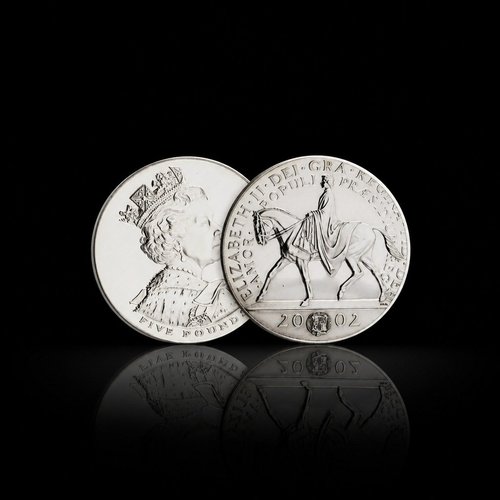
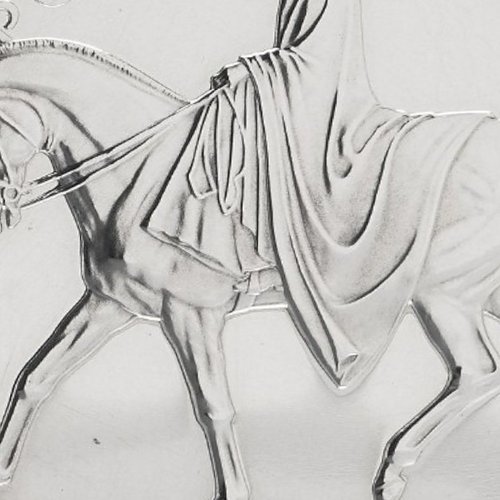 Golden Jubilee 2002 Five Pound Crown, Queen Elizabeth II Equestrian Portrait£195
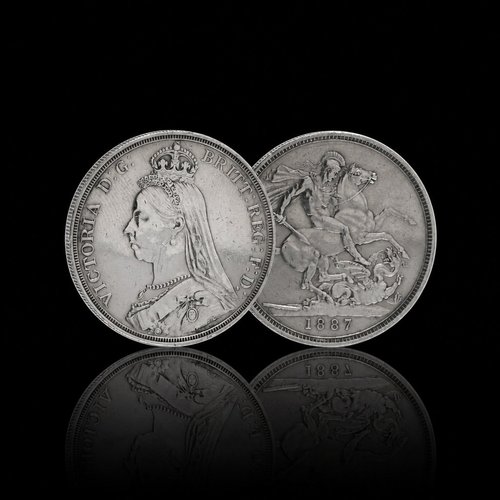
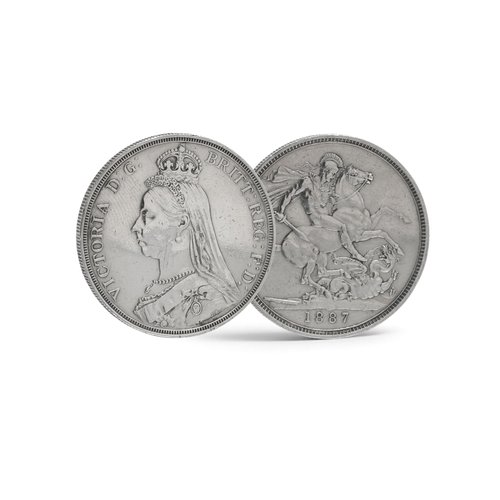 Queen Victoria Jubilee Head Silver Crown 1887, First Year British Sterling Silver Coin£195
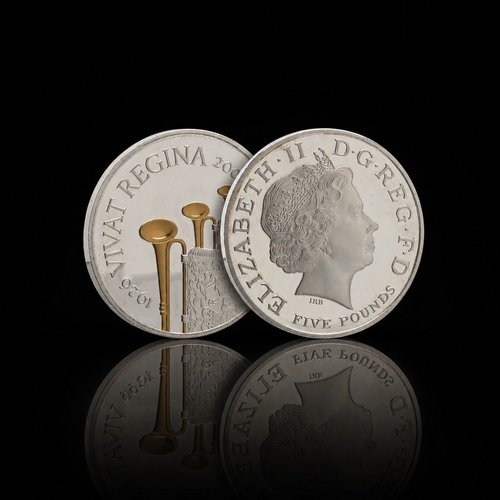
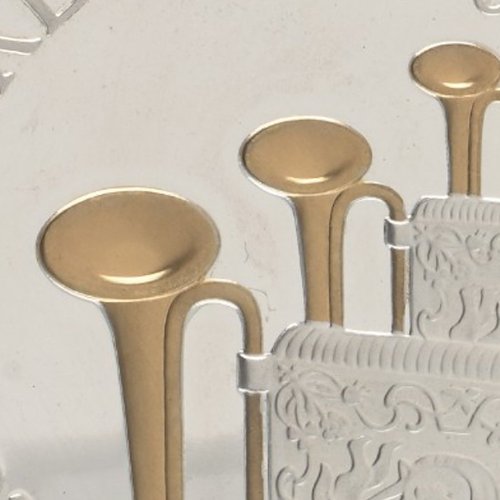 Queen Elizabeth II 80th Birthday 2006 Silver Piedfort Five Pounds, Gold Plated Proof£595
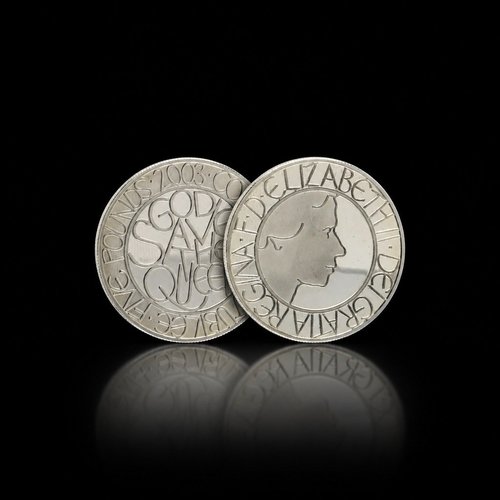
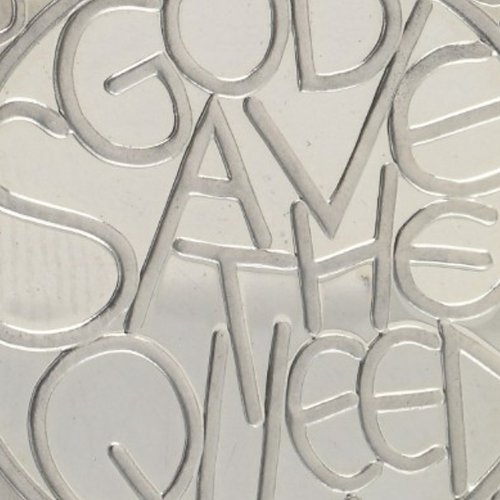 Coronation Jubilee 2003 Five Pound Crown, Queen Elizabeth II Golden Jubilee of Coronation£195
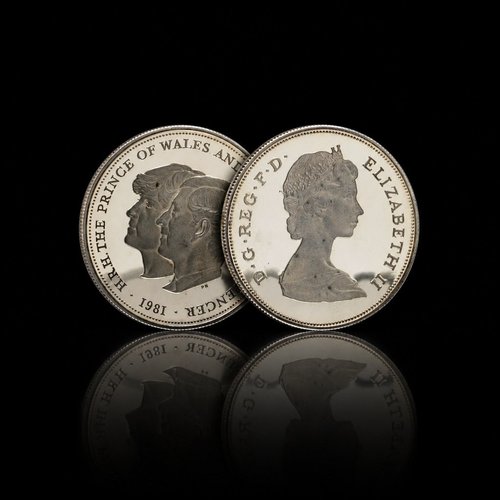
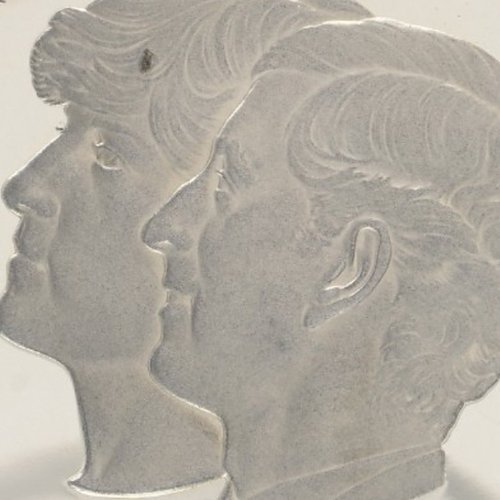 Charles and Diana Royal Wedding Crown 1981, Prince of Wales Commemorative Coin£195
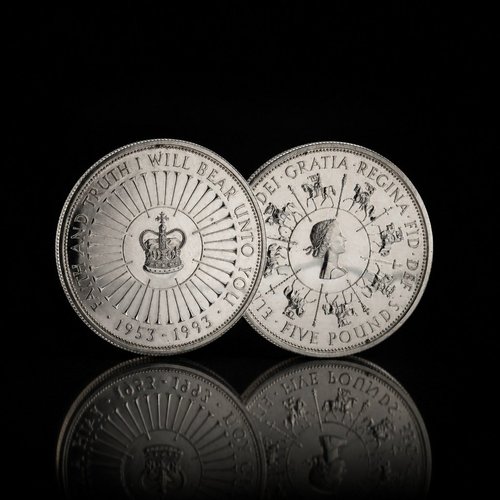
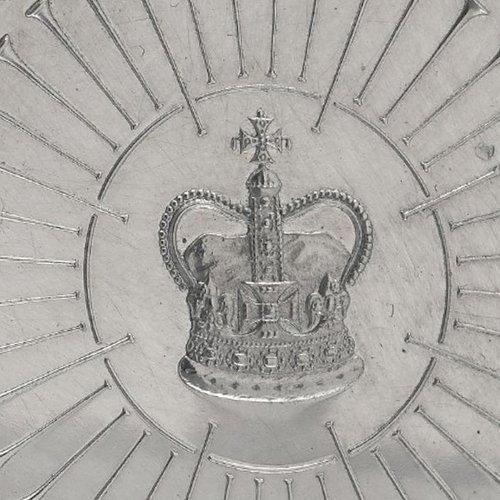 Coronation 40th Anniversary 1993 Five Pound Crown, Queen Elizabeth II£195
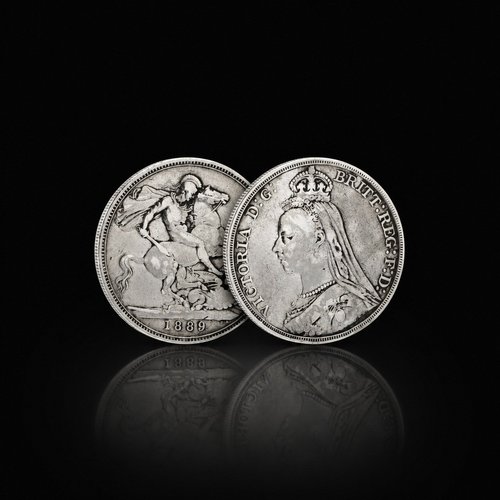
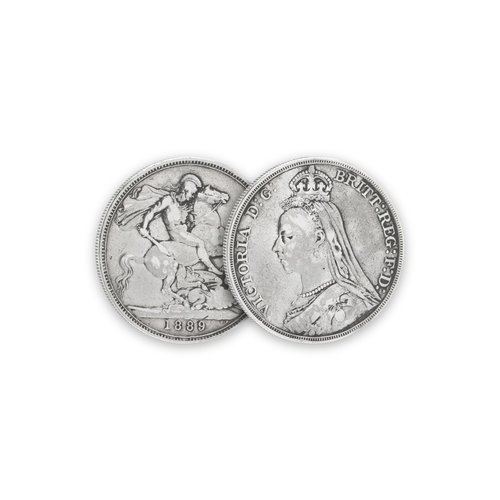 Queen Victoria Jubilee Head Silver Crown 1889, British Sterling Silver Coin£195
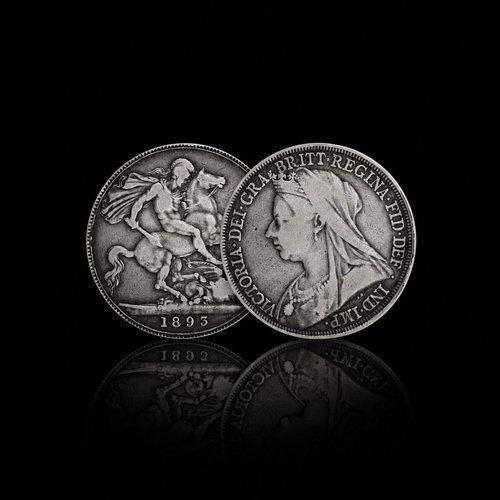
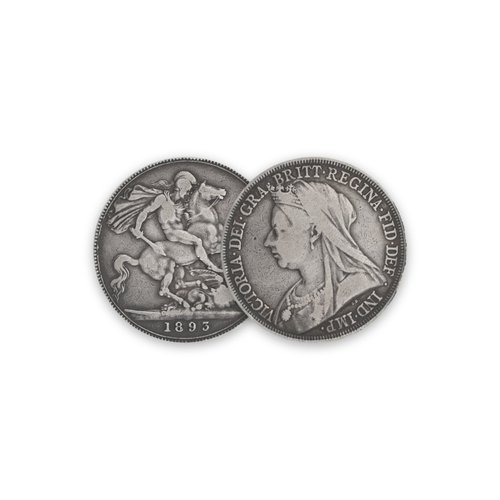 Queen Victoria Old Head Silver Crown 1893, First Year British Sterling Silver Coin£450
What is a proof coin?
A proof coin is struck specially for collectors, from polished dies on polished blanks, often more than once, so it has mirror-like fields and frosted, sharp details. Proofs are sold in capsules and cases with certificates. A proof is a way of making a coin, not a grade, and proofs mark easily if handled.
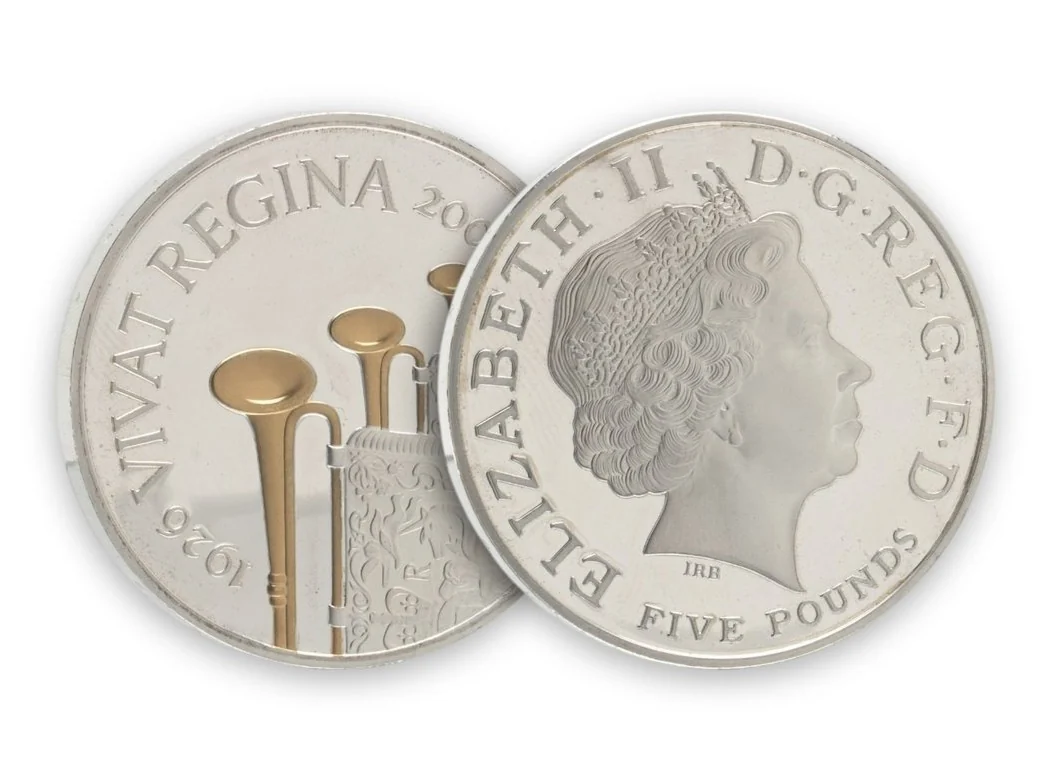
Piedfort proofs
A piedfort is a proof struck on a blank twice the normal thickness, as on this 2006 silver five pound coin. Silver and gold proofs contain precious metal even when the everyday version does not.
Are commemorative two pound coins worth anything?
Most are worth face value. Two pound coins such as the 1999 Rugby World Cup, the 2007 coin marking 200 years since the 1807 abolition of the slave trade, the 2009 Darwin and the 2016 Shakespeare and Great Fire of London designs were struck in millions for circulation. Silver and gold proof versions are worth more.
Is the 2016 Shakespeare skull coin rare?
No. The 2016 Shakespeare two pound coins came in three designs, comedies, histories and tragedies, and the tragedies coin shows a skull and a rose. All three were struck in millions for circulation, so everyday examples are worth face value. Our rarest coins page lists the official mintage of every two pound coin.
Are 1983 and 1984 pound coins valuable?
No. The 1983 coin was the first round pound, with the royal arms on the reverse, and 1984 brought the Scottish thistle design; both were made in very large numbers. Round pounds stopped being legal tender on 15 October 2017, but banks and the Post Office may still exchange them. Proof and silver versions are collected.
Is a 2002 five pound coin worth anything?
The 2002 five pound coin marks the Queen's Golden Jubilee. The everyday version is cupronickel, legal tender for five pounds, and very common, so it is worth face value. Silver proof and gold proof versions were also sold in cases, and those contain precious metal. Check the case and the mirror finish.
Are 1943 copper pennies real?
Yes, but very few exist. The United States struck its 1943 cents in zinc-coated steel to save copper for the war, and a small number were struck in bronze by mistake. Many coins sold as 1943 copper pennies are plated steel cents or altered 1948 dates. A steel cent sticks to a magnet; a genuine bronze one does not.
Is a 1933 twenty dollar gold coin legal to own?
Almost never. The 1933 Saint-Gaudens double eagle was struck but not issued, because the United States withdrew gold coins from circulation that year, and almost all were melted. Only one example is legal to own privately; others are held by the US government. Any other 1933 double eagle offered for sale is seized or fake.
Are John Wick gold coins real gold?
No. The coins in the John Wick films are props for the films' fictional currency. Replica coins sold to fans are made of base metal, usually brass or zinc alloy with gold plating, and have no gold value. Real gold coins are confirmed by weight, size and testing, since many, such as sovereigns, carry no fineness mark.
What do I do with foreign coins and euro coins?
Most foreign change and euro coins are worth face value, and many older foreign coins have no exchange value at all. Some euro coins from small states, such as Monaco, San Marino and the Vatican, are collected, as are older foreign gold and silver coins. Sort out anything gold or silver and send photos of those.
Where can I sell old coins in the UK?
Specialist coin and bullion dealers, auction houses and some antique dealers buy old coins. Gold and silver coins are the easiest to sell; base-metal collections sell best as a whole. We buy sovereigns, silver coins and collections, pay the same day by bank transfer, and offer insured postage, free collection or an appointment in Mayfair or Braintree.
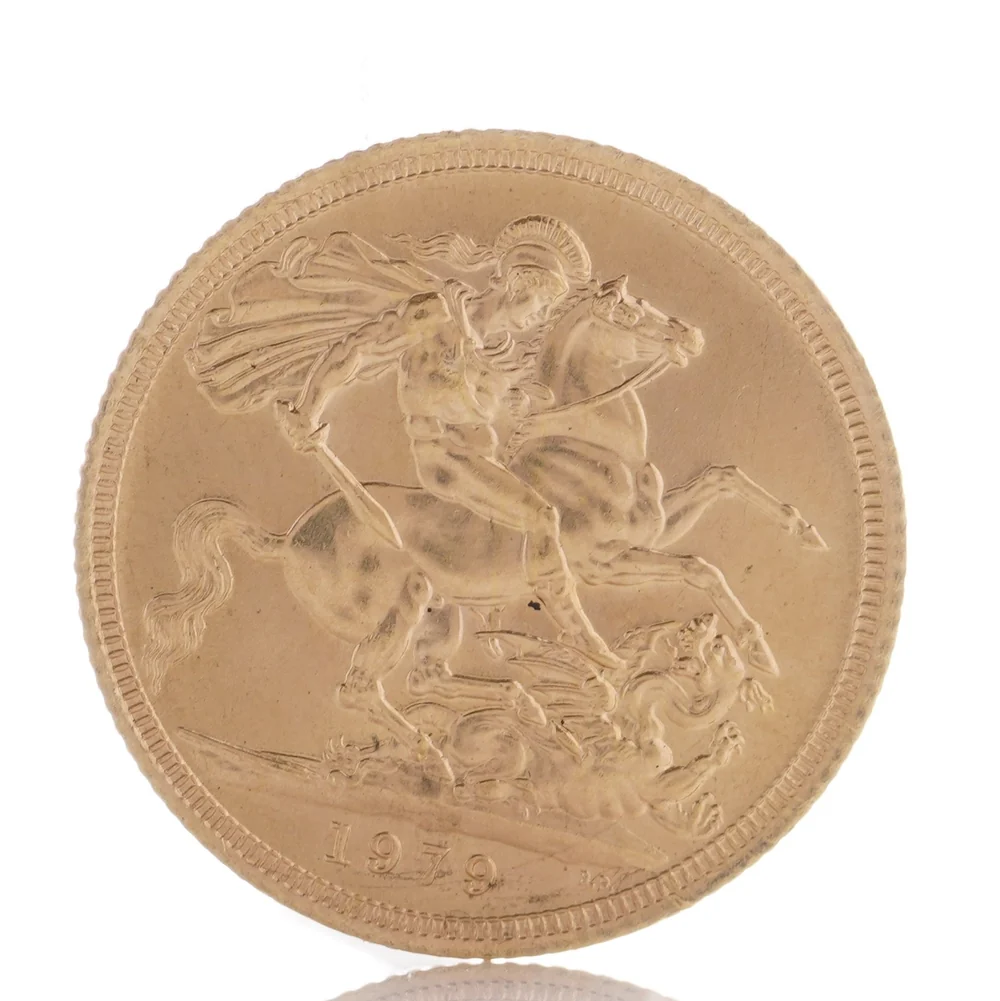
Gold first
Gold coins always carry their gold value. Read our guide to sovereign dates before selling a tin of sovereigns.
Every piece is different. Send us a few photos and we will tell you what yours is worth, free and with no obligation. Request a free valuation.
Request a free valuation