Pikachu Illustrator Card and Pokémon Trophy Cards: Every Prize Card Explained
The Illustrator, Trophy Pikachu, Tropical Wind and Master's Key: who won them, how many were given out, and how to tell a real one.
Pokémon trophy and prize cards were awarded, never sold:
- Pikachu Illustrator: 39 awarded in three CoroCoro Comic contests, 1997 to 1998; 41 known.
- Trophy Pikachu: No.1 to No.3 Trainer cards; 4 of each in June 1997, 15 of each at the Lizardon Mega Battle.
- 1999 to 2019: 9 of each Secret Super Battle and Tropical Mega Battle card, 586 Tropical Wind, 36 Master's Key, 6 World Championships cards of each placing a year.
- Real or fake: check the certification number, the slab and the history.
- Selling? We value graded cards free from a photo of the slab.

In this article
- What are Pokémon trophy and prize cards?
- The Pikachu Illustrator card: how many exist?
- Trophy Pikachu: the No.1, No.2 and No.3 Trainer cards
- 1998 to 2019: Tropical Wind, Master's Key and the World Championships
- The Pokémon trophy card register
- How to tell a real trophy card from a fake
- Selling a graded Pokémon card in the UK
- Questions
What are Pokémon trophy and prize cards?
Trophy and prize cards were never sold. They were handed to players for winning a tournament, entering a contest or reaching a final, which is why some exist in single figures.
- Trophy cards name a placing: No.1, No.2 or No.3 Trainer, in gold, silver or bronze.
- Contest cards went to competition winners. The Pikachu Illustrator is the famous one.
- Participation and finalist cards went to everyone who played an event, such as Tropical Wind or Master's Key.
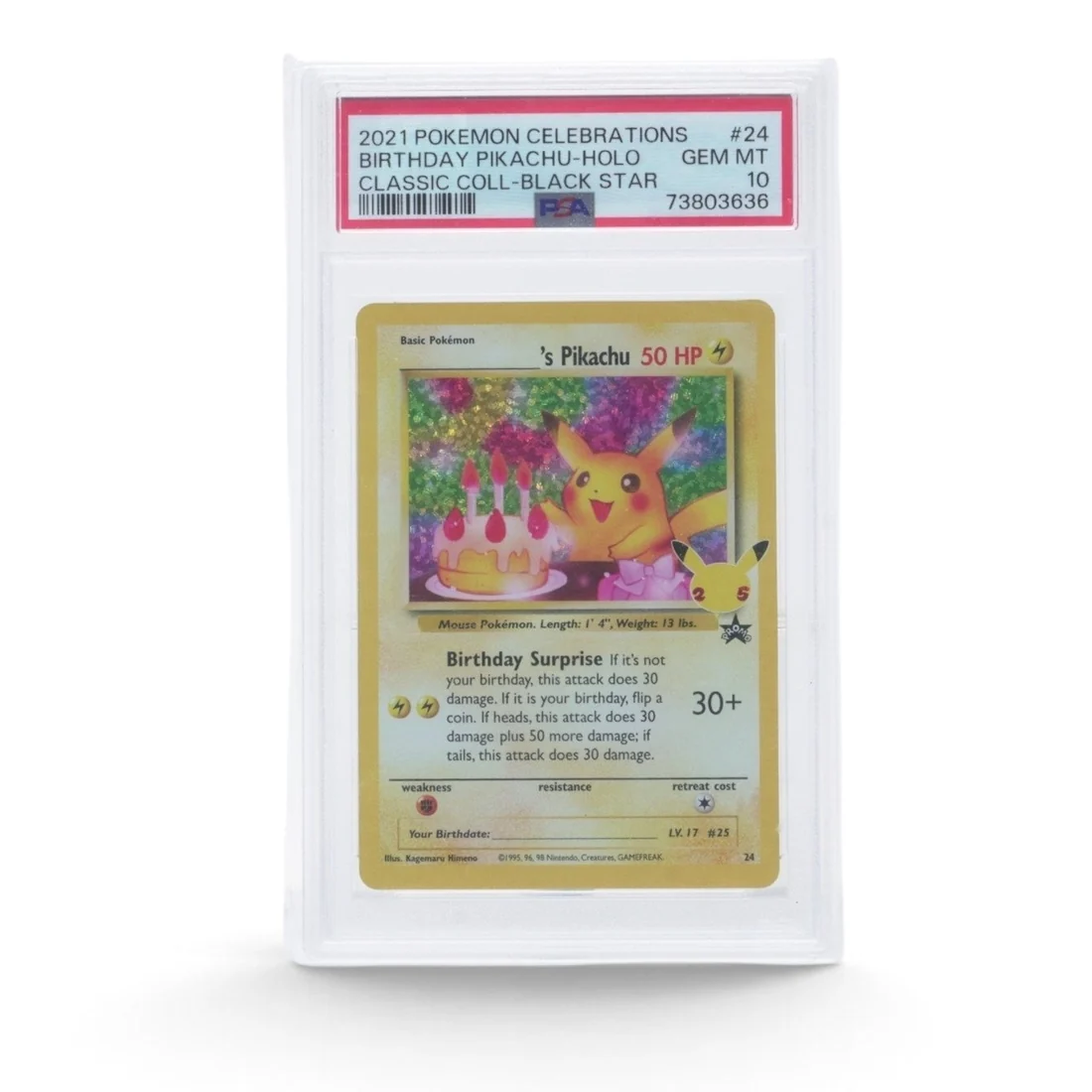
A promo is not a trophy
Most cards with a promo number were sold in ordinary products. This Birthday Pikachu is a Black Star promo design, reprinted in the 2021 Celebrations Classic Collection: PSA's label reads CLASSIC COLL-BLACK STAR.
A true trophy card can only be traced to a named event. For how the two compare, see Japanese and English Pokémon cards.
The Pikachu Illustrator card: how many exist?
The Pikachu Illustrator card was the prize in three illustration contests run by the Japanese children's magazine CoroCoro Comic in 1997 and 1998. It is the only card that says “Illustrator” where other trainer cards say “Trainer”, and its Pikachu was drawn by Atsuko Nishida.
| Contest | Announced in CoroCoro | Illustrator cards awarded |
|---|---|---|
| First Illustrator Contest | November 1997 issue, out 15 October 1997 | 23: three Grand Prize and 20 Special Award winners |
| Mewtwo Strikes Back | May 1998 issue | 8: one Grand Prize, seven Excellence Awards |
| Pikachu's Summer Vacation | June 1998 issue | 8: eight Excellence Awards, no Grand Prize |
The three first-contest Grand Prize winners also received 20 copies of a card printed with their own drawing. Runners-up in the later contests won film tickets and toys, not cards.
That makes 39 official copies. Two more were later sold by Yuichi Konno, who worked on the game's original rules, so 41 are known. PSA has certified 15 at Mint 9 and one higher, as reported by Heritage Auctions in March 2026.
That one higher copy is the PSA 10 that Logan Paul consigned to Goldin. In February 2026 it sold for $16,492,000, and Guinness World Records confirmed it as the most expensive Pokémon card, and the most expensive trading card of any kind, ever sold at auction. For the rest of the market, read the most valuable Pokémon cards.
Trophy Pikachu: the No.1, No.2 and No.3 Trainer cards
The Trophy Pikachu cards show a round Pikachu holding a trophy, drawn by Mitsuhiro Arita, with the placing printed on the card: gold for first, silver for second, bronze for third. Two sets were awarded in Japan.
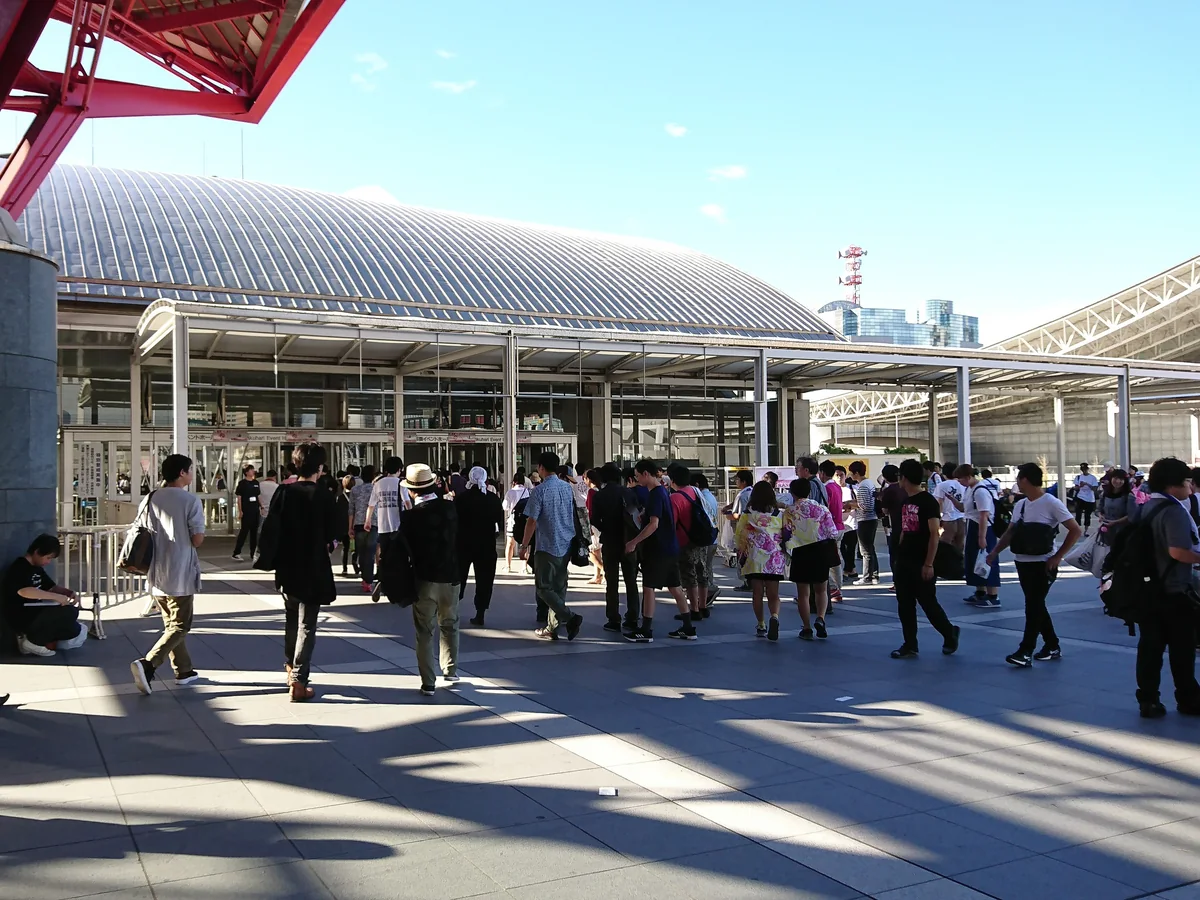

June 1997: the first official tournament
The first official Pokémon card tournament was played on 14 and 15 June 1997 at Makuhari Messe Event Hall, Chiba, as part of the 6th Next Generation World Hobby Fair. A thousand players were chosen by lottery across four sessions.
Every player received a golden Chansey coin. The winners received trophy cards: four copies of each of No.1, No.2 and No.3 Trainer are recorded.
1997 to 1998: the Lizardon Mega Battle
Between 8 November 1997 and 15 February 1998, six regional cups ran in Kobe, Fukuoka, Tokyo, Osaka, Sapporo and Nagoya: nine junior and six senior tournaments in all. The top three in each received a No.1, No.2 or No.3 Trainer card, so 15 of each were awarded. Each was presented in an acrylic plaque naming the cup. The national final followed on 26 April 1998 at Makuhari Messe.
Goldin's Pokémon 30th Anniversary auction includes the gold first-place card from the June 1997 tournament, graded PSA 8. By 8 October 2026 pre-bids had reached $1,925,000, with live bidding from 15 October running to at least 25 October. The previous public high for a Trophy Pikachu was $1,769,000, paid at Goldin in May for a 1998 bronze third-place card graded PSA 10.
The auction is part of the 30th anniversary year: on 17 October Pokémon and Santa Cruz release 30 skateboards printed with cards. For the anniversary set, see our 30th Celebration guide.
Every card is different. Send us a photo of the front of the slab and its certification number, and we will tell you what yours is worth, free and with no obligation.
Have a graded Pokémon card? Get a free valuation
1998 to 2019: Tropical Wind, Master's Key and the World Championships
Kangaskhan, 1998
At the Lizardon Mega Battle final, a side event paired parents with children. The top eight teams each received a Kangaskhan promo card and the winners received two. No official total has been published.
Secret Super Battle and Tropical Mega Battle, 1999
Challenge Road Summer 1999 ran nine regional events in Japan between 10 July and 10 August. Juniors played the Tropical Mega Battle and seniors the Secret Super Battle. The top three in each division received No.1, No.2 or No.3 Trainer cards: nine of each, per division.
Tropical Wind, 1999
Every player in the Tropical Mega Battle tournaments received Tropical Wind: 64 players at each of nine events, 576 cards, plus ten given away in a magazine draw. That makes 586.
Master's Key, 2010
Given to the 36 finalists of the 2010 World Championships across the card game and the video game, in a red case for card players and a blue case for video game players.

World Championships trophy cards
From 2014 to 2019 the top four in each age division at the World Championships received a full-art Pikachu holding a trophy cup, numbered No.1 to No.4. With three divisions and two tournaments, the card game and the video game, six of each were given a year. The event was cancelled in 2020 and 2021.
Gold Stars and prize packs
Not every prize card is a trophy. In 2007 the POP Series 5 packs were handed out at Organized Play events rather than sold in shops, and two of their cards, Espeon and Umbreon, are the only Gold Stars in the whole POP programme. How many were printed has never been published.
The Pokémon trophy card register
Every major trophy and prize card, with the number awarded where an event record exists and the graded population where a grader's figure has been published. Where a figure cannot be sourced, we say so rather than guess.
| Card | Year | Event | Awarded | Graded population (published) | Source |
|---|---|---|---|---|---|
| Pokémon Illustrator (Pikachu Illustrator) | 1997 to 1998 | Three CoroCoro Comic illustration contests | 39 (41 known) | PSA: 15 at Mint 9, 1 at Gem Mint 10 (Heritage, March 2026) | Pokumon |
| No.1, No.2, No.3 Trainer (Trophy Pikachu, gold, silver, bronze) | 1997 | First official tournament, Makuhari, June | 4 of each | Gold No.1: 1 in the PSA census (ICv2, 7 Oct 2026) | Pokumon |
| No.1, No.2, No.3 Trainer (Trophy Pikachu) | 1997 to 1998 | Lizardon Mega Battle regional cups | 15 of each | Not published | Pokumon |
| Kangaskhan parent and child promo | 1998 | Lizardon Mega Battle side event | Not published (top 8 teams) | Not published | Pokumon |
| No.1, No.2, No.3 Trainer (Secret Super Battle) | 1999 | Challenge Road Summer, seniors | 9 of each | Not published | Pokumon |
| No.1, No.2, No.3 Trainer (Tropical Mega Battle) | 1999 | Challenge Road Summer, juniors | 9 of each | Not published | Pokumon |
| Tropical Wind | 1999 | Tropical Mega Battle players, plus a magazine draw | 586 | Not published | Pokumon |
| Espeon and Umbreon Gold Stars (POP Series 5) | 2007 | Prize packs at Organized Play events | Not published | Not published | Bill's Archive |
| Master's Key | 2010 | World Championships finalists | 36 | Not published | Bulbapedia |
| World Championships No.1 to No.4 (full-art Pikachu with cup) | 2014 to 2019 | Top four, each division, card and video game | 6 of each, per year | Not published | CGC |
How to tell a real trophy card from a fake
With so few genuine copies, trophy cards and the Illustrator are copied often, and so are the slabs they sit in. Five checks:
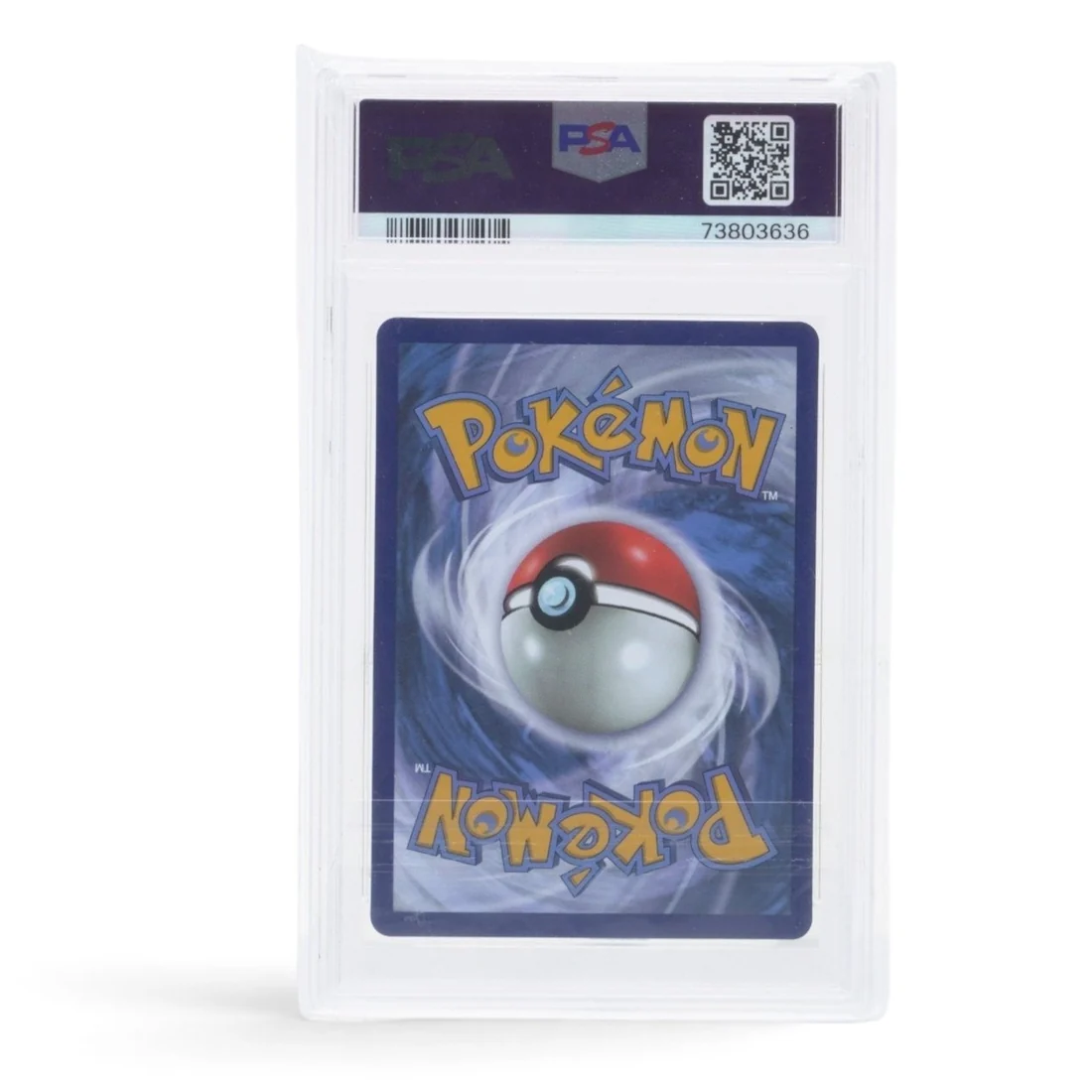
1. Check the certification number
Enter the number on PSA's certificate lookup (CGC, Beckett and Ace have their own) and match every field: year, set, card number and grade. Newer PSA slabs carry a QR code on the back that opens the same record.
- 2. Look at the slab itself. A genuine number can be copied onto a fake label. Check for glue, a flexible case, frosting at the edges and blurred label print.
- 3. Count the copies. Four Trophy Pikachu of each placing were awarded in June 1997. If more are on offer than were ever given out, ask why.
- 4. Ask for the history. Lizardon Mega Battle cards came in an acrylic plaque naming the cup. A plaque, event papers or the first owner's story all help.
- 5. Read the card. A real Illustrator says “Illustrator”, not “Trainer”, and trophy cards print their placing.
Read more in our Pokémon card grading guide.
Selling a graded Pokémon card in the UK
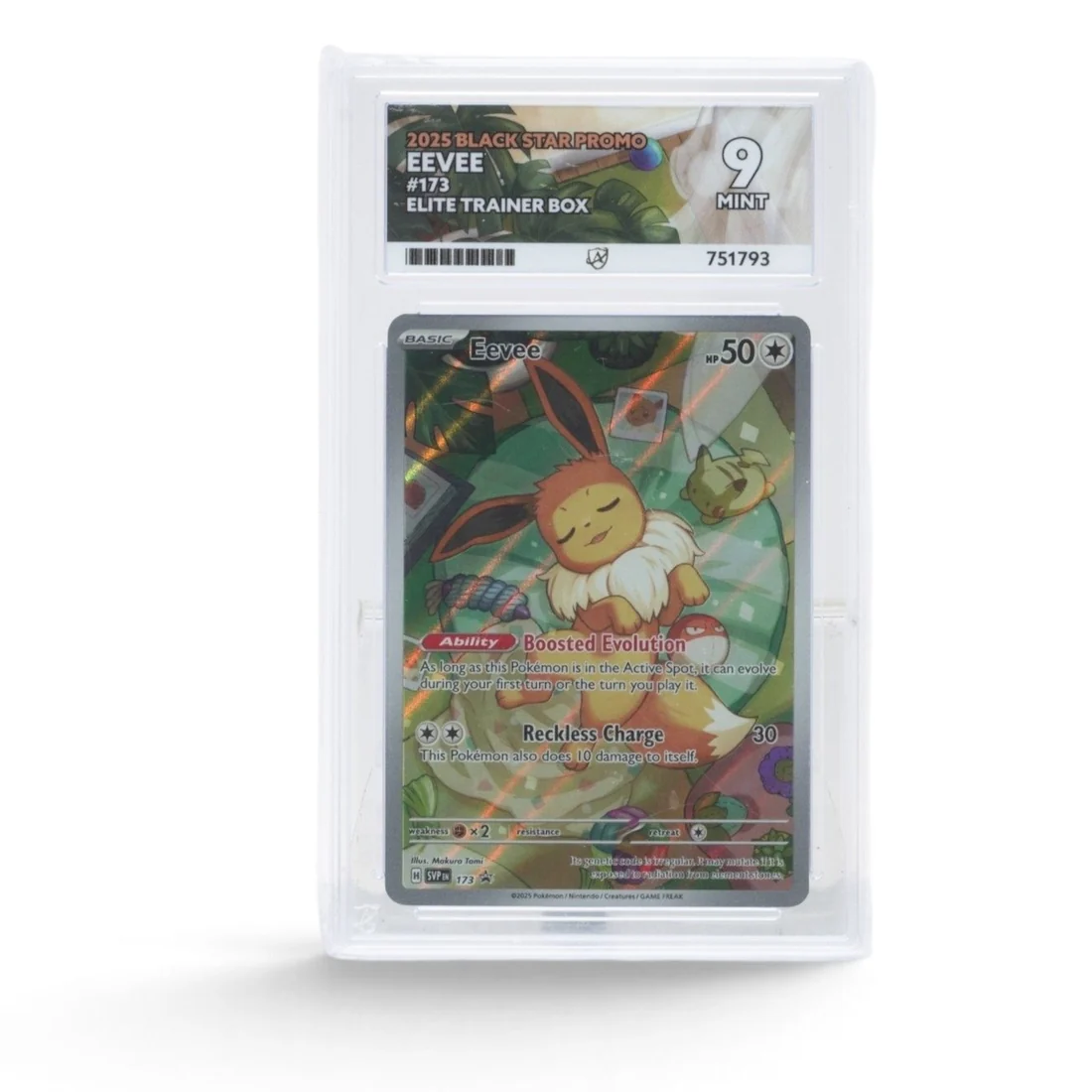
We buy graded cards outright
We buy PSA, CGC, BGS and Ace graded cards, raw cards and whole collections, with no consignment and no fees. See how selling to us works.
What matters: the card, the grader, the grade, and for prize cards, the event it came from.
- Photograph
The front of the slab, with the certification number readable.
- Send
Use the form below, call 01376 334482 or WhatsApp us.
- Visit
47 Maddox Street, Mayfair (by appointment) or Braintree, Essex. Contact us.
Clearing a loft? Cards often turn up with other attic finds, music memorabilia, film props, royal souvenirs and coins such as the Cluedo 50p. Sorting an estate? Read what to do with inherited items and inheritance tax in 2026.
Request a free valuation
- Trophy and prize cards were awarded for a placing, a contest or a final, never sold.
- 39 Pikachu Illustrators were awarded and 41 are known.
- Trophy Pikachu: 4 of each placing in June 1997, 15 of each at the Lizardon Mega Battle.
- Check the certification number, the slab and the history before you believe any trophy card.
- We value graded Pokémon cards free from a photo, with no obligation.
Questions we are asked
How many Pikachu Illustrator cards exist?
39 were awarded in three CoroCoro Comic illustration contests in 1997 and 1998: 23, 8 and 8. Two more were later sold by Yuichi Konno, who worked on the game's original rules, so 41 are known.
What is a Trophy Pikachu card?
A No.1, No.2 or No.3 Trainer card showing Pikachu holding a trophy, awarded in gold, silver or bronze to the top three players at Japan's first official tournament in June 1997 and at the 1997 to 1998 Lizardon Mega Battle regional cups.
How many Trophy Pikachu cards were awarded?
Four of each placing at the June 1997 tournament, and 15 of each at the Lizardon Mega Battle cups, which ran nine junior and six senior tournaments.
What is the most expensive Pokémon card?
Logan Paul's PSA 10 Pikachu Illustrator, sold at Goldin in February 2026 for $16,492,000. Guinness World Records confirmed it as the most expensive trading card ever sold at auction.
Is a promo card the same as a trophy card?
No. Most promo cards were sold in ordinary products or given away widely. A trophy card was awarded for a placing at a named event and says so on the card.
How can I check if a graded trophy card is real?
Look up the certification number with the grader and match every field, then inspect the slab for glue, frosting or poor label print, compare the number on offer with the number awarded, and ask for the card's history.
Do you buy graded Pokémon cards?
Yes. We buy PSA, CGC, BGS and Ace graded cards, raw cards and whole collections outright. Send a photo of the slab and its certification number for a free, no-obligation valuation.
Value your graded Pokémon cards
Send a photo of the slab and its certification number for a free valuation, or visit us in Mayfair or Braintree.
- We buy directly
- Free valuation from photos
- Appointments in Mayfair and Braintree
- Insured postage or collection
New pieces reach our list first: join the Mozeris list.