Japanese vs English: Why Japanese Slabs Now Sell Higher
For most of the hobby's history English cards led on price. In high grades that has flipped. Japanese cards grade better, in smaller populations, and now carry a premium over their English equivalents.
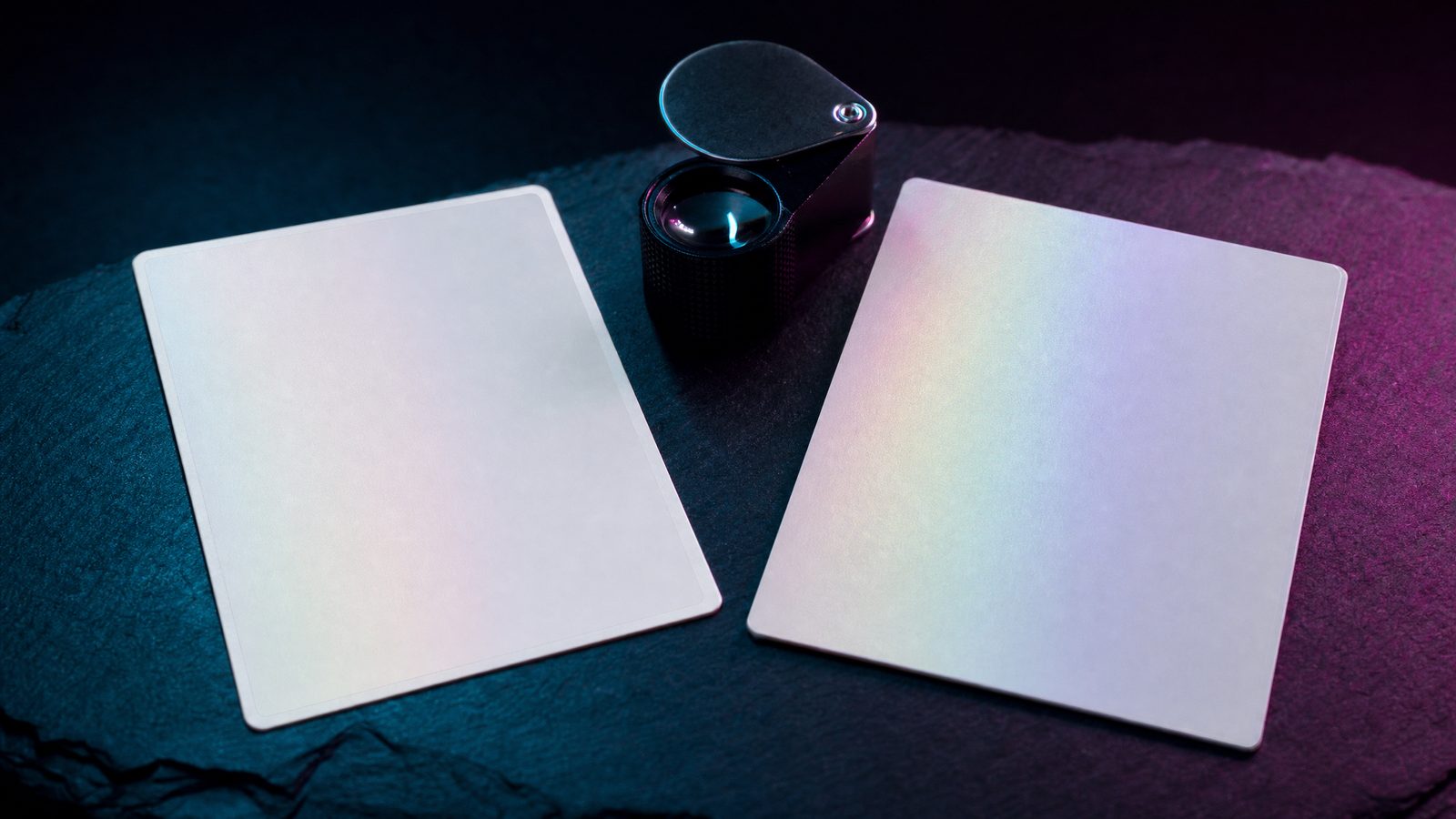
The received wisdom used to be simple: English cards are the ones that hold value, Japanese cards are cheaper and harder to sell. In 2026 that is no longer true at the top of the grading scale. Japanese cards in high grade now command prices above their English equivalents for certain references, which is a historic first for the hobby.
On this page
The short version
Japanese cards are 2 to 3 times more likely to come back PSA 10 because of better centring, better card stock and tighter print quality control.
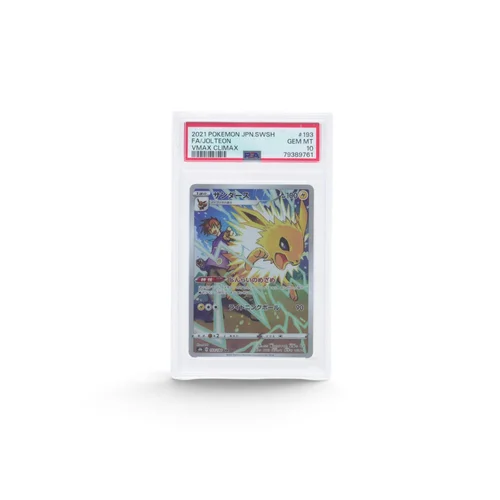
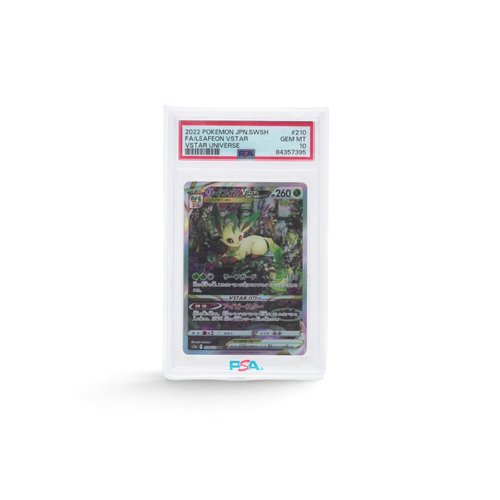
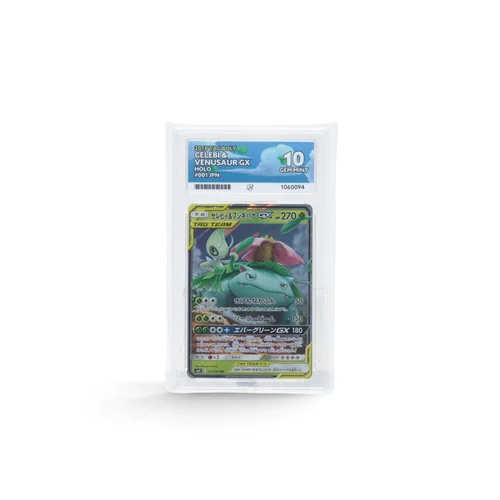
Japanese PSA 10s now command 20 to 40 percent premiums over English equivalents, helped by smaller high-grade populations and strong international demand.
Why Japanese cards grade higher
It comes down to manufacturing. Japanese cards are printed to tighter tolerances, on better card stock, with more consistent centring and cleaner holographic application. The practical result is that the same card pulled from a Japanese pack and an English pack does not have the same odds of gemming.
Graders score centring, corners, edges and surface. Japanese stock tends to arrive from the factory better on centring and surface, which are the two hardest faults to do anything about. That is why Japanese cards are consistently reported as 2 to 3 times more likely to achieve a PSA 10.
The knock-on effect on what is worth grading
Higher gem rates change the maths. Because a Japanese card has better odds of returning a 10, it justifies grading at a lower raw value than an English card would. An English card generally needs a higher raw value before submission makes economic sense.
The premium, in numbers
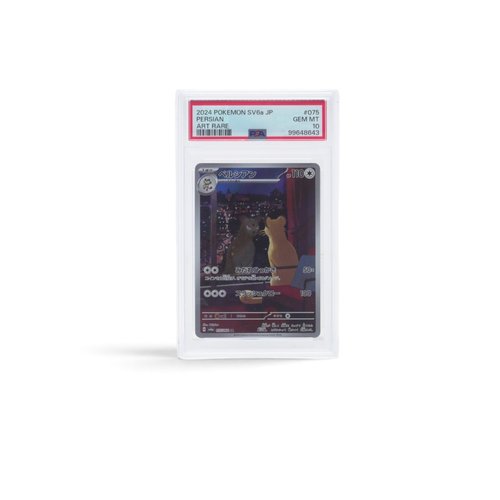
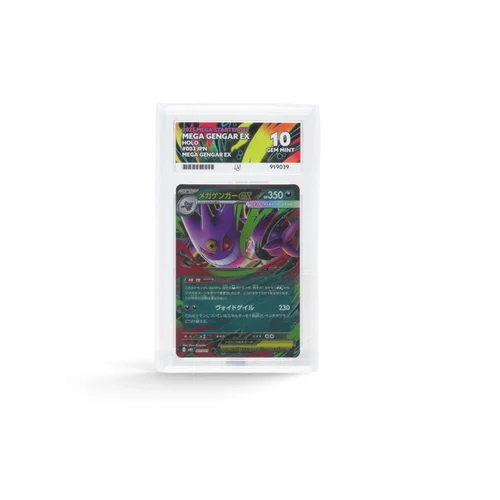
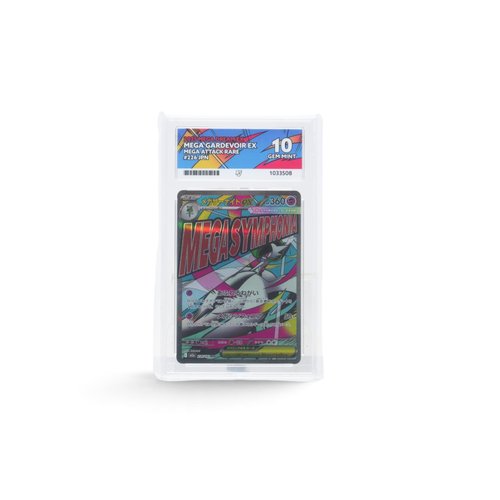
These are Japanese graded cards from our current stock. Every one is a real listing, and the grades on the chips are the grades on the slabs:
Where English still wins
This is not a blanket rule and it would be misleading to present it as one. English cards hold the advantage in a few specific places.
| Situation | Which leads | Why |
|---|---|---|
| Base Set and WOTC-era vintage | English | The originals collectors grew up with, deepest established demand |
| Modern high grade, most references | Japanese | Better gem rates, smaller populations, growing international demand |
| Sealed product for opening | Japanese | Costs 30 to 40 percent less for comparable content |
| Resale to a casual UK buyer | English | Recognisable names and readable text carry more weight |
| Resale to an international collector | Japanese | Strong PSA 10 demand across markets |
Both markets are growing. Pokemon's 30th anniversary in 2026 has lifted attention across the board rather than moving money from one to the other.
What this means for buyers
- A Japanese PSA 10 is not automatically the safer buy. It is the better-graded object, which is a different claim.
- Check the population report, not just the grade. A PSA 10 from a set with thousands of 10s is a different proposition from one with dozens.
- Watch the exchange and import position. Buying Japanese slabs from Japan into the UK means customs and shipping on top of the hammer price.
- Read the full slab label. Set, year, card number and language all sit on it, and they all affect what the card is.
What this means for sellers
If you have Japanese cards sitting raw in a binder because you assumed they were the less valuable half of your collection, that assumption is now out of date, particularly for anything modern in genuinely clean condition.
The reverse is also worth saying plainly. Japanese bulk is still bulk. The premium applies to high grades of desirable references, not to any card that happens to be printed in Japanese.
Not sure what your Japanese cards are?
Send photographs of the fronts and backs. We will tell you the set, the reference and whether they are worth submitting for grading or selling as they are. Free, no obligation.