New Bank of England Banknotes: What Changes, Your Old Notes and the Notes Collectors Want
A puffin, a barn owl, a bumblebee and a hedgehog will be on the next Bank of England notes. Here is what that means for the notes in your wallet, how old notes are exchanged, and which ones collectors want.
The Bank of England announced its next banknotes on 8 October 2026:
- Four animals: Atlantic puffin, barn owl, buff-tailed bumblebee and European hedgehog, chosen after 478,531 responses.
- Not yet decided: which animal goes on which note, and the launch date. The first new note is expected over the next few years.
- Your notes are safe: all current polymer notes, Queen or King, stay legal tender.
- Withdrawn notes never expire: the Bank of England exchanges them with no deadline.
- Collectable notes: very low serials, first and last prefixes, replacements, errors and perfect condition. Most notes are worth face value.

In this article
- Latest: October 2026, the four animals on the next banknotes
- What happens to the notes in your wallet
- From paper to polymer: the notes that have already gone
- Who has been on Bank of England notes
- Which notes collectors want
- “Rare” notes for sale online: why most are face value
- Old coins and gold sovereigns found with old notes
- Free advice and valuation for old notes and coins
- Questions
Latest: October 2026, the four animals on the next banknotes
On 8 October 2026 the Bank of England named the four animals that will be the central images on its next series of banknotes. Nearly half a million people took part in the public vote: 478,531 responses, choosing from a shortlist of 18 in three groups.
The animals will replace the portraits of Winston Churchill, Jane Austen, JMW Turner and Alan Turing as the main pictures. The monarch's portrait stays on every note.
Atlantic puffin

.jpg)
Third among the birds with 183,137 nominations, but chosen as the most popular marine animal. The Bank said a sea creature adds variety, makes the notes easier to tell apart and celebrates the British coastline.
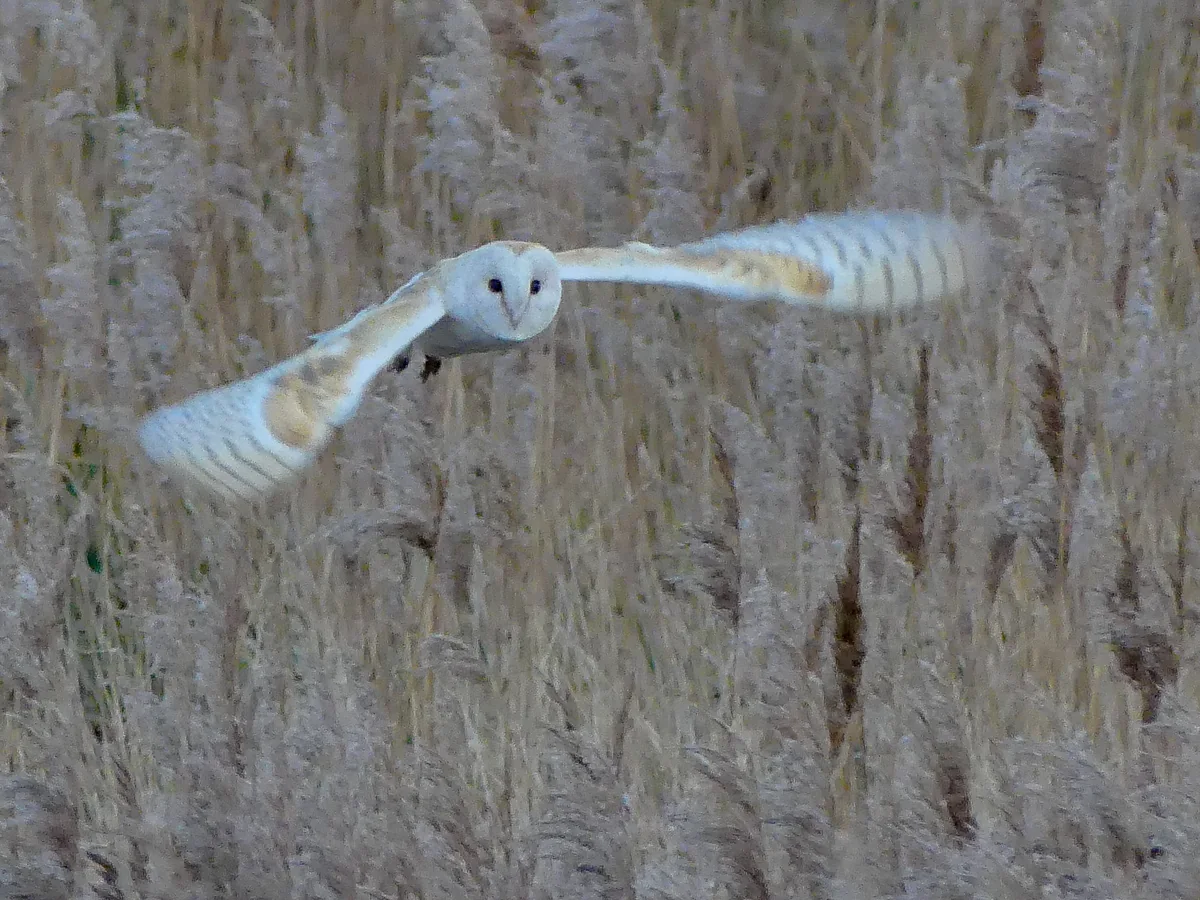
Barn owl
.jpg)
The most popular bird on the shortlist, with 270,596 nominations, ahead of the common kingfisher.
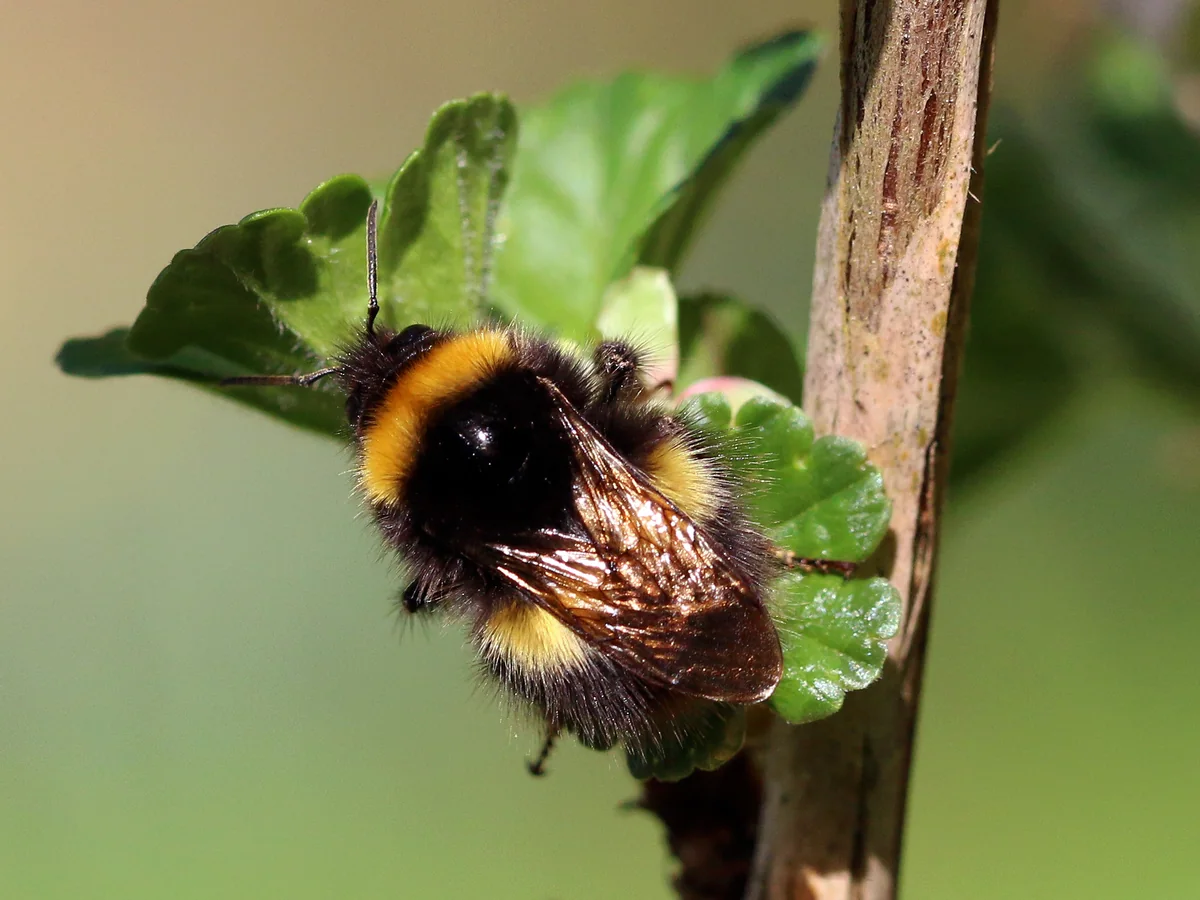
Buff-tailed bumblebee
_2.jpg)
The most nominated animal of all: 360,399 votes, top of the amphibians, insects and fish group, well ahead of the emperor dragonfly.
European hedgehog
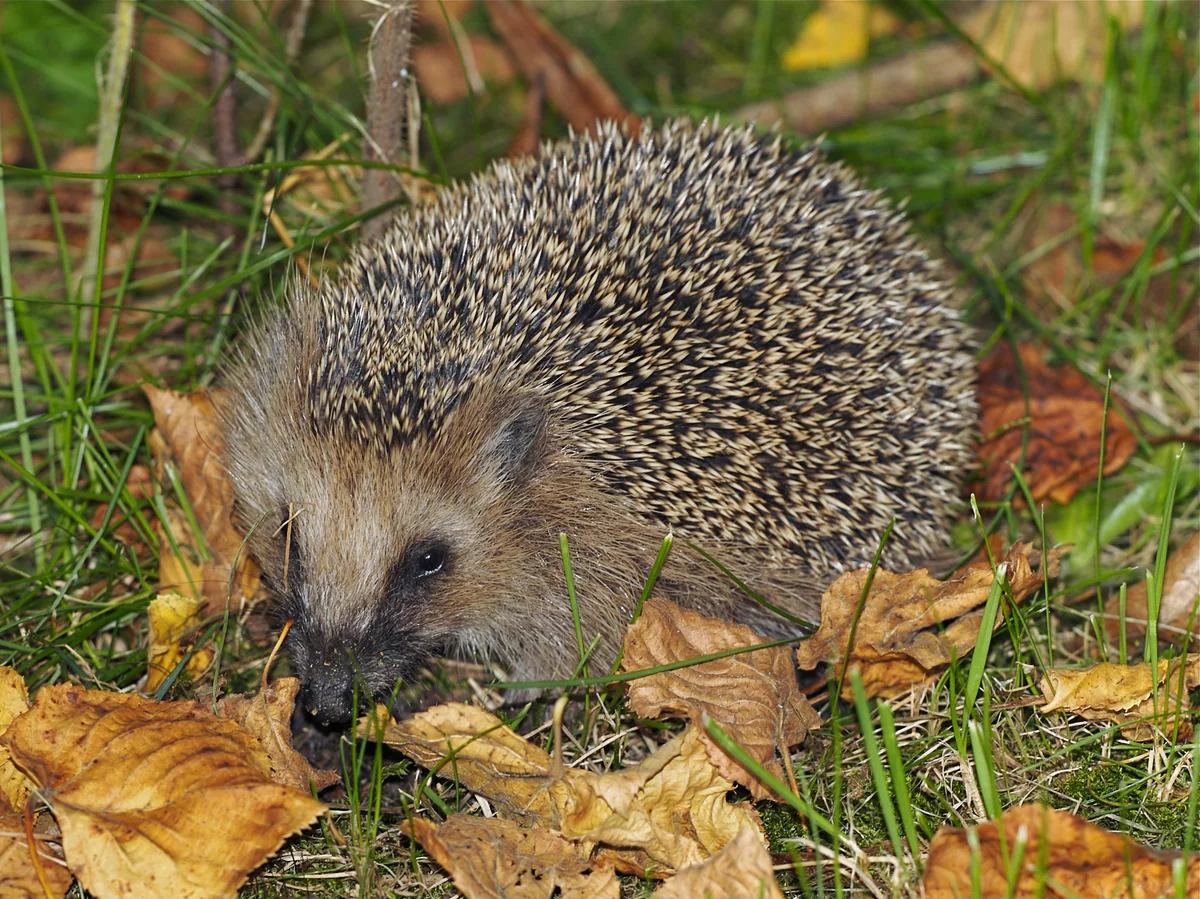

The favourite mammal with 259,665 nominations, narrowly ahead of the red fox.
What has not been decided yet
- Which animal goes on which note. The Bank will announce it closer to launch, so any story that puts the hedgehog on the £20 is guesswork.
- The launch date. Designing, testing and printing take years. The Bank expects the first new note “over the next few years”.
- The final designs. Other elements from nature will complete each note, possibly including other shortlisted animals.
- July 2025
The Bank starts work on a new series to make notes harder to counterfeit, and asks the public for a theme: over 44,000 replies.
- March 2026
Nature is chosen. 60% of respondents had nominated it.
- 3 June to 3 July 2026
The public votes on 18 shortlisted animals, picked with a panel of wildlife experts.
- 8 October 2026
The four animals are announced.
- Next
Design, security features, testing and printing, then the first new note.
What happens to the notes in your wallet
Nothing, for now. Every polymer note in your purse stays legal tender, and the Bank has not set any date to withdraw them.
Notes with Queen Elizabeth II and notes with King Charles III circulate side by side. The King's portrait first appeared on 5 June 2024 on the same four designs, and the Bank says there is no need to swap one for the other.
How a withdrawal works
When a series is replaced, the Bank announces a date after which the old notes stop being legal tender. The last time was the paper £20 and £50: on 29 March 2022 the Bank reminded everyone they had six months left, and the notes stopped being legal tender after 30 September 2022.
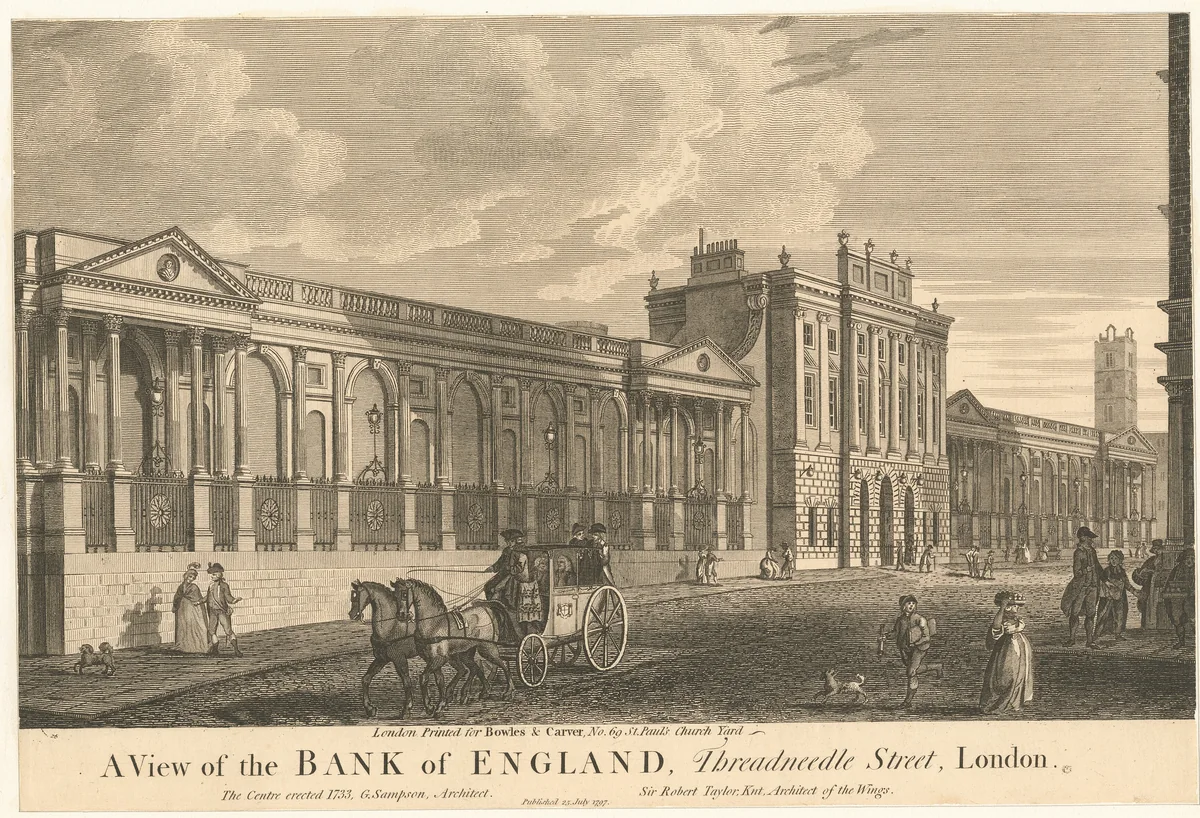
After that date you can no longer spend them in shops, but they never become worthless. The Bank of England said it “will continue to exchange all withdrawn notes”, and there is no deadline.
.jpg)
Three ways to exchange old notes
- Your own bank. The easiest route. Barclays, Halifax, Lloyds, Nationwide, NatWest and Santander are among those that accept old paper notes as deposits.
- The Post Office. Most old notes can be paid into a bank account there. 51 branches will swap up to £300 even without a bank account, with photo ID.
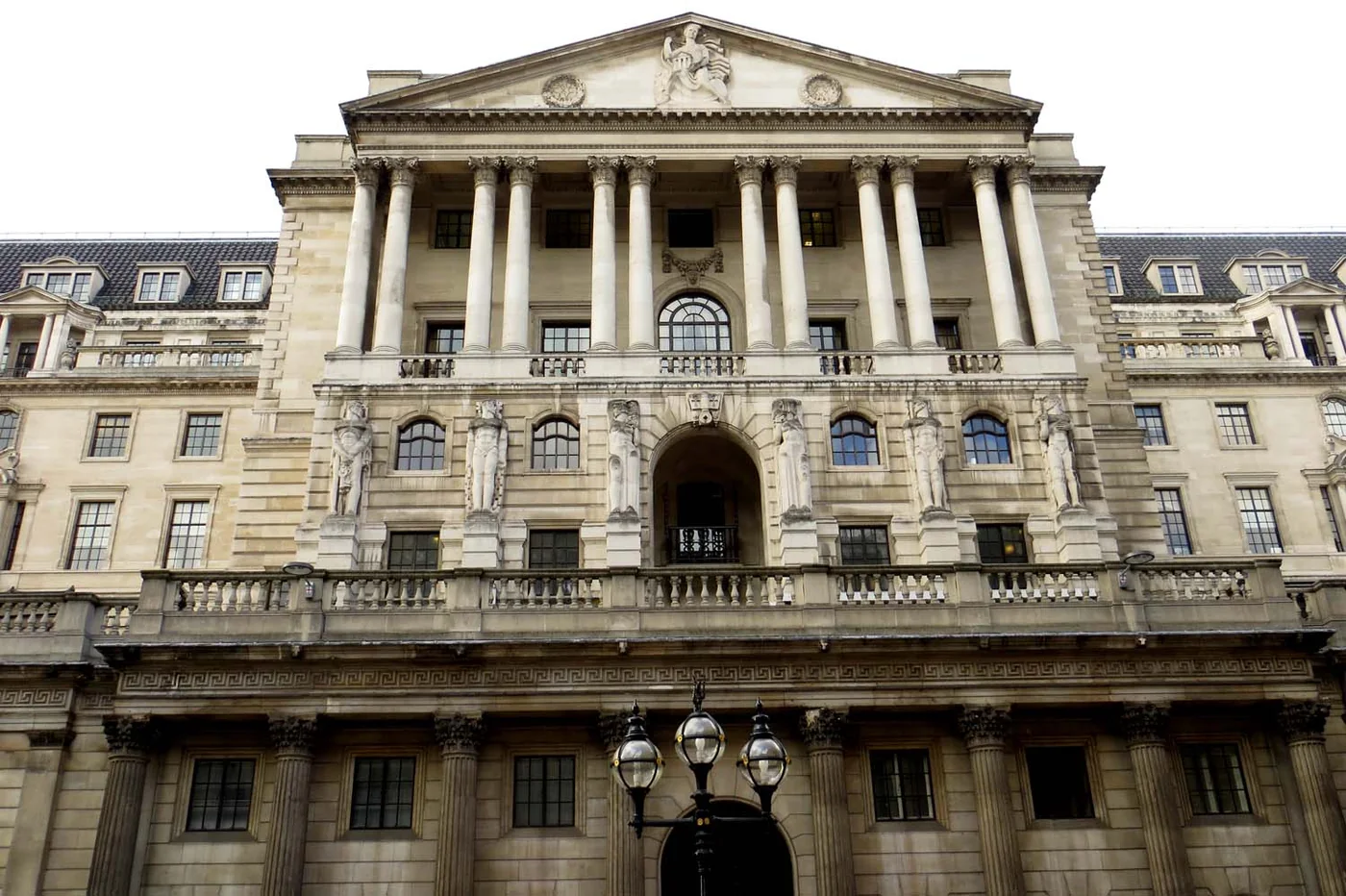
- The Bank of England. At the counter on Threadneedle Street, Monday to Friday, 9.30am to 3pm, or by post. Postal exchanges can take up to 90 working days, and over £700 needs ID and proof of address.
An old note can interest a collector more than the exchange counter does: an early prefix, a scarce signature or a very old series. Before you post a bundle to the Bank, send us a photo and we will tell you if anything deserves a second look.
From paper to polymer: the notes that have already gone
The switch, 2016 to 2022
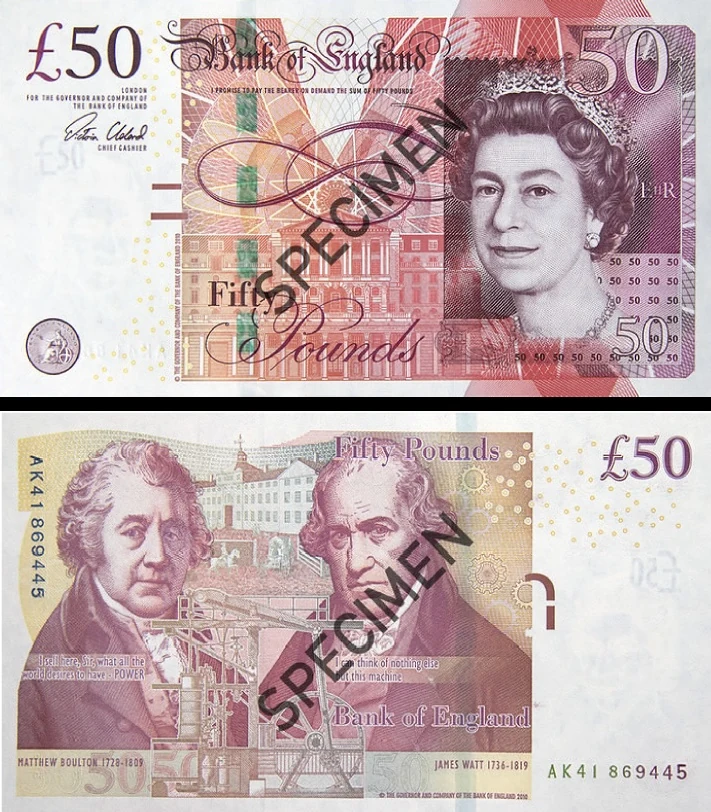
The Bank moved every denomination from paper to polymer between 2016 and 2021. Polymer is harder to counterfeit, resists dirt and moisture, and carries raised features for blind and partially sighted people.
Each paper note was withdrawn between six months and about two and a half years after its polymer replacement. Paper £20s and £50s were the last to go.
| Note | Polymer note issued | Paper note stopped being legal tender |
|---|---|---|
| £5 | September 2016 (Churchill) | 5 May 2017 |
| £10 | September 2017 (Austen) | 1 March 2018 |
| £20 | 20 February 2020 (Turner) | 30 September 2022 |
| £50 | 23 June 2021 (Turing) | 30 September 2022 |
If a drawer turns up paper Adam Smith £20s or Boulton and Watt £50s, they can still be paid into a bank or exchanged at the Bank of England, as above. Most are worth exactly their face value.
Who has been on Bank of England notes
Monarchs first, then famous Britons
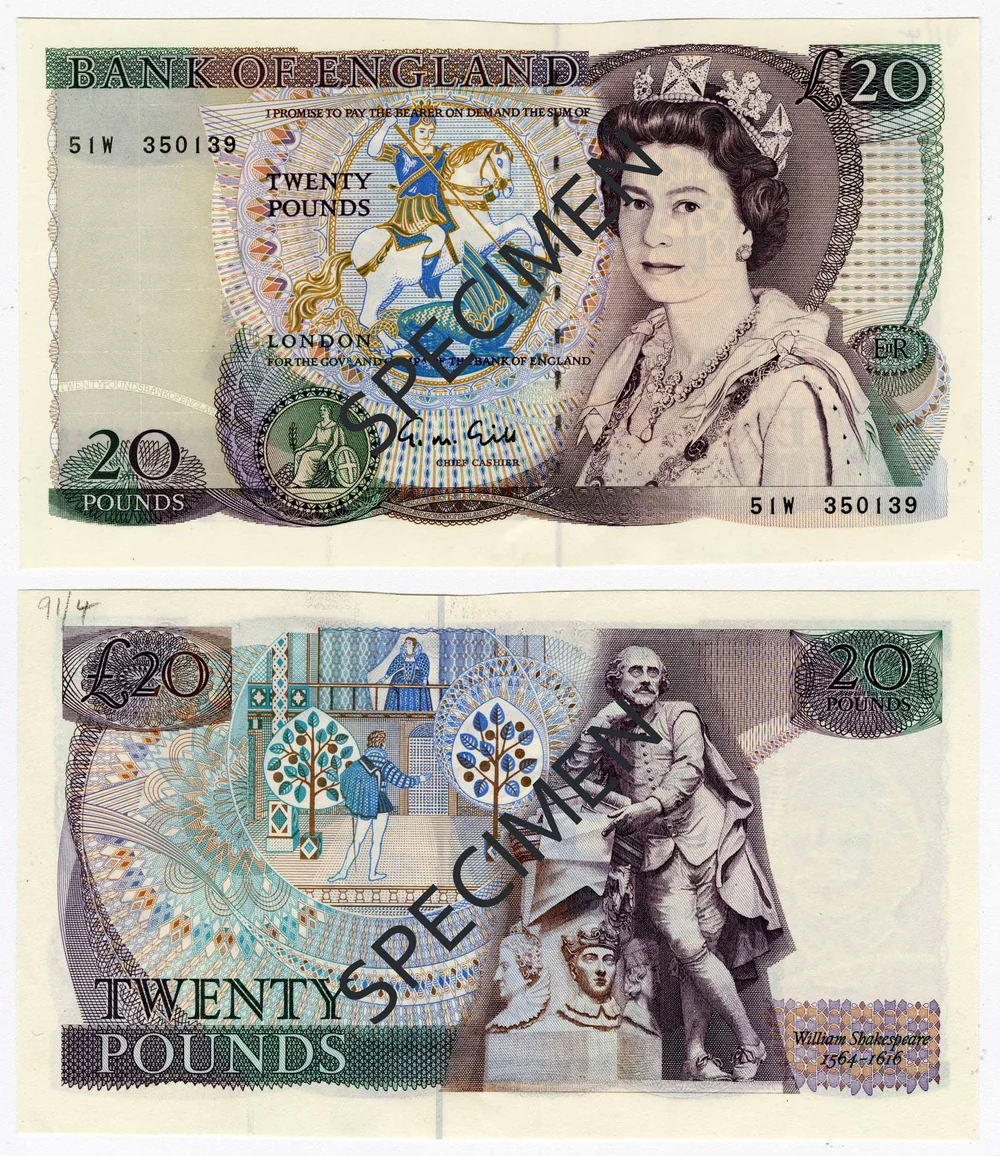
The Bank has issued notes since soon after its founding in 1694. Until the 1920s they were single sided and calligraphic; colourful designs arrived in the late 1920s.
The monarch first appeared on a Bank of England note in 1960, on the £1. Historical figures followed from 1970, starting with Shakespeare on the £20.
The 1978 Newton £1 was unusual in carrying only one serial number.
| Series | First issued | Who appeared |
|---|---|---|
| D (pictorial) | 1970 to 1981 | Shakespeare (£20), Wellington (£5), Florence Nightingale (£10), Isaac Newton (£1), Christopher Wren (£50) |
| E (historical) | 1990 to 1994 | George Stephenson (£5), Michael Faraday (£20), Charles Dickens (£10), Sir John Houblon (£50) |
| E (variant) | 1999 to 2002 | Edward Elgar (£20), Charles Darwin (£10), Elizabeth Fry (£5) |
| F | 2007 and 2011 | Adam Smith (£20), Matthew Boulton and James Watt (£50) |
| G (polymer) | 2016 to 2021 | Winston Churchill (£5), Jane Austen (£10), JMW Turner (£20), Alan Turing (£50) |
| Next series | From the next few years | Atlantic puffin, barn owl, buff-tailed bumblebee, European hedgehog |
Each redesign changes the main picture so that people can tell old notes from new at a glance. The wildlife series ends a run of historical figures that began in 1970.
Which notes collectors want
Almost every note is worth its face value and no more. The few that collectors chase share one or more of these features.
Low serial numbers and first prefixes
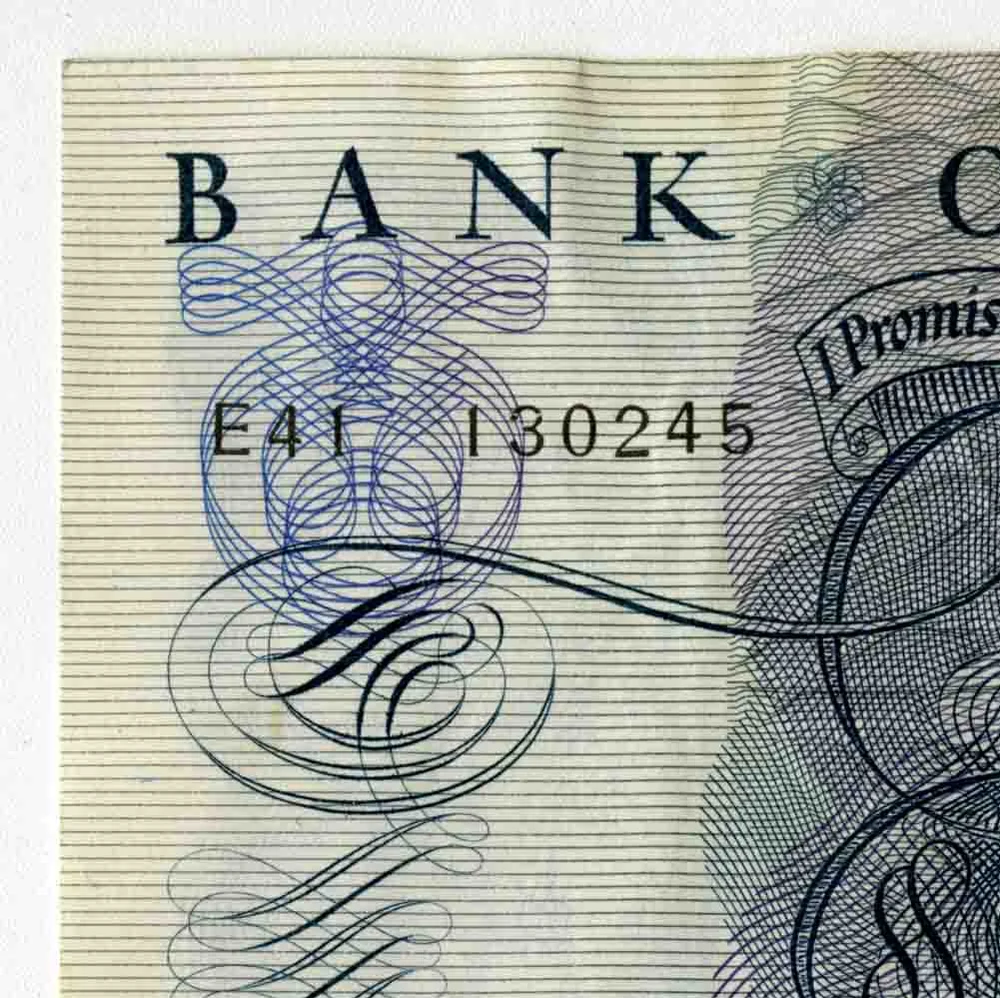
The serial is printed on every note. Today it is a prefix of two letters and two numbers, then six digits, such as AA01 000001.
The lowest numbers never reach a till. When the polymer £5 arrived in 2016, AA01 000001 went to the Queen and AA01 001945 to the Churchill War Rooms; other low numbers were auctioned for charity.
The same happened with the King's notes. In the summer of 2024 Spink sold low-numbered King Charles III notes for the Bank and raised £914,127 for ten charities. A single £10 numbered HB01 00002 was among the stars of the sale.
Every note carries the Chief Cashier's signature. Collectors follow the changeover from one Chief Cashier to the next, and the first and last prefixes of each. Rhys Phillips becomes Chief Cashier on 19 October 2026.
Faulty sheets found at the printer are swapped for replacement sheets numbered in their own series, usually with an M prefix, LL in modern times. A misprint that slipped past the checks is a genuine error, and scarce for that reason.
Notes overprinted SPECIMEN for reference rather than for spending. They are a collecting field of their own.
Condition decides more than people expect
Collectors grade notes on an international scale. A crease or a soft corner moves a note down a grade.
| Grade | What it means |
|---|---|
| UNC (uncirculated) | Perfect: clean, crisp paper, sharp square corners, original sheen |
| AUNC (about uncirculated) | Nearly perfect: a counting mark at a corner or one light fold, never a crease |
| EF (extremely fine) | Light handling: up to three light folds or one strong crease |
| VF (very fine) | Several folds, slight wear at the edges, paper still fairly crisp |
| F (fine) and below | Well circulated: many folds, soft paper, small tears, stains or pinholes |
Never wash, iron or press a note to improve it. Collectors can spot it, and it lowers the grade by at least one step. Keep notes flat in archival wallets.
Found old notes or coins? Ask us, free
“Rare” notes for sale online: why most are face value
Every time notes change, online listings appear asking eye-watering sums for ordinary notes with an “AA” prefix or a fun serial. Three things are worth knowing.
- An asking price is not a sale. Anyone can list a fiver at any price. What matters is what buyers actually paid.
- Prefixes are shared by up to a million notes. Change Checker points out that about a million AA01 notes were printed, so an AA01 on its own is not rare.
- Headline bids are not always paid. In 2016 an “AK47” fiver drew a huge winning bid on eBay; Change Checker reported that the buyer never paid.
Genuinely special notes do exist, and they are documented. In December 2016 the micro-engraver Graham Short engraved tiny portraits of Jane Austen on four polymer £5 notes and put one into circulation in each of England, Wales, Scotland and Northern Ireland. Their serial numbers were published.
Some collectors also like patterns such as 888888 or 123456. Those preferences are real, but they say nothing about a particular listing.
Every note and coin is different. Send us a few photos and we will tell you what you have, free and with no obligation. Ask for free advice and a valuation.
Old coins and gold sovereigns found with old notes
A tin of old notes rarely comes alone. The same drawer often holds pre-decimal silver, commemorative crowns and, now and then, a gold sovereign.
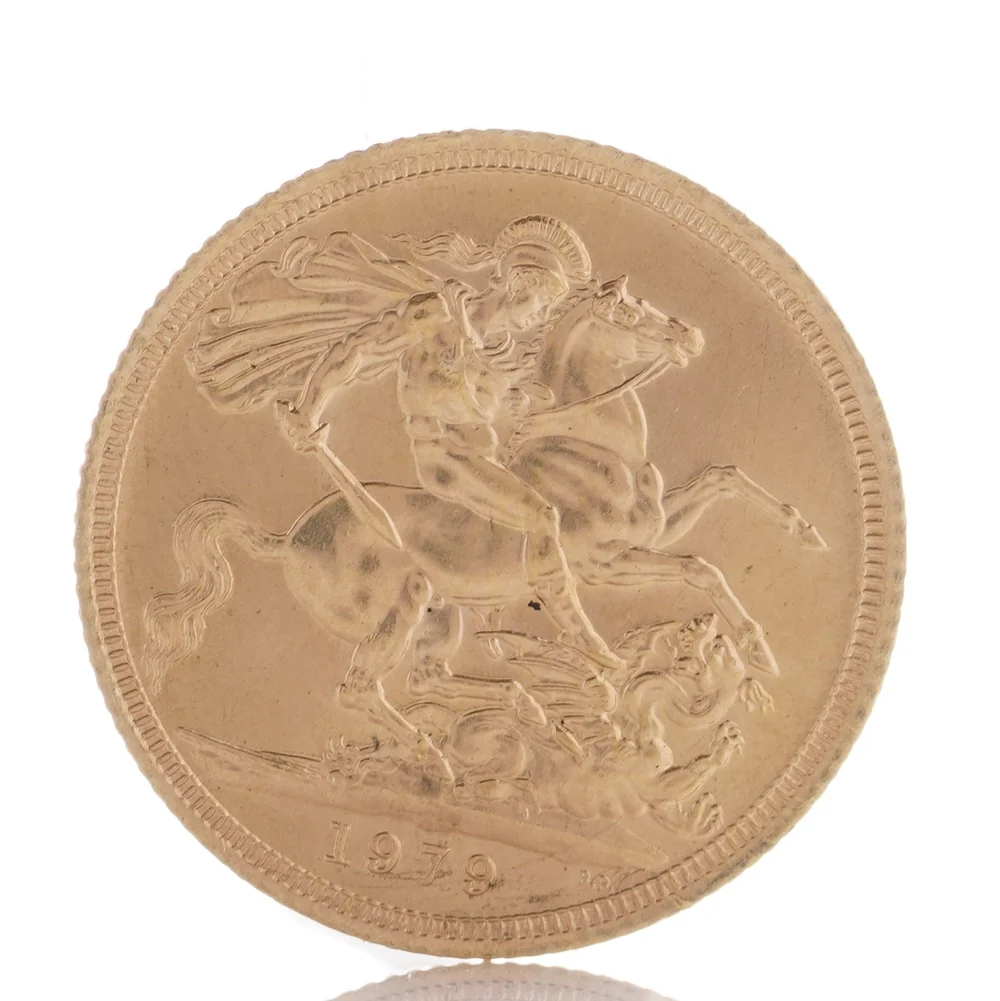
Gold sovereigns
We buy gold coins and sovereigns, and value them free. Date and mint mark matter: some years were struck in small numbers, and none at all were dated 1933 to 1956 except 1937 and 1953.
Look up yours in gold sovereign value by year, then see how to sell gold sovereigns.
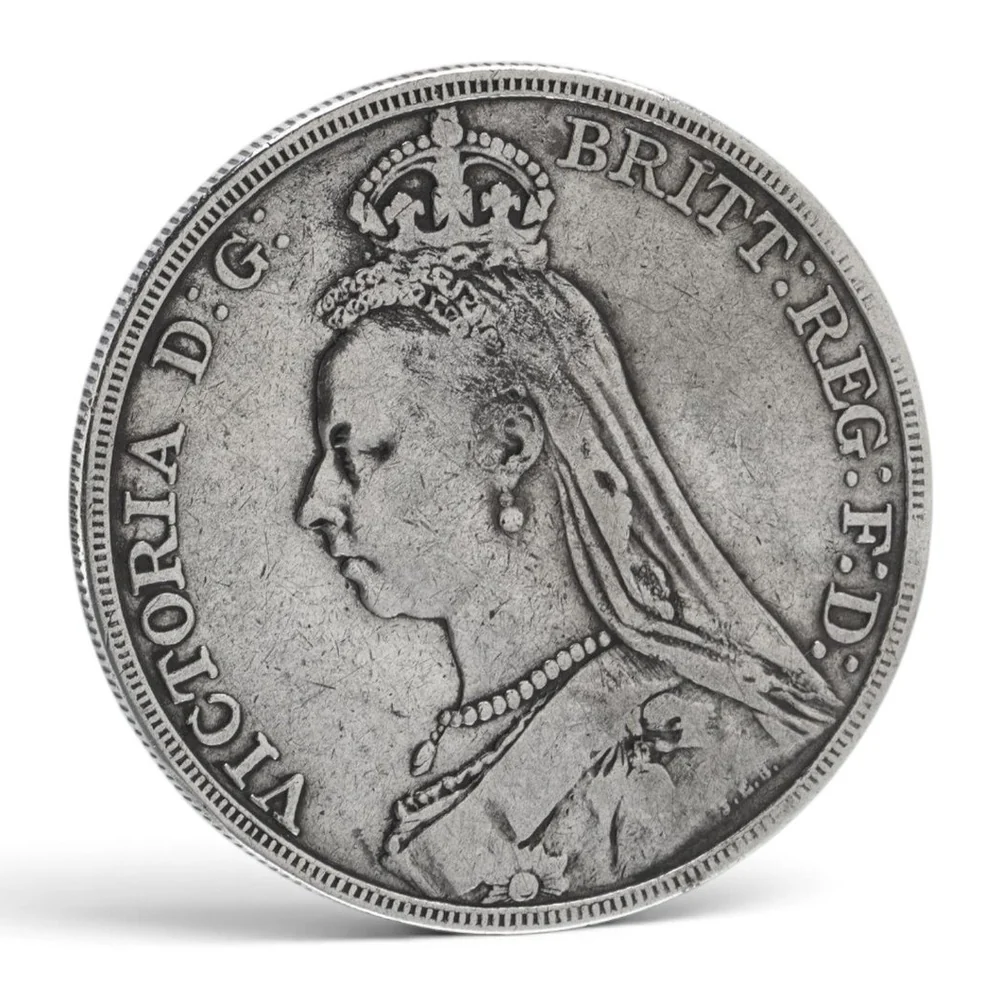
Old silver coins
British silver coins dated before 1947 contain real silver, and those before 1920 more of it.
Our guides explain pre-1920 silver coins, pre-1947 silver coins and silver coin values. Modern change has its own stories: see the Cluedo 50p.
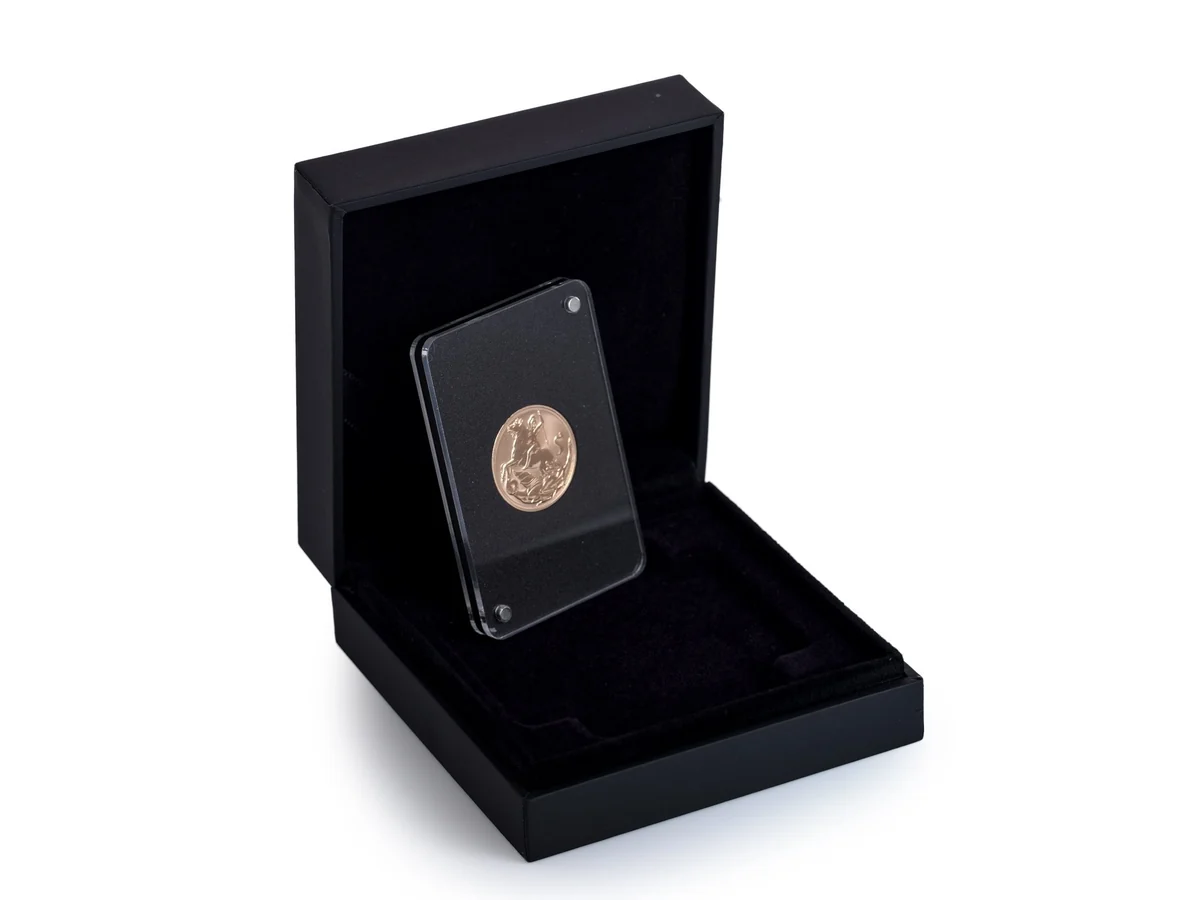
Keep cases and certificates
A proof coin in its original case with its certificate is worth more to a collector than the same coin loose. Leave coins uncleaned and in their packaging.
Clearing a house? See attic finds worth money, inherited jewellery: what to do and found buried treasure.
Free advice and valuation for old notes and coins
We are dealers in antiques, gold and coins in Mayfair and Braintree. Send us photos of old notes and coins and we will tell you what you have, free and without obligation.
- Photograph
Both sides of each note, with the serial number readable, and both sides of each coin. Do not clean anything.
- Send
Use the form below, call 01376 334482 or WhatsApp us.
- Visit
Bring them to 47 Maddox Street, Mayfair (by appointment) or to Braintree, Essex. Contact us to book.
Selling gold as well? See sell your gold, sell gold jewellery and do you pay tax when you sell gold.
Request free advice and a valuation
- The next Bank of England notes will show a puffin, barn owl, buff-tailed bumblebee and hedgehog; which note gets which, and when, is still to be announced.
- Current polymer notes with the Queen or the King stay legal tender.
- Withdrawn notes can always be exchanged at the Bank of England, and usually paid into your bank.
- Most notes are worth face value; low serials, first prefixes, replacements, errors and condition make the exceptions. We give free advice from photos.
Questions we are asked
When will the new wildlife banknotes come out?
The Bank of England has not given a date. It says designing, testing and printing take years, and expects the first note of the new series over the next few years.
Which animal will be on which banknote?
Not decided yet. The puffin, barn owl, buff-tailed bumblebee and hedgehog will each go on one of the £5, £10, £20 and £50 notes, and the Bank will announce which closer to launch.
Will my current £20 and £50 notes stop working?
Not now. All polymer notes, with either the Queen or the King, remain legal tender. If a series is withdrawn in future, the Bank will announce a date first.
Can I still exchange old paper banknotes?
Yes. Pay them into your bank, use the Post Office, or exchange them with the Bank of England at its Threadneedle Street counter or by post. The Bank has no deadline for exchanging withdrawn notes.
Is my AA01 note rare?
Usually not. Each prefix covers up to a million notes. Collectors want the very lowest numbers, first and last prefixes, replacement notes, errors and notes in perfect condition.
Are “rare” banknotes on eBay really worth that much?
An asking price is not a sale, and headline bids are not always paid. Ask a specialist before you buy or sell.
Do you buy old banknotes?
We give free advice on old notes from photographs. We buy gold coins and sovereigns, and value coins and notes found together free of charge.
Will the King still be on the new banknotes?
Yes. The Bank of England says the next series will continue to include a portrait of the monarch.
Old notes, coins or sovereigns?
Send photos for free advice and a valuation, or visit us in Mayfair or Braintree. We buy gold coins and sovereigns.
- We buy directly
- Free valuation from photos
- Appointments in Mayfair and Braintree
- Insured postage or collection
New pieces reach our list first: join the Mozeris list.