Diamond Jewellery
Antique Diamond Rings
Antique and vintage diamond rings, Victorian to 1980s: clusters, solitaires, three-stone and cocktail rings set with old mine, old European, rose and brilliant cut diamonds, in platinum, yellow gold and white gold.
Explore our Diamond jewellery and Antique rings collections, or read about the diamond, the April birthstone.
132 pieces available · antique & vintage · UK based, worldwide shipping
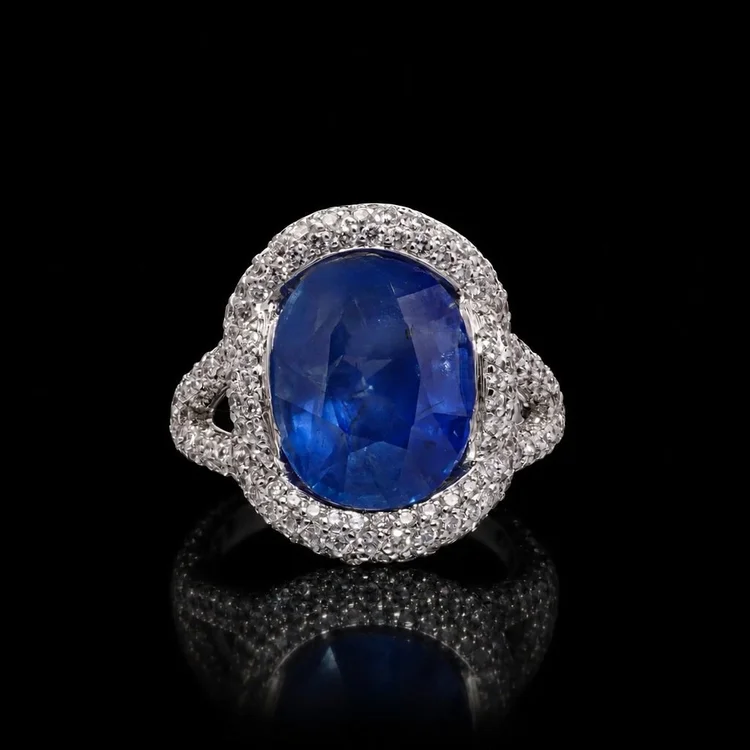
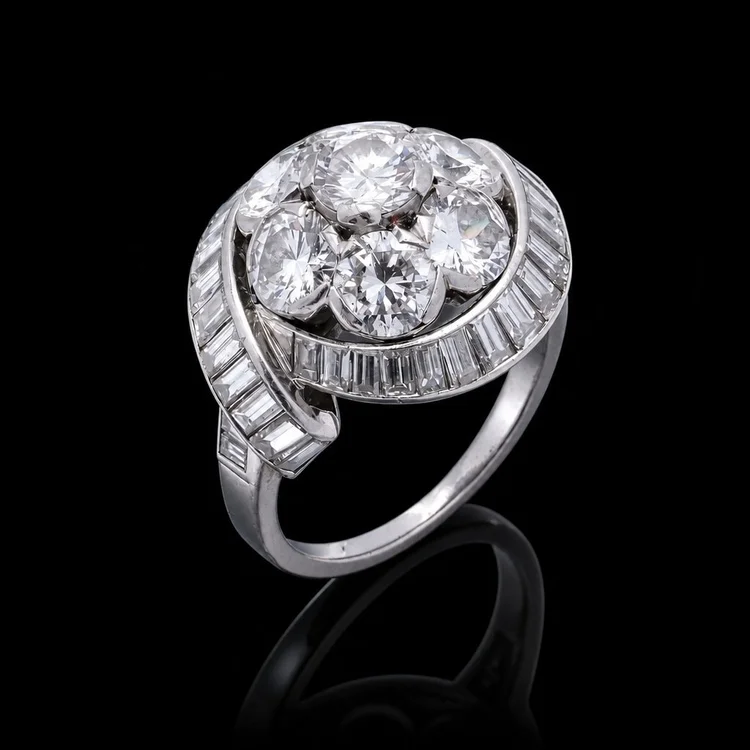
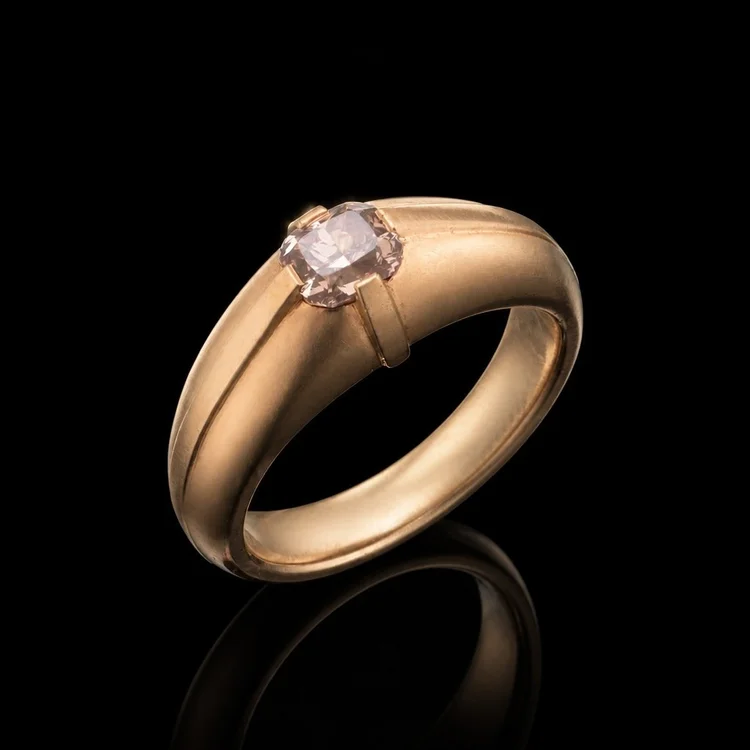
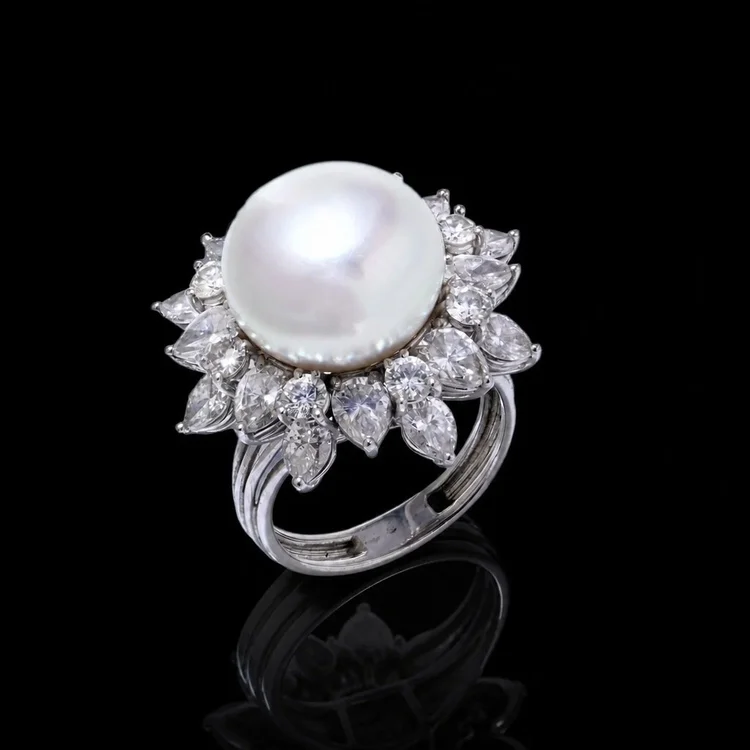
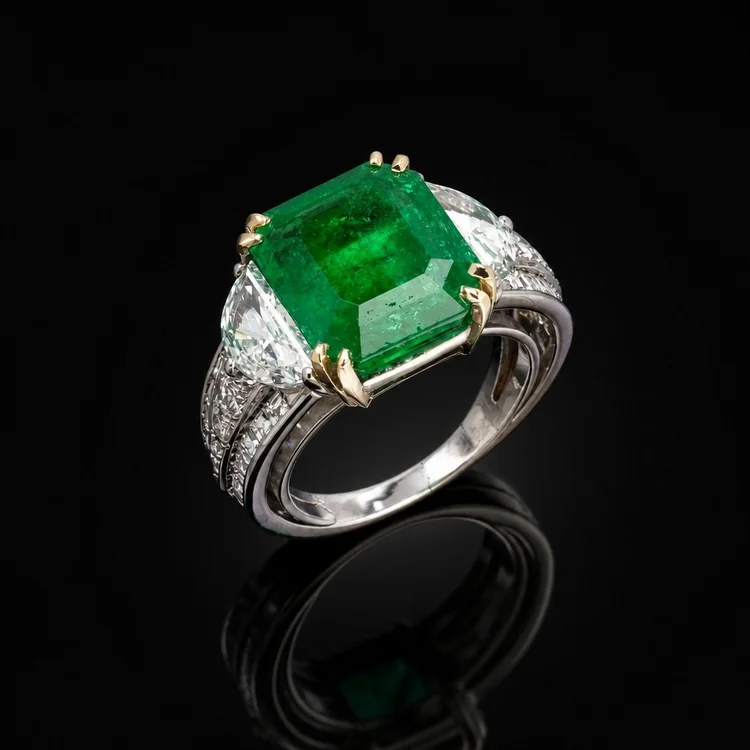
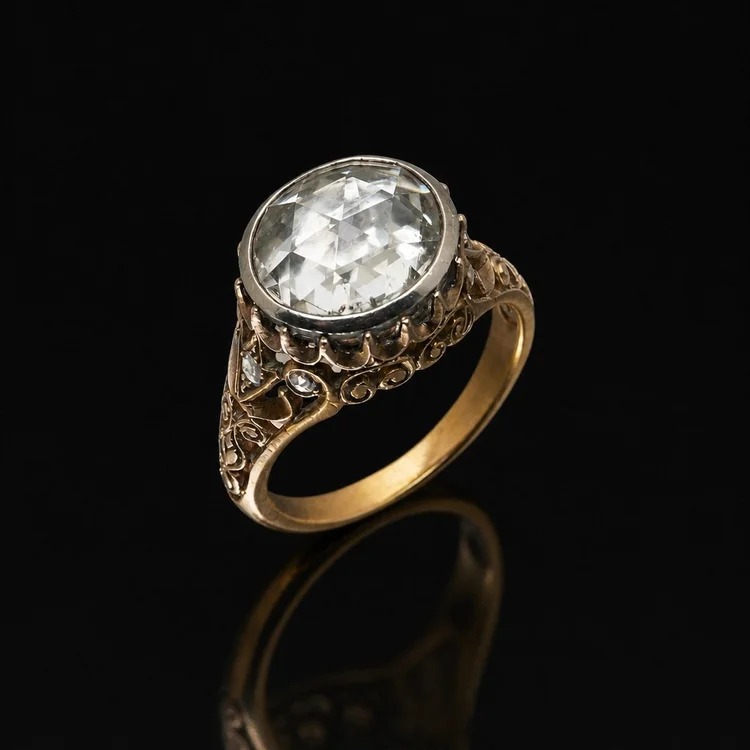
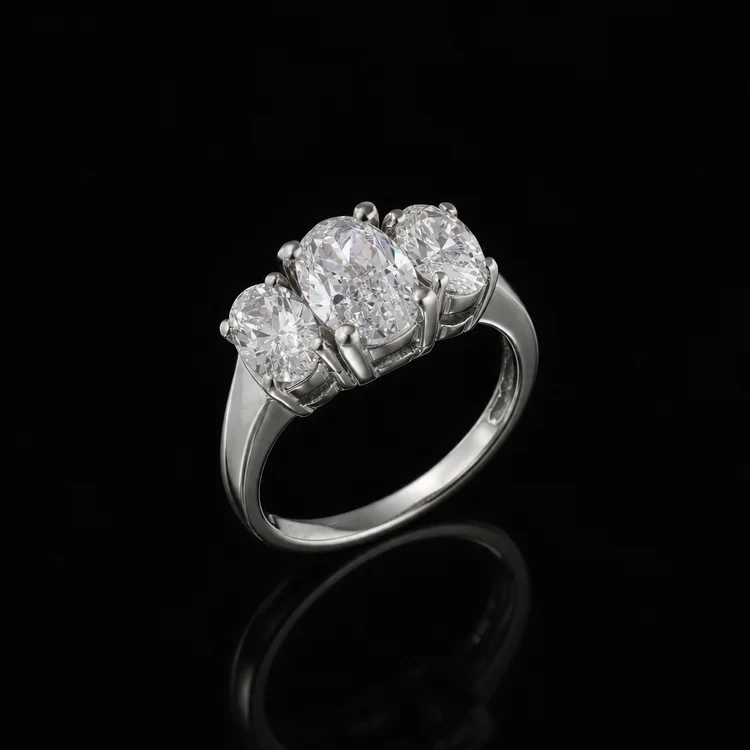
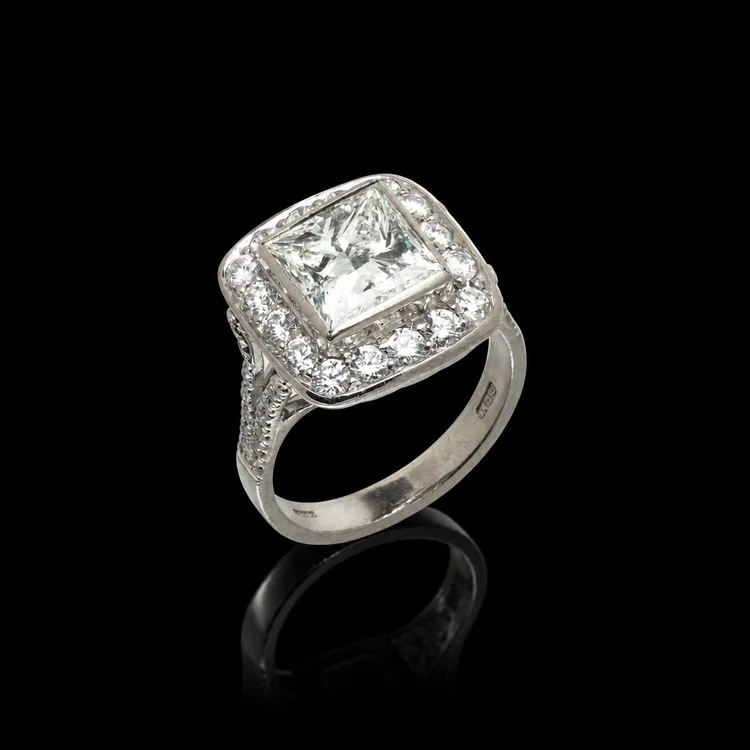
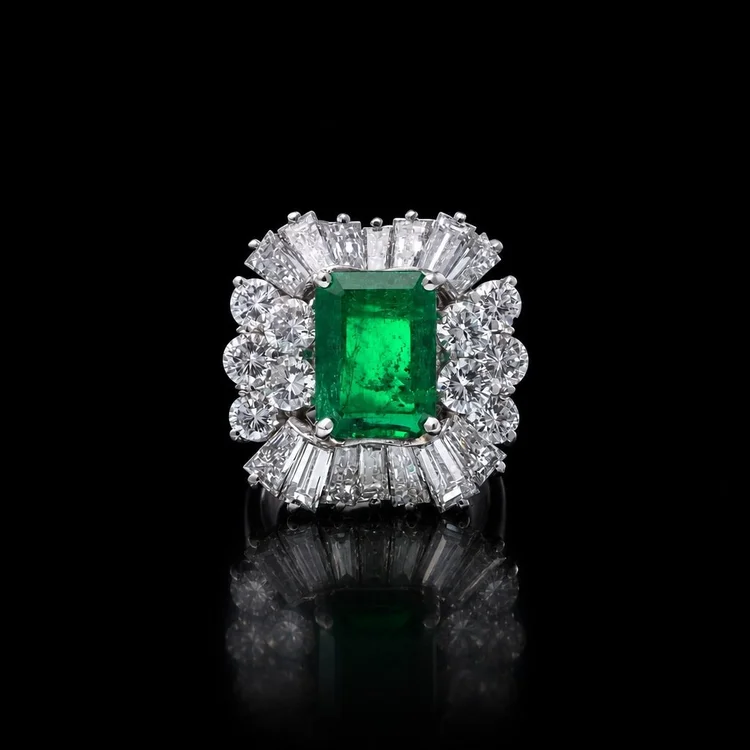
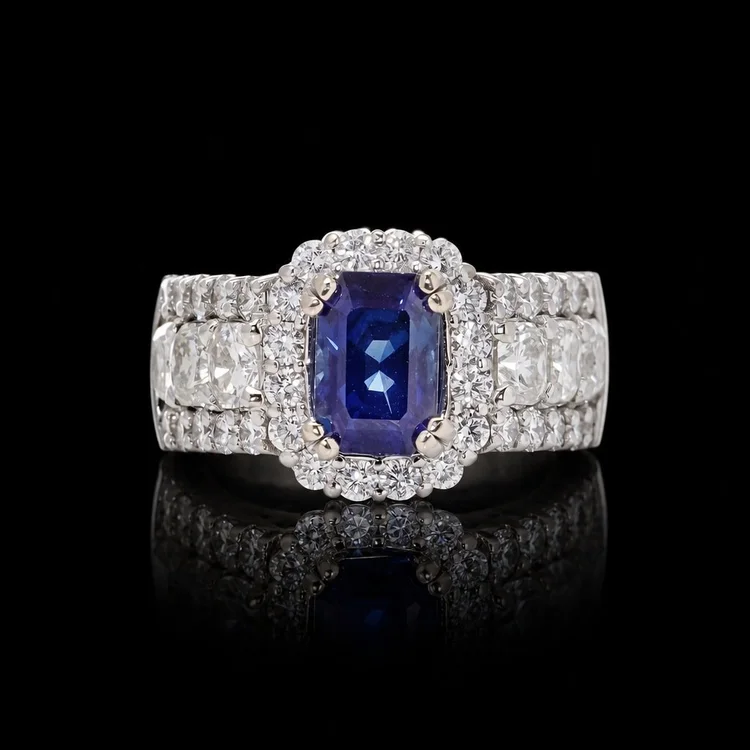
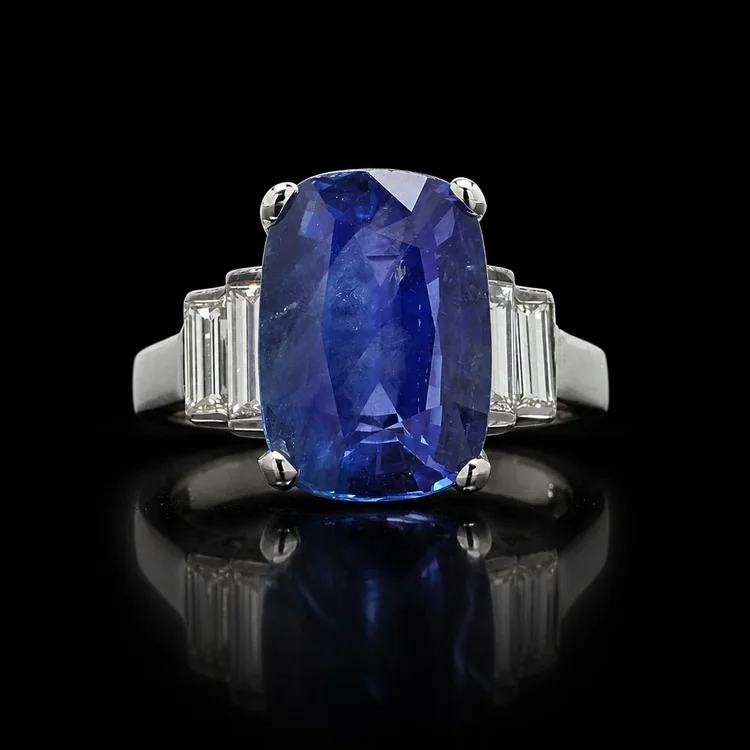
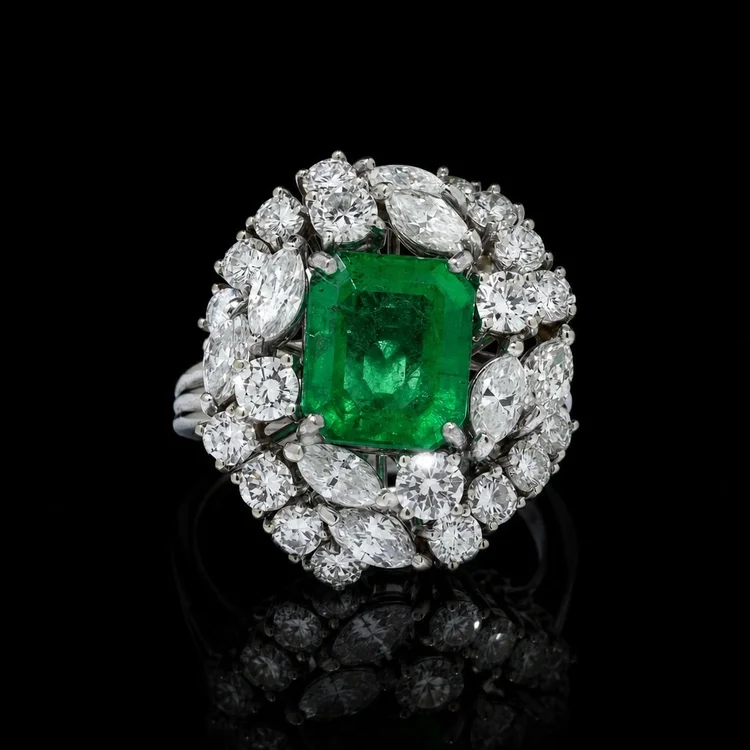
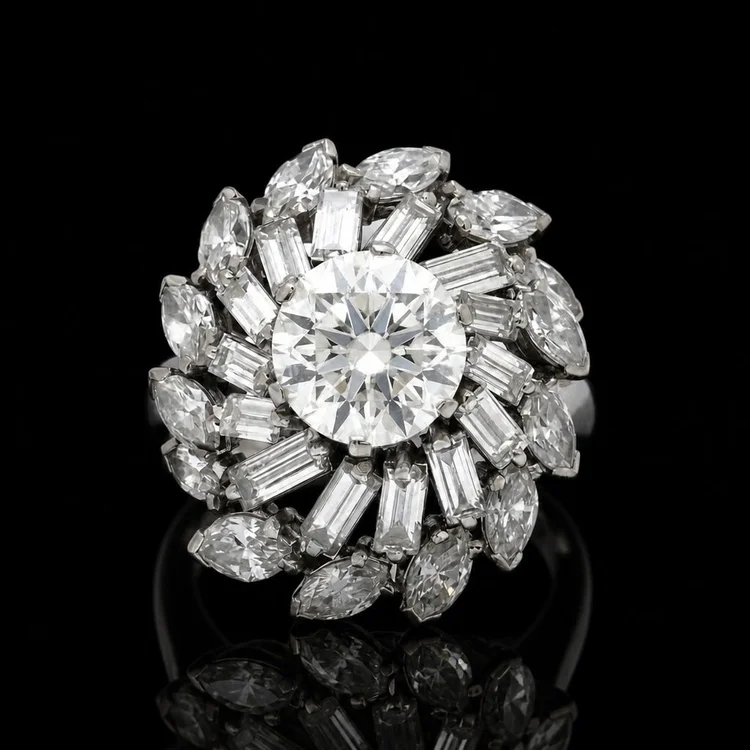
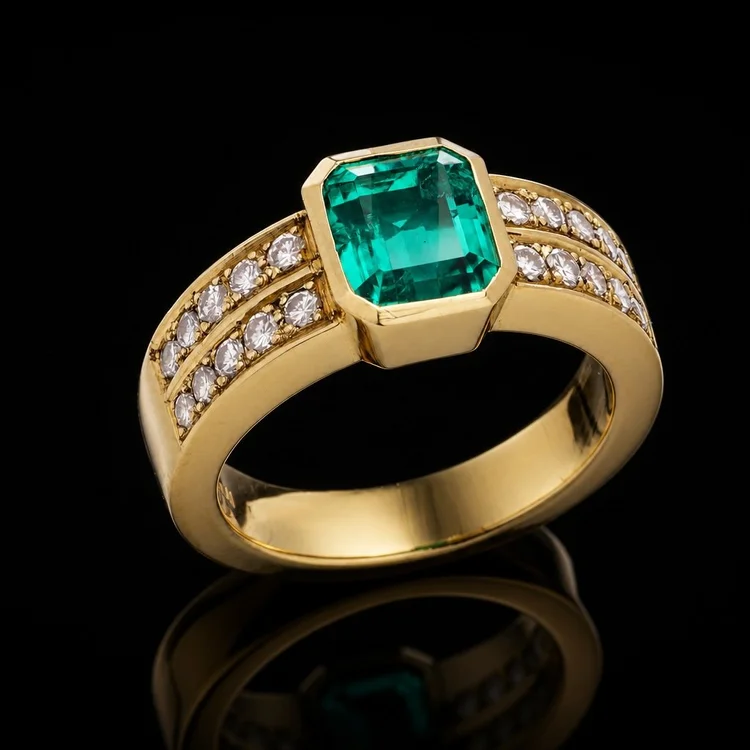
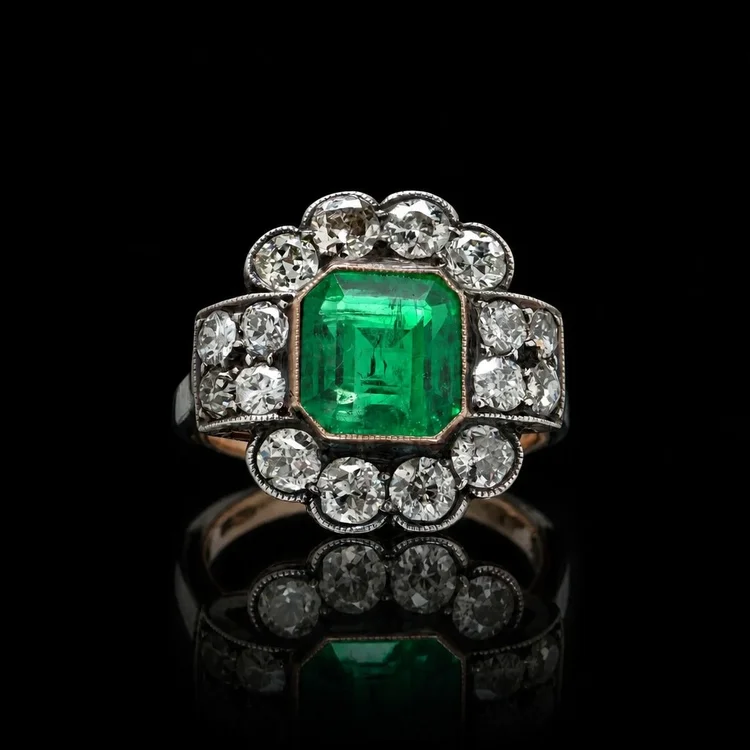
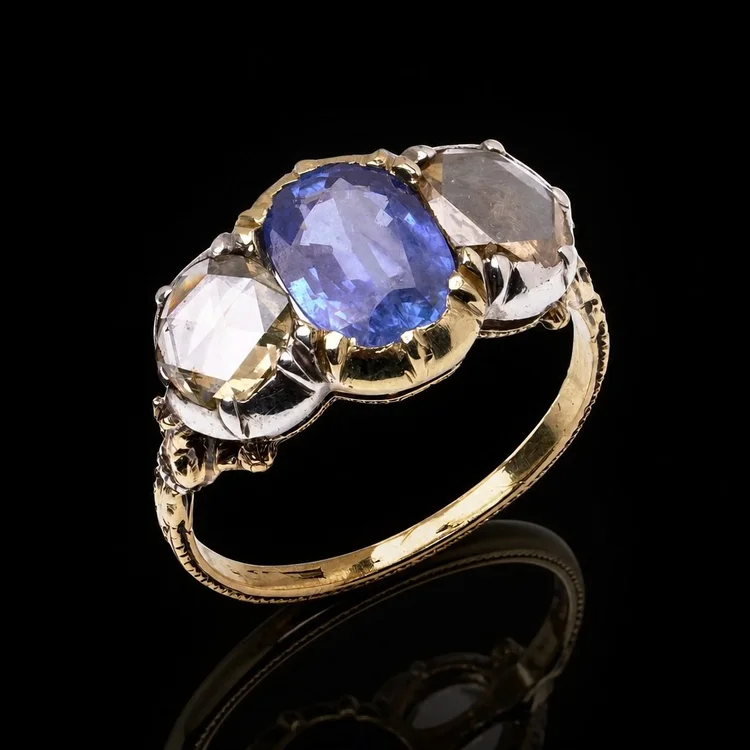
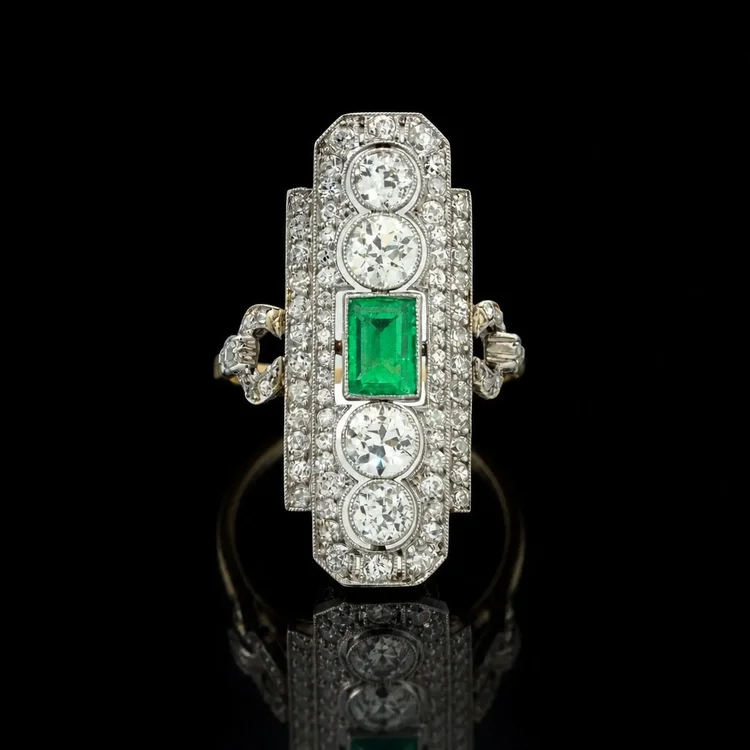
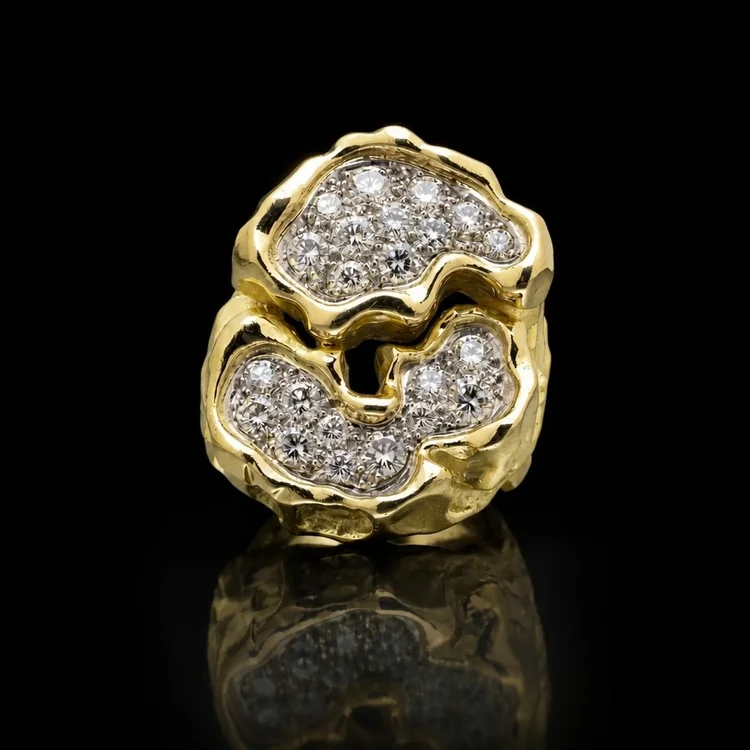
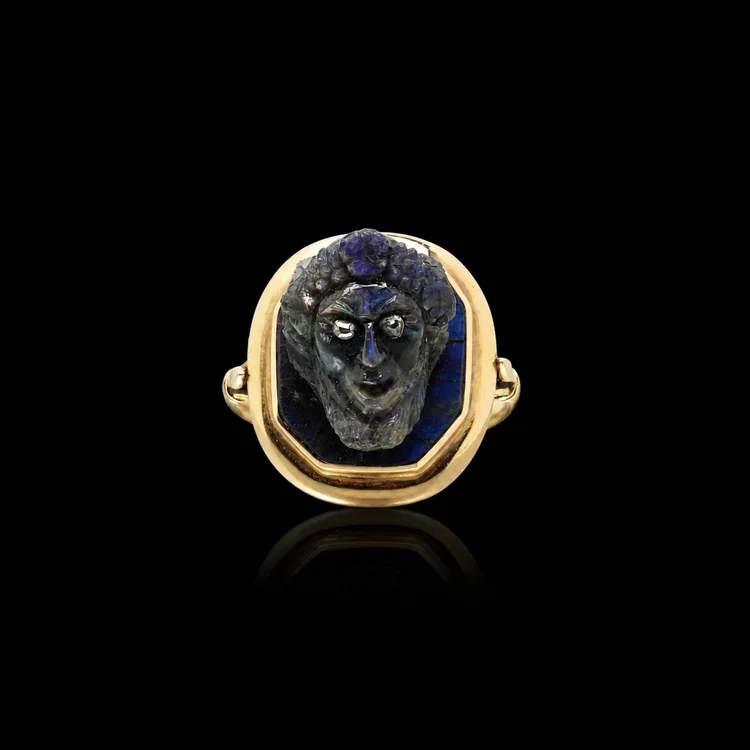
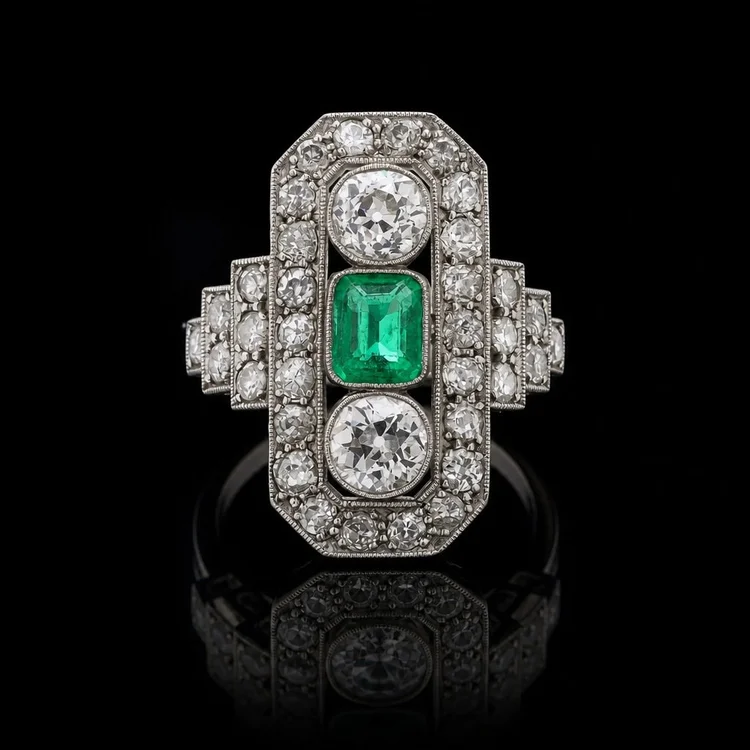
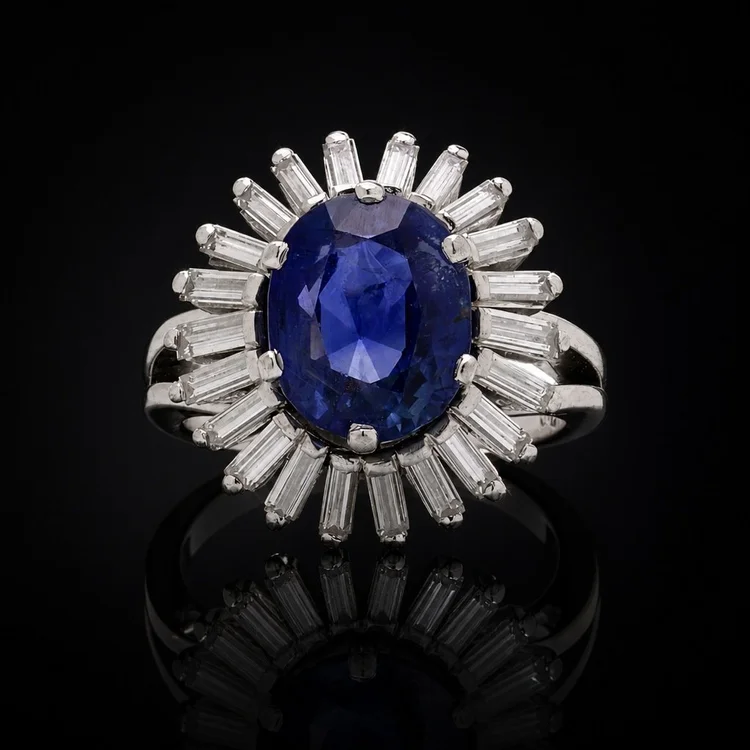
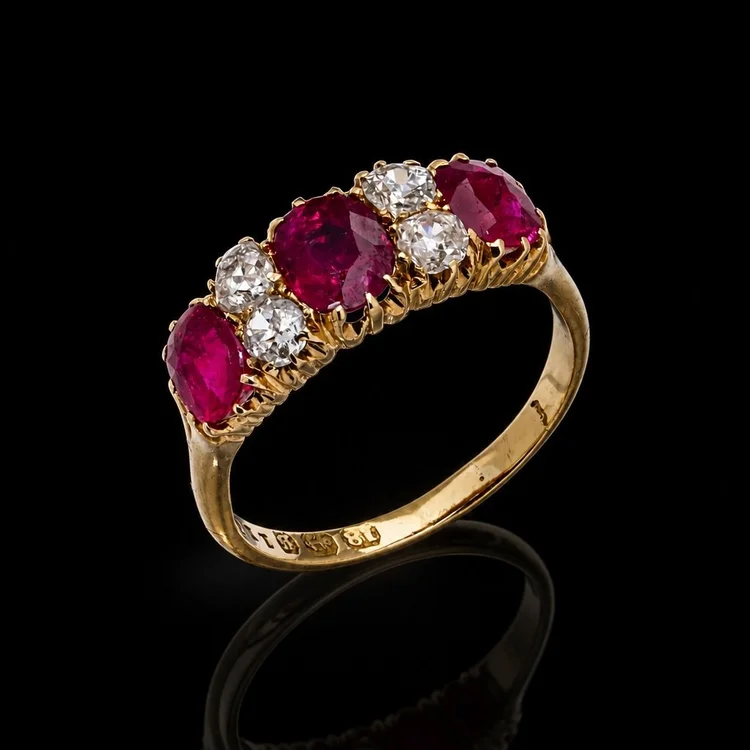
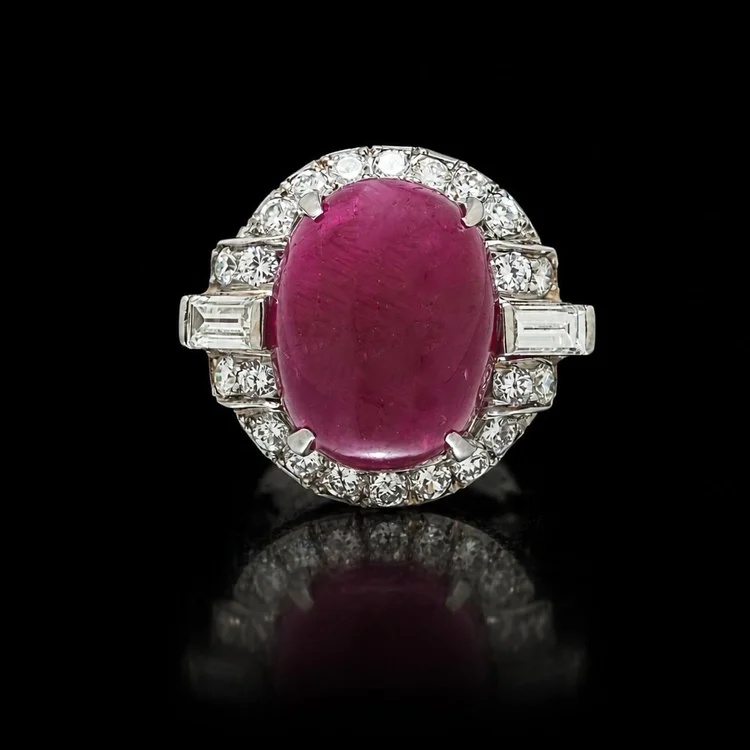
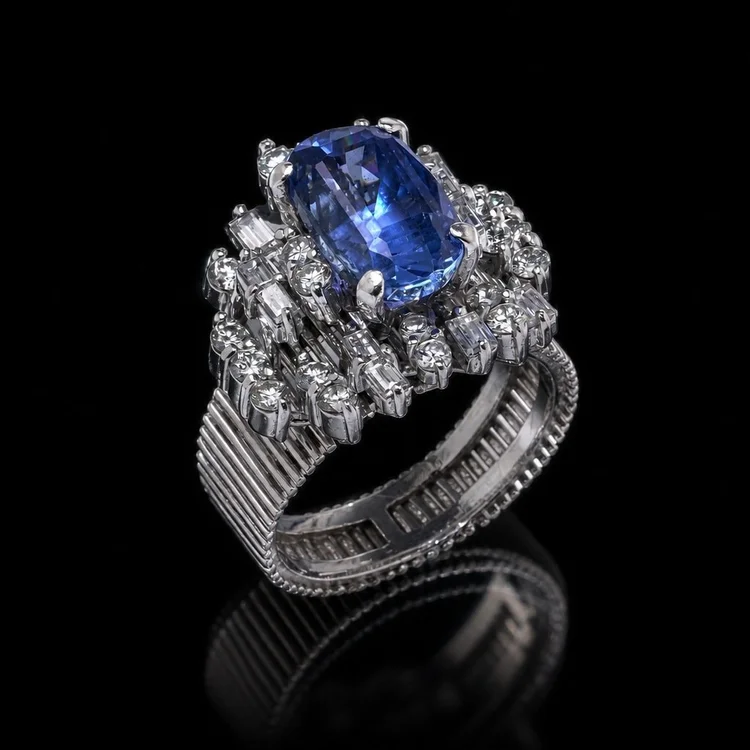
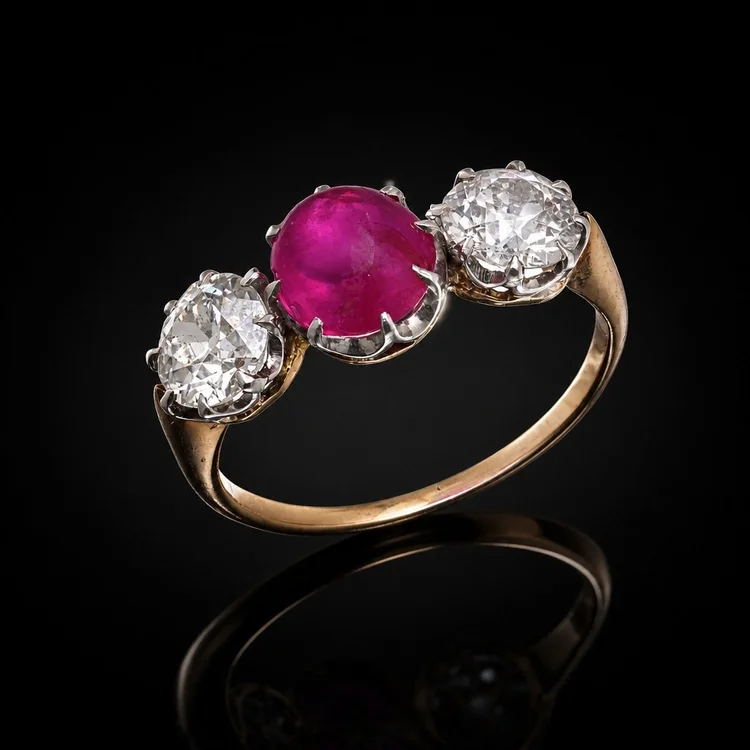
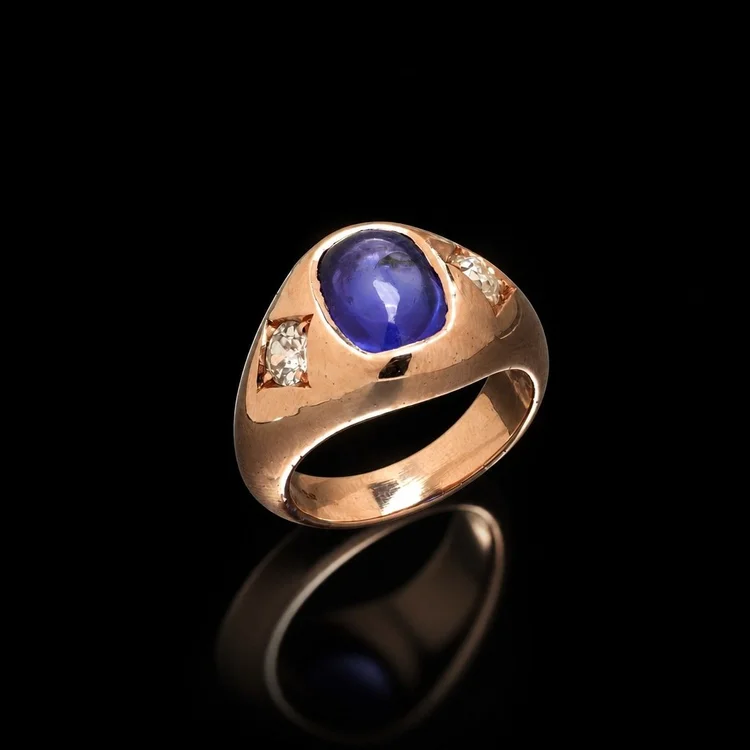
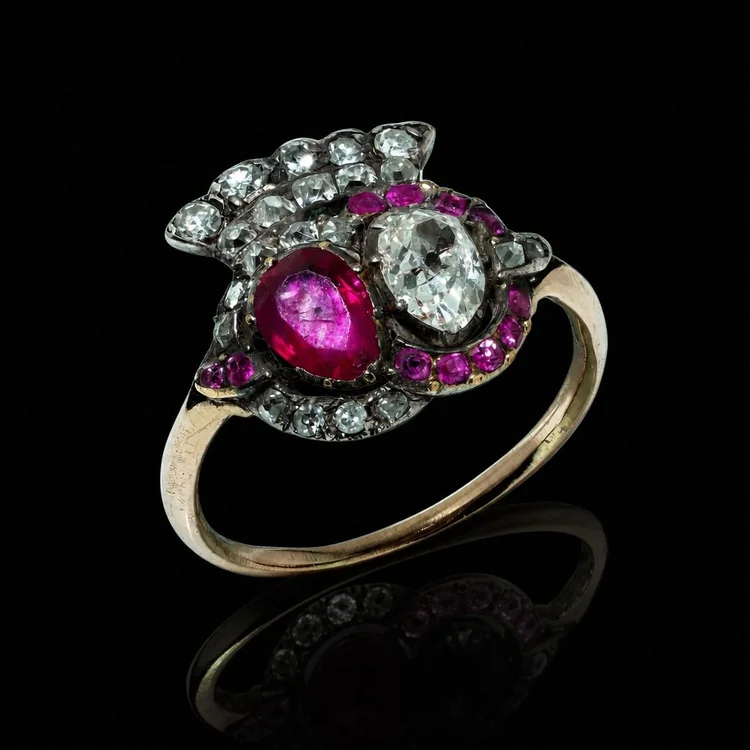
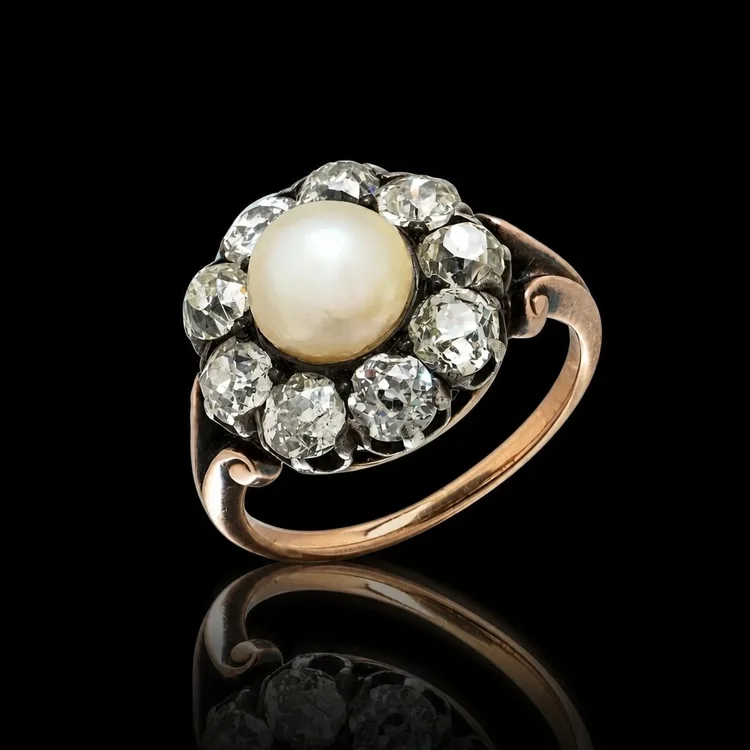
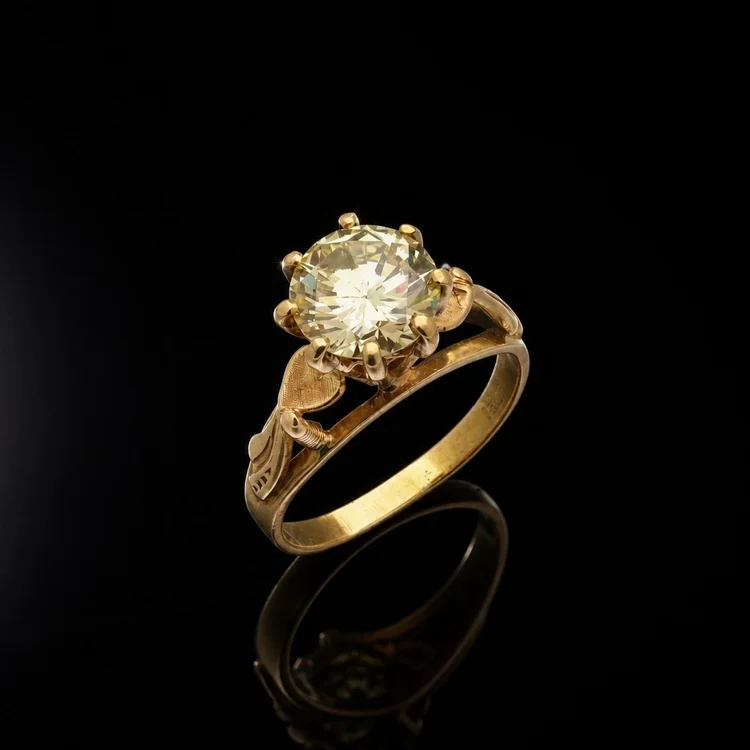
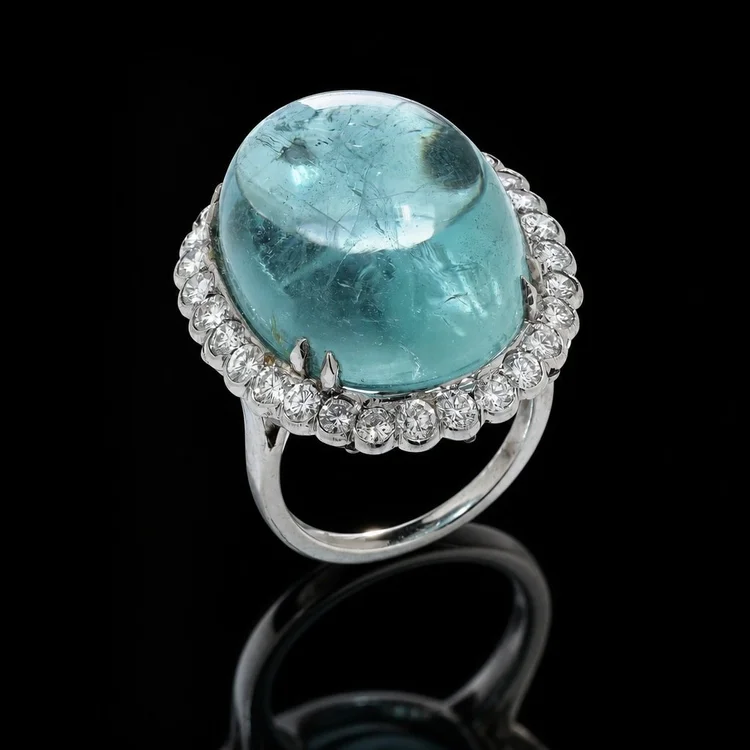
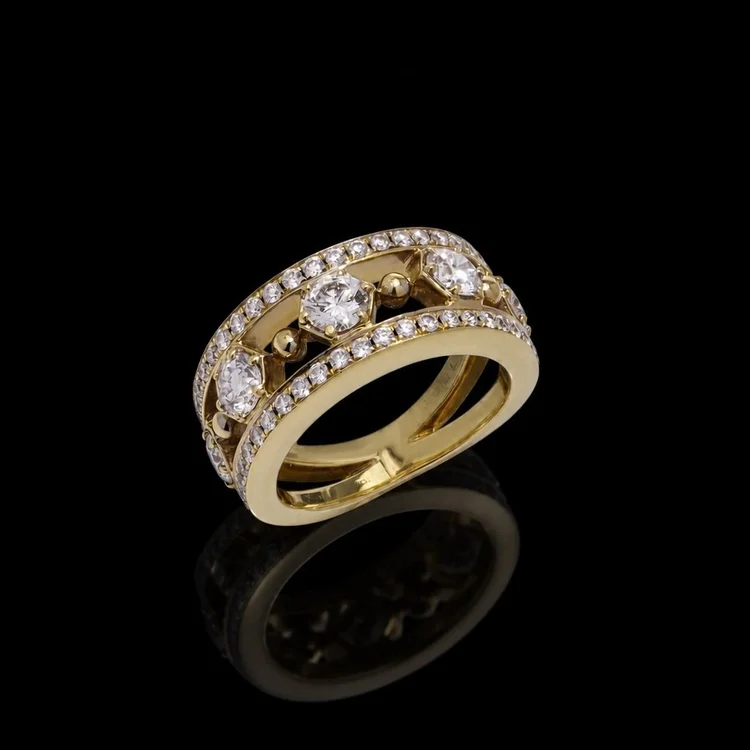
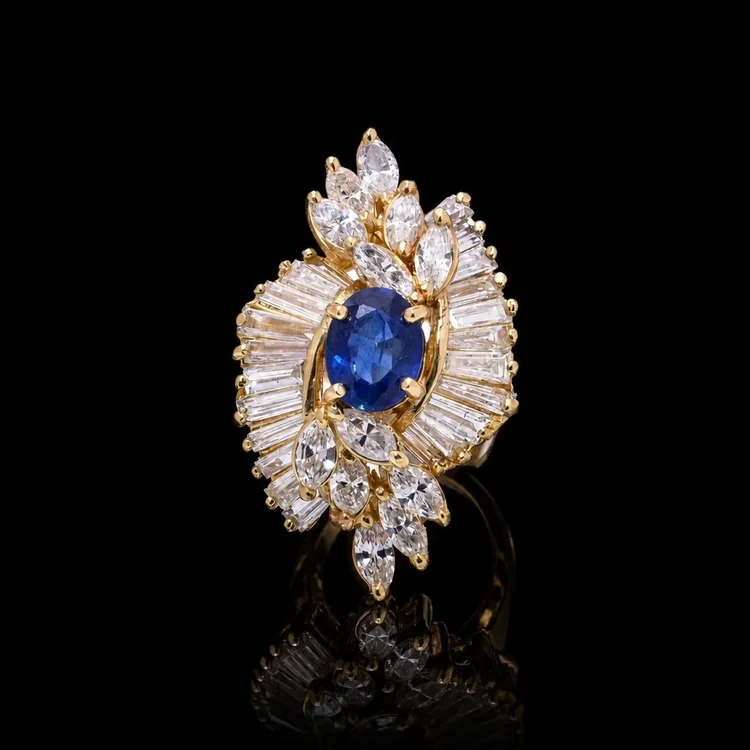
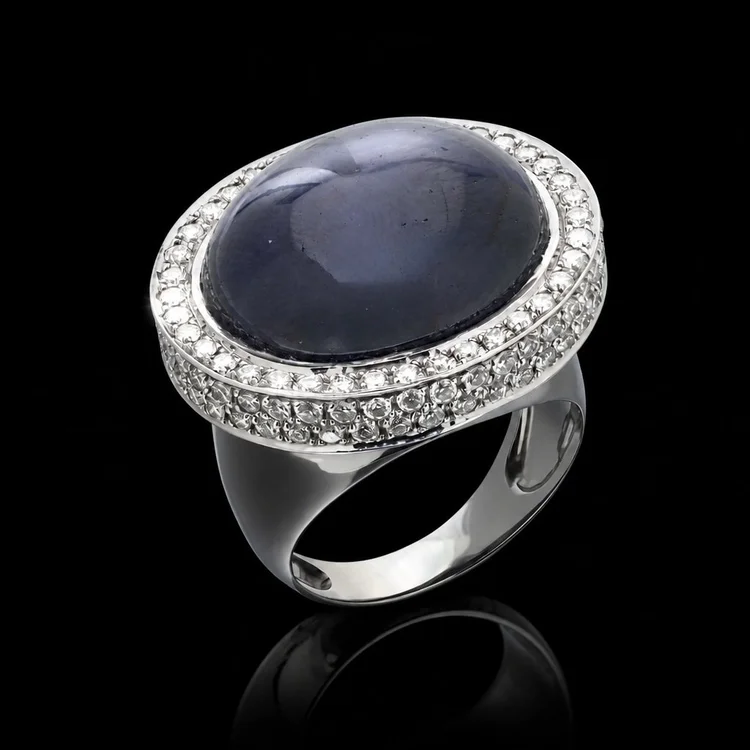
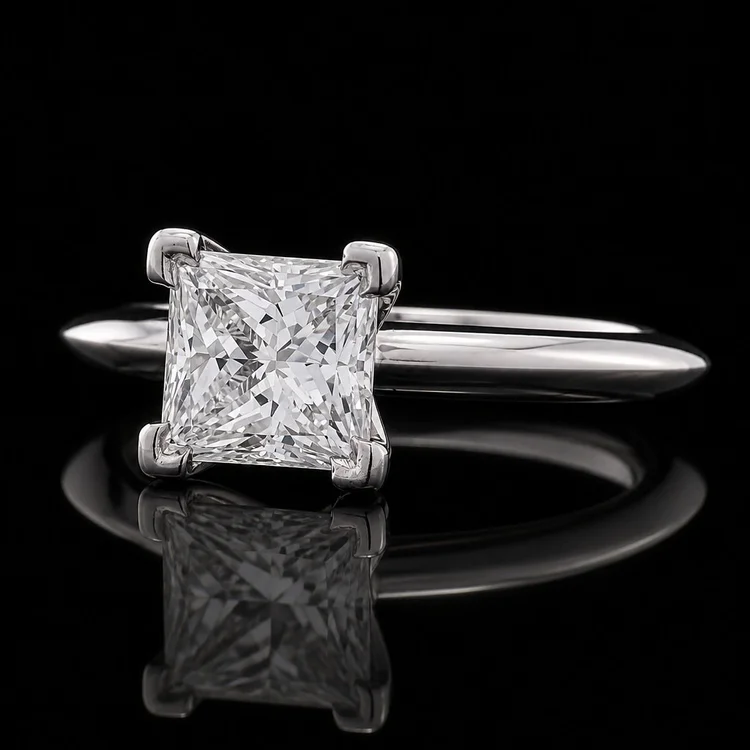
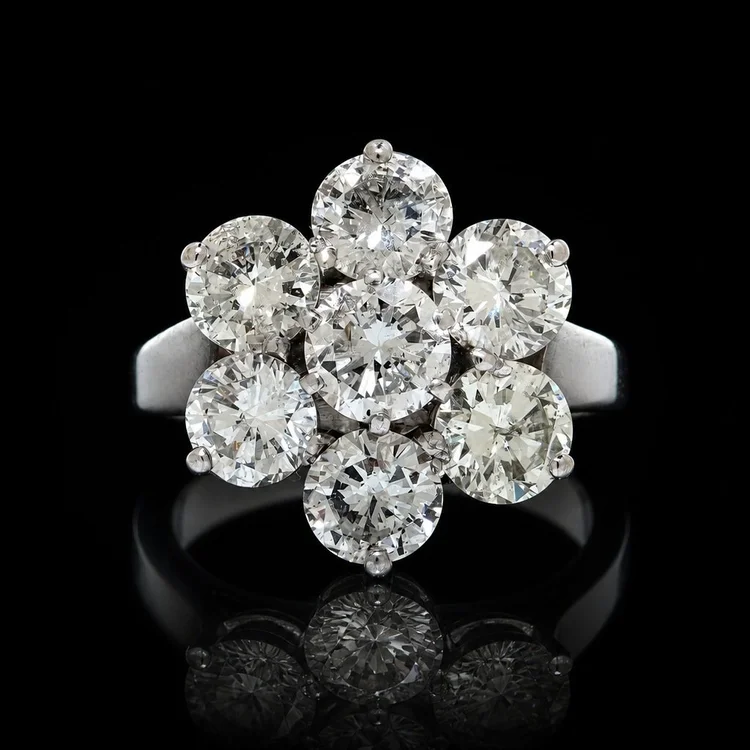
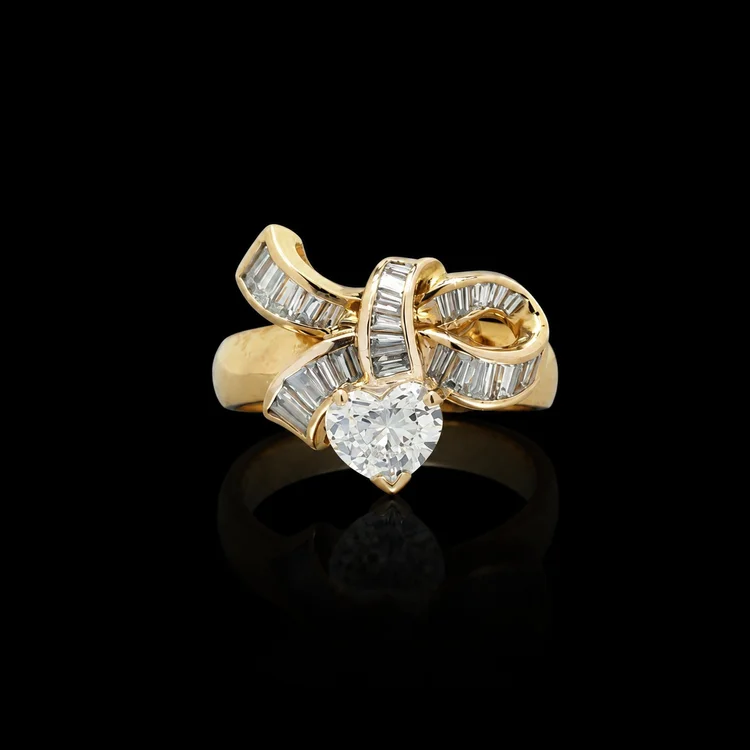
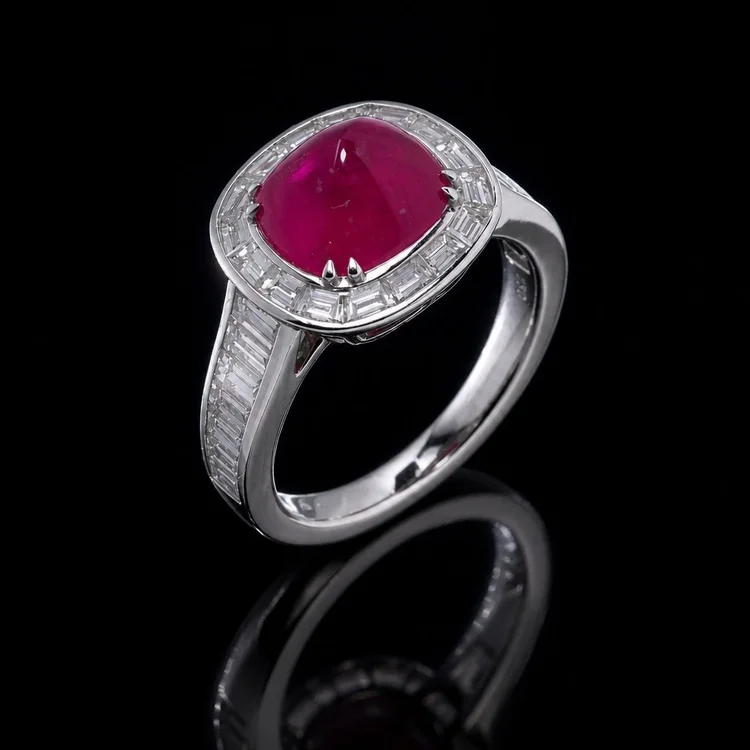
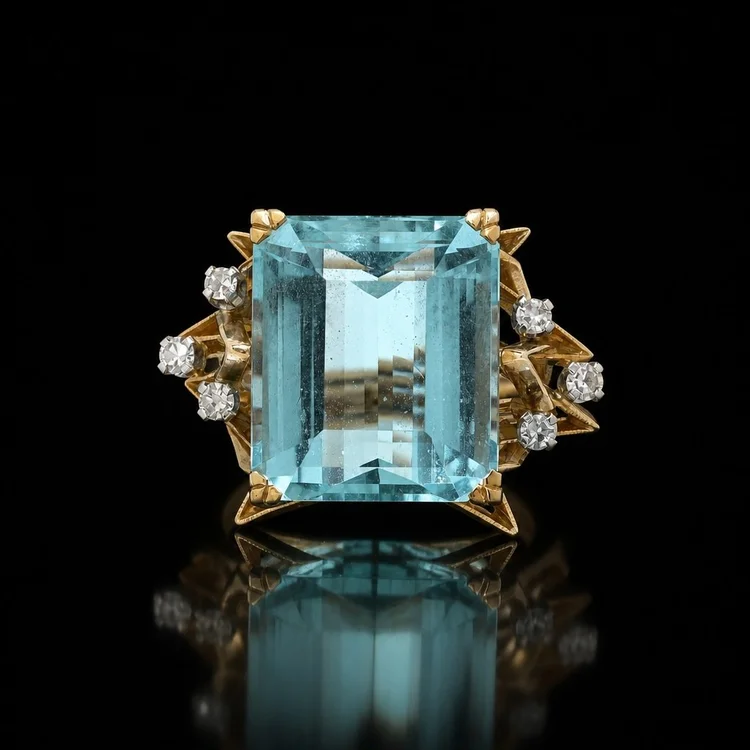
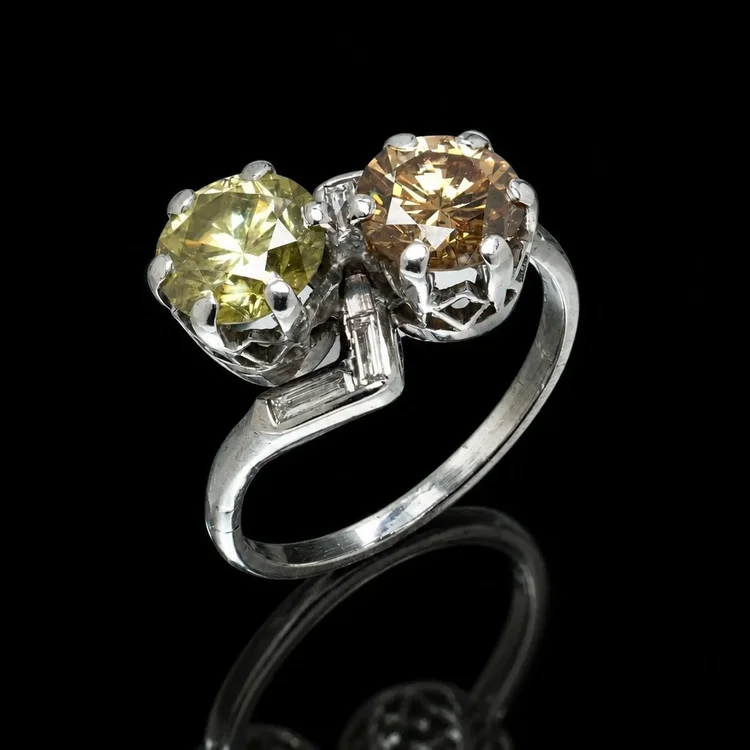
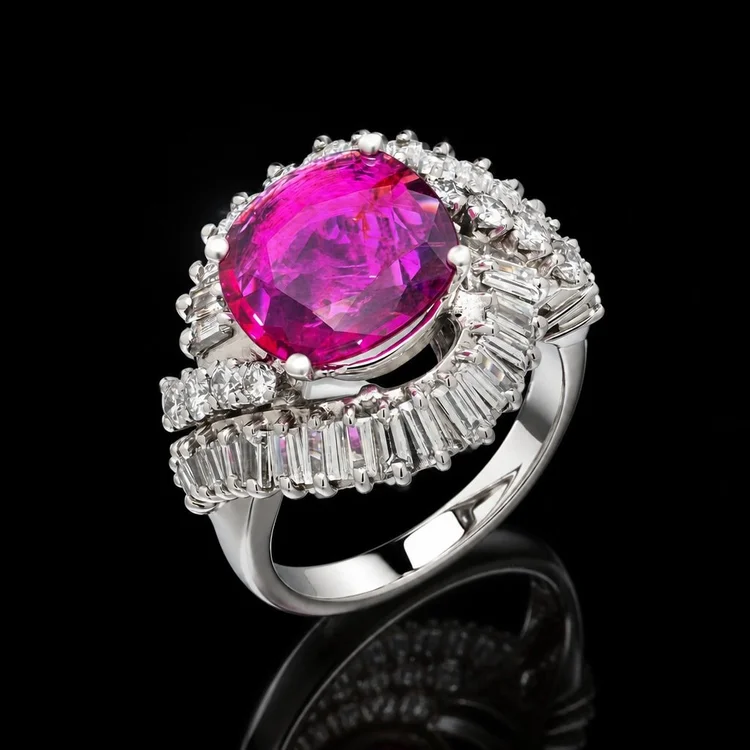
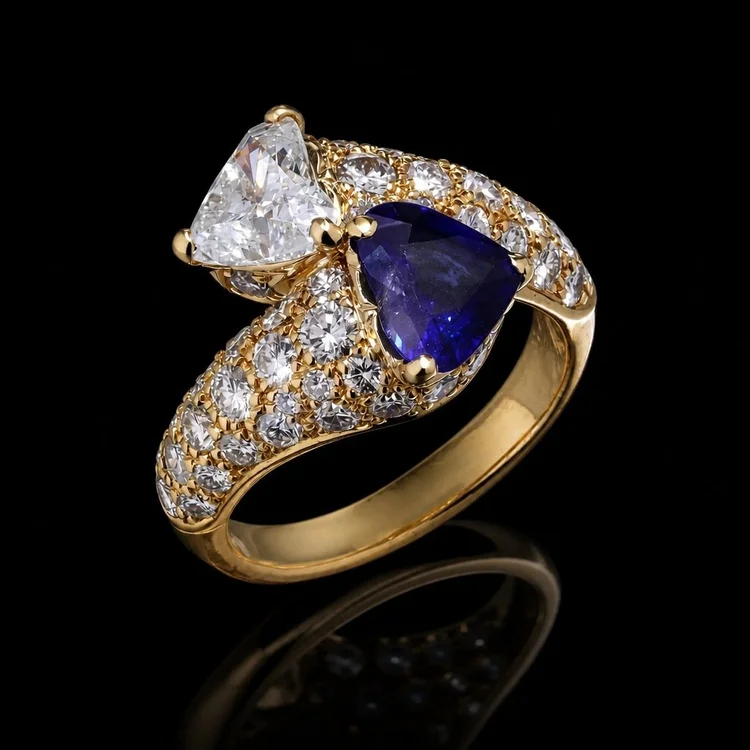
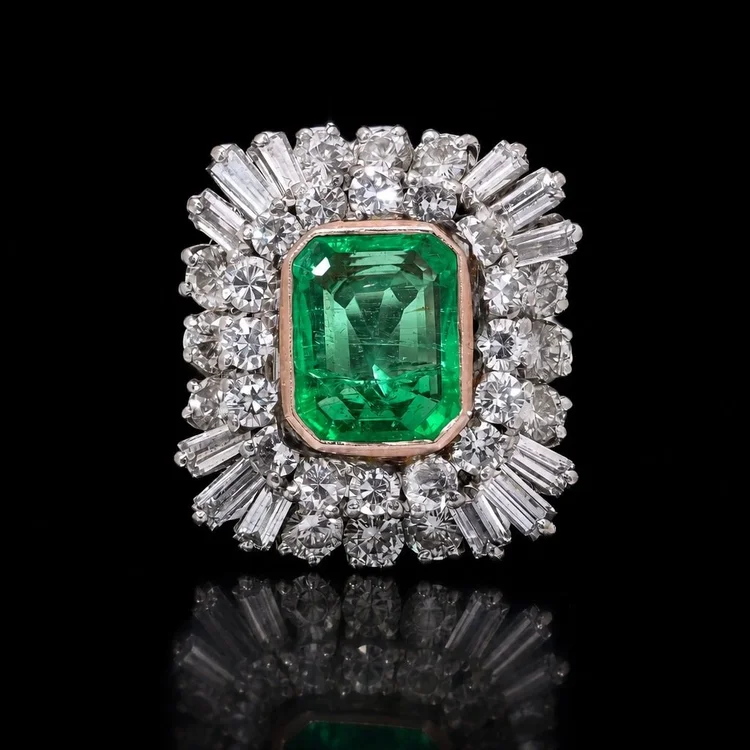
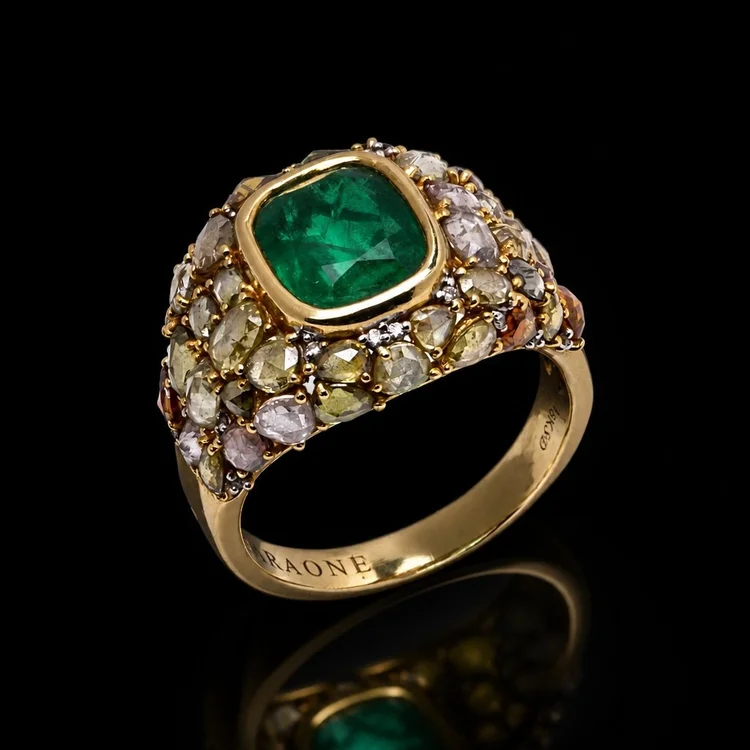
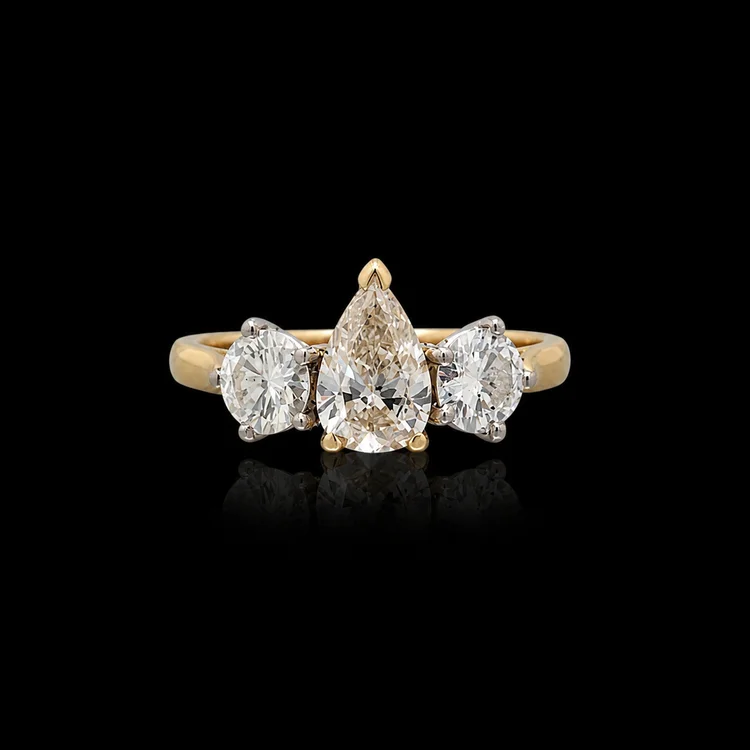
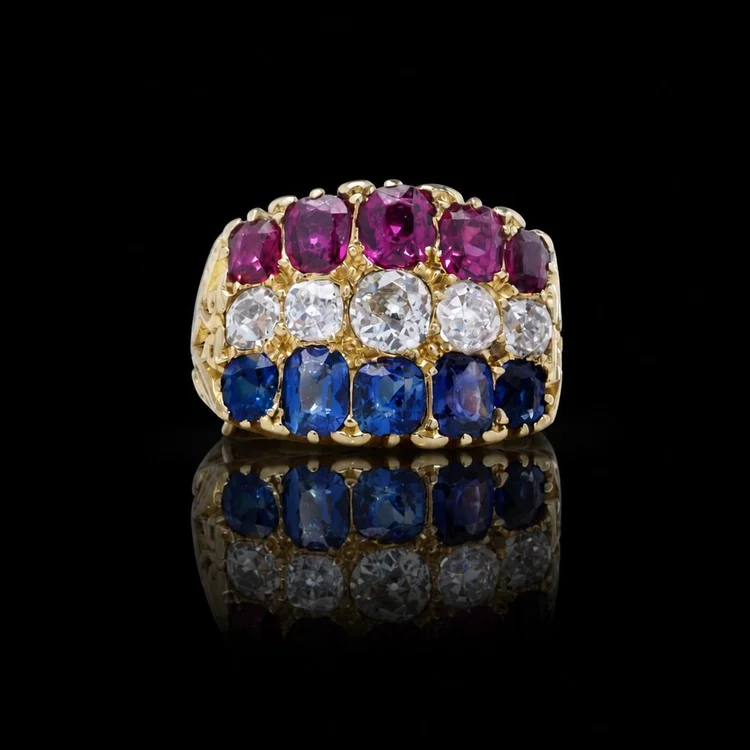
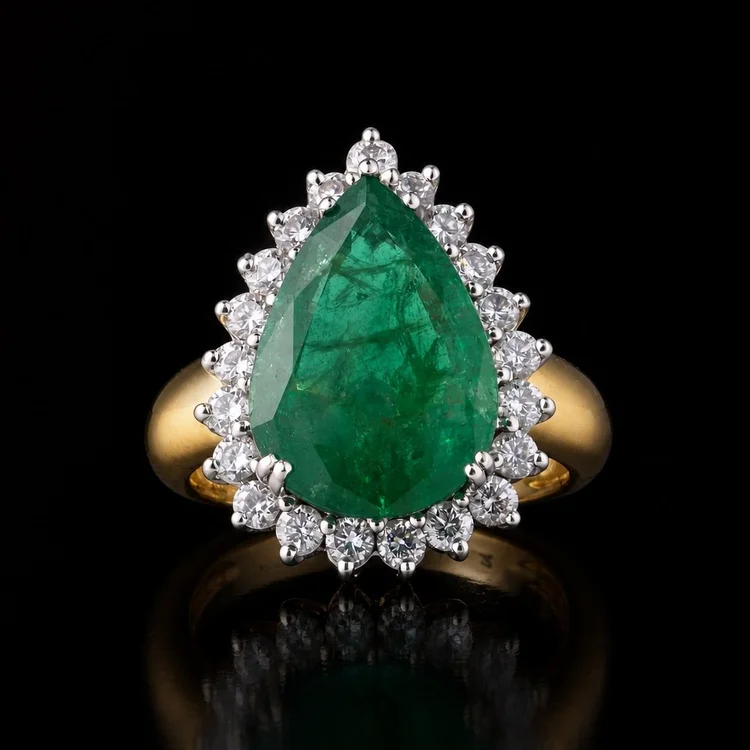
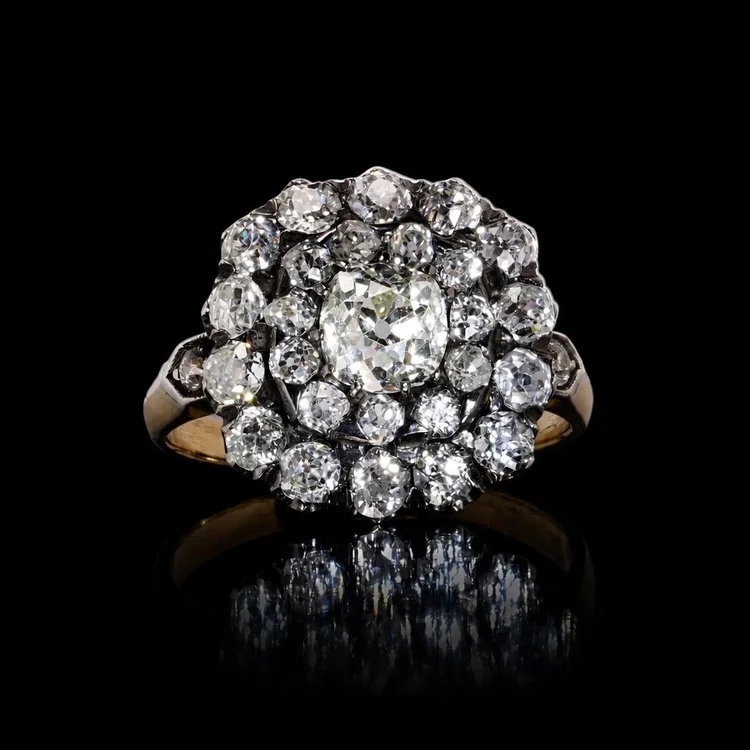
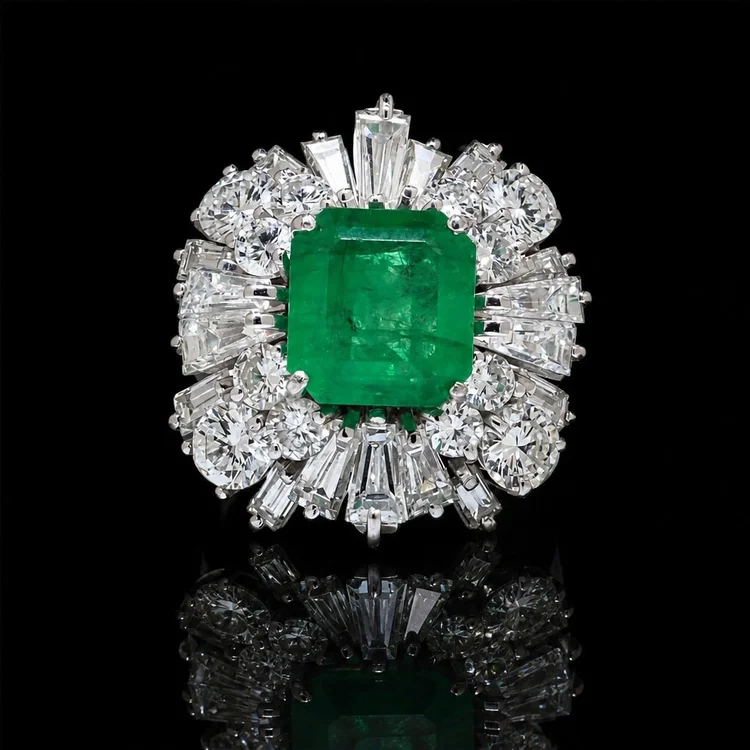
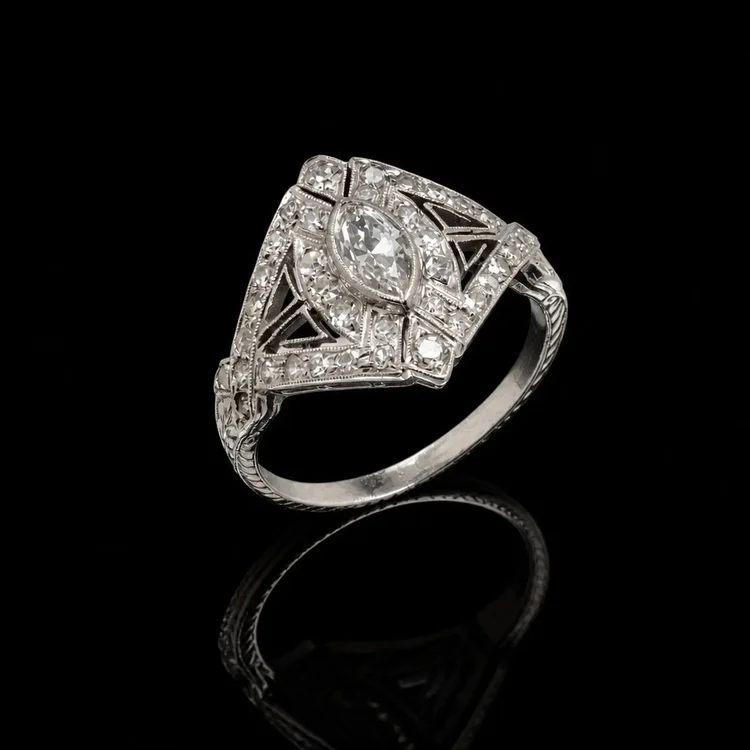
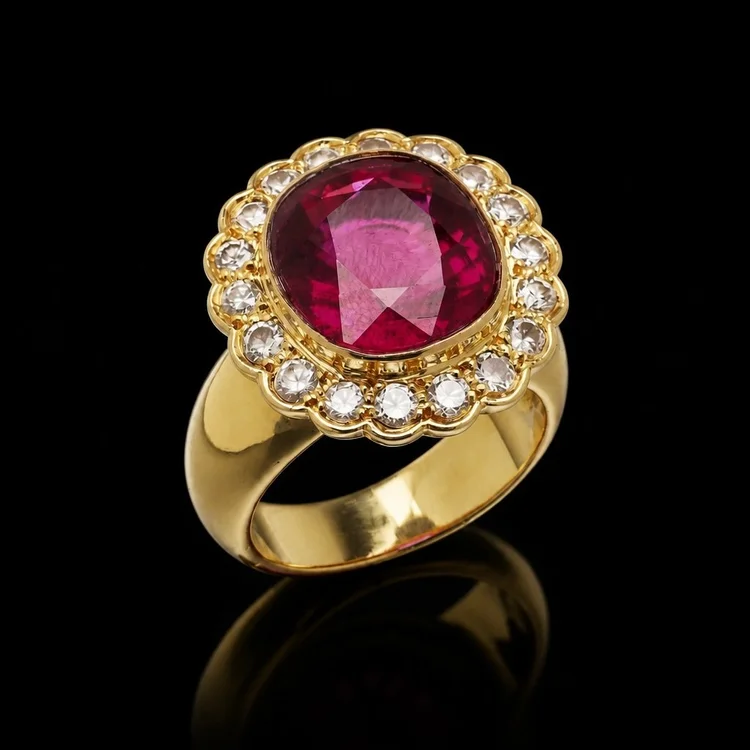
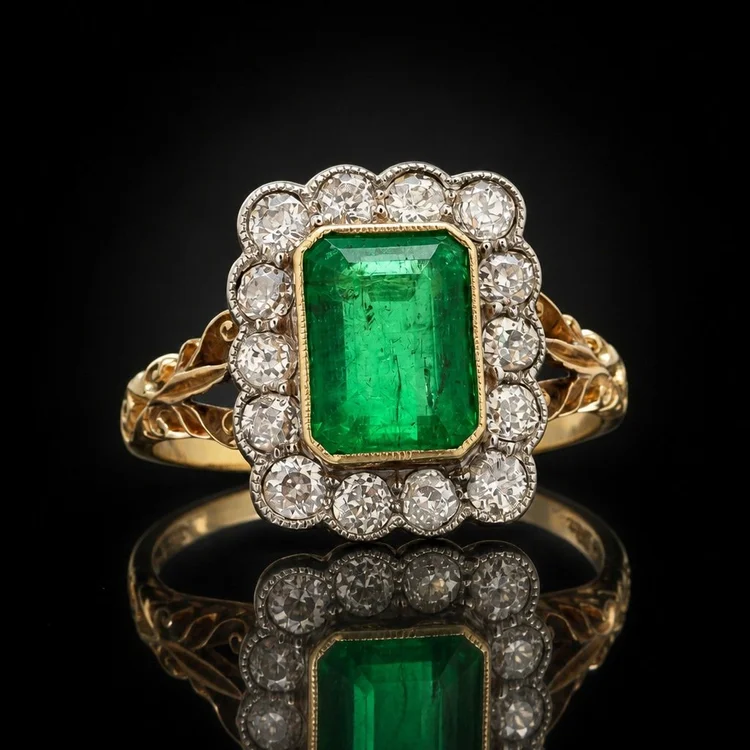
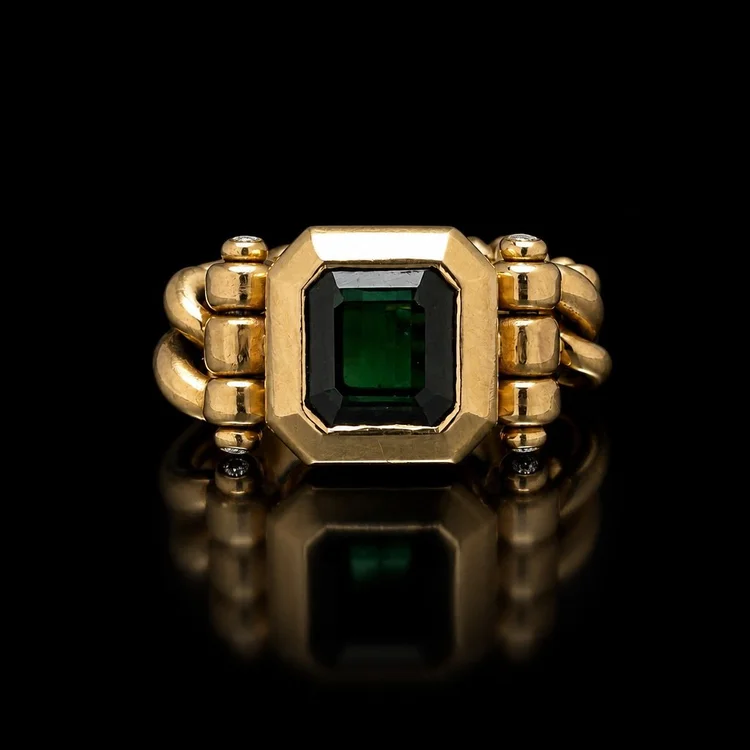
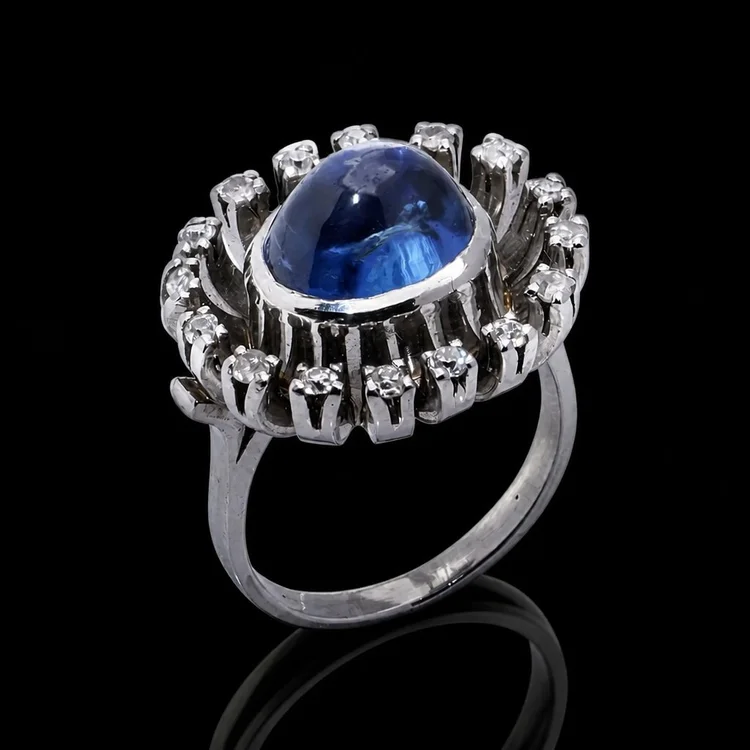
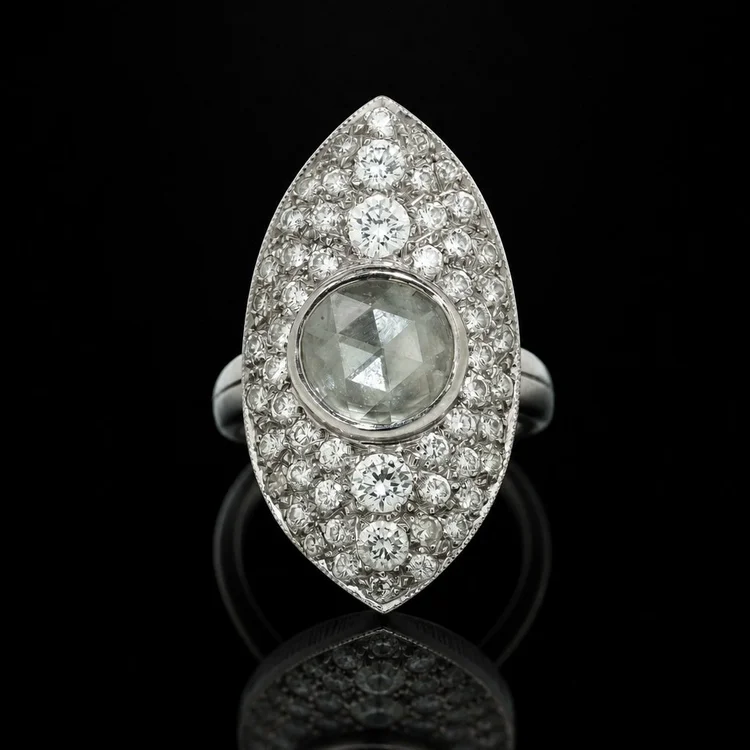
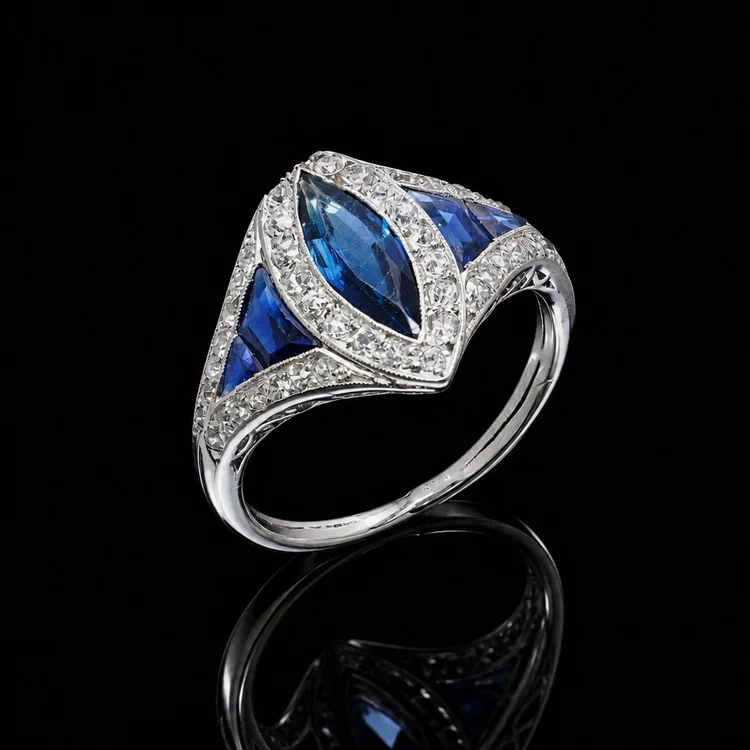
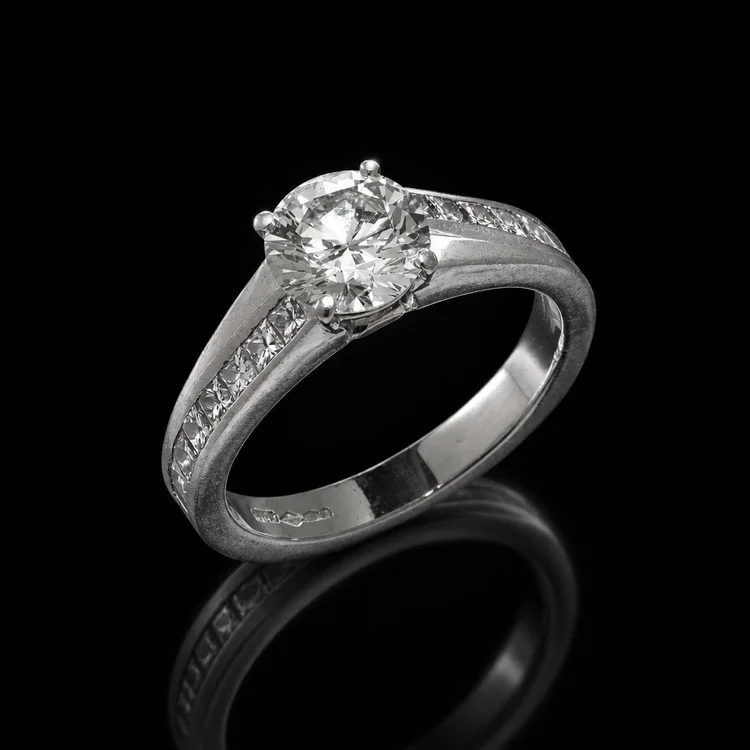
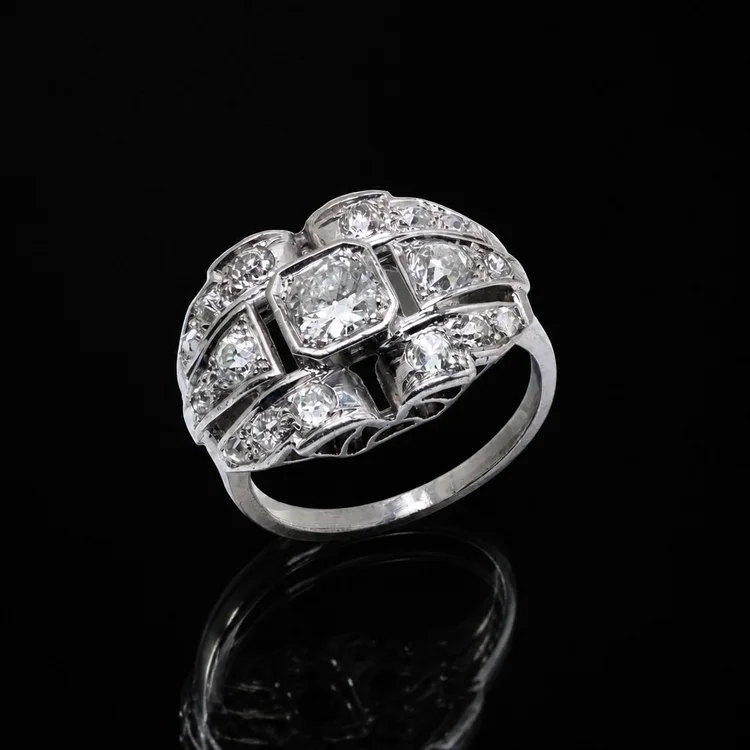
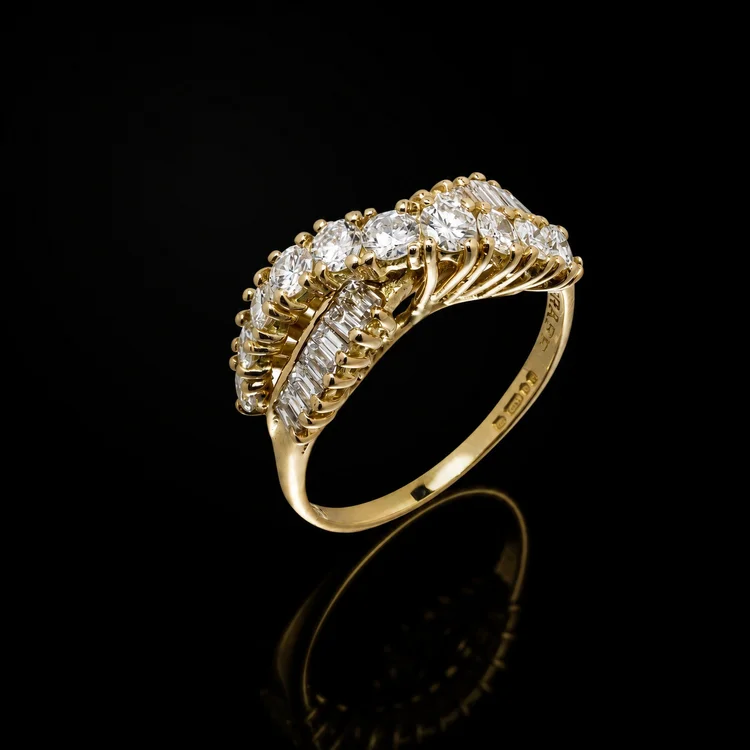
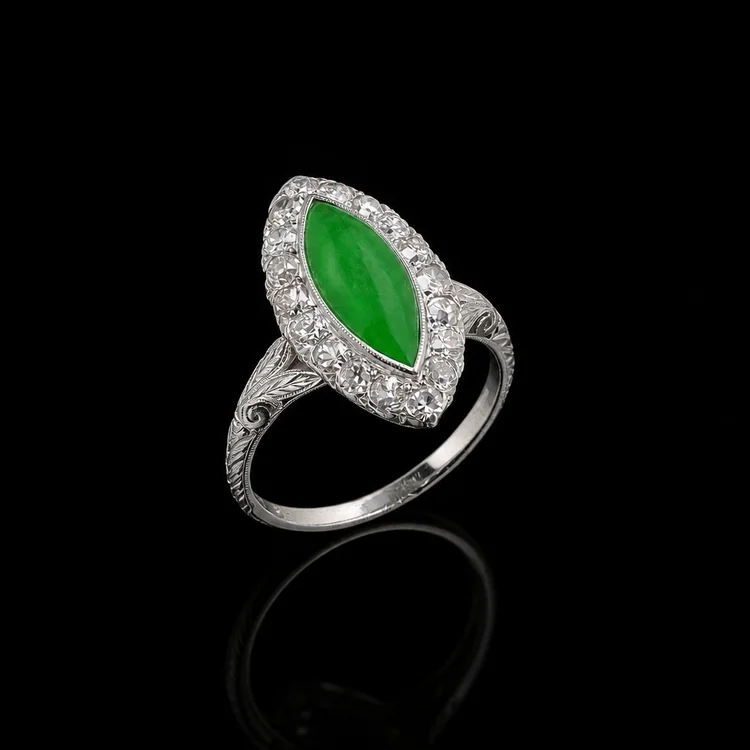
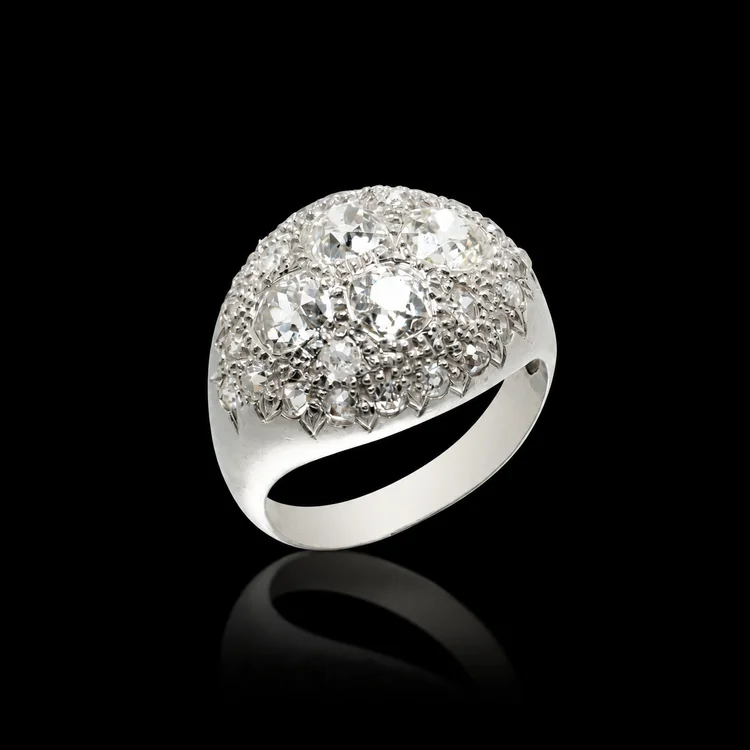
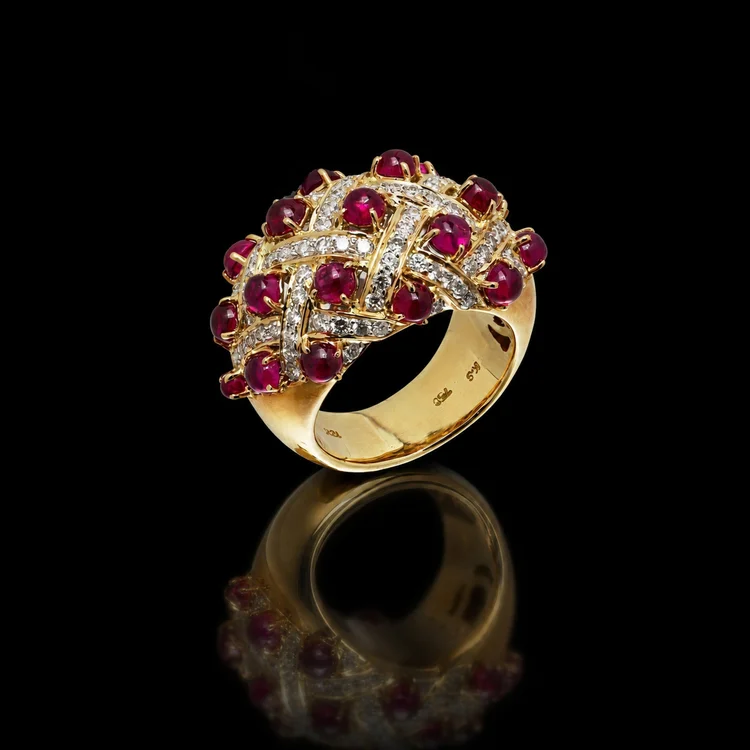
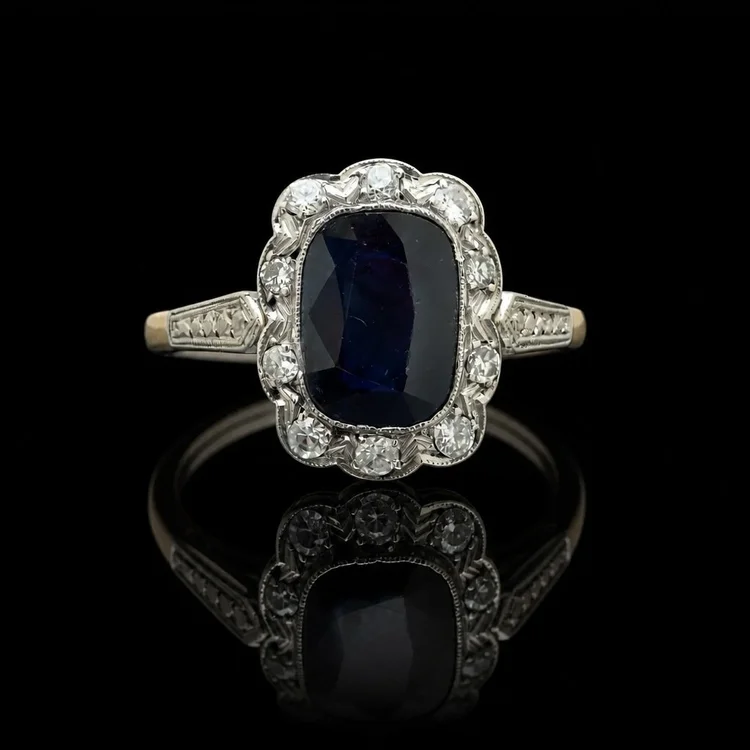
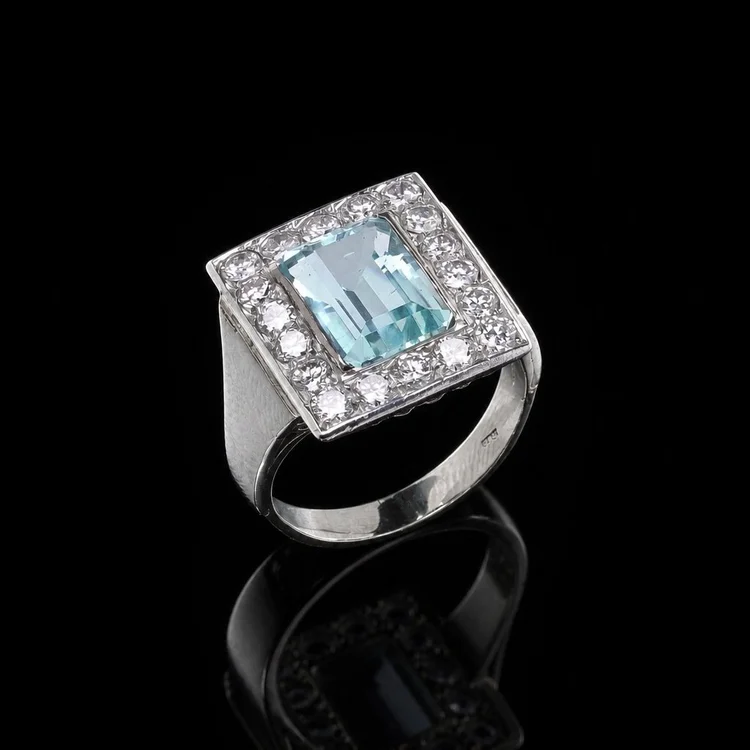
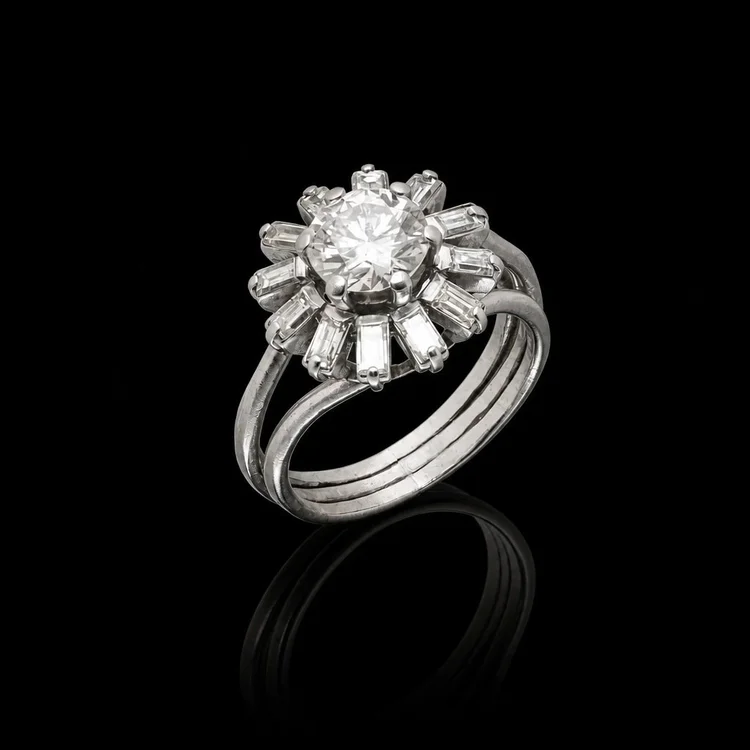
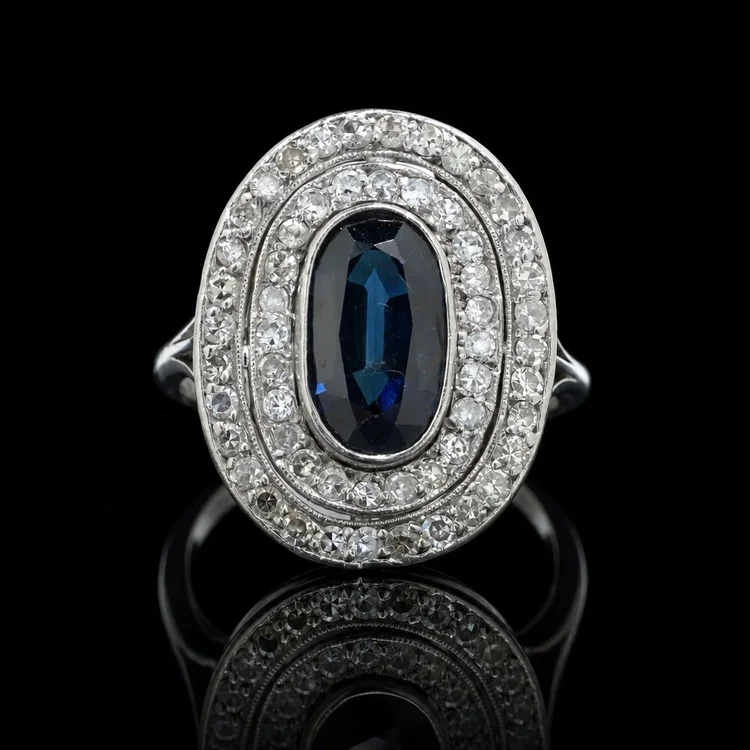
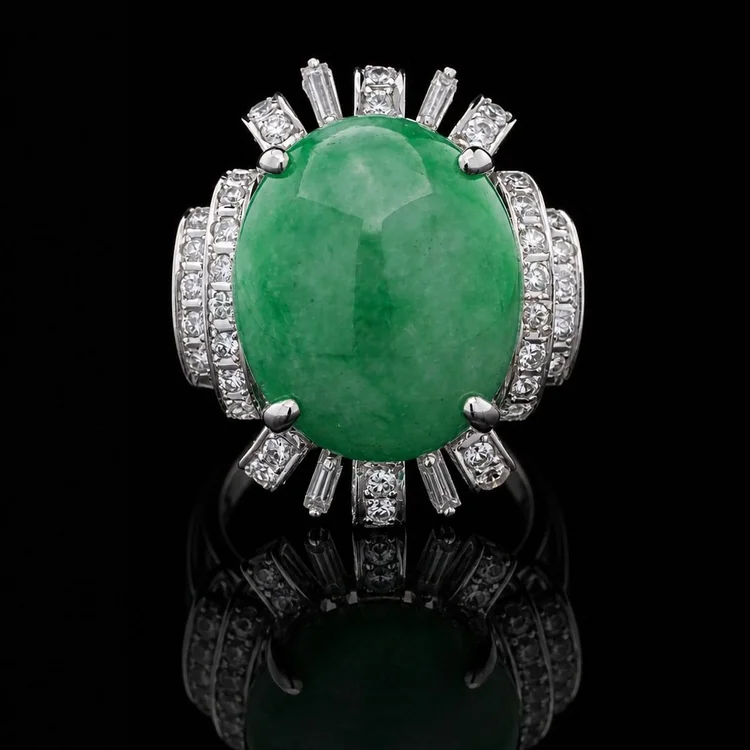
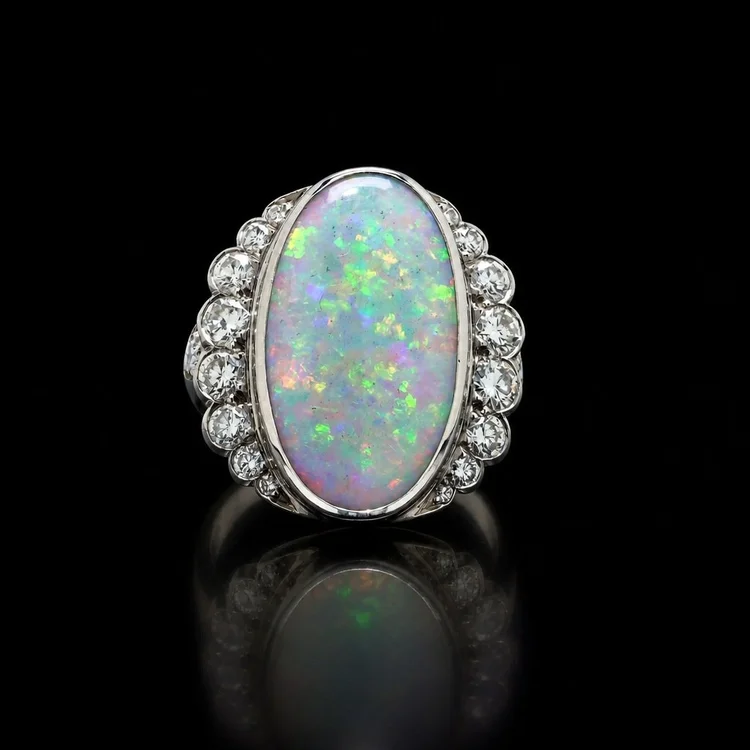
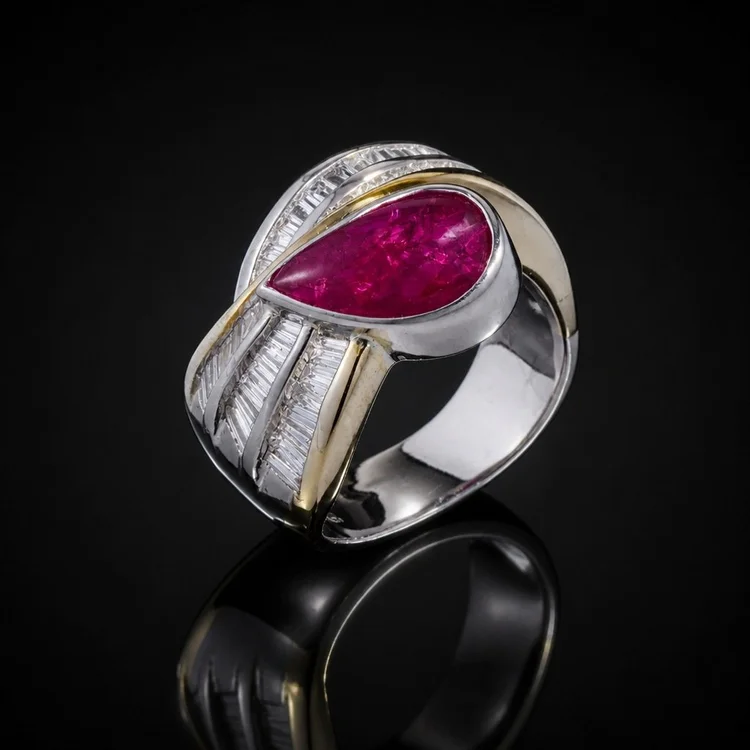
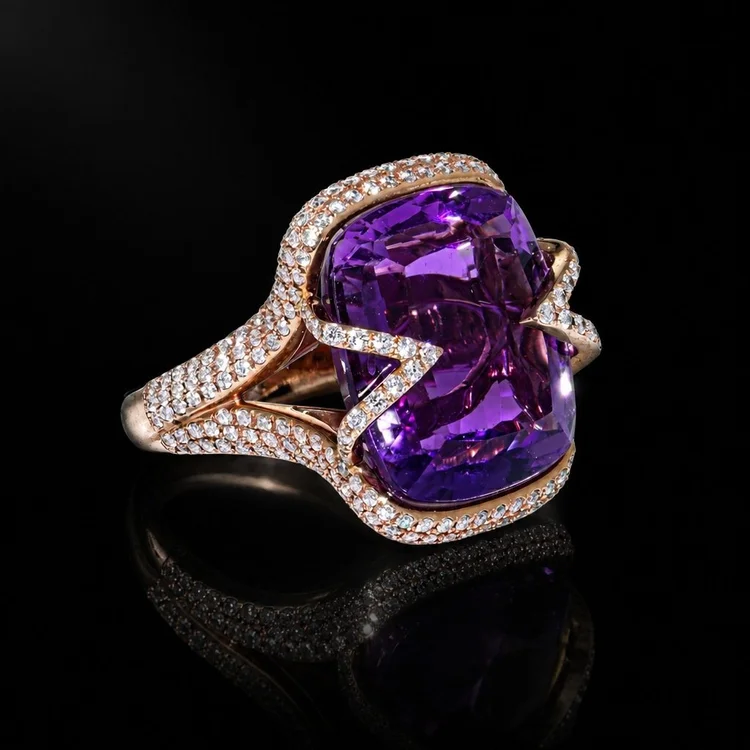
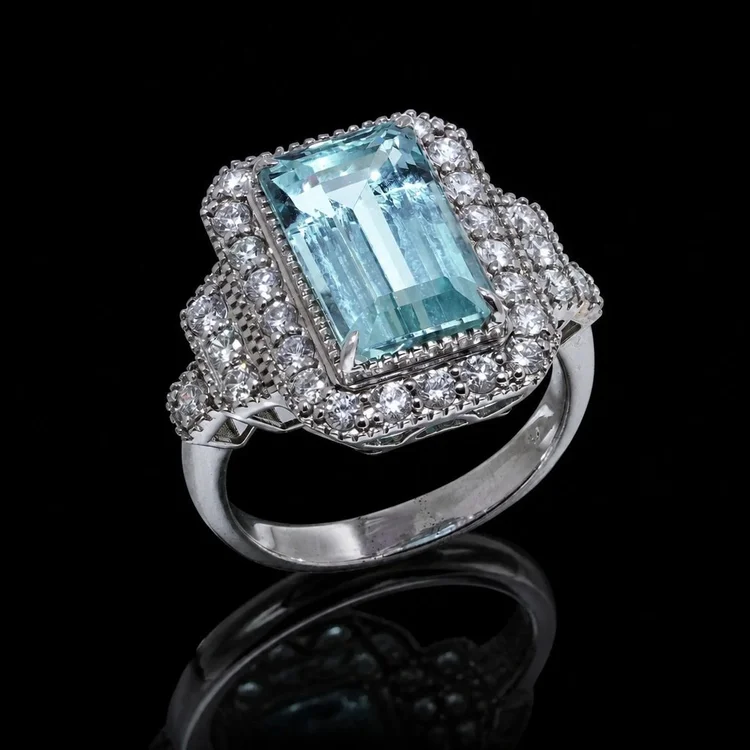
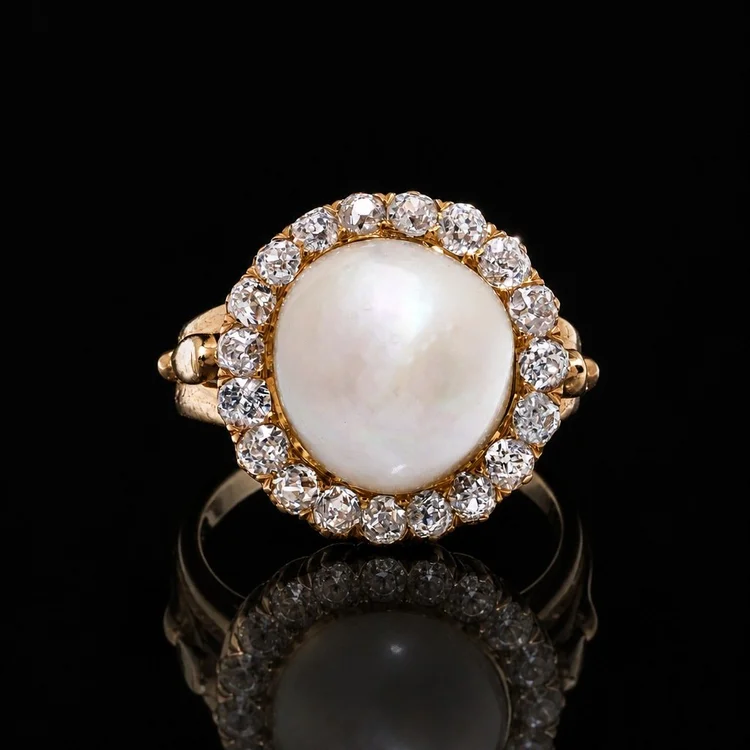
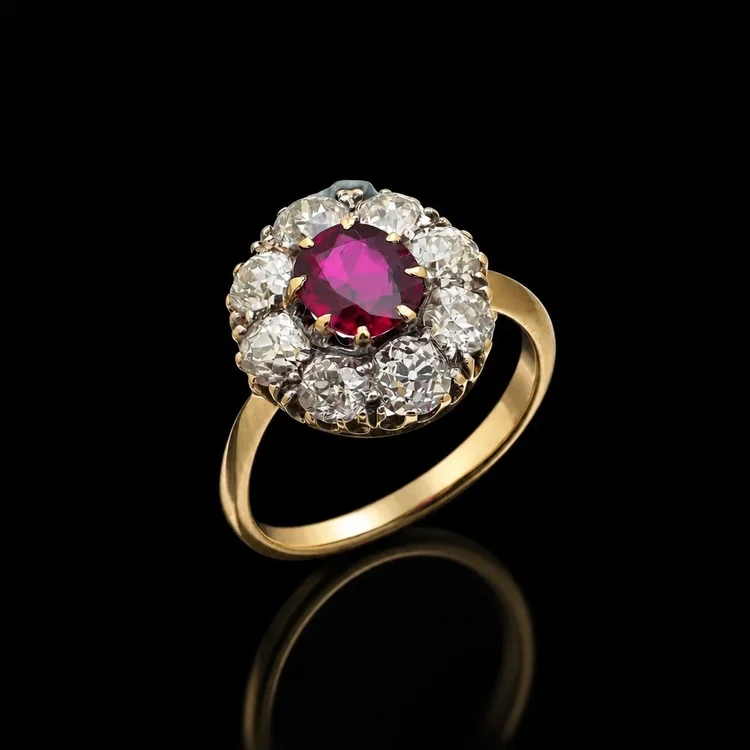
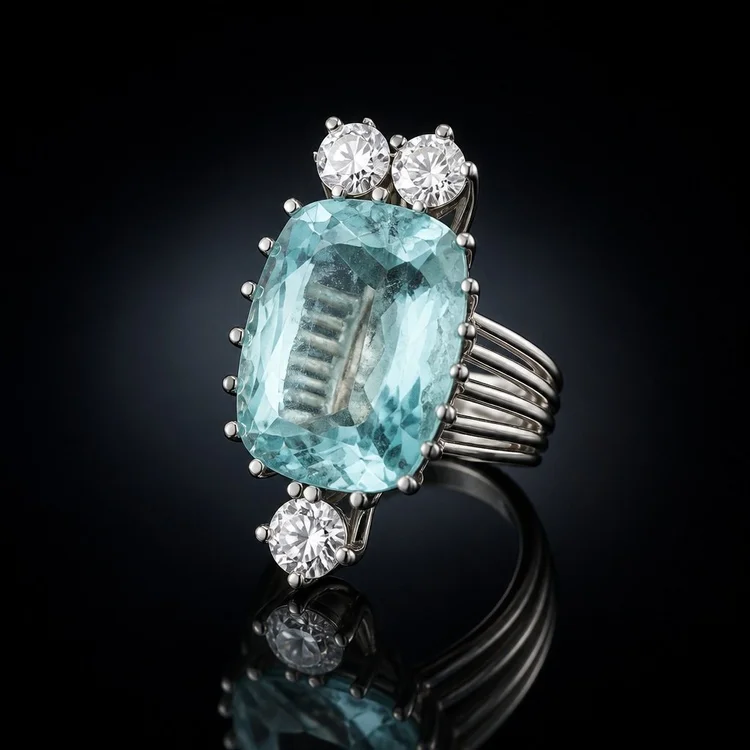
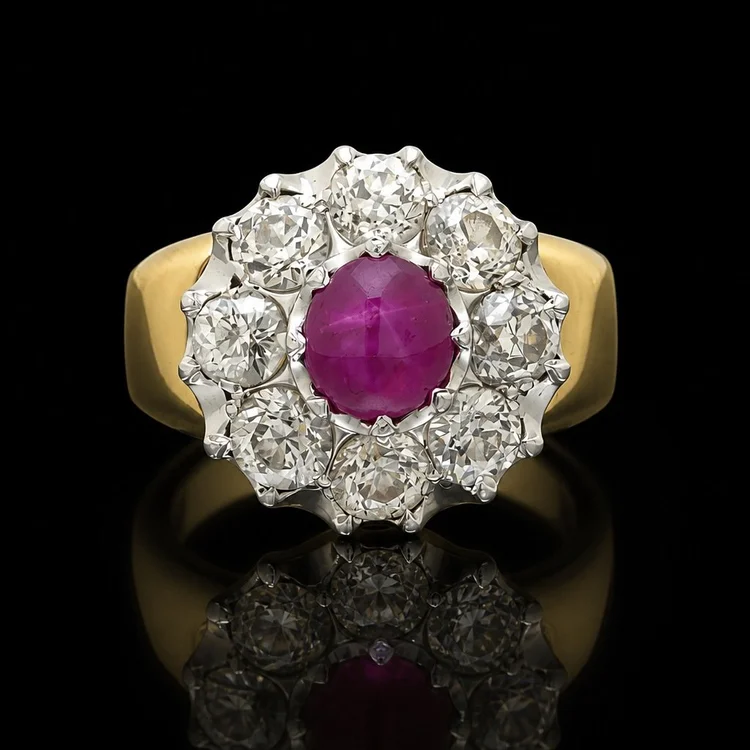
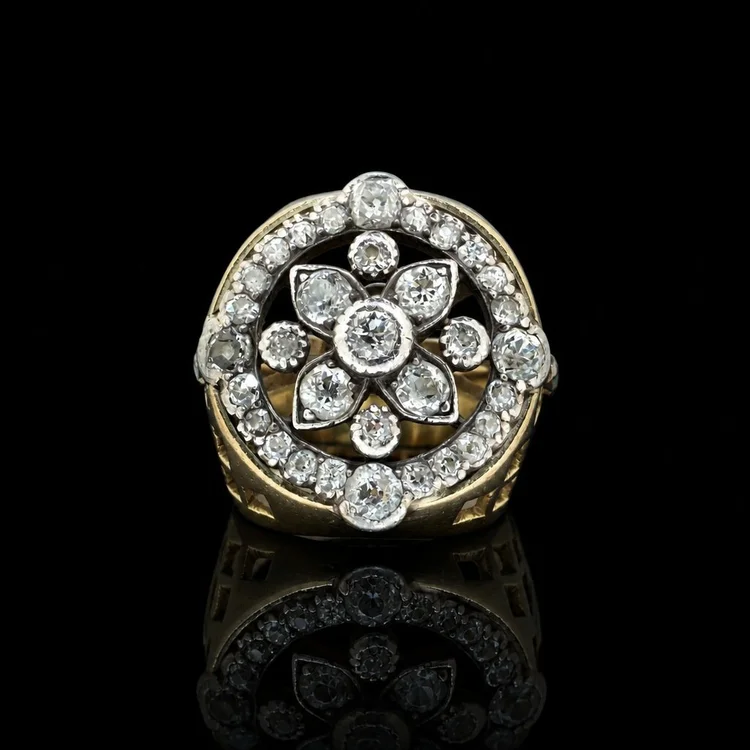
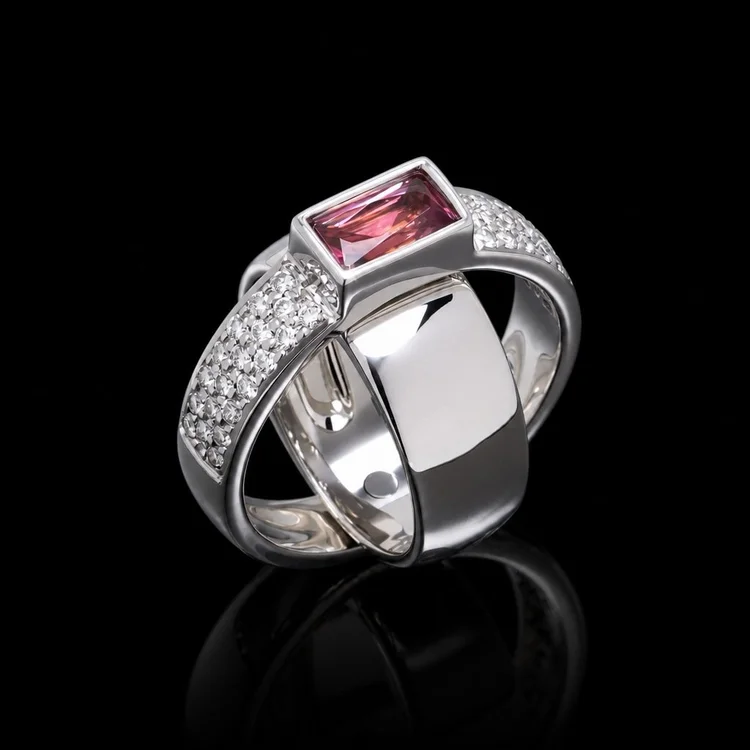
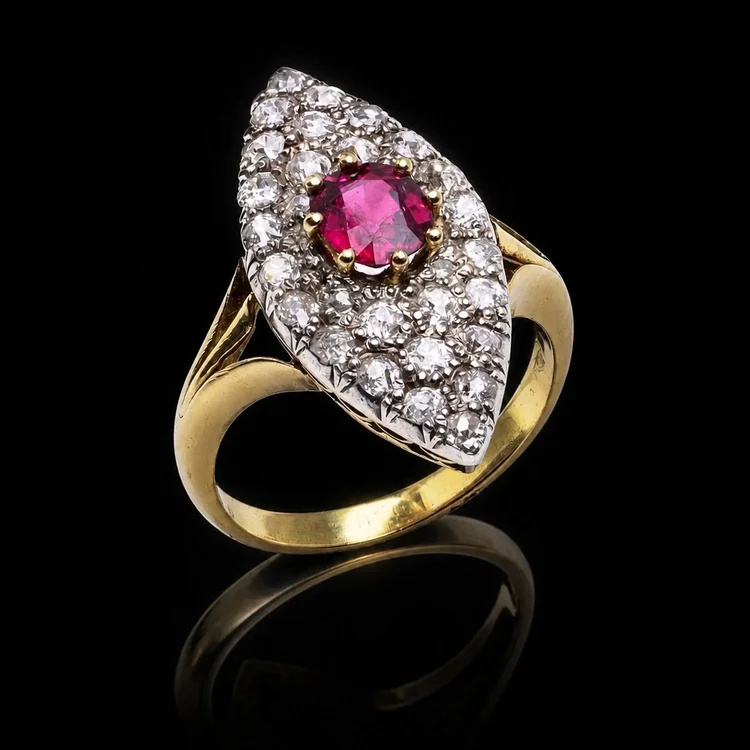
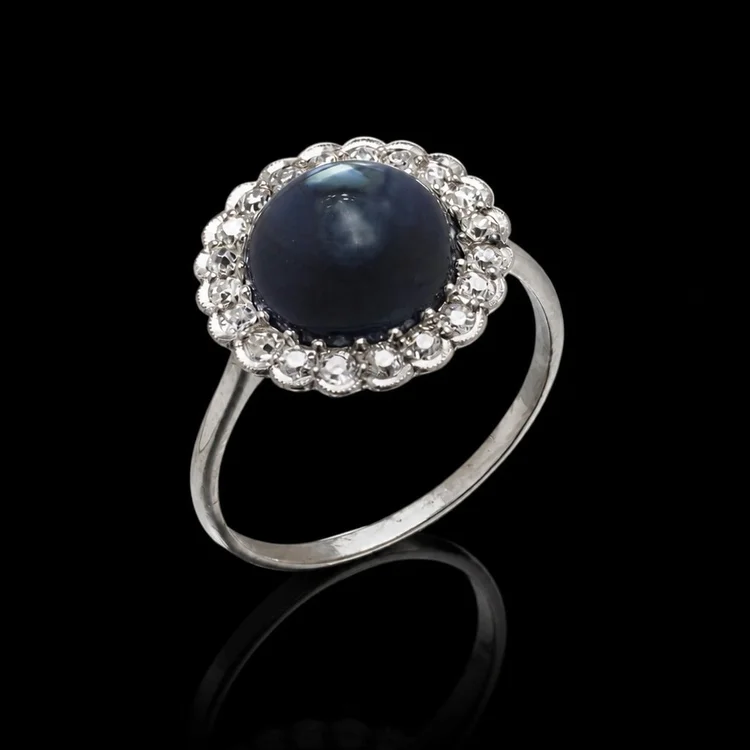
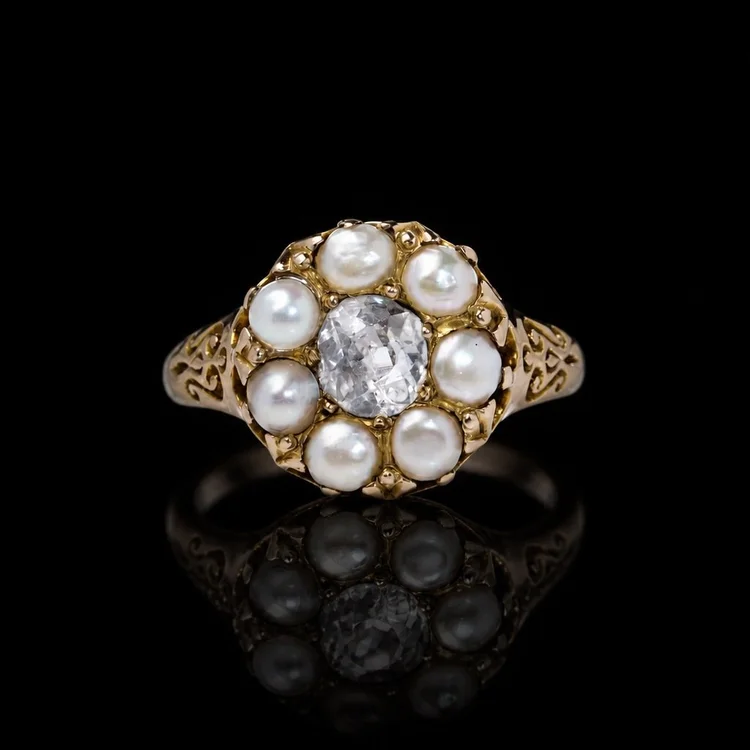
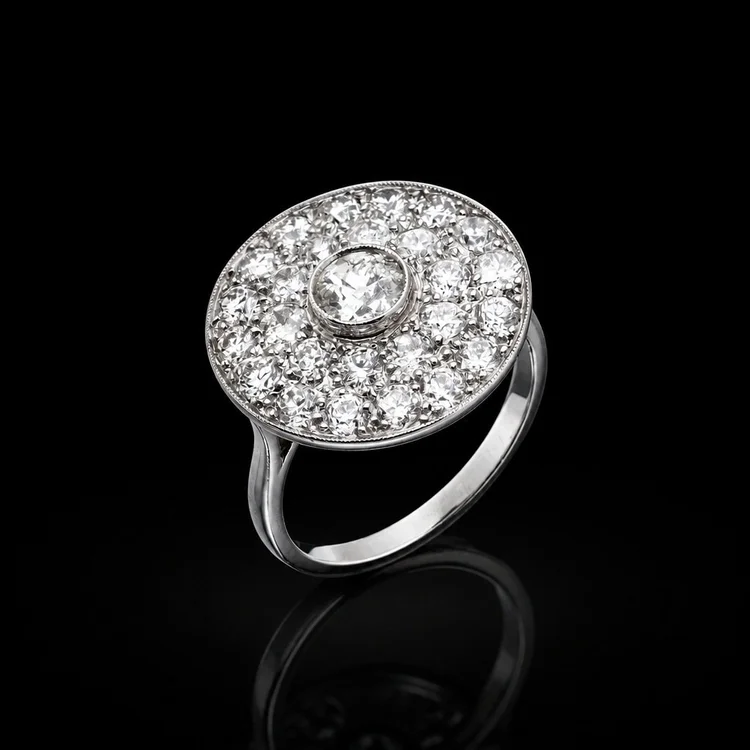
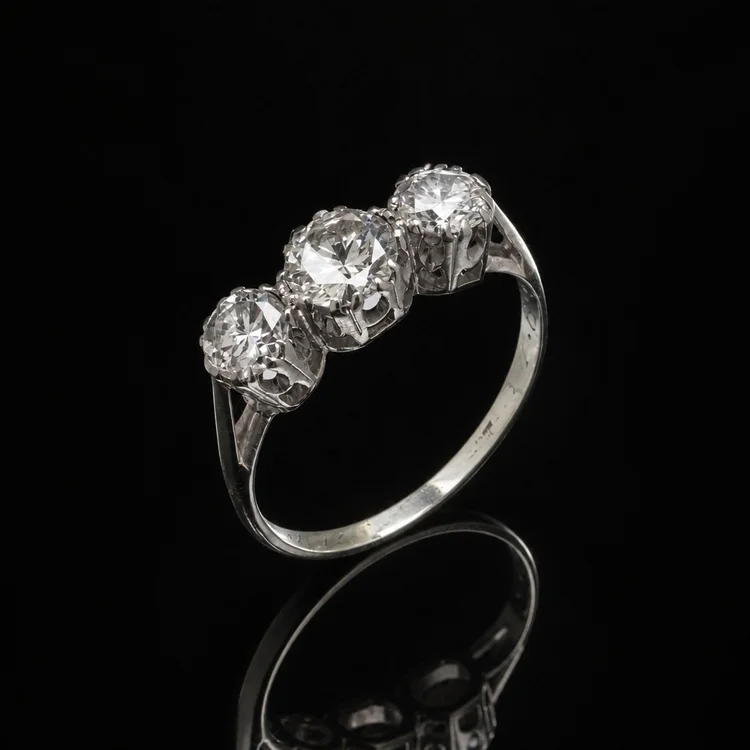
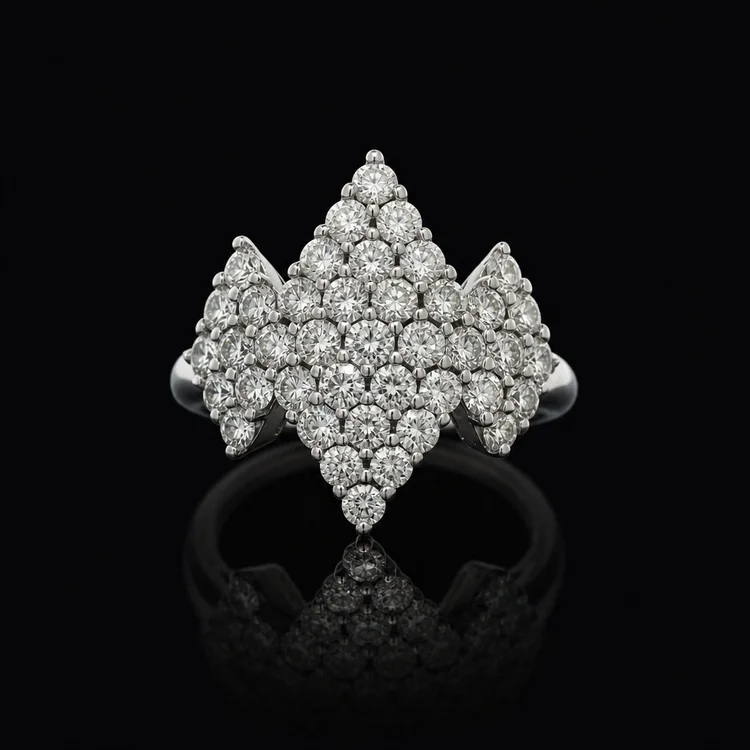
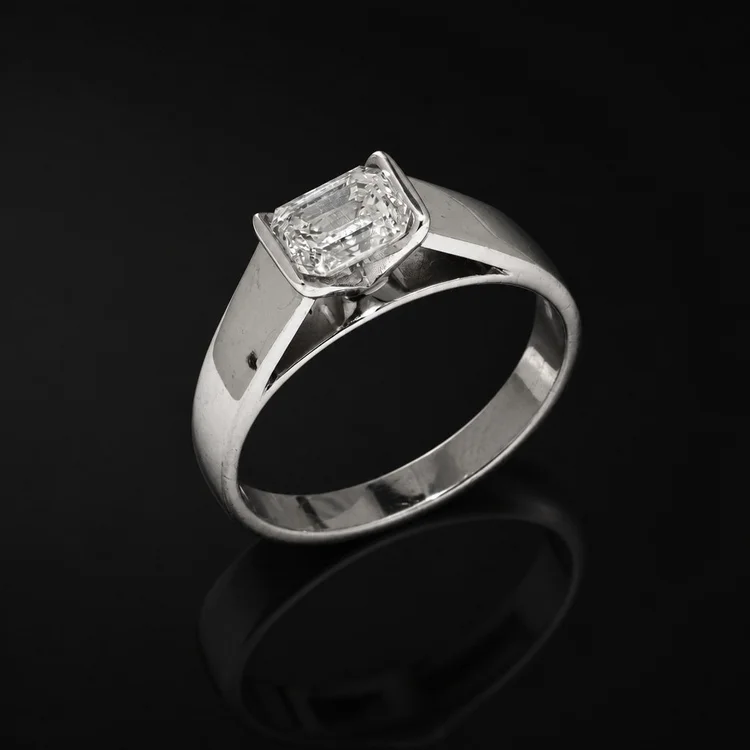
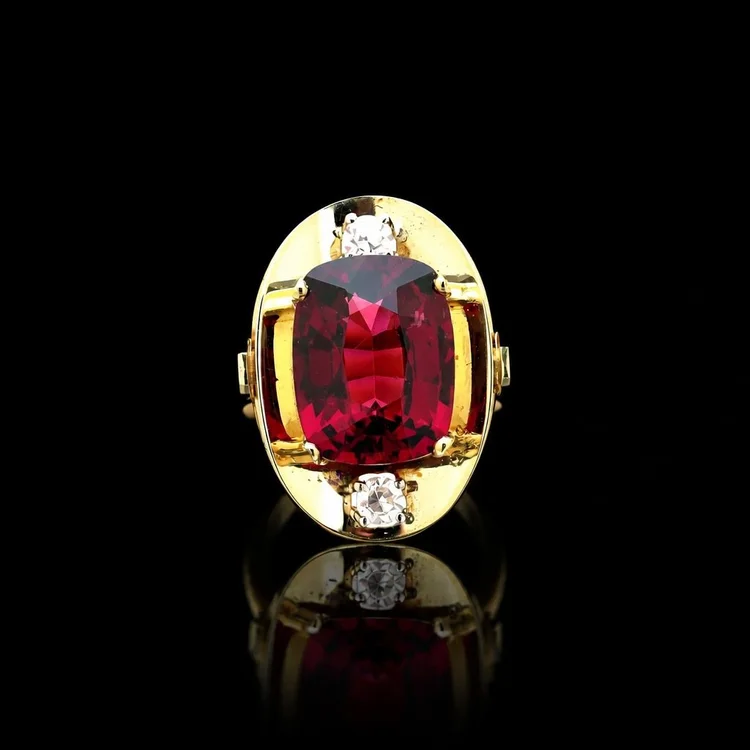
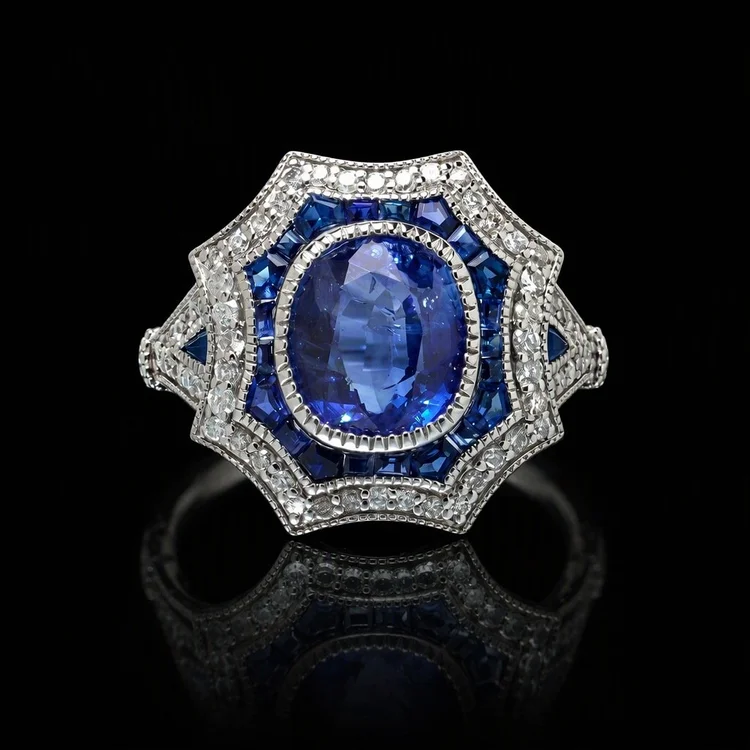
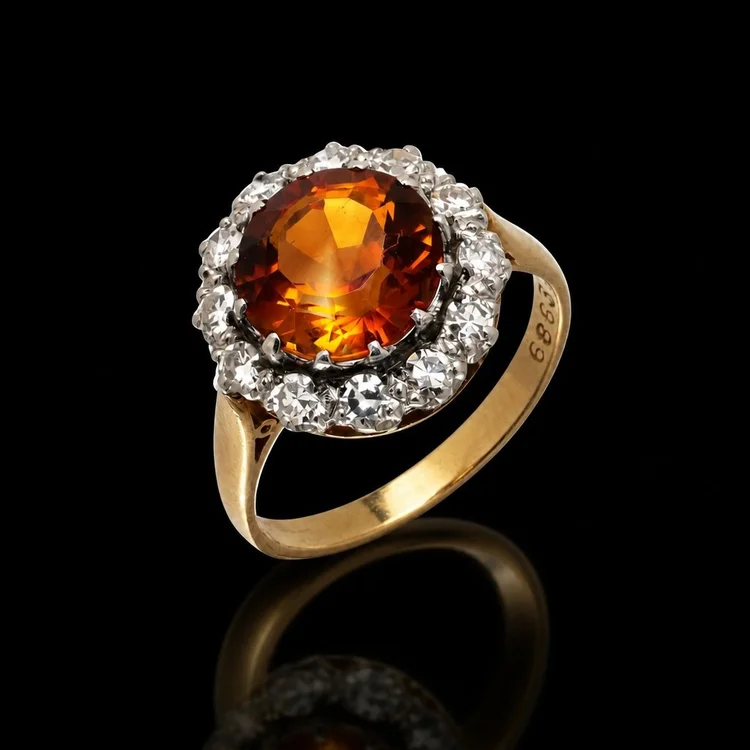
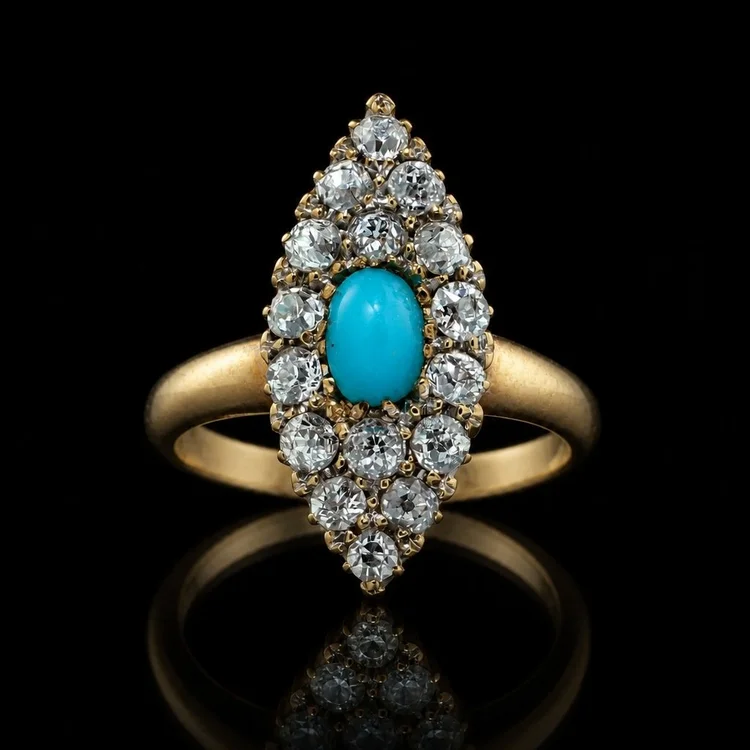
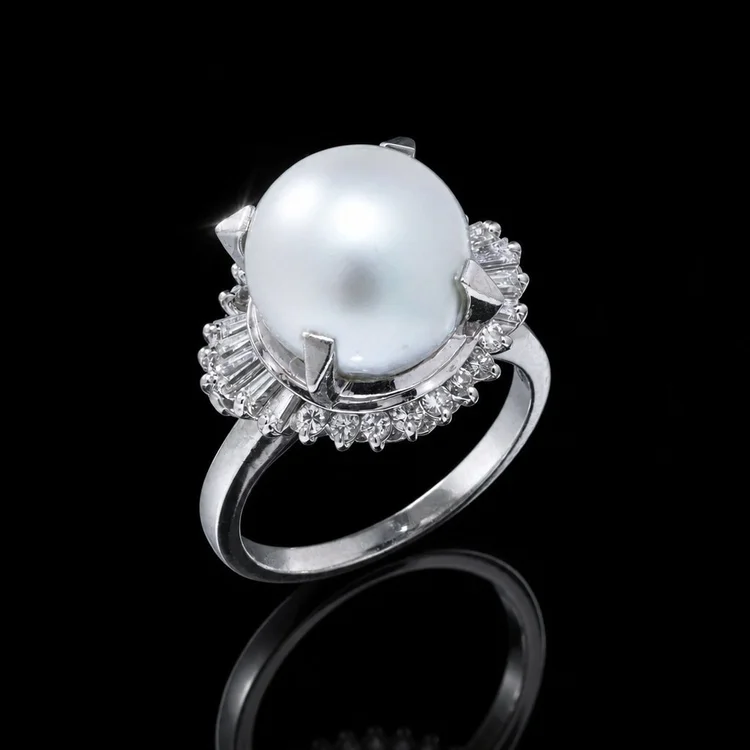
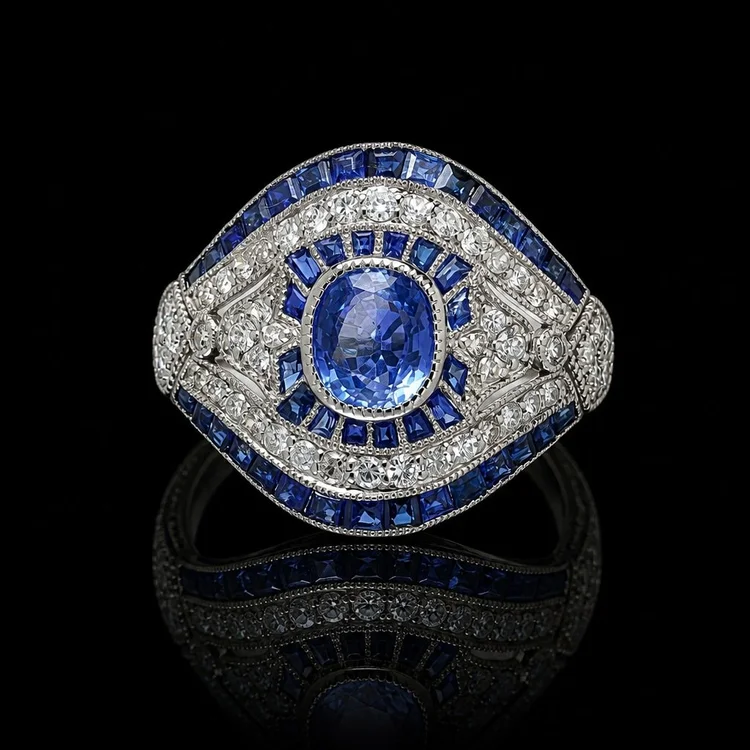
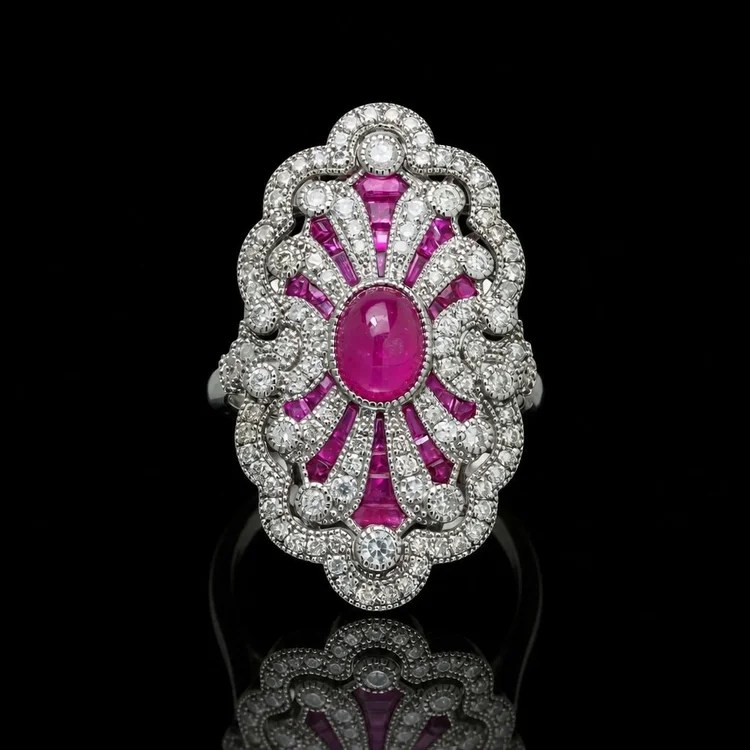
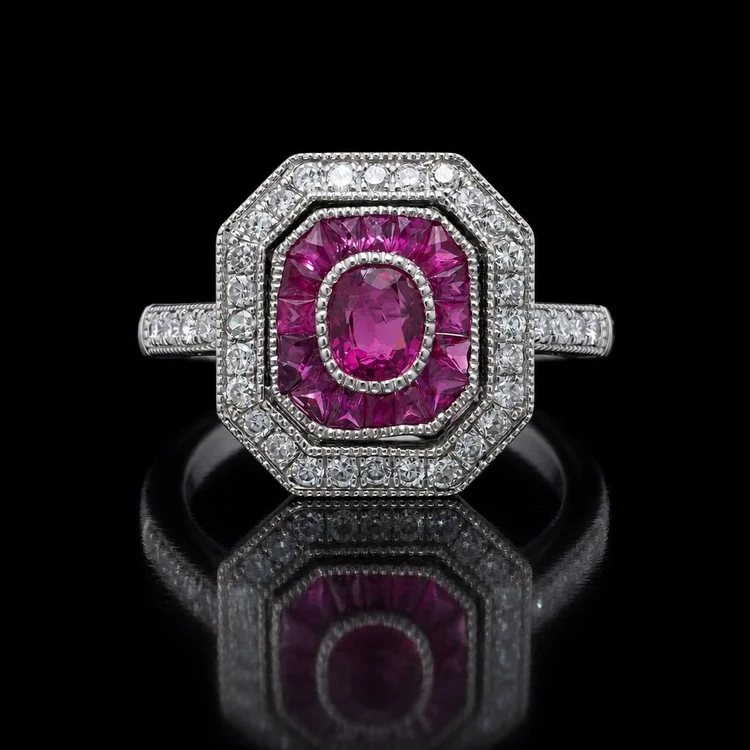
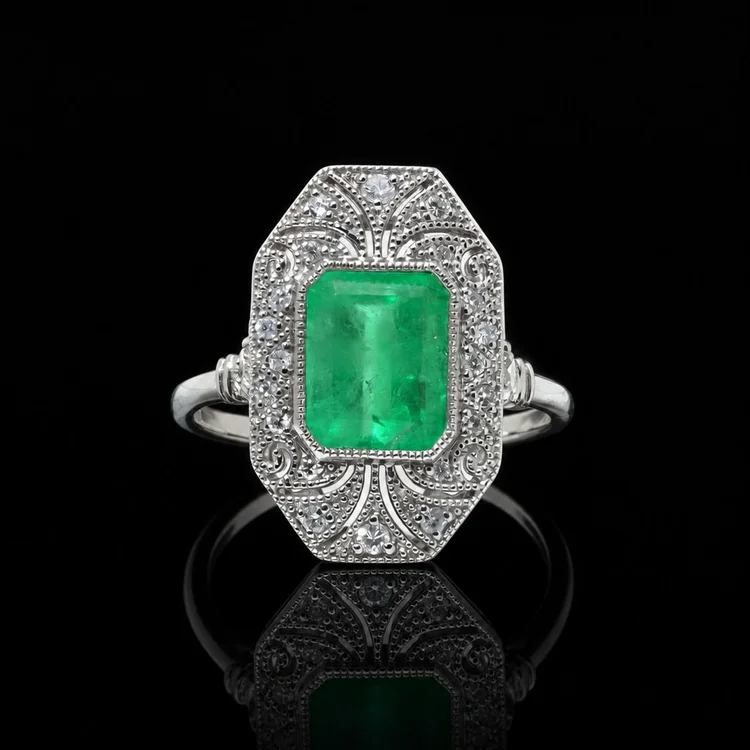
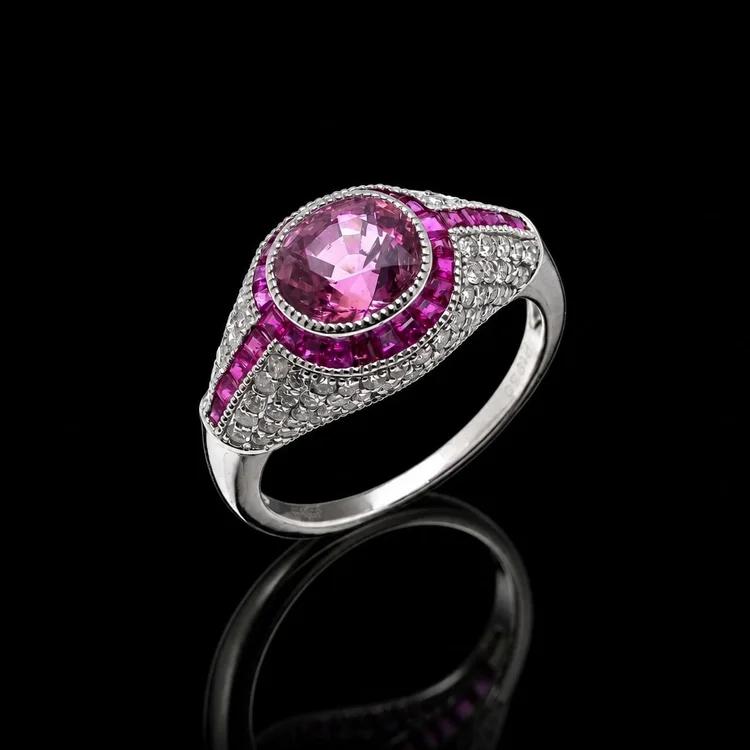
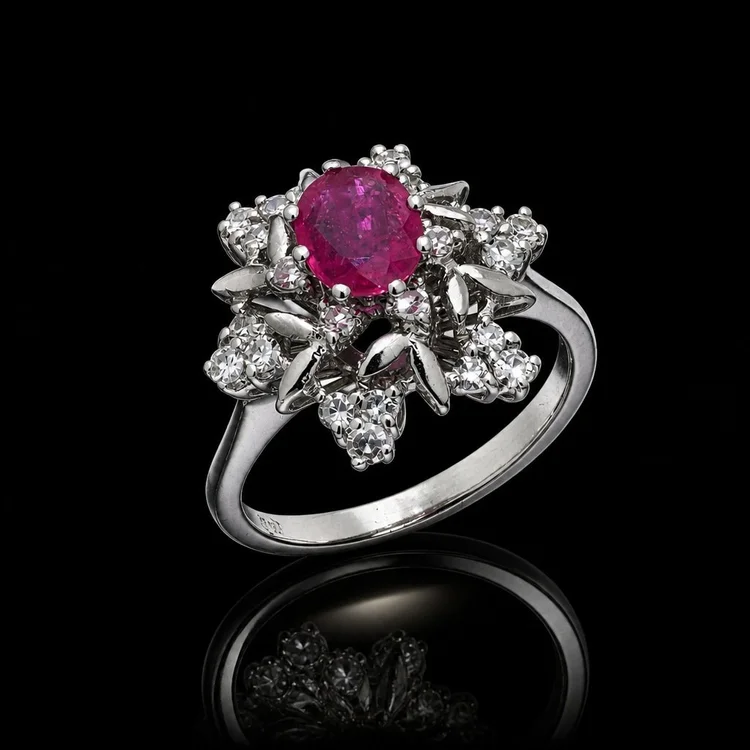
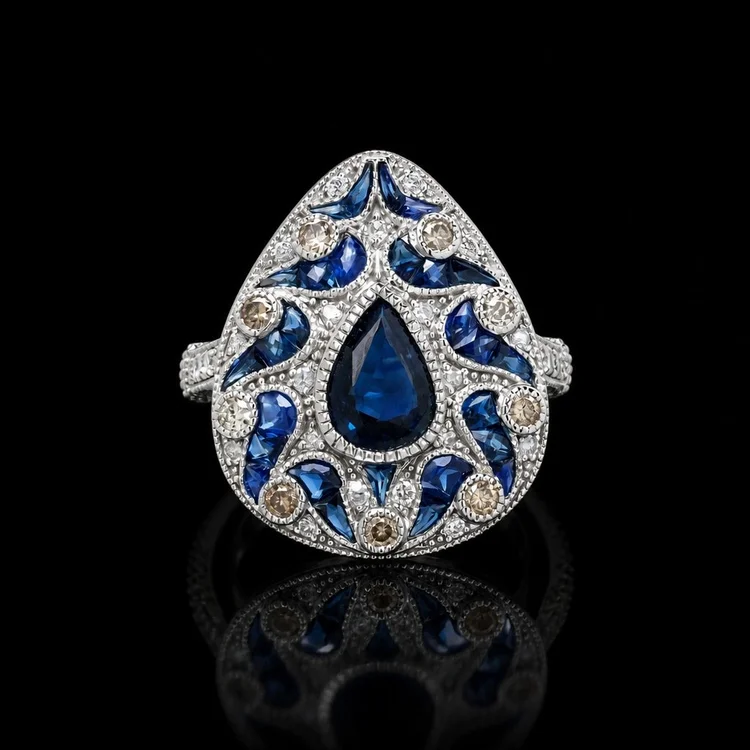
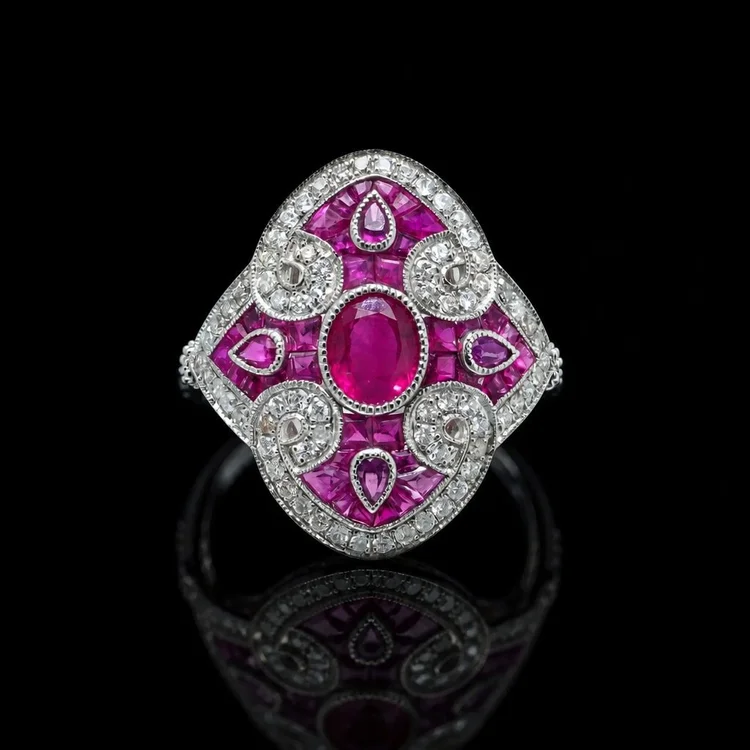
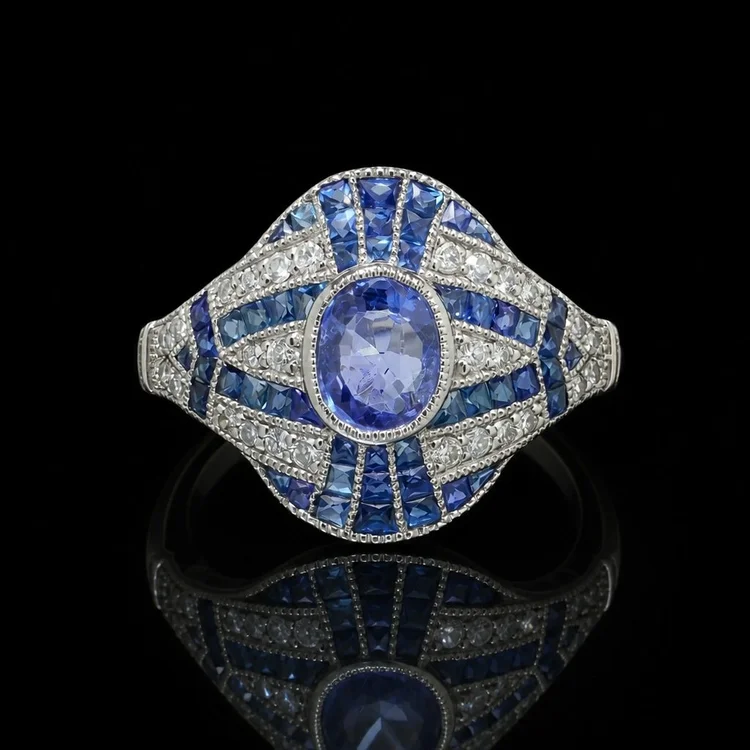
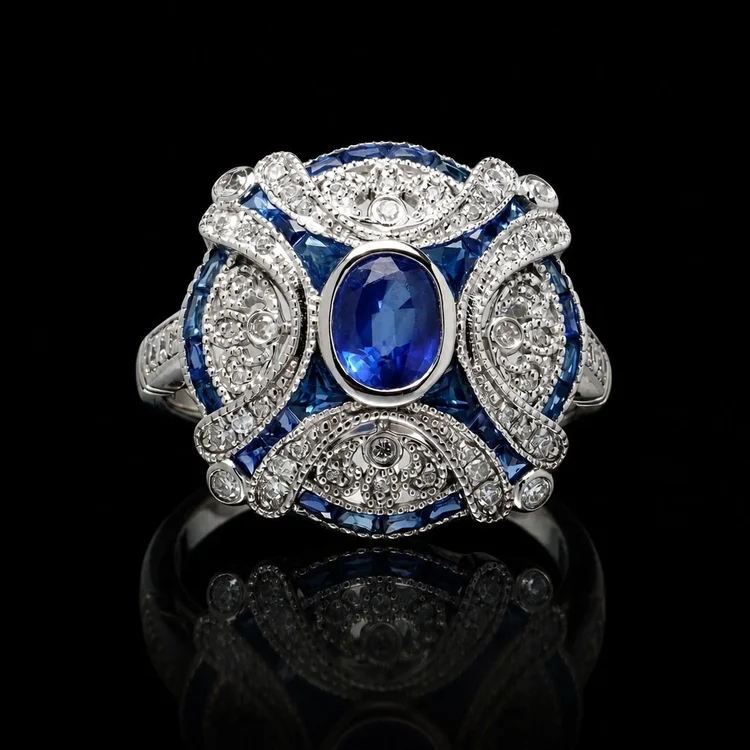
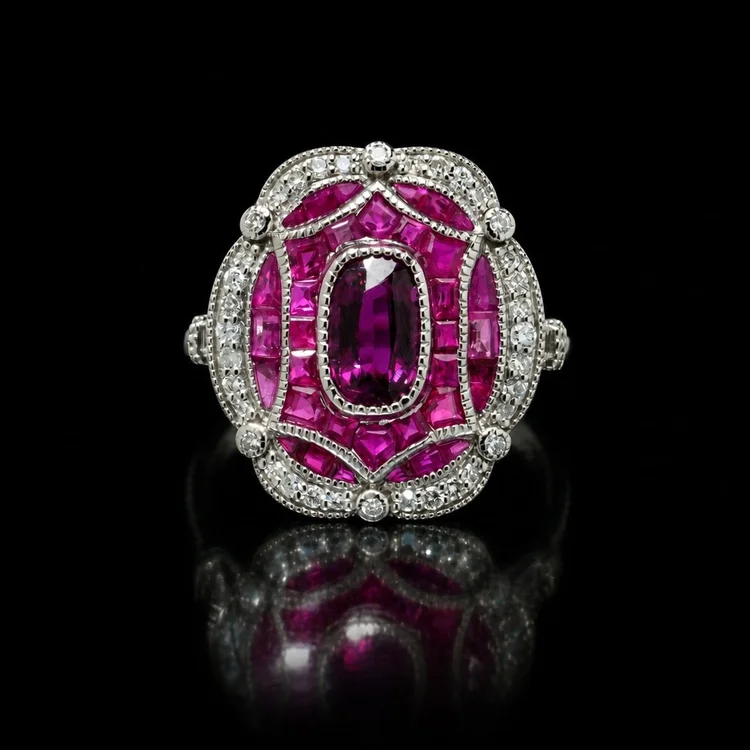
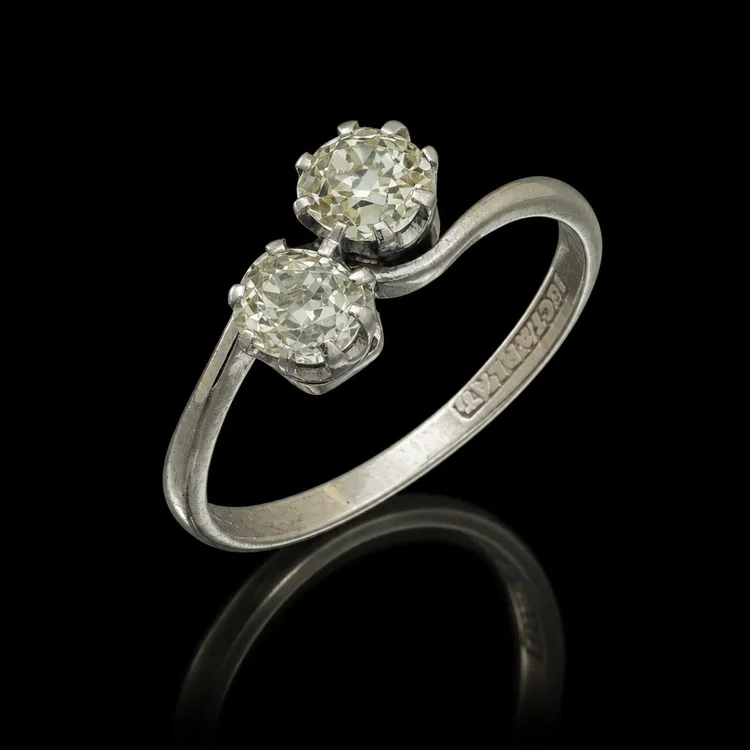
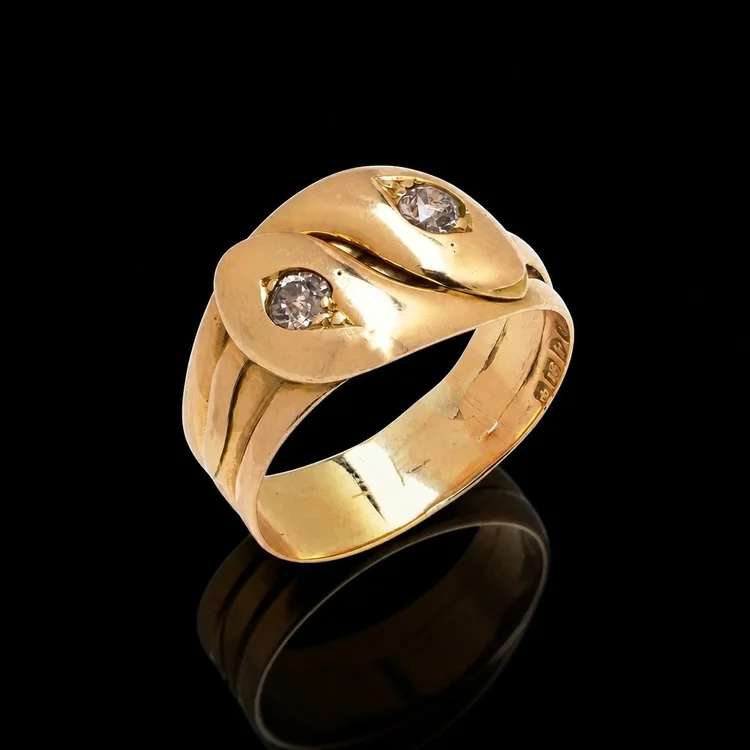

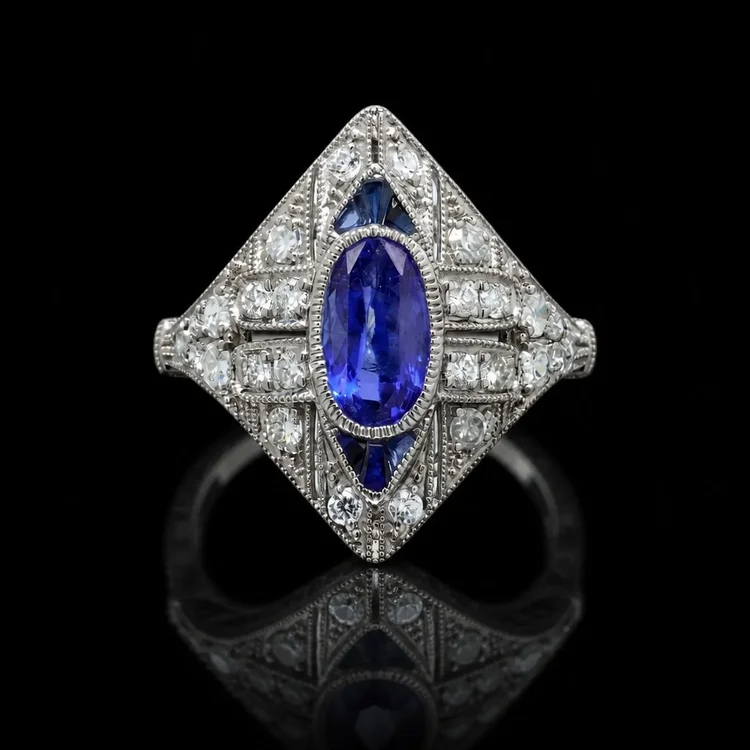
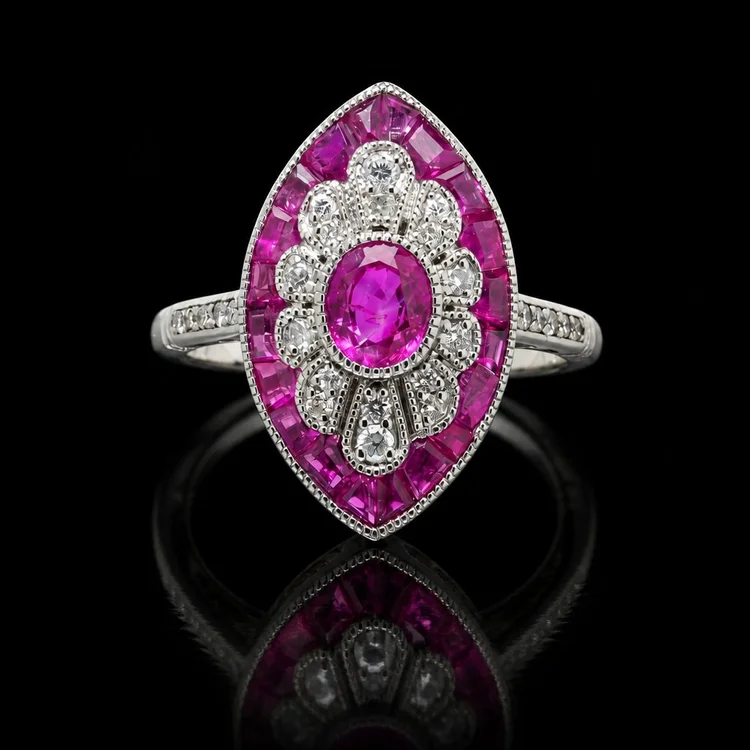
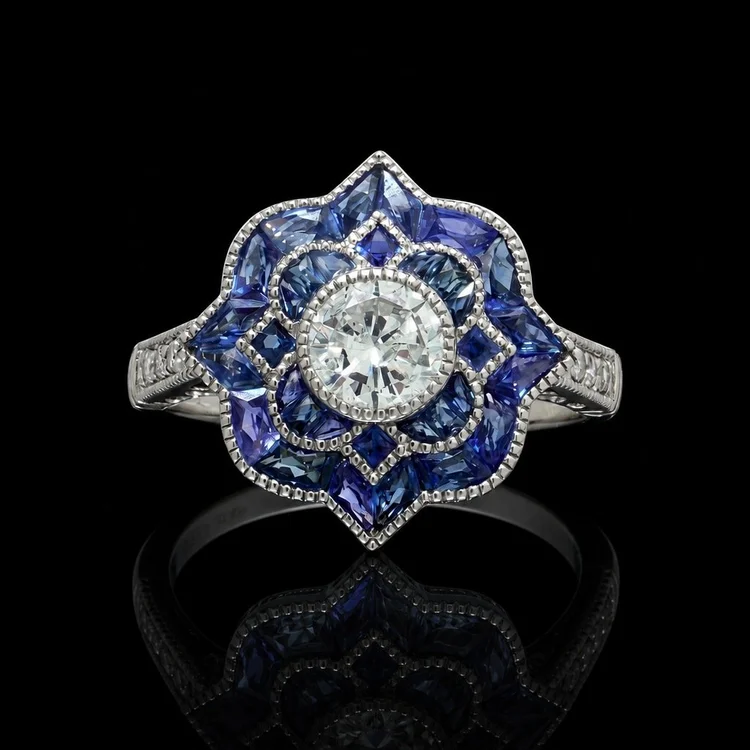
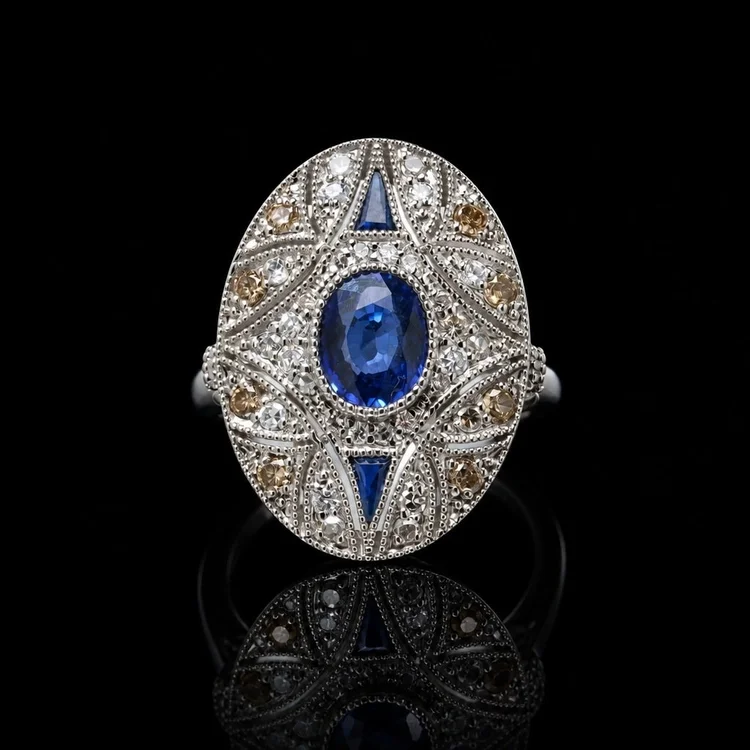
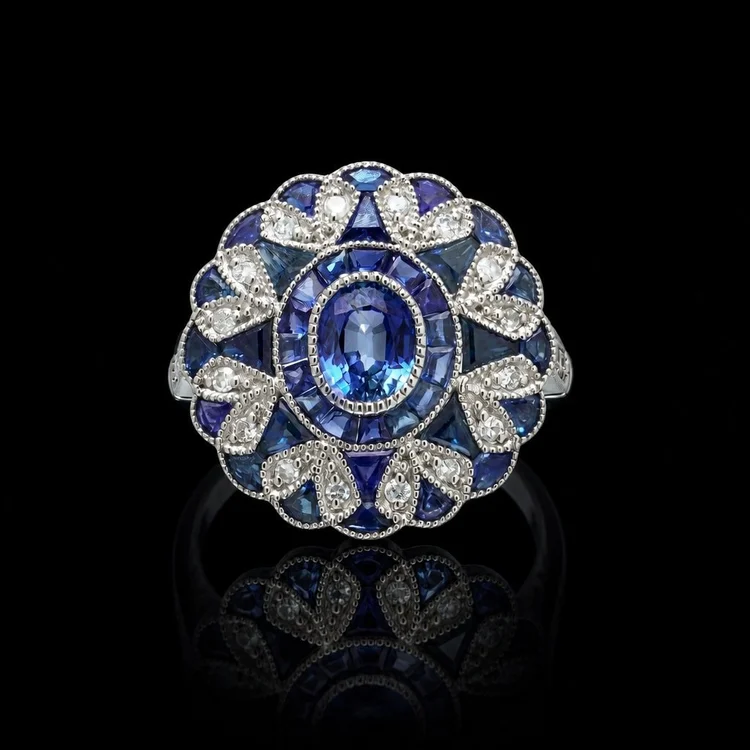
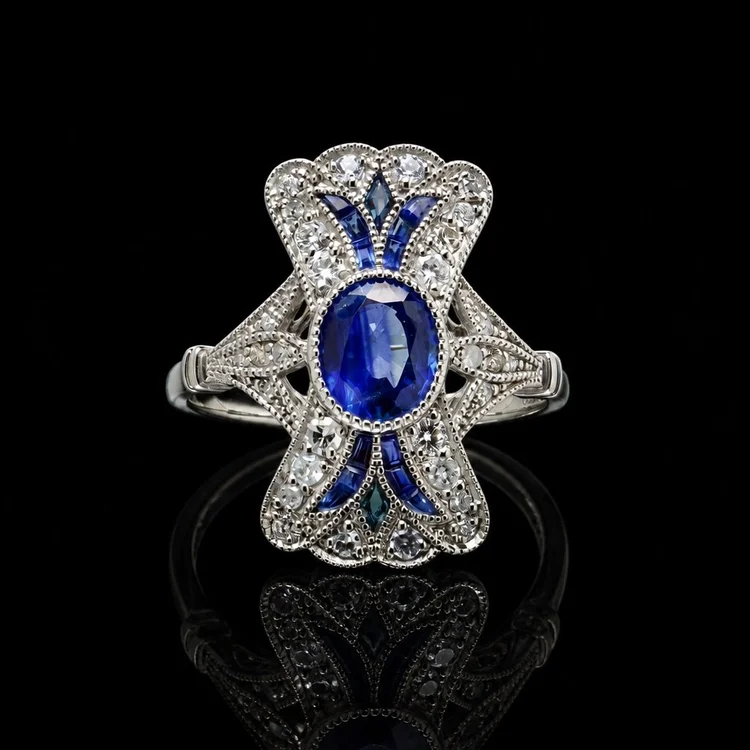
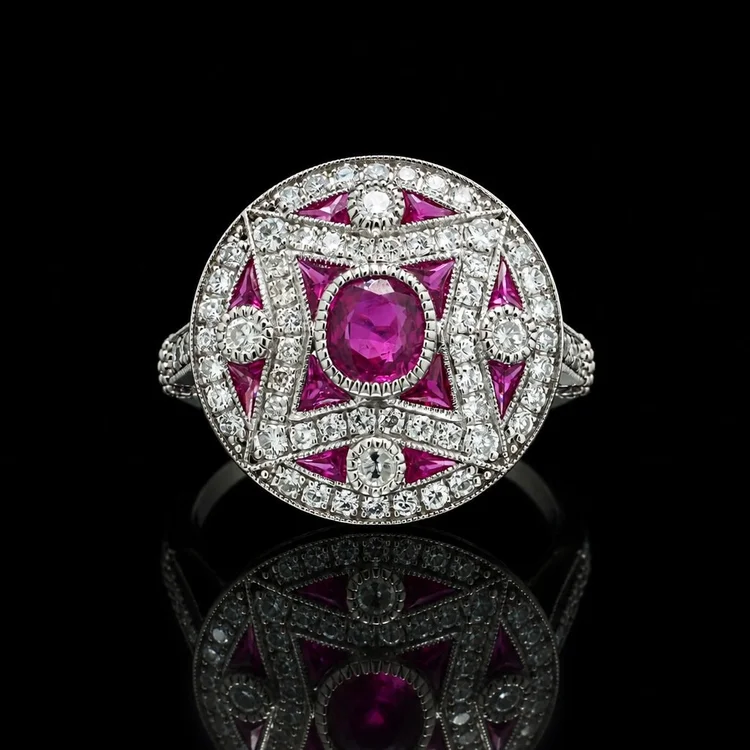
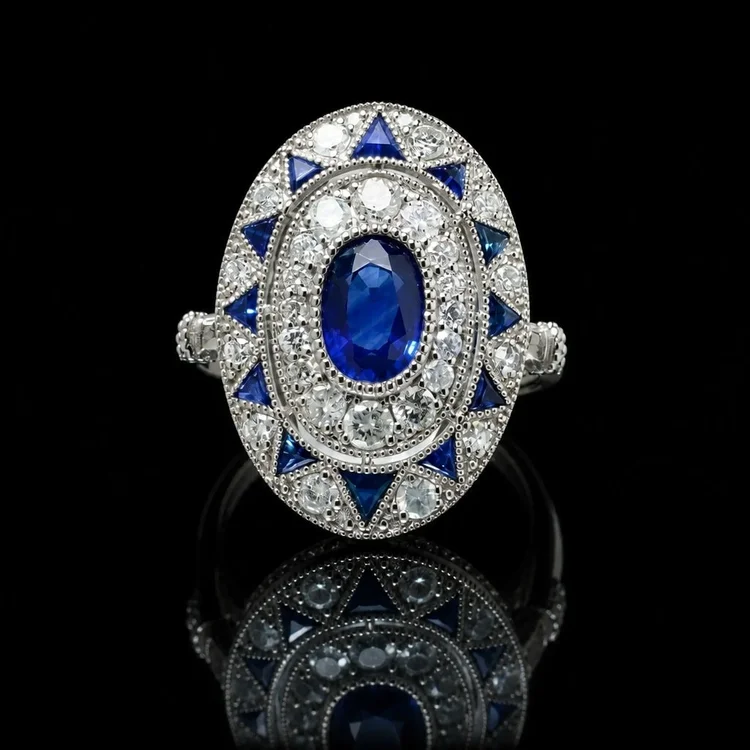
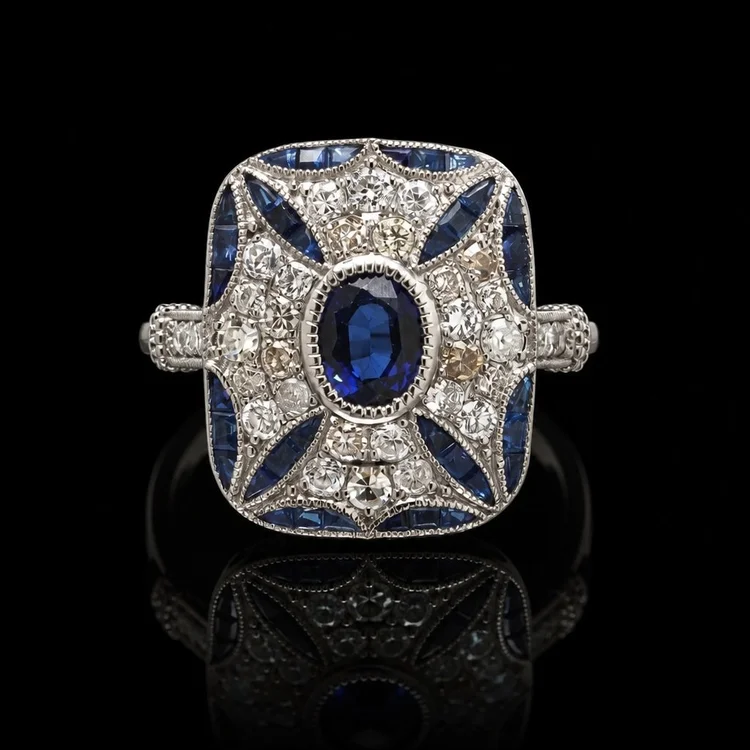
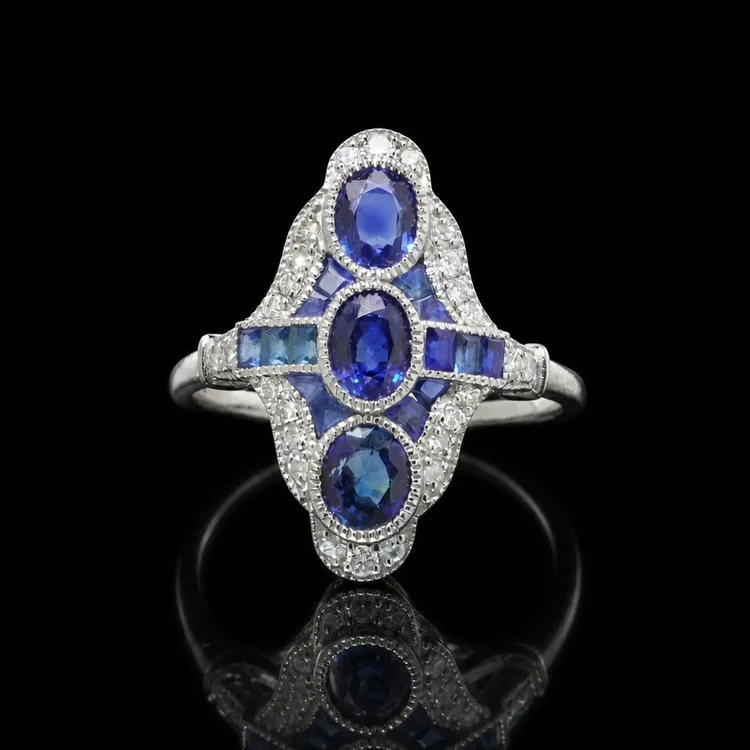
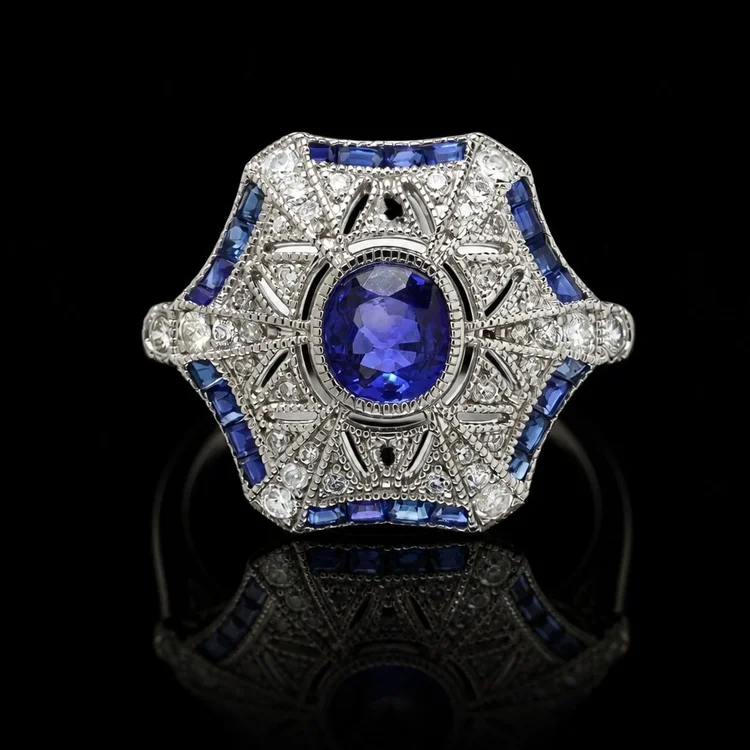
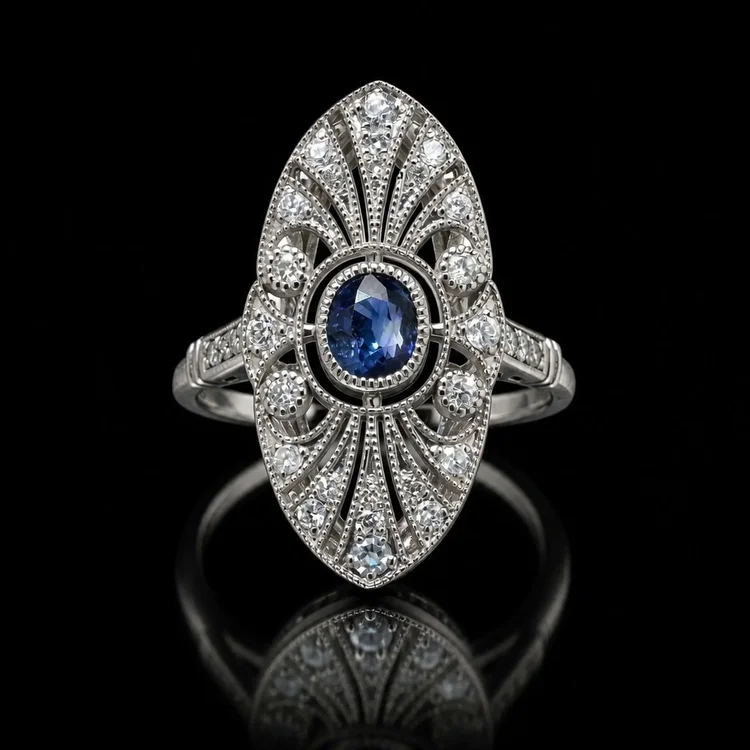
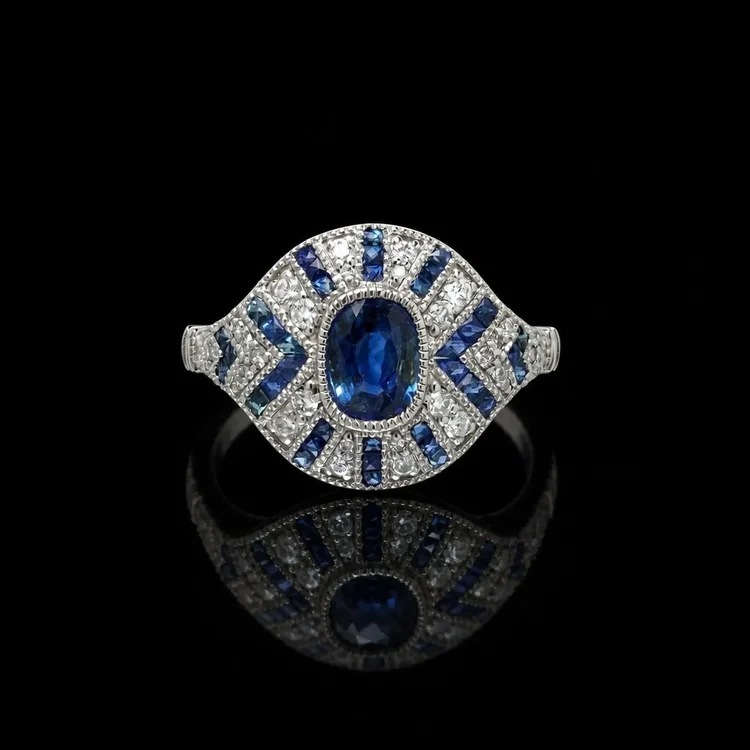
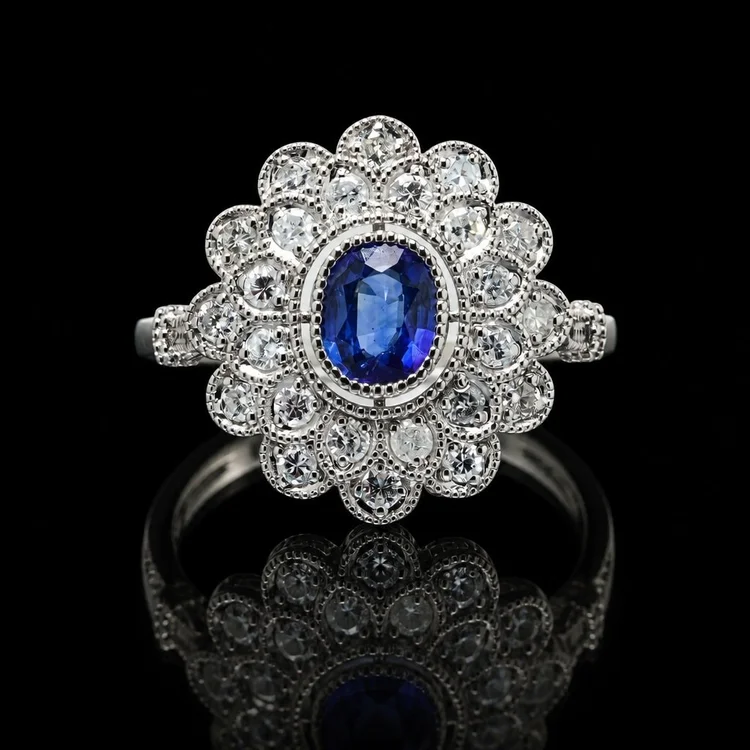
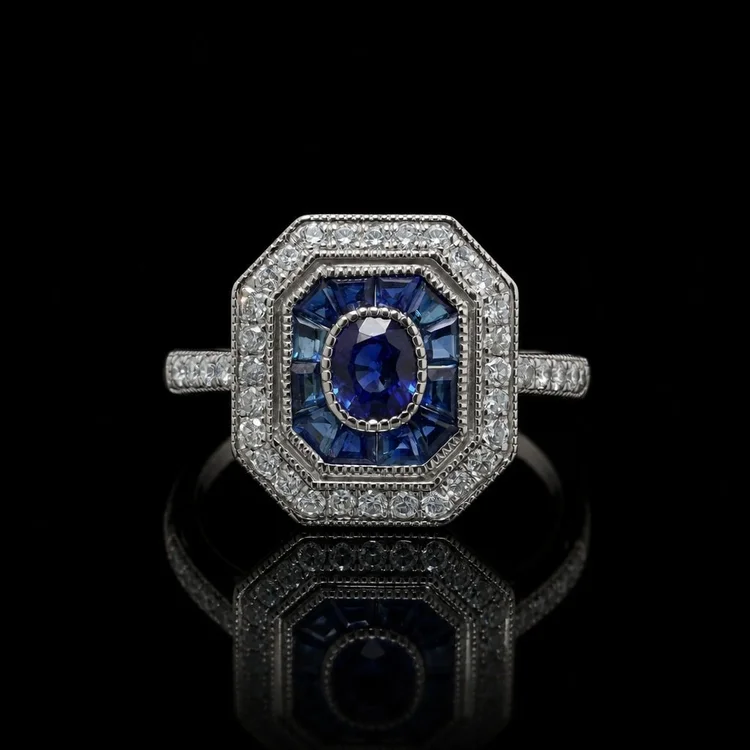
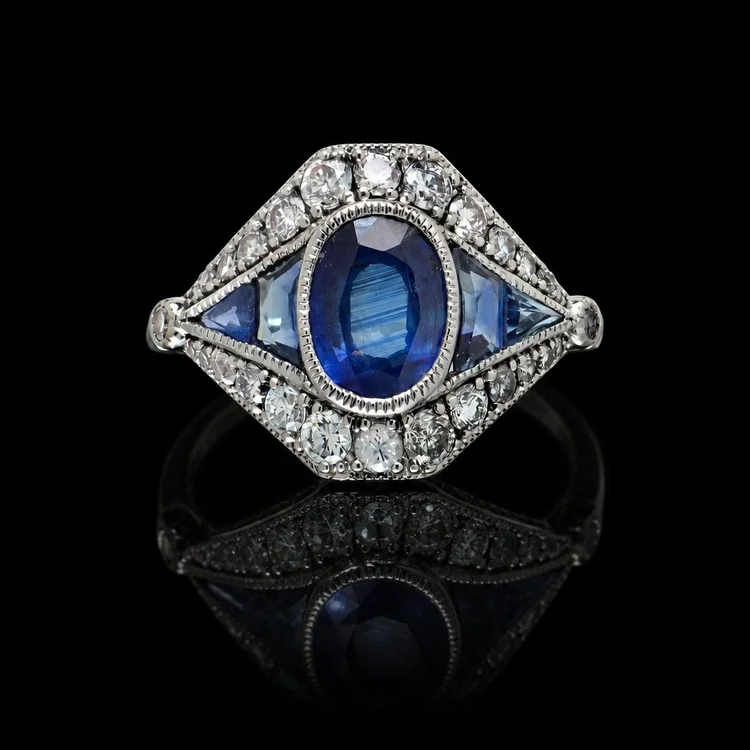
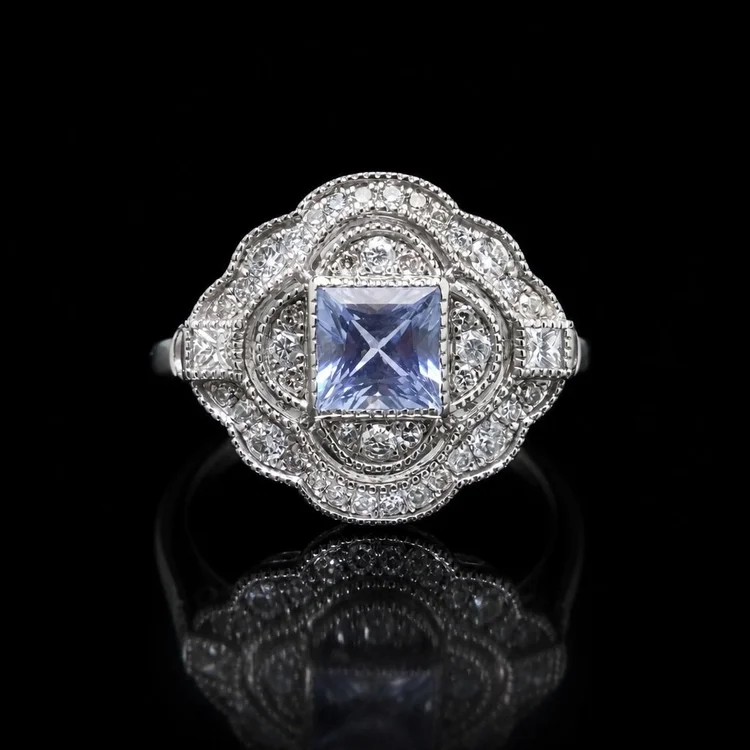
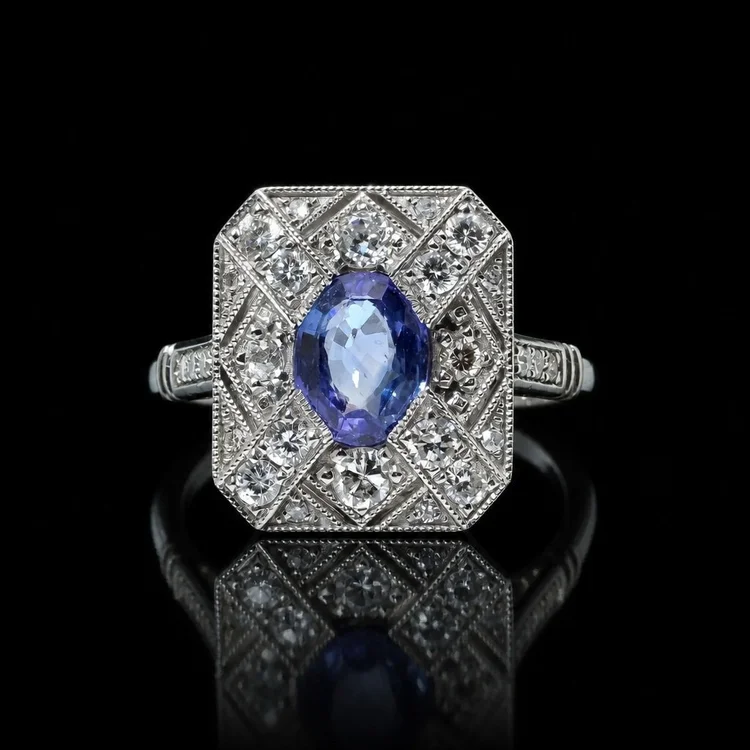
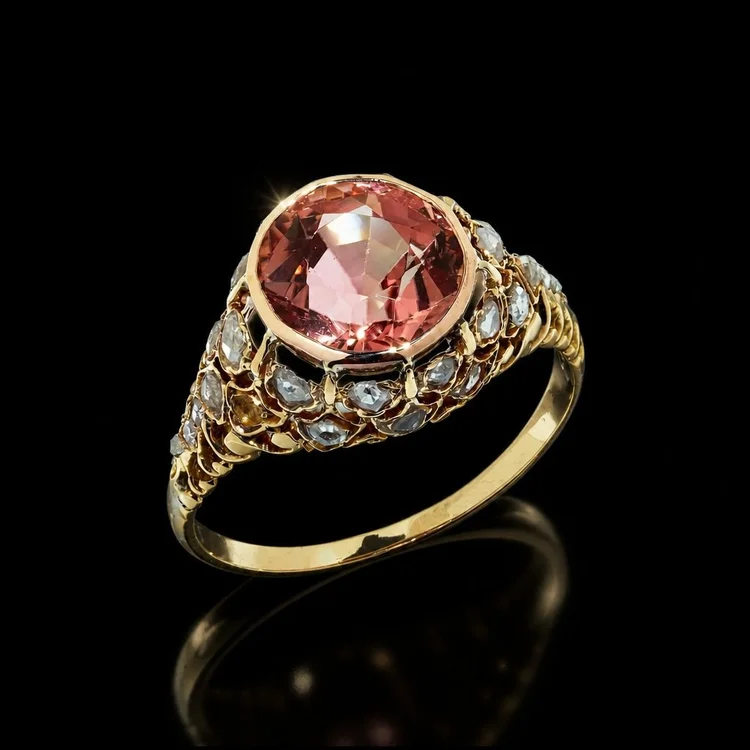
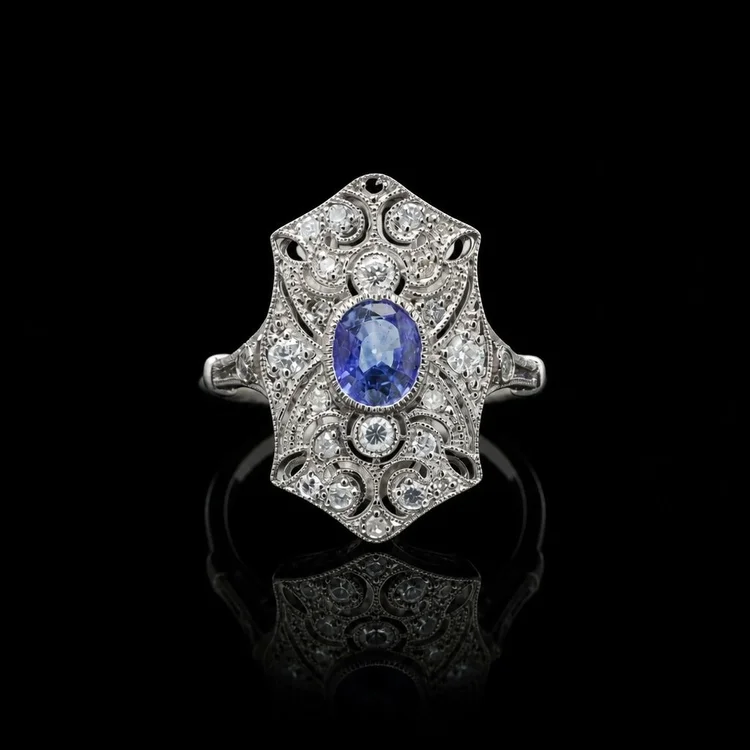
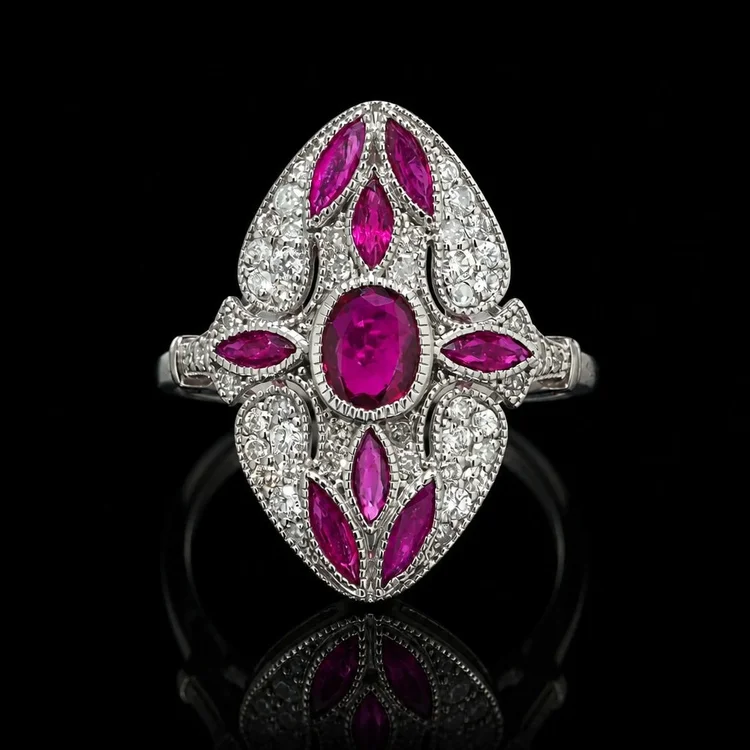
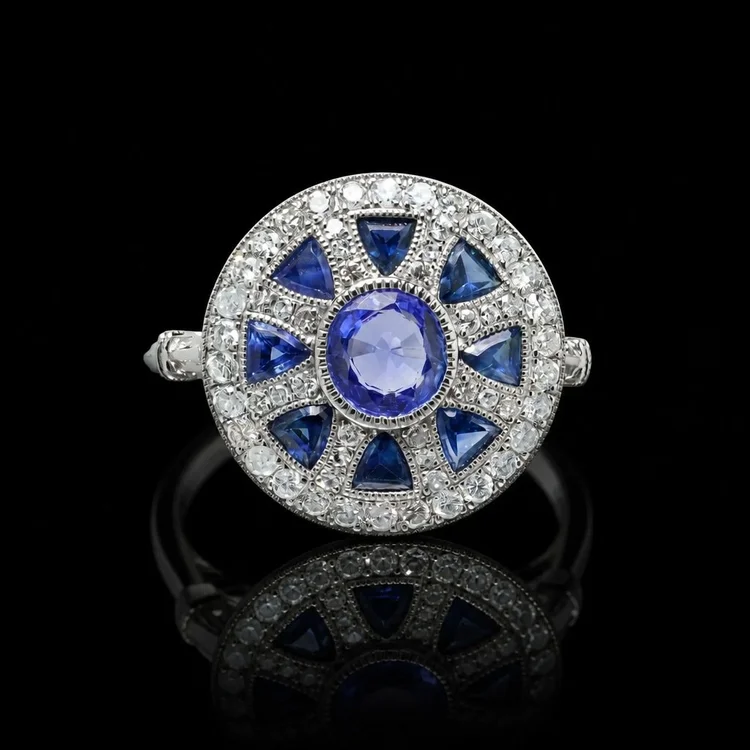
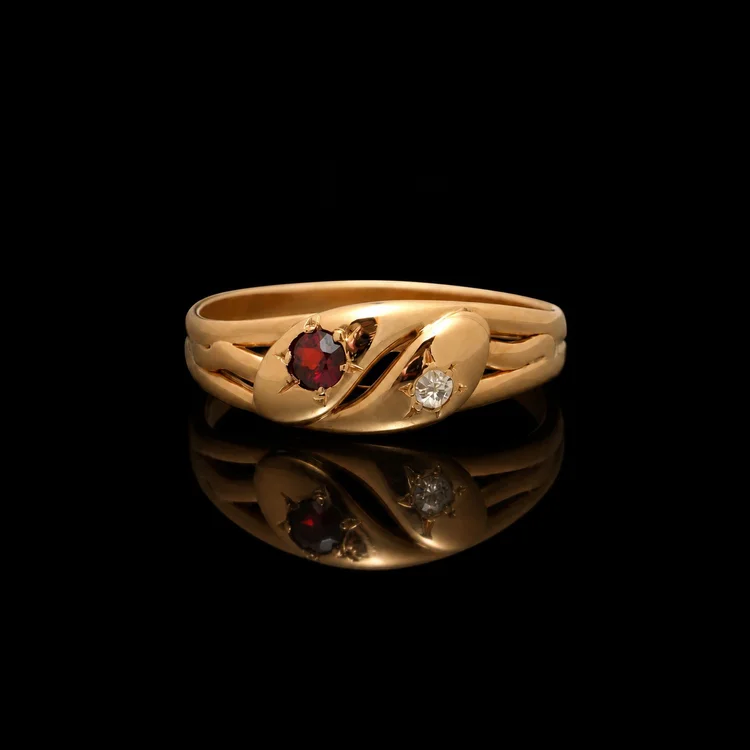
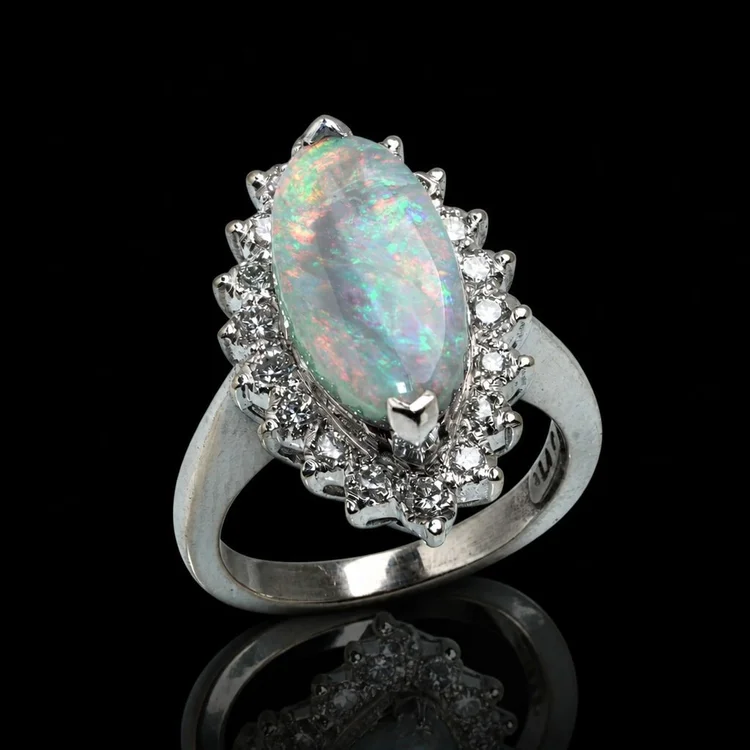
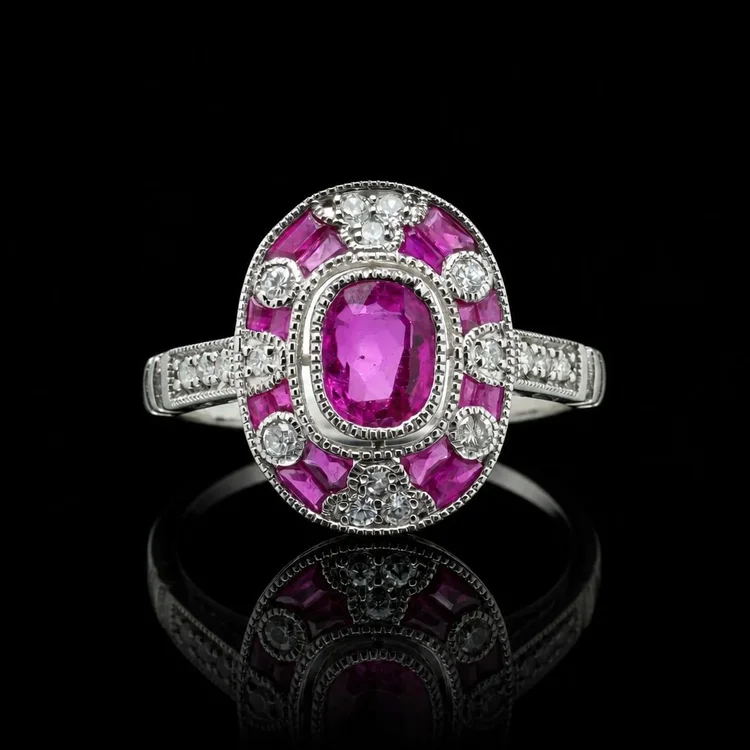
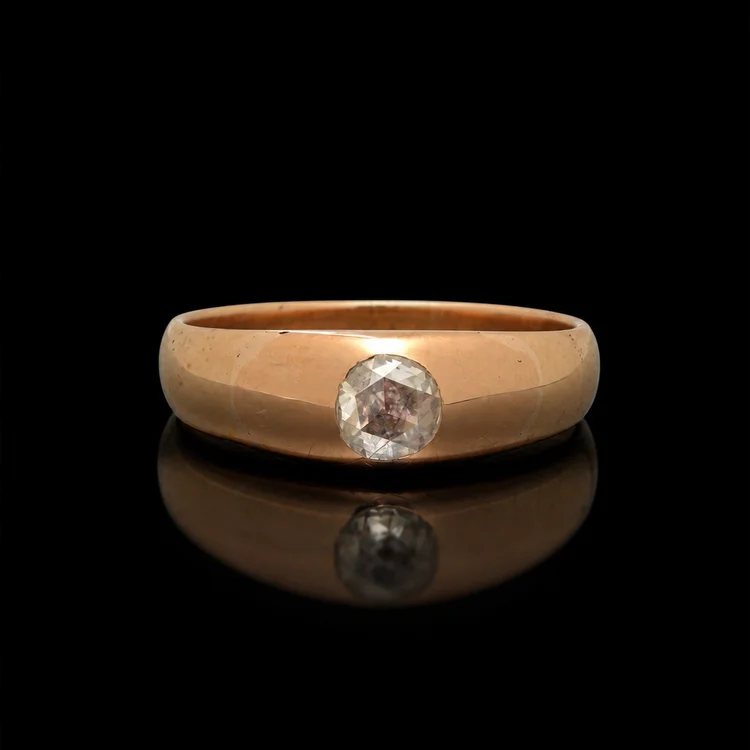
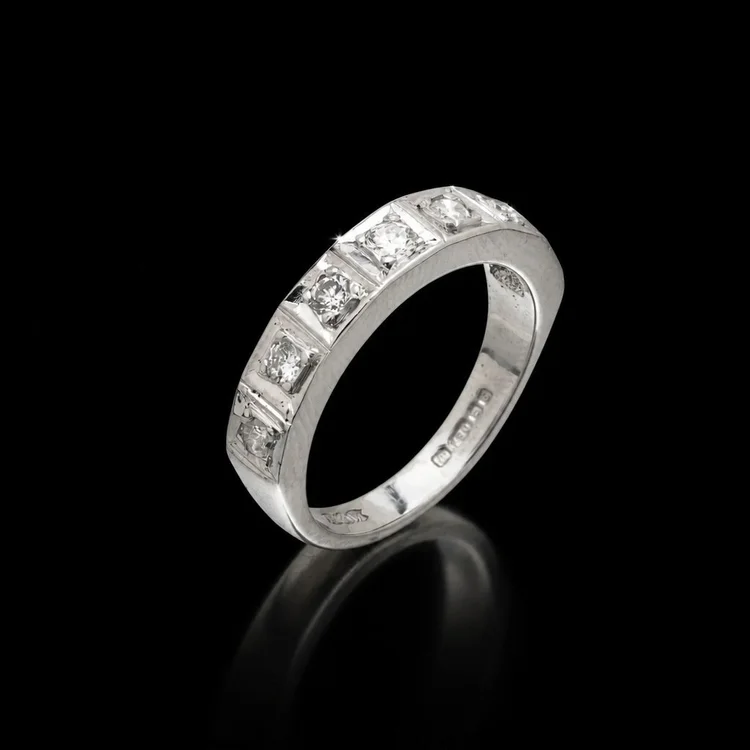
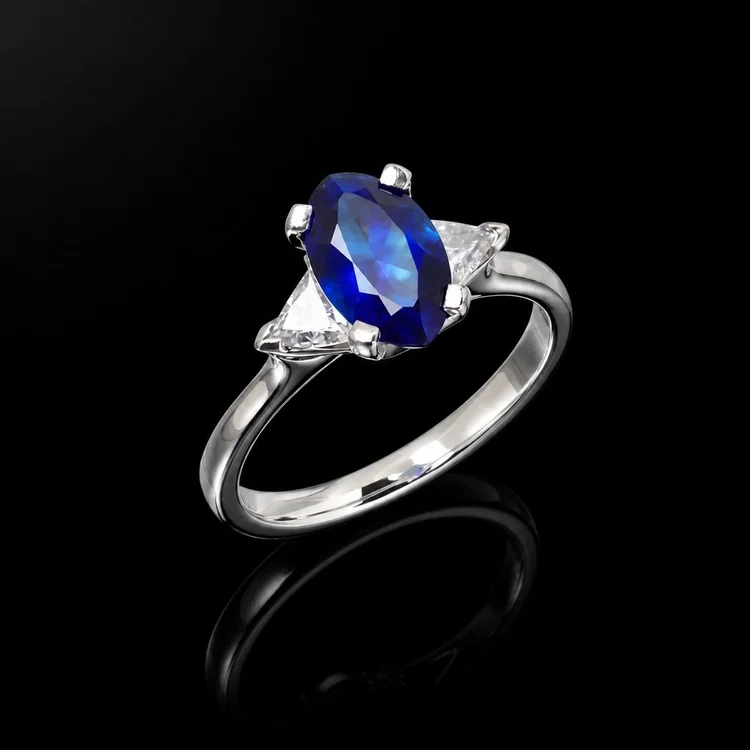
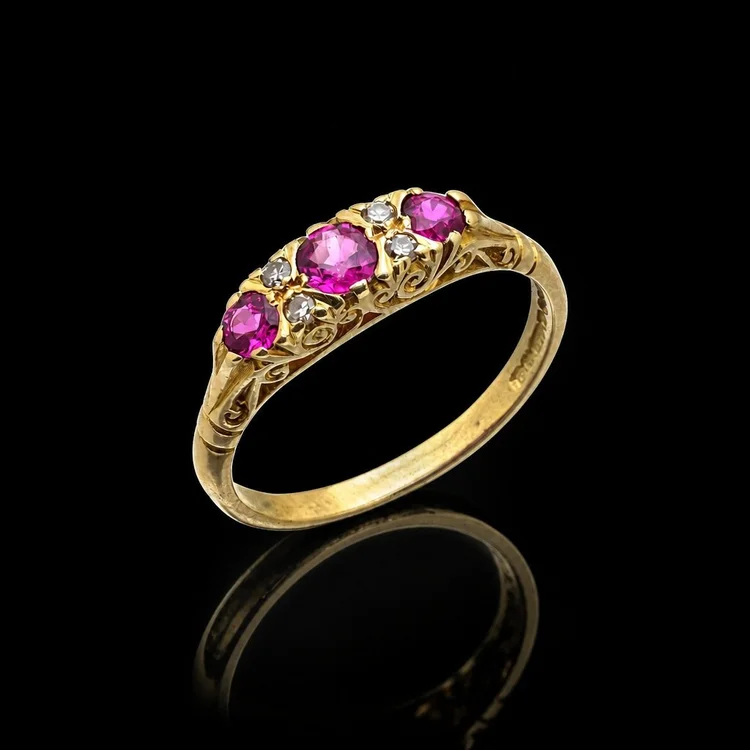
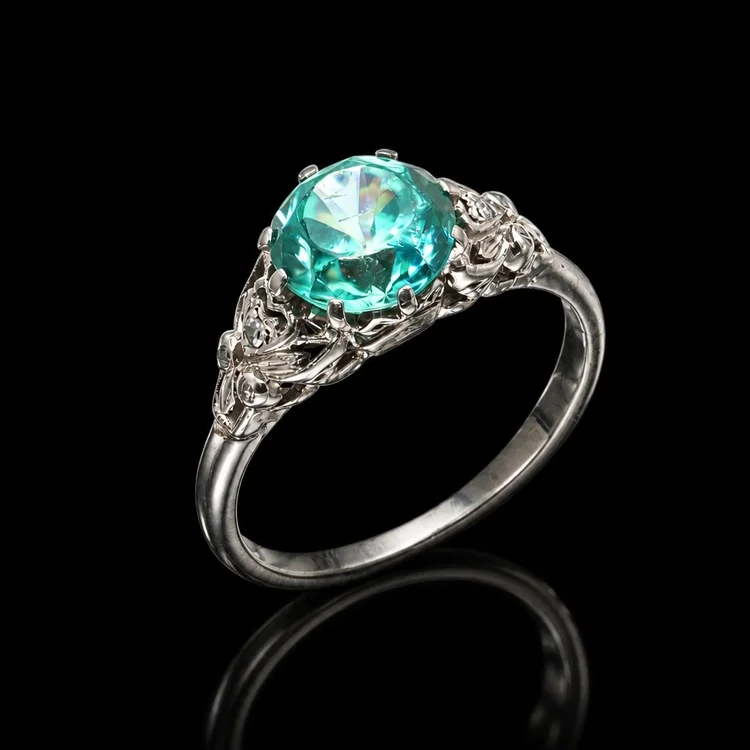
Each listing gives the cut, the carat weight where known and the ring size in UK, US and EU.
Also searched as: vintage diamond rings, old diamond rings, estate diamond rings (US), second hand antique diamond rings, antique diamond engagement rings, old cut diamond rings.
Old mine, old European and rose cut diamonds
Before electric cutting wheels, diamonds were shaped by hand to keep as much weight as possible. The rose cut, flat underneath with a domed, faceted top, was used from the 16th century and is common in Georgian and early Victorian rings. The old mine cut, cushion shaped with a high crown, a small table and an open culet visible as a small circle through the top, dominated the 18th and 19th centuries. The old European cut, round with a high crown, followed from about 1890 to 1930. The modern round brilliant, with proportions worked out in 1919, took over after the 1930s. Old cuts show broad flashes of light; brilliants show fine, even sparkle.
Diamond rings by period
Victorian diamond rings are mostly yellow gold, with silver tops on early pieces to whiten the stones. Edwardian rings are platinum or platinum on gold, light and pierced, with millegrain edges. Art Deco rings use platinum, geometric shapes and baguette or calibré stones beside the centre. Post-war rings return to yellow gold and brilliant cuts; 1970s rings are often bold, textured and set with many small diamonds.
Reading an antique diamond
Diamonds are graded on colour (D is colourless), clarity, cut and carat weight. Old cuts were not made to modern proportions, so a warm, slightly tinted old mine diamond can look livelier by candlelight than a whiter stone. Small chips around the girdle are common on old diamonds that have been worn for a century; they are noted on the listing. Where a diamond has a laboratory report, the listing gives it; otherwise the weights and grades are careful estimates.
Metal and wear
Platinum holds claws securely and does not wear thin quickly, which is why it became the standard for diamond rings from about 1900. Older gold claws may need re-tipping; a jeweller can do this without changing the ring's character.
Frequently asked questions
A diamond ring made in an earlier decade, usually the 1930s to the 1980s; an antique diamond ring is over 100 years old. Both are originals, not modern rings made in an old style.
The cut is the best clue: rose, old mine and old European cuts were made before the 1930s. Hand-made settings, silver or platinum tops on gold, and British hallmark date letters also help date a ring.
Gold and platinum rings sold in Britain must be hallmarked above set weights, and the mark is on the metal, not the diamond. Some older rings, especially platinum before 1975, are unmarked or only stamped.
They sparkle differently. Old mine and old European cuts give larger, slower flashes of colour, while a modern brilliant gives a fine, white glitter. Many buyers choose old cuts for exactly that softer look.