Antique Gemstone Jewellery
Amethyst, garnet, opal, aquamarine, turquoise and more: set in antique and vintage gold.
5.0 by our buyers on Google · 4,000+ customers
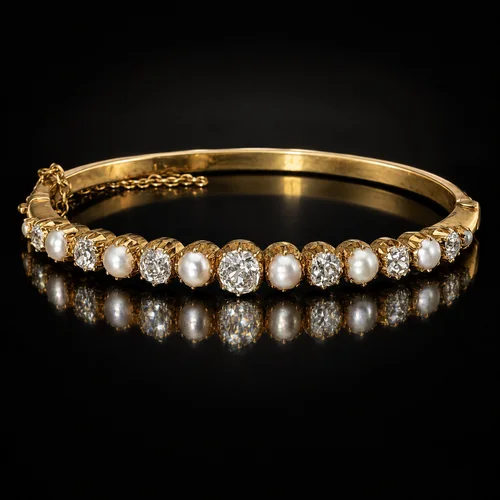
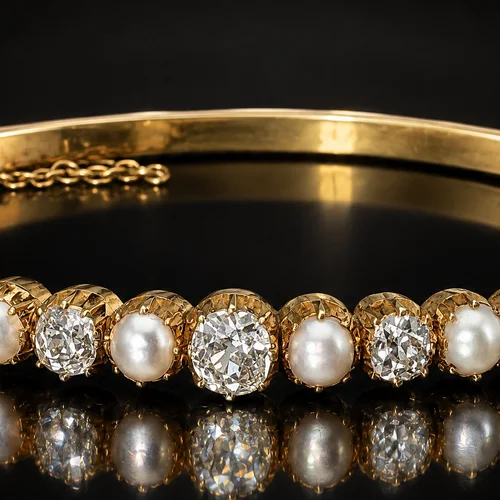 Victorian 18KT Gold Natural Pearl and Old Cut Diamond Bangle, 1.90 ct£4,785
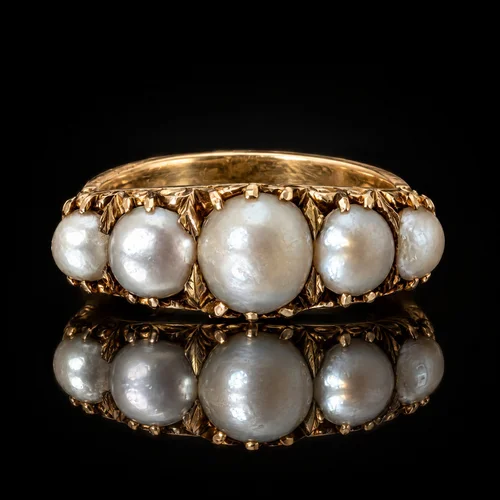
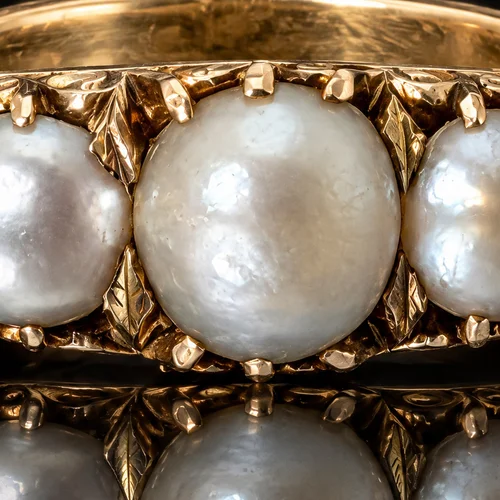 Victorian 9KT Gold Natural Pearl Five Stone Half Hoop Ring£1,865
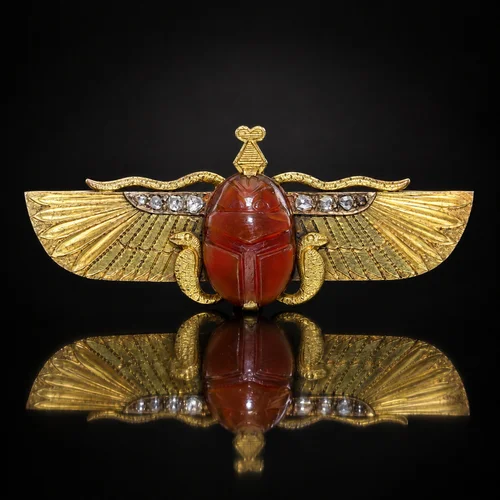
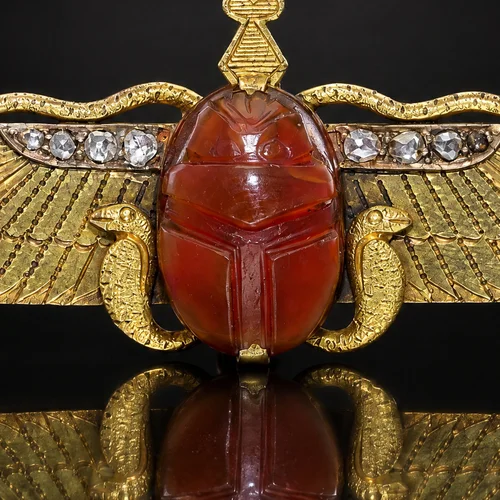 19th Century 20KT Gold Egyptian Revival Carnelian Scarab and Diamond Brooch£3,285
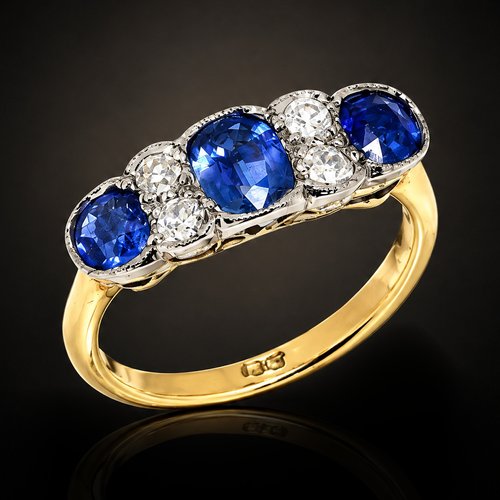
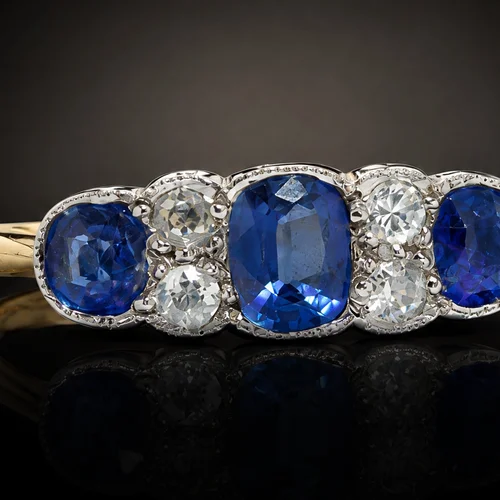 Edwardian 18KT Gold Ceylon Sapphire and Diamond Ring, 1.00 ct£2,965
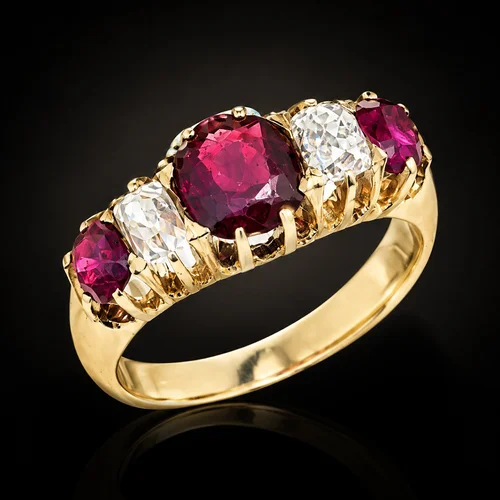
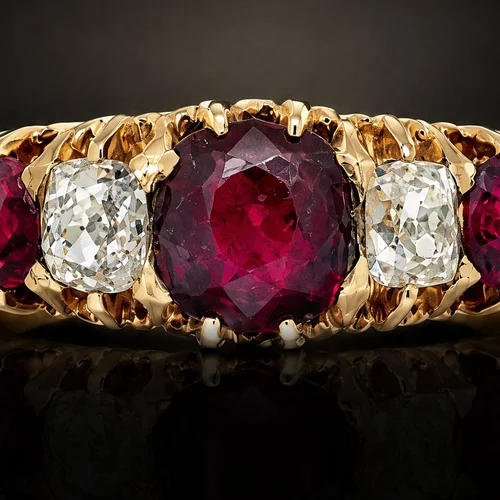 Edwardian Garnet and Old European Cut Diamond Ring, 1.60 ct£2,495
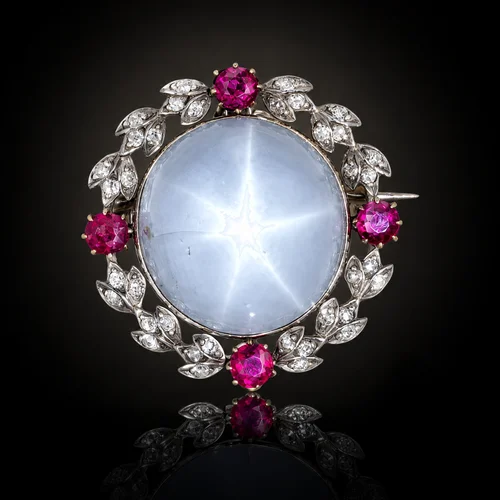
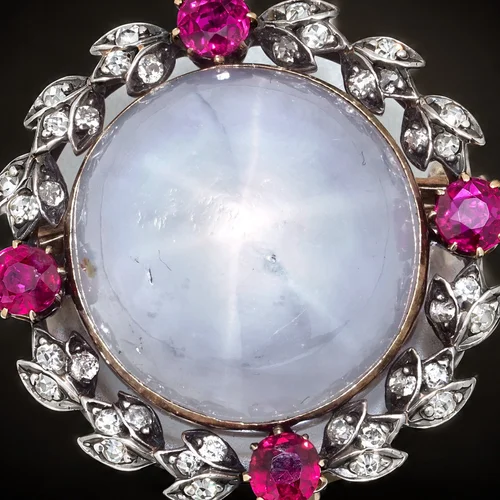 Victorian 20 ct Star Sapphire, Ruby and Diamond Wreath Brooch£5,950
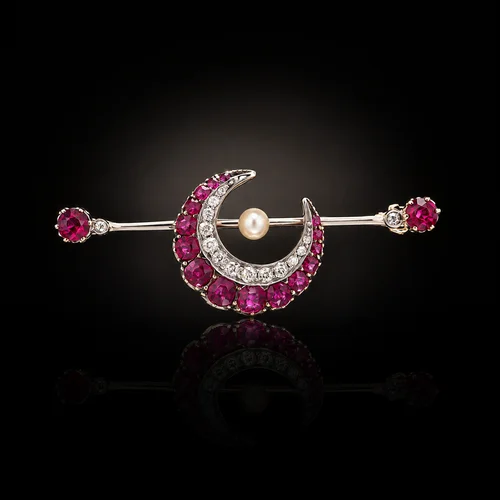
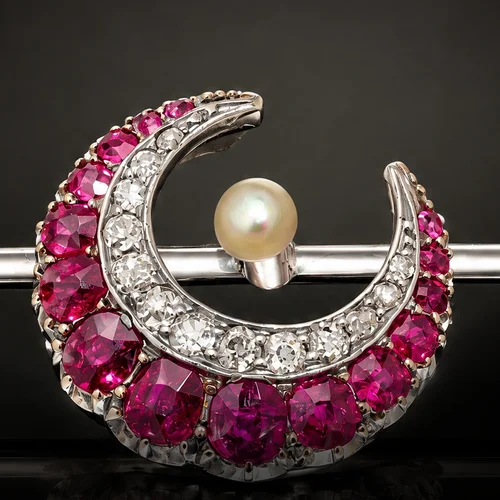 Victorian Natural Ruby, Diamond and Pearl Crescent Bar Brooch£4,950
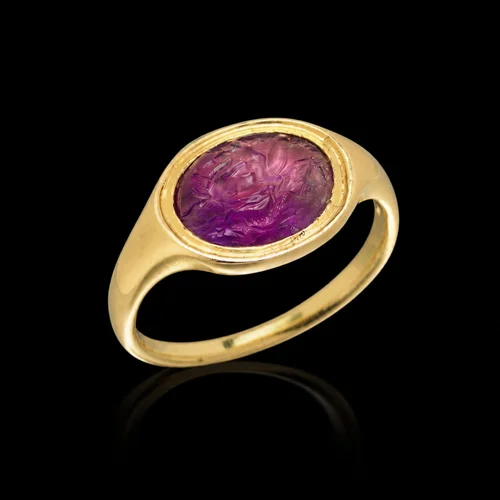
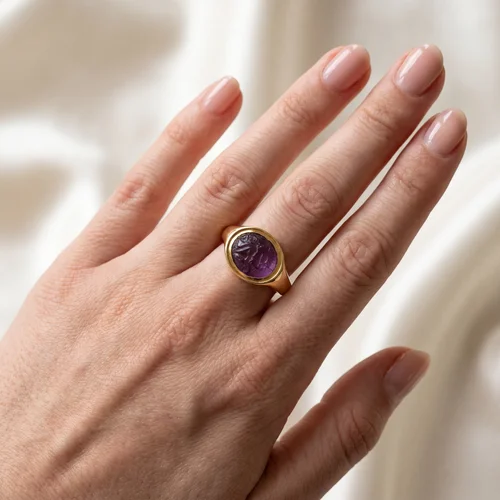 19th Century 18KT Gold Carved Amethyst Cameo Ring, Bearded Classical Head£15,950
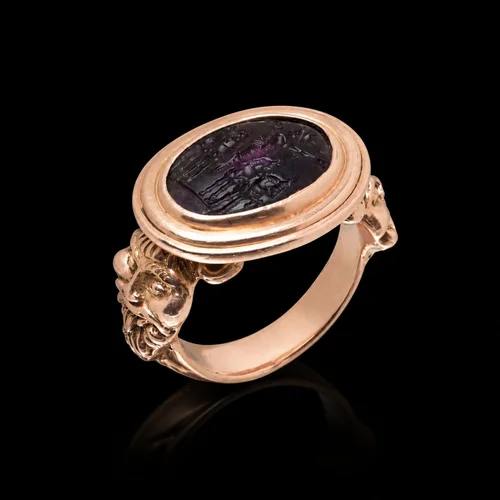
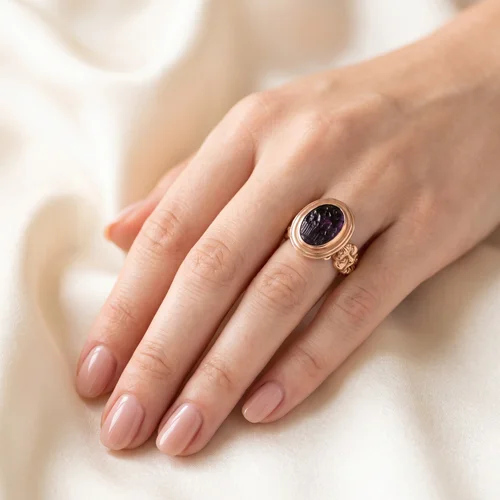 19th Century 10KT Rose Gold Amethyst Intaglio Ring of Helios in a Quadriga£14,950
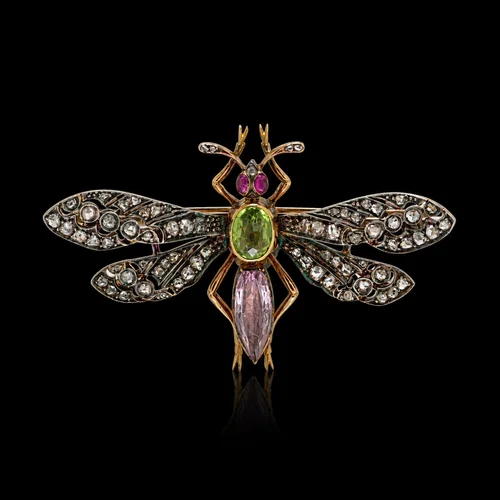
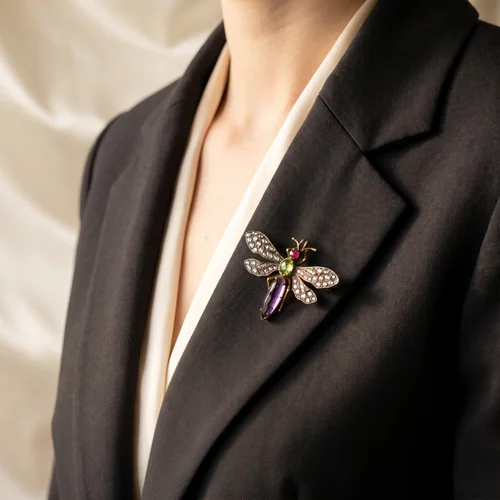 Victorian 9KT Gold and Silver Wasp Brooch, Peridot, Amethyst, Ruby and Diamonds£3,950
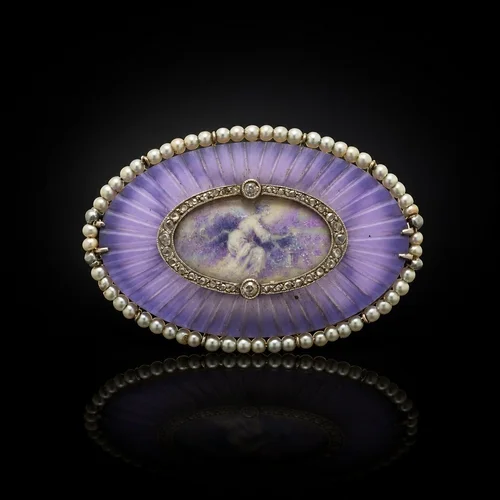
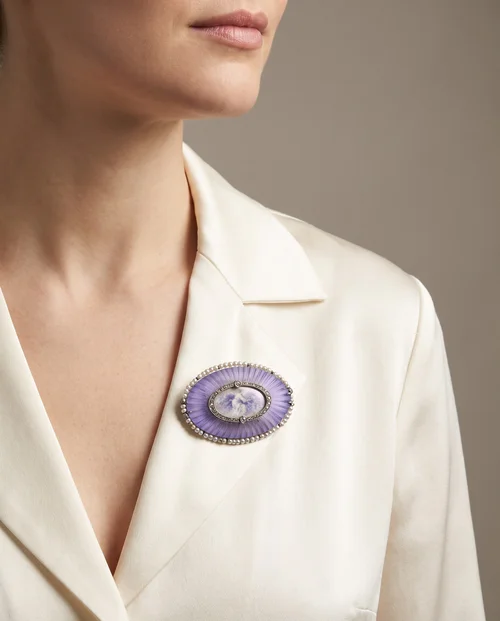 Antique Art Nouveau 9KT Gold Enamel Miniature, Pearl and Diamond Brooch, Boxed£5,400
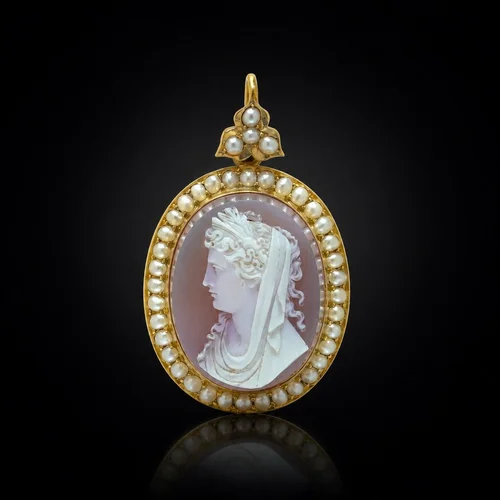
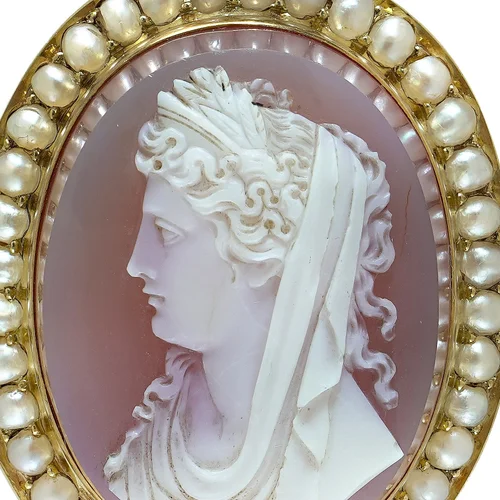 19th Century 20KT Gold Carnelian Cameo and Pearl Pendant Locket£3,850
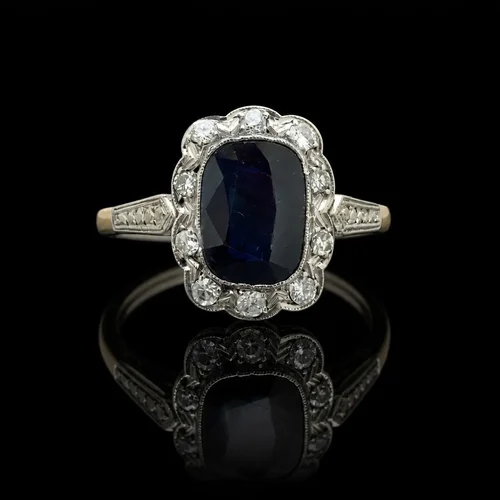
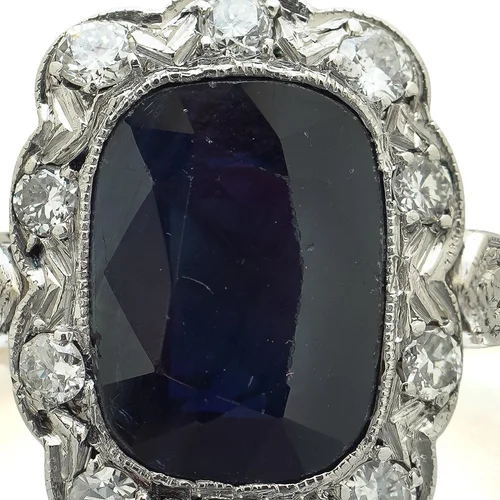 Antique 18KT Gold and Platinum Natural Sapphire and Diamond Cluster Ring, 1.50 ct£4,250
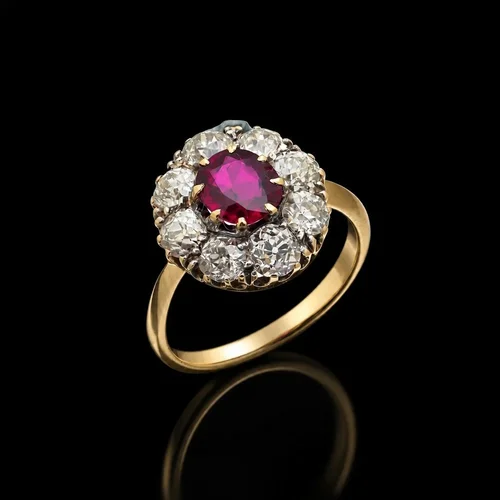
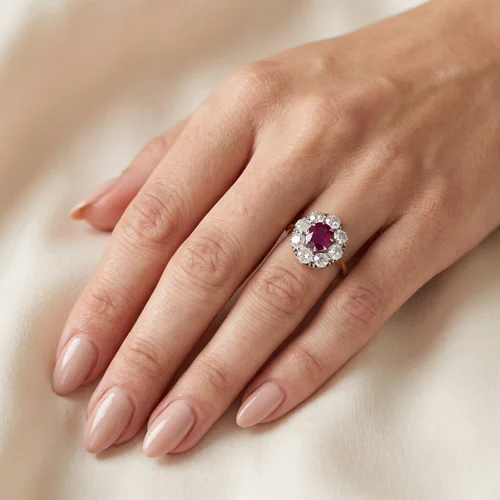 Edwardian 18KT Gold Natural Ruby and Old European Cut Diamond Cluster Ring£3,800
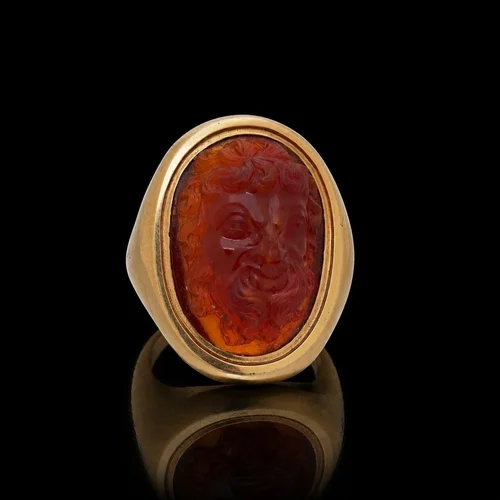
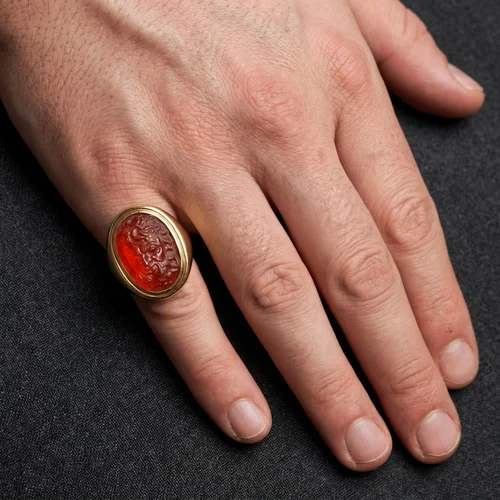 Victorian Carnelian Cameo Ring, Carved Bacchic Mask in 19th Century Gold£8,985
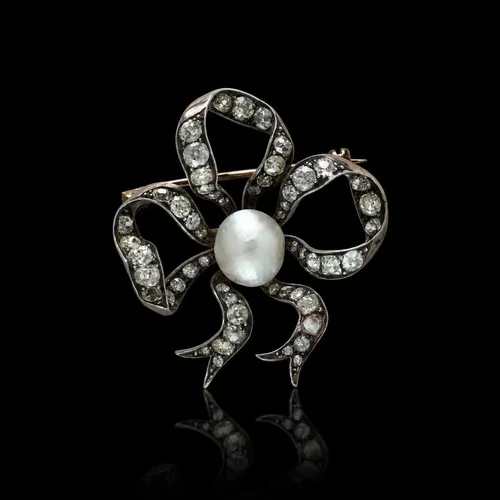
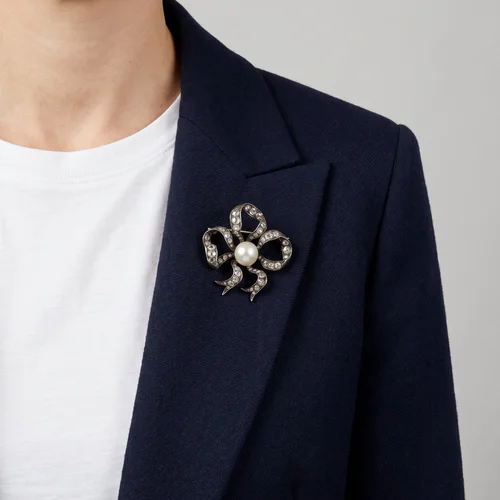 Victorian Natural Pearl and Diamond Bow Brooch, 9KT Gold and Silver£7,950
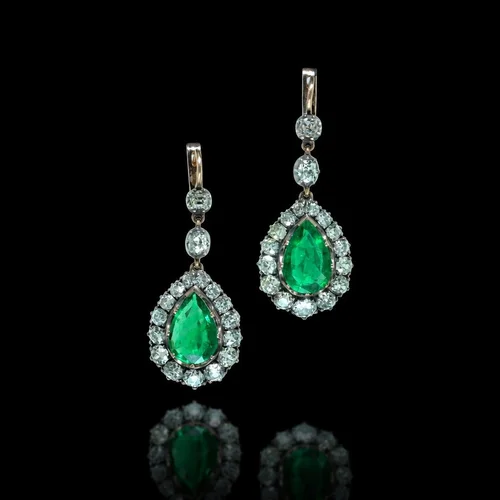
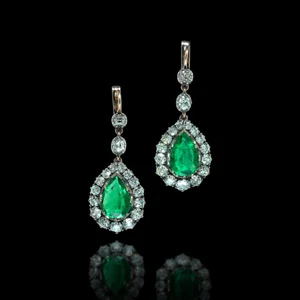
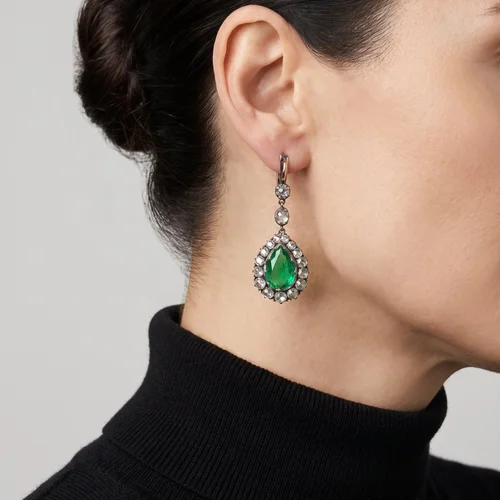 Victorian Colombian Emerald and Diamond Drop Earrings£39,850
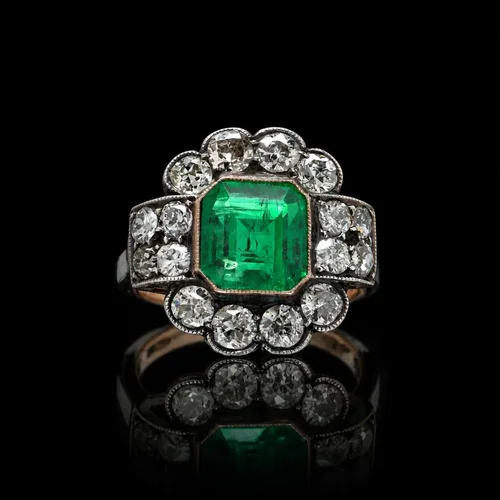
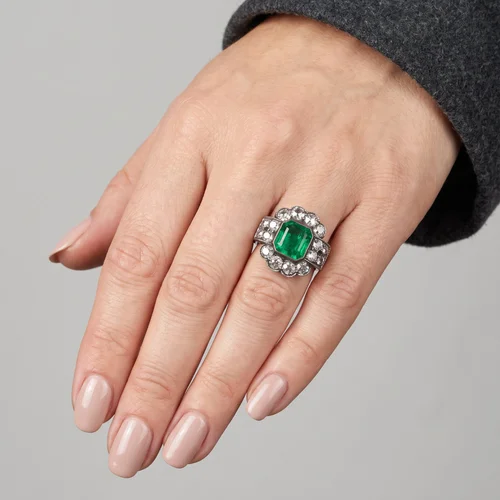 Victorian Russian (Ural) Emerald and Diamond Cluster Ring, 9KT Gold and Silver£13,445
£14,950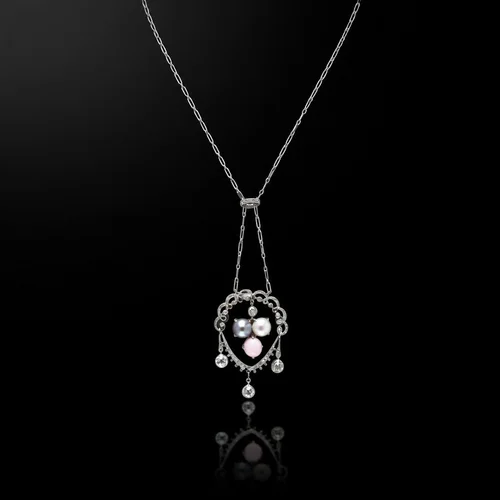
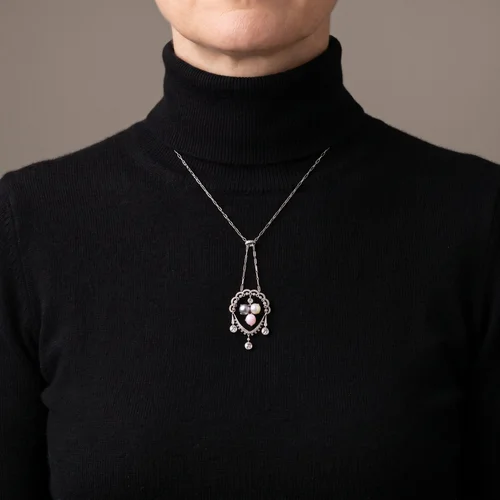 Belle Époque Conch Pearl and Diamond Pendant Necklace, Platinum, Circa 1910£13,850
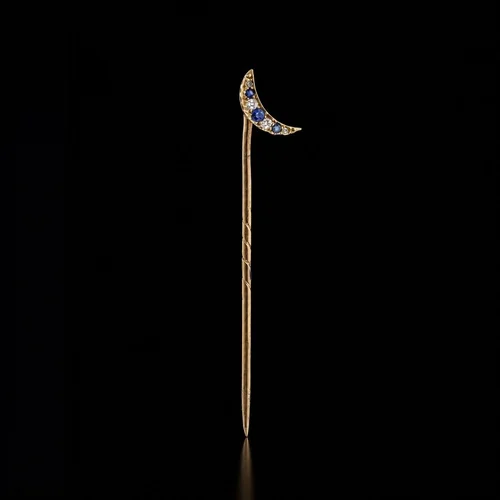
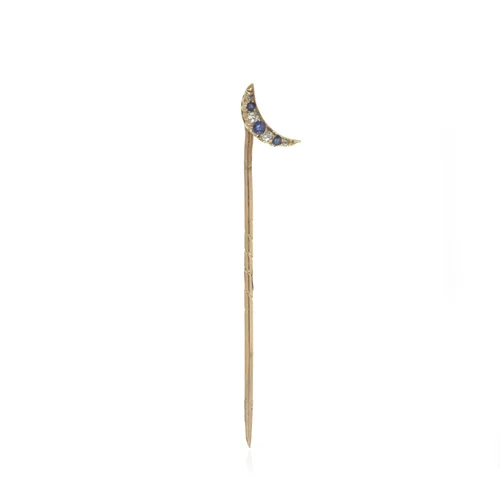 Victorian 15KT Gold Sapphire and Diamond Crescent Stick Pin, 1880s£650
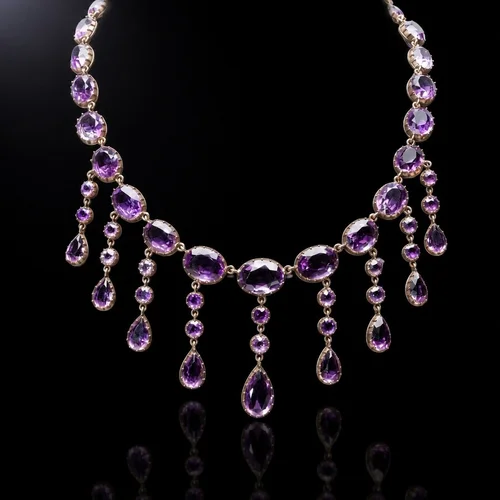
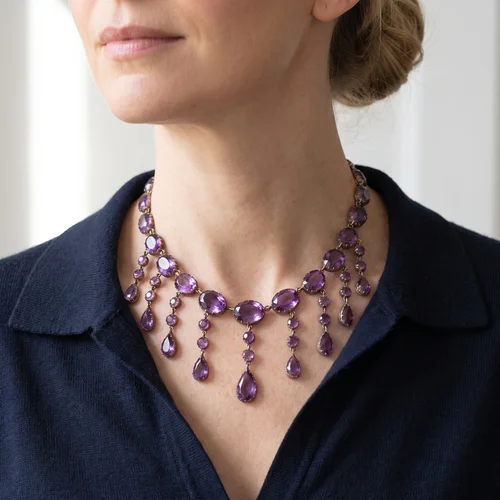 Victorian Amethyst Fringe Necklace, 9KT Gold, Approx. 130 ct, Circa 1880£11,950
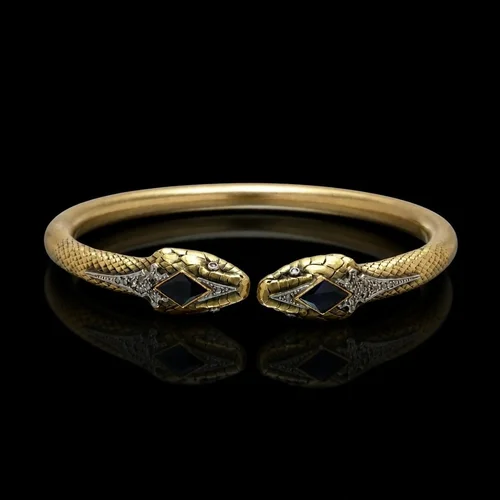
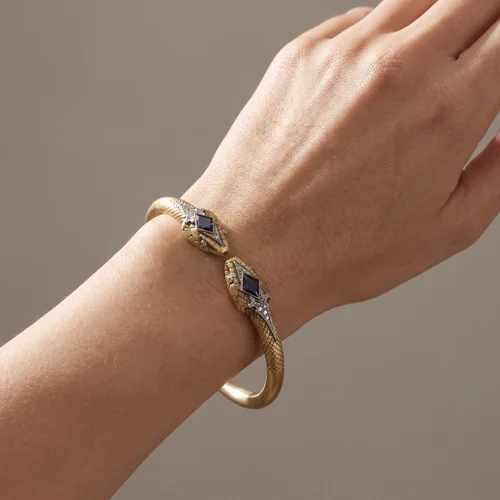 Victorian 18KT Gold Double Snake Bangle, Sapphires & Rose Cut Diamonds£9,745
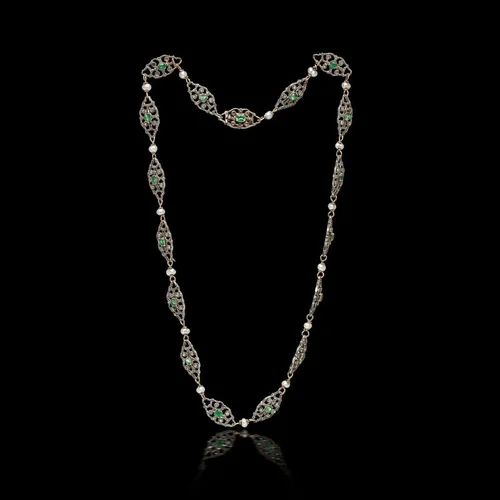
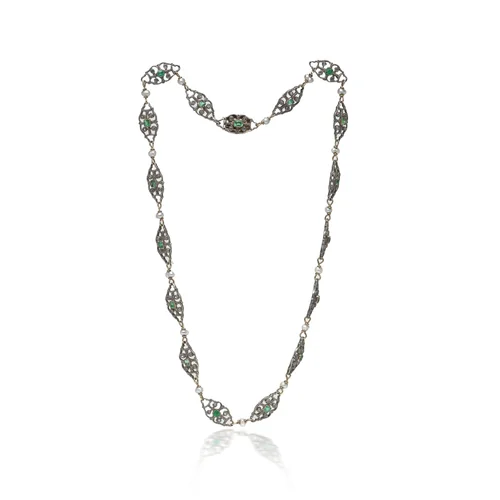 Antique Emerald, Diamond & Pearl Necklace, Silver and Gold£4,950
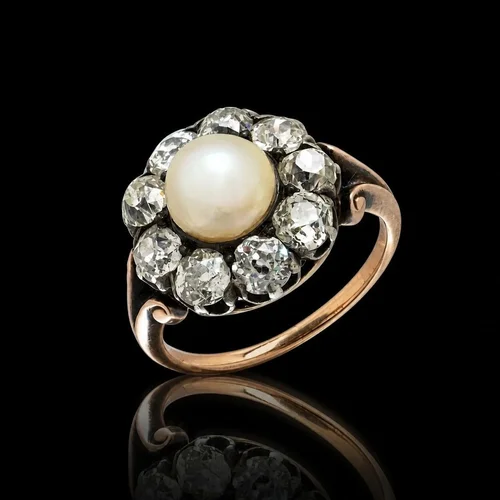
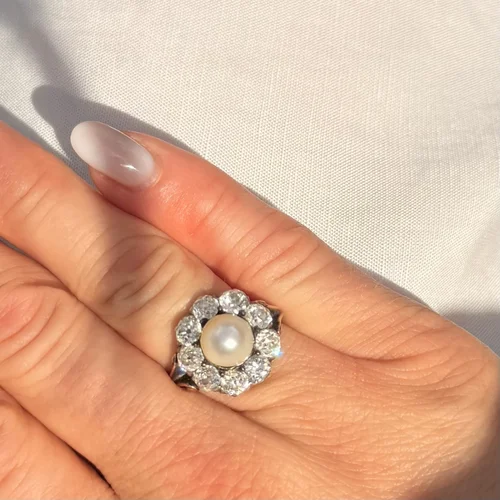 Victorian Natural Pearl & 2.70ct Old European Cut Diamond Cluster Ring, 18KT Gold£8,950
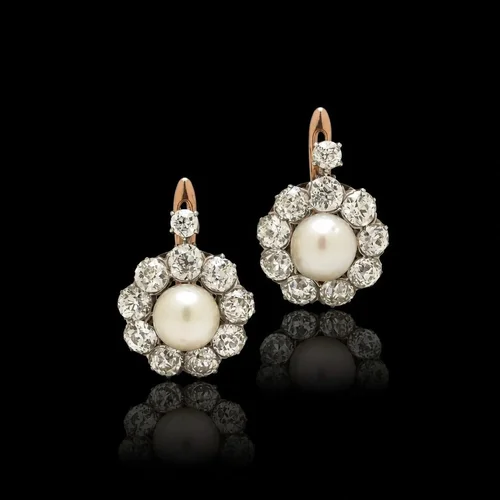
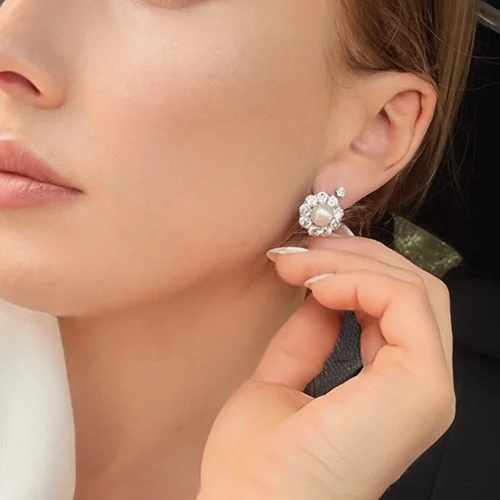 Victorian Natural Pearl & Diamond Cluster Earrings, 18KT Gold£16,950
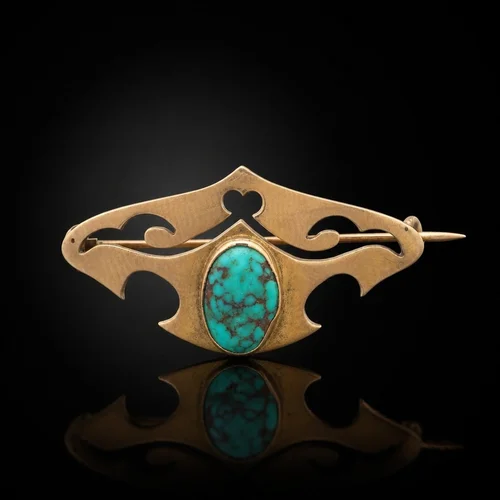
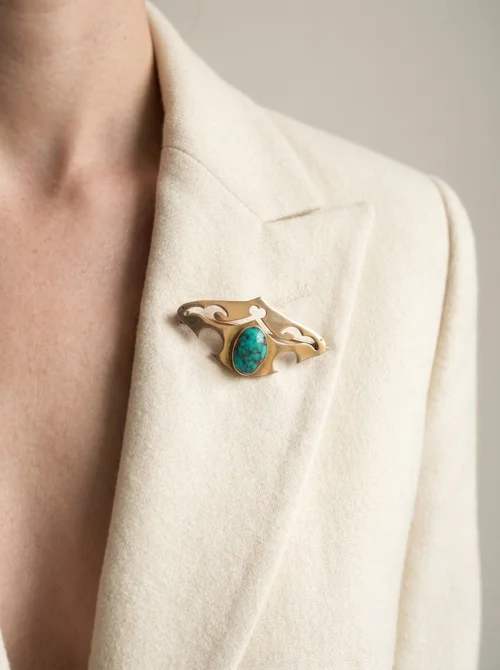 Victorian Turquoise Brooch, 9KT Gold Openwork Scroll Bar£675
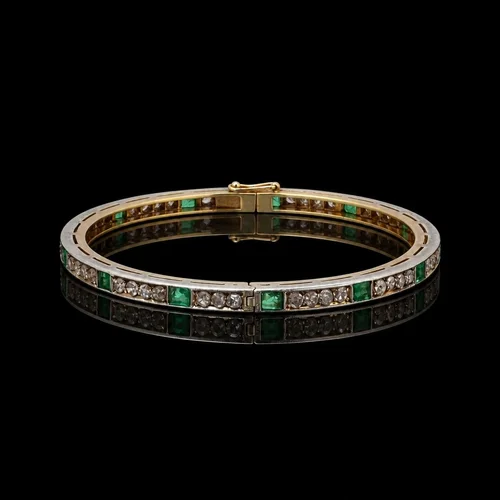
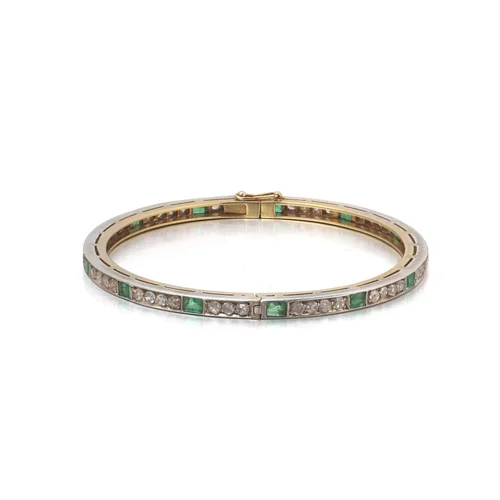 Victorian Silver-Topped 18KT Gold Emerald and Rose-Cut Diamond Bangle£3,555
£3,950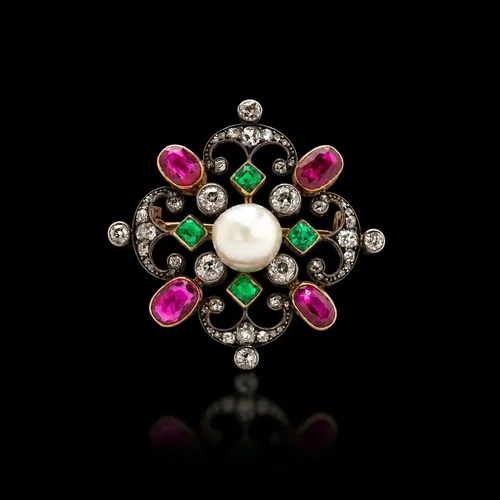
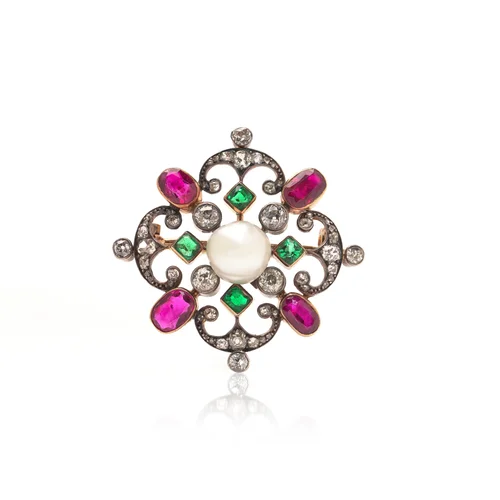 Edwardian Natural Pearl, Ruby, Emerald and Diamond Baroness Issaverdens Brooch£9,850
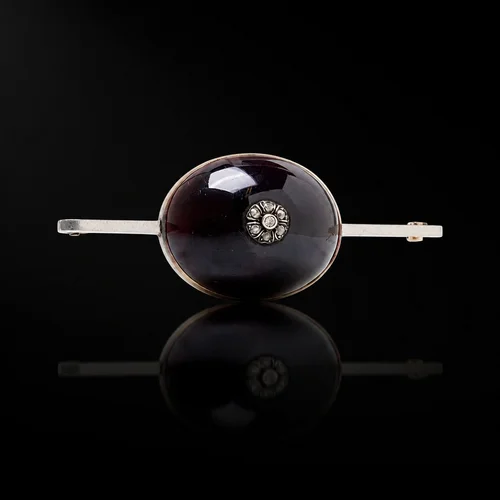
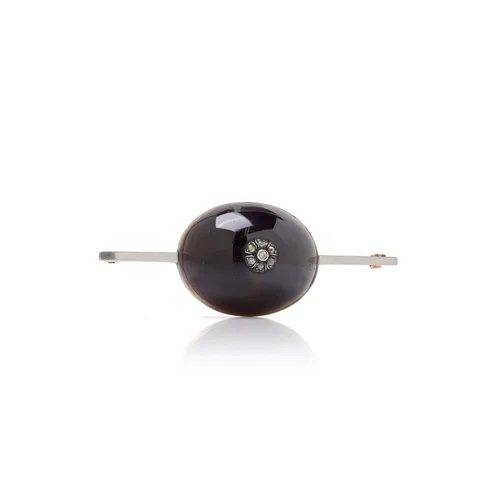 Victorian Gold and Silver Garnet and Diamond Bar Brooch£2,450
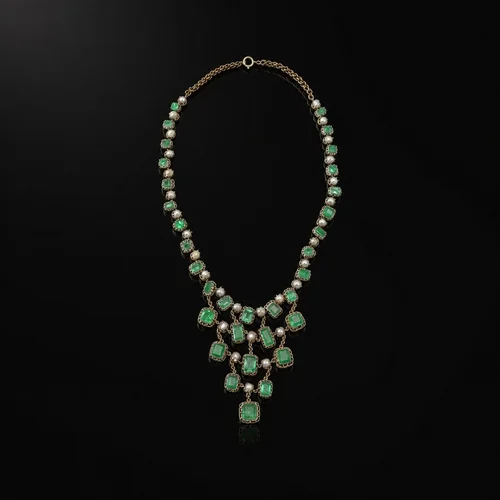
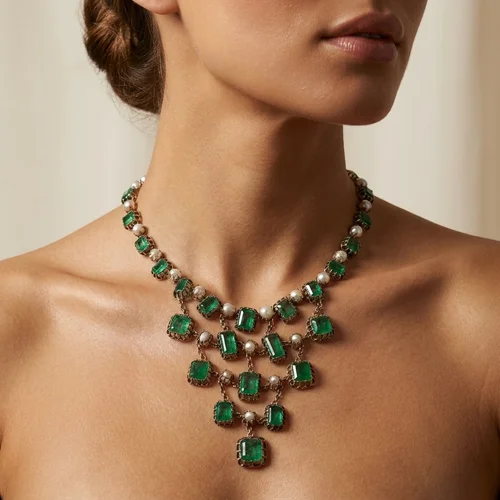 Georgian Emerald and Natural Pearl Necklace, 33 Natural Emeralds£13,950
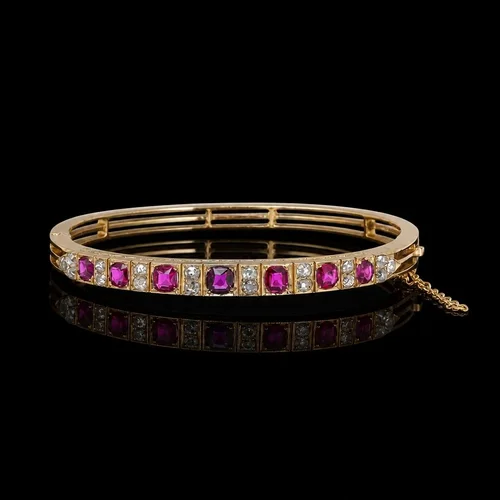
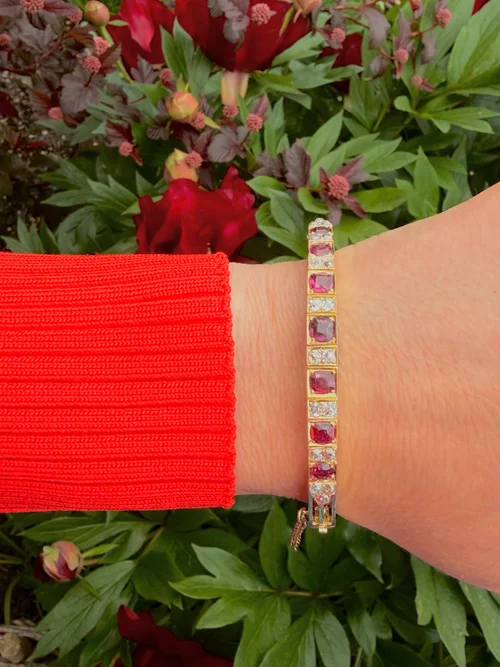 Victorian Burma Ruby and Diamond Bangle, 18KT Gold, c. 1880£6,985
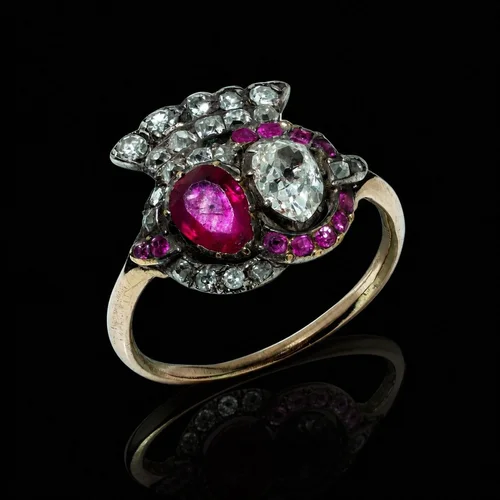
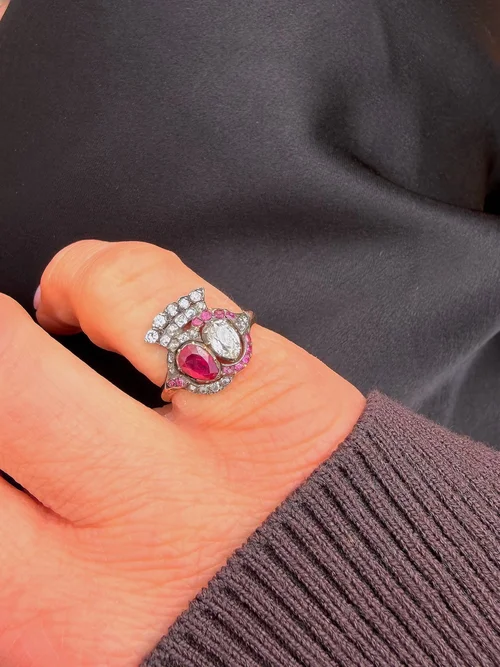 Georgian Gold Natural Ruby and Diamond Cluster Ring£8,950
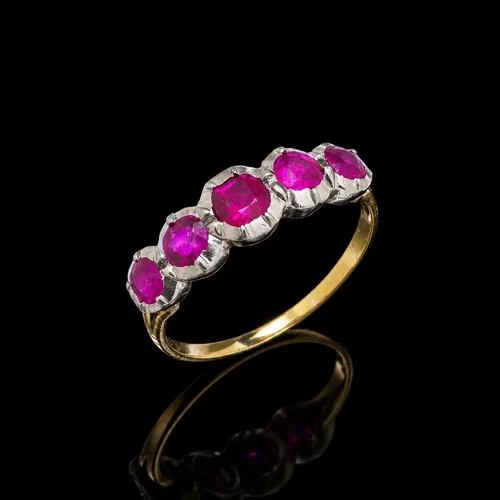
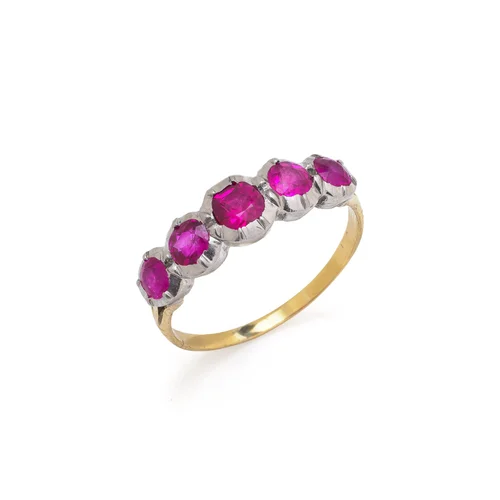 Edwardian Ruby Five Stone Ring, 18KT Gold, 1.10 ct, c. 1910£2,950
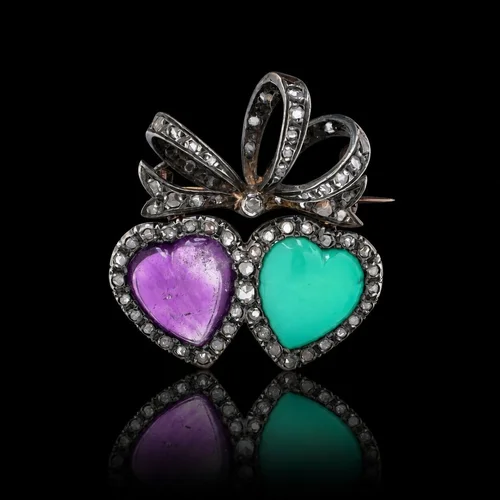
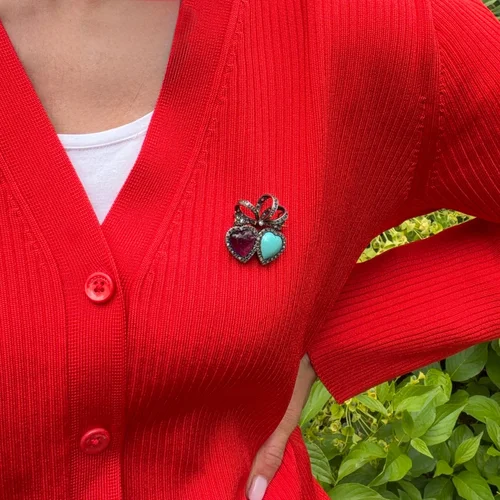 Victorian 9KT Gold and Silver Turquoise, Amethyst and Diamond Double Heart Brooch£6,950
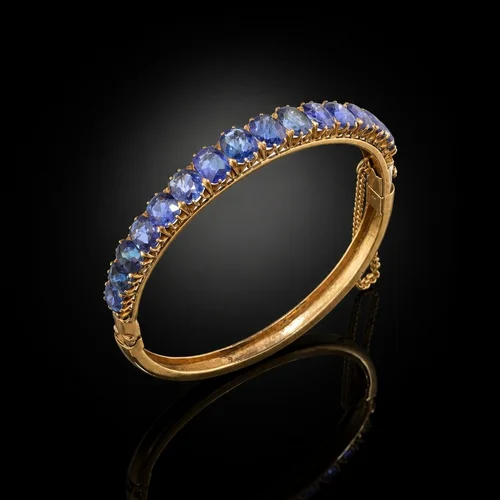
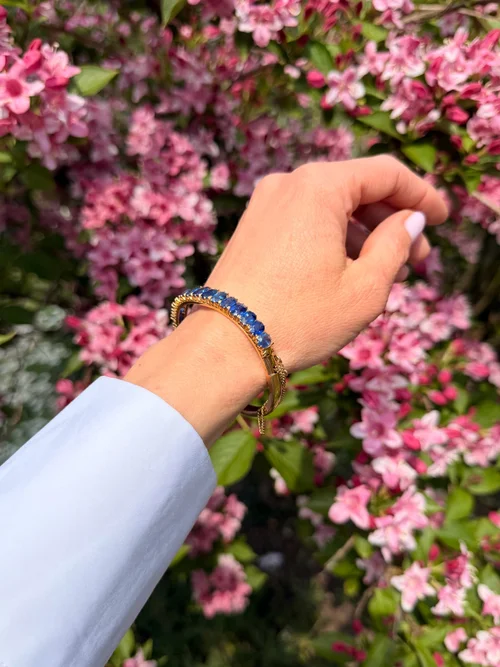 Victorian Sapphire Bangle, 18KT Gold, 10.20 ct Graduated Sapphires£6,975
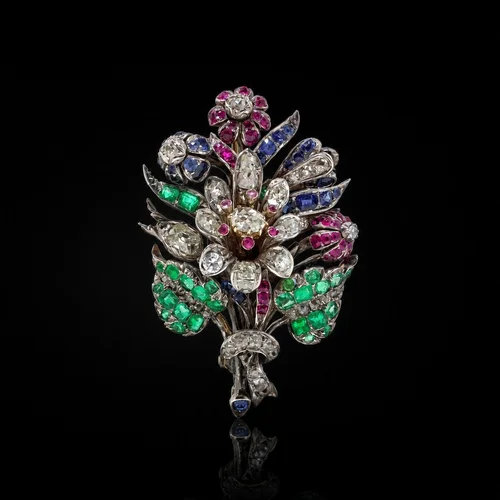
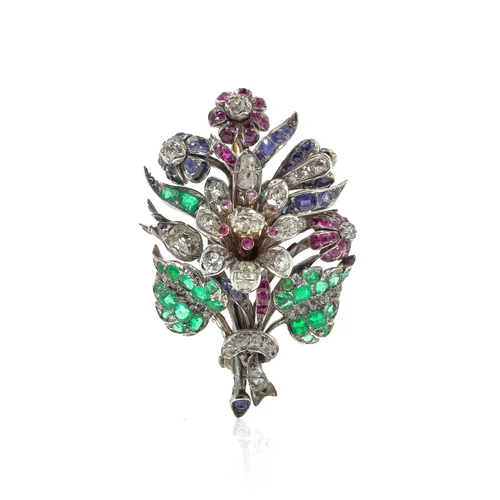 Victorian 9KT Gold and Silver Emerald, Ruby, Sapphire and Diamond Floral Brooch£5,950
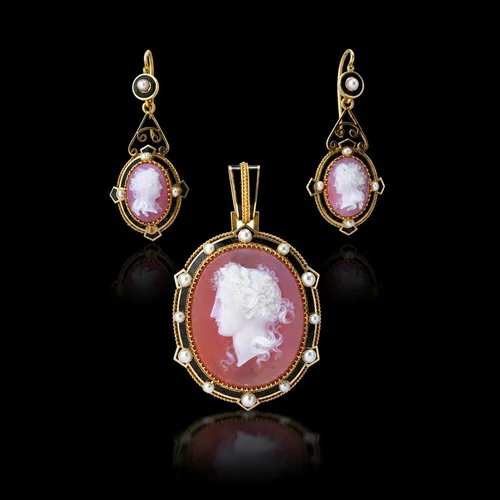
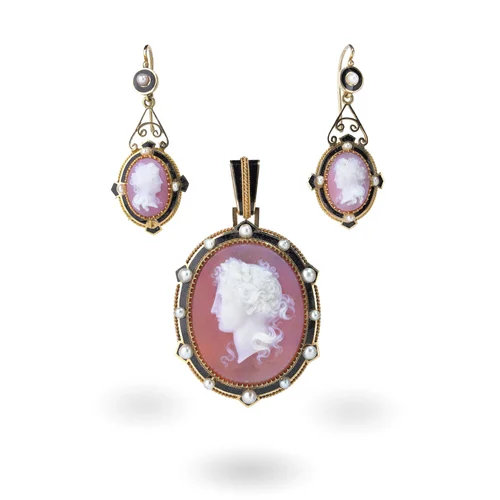 Victorian Carnelian Cameo Pendant and Earrings Suite in 18KT Gold£6,875
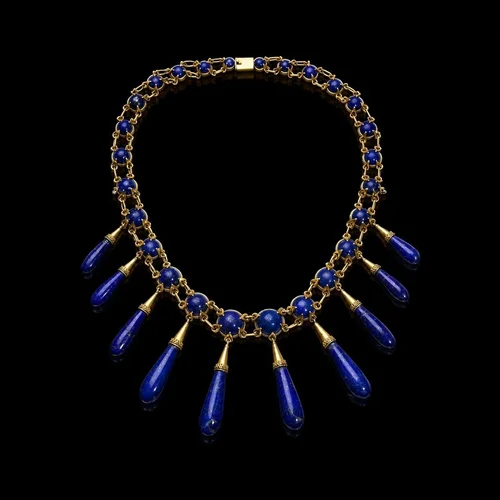
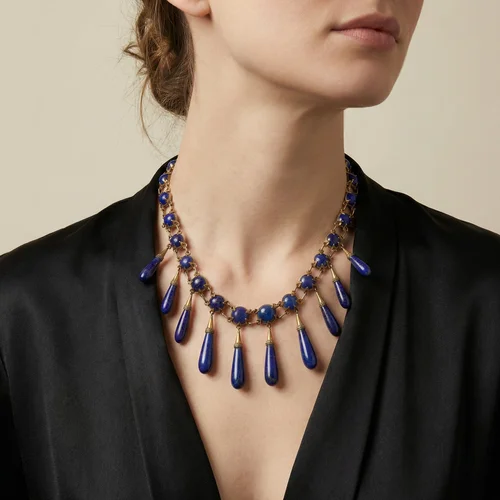 Victorian 15KT Gold Natural Lapis Lazuli Fringe Necklace£12,985
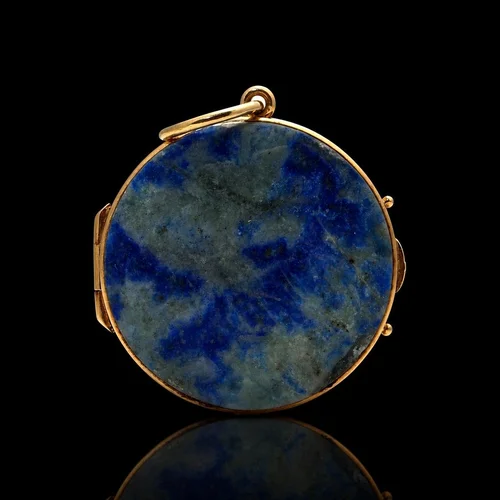
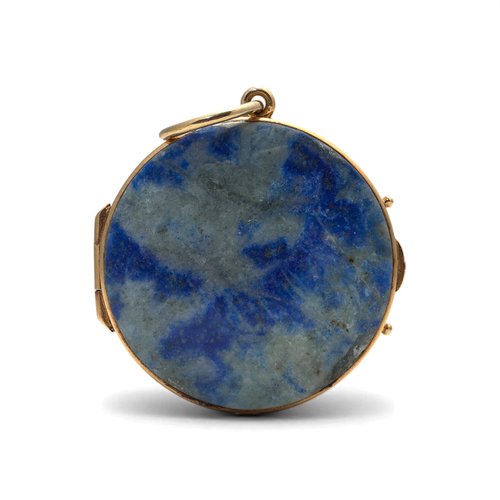 Antique 18KT Gold Lapis Lazuli Religious Icon Locket Pendant£2,985
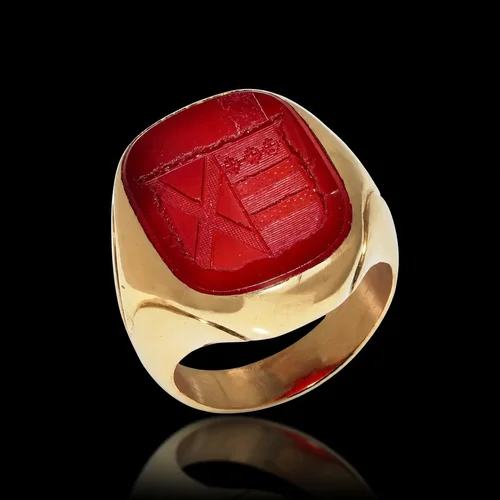
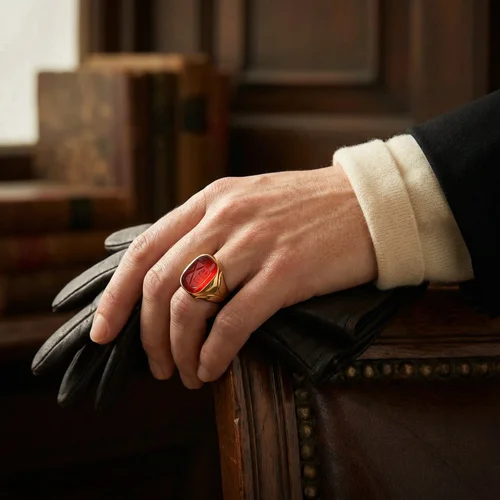 Antique Carnelian Signet Ring, 18KT Gold Intaglio with Coat of Arms£3,975
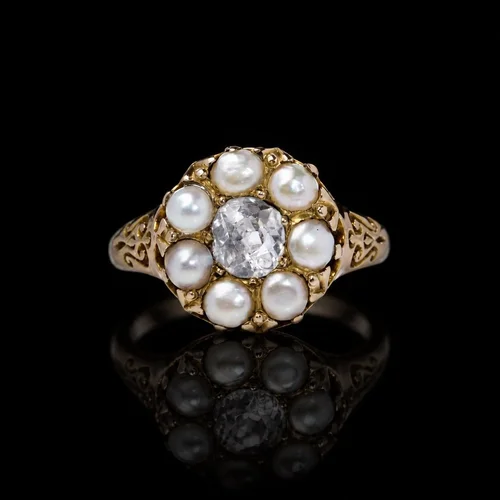
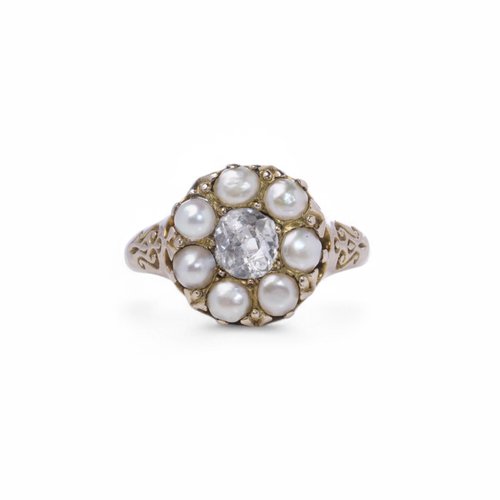 Antique 9KT Yellow Gold Pearl and Old Mine Diamond Cluster Ring£2,985
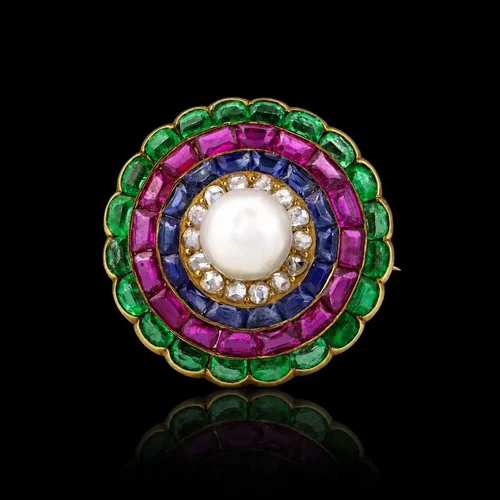
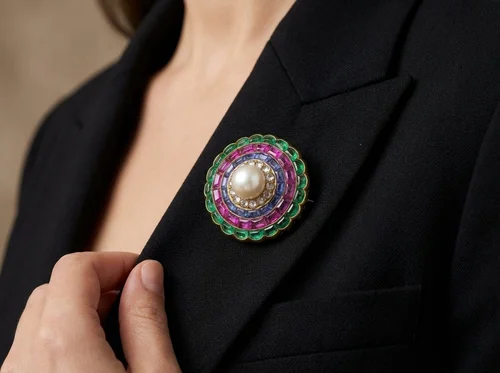 Antique 19th Century Gold Multi Gem & Natural Pearl Brooch£8,975
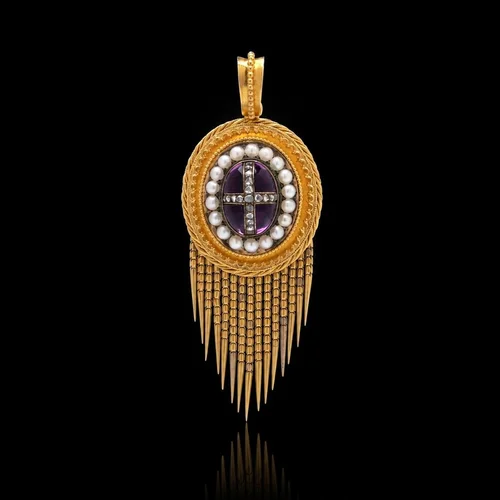
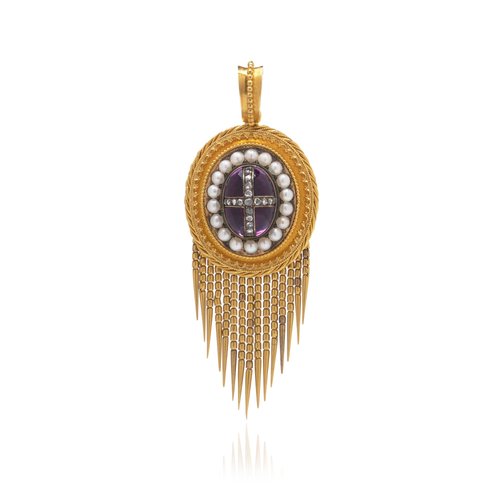 Victorian 21KT Gold Amethyst, Pearl and Diamond Pendant£6,995
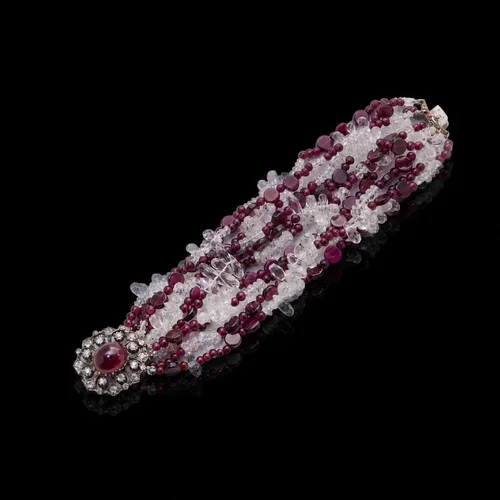
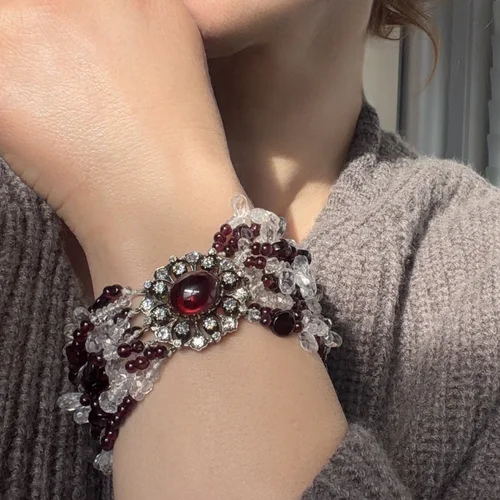 Victorian Garnet, Quartz & Diamond Multi-Strand Bead Bracelet£2,950
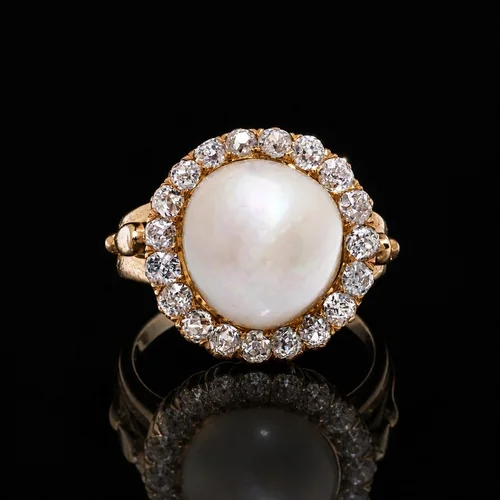
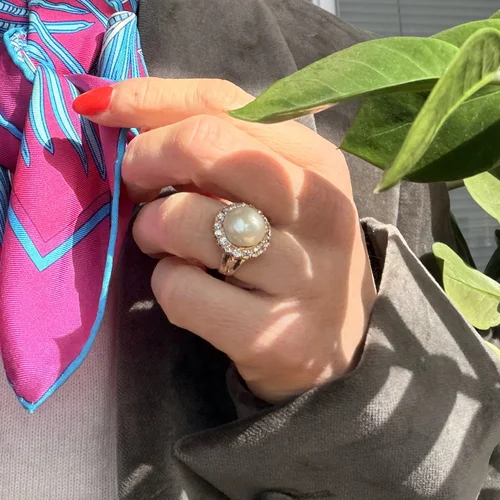 Edwardian 18KT Gold Natural Pearl & Diamond Cluster Ring, Circa 1910£3,895
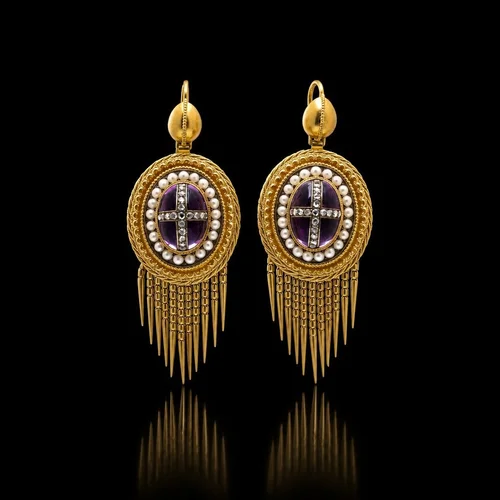
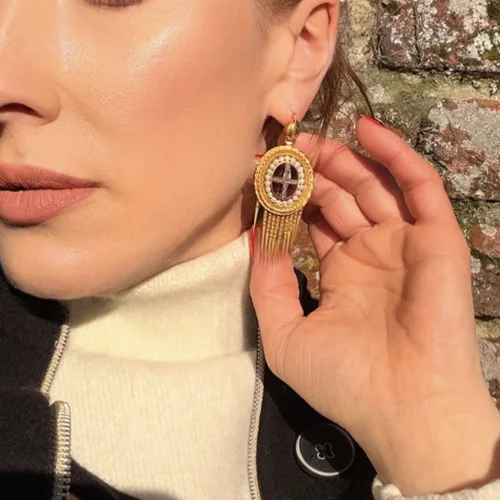 19th Century 21KT Gold Amethyst, Pearl & Diamond Earrings£17,813
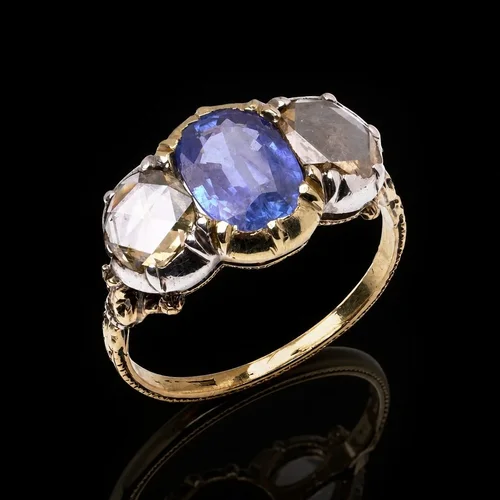
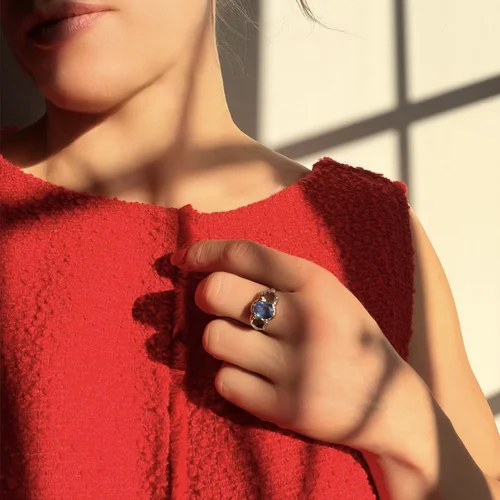 Victorian 18KT Gold Ceylon Sapphire & Rose Cut Diamond Three-Stone Ring£12,850
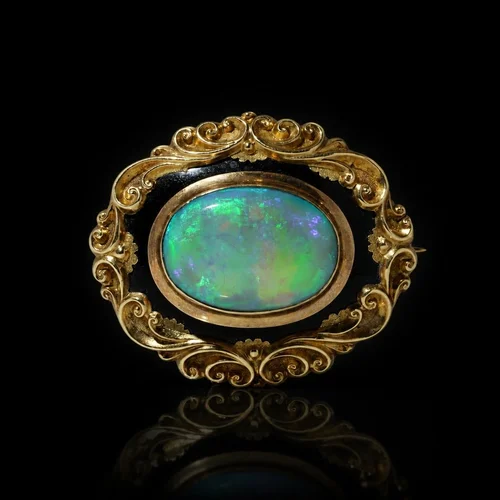
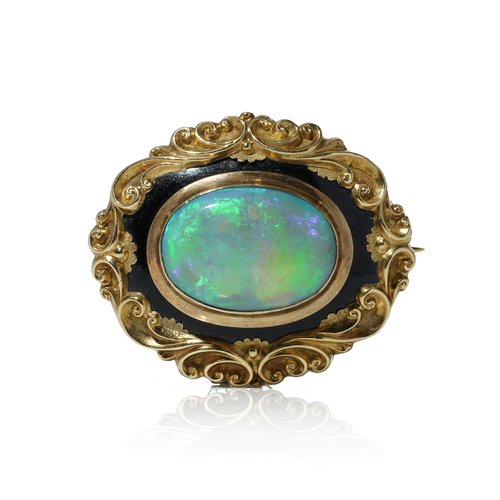 Victorian Opal and Black Enamel Brooch in 9KT Gold£8,675
Questions
What stones are in this collection?
Semi-precious gems such as amethyst, garnet, opal, aquamarine, turquoise, topaz, citrine, coral, jade and more, set in antique and vintage pieces.
Are these stones natural?
Yes, natural stones, assessed in-house, with any known treatment noted on the listing.
Are gemstone pieces suitable for daily wear?
It depends on the stone: opal and turquoise are softer and need care; amethyst, garnet and aquamarine are harder-wearing. We advise per piece.
Can I see more photos or a video?
Yes, contact us with the title and we'll send extra images and a short video.
Do you buy gemstone jewellery?
Yes, send photos through our valuation form for a free, no-obligation offer.
How can you tell real turquoise from fakes and treated stones?
Much turquoise is stabilised with resin to harden it, and some is dyed or reconstituted from powder. Common fakes are dyed howlite or magnesite, which show white through scratches, and plastic. Natural turquoise often has a brown or black matrix that is part of the stone. A laboratory can confirm treatment.
More questions (37)
What is a squash blossom necklace?
A squash blossom necklace is a Navajo silver necklace of beads with blossom-shaped ornaments and a crescent pendant called a naja, often set with turquoise. The style developed in the American Southwest in the late 19th century. Signed pieces by known Navajo and Zuni silversmiths are collected.
What is the difference between jadeite and nephrite jade?
Jade is two different minerals. Jadeite, mainly from Myanmar, is the rarer and can be intensely green and translucent; nephrite, from China, New Zealand, Canada and elsewhere, is tougher and often creamy or spinach green. Mutton fat jade is a creamy white nephrite prized in Chinese carving.
How do I know if jade is real, and what should I consider before selling it?
Real jade feels cold, heavy and smooth, but many green stones are sold as jade. For jadeite, a laboratory report states whether it is untreated (type A), bleached and polymer filled (type B) or dyed (type C), which matters greatly. Keep any report and send photographs of carvings and marks for a free valuation.
Where does lapis lazuli come from?
The classic source of lapis lazuli is Badakhshan in Afghanistan, mined for thousands of years for its deep blue with gold-coloured pyrite flecks. Chilean lapis, from the Andes, is usually lighter blue with more white calcite. Lapis is fairly soft, about 5 to 6 on the Mohs scale, so it suits pendants and cufflinks.
What colours does garnet, the January birthstone, come in?
Garnet is a family of minerals. Pyrope and almandine are the familiar deep reds of Victorian jewellery; spessartine is orange; demantoid and tsavorite are green; rhodolite is purplish red. Only blue is almost unknown. Garnet is about 6.5 to 7.5 on the Mohs scale, durable enough for rings.
What is morganite?
Morganite is pink to peach beryl, the same mineral as emerald and aquamarine. George Kunz of Tiffany & Co. named it in 1911 after the banker J. P. Morgan. It is about 7.5 to 8 on the Mohs scale, often found in large clean crystals, so big morganite rings of 10 ct and more are possible.
What are Siberian, green and other amethyst names?
Amethyst is purple quartz. Siberian amethyst is a trade name for deep purple stones with red and blue flashes, after the old Russian mines. Green amethyst, properly called prasiolite, is amethyst heated until it turns green. Amethyst is about 7 on the Mohs scale and is the February birthstone.
How can I tell if alexandrite is real?
Natural alexandrite is a chrysoberyl that changes colour, from green or bluish green in daylight to red or purplish red under incandescent light. Synthetic alexandrite and colour-change synthetic corundum or spinel are common, often sold as alexandrite in vintage rings. Only a laboratory can confirm a natural stone.
What are moonstone, bloodstone and onyx?
Moonstone is a feldspar with a soft blue or white glow called adularescence. Bloodstone is dark green chalcedony with red spots, the traditional March birthstone. Onyx is black or banded chalcedony, used for signet rings, cameos and Art Deco jewellery. All three are popular in antique pieces.
What types of coral and amber jewellery are there?
Precious coral, from red to pink to white, was carved into beads and cameos, especially in Italy, and is now restricted for some species. Amber is fossilised tree resin, often Baltic, light and warm to touch; copies are plastic or pressed amber. Both are soft and should be kept from heat and chemicals.
What are topaz colours, including yellow and grey?
Topaz comes in colourless, yellow, orange, pink, blue and brown. Golden to sherry yellow topaz was the classic colour of Georgian and Victorian jewellery, and imperial topaz is orange to pinkish orange. Most blue topaz is treated colourless topaz. Topaz is 8 on the Mohs scale but can split along its cleavage.
Where can I sell loose gemstones?
Loose gemstones can be sold to specialist jewellery buyers, gem dealers and auction houses. Stones with a laboratory report from GIA, GRS, SSEF or a similar laboratory are easiest to value. Send photographs and any report number for a free valuation; unreported stones can be assessed in person by appointment.
Which gemstones change colour in different light?
Alexandrite is the best-known colour-change gem, green in daylight and red or purplish red under incandescent light. Some sapphires, garnets and spinels also change colour, and synthetic corundum is often made to imitate alexandrite. A laboratory confirms whether a colour-change stone is natural.
What is a cat's eye gemstone?
A cat's eye gem shows a single bright line of light across a cabochon dome, called chatoyancy, caused by fine parallel needles or fibres inside the stone. The finest is cat's eye chrysoberyl; quartz, tourmaline and other gems show the effect too. The line moves as the stone is turned.
What is tektite?
Tektites are natural glass formed when meteorite impacts melted rock and threw it into the air, where it cooled. Moldavite, a green tektite from the Czech Republic, is the best known in jewellery. Tektites are glass, softer than most gems, and imitations in green bottle glass are common.
What black gemstones are used in rings?
Black gems in rings include onyx, the most common in signet and Art Deco rings; black spinel, which is hard and bright; black diamonds, usually treated; jet, used in Victorian mourning jewellery; and black sapphire and hematite. Hardness varies greatly, so onyx and jet need more care than spinel or diamond.
Which blue and green gemstones suit daily wear?
For daily wear, choose harder stones: sapphire (9 on the Mohs scale) in blue or green, aquamarine and emerald (about 7.5 to 8), blue and green tourmaline (7 to 7.5), and blue topaz (8). Turquoise, opal and malachite are softer and better in earrings and pendants.
How do gemmologists identify a rough or loose gemstone?
Gemmologists combine colour and lustre with measured properties: refractive index on a refractometer, specific gravity, hardness, pleochroism through a dichroscope, and inclusions under magnification. Origin and treatment often need a laboratory. Colour alone cannot identify a gem, so identification charts only narrow the options.
What does jade symbolise?
Jade has stood for virtue, purity, wisdom and long life in Chinese culture for thousands of years, and it is given at births, weddings and birthdays as a protective stone. The English word comes from the Spanish piedra de ijada, or loin stone, from the old belief that jade cured kidney complaints.
What colours does jadeite come in, including brown jadeite?
Jadeite occurs in emerald green, apple green, lavender, white, black, yellow and reddish to brown shades. Brown and red tones come from iron staining near the surface of the boulder, and carvers often use that skin colour in a design. Strong, even, translucent green is the colour the trade calls imperial jade.
What should I look for in a vintage or carved jade bangle?
Check whether the bangle is jadeite or nephrite, whether it is untreated jade (sold as Type A) or bleached and polymer filled, and look for cracks by holding it to a light. Carved bangles show crisp, even detail. A thin bangle still needs a careful fit check, because jade cannot be resized. Taiwanese jade is nephrite from Hualien.
Which stones are sold as jade but are not jade?
Green quartz and aventurine, serpentine (sold as new jade), chrysoprase, prehnite, dyed quartz sold as Malaysia jade, and glass are all offered as jade. Only jadeite and nephrite are true jade. A gemmologist separates them by refractive index, specific gravity and spectrum, and a laboratory report confirms any treatment.
What is moss agate?
Moss agate is a translucent colourless or milky chalcedony containing green, brown or black branching inclusions of minerals such as chlorite and manganese or iron oxides, which look like moss or trees. Unlike other agates it is not banded. It was set in Georgian and Victorian rings and brooches and in Scottish pebble jewellery.
What is carnelian?
Carnelian is a translucent orange to reddish brown chalcedony coloured by iron oxide. It is tough and takes a fine polish, so it was carved for Roman intaglios and for Georgian and Victorian fob seals and signet rings, where the engraved stone pressed a design into sealing wax. Much modern carnelian is heated or dyed agate.
Is blue topaz a natural colour?
Almost all blue topaz on the market is colourless topaz that has been irradiated and then heated to turn it blue, a stable and permanent treatment. Sky blue, Swiss blue and London blue are trade names for its shades. Natural blue topaz exists but is pale. Antique topaz jewellery is more often golden or sherry coloured.
Where can I buy genuine gemstone jewellery?
Buy from a jeweller or dealer who names each stone, states any treatment and offers a returns period. Antique gemstone jewellery has the advantage of age: its hallmarks date the mount, and the cutting style shows when the stone was cut. Mozeris Fine Antiques lists every stone and metal and accepts returns within 14 days.
What is red jasper?
Red jasper is an opaque, fine-grained form of quartz coloured brick red by iron oxide. It takes a high polish and has been carved into seals and beads since antiquity. In Victorian Scottish pebble jewellery it was set in silver brooches and bracelets beside agate, bloodstone and other Scottish stones.
What are zodiac stones, and how do they differ from birthstones?
Zodiac stones are linked to the twelve star signs, which run from about the 21st of one month to the 20th of the next, so they differ from birthstones, which follow calendar months. Zodiac lists vary between traditions. Birthstones were standardised in the USA in 1912 and in Britain in 1937.
What is ammolite?
Ammolite is an organic gem cut from the fossilised shells of ammonites, made of layered aragonite that shows vivid iridescent red, green and blue. It is mined in southern Alberta, Canada, and was recognised as a gemstone in 1981. Because the colour layer is thin, most ammolite is sold as doublets or triplets.
What are the twelve gemstones of the New Jerusalem?
The Book of Revelation (21:19 to 20) lists twelve stones in the foundations of the New Jerusalem: jasper, sapphire, chalcedony, emerald, sardonyx, sardius, chrysolite, beryl, topaz, chrysoprase, jacinth and amethyst. They echo the twelve stones of the High Priest's breastplate and helped shape later birthstone lists.
What is a Navaratna ring?
A Navaratna ring is set with nine gems linked to the nine celestial bodies of Vedic astrology: ruby, pearl, red coral, emerald, yellow sapphire, diamond, blue sapphire, hessonite garnet and cat's eye chrysoberyl. Hessonite is associated with Rahu and cat's eye with Ketu. The ruby traditionally sits at the centre.
Do you sell antique citrine and peridot rings?
Citrine and peridot pieces are listed in our gemstone jewellery as they come into stock. Citrine is a golden quartz popular in Victorian and Retro jewellery; peridot is a bright green gem used in Victorian and Edwardian rings and pendants.
What is lapis lazuli jewellery?
Jewellery set with lapis lazuli, a deep blue stone flecked with gold-coloured pyrite. It was used for intaglio signet rings, cufflinks and Egyptian revival and Art Deco jewellery.
Is moonstone used in antique jewellery?
Yes. Moonstone, with its soft blue sheen, was a favourite of Art Nouveau and Arts and Crafts jewellers around 1900, usually cut en cabochon and set in silver or gold.
Is antique coral jewellery real coral?
Antique coral jewellery is usually precious red, pink or angel skin coral, carved into cameos, beads and branches in the nineteenth century. Each of our listings names the material.
What is aventurine?
Aventurine is a quartz that glitters because it contains flat plates of another mineral. Green aventurine owes its colour and sparkle to fuchsite, a chromium mica, and red or brown stones to hematite or goethite. The name comes from the Italian a ventura, by chance, after goldstone glass, so buy from a dealer who tests stones.
What is gem silica?
Gem silica is a translucent blue to bluish green chalcedony coloured by copper, sometimes sold as chrysocolla chalcedony. It is harder and more translucent than ordinary chrysocolla. Fine material came from the Inspiration mine in Arizona and from the Lily mine in Peru. Colour, translucency and freedom from matrix decide quality.