
Antique Rings
41 genuine antique rings, each an original of its period, from Georgian rose cut diamonds to Art Deco platinum.
Free insured UK delivery · 14-day returns · Viewing in Mayfair or Braintree. Customs may apply outside the UK.
Georgian 4 rings

Victorian 12 rings
 Victorian Colombian Emerald and Diamond Cluster Ring, 9KT Gold and Silver£14,950
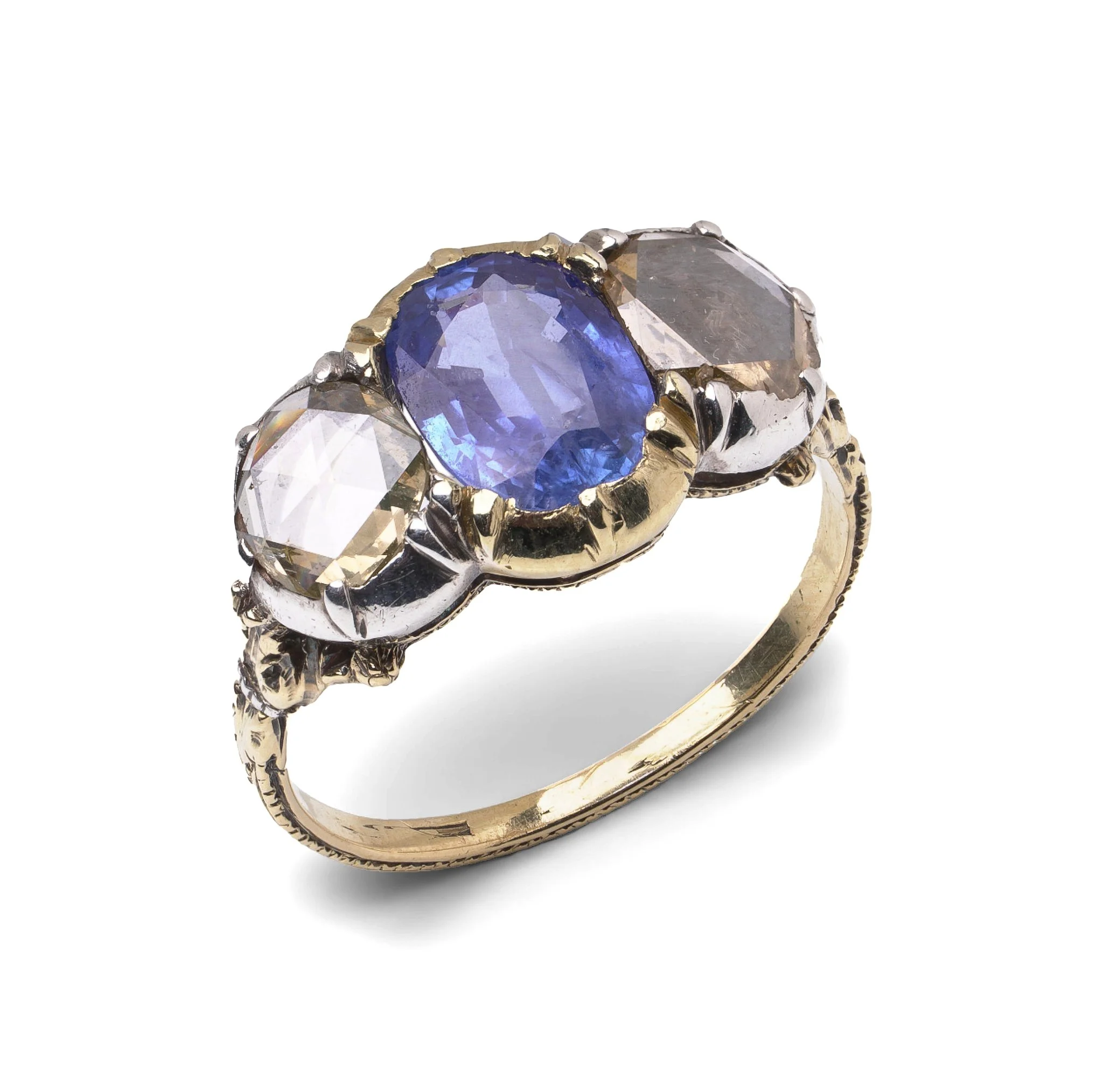 Victorian 18KT Gold Ceylon Sapphire & Rose Cut Diamond Three-Stone Ring£12,850
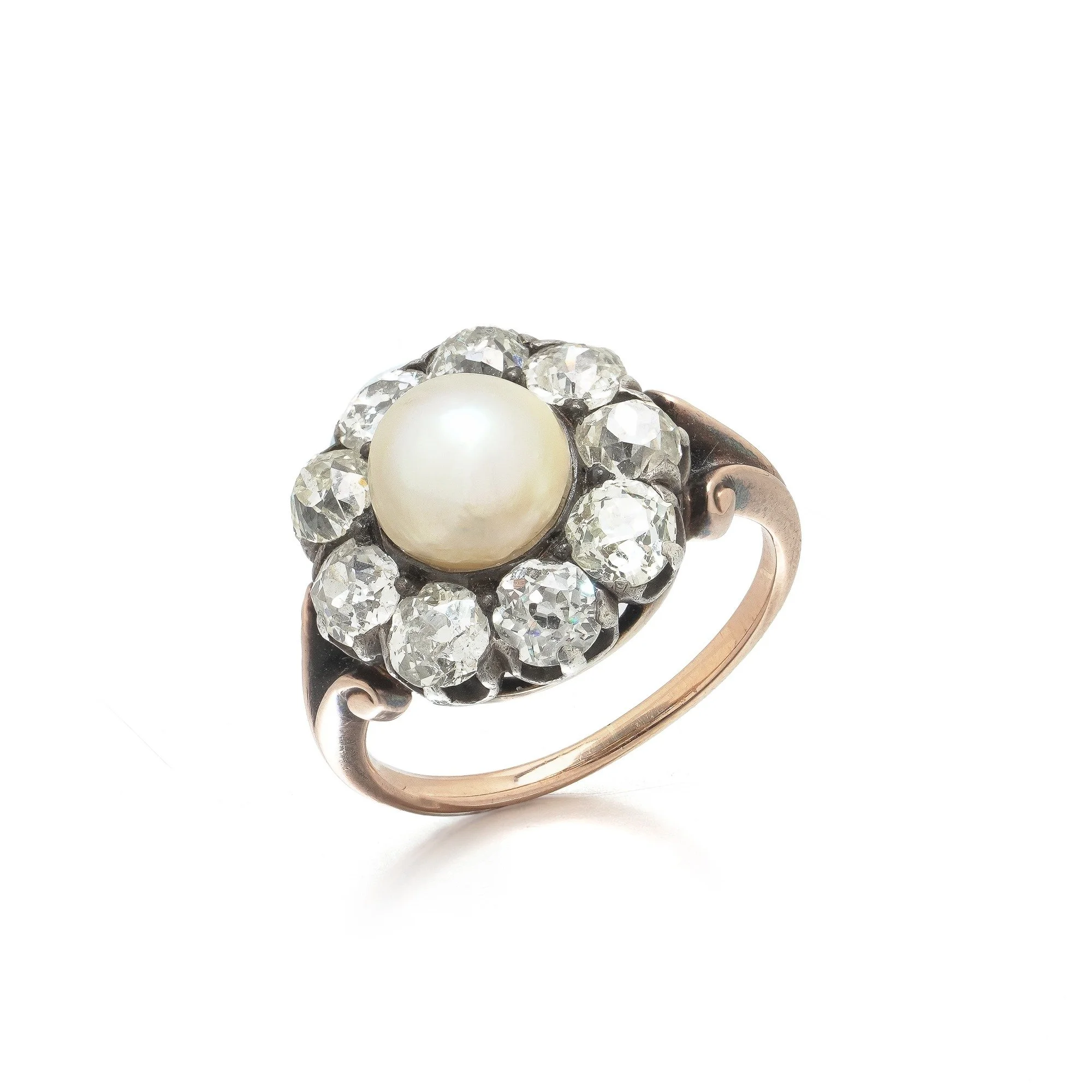 Victorian Natural Pearl & 2.70ct Old European Cut Diamond Cluster Ring, 18KT Gold£8,950
 Victorian 15KT Gold Five-Stone Sapphire Ring£6,950
 18KT gold Ruby, Diamond and Blue Sapphire Ring£6,745
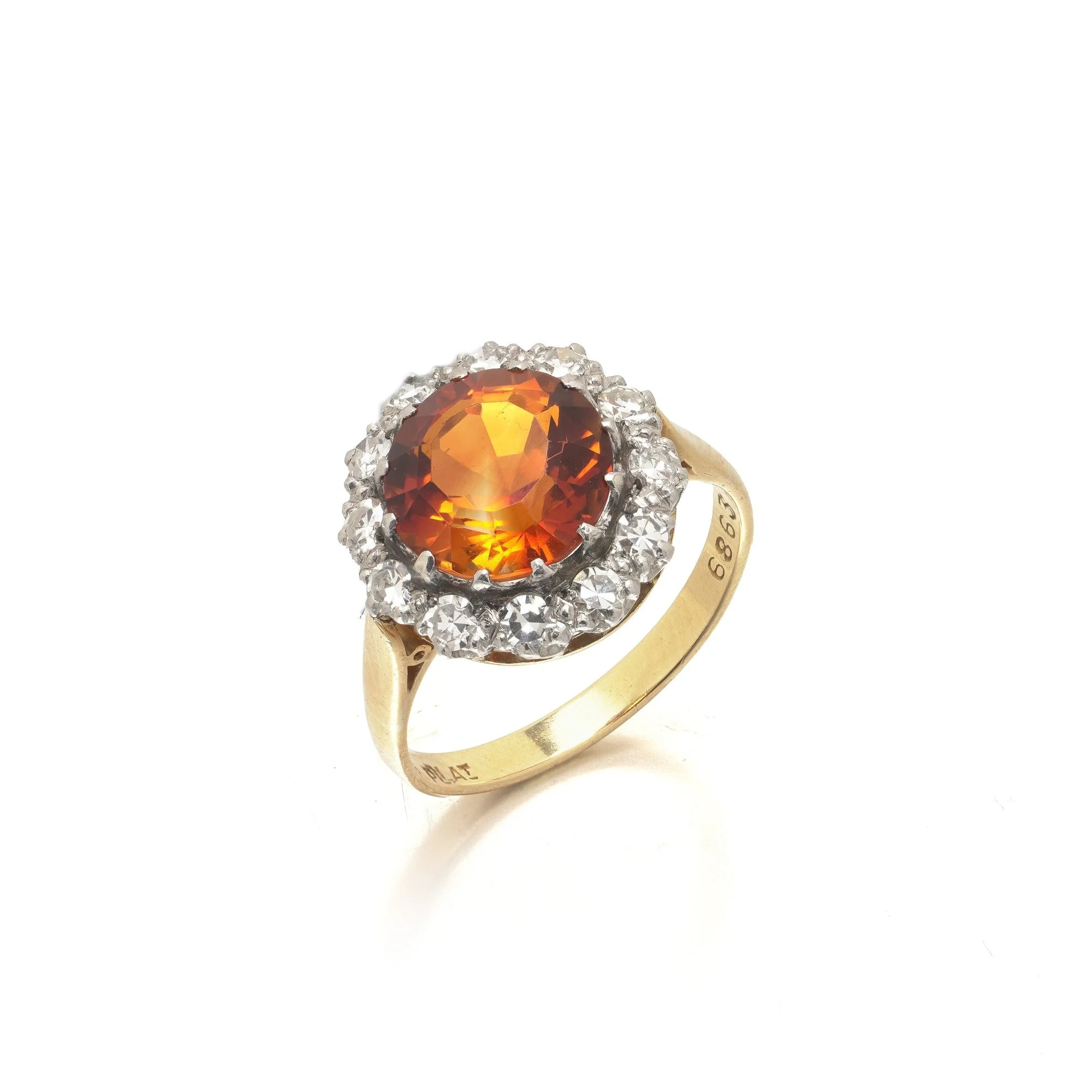
 Antique 18KT Gold & Silver Cluster Ring with Old-Cut Diamonds£5,950
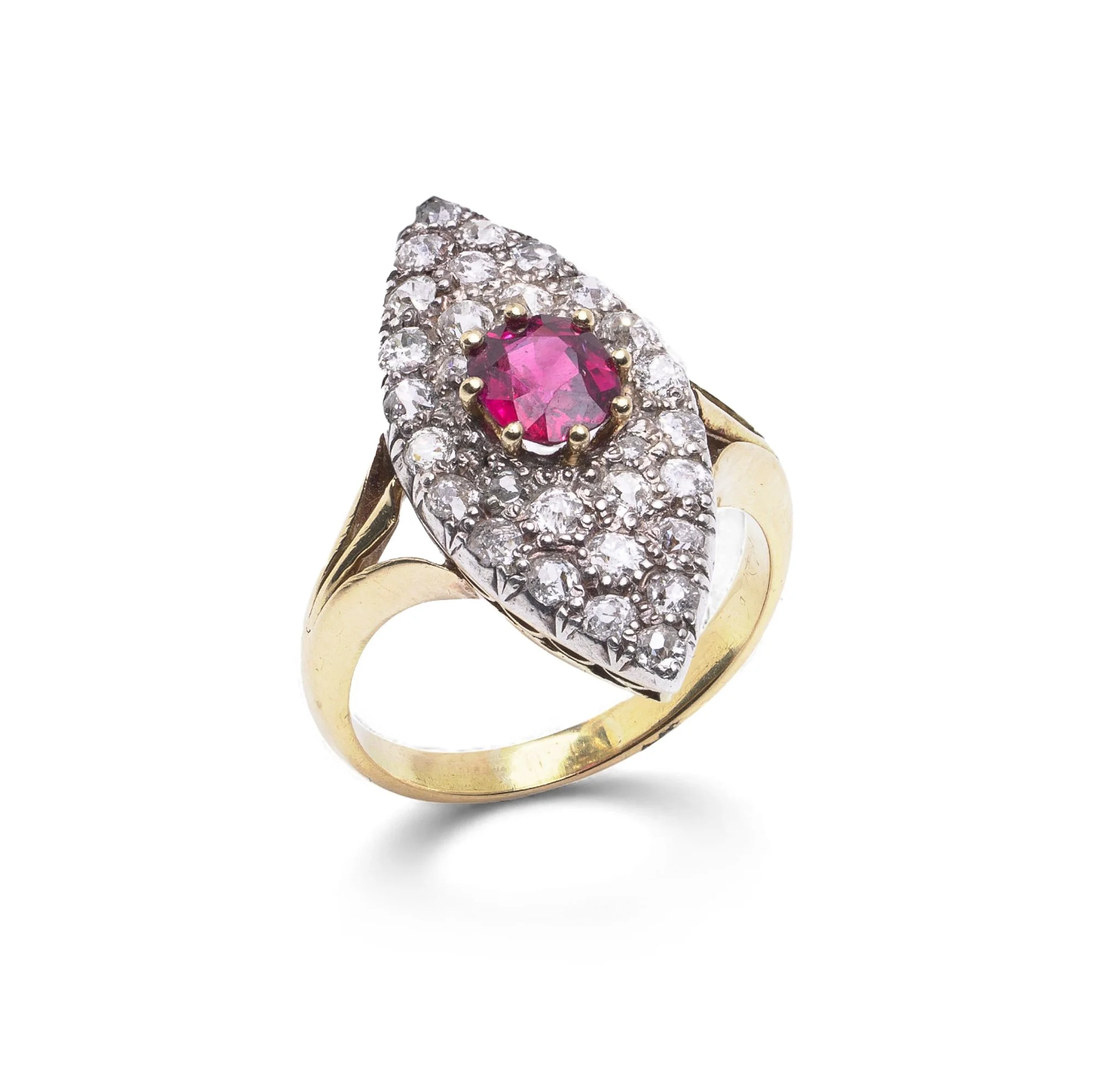 Victorian 18KT Gold Marquise Ruby & Diamond Cluster Ring£3,450
 Antique 9KT Yellow Gold Pearl and Old Mine Diamond Cluster Ring£2,985
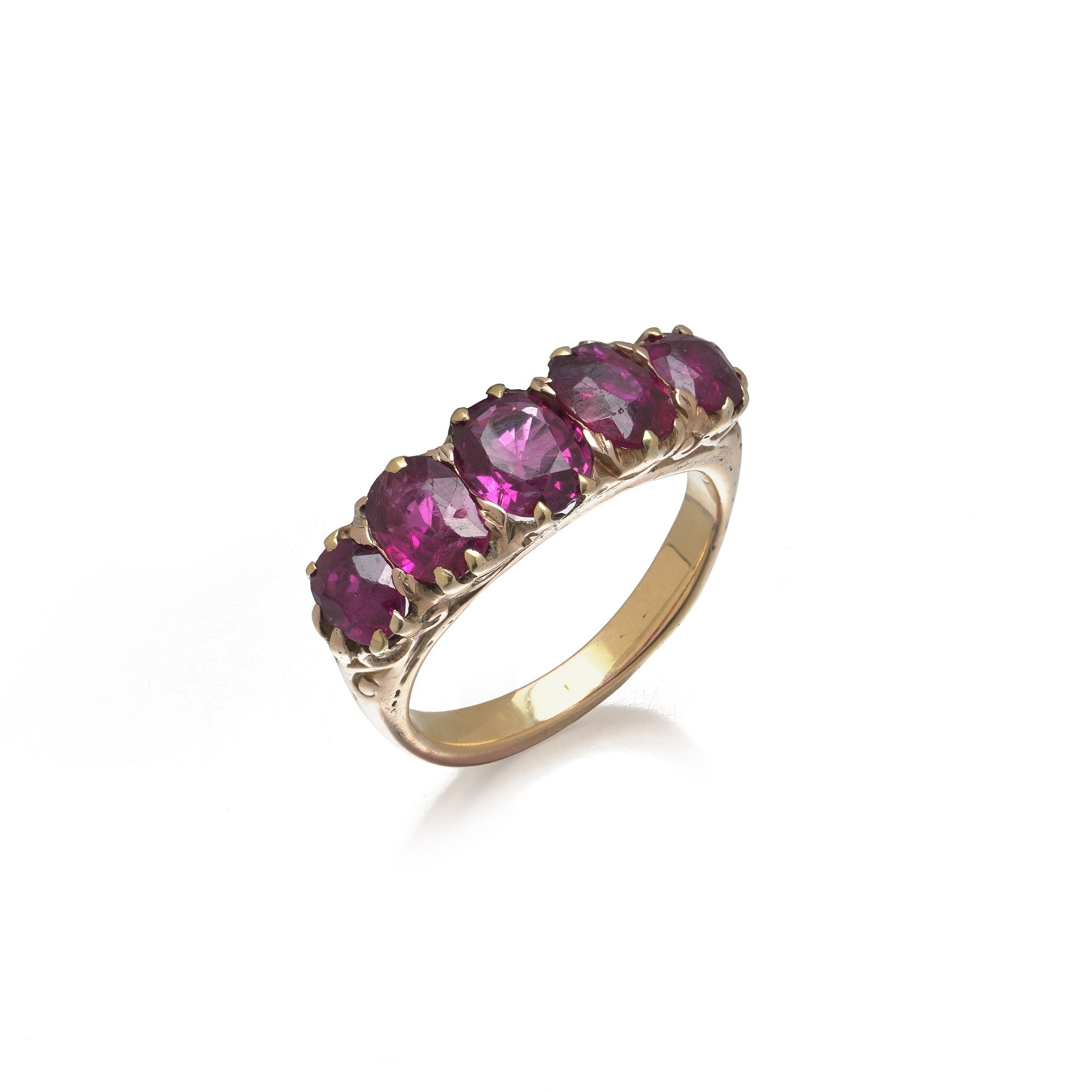 Victorian Gold Five Stone Ruby Ring, Approx. 2.50 ct£2,450
 Antique 18KT Gold Diamond Snake Ring£2,350
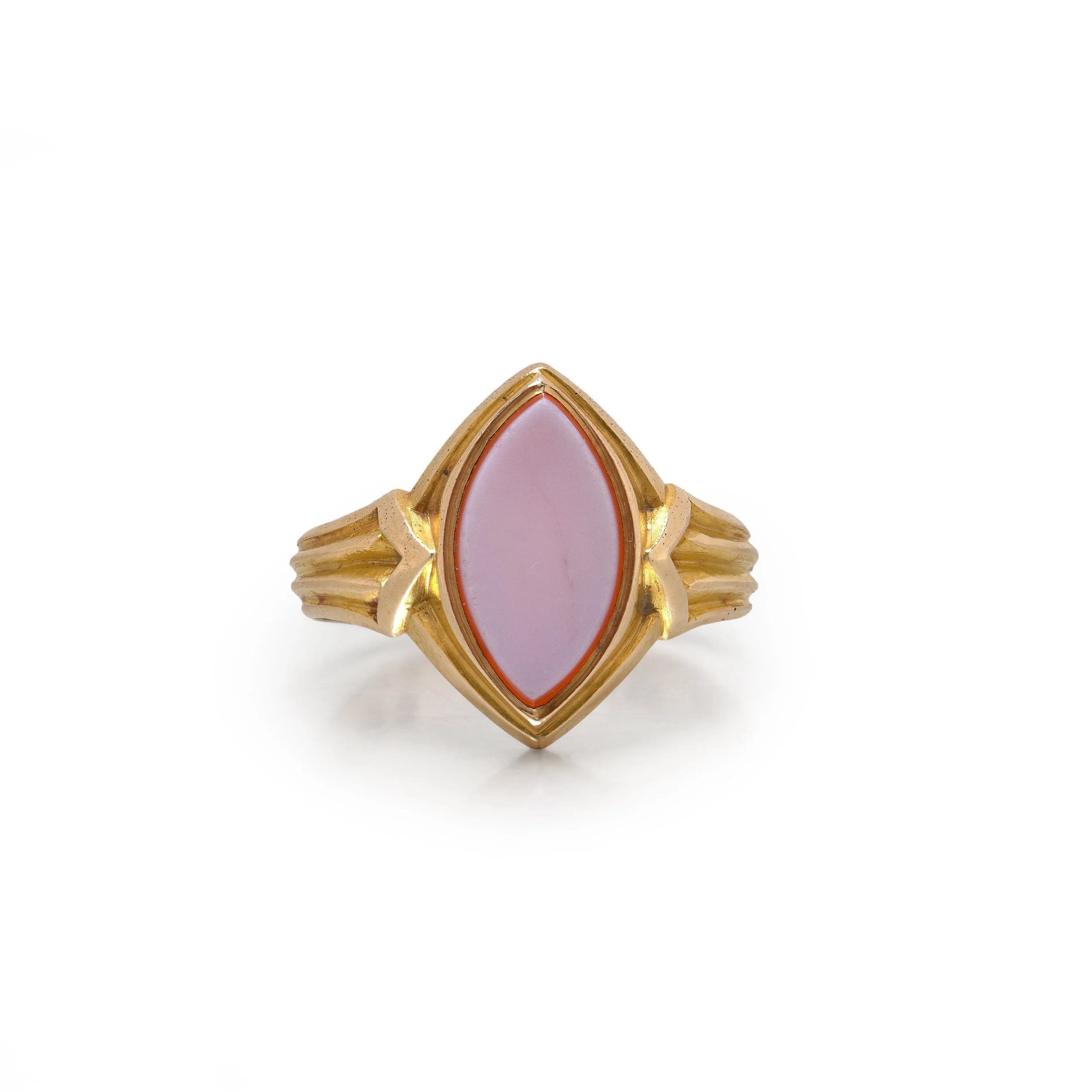 Antique 15KT Gold Banded Agate Marquise Ring, Reeded Chevron Shoulders£2,300
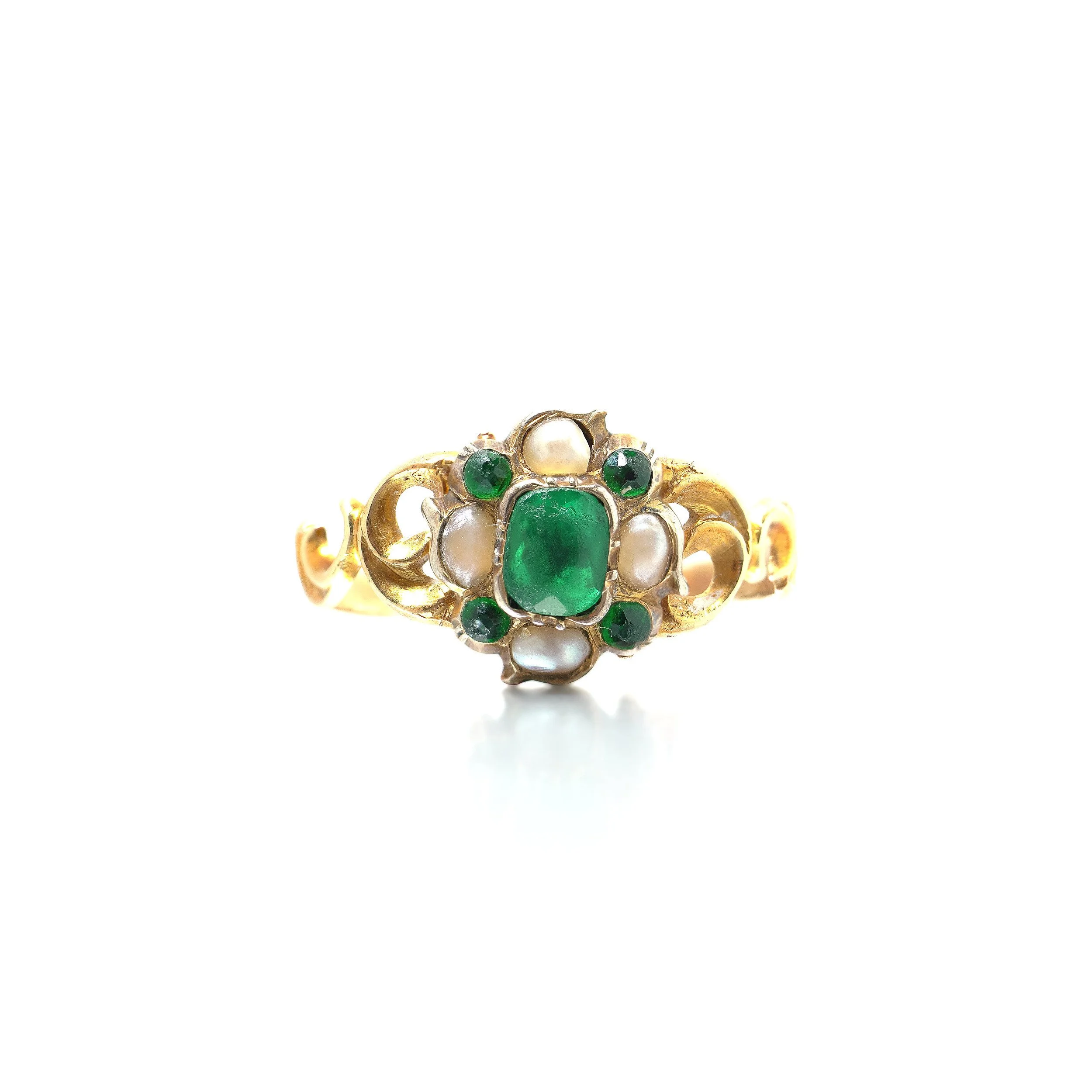 Victorian 18KT Gold Emerald and Pearl Cluster Ring, Pierced Scroll Shoulders£900
Edwardian and early 20th century 6 rings
 Early 20th Century 18KT Gold Ruby & Old European Cut Diamond Ring£9,850
 Edwardian 18KT Gold Natural Pearl & Diamond Cluster Ring, Circa 1910£3,895
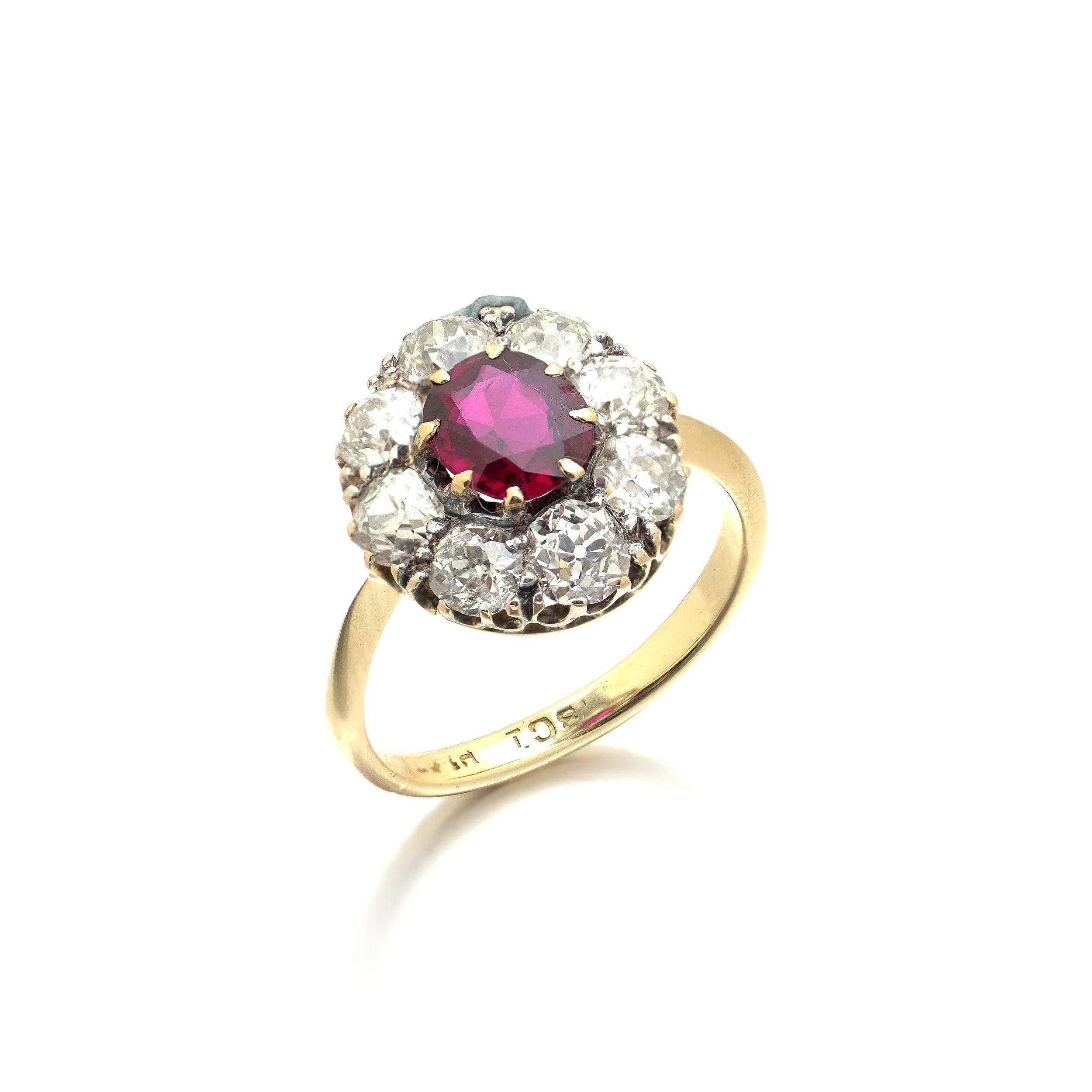 Edwardian 18KT Gold Natural Ruby and Old European Cut Diamond Cluster Ring£3,800
 Early 20th Century 18KT Gold Old European Cut Diamond Cluster Ring 2.60ct£3,450
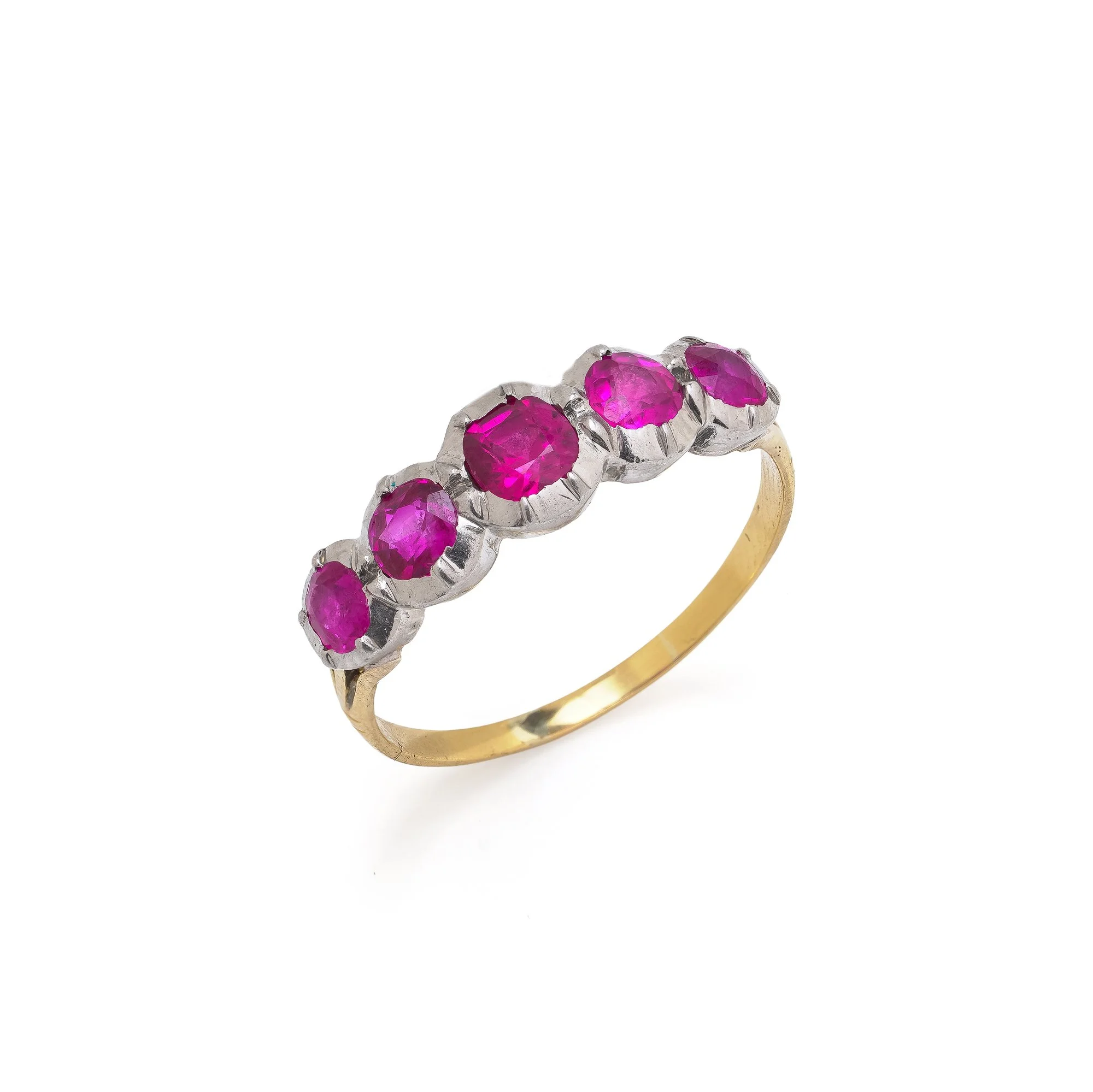 Edwardian 18KT Gold Natural Ruby Five Stone Ring£2,950
 Early 20th Century 18KT Gold Turquoise and Old Cut Diamond Cluster Ring£2,650
Art Deco 11 rings
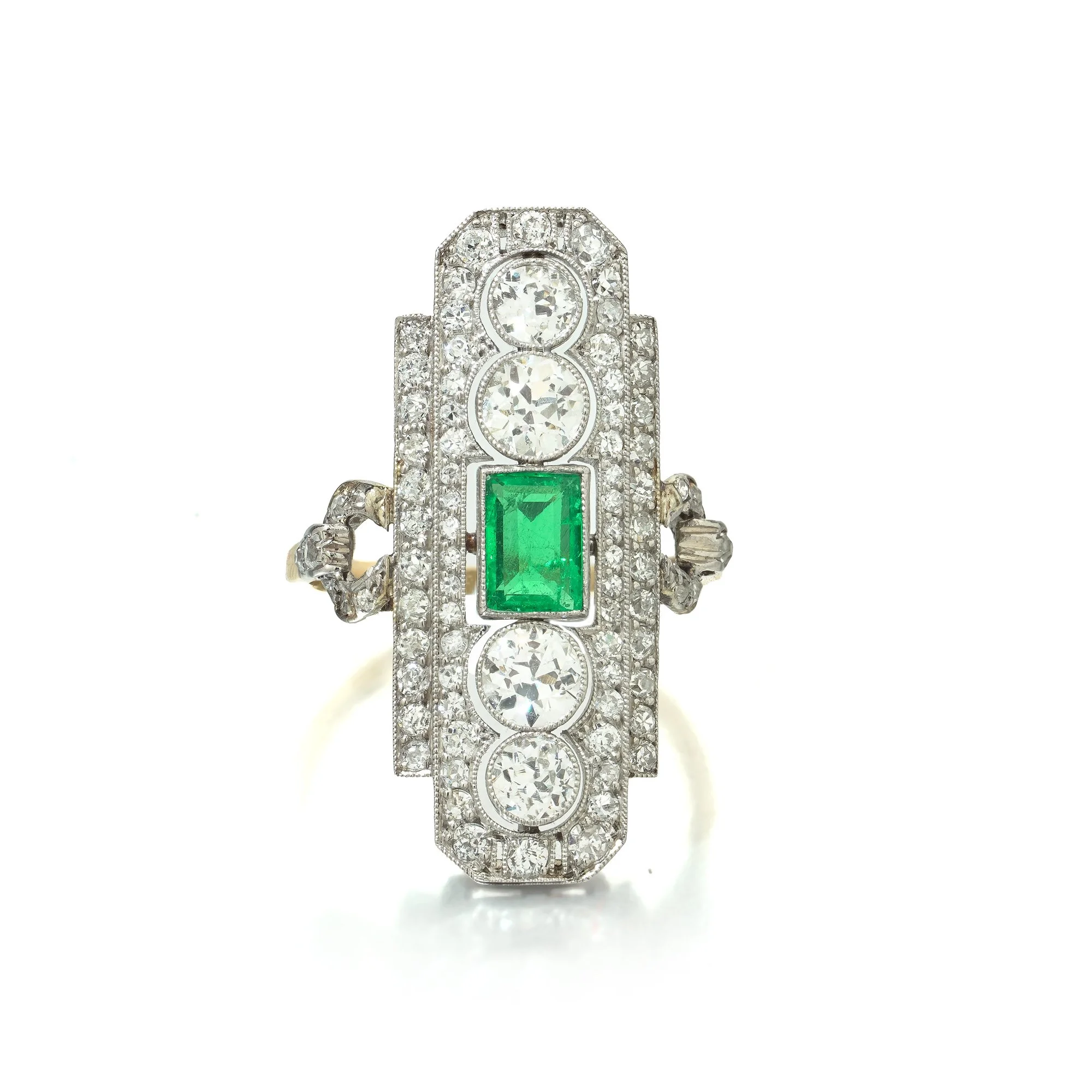 Art Deco Emerald and Diamond Plaque Ring, Platinum and 18ct Gold£11,500
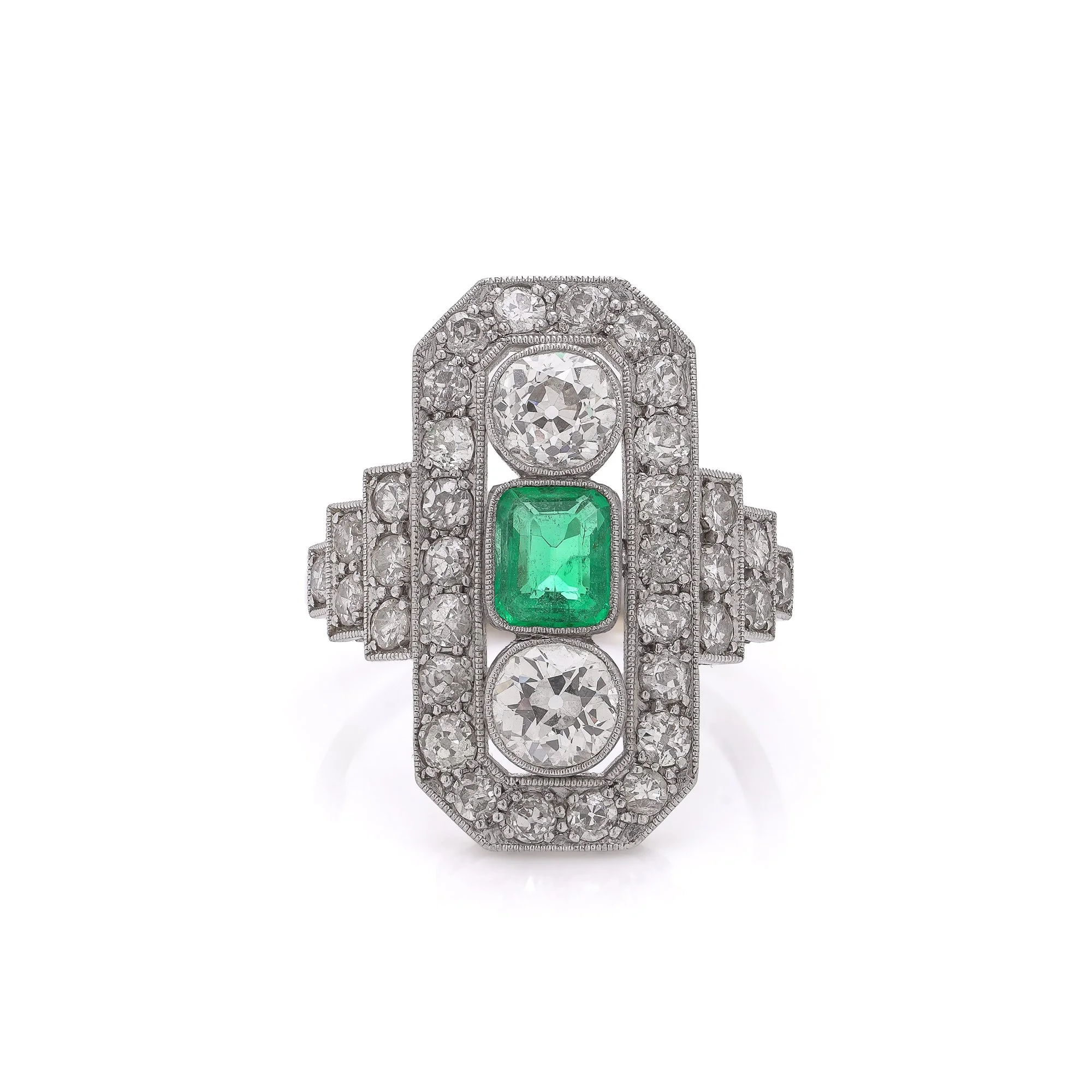 Art Deco Platinum & 18KT Gold Ring with Colombian Emerald and Old Cut Diamonds£9,850
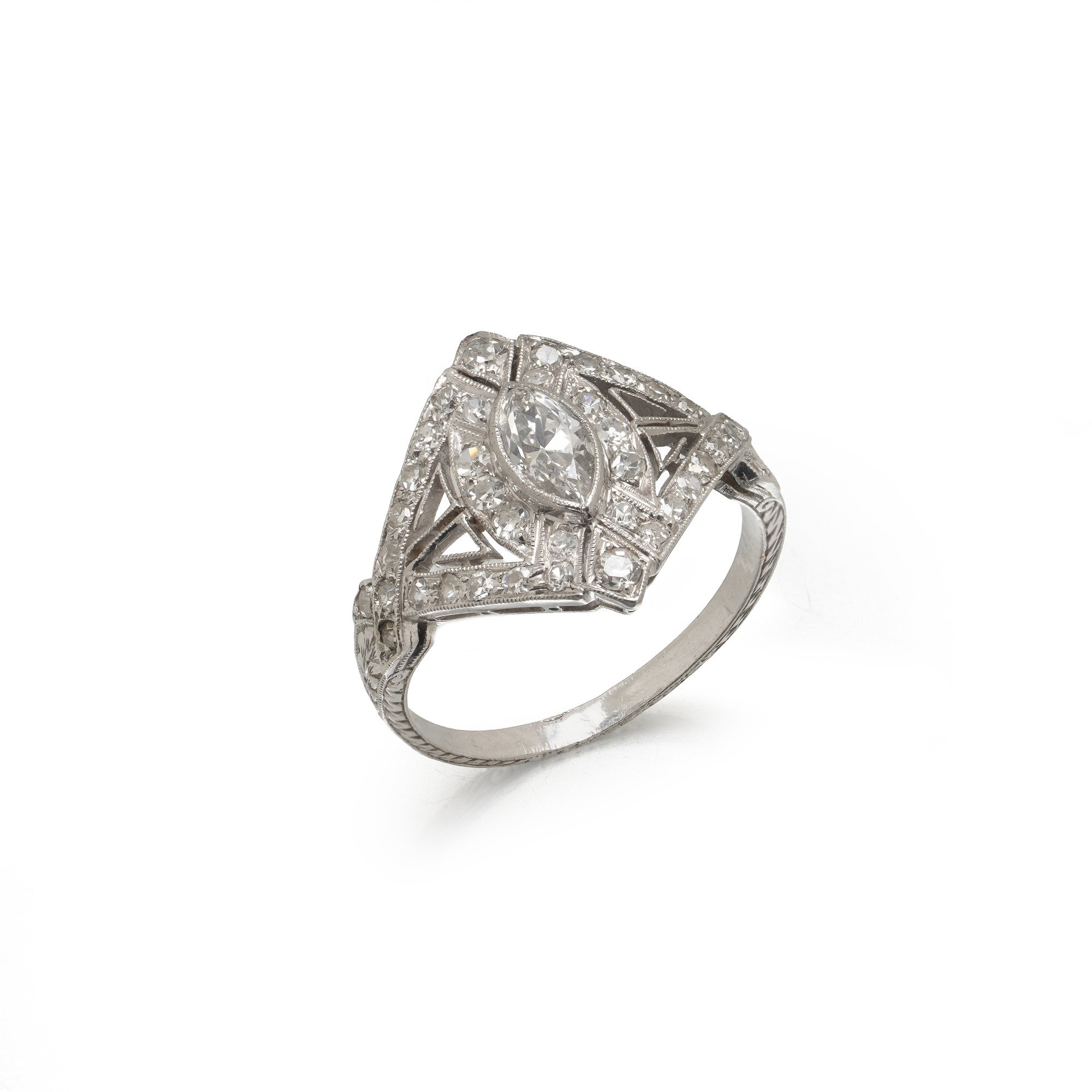 Art Deco Diamond Ring, Marquise Diamond Plaque£5,950
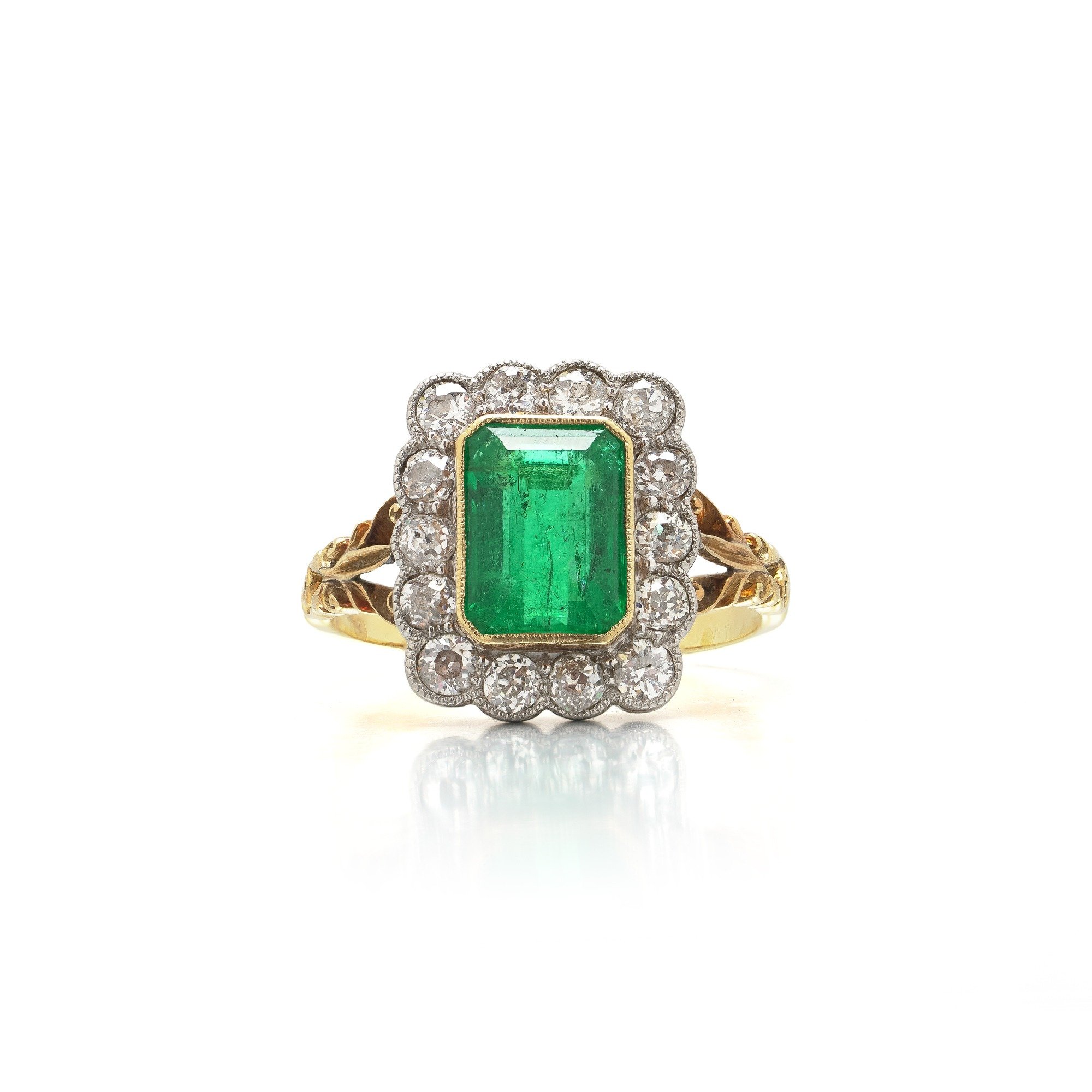 French Art Deco Colombian Emerald & Diamond Cluster Ring, Approx. 2.00 ct£5,950
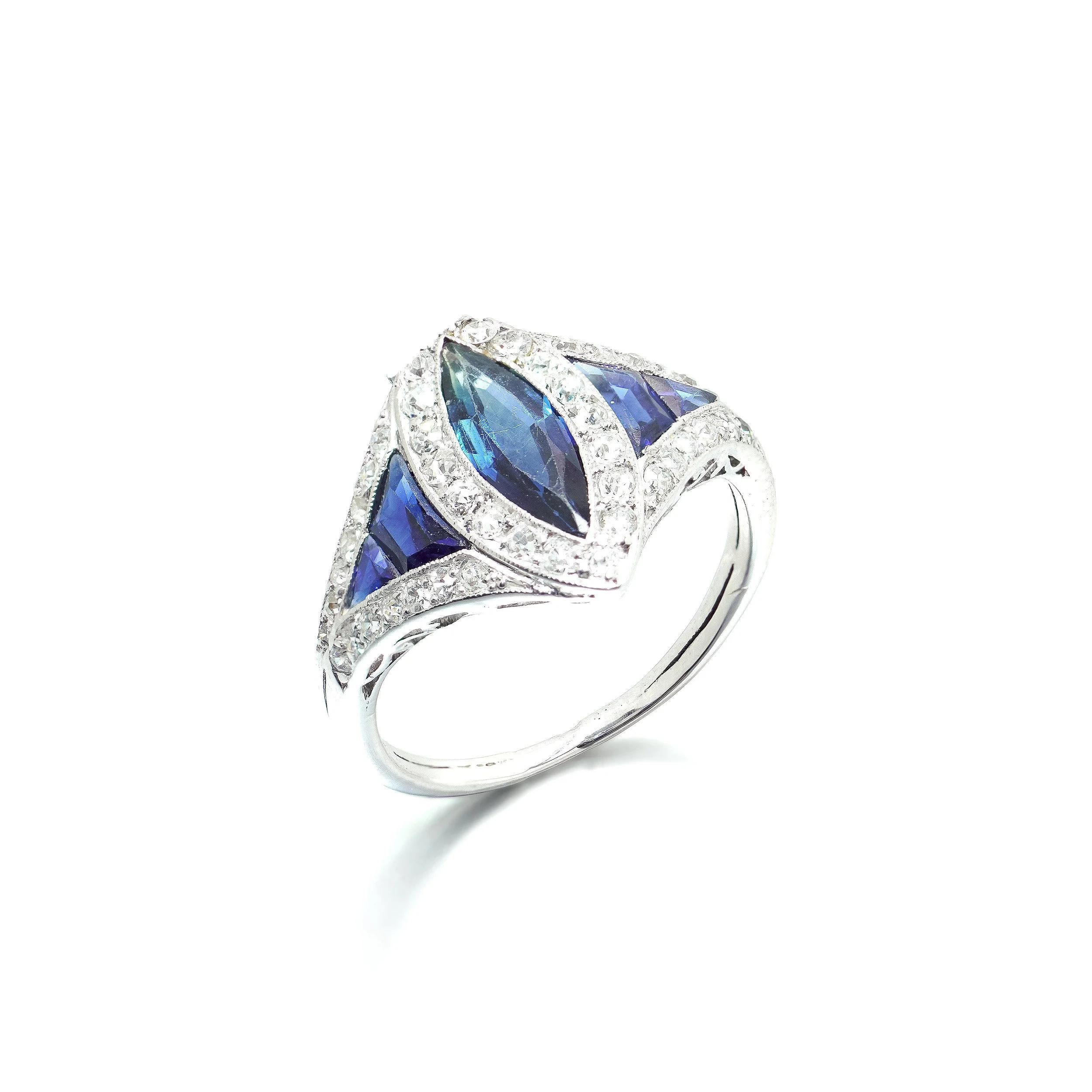 Art Deco Platinum Marquise Sapphire and Diamond Ring, Calibré Sapphire Shoulders£5,400
 Art Deco Platinum Old European Cut Diamond Ring, Circa 1920s£4,980
 Art Deco Chinese Platinum Jade and Diamond Ring£4,650
 Art Deco Platinum Sapphire and Old Cut Diamond Ring£3,985
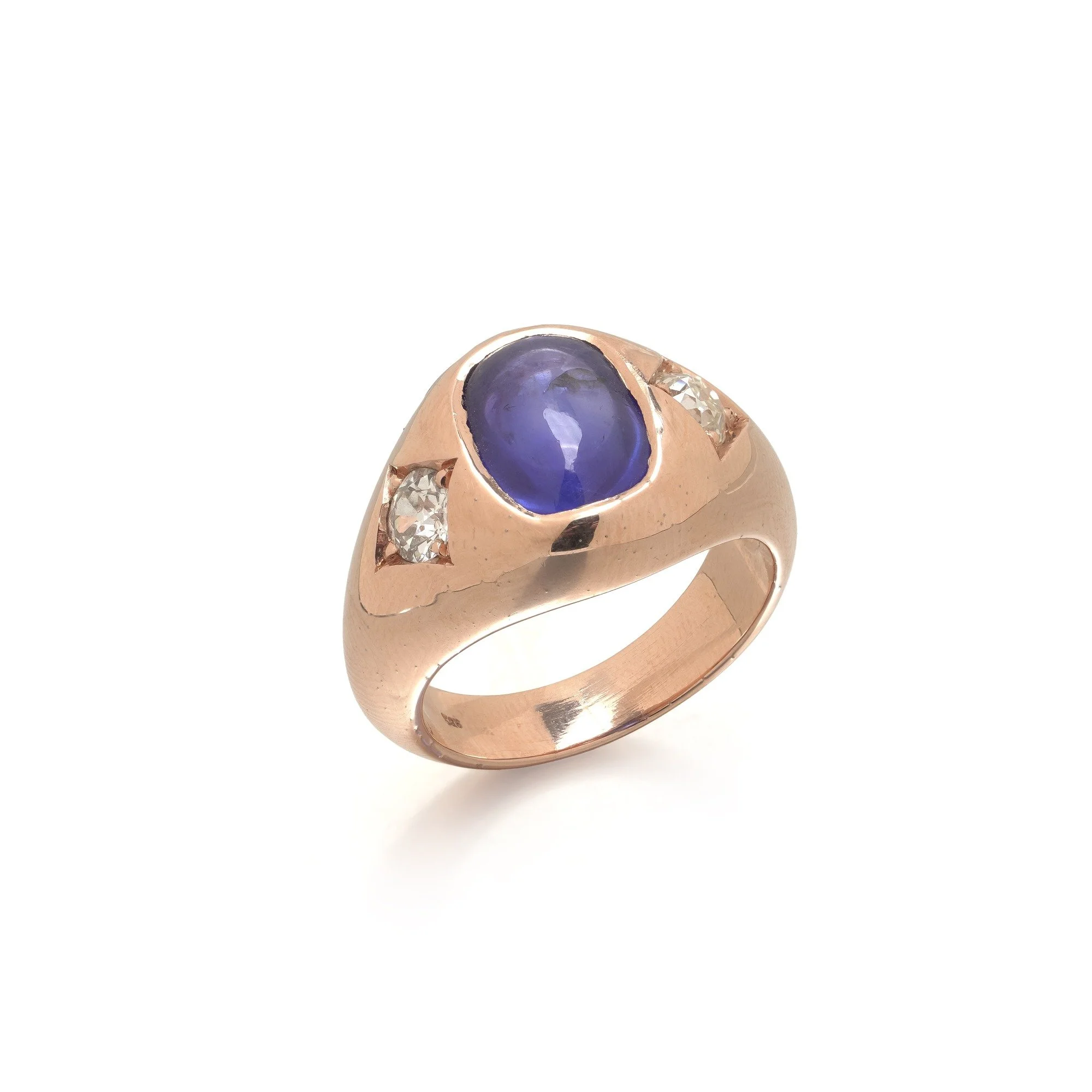
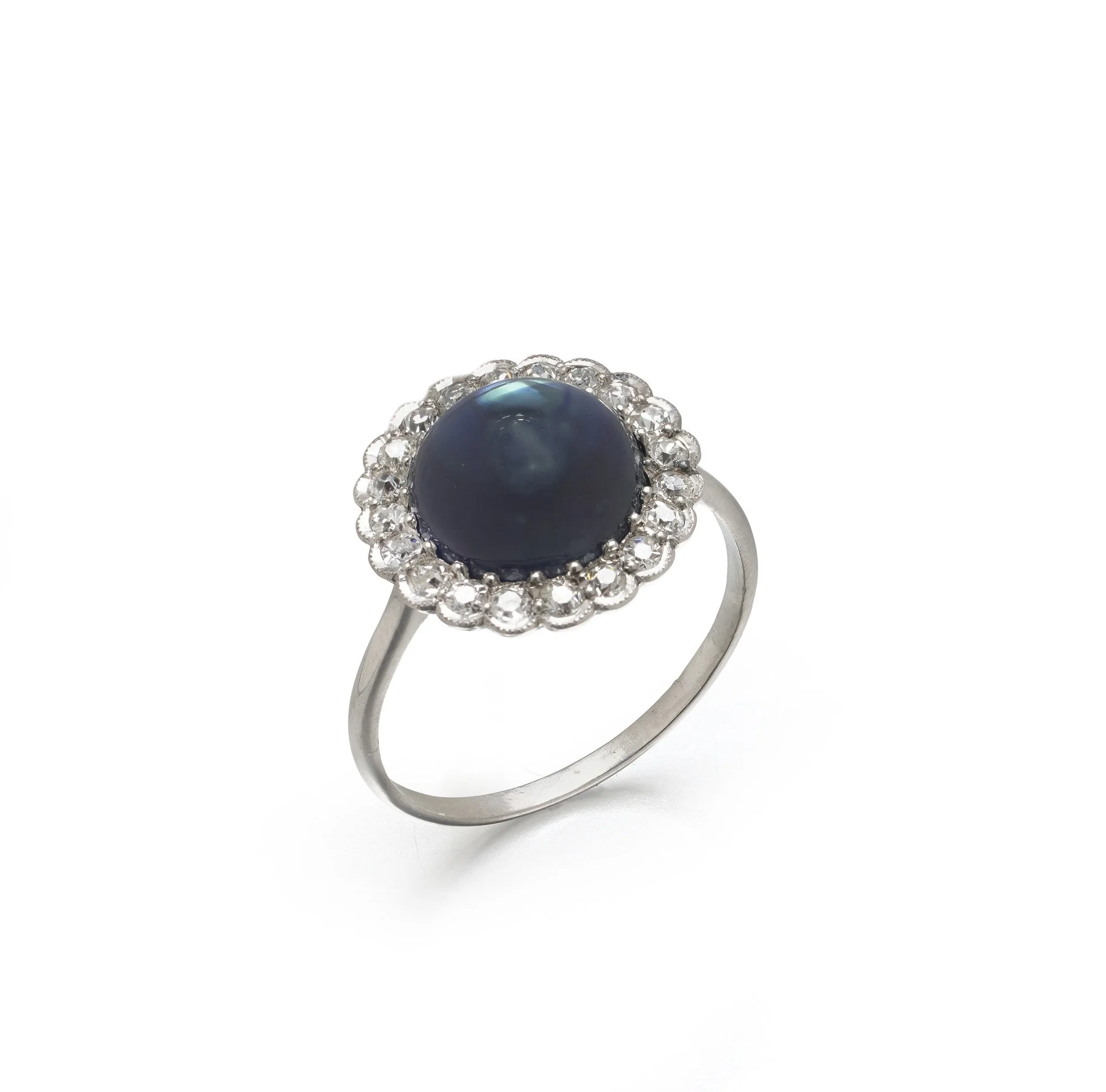 Art Deco Platinum Cabochon Sapphire & Diamond Cluster Ring, Approx. 4.00 ct£3,250
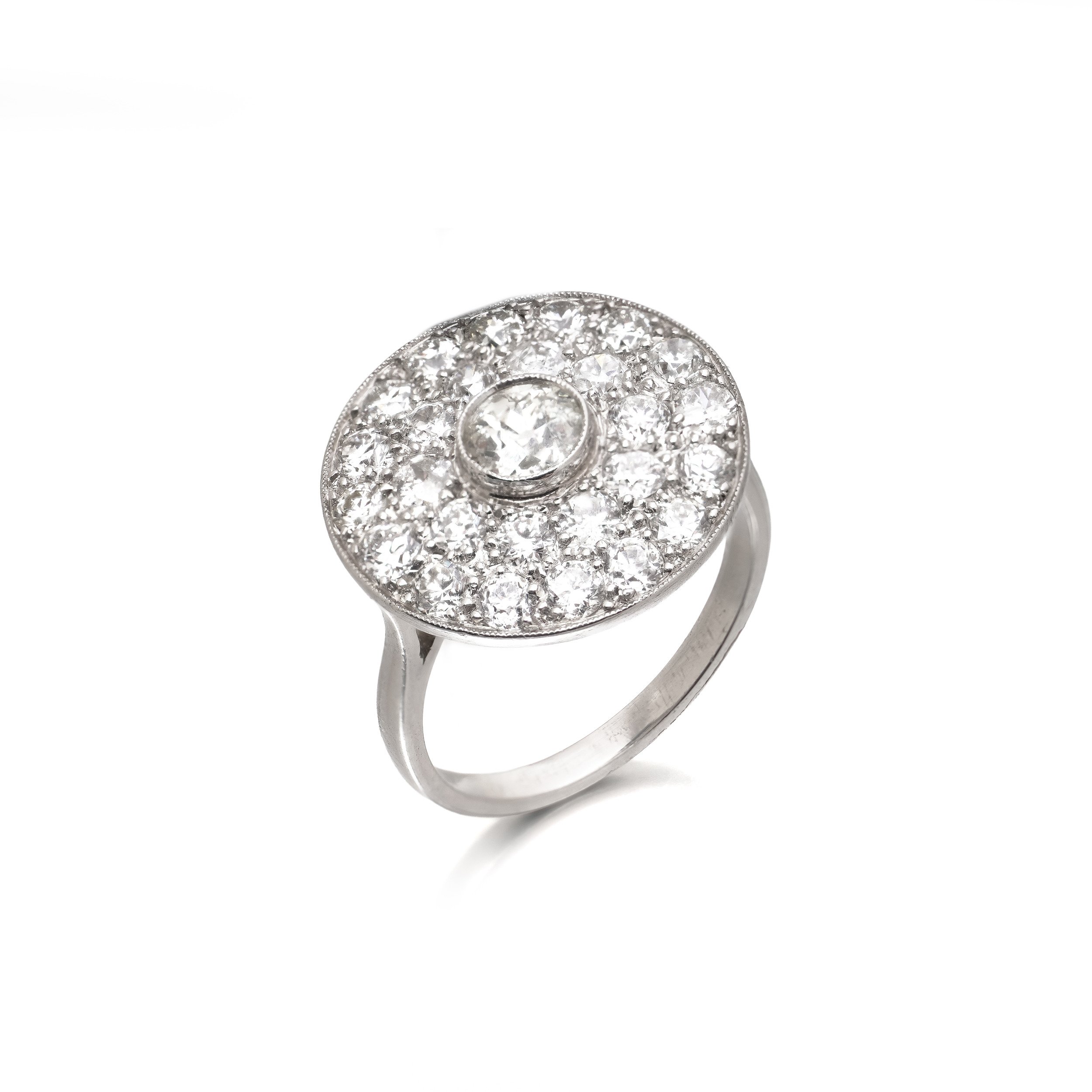 Art Deco Platinum Diamond Target Cluster Ring, Old European Cut, 2.32 Carats£2,985
 Art Deco 18KT Gold South Sea Cultured Pearl & Diamond Ring£2,950
Signet, intaglio and cameo rings 5 rings
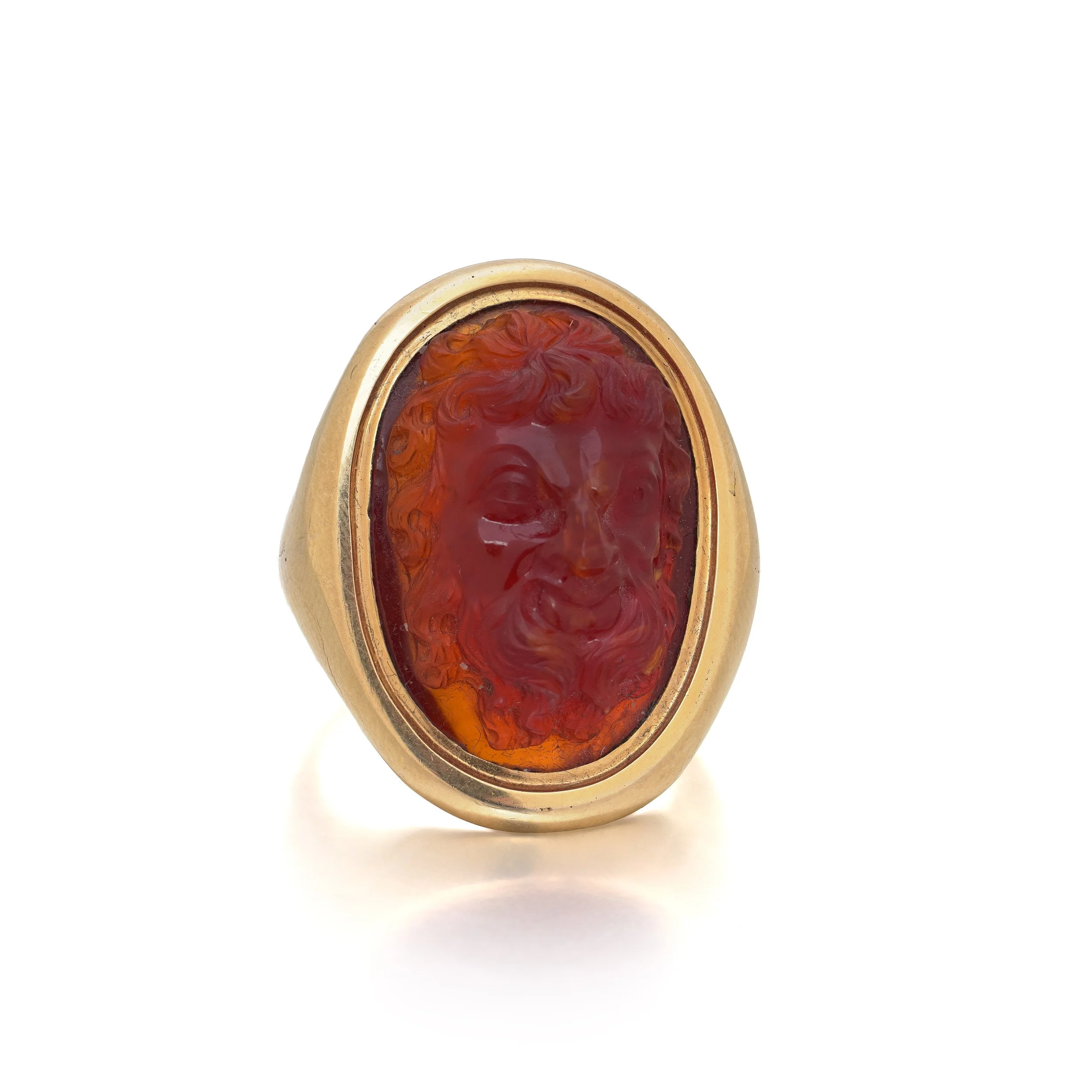 Victorian Carnelian Cameo Ring, Carved Bacchic Mask in 19th Century Gold£8,985
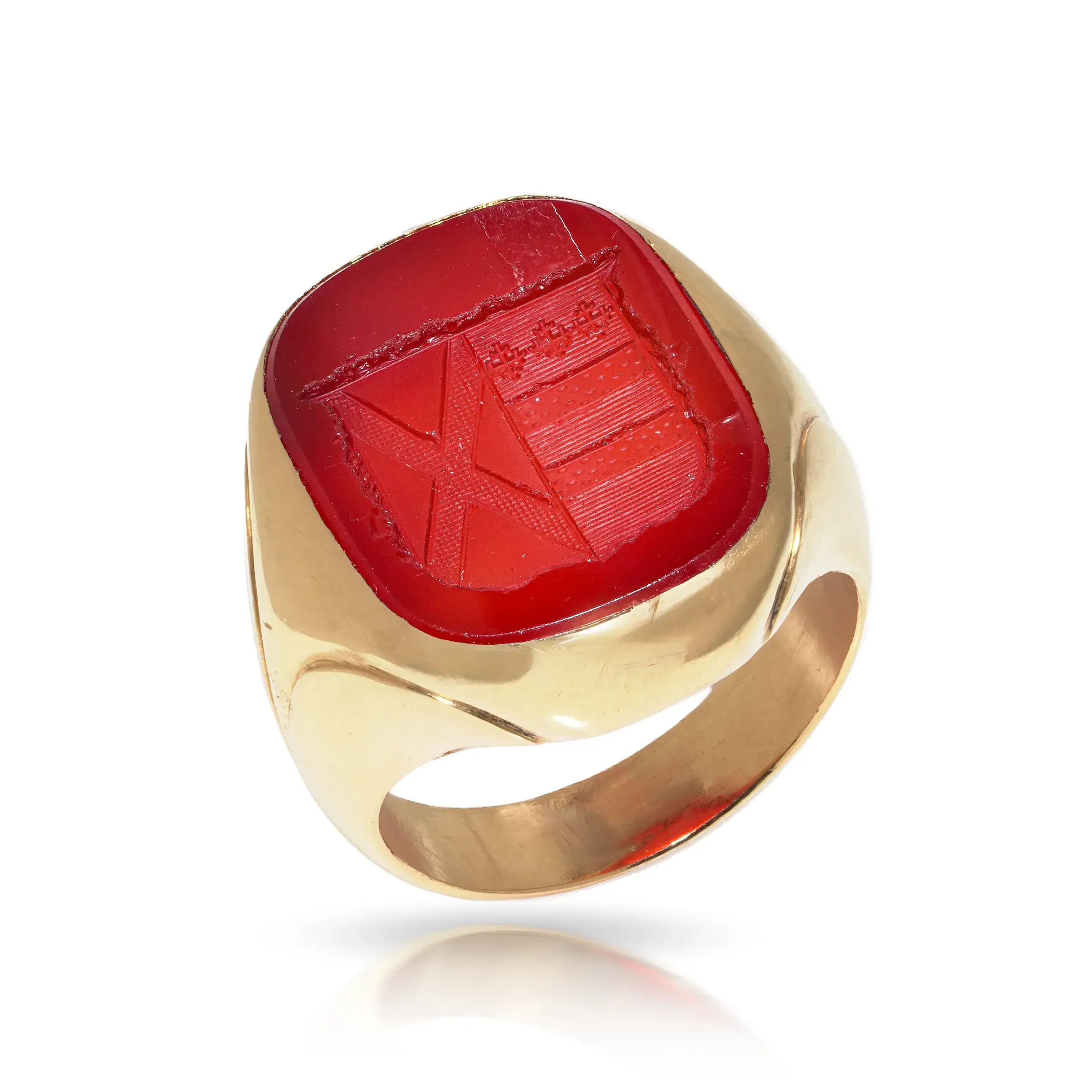 Antique Early 20th Century 18KT Gold Carnelian Intaglio Signet Ring£3,975
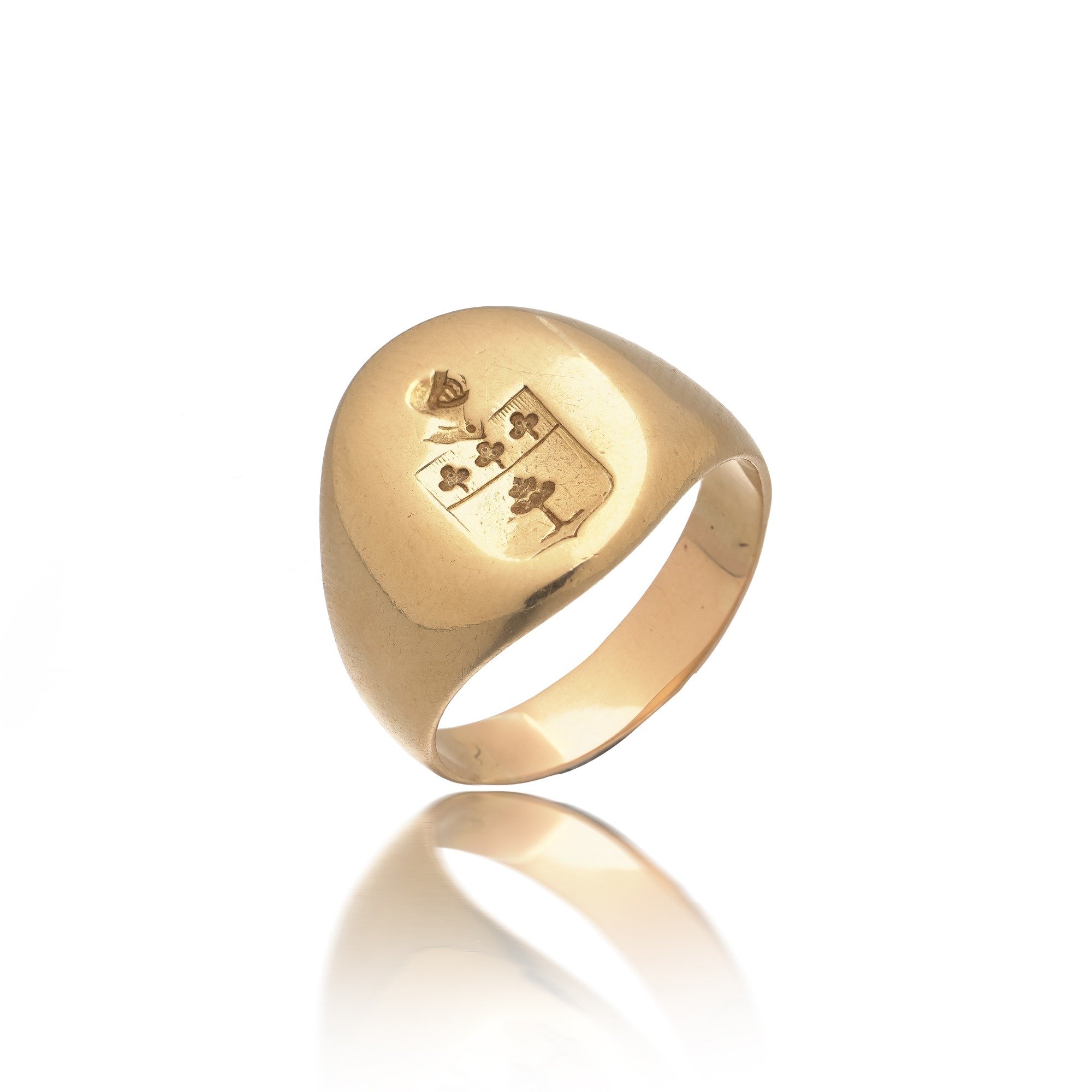 Antique French 18KT Gold Signet Ring, Knight's Helmet & Heraldic Shield£3,950
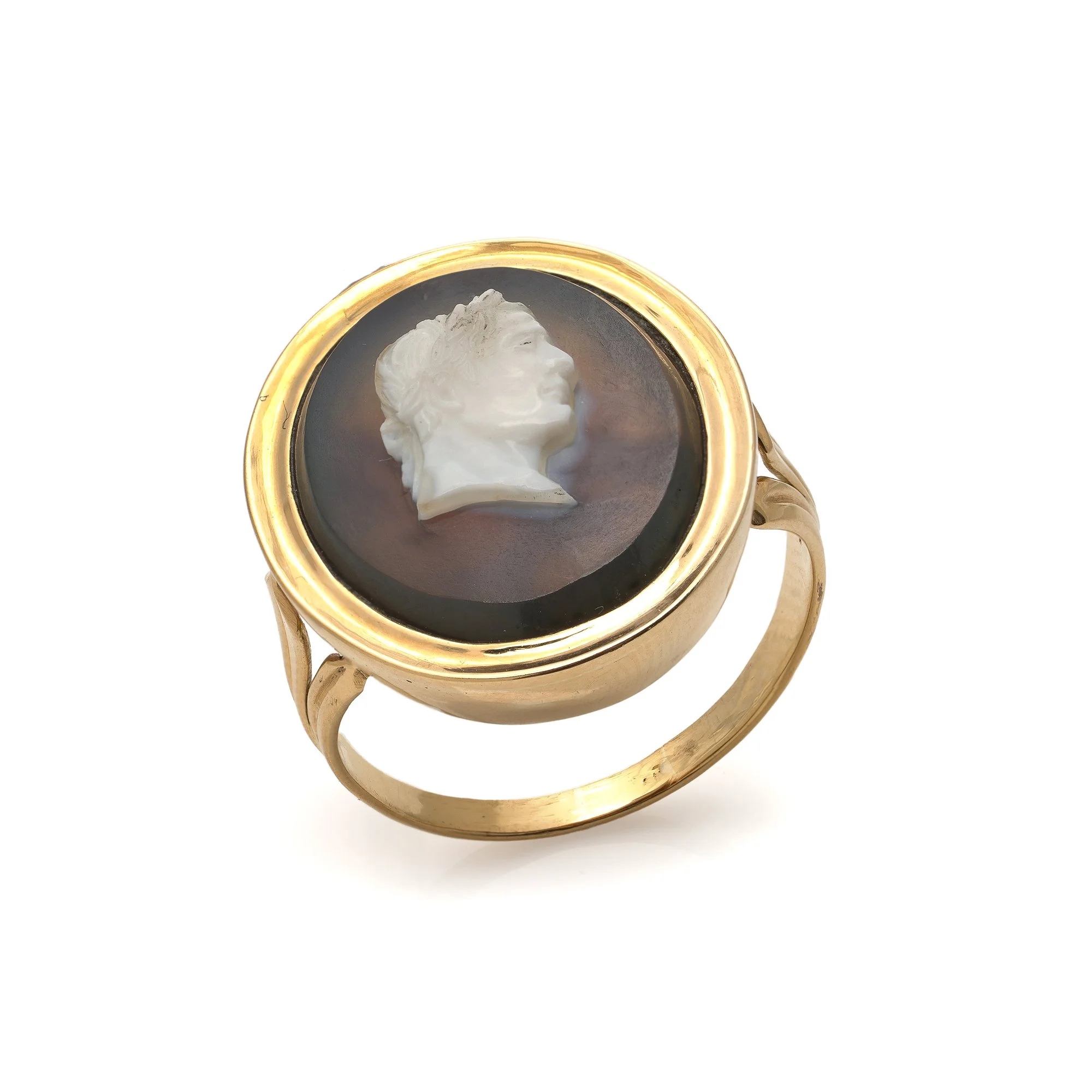 Antique Victorian 18KT Gold Cameo Ring£2,185
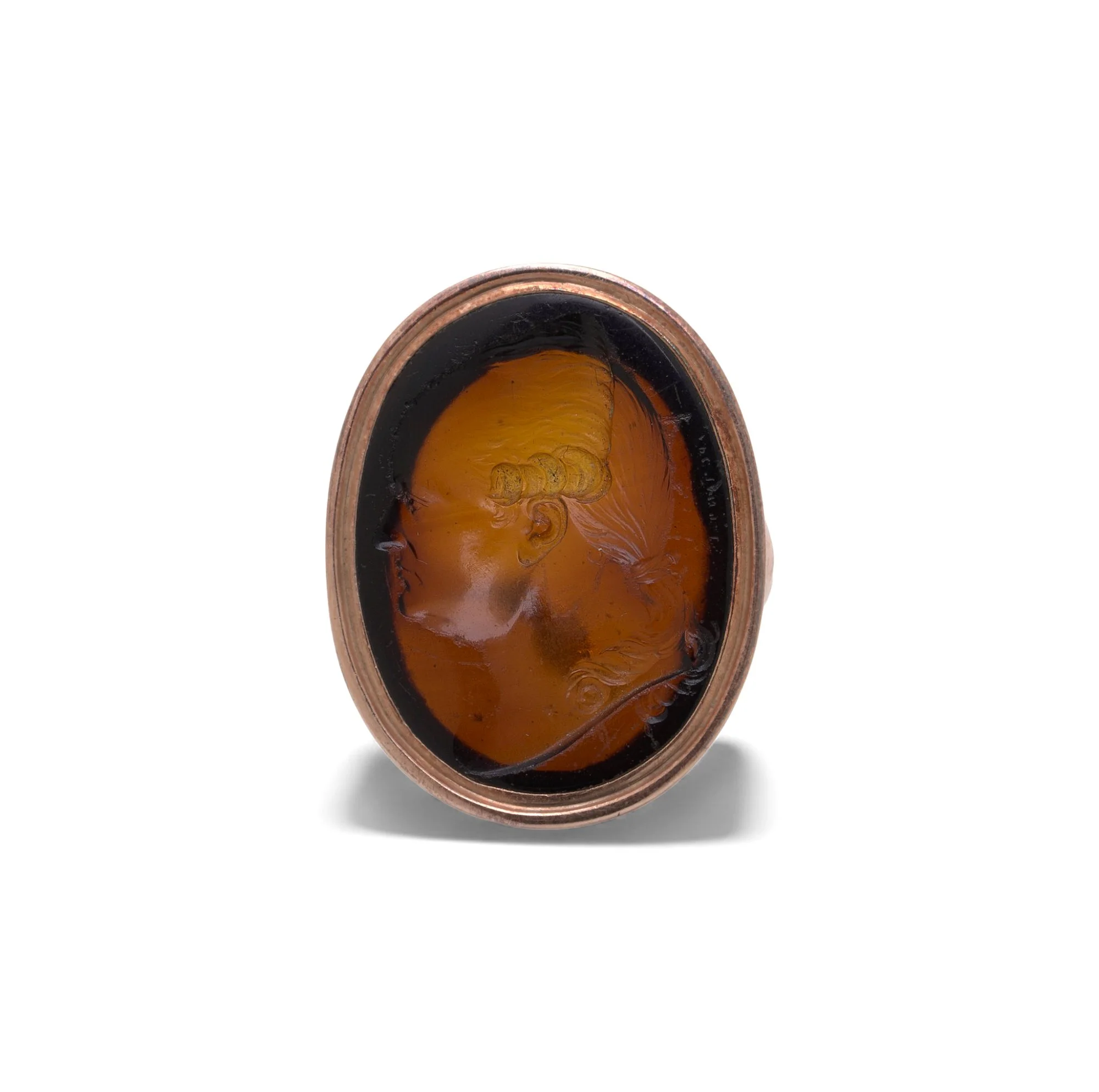 Victorian Gold Ring with 18th-Century Intaglio£1,950
More antique rings 3 rings
Questions about a piece?
4,000+ customers · 10+ years · Read our Google reviews
What makes a ring antique
An antique ring is more than a hundred years old. Every ring on this page is an original of its period, from Georgian clusters made before 1837 to platinum rings of the 1920s and 1930s. Rings described as "in the style of" a period were made later and are not listed here.
Each listing gives the metal, the stones with their cut and measurements, the ring size in UK, US and EU sizes, and photographs from several angles.
Georgian rings, 1714 to 1837
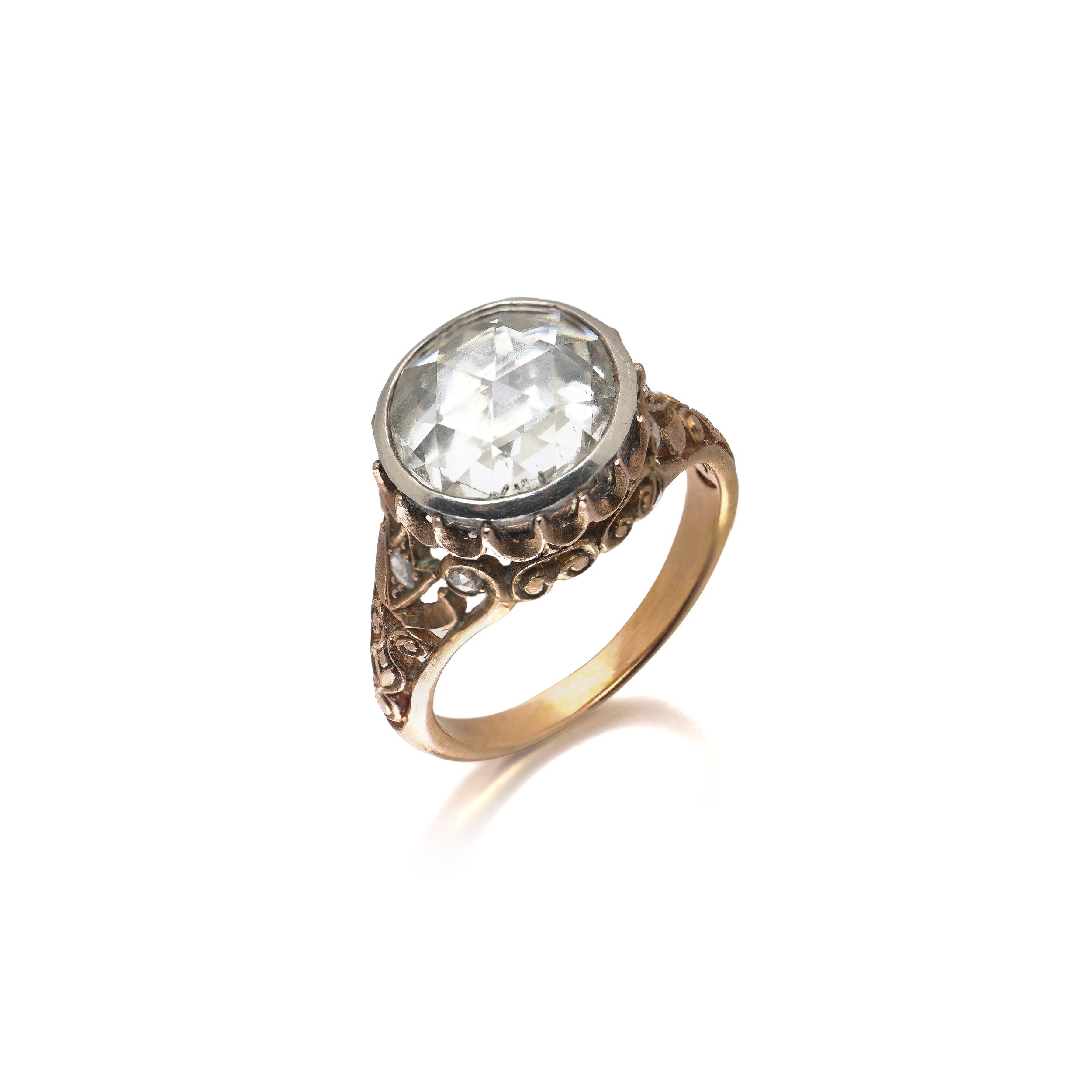
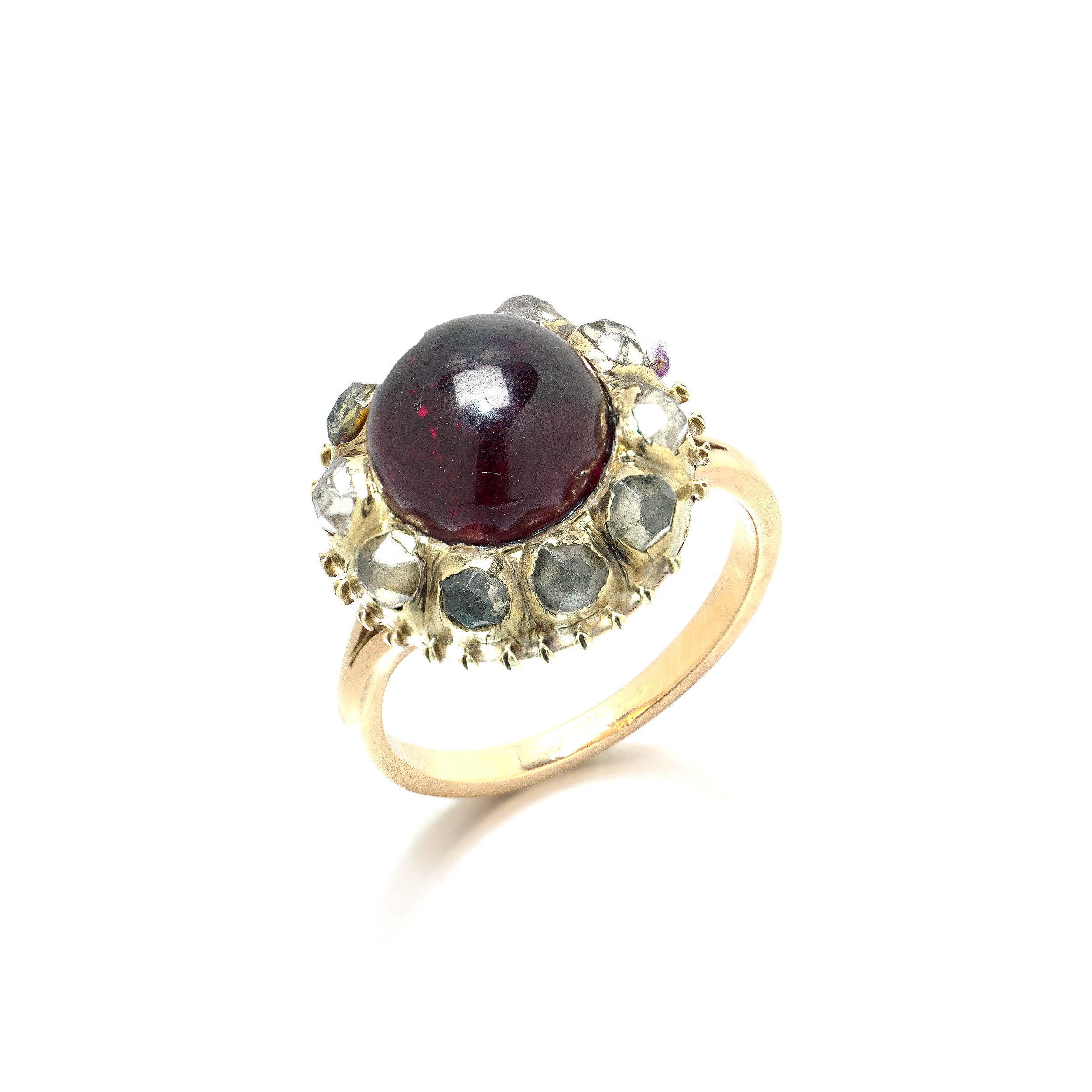
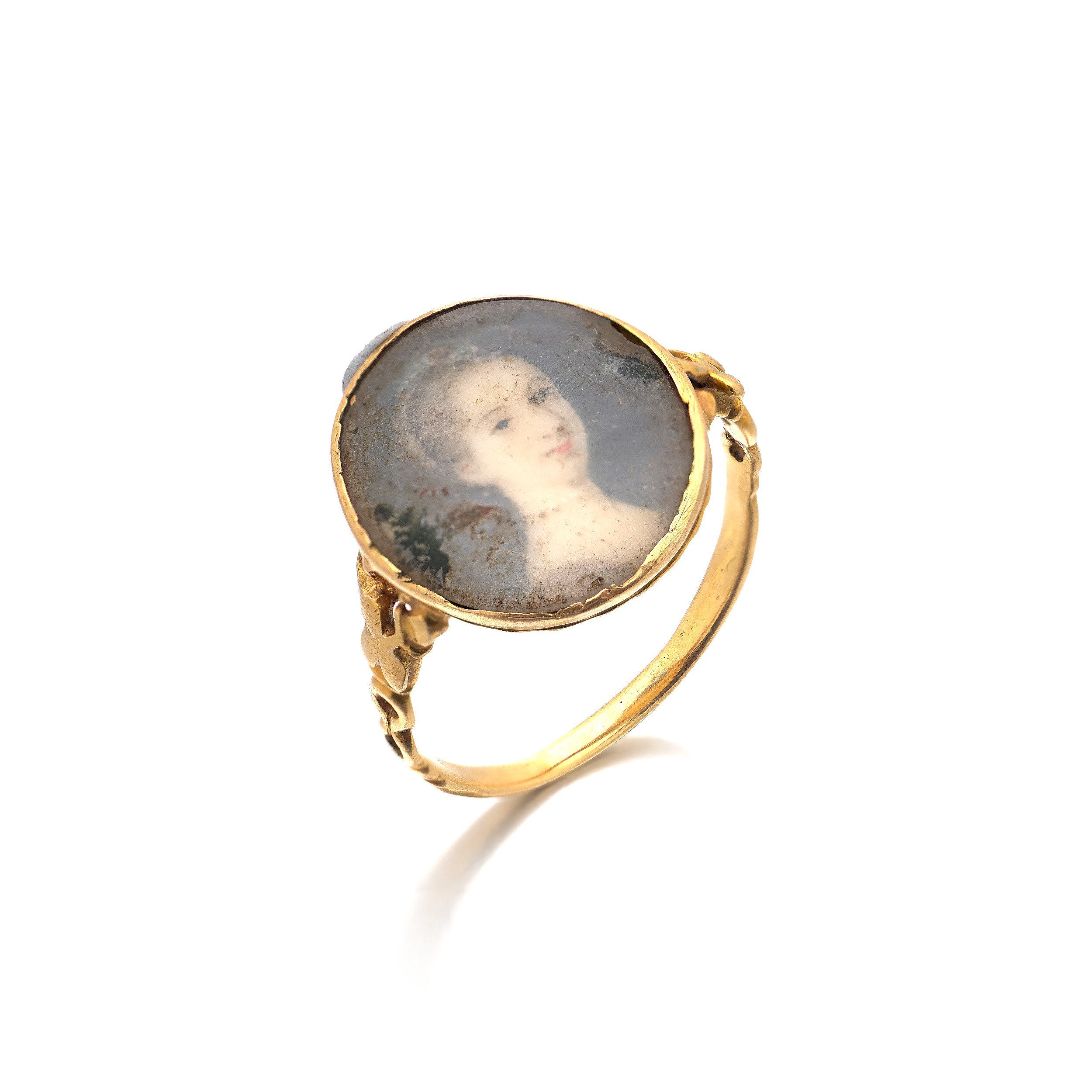
Georgian jewellers set diamonds in silver over gold, often in closed settings, and cut them as rose cuts: a flat base under a dome of triangular facets. The rings here include a rose cut diamond ring of 4.40 carats on a later Victorian 15KT gold shank, a ruby and diamond cluster, a cabochon garnet and rose cut diamond cluster, and an 18KT gold portrait miniature ring with a painted lady under glass.
Victorian rings, 1837 to 1901
The Victorian section is the largest. Clusters and half hoops dominate: a Colombian emerald and diamond cluster in 9KT gold and silver, a three-stone Ceylon sapphire ring with rose cut diamonds, a five-stone sapphire ring in 15KT gold and a five-stone ruby ring of about 2.50 carats.
Snake rings became popular after Prince Albert gave Queen Victoria an emerald-set snake engagement ring in 1839; an 18KT gold diamond snake ring is in stock. Victorian pearls are natural, as in the cluster set with a 2.70 ct old European cut diamond.
Edwardian and early 20th century
Edwardian jewellers worked in platinum and fine gold, with natural pearls, rubies and old European cut diamonds in light, open mounts. In stock: a natural pearl and diamond cluster from about 1910, a natural ruby and old European cut diamond cluster, and a five-stone ruby ring in 18KT gold. Early 20th century pieces include a 2.60 ct old European cut diamond cluster and a turquoise and diamond cluster.
Art Deco rings
Art Deco rings, made from the 1920s to the late 1930s, are geometric and usually platinum. The Art Deco section includes an emerald and diamond plaque ring, a French Colombian emerald cluster of about 2.00 ct, a marquise sapphire ring with calibré-cut sapphire shoulders, a target cluster of old European cut diamonds totalling 2.32 carats, and a Chinese jade and diamond ring in platinum.
Old cut diamonds
Before modern cutting machines, diamonds were cut by hand to keep as much weight as possible. An old mine cut, used through the 18th and 19th centuries, has a cushion outline, a high crown and a small table. The old European cut followed from about 1890 to the 1930s: round, with a high crown and an open culet that shows as a small circle through the table. Both give broad flashes of light rather than the fine sparkle of a modern brilliant, and both feature throughout this collection.
Coloured stones
Coloured stones in antique rings are usually named by origin: Colombian for emeralds, Ceylon (Sri Lanka) for sapphires. Sapphires and rubies rank 9 on the Mohs scale of hardness, after diamond at 10; emeralds rank 7.5 to 8. Alongside them in stock are natural pearls, garnet, turquoise, topaz, jade and banded agate. Where a stone is natural or untreated, the listing says so.
Signet, intaglio and cameo rings
Seal and carved-stone rings form their own group: an early 20th century carnelian intaglio signet ring, a French 18KT gold signet ring engraved with a knight's helmet and heraldic shield, a Victorian carnelian cameo carved with a Bacchic mask, and a Victorian gold ring set with an 18th-century intaglio. An intaglio is carved into the stone; a cameo is carved in relief.
Reading the metal
British gold rings carry a fineness mark: 18 or 750 for 18KT, 15 for 15KT and 9 or 375 for 9KT. 15KT and 9KT were introduced in 1854, and 15KT was dropped in 1932, so a 15KT mark dates a ring to that window on its own. Platinum was not hallmarked in Britain until 1975, so earlier platinum rings are often unmarked or stamped PLAT.
Questions about antique rings
How old does a ring have to be to be antique?
More than a hundred years old. On this page that means Georgian, Victorian, Edwardian and Art Deco rings; younger pieces are listed as vintage.
How can I tell the age of an antique ring?
From its hallmarks, the cut of its stones and how it is made. Rose cut and old mine cut diamonds point to the 19th century or earlier, and a 15KT mark dates a British ring to 1854 to 1932.
What is the difference between an intaglio and a cameo?
An intaglio is carved into the stone, so it can be pressed into wax as a seal. A cameo is carved in relief, standing out from its background.
Which ring sizes are listed?
Each listing gives the ring size in UK, US and EU sizes, for example UK J / US 4¾ / EU 49.
Can I see a ring before buying?
Yes. Rings can be viewed by appointment at our office in Mayfair, London, or in Braintree, Essex.